全球化

Search documents
全球产业链供应链重塑期的中国企业:能力提升!| 跨越山海
Di Yi Cai Jing· 2025-12-31 05:09
Core Insights - The article discusses the evolving landscape of globalization in 2025, highlighting the rise of trade protectionism and the emphasis on national economic policies, which create uncertainties for Chinese enterprises in their global expansion efforts [2][4]. Group 1: Globalization Trends - The global trade environment is increasingly characterized by protectionism, with countries favoring regional trade agreements over multilateral cooperation, leading to a fragmented trade landscape [6]. - Major economies are tightening foreign economic policies under the guise of national security, particularly the U.S. and EU, which are implementing measures aimed at reducing reliance on Chinese technology and supply chains [6][7]. - The EU is establishing new compliance barriers through regulations that impose environmental and labor standards, creating additional challenges for Chinese products entering the European market [7][11]. Group 2: Market-Specific Challenges - In the U.S. market, Chinese companies face stringent export controls and investment scrutiny, particularly in high-tech sectors, which complicates their operational landscape [9][10]. - The EU has introduced a unified foreign direct investment review mechanism, increasing barriers for Chinese investments in critical sectors, alongside new environmental regulations that impose additional costs on Chinese exports [11][12]. - India has adopted a cautious approach towards Chinese enterprises, implementing strict market entry barriers and local compliance requirements, which complicates the operational environment for Chinese firms [14][15]. Group 3: Regional Dynamics - The RCEP agreement offers both opportunities and challenges for Chinese companies, facilitating trade with ASEAN nations while also intensifying competition from regional players [17][18]. - In Latin America, political changes and regional trade agreements introduce uncertainties for Chinese investments, necessitating a flexible approach to navigate the evolving landscape [19][20]. - The Middle East presents a mixed opportunity for Chinese enterprises, with potential for collaboration in infrastructure and technology, but also challenges related to geopolitical tensions and compliance with local regulations [21][22]. Group 4: Case Studies - DHgate has successfully navigated the U.S. market by leveraging a flexible supply chain and innovative marketing strategies, despite facing significant regulatory challenges [28][29]. - Xiaohongshu has capitalized on the migration of users from TikTok, rapidly expanding its user base internationally, but must address content regulation and data security concerns [34][35]. - BYD has adopted a localization strategy in Europe to mitigate the impact of anti-subsidy investigations, while facing significant barriers in the U.S. market due to high tariffs and restrictive policies [39][40][42].



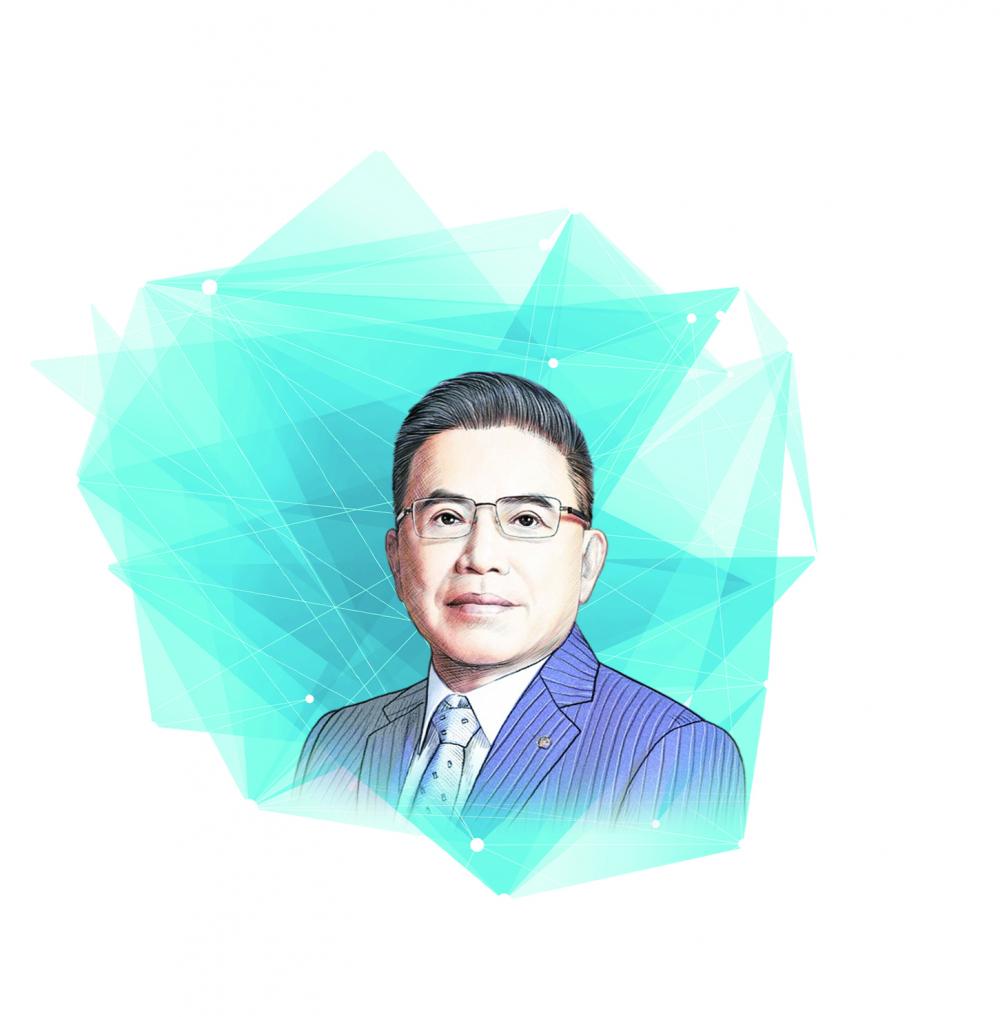
郭广昌新年感言:登高望远,向阳而行
Xin Lang Cai Jing· 2025-12-31 04:45
Core Insights - The company reflects on a year of significant achievements in the biopharmaceutical sector, highlighting the successful clinical use of its innovative drug, Revamin, and the approval of multiple CAR-T products, showcasing its commitment to addressing rare diseases and cancer treatment gaps [3][6][33] - Club Med has seen substantial growth, with global revenue projected to increase from €1.5 billion in 2015 to €2.1 billion in 2024, and operating profit has grown over five times, indicating strong market demand for innovative travel experiences [9][40] - The company emphasizes its focus on user-centered product development in the tourism sector, aiming to enhance family vacation experiences rather than merely creating tourist attractions [6][38] Biopharmaceutical Innovations - Revamin has been officially launched for clinical use, filling a treatment void for rare tumors in China [3][7] - The company has successfully developed and received approval for multiple innovative drugs, including the first CAR-T product for gastric cancer, which has been recognized as a breakthrough therapy [6][38] - Since 2019, the company has launched a total of 12 innovative drugs, demonstrating its ongoing commitment to patient care and treatment advancements [3][33] Tourism and Leisure Sector - Club Med's performance has reached new heights, with an increasing number of families prioritizing snow vacations, supported by the ongoing development of the "Super Mediterranean" project [6][38] - The company has introduced three core product lines in the tourism sector, focusing on user needs to enhance vacation experiences [6][38] - Atlantis in Sanya has solidified its leading position in the vacation market, with annual visitor numbers reaching 1.5 million [11][43] Globalization and Market Expansion - The company has achieved over 50% of its revenue from international markets, highlighting its successful globalization strategy [16][45] - The Portuguese insurance subsidiary has seen nearly 30% of its business come from international operations, contributing to a diversified revenue stream [16][45] - The company has established strategic partnerships, such as with Fakeeh Care Group in Saudi Arabia, to expand its CAR-T technology internationally [16][46] Cultural and Community Engagement - The company has actively engaged in cultural initiatives, such as the successful summer event at Yuyuan Garden, attracting over 7.5 million visitors, with a significant portion being young people [52] - The company has been recognized for its commitment to social responsibility, being included in the S&P Global Sustainability Yearbook for the second consecutive year [54] - Ongoing support for educational and healthcare initiatives, including donations to Fudan University Affiliated Hospital, reflects the company's dedication to community welfare [57]



专访TCL创始人、董事长李东生:将中国制造产业优势,扩展到全球
2 1 Shi Ji Jing Ji Bao Dao· 2025-12-31 00:15
Core Viewpoint - Tijuana, located on the US-Mexico border, is emerging as a key hub for cross-border manufacturing and trade, particularly for electronics, automotive, and medical devices, as global supply chains are being restructured [1][2] Group 1: Globalization and Local Strategy - TCL's approach to globalization is not merely market expansion but involves a long-term layout around industrial capabilities and organizational structure [3][4] - The company aims to establish five regional centers globally, enhancing its operational system and brand influence while supporting global business expansion [3][4] - TCL emphasizes a localization strategy by building local supply chains and integrating with local resources and development needs, aiming for mutual benefits [4][5] Group 2: Challenges and New Cycles - The company identifies two overlapping challenges: a new cycle in global economic and trade patterns and a new cycle of technological transformation [5][6] - The shift towards localization and regionalization in global trade is seen as both an opportunity and a challenge for Chinese enterprises [5][6] Group 3: Industrial Capability Building - The logic of overseas expansion is shifting from "factory production" to "capability co-construction," focusing on building comprehensive supply chain systems and R&D capabilities [6][7] - TCL's manufacturing base in Mexico, the MOKA factory, has expanded its annual production capacity from 500,000-700,000 units to approximately 3 million units [7] - The MASA factory in Mexico has resumed operations, focusing on producing large-screen televisions for the North American market, with 30%-40% of its capacity serving the local market [7][8] Group 4: New Trade Ecosystem - The global manufacturing system is characterized by interdependence among industries and economies, which is being reshaped by recent trade environment changes [8][9] - Chinese companies, including TCL, play a crucial role in the development of industrial clusters in Mexico and Vietnam, driven by tariff considerations and geopolitical factors [9][10] Group 5: Competitive Landscape and Opportunities - Chinese enterprises are increasingly competing with multinational companies in global markets, with significant opportunities for growth outside of domestic markets [9][10] - The necessity for Chinese companies to engage in international competition is highlighted as a pathway to overcoming domestic market challenges and achieving global leadership [10][11]

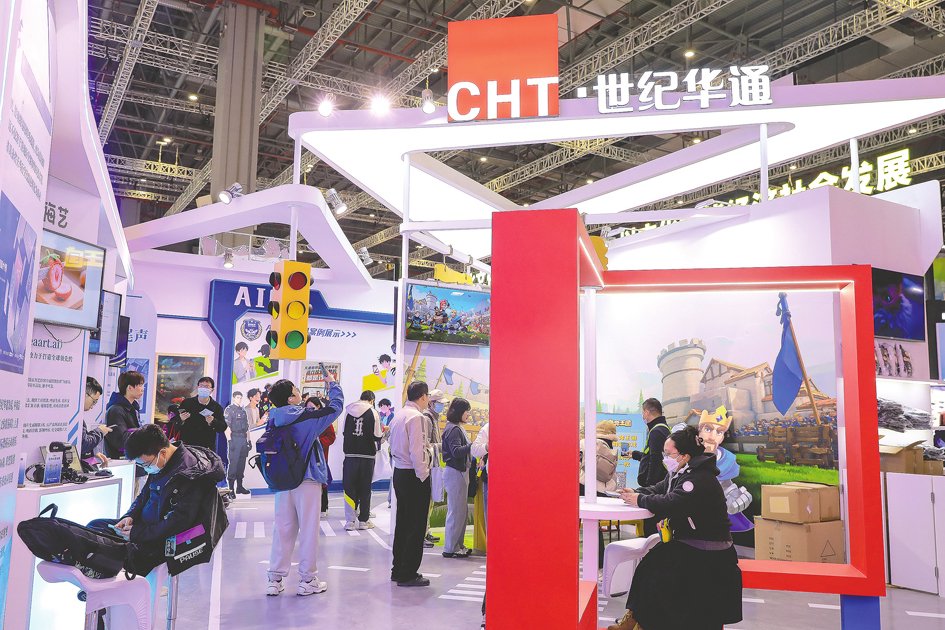
世纪华通王佶:相信数据,坚持摒除主观决策的掣肘
Mei Ri Jing Ji Xin Wen· 2025-12-30 13:24
Core Viewpoint - Century Huatong has successfully transformed from a struggling company in the gaming industry to a leader in market capitalization within A-shares, achieving a market value of 128.8 billion yuan and surpassing 50% in overseas revenue by 2025 [1][3]. Group 1: Company Transformation - The company faced challenges in 2022, including integration issues from the acquisition of Shengda Games and intense competition from Tencent and NetEase, which held over 70% of the domestic market [1]. - The CEO, Wang Ji, has been pivotal in this transformation, increasing the mobile game revenue share from 30% to 70% since joining the company in 2014 [3]. Group 2: Global Strategy - The company prioritizes globally appealing game genres, focusing on SLG (strategy games) and casual games, while implementing localized adaptations based on regional user preferences [4]. - The strategy involves launching new products in overseas markets first to validate their effectiveness before introducing them domestically, thereby minimizing market risks [4][6]. Group 3: Market Adaptation - The company views overseas markets as a cohesive whole and adjusts its strategies based on product performance data across different regions [5]. - Local teams are established in key markets like Europe and Japan to manage community operations and user feedback, tailoring content to meet local preferences [5]. Group 4: Cost Management and Innovation - The company employs a "small cost, fast iteration" approach to test new products, relying heavily on data-driven decision-making rather than subjective judgments [7]. - This methodology has been developed over years and is considered a core competitive advantage, particularly in overseas markets [7]. Group 5: AI Integration - The company is investing in AI technology, including an automated testing platform that significantly reduces testing cycles and improves efficiency [8]. - Future developments will focus on AI-native games, evolving traditional gaming into comprehensive digital social infrastructures [9]. Group 6: Financial Position and Market Confidence - The company successfully lifted its stock delisting status in November, enhancing its funding environment and investor confidence, leading to increased trading volume and stock liquidity [10][11]. - The company plans to leverage its improved brand image to facilitate global business expansion and attract favorable partnerships [11]. Group 7: Future Goals - In the next 3 to 5 years, the company aims to compete on a global scale, moving beyond domestic gaming competition to establish a sustainable competitive advantage [12]. - The company is also exploring investments in AI, smart robotics, and chip design/storage sectors [13].

Meta数十亿美元买走中国AI团队,我们该鼓掌还是警醒?
Sou Hu Cai Jing· 2025-12-30 11:26
Core Viewpoint - Meta's acquisition of Manus, a Chinese AI company, marks a significant move in the tech competition between the US and China, highlighting the importance of AI in Meta's strategy and the global dynamics of talent and technology [4][5][10]. Group 1: Acquisition Details - Meta announced the acquisition of Manus for several billion dollars, making it the third-largest acquisition in the company's history [2]. - The entire Manus team will join Meta, with founder Xiao Hong becoming the Vice President in charge of AI agent technology [3]. - Manus will continue to operate independently in Singapore, maintaining its products and services [4]. Group 2: Strategic Importance - Meta has invested $54 billion in AI infrastructure in 2025, indicating the priority of AI within the company [6]. - Manus fills a critical gap for Meta, providing a general-purpose AI agent that achieved an accuracy of 86.5% in the GAIA standard test, surpassing similar products from OpenAI [8]. - The acquisition allows Meta to enhance its capabilities in automating content and advertising, leveraging its nearly 4 billion monthly active users [10]. Group 3: Implications for China - The acquisition reflects the capabilities and talents of Chinese AI innovators, as Manus was recognized and acquired by a leading global tech company [11][12]. - Early investors like ZhenFund see this as a successful exit, potentially encouraging more investment in AI startups [13]. - The move raises concerns about the outflow of top AI talent from China, as key personnel from Manus will now work for Meta [15][16]. Group 4: Challenges and Considerations - Manus's relocation to Singapore was influenced by international political pressures and the need for compliance with US regulations, highlighting the challenges faced by Chinese tech companies [17][19]. - The company faced difficulties in accessing high-performance AI chips due to US export controls, which affected its product development [19][20]. - The strategic decision to move to Singapore was also driven by the need for a more favorable environment for AI development and investment [21][22]. Group 5: Broader Industry Reflections - The acquisition raises critical questions about talent retention and the ecosystem for innovation in China, emphasizing the need for an environment that nurtures and retains top talent [24]. - It highlights the challenges of balancing technological independence with global integration in the AI sector [25]. - The relationship between capital and innovation is underscored, as the demands of foreign investors can influence the operational choices of tech companies [26]. Group 6: Future Outlook - Meta's acquisition of Manus serves as a microcosm of the complex interplay between technology, capital, international politics, and individual aspirations in the current era [27]. - It acts as a wake-up call for the Chinese AI industry, indicating the need for improvements in infrastructure and ecosystem to maintain competitive advantages [28]. - The future of competition will hinge not only on specific technologies but also on the overall ecosystem and its resilience [29][30].

柳工(000528):公司 2026 年年度财务预算议案点评:混改效果持续体现,收入和净利润维持增长
国泰海通· 2025-12-30 07:31
公 司 研 究 混改效果持续体现,收入和净利润维持增长 柳工(000528) 公司 2026 年年度财务预算议案点评 | [姓名table_Authors] | 电话 | 邮箱 | 登记编号 | | --- | --- | --- | --- | | 肖群稀(分析师) | 0755-23976830 | xiaoqunxi@gtht.com | S0880522120001 | | 赵靖博(分析师) | 021-23185625 | zhaojingbo@gtht.com | S0880525040056 | 本报告导读: 目前挖机内销温和复苏,海外销售结构性改善,公司智能化、电动化、全球化布局 完善,混改效果突出,业绩有望持续释放。 投资要点: | [Table_Finance] 财务摘要(百万元) | 2023A | 2024A | 2025E | 2026E | 2027E | | --- | --- | --- | --- | --- | --- | | 营业总收入 | 27,519 | 30,063 | 34,368 | 39,305 | 43,184 | | (+/-)% | 3.9% | 9.2 ...

第一财经新年致读者:你是自己的第一作者
第一财经· 2025-12-30 06:46
Core Viewpoint - The article reflects on the rapid changes and disruptions experienced over the past 25 years, emphasizing the dual themes of "acceleration" and "disruption" in various fields, particularly in technology and societal structures [4][5]. Group 1: Acceleration and Disruption - The emergence of generative AI technologies, such as ChatGPT, alongside advancements in biomedicine, quantum communication, and brain-machine interfaces, signifies a transformative phase in human technological achievements [4][5]. - The acceleration of human progress is likened to a boiling point that could elevate civilization to a new dimension, while the disruption challenges established norms and moral foundations in global governance and social order [5]. Group 2: Economic and Structural Challenges - The new quarter-century presents challenges related to industrial structure, debt rates, birth rates, and external environments, necessitating a reevaluation of development models [5]. - The article discusses the need for either macroeconomic policies to ensure stability or deeper reforms to unlock potential, highlighting the importance of addressing structural issues through comprehensive reforms [5][6]. Group 3: Individual Response and Agency - Individuals are encouraged to confront the mixed feelings of excitement and anxiety brought about by rapid changes, emphasizing the importance of proactive choices and actions in shaping one's future [6][7]. - The article posits that every small improvement in individual circumstances contributes to a larger collective force, underscoring the significance of personal responsibility and agency in navigating the complexities of the modern world [7].

共话中国经济新机遇丨专访:中国不断为世界提供贸易和创新机遇——访英国48家集团名誉主席斯蒂芬·佩里
Xin Hua Wang· 2025-12-30 06:21
新华社伦敦12月30日电 专访:中国不断为世界提供贸易和创新机遇——访英国48家集团名誉主席斯蒂 芬·佩里 他认为,可通过欧中企业合资和共同持股等方式,缓解围绕电动汽车等先进技术的争端,欧洲企业需要 重新思考自己的商业模式。"如果试图单方面主导亚洲或非洲,就会引发抵触。" 佩里表示,48家集团正重点推进机器人、人工智能等领域的对华合作,推动更多英国企业进入中国市 场,同时鼓励中国企业在英国开展业务。 他说,关税和贸易壁垒会抑制长期投资、扰乱供应链,成为发展的障碍。年轻一代更倾向于走向世界、 参与全球合作,而非"设置壁垒"。合作、创新以及共享型商业模式将定义下一阶段英中经贸关系的发展 方向。 佩里说,中国大部分的贸易最初都集中于北美和欧洲。随着中国不断扩大与亚洲、非洲等地的贸易往 来,这一格局已经发生变化。 他认为,在共建"一带一路"框架下,中国修建的铁路和公路设施打通了过去难以实现的贸易线路,并对 更广泛的全球市场开放这些通道。 佩里强调,中国在发展过程中没有进行军事力量扩张,也"没有把导弹指向世界各地",而是通过"帮助 世界发展来实现自身发展"。 在创新方面,佩里说,中国将在"各个领域持续创新",并重构教育 ...
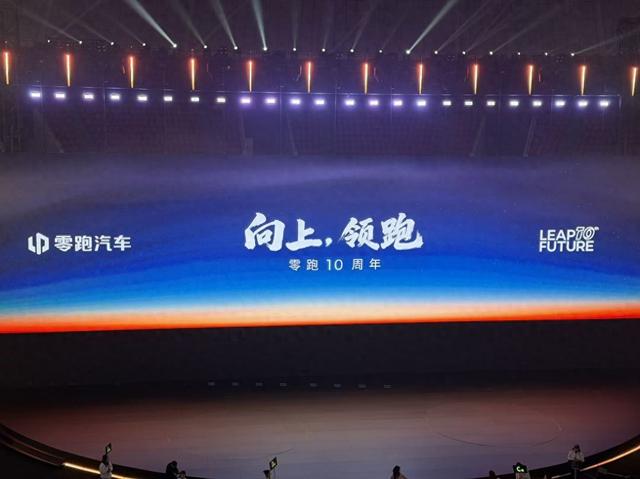
从“找到感觉”到冲击百万销量,零跑能否走稳“向上”新周期
Guan Cha Zhe Wang· 2025-12-30 03:16
Core Insights - The article discusses Leap Motor's ten-year journey and future strategic planning, emphasizing its transition from survival to aiming for a world-class smart electric vehicle company [1][3][24] Group 1: Company Overview - Leap Motor was founded by an engineer with a background in security and electronics, lacking the typical advantages of internet companies or traditional automakers [5] - The company initially struggled with its first model, S01, but found success with the T03, establishing a stable sales trajectory [7][9] Group 2: Sales and Growth - Leap Motor's sales have shown significant growth, delivering approximately 44,000 vehicles in 2021, over 100,000 in 2022, and reaching 140,000 in 2023, with projections nearing 300,000 in 2024 and close to 600,000 by 2025 [9][24] - The company aims to achieve annual sales of 4 million vehicles by 2033, with a target of 1 million units by 2026 [18][20] Group 3: Technological Development - Leap Motor has invested heavily in core technologies, focusing on battery, electric drive, and electronic architecture, which are seen as essential for electric vehicles [10][12] - The company has developed a self-research and manufacturing system, with self-produced components accounting for about 65% of vehicle costs [12] Group 4: Market Positioning and Strategy - The new slogan "Upward, Lead" reflects Leap Motor's shift in focus from survival to establishing its position in the industry [3][24] - The company is enhancing its product lineup with the introduction of the D series, which features advanced technologies and aims to elevate the brand's market presence [23][26] Group 5: Future Challenges and Opportunities - Leap Motor acknowledges the challenges ahead, including price competition and the complexities of globalization, as it transitions into a more competitive environment [24][26] - The partnership with Stellantis is part of its strategy to strengthen its global presence, with expectations of significant overseas sales by 2025 [18][26]
2025,中产都抛弃了哪些消费品牌?
阿尔法工场研究院· 2025-12-30 00:02
Core Viewpoint - The article discusses the stark contrast in China's consumer market in 2025, highlighting a significant divide between thriving companies and those that have collapsed, marking a shift from a "growth at all costs" mentality to a focus on efficiency and sustainability in business models [5][6][11]. Group 1: Market Dynamics - In 2025, the consumer market experienced a "violent clearing," with many once-prominent unicorns collapsing, signaling the end of an era characterized by unsustainable growth strategies [6][8]. - The year 2025 is described as a "tombstone" for new consumption, as the last illusions surrounding high prices and influencer-driven brands were shattered, exemplified by the downfall of brands like Zhong Xuegao [8][9]. - The collapse of established giants like Christine and Xu Li Shan reflects a failure to adapt to changing consumer preferences and market conditions, leading to their eventual exit from the market [9][10]. Group 2: Survivors and New Trends - Despite the failures, a new wave of companies thrived in 2025, particularly in the new tea beverage sector, with brands like Mixue Ice City and Tea Baidao successfully going public [15][16]. - The success of these companies is attributed to their focus on supply chain efficiency and cost control, moving away from traditional notions of craftsmanship to a more industrialized approach [16][17]. - The "lipstick effect" emerged as consumers shifted spending from large purchases to small, affordable pleasures, benefiting brands like Bubble Mart and new tea beverage companies [18]. Group 3: Investment Landscape - The investment landscape in 2025 saw a dramatic reduction in financing activities, with only 74 rounds of funding compared to 133 in the previous year, indicating a shift away from reckless spending [23][24]. - The restaurant sector remained a focal point for investment, accounting for 45 out of the 74 financing rounds, as capital sought safety in high-frequency, essential consumer needs [24][26]. - Brands that demonstrated strong supply chain control and technological integration, such as those in the coffee sector, began to attract significant investment, reflecting a new focus on efficiency and innovation [27][28]. Group 4: Future Outlook - The article suggests that the consumer market in 2026 will prioritize global distribution over domestic expansion, as companies seek to leverage their efficiencies in international markets [31][32]. - The survival of brands in the coming years will depend on their ability to adapt to changing consumer behaviors and market conditions, emphasizing the importance of supply chain management and genuine consumer engagement [33][34].