高股息

Search documents
Is WisdomTree U.S. High Dividend ETF (DHS) a Strong ETF Right Now?
ZACKS· 2025-08-26 11:21
Core Insights - The WisdomTree U.S. High Dividend ETF (DHS) is a smart beta ETF launched on June 16, 2006, providing broad exposure to the Large Cap Value category [1] - DHS has accumulated over $1.29 billion in assets, positioning it as an average-sized ETF in its category [5] - The fund aims to match the performance of the WisdomTree U.S. High Dividend Index, which is fundamentally weighted and focuses on companies with high dividend yields [5] Investment Strategy - Smart beta ETFs, like DHS, differ from traditional market cap weighted indexes by selecting stocks based on fundamental characteristics rather than market capitalization [3][4] - The annual operating expenses for DHS are 0.38%, which is competitive within its peer group [6] - The fund has a 12-month trailing dividend yield of 3.38% [6] Holdings and Sector Exposure - DHS's top holdings include Philip Morris International Inc and Johnson & Johnson, with the US Dollar accounting for 100% of total assets [7] - The top 10 holdings represent approximately 139.08% of DHS's total assets under management, indicating a concentration in these positions [8] Performance Metrics - As of August 26, 2025, DHS has gained about 10% year-to-date and approximately 13.08% over the past year [9] - The fund has traded between $87.71 and $101.82 in the last 52 weeks [9] - DHS has a beta of 0.69 and a standard deviation of 14.45% over the trailing three-year period, categorizing it as a medium-risk investment [10] Alternatives - Other ETFs in the same space include Schwab U.S. Dividend Equity ETF (SCHD) and Vanguard Value ETF (VTV), which have significantly larger asset bases of $72.08 billion and $143.1 billion, respectively [12] - SCHD has a lower expense ratio of 0.06%, while VTV has an expense ratio of 0.04%, making them potentially more attractive options for cost-conscious investors [12]


险资对高股息、现金牛企业的偏好持续增加,现金流500ETF(560120)冲击5连涨
Mei Ri Jing Ji Xin Wen· 2025-08-26 03:05
Group 1 - The A-share market opened lower but showed mixed performance, with the CSI 500 Free Cash Flow Index rising over 0.5%, led by stocks such as Jiejia Weichuang, Yun Aluminum, and Muyuan Foods [1] - The only ETF tracking the CSI 500 Free Cash Flow Index, the Cash Flow 500 ETF (560120), also increased by over 0.8%, demonstrating resilience [1] - The current bull market in A-shares has been supported by various sources of incremental capital, including long-term funds from insurance and pension funds, active trading by margin financing and private equity, and increasing foreign interest in A-shares [1] Group 2 - The Cash Flow 500 ETF (560120) closely tracks the CSI 500 Free Cash Flow Index, which selects 50 listed companies with high free cash flow rates from the CSI 500 Index [2] - As of July 31, 2025, the top ten weighted stocks in the CSI 500 Free Cash Flow Index include CIMC, Zhejiang Longsheng, Yuntianhua, Shougang, Juneyao Airlines, Western Mining, Shenhuo, Yongtai Energy, Baiyin Nonferrous Metals, and Guiding Compass, collectively accounting for 45.03% of the index [2]
硝酸、硫酸等涨幅居前,建议关注进口替代、纯内需、高股息等方向
Huaxin Securities· 2025-08-25 11:26
Investment Rating - The report maintains a "Buy" rating for several companies in the chemical industry, including Xin Yang Feng, Sen Qi Lin, Rui Feng New Material, Sinopec, Ju Hua Co., Yang Nong Chemical, and China National Offshore Oil Corporation [10]. Core Viewpoints - The report highlights significant price increases in products such as nitric acid and sulfuric acid, while synthetic ammonia and butanone have seen substantial declines. It suggests focusing on import substitution, domestic demand, and high dividend opportunities [6][17]. - The international oil prices are expected to stabilize between $65 and $70 per barrel, influenced by geopolitical factors and tariff uncertainties. Companies with high dividend yields, such as Sinopec and China National Petroleum, are viewed positively [6][21]. - The chemical industry is currently experiencing a mixed performance, with some sectors like lubricants showing unexpected strength, while others remain weak due to overcapacity and subdued demand [20][18]. Summary by Sections Chemical Industry Investment Suggestions - The report indicates that the chemical industry is in a weak state overall, with varying performance across sub-sectors. It emphasizes the importance of focusing on sectors like glyphosate, fertilizers, and high-dividend assets for investment opportunities [20][8]. - Specific recommendations include companies like Jiangshan Co., Xingfa Group, and Yang Nong Chemical, which are expected to enter a favorable cycle [20][8]. Price Trends of Chemical Products - Notable price increases this week include liquid chlorine (866.67%), nitric acid (12.90%), and sulfuric acid (3.41%). Conversely, significant declines were observed in synthetic ammonia (-8.06%) and cotton short velvet (-6.76%) [17][18]. - The report notes that the overall chemical product prices are rebounding, but many products are still experiencing price drops due to weak demand and overcapacity [18][20]. Market Tracking - The report discusses the fluctuations in international oil prices, which have been influenced by geopolitical tensions and tariff discussions. Brent crude oil prices rose to $67.73 per barrel, while WTI prices reached $63.66 per barrel [6][21]. - It also highlights the impact of U.S. tariffs on the chemical industry, suggesting that domestic demand will need to compensate for potential export declines [20][8]. Company Focus and Earnings Forecast - The report provides earnings forecasts for key companies, indicating a positive outlook for those with strong competitive positions and growth potential, particularly in the lubricant additives and coal-to-olefins sectors [10][20]. - Companies like Xin Yang Feng and China National Offshore Oil Corporation are highlighted for their strong dividend yields and asset quality, making them attractive investment options [10][8].
高股息和科技成长双管齐下 “哑铃策略”或仍适配当下行情
Cai Fu Zai Xian· 2025-08-25 05:20
Core Viewpoint - The Shanghai Composite Index has reached a 10-year high, closing at 3825.76 points on August 22, raising concerns about market overheating and sustainability of the rally [1] Group 1: Market Trends - The insurance capital has been actively increasing its stake in the market, with nearly 30 instances of stake increases recorded in 2025, the highest in four years [1] - The focus of these investments is primarily on low-valuation, high-dividend sectors such as banking, public utilities, and energy [1] - The ongoing low interest rate environment and "asset shortage" are driving funds towards high-dividend stocks, particularly in the banking sector [1] Group 2: Investment Strategies - A "barbell" investment strategy is recommended for ordinary investors, balancing low-volatility, high-dividend sectors with high-growth technology sectors [2] - The Huian Zhongzheng Dividend Low Volatility 100 Index Fund is being launched, which tracks a diversified index focused on low volatility and high dividend yield [2] - The index includes stocks from 23 primary industries, mainly concentrated in banking, transportation, and coal, providing a solid equity base for investors [2] Group 3: Fund Performance - Huian Fund offers several high-performing products to help investors capitalize on market trends, including funds focused on AI and technology micro-cap stocks [3] - The Huian Growth Preferred Mixed Fund has received five-star ratings from both China Merchants Securities and Guotai Junan Securities, focusing on AI-related assets [4] - The Huian Multi-Factor Mixed Fund utilizes a quantitative investment approach combined with active equity research to adapt to current market styles and future industry trends [4]
中煤能源(601898):优质资源+成本优势攻守兼备
Xin Lang Cai Jing· 2025-08-24 06:31
Core Viewpoint - The company reported its first half performance, showing a decline in revenue and net profit year-on-year, but overall results met expectations. The company is increasing its dividend payout, indicating strong shareholder returns potential in the coal sector [1][5]. Group 1: Financial Performance - The company achieved an operating revenue of 74.436 billion yuan, a year-on-year decrease of 19.95% [1]. - The net profit attributable to shareholders was 7.705 billion yuan, down 21.28% year-on-year, aligning closely with the forecast of 7.732 billion yuan [1]. - The company plans to implement a mid-year dividend for 2025 with a payout ratio of 28.57%, distributing 0.17 yuan per share, reflecting a commitment to shareholder returns [1]. Group 2: Coal Business Operations - In the first half of 2025, the company produced 67.34 million tons of commodity coal, a year-on-year increase of 1.3%, while sales volume decreased by 3.6% to 128.68 million tons [2]. - Despite a decline in overall coal sales, self-produced coal sales increased by 1.4% to 67.11 million tons [2]. - The company produced 2.988 million tons of coal chemical products, up 2.1% year-on-year, and sold 3.166 million tons, an increase of 2.7% [2]. Group 3: Cost Management and Resource Reserves - The company reduced its unit sales cost of self-produced commodity coal to 262.97 yuan/ton, a decrease of 10.2%, primarily due to reduced safety and maintenance costs [3]. - The gross profit margin only declined by 1.8 percentage points to 23.7%, demonstrating strong profitability resilience despite falling coal prices [3]. - The company has coal reserves of 13.8 billion tons, supporting nearly 100 years of mining, with new projects expected to add significant capacity by the end of 2026 [3]. Group 4: Market Outlook - Domestic coal production in July decreased by 3.8% year-on-year, while cumulative production from January to July showed a positive growth of 3.8% [4]. - Coal imports in July were 25.986 million tons, down 26.52% year-on-year, indicating tightening domestic supply [4]. - As of August 22, coal prices at Qinhuangdao port reached 707 yuan/ton, recovering 15% from a low of 615 yuan/ton in June, suggesting potential support for coal prices [4]. Group 5: Profit Forecast and Valuation - The company maintains its net profit forecasts for 2025-2027 at 15.85 billion, 18.11 billion, and 18.55 billion yuan respectively [5]. - The dividend rate for 2025 is expected to increase, reflecting a stable cash flow and high dividend yield potential [5]. - The target price for A-shares has been raised to 15.24 yuan, with a corresponding target price for H-shares set at 13.39 HKD, based on recent market performance [5].

被密集纳入多个重要指数,中国宏桥(01378)的“含金量”还在上升?
智通财经网· 2025-08-22 06:24
Core Viewpoint - The number of indices a listed company is included in, along with the market recognition of these indices, serves as an important reference for evaluating the investment value of the company. A higher number of inclusions in well-recognized indices typically indicates greater investment value for the company [1]. Group 1: Index Inclusion and Market Performance - Since August, the bullish atmosphere in the Chinese capital market has intensified, with major A and H-share indices reaching new highs, indicating a potential acceleration in index performance [1]. - Companies that are included in multiple indices and index-linked funds are particularly noteworthy, as they are likely to attract more buying interest from investors, especially during a bull market [1]. - China Hongqiao (01378) is highlighted as a representative company with significant potential, having been included in a total of 216 indices, with 16 of these having linked fund products [1][2]. Group 2: Fund Statistics and Weighting - Among the 216 indices, there are 45 linked fund products, with a total estimated scale of approximately 42.6 billion yuan, and an average market value of about 946 million yuan held in China Hongqiao shares per fund [2]. - China Hongqiao has a significant weight in several actively managed index funds, reflecting its recognized investment value among professional investors. For instance, it accounts for approximately 1.41% of the China Securities Hong Kong 100 Equal Weight Index, making it the second-largest holding in that fund [2]. Group 3: Recent Index Additions and Dividend Focus - In 2023, China Hongqiao has been newly included in 24 indices, with the latest being the Hang Seng Hong Kong Stock Connect Resource Series Index on August 11 [3]. - Many of the indices that have included China Hongqiao focus on "dividend" and "high dividend yield" themes, indicating a strong emphasis on shareholder returns [3]. Group 4: Financial Performance and Growth Strategy - China Hongqiao's recent mid-year financial report shows robust growth, with revenue and net profit attributable to shareholders reaching 81.039 billion yuan and 12.361 billion yuan, respectively, representing year-on-year increases of 10.1% and 35% [5]. - The company is enhancing its growth strategy through acquisitions and international projects, such as the 90 billion yuan investment in acquiring a 25% stake in Yunnan Hongtai, which will increase its electrolytic aluminum capacity [5]. Group 5: Future Outlook - With the increasing number of indices including China Hongqiao, the number of index funds, both active and passive, holding the company is expected to rise [6]. - Given the company's strong growth potential and high dividend characteristics, along with the bullish market conditions, China Hongqiao is likely to attract significant buying interest from external investors, potentially leading to sustained upward momentum in its stock price [6].

港股开盘 | 恒指高开0.4%:中芯国际(00981)涨超2% 小米集团(01810)涨超1%
Zhi Tong Cai Jing· 2025-08-22 01:51
恒生指数高开0.4%,恒生科技指数涨0.99%。中芯国际(00981)涨超2%,小米集团(01810)涨超1%。 中国银河指出,展望后市,建议关注港股以下板块:(1)中报业绩表现超预期的板块,港股中报业绩表 现好于预期的板块有望补涨。(2)政策利好增多或政策利好持续发酵的板块,例如创新药、AI产业 链、"反内卷"行业等。(3)美国加征关税政策扰动不断,投资者风险偏好随之波动。在海内外不确定性 因素的扰动下,高股息标的可以为投资者提供较为稳定的回报。 本文转载自"腾讯自选股",智通财经编辑:蒋远华。 兴业证券发布研报称,长期继续坚定看多做多港股。全球投资者特别是中国投资者对于中国股市的牛市 思维正在持续增强。兴业证券维持此轮港股行情将走出超级长牛的判断。中短期,维持下半年港股行情 震荡向上,持续创新高的判断。美联储降息可能只是时间问题,聚焦联储降息和美元走软对港股流动性 的进一步刺激动能。 关于港股后市 中信证券研报认为,展望8月份,半年报业绩期将是港股行情是否延续的重要节点,结合政策方面"反内 卷"的广泛影响与快速落地,预计短期市场可能由前期的流动性驱动转往业绩驱动与政策验证的共振阶 段。随着市场焦点从"预期 ...


保险行业:低利率下保险资金入市必要性提升,高股息仍是重要配置方向
2025-08-21 15:05
Summary of Insurance Industry Conference Call Industry Overview - The insurance industry has seen a significant increase in fund utilization, reaching 36.23 trillion yuan by the end of Q2 2025, marking an 8.9% year-on-year growth [1][4] - The bond allocation ratio has risen to 51.1%, while the stock allocation stands at 8.8%, with total equity investments (stocks, funds, and long-term equity) accounting for 21.4%, up 1 percentage point from the previous year [1][4] Key Insights and Arguments - The necessity for insurance funds to enter the market has become critical in the current low-interest-rate environment, with expectations for a 2 percentage point increase in secondary equity allocation throughout the year, potentially bringing in over 1 trillion yuan in new funds [2][12] - High-dividend sectors are expected to attract around 50% of the inflow, indicating a strong preference for stable returns [2][12] - Major insurance companies are increasingly investing in long-term government bonds, with life insurance companies allocating 70% to interest-bearing bonds, while property insurance companies prefer financial and corporate bonds [5][12] Investment Performance - As of Q2 2025, 59 life insurance companies reported positive investment returns, with 32 companies achieving annualized returns exceeding 2% [6][7] - The average and median annualized returns for these companies were 2.15% and 2.04%, respectively [7] Trends in High-Dividend Allocation - There has been a notable trend towards increasing allocations in high-dividend stocks, particularly in sectors such as banking, public utilities, telecommunications, and transportation [8][19] - In 2025, there have been 30 instances of shareholding increases involving 14 insurance companies and 45 firms, primarily in high-dividend sectors [9][19] Changes in Equity Investment - Recent changes in equity investment strategies have been observed, with significant shareholding increases by major insurance companies in their peers, indicating a positive outlook for the insurance sector [10][19] - The allocation to equity assets, including stocks, funds, and long-term equity investments, has seen a shift, with a decrease in fund allocations and an increase in direct stock investments [11][19] Future Outlook and Strategies - The insurance sector is expected to benefit from a recovery in sales data, with a positive growth trend anticipated in the second half of the year [20][21] - Companies with stable operations and lower profit baselines for the second half, such as China Pacific Insurance, Ping An, China Taiping, and Sunshine Insurance, are recommended for investment [21][22] - Pure life insurance companies like China Life and New China Life are highlighted for their strong beta characteristics, making them attractive in a rising market [23][22] Conclusion - The insurance industry is poised for growth, driven by favorable market conditions, regulatory support for equity investments, and a shift towards high-dividend strategies. The focus on stable, high-quality investments is expected to enhance overall returns and mitigate risks associated with low-interest rates.
力量发展(1277.HK)2025年中期业绩透视:韧性盈利、慷慨派息、成长可期
Xin Lang Cai Jing· 2025-08-21 03:32
Core Viewpoint - In a challenging market environment characterized by falling coal prices and increased volatility, the company has demonstrated resilience and stability in its mid-term performance, contributing to the high-quality development of the coal industry [1][2]. Group 1: Financial Performance - For the first half of 2025, the company's total revenue reached 2.51 billion RMB, remaining stable year-on-year, outperforming industry peers [2]. - The gross margin was approximately 46.9%, and the net margin was around 22.2%, indicating significant profit resilience [1]. - Despite a decline in profits due to falling coal prices, the company reported a pre-tax profit of 860 million RMB, a decrease of 41.5%, which is notably better than the industry average [2]. Group 2: Dividend Policy - The company has maintained a generous dividend policy, announcing an interim dividend of 0.05 HKD per share for the first half of 2025, with a payout ratio of 68.8% [3]. - Cumulatively, the company has distributed 3.71 billion HKD in dividends from 2022 to 2024, with payout ratios increasing to 69.7% in 2024 [3]. - The latest trailing twelve months (TTM) dividend yield is approximately 11.3%, suggesting that investors could recover their entire investment cost through dividends in 8-9 years [3]. Group 3: Growth Strategy - The company is pursuing a dual growth strategy by integrating coal mining projects in Ningxia and South Africa, aiming to expand its operational capacity [4]. - The Ningxia Yong'an coal mine has begun trial operations, with initial products gaining positive market reception due to their quality [4]. - The South African MC Mining project, which the company has increased its stake in, is expected to become a significant growth driver, with plans for production and operation to commence by the end of this year [4]. Group 4: Market Positioning - The company has positioned itself as a high-dividend stock within the coal sector, appealing to investors seeking stable returns amidst market volatility [3][5]. - The combination of high-quality resources, effective cost management, and robust cash flow has allowed the company to maintain profitability during industry downturns [5]. - The strategic focus on both defensive and growth-oriented initiatives makes the company an attractive long-term investment option for those seeking a balance of stability and growth potential [5].
看基本面耽误赚钱
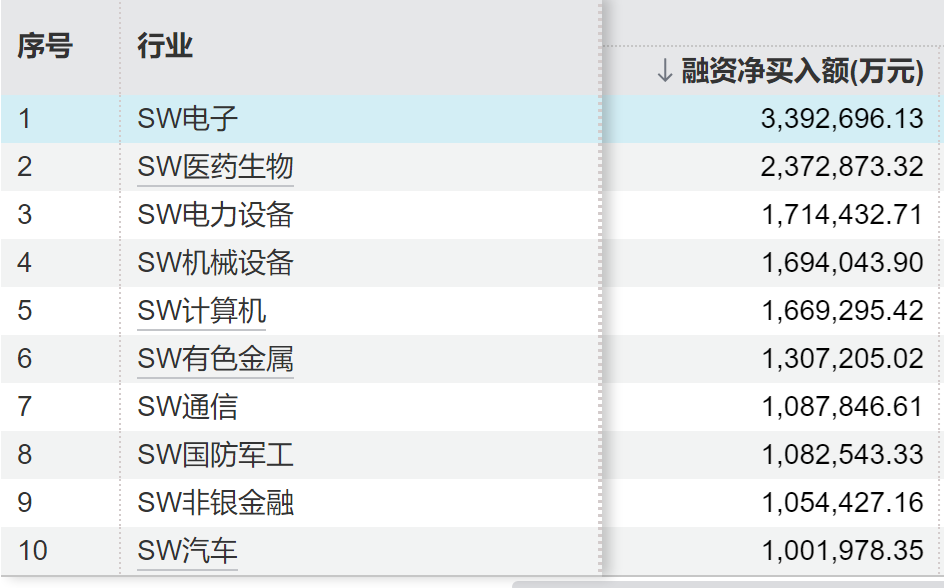
Hu Xiu· 2025-08-21 02:01
Group 1 - The article suggests that analyzing fundamentals may hinder investment opportunities, advocating for a more aggressive approach in the current market [1] - Despite a significant drop in the market last Thursday, a strong rebound occurred on Friday, indicating volatility and potential for recovery [2] - Brokerage firms are characterized as the "riders" of a bull market, attracting retail investors due to their straightforward business model [3] Group 2 - The A-share investment structure is primarily driven by high dividend stocks, favored by institutional investors and insurance funds [5][6] - High-risk preference funds, such as margin trading and speculative capital, are more involved in sectors like technology, themes, and pharmaceuticals [7] - Margin trading has surpassed 2 trillion, with TMT, pharmaceuticals, and military industries being the main sectors for leveraged buying [8] Group 3 - The financing net buying amounts for various industries indicate strong interest in electronics, pharmaceuticals, and power equipment, with significant figures in millions [9] - Retail investors prefer brokerage stocks during bull markets due to their simplicity compared to complex sectors like technology and pharmaceuticals [9] Group 4 - The bond market is experiencing challenges, with the yield spread between 30-year and 10-year government bonds reaching a 24-year high, indicating potential instability [13] - The divergence between SHIBOR rates and government bond yields suggests a lack of quality assets in banks, leading to lower funding costs [18] - The upcoming reduction in government bond issuance may further complicate the credit environment for banks [19]