
AI算力需求

Search documents
胜过囤金条?硬盘与内存条“身价”疯涨
Xin Lang Cai Jing· 2026-01-12 16:56
Group 1 - The storage market is experiencing significant price increases, with memory prices doubling and some high-end models increasing by over 200% since late last year [2][4] - Retailers are facing frequent price changes, with some needing to update prices multiple times a day due to upstream supplier notifications [3] - The global SSD market is projected to reach over 280 billion yuan by 2030, with China's market expected to exceed 80 billion yuan, accounting for over 30% of the total [4] Group 2 - The price surge is attributed to a supply-demand imbalance in the global storage industry, primarily driven by skyrocketing costs of NAND flash memory chips, which constitute over 90% of the material cost for mobile SSDs [4] - Industry forecasts indicate that memory and SSD prices will continue to rise through 2026, with potential quarterly increases of 20% to 30% in the first quarter [4] - The shift of production capacity towards higher-margin products is exacerbating the supply shortage for consumer-grade mobile SSDs [4]


A股电网设备板块批量异动
Di Yi Cai Jing Zi Xun· 2026-01-07 14:41
Core Viewpoint - The electric grid equipment sector is experiencing a significant structural change, with domestic investments increasing while foreign capital is retreating, indicating a new growth phase for the industry in 2026 [2][4]. Group 1: Market Performance and Key Developments - On January 7, 2026, China XD Electric (601179.SH) saw a strong surge, nearing its historical high of 11.08 yuan, following its successful bid for a 1.447 billion yuan project from the State Grid [2][3]. - The electric grid equipment index rose by 1.88% on the same day, reaching a one-month high, with significant gains observed in other companies like Sanbian Technology (002112.SZ) and Far East Holdings (600869.SH) [3]. - In 2025, the electric grid equipment index increased by 33%, reaching a historical peak, driven by accelerated investments from the State Grid and high demand for overseas grid upgrades [3][5]. Group 2: Investment Trends and Structural Changes - The total market size for domestic electric grid equipment is projected to exceed 2 trillion yuan in 2025, with a year-on-year growth of 15%, supported by stable investments from the State Grid and Southern Grid [5]. - The bidding amount for State Grid's transmission and transformation equipment reached 91.9 billion yuan in 2025, reflecting a 26% year-on-year increase, with significant growth in the bidding for ultra-high voltage transformers and combined electrical devices [5]. - The structural changes in investment direction are leading to a divergence in the performance of different segments within the electric grid equipment industry, with high demand for main grid and transformer exports while some segments face pressure [5][6]. Group 3: Future Outlook and Opportunities - The acceleration of ultra-high voltage project approvals is expected to provide clear guidance for State Grid's investment growth in 2026, with projections for four new direct current lines to be approved [6]. - The demand for electric transformers is anticipated to remain high due to aging infrastructure in the U.S. and a significant supply gap, presenting a historic opportunity for domestic companies to expand internationally [7]. - The introduction of next-generation solid-state transformers, which can improve power supply efficiency to over 90%, is expected to be a key development in 2026, with domestic companies likely to benefit from high-margin orders [7].


A股电网设备板块批量异动
第一财经· 2026-01-07 13:44
Core Viewpoint - The electric grid equipment sector is experiencing a significant upturn in the A-share market, with leading company China Xidian (601179.SH) recently winning a bid for over 1.4 billion yuan in transmission and transformation projects, marking a strong start to 2026 [3][4][6]. Industry Overview - The electric grid equipment industry is entering a new phase characterized by stable overall growth and structural differentiation, with domestic main grid transmission and transformation and overseas power equipment exports becoming core growth engines [3][4][7]. - The market size for domestic electric grid equipment enterprises is projected to exceed 2 trillion yuan in 2025, reflecting a year-on-year growth of 15%, driven by stable investment from State Grid and Southern Grid [7]. Investment Trends - The investment in the electric grid is expected to accelerate in 2026, supported by policy enhancements and the rapid approval of ultra-high voltage projects, which will provide clear guidance for State Grid's investment growth [9][10]. - The bidding volume for State Grid's transmission and transformation equipment saw a significant increase in 2025, with the total amount reaching 91.9 billion yuan, a year-on-year growth of 26% [7][10]. Structural Changes - The internal dynamics of the electric grid equipment sector are showing signs of structural differentiation, with high demand for main grid and transformer exports, while segments like smart meters are facing some pressure [7][10]. - The approval of ultra-high voltage projects is expected to provide ample project reserves for related enterprises, enhancing visibility for future performance over the next 2-3 years [10][11]. Export Opportunities - The demand for overseas upgrades and renovations in the electric grid is creating significant export opportunities for Chinese companies, with transformer exports reaching 5.5 billion USD in 2025, a year-on-year increase of 49% [7][11]. - The new generation of solid-state transformers is anticipated to become a key focus in 2026, with efficiency improvements over traditional transformers [11]. Market Sentiment - The recent surge in electric grid equipment stocks is attributed to market expectations of accelerated investment and sustained high demand for exports in 2026 [9][10]. - Analysts suggest that the electric power transformer has become a "hard currency" in the global supply-demand mismatch, indicating strong future demand for Chinese electric equipment exporters [11].

港股 GPU 第一股诞生!壁仞科技上市,国产 “四小龙” 即将齐聚资本市场,国产化替代迎来加速期
Jin Rong Jie· 2026-01-06 07:55
Core Viewpoint - The listing of domestic GPU companies, referred to as the "Four Little Dragons," marks a significant milestone in the capital market, with a dual market layout in A-shares and Hong Kong stocks, reflecting the growing interest and investment in the domestic GPU sector [1][2][6]. Group 1: Market Entry and Performance - Birran Technology (06082.HK) officially listed on the Hong Kong Stock Exchange on January 2, 2026, becoming the "first GPU stock in Hong Kong," with an opening surge of over 110% [1]. - The "Four Little Dragons" include Moer Thread (688795.SH), Muxi Technology (688802.SH), and Suiruan Technology, which is preparing for its IPO on the Sci-Tech Innovation Board [1][2]. - Moer Thread's market debut on December 5, 2025, saw a maximum intraday increase of over 500%, with a market value exceeding 440 billion yuan [2]. - Muxi Technology followed on December 17, 2025, with an intraday peak increase of over 700%, achieving a record profit of nearly 400,000 yuan per single subscription [2]. Group 2: Capital Support and Financing - The successful listings of the "Four Little Dragons" are supported by substantial capital backing, with Moer Thread raising over 10 rounds of financing totaling in the hundreds of billions, backed by major players like Tencent and ByteDance [3]. - Muxi Technology has gathered over 100 investors and completed seven rounds of financing, amounting to tens of billions [3]. - Birran Technology completed 10 rounds of financing before its IPO, raising over 9 billion yuan [3]. - Suiruan Technology has also completed 12 rounds of financing, with notable investors including well-known institutions and industry groups [3]. Group 3: Financial Metrics and Market Position - The "Four Little Dragons" exhibit significant differentiation in market capitalization, profitability, revenue scale, and market share [4]. - Moer Thread and Muxi Technology have market values exceeding 200 billion yuan, while Birran Technology's market value is below 90 billion Hong Kong dollars [4]. - Revenue figures show that Muxi Technology achieved 743 million yuan in revenue for 2024, with projections for 2025 exceeding 3 billion yuan [5]. - Birran Technology's revenue for 2024 is projected at 337 million yuan, with a 49.9% year-on-year growth for the first half of 2025 [5]. - The "Four Little Dragons" face a common issue of reliance on major clients, with Birran Technology deriving 90.3% of its revenue from five major clients [5]. Group 4: Market Share and Competitive Landscape - The overall market share of the "Four Little Dragons" remains low, with Moer Thread and Muxi Technology holding approximately 1% market share, and Birran Technology at 0.16% [6]. - The Chinese smart computing chip market is predominantly led by Huawei and NVIDIA, which together hold 94.4% of the market share [6]. - In the high-end GPGPU market, the "Four Little Dragons" have shown competitive strength, with Birran Technology capturing 5%-10% of the market share [6]. - Bernstein predicts that by 2028, the supply of domestic AI chips will exceed demand, potentially increasing the market share of domestic GPU companies [6].
芯片突发!“国家队”,大举增持!
证券时报· 2026-01-02 15:05
Group 1 - The National Integrated Circuit Industry Investment Fund increased its stake in SMIC from 4.79% to 9.25% as of December 29, 2025 [1] - SMIC announced a new joint venture contract and capital increase agreement with the National Integrated Circuit Fund, introducing new investors including the third phase of the big fund and the leading integrated circuit fund [1] - The total capital increase for SMIC Southern is $7.778 billion (approximately 54.3 billion RMB), with $3.5773 billion allocated to registered capital and $4.2007 billion to capital reserves [1] Group 2 - In December 2025, the semiconductor sector experienced a structural market driven by price increases in the industry chain, expanding AI computing power demand, and strengthening domestic substitution logic [2] - The equipment and materials segments are expected to have the strongest certainty due to top-level design support, while digital chips and advanced packaging and testing are highlighted as key areas of focus due to technological iterations [2]

芯片设备行业的爆发点在哪
2025-12-31 16:02
Summary of Semiconductor Industry Conference Call Industry Overview - The semiconductor industry is recovering from a down cycle that began in 2021 and is entering a new up cycle driven primarily by AI computing demand rather than traditional consumer electronics demand [1][5] - AI computing demand remains strong, with high GPU rental prices and utilization rates, contrasting with the low utilization rates seen during the internet bubble, indicating that AI development is not a bubble and will continue to drive demand for semiconductor equipment and materials for an extended period [1][7] Key Insights - Significant price increases for DRAM and NAND storage chips are expected in Q3 2025, with a further rise anticipated in Q1 2026 due to overseas cloud providers' aggressive purchasing and slow upstream capacity increases, presenting market share opportunities for domestic storage manufacturers [1][8] - China's domestic production rates for mobile chips, computer chips, and advanced GPU computing chips are currently low, but increasing domestic production rates will create substantial market expansion opportunities, especially in processes of 14nm and below [1][10] - New technology applications, such as advanced packaging, are expected to bring incremental opportunities for semiconductor equipment and materials, with TSMC's capital expenditures indicating significant demand for related equipment [1][11] Market Dynamics - The semiconductor industry typically experiences cycles approximately every five years, with the current phase indicating an expansion stage as evidenced by the performance and sales data of many listed companies [4][5] - AI computing demand is driving the semiconductor equipment market, with core companies like NVIDIA playing a crucial role in this process. The demand for advanced GPUs and storage is filling up wafer fab capacities, leading to a substantial increase in equipment orders [6][12] Future Projections - The AI computing demand is expected to remain in a state of supply shortage, with GPU rental prices high and utilization rates robust, suggesting that this demand will continue to drive the market for a considerable time [7][12] - The expansion of the storage cycle and advancements in autonomous control in advanced processes are anticipated to create significant investment opportunities in the equipment sector for 2026 [2][14] Investment Opportunities - The listing of domestic storage giants is accelerating, primarily aimed at financing for capacity expansion, which will drive the development of the entire equipment sector [15] - The increasing complexity of processes is expected to significantly increase the demand for equipment, potentially doubling or tripling in some areas, thereby supporting revenue and performance growth for related equipment manufacturers [16] Policy and Domestic Production - Government support for domestic equipment replacement is evident, with incentives for purchasing domestic equipment and strategic focus on self-sufficiency in the semiconductor industry [17][18] - Domestic equipment manufacturers have reached mainstream standards in mature processes and are making strides in advanced processes, indicating a significant shift towards domestic production capabilities [13][18] Valuation and Investment Strategy - The current valuation of semiconductor equipment is relatively high compared to traditional industries, but the growth momentum is clear, supported by commercial validation and government policies [19] - Historical data shows that from 2019 to 2021, company performance grew significantly, and future growth is expected to continue, suggesting that current price-to-earnings and price-to-book ratios are below historical medians, presenting investment opportunities [20] Direct Investment Products - The CSI Semiconductor Materials and Equipment Theme Index is a highly focused tool for investors looking to capitalize on the semiconductor industry's upstream, with over 80% concentrated in equipment and materials, making it an ideal choice for direct investment in the semiconductor sector [21]
踩准金铜暴涨风口,紫金矿业利润暴增近200亿
Hua Er Jie Jian Wen· 2025-12-31 14:37
Core Viewpoint - Zijin Mining is positioned as a significant winner in 2025, with a projected net profit of approximately 51-52 billion yuan, reflecting a year-on-year increase of about 189-199 billion yuan, or a growth rate of approximately 59%-62% [1] Group 1: Market Outlook - The market remains optimistic about copper and gold prices, driven by the increasing demand for computing power from AI, with Goldman Sachs predicting an average copper price of $11,400 per ton in 2026 [2] - Gold prices are expected to continue rising, with Ed Yardeni forecasting that gold could reach $10,000 by the end of 2029, although the World Gold Council warns of potential price corrections of 5% to 20% under extreme scenarios [2] Group 2: Production Plans - Zijin Mining plans to increase production in 2026, targeting gold and copper output of 105 tons and 1.2 million tons, respectively, which represents a year-on-year increase of 15 tons and 110,000 tons [2] - The company's expansion strategy is supported by its global investments, with significant mining projects in 17 countries [2] Group 3: International Expansion Challenges - Zijin Mining faces challenges in cross-cultural communication during its overseas project expansions, including language barriers and differences in management philosophies [4] - Specific challenges have been noted in projects in Serbia and Africa, where cultural differences have impacted labor management [4] Group 4: Cultural Communication Strategies - To address these challenges, Zijin Mining has developed a cross-cultural labor communication system that includes respecting local customs and implementing localized employment strategies [5] - Initiatives such as adjusting work schedules for religious holidays and organizing family open days have been introduced to bridge cultural gaps [5] - The company has also focused on skill enhancement and cultural exchange through training programs and opportunities for employees from diverse backgrounds [5] Group 5: Performance Recognition - In 2025, Zijin Mining not only set new historical records for the company but also solidified its position as a leading player in the global mining industry [5]

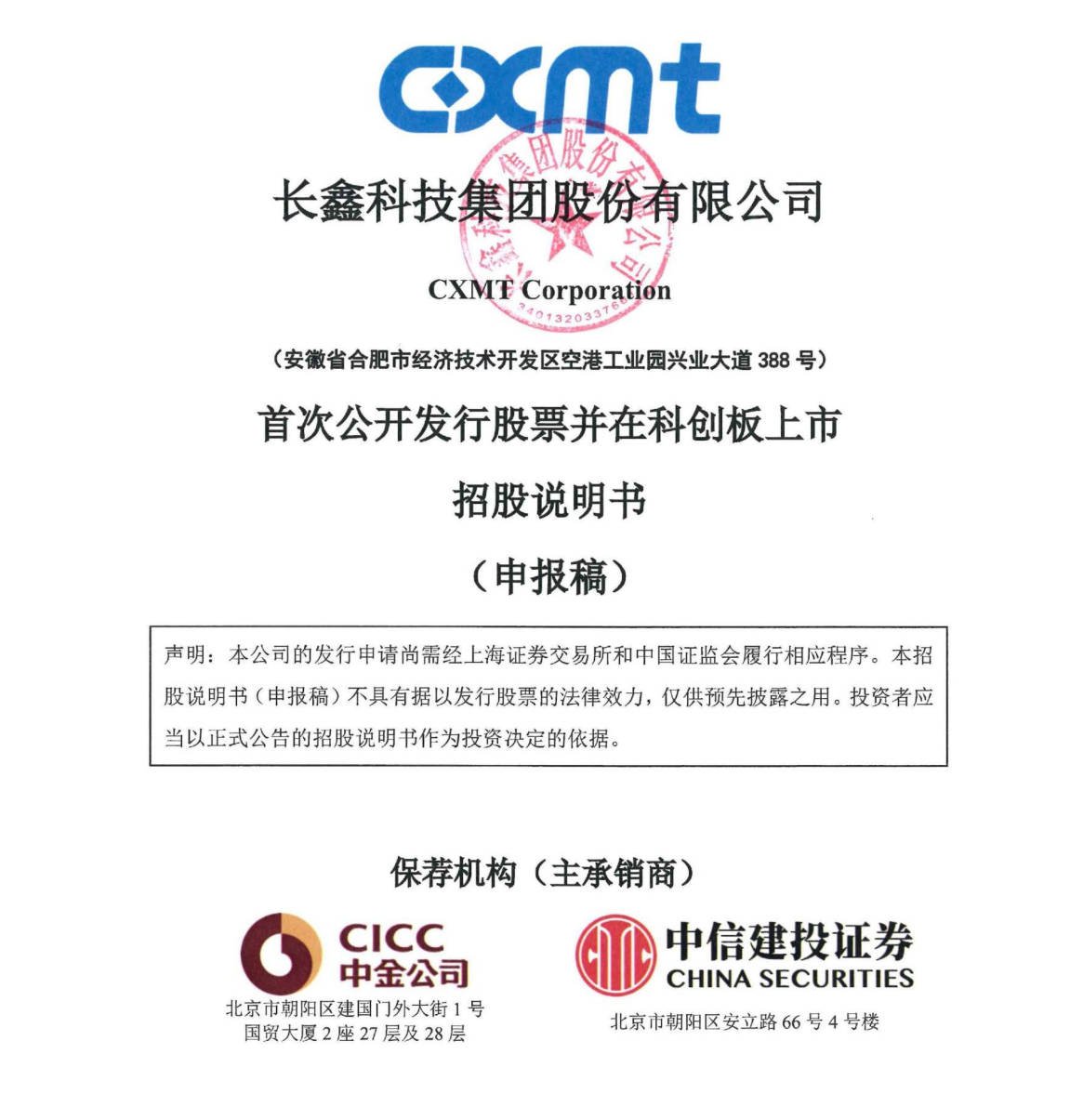
科创板第二大IPO,A股存储芯片第一股来了
21世纪经济报道· 2025-12-31 02:13
Core Viewpoint - Changxin Technology's IPO application has been accepted, marking a significant step towards its listing on the STAR Market, with plans to raise 29.5 billion yuan by issuing up to 10.622 billion new shares [1][6]. Group 1: IPO Details - Changxin Technology's IPO is the first "pre-review" project accepted on the STAR Market, indicating a new regulatory approach aimed at protecting sensitive information and reducing the time to market [1]. - The company aims to use the raised funds for various projects, including 13 billion yuan for its second-phase wafer manufacturing project and 9 billion yuan for next-generation DRAM technology research and development [6]. Group 2: Company Overview - Changxin Technology operates under an IDM (Integrated Device Manufacturer) model, combining chip design, manufacturing, packaging, testing, and sales, distinguishing it from fabless companies [6]. - The company has no controlling shareholder, with its largest shareholder holding 21.67% of the shares, and a diverse ownership structure that includes state-owned enterprises and industry funds [7]. Group 3: Product Development - The company has adopted a "jump generation R&D" strategy, successfully launching four generations of technology platforms since its establishment in 2016, with products covering DDR4 to DDR5 [7]. - Changxin's LPDDR5X product achieves a maximum speed of 10,667 Mbps, a 66% increase over the previous generation, and its first domestic DDR5 product reaches 8,000 Mbps [7]. Group 4: Market Position and Financial Performance - By 2024, Changxin Technology is projected to be the largest DRAM manufacturer in China and the fourth globally, with a market share of 3.97% as of Q2 2025 [9]. - The company's revenue has shown explosive growth, with figures of 8.287 billion yuan in 2022, 9.087 billion yuan in 2023, and an expected 24.178 billion yuan in 2024, reflecting a compound annual growth rate of 70.81% [10]. - Despite significant revenue growth, the company reported net losses of 8.328 billion yuan, 16.340 billion yuan, and 7.145 billion yuan from 2022 to 2024, primarily due to the downturn in the DRAM market [10]. Group 5: Future Outlook - Changxin Technology anticipates a turnaround in profitability, projecting revenues of 55 billion to 58 billion yuan in 2025, with a net profit of 2 billion to 3.5 billion yuan [11]. - The company expects to reach a breakeven point by 2026 or 2027, depending on market conditions and product pricing [11]. - The DRAM market is transitioning from DDR4 to DDR5 and HBM, with Changxin's IPO funds aimed at upgrading processes and expanding capacity to enhance competitiveness against global giants [14].

A股存储芯片第一股来了:拟募资295亿元,为首单预先审阅项目
2 1 Shi Ji Jing Ji Bao Dao· 2025-12-31 00:44
Core Viewpoint - Changxin Technology's IPO application has been accepted, marking a significant step towards its listing on the STAR Market, with plans to raise 29.5 billion yuan by issuing up to 10.622 billion new shares [1][4]. Group 1: IPO Details - Changxin Technology's IPO is the first "pre-review" project accepted on the STAR Market, indicating regulatory support for key technology firms [1]. - The company aims to use 13 billion yuan for its second-phase wafer manufacturing project, 9 billion yuan for next-generation DRAM technology R&D, and 7.5 billion yuan for upgrading production lines [4]. Group 2: Company Overview - Changxin Technology operates under an IDM model, integrating chip design, manufacturing, packaging, testing, and sales, and was founded in June 2016 [5]. - The company has a diverse shareholder structure, with no single controlling shareholder, and significant backing from state-owned enterprises and industry funds [5]. Group 3: Product Development - The company has adopted a "jump generation R&D" strategy, successfully launching four generations of technology platforms, including DDR4, LPDDR4X, DDR5, and LPDDR5/5X [6]. - Changxin's LPDDR5X product achieves a maximum speed of 10,667 Mbps, a 66% increase over the previous generation, while its first domestic DDR5 product reaches 8,000 Mbps [6]. Group 4: Market Position - According to Omdia, Changxin Technology is the largest DRAM manufacturer in China and the fourth globally, with a market share of 3.97% as of Q2 2025 [7]. - The company operates three 12-inch DRAM wafer fabs in Hefei and Beijing, with steadily increasing production capacity and utilization rates [7]. Group 5: Financial Performance - Changxin Technology's revenue has seen explosive growth, with figures of 8.287 billion yuan in 2022, 9.087 billion yuan in 2023, and projected 24.178 billion yuan in 2024, reflecting a compound annual growth rate of 70.81% [8]. - For the first nine months of 2025, revenue reached 32.084 billion yuan, a year-on-year increase of 97.79% [10]. Group 6: Future Outlook - The company anticipates turning a profit in 2025, with projected revenues between 55 billion and 58 billion yuan, and a net profit of 2 billion to 3.5 billion yuan [10]. - Changxin Technology expects to achieve profitability by 2026 or 2027, depending on market conditions and product pricing [10]. Group 7: Industry Context - The global DRAM market is transitioning from DDR4 to DDR5 and HBM, with Changxin's IPO funds aimed at upgrading processes and expanding capacity [12]. - The company is positioned to benefit from the increasing demand for AI computing power and the acceleration of domestic substitution in the semiconductor industry [12].
“算力金属”伦锡月涨超过11% 行业协会发文倡议理性谨慎
2 1 Shi Ji Jing Ji Bao Dao· 2025-12-24 23:10
Core Viewpoint - The recent surge in tin prices is driven by multiple factors, including supply disruptions in major producing countries and increased demand from emerging sectors, leading to significant pressure on downstream industries [1][4]. Group 1: Price Movements - Since December 2025, tin prices have increased significantly, with LME tin rising by 11.5% and SHFE tin by over 13%, translating to an increase of more than 40,000 yuan per ton in just half a month [2]. - LME three-month tin futures and SHFE main contracts have reached record highs, surpassing $43,900 per ton and 348,000 yuan per ton, respectively [3][4]. - The price increase has been more pronounced in tin compared to other industrial metals, with the best-performing copper only rising by less than 7% during the same period [2]. Group 2: Supply and Demand Dynamics - Supply from major producing countries like the Democratic Republic of Congo and Myanmar is stabilizing, with domestic tin smelting capacity fully released, resulting in a production of 189,000 tons from January to November, a 6.2% year-on-year increase [4]. - Despite growth in demand from sectors like photovoltaics and automotive electronics, traditional sectors show stable demand, with global tin consumption expected to grow by nearly 3% in 2025, lagging behind production growth [4]. - The global tin market is currently experiencing a supply surplus of approximately 10,000 tons, attributed to a slowdown in overseas demand [4]. Group 3: Industry Challenges - The rapid price increase has created significant pressure on downstream industries, particularly for small and medium-sized enterprises in sectors like solder, tinplate, and chemicals, leading to difficulties in fulfilling long-term contracts and maintaining product quality [2][8]. - The electronic manufacturing sector, a major consumer of tin-based solder, faces acute cost pressures due to soaring tin prices, impacting profit margins in PCB manufacturing and semiconductor packaging [8]. - The Tin Industry Association has called for a rational and cautious approach from all market participants to avoid speculative behavior and to guide prices back to a reasonable range [8].


