产业升级

Search documents
解读工业大省“十五五”蓝图,三大趋势决定未来五年
Sou Hu Cai Jing· 2026-01-25 06:52
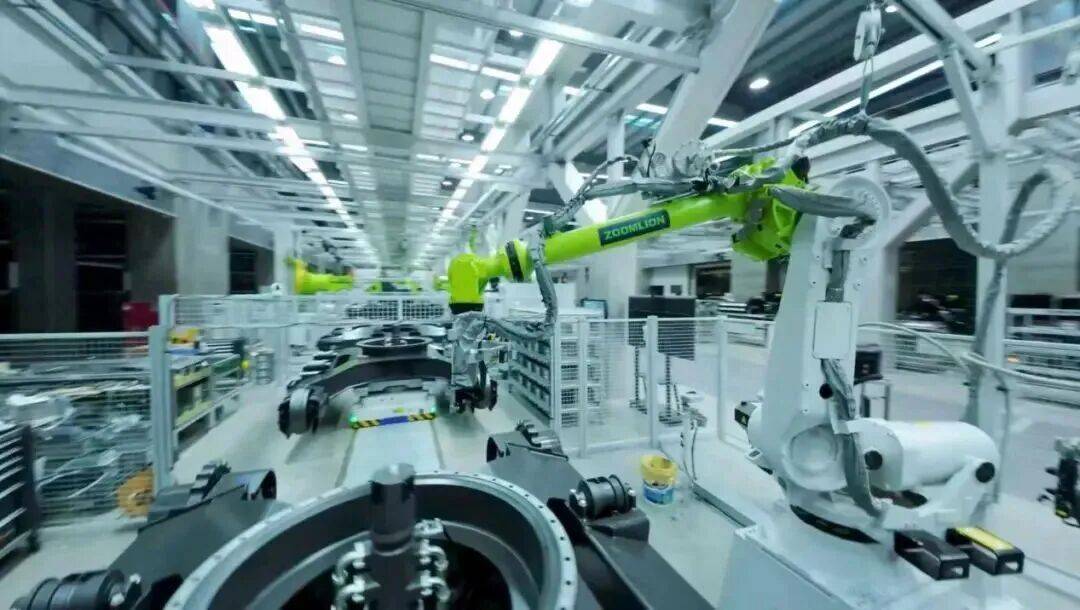
Core Insights - The industrial value added by the top ten provinces, including Guangdong, Jiangsu, Shandong, and Zhejiang, accounts for over 60% of the national total, positioning them as the economic "ballast" of China [1] - The future development paths of these provinces will define the new battlefield for Chinese manufacturing and provide key directions for industrial product marketing [1] Group 1: Transition from Scale to Quality - The core planning of each province is shifting from scale expansion to quality enhancement, with Guangdong focusing on empowering pillar industries through technologies like "AI + robotics" and planning for future industries such as quantum technology and biomanufacturing [3] - Jiangsu aims to advance its "Digital Jiangsu" initiative, having ranked first in the national integration development index for ten consecutive years, with a focus on integrating research and product development through "AI+" actions [3] - Shandong has set specific goals for coastal steel production capacity, aiming to transform its "volume advantage" into "quality superiority," indicating that industrial product marketing must align with the real demands of industrial chain upgrades and technological transformations [3] Group 2: Regional Collaborative Development - Regional collaboration is highlighted, with Anhui viewing the 14th Five-Year Plan as a critical period for catching up, leveraging shared technological innovation resources and industrial chain division within the Yangtze River Delta [3] - Hubei aims to accelerate its development as a strategic support point for the rise of the central region, while Guangdong is committed to collaborating with Hong Kong and Macau to make the Guangdong-Hong Kong-Macau Greater Bay Area a powerful engine for broader regional influence [3] - This collaboration breaks regional boundaries, requiring industrial product marketing to have a broader vision and find positioning within cross-regional industrial ecosystems [3] Group 3: Global Competitive Landscape - Top industrial clusters are targeting the global stage, with Hunan's engineering machinery cluster being cultivated as a world-class example, transitioning from "national" to "world-class" through collaboration among Changsha, Zhuzhou, and Xiangtan [4] - Jiangsu has established a strategic framework of "one center, one base, one hub" (industrial technology innovation center, advanced manufacturing base, and bidirectional open hub) to become a crucial site for new productive forces and global resource allocation [4] - This indicates that the competitive coordinates for industrial product marketing are now global, necessitating companies to consider how their products and technologies can integrate into and even lead the global industrial chain's value creation [4] Group 4: Platforms for Industrial Product Innovation - In this context, platforms aimed at promoting efficient connections for industrial products and showcasing innovative value are becoming increasingly important, such as the "Vision Factory - National Industrial Product Live Streaming Base," which aims to create a centralized selection space for global industrial products [5] - This platform provides a year-round display space for innovative products, with policies supporting innovation by allowing companies to apply for free entry into the offline exhibition area if their products possess core creativity and competitiveness [5] - The base is equipped with over a hundred professional hosts familiar with the industrial field, offering free live explanations, short video production, and multi-channel content promotion, with costs incurred only upon actual sales through the platform [5]

21省公开2025年GDP:山东领先浙江,河北近5万亿,山西正增长
Sou Hu Cai Jing· 2026-01-25 01:47
Core Insights - The latest economic performance report for 21 provinces in China reveals a steady growth trajectory, with a collective GDP growth rate of approximately 4.5%, slightly higher than the previous year, indicating resilience in the Chinese economy [12]. Group 1: Leading Provinces - Shandong Province leads with a GDP of 103.197 trillion yuan, an increase of 479 billion yuan, reflecting a growth rate of 4.87%. This growth is attributed to its strong industrial foundation and the rise of emerging manufacturing sectors [3]. - Zhejiang Province follows with a GDP of 94.545 trillion yuan, growing by 453.8 billion yuan at a rate of 5.04%. The province benefits from a vibrant private sector and a booming e-commerce and technology industry [5]. - Hebei Province's GDP stands at 49.305 trillion yuan, nearing the 50 trillion yuan mark, with a growth of 185.7 billion yuan and a rate of 3.91%. The province's traditional industries face challenges, but new development initiatives are underway [6]. Group 2: Notable Performances - Shanxi Province, with a GDP of 25.495 trillion yuan, shows a modest growth of 142 million yuan, marking a significant recovery from previous downturns. The growth is driven by the emergence of new energy and advanced manufacturing sectors [6]. - Shanghai leads the nation with a growth rate of 5.49%, achieving a GDP of 56.708 trillion yuan, primarily fueled by its financial and technology sectors [8]. - Other provinces like Jiangxi and Hubei also report strong growth rates of 5.24% and 5.06%, respectively, indicating a trend of regional balance in economic development [8]. Group 3: Economic Challenges - Provinces such as Liaoning and Inner Mongolia exhibit slower growth rates of 1.97% and 1.42%, respectively, attributed to their single-industry structures and population outflows [8]. - The overall economic landscape shows that while eastern provinces leverage innovation for rapid growth, central and western regions rely on policy incentives to catch up [12].
把殷殷嘱托落实在黑土地上
Liao Ning Ri Bao· 2026-01-25 00:54
Group 1 - Liaoning's grain production is projected to reach 51.556 billion jin by 2025, marking a historical high with a year-on-year growth of 3.1%, the highest increase among major grain-producing provinces in China [1] - Over 60 well-known companies have recently invested in Liaoning, reflecting growing confidence in the province's development prospects [1] - The "Ninth Consumption Season" is currently underway, promoting local experiences and products, which is contributing to a boost in consumer spending [1] Group 2 - President Xi Jinping emphasized the importance of Liaoning in driving the comprehensive revitalization of Northeast China during his visit before the 2025 Spring Festival, outlining a new mission and vision for the province [2][3] - The provincial government is focused on stabilizing employment, businesses, and market expectations while promoting growth, reform, and risk prevention [3] Group 3 - The transformation of traditional industries and the cultivation of strategic emerging industries are key to building a modern industrial system in Liaoning, as highlighted by President Xi Jinping [4] - The provincial government has been actively engaging in high-level discussions on future industrial strategies, focusing on technological innovation and industry integration [4] Group 4 - Liaoning is advancing its "2211" industrial system, emphasizing intelligent, green, and integrated development, with significant progress in digital transformation among small and medium-sized enterprises [8] - The province's key tool CNC rate and digital R&D tool penetration rates have reached 69.3% and 85.8%, respectively, both exceeding the national average [8] Group 5 - The emergence of new industries is exemplified by the launch of China's first photon-counting CT scanner by Neusoft Medical, marking a significant advancement in medical technology [9] - Liaoning is focusing on deep integration of technological and industrial innovation, enhancing the local transformation of scientific achievements [9] Group 6 - The province is implementing reforms in its scientific and technological systems, utilizing new research organization models to drive innovation and competitiveness [11] - The optimization of the business environment is a top priority, with various initiatives aimed at improving investment conditions and reducing bureaucratic obstacles [12][13] Group 7 - Liaoning's manufacturing sector is experiencing a surge in productivity and efficiency due to digital transformation initiatives, with companies like Benxi Steel achieving significant improvements [7] - The province is enhancing its open economy, with increased cross-border e-commerce activities and international logistics operations [14][15] Group 8 - The province is committed to improving public services, including healthcare and education, to enhance the quality of life for its residents [18][19] - Initiatives to support the elderly and promote cultural activities are being implemented, reflecting a focus on community well-being and cultural enrichment [17][22]
沿着总书记的足迹丨把殷殷嘱托落实在黑土地上
Xin Lang Cai Jing· 2026-01-24 23:42
Group 1 - Liaoning's grain production is projected to reach 51.556 billion jin by 2025, marking a historical high and a year-on-year increase of 3.1%, the highest growth rate among major grain-producing provinces in China [1] - Over 60 well-known enterprises have recently invested in Liaoning, reflecting growing confidence in the province's development prospects [1] - The "Ninth Consumption Season" is currently underway, promoting local consumption through immersive experiences and traditional cuisine, indicating a sustained effort to boost consumer spending in Liaoning [1] Group 2 - President Xi Jinping's visit to Liaoning before the 2025 Spring Festival emphasized the province's new mission in driving the revitalization of Northeast China [2] - The provincial government is actively learning and implementing Xi's directives, focusing on stabilizing employment, businesses, and market expectations while promoting growth and reform [3] Group 3 - The provincial government is prioritizing the transformation and upgrading of traditional industries alongside the cultivation of strategic emerging industries, aiming to build a modern industrial system [4] - Recent high-level meetings have focused on future-oriented themes such as atomic-level manufacturing and the integration of technology and industry, indicating a proactive approach to innovation [4] Group 4 - Liaoning is developing a "2211" industrial system, emphasizing intelligent, green, and integrated development, with a focus on digital transformation for small and medium-sized enterprises [8] - The province's key tool CNC rate and digital R&D tool penetration rates have reached 69.3% and 85.8%, respectively, both exceeding the national average [8] Group 5 - Neusoft Group has launched China's first photon-counting CT, NeuViz P10, significantly reducing radiation exposure and enhancing image clarity, marking a breakthrough in medical technology [9] - The province is focusing on deep integration of technological and industrial innovation, accelerating local transformation of scientific achievements [9] Group 6 - The establishment of a high-speed magnetic levitation energy storage flywheel technology company in Shenyang is a result of reforms in the scientific research system, highlighting the importance of innovation in driving development [10] - The provincial government is committed to optimizing the business environment as a key strategy for reform, aiming to enhance investment attractiveness [11] Group 7 - Liaoning is actively addressing issues that hinder fair competition, having abolished or revised 393 policies that obstruct market fairness [12] - The province is supporting the healthy development of the private economy with 27 measures aimed at promoting high-quality growth [12] Group 8 - The shipbuilding industry in Dalian is experiencing a surge, with over 100 vessels under construction simultaneously, showcasing the province's industrial vitality [13] - The intelligent and digital transformation in manufacturing has led to a 50% increase in efficiency for companies responding to market demands [13] Group 9 - The province is enhancing its cultural offerings, with a focus on original works and community engagement, as seen in the successful performances of various artistic productions [20][21] - The establishment of a comprehensive public cultural service network aims to improve access to cultural resources across urban and rural areas [22]
华蓥市:书写高质量转型发展新篇章
Si Chuan Ri Bao· 2026-01-24 21:50
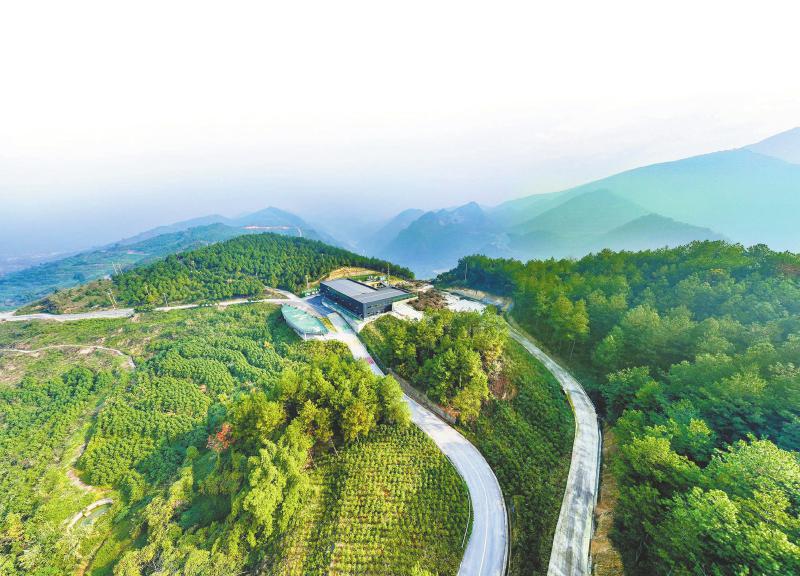
Core Viewpoint - The transformation of Huaying City from a resource-dependent coal and cement economy to a diversified, sustainable urban environment is highlighted, showcasing a successful model for resource-exhausted cities in China [3][4][6]. Group 1: Industrial Transformation - Huaying City is shifting from a reliance on coal and cement ("one black, one white") to a diversified industrial structure, focusing on modern industries such as basalt fiber, electronic information, and equipment manufacturing [4][5]. - The city has established four key industrial clusters: basalt fiber new materials, electronic information, equipment manufacturing, and energy building materials, with significant projects like the world's first large basalt steel material deep-sea aquaculture platform [4][5]. - By 2025, Huaying's GDP is projected to exceed 21 billion, a 239% increase since 2009, with specialized industries contributing over 10 billion, accounting for 89.4% of the total industrial output [5]. Group 2: Ecological Restoration - Huaying is actively addressing historical environmental damage from mining by implementing comprehensive ecological restoration projects, including the rehabilitation of mining subsidence areas and the protection of forest resources [6][7]. - The city has developed a significant oil camellia industry, with over 78,000 acres planted, generating an annual output value of 1,300 per acre, and has created a provincial-level modern forestry park [6][7]. - As of now, Huaying has added 100,000 acres of forest land and effectively managed 44 square kilometers of mining subsidence areas, increasing the forest coverage rate [7]. Group 3: Urban Renewal - Huaying is enhancing urban living conditions by improving infrastructure and public services, with 22 urban renewal projects completed, revitalizing over 190 old residential communities [9][10]. - The city has been recognized as a model for systematic urban sponge city construction, with new parks and improved public amenities contributing to a more livable environment [9]. - Significant investments in transportation and education have been made, including the construction of new highways and partnerships with quality educational institutions, enhancing overall community welfare [10].
推动滇中新区提升发展能级
Xin Lang Cai Jing· 2026-01-24 20:40
Core Viewpoint - The provincial government has issued 34 policy measures to support the high-quality development of the Yunnan Central New Area, aiming to enhance its development capabilities and establish it as a significant growth engine for the province's economy from 2026 to 2030 [1] Group 1: Enhancing Industrial Competitiveness - The policies support the transformation and upgrading of traditional industries such as petrochemicals and metallurgy, promoting the extension of industrial chains towards deep processing and terminal manufacturing to create trillion-level industrial clusters [2] - Key focus areas include the development of semiconductor materials and equipment, new energy battery materials, non-ferrous and rare precious metal materials, and green food processing [2] - The initiative aims to cultivate strategic emerging industries such as low-altitude economy, biomanufacturing, and new materials, while establishing public service platforms for pharmaceutical R&D outsourcing and contract processing [2] Group 2: Deepening Reform and Innovation - The policies grant greater autonomy to the New Area, delegating provincial economic management powers under the principle of "maximal delegation" [3] - Support for technological innovation includes the establishment of innovation incubation demonstration bases and offshore innovation and entrepreneurship bases for overseas talent, with financial incentives for newly recognized national key laboratories and R&D institutions [3] - The initiative encourages the relocation of national and provincial applied research institutions to the New Area and supports pilot projects for mixed-use land reform [3] Group 3: Enhancing Open Cooperation - The policies aim to elevate the New Area's level of openness, supporting international trial operations at Kunming Changshui International Airport and the development of cross-border e-commerce and bonded logistics in the Kunming Comprehensive Bonded Zone [4] - The New Area will facilitate direct export operations for foreign trade entities and establish a transaction settlement center for fruits and seafood in South and Southeast Asia [4] - Collaboration with other national-level new areas will be explored to promote industrial planning alignment and resource integration [4] Group 4: Improving Urban Functionality and Quality - The policies support the composite utilization of urban above-ground and underground spaces, promote park city construction, and accelerate urban renewal while addressing shortcomings in education, healthcare, and culture [4] Group 5: Strengthening Element Guarantee - The provincial finance will allocate annual incentive funds for high-quality development, while the municipal finance will provide comprehensive financial support to the New Area [4] - Revenue from the transfer and leasing of state-owned land use rights will be fully retained for the New Area's development, alongside financial support for key construction projects and industrial development [4]
140 万亿再出发!揭秘五年连破4个10万亿的经济增长王牌
2 1 Shi Ji Jing Ji Bao Dao· 2026-01-24 01:19
Economic Growth - By 2025, China's economy is projected to surpass 140 trillion yuan, marking a significant milestone with a steady annual growth rate of 5.4%, leading among major global economies [2] - The total retail sales of consumer goods are expected to exceed 50 trillion yuan, while imports and exports have maintained stability at around 40 trillion yuan for four consecutive years, showcasing the vitality of the super-large market [2] Industrial Upgrades - From 2020 to 2025, the proportion of high-tech manufacturing in the industrial sector has increased from 15% to 17%, indicating a significant shift towards intelligent manufacturing [2] - The production of new energy vehicles has surged from 1.456 million units five years ago to 16.524 million units, reflecting a tenfold increase and the rapid rise of emerging industries [2] Consumer Market - By 2025, the service sector's contribution to GDP is expected to rise to 57.7%, with consumer spending contributing an average of 60% to economic growth, solidifying its role as a stabilizing force [3] - There has been a shift in consumer behavior from purchasing goods to enjoying services, with service retail sales projected to grow by 5.5% year-on-year and per capita service consumption reaching 46.1% [3] Overall Economic Resilience - The past five years have demonstrated a robust development path for China, characterized by data growth, improved living standards, industrial upgrades, and thriving consumption, highlighting the resilience of the Chinese economy [3]
财经聚焦|再上新台阶!大连缘何成为东北首个“万亿之城”
Xin Hua Wang· 2026-01-24 00:36
Core Insights - Dalian has achieved a GDP of 1 trillion yuan in 2025, marking it as the first city in Northeast China to reach this milestone, with a growth rate of 5.7% compared to the previous year [1] - The city is expected to play a leading role in the revitalization of Liaoning and Northeast China as a whole [1] Economic Growth - Dalian's economic scale reflects a new atmosphere in promoting high-quality development [2] - The industrial sector remains a cornerstone of Dalian's economy, with a reported 11.7% year-on-year growth in industrial added value for 2025, an increase of 4.1 percentage points from the previous year [3] - The equipment manufacturing industry showed strong support with a growth rate of 15.4% [3] Technological Innovation - Dalian is focusing on technological innovation to empower industrial upgrades, with strategic emerging industries accounting for 15% of GDP [3] - The number of technology-based enterprises in Dalian has exceeded 10,000, and the number of high-value invention patents has increased by over 75% in five years [4] Business Environment - Dalian has made significant efforts to optimize its business environment, reducing the time for business establishment from four days to under two hours [5] - The city has implemented 41 policies that allow businesses to enjoy benefits without application, enhancing operational efficiency [5] Foreign Investment and Trade - Dalian's import and export scale accounts for approximately 40% of Northeast China's total, attracting over a hundred Fortune 500 companies [6] - In 2025, Dalian established 286 new foreign-invested enterprises and over 200 new cross-border e-commerce companies, with cross-border e-commerce import and export volume increasing by 16% [7] Future Development Goals - Dalian aims to build a modern industrial system and a high-level open hub, focusing on five leading industries and three trillion-level industrial clusters [7] - The city is expected to play a crucial role in the comprehensive revitalization of Northeast China, contributing to regional confidence and development [7]
九三学社陕西省第十四届委员会第五次全体会议召开
Shan Xi Ri Bao· 2026-01-23 22:56
会议指出,一年来,九三学社陕西省委会紧扣九三学社中央工作部署和中共陕西省委、省政府中心 工作,团结带领全省各级社组织和广大社员围绕大局、务实作为,为陕西高质量发展和现代化建设作出 积极贡献。会议强调,2026年是"十五五"规划开局之年,要聚焦科技创新、产业升级、绿色转型等重点 领域,充分发挥科技界别特色和人才智力优势,强化思想引领、在凝心铸魂上实现新提升,围绕中心集 智聚力、在服务大局上展现新作为,持续做强做精品牌、在社会服务上取得新成效,着力夯实发展根 基、在自身建设上迈出新步伐,为奋力谱写中国式现代化建设的陕西新篇章贡献智慧和力量。(记者 屈荔鹏) 1月23日,九三学社陕西省第十四届委员会第五次全体会议在西安召开。会议深入学习贯彻中共二 十届四中全会、九三学社十五届四中全会、中共陕西省委十四届九次全会和省委经济工作会议精神,审 议通过常委会工作报告和内部监督委员会工作报告。 ...
财经聚焦丨再上新台阶!大连缘何成为东北首个“万亿之城”
Xin Hua Wang· 2026-01-23 14:17
Core Viewpoint - Dalian has achieved a significant milestone by becoming the first city in Northeast China to surpass a GDP of 1 trillion yuan, reaching 10,002.1 billion yuan in 2025, with a growth rate of 5.7% compared to the previous year, reflecting its role as a leader in the region's economic revitalization [1][8]. Economic Growth and Industrial Development - Dalian's industrial output value increased by 11.7% year-on-year in 2025, with equipment manufacturing growing by 15.4%, indicating a robust industrial sector [3]. - The city has established a stable green petrochemical industry cluster valued at 400 billion yuan, with significant contributions from shipbuilding, high-end bearings, and advanced rail transit equipment [1][3]. - The added value of strategic emerging industries accounted for 15% of Dalian's GDP, showcasing a shift towards high-quality development [1]. Technological Innovation and Transformation - Dalian is focusing on technological innovation to drive industrial upgrades, with over 10,000 technology-based enterprises and a 75% increase in high-value invention patents over five years [3]. - The city is transitioning from traditional industries to intelligent, green, and digital transformations, with significant investments in technological renovations, which rose by 14.5% year-on-year [3] . Business Environment and Investment - Dalian has made substantial improvements to its business environment, reducing the time for business establishment from four days to under two hours and implementing 41 policies that allow for immediate benefits to enterprises [5]. - The city has attracted over 100 Fortune 500 companies and accounted for approximately 40% of the import and export scale in Northeast China, highlighting its strategic importance in international trade [5][7]. Open Economy and Regional Integration - Dalian has launched 540 institutional innovations in the past five years within the Liaoning Free Trade Zone, achieving full coverage of container shipping routes to core ports of RCEP member countries [7]. - The establishment of 286 new foreign-invested enterprises and a 16% increase in cross-border e-commerce trade in 2025 demonstrate Dalian's growing role in regional economic integration [7]. Future Development Goals - Dalian aims to build a modern industrial system and a high-level open hub, focusing on five leading industries, including green petrochemicals and high-end consumer goods, while also developing three trillion-yuan-level industrial clusters in software, electronics, and new energy [7][8].