
服务消费

Search documents
居民消费率明显提高,将带来哪些改变?(这些新提法,写入“十五五”规划建议①)
Ren Min Ri Bao Hai Wai Ban· 2025-11-25 22:56
Core Viewpoint - The "15th Five-Year Plan" emphasizes significantly increasing the resident consumption rate, aiming to enhance domestic demand and drive economic growth through consumption [7][8][11]. Group 1: Economic Development and Consumption - The "15th Five-Year Plan" outlines new goals and measures for economic and social development, focusing on increasing the resident consumption rate as a key driver of economic growth [7][8]. - The current resident consumption rate in China is projected to reach 39.9% by 2024, an increase of 4.3 percentage points since 2012, indicating a growing trend in consumer spending [10]. - Over the past decade, total resident consumption expenditure has more than doubled, from 26.74 trillion yuan in 2015 to 53.86 trillion yuan in 2024 [10]. Group 2: Strategies for Increasing Consumption - To achieve the goal of a higher consumption rate, the plan suggests optimizing the consumption environment, innovating consumption scenarios, and reducing restrictions [12][14]. - Service consumption is identified as a critical area for growth, with predictions that the share of service consumption in total consumption will exceed 50% by 2030 [13]. - The government aims to enhance consumer confidence and spending through policies that support the replacement of old goods with new ones, as evidenced by over 3 billion people benefiting from such initiatives [16][17]. Group 3: Social Impact and Policy Measures - The plan highlights the importance of linking consumer spending with improving people's livelihoods, suggesting that enhancing living standards is essential for stimulating consumption [15][17]. - Policies aimed at increasing disposable income and employment are crucial for boosting consumer spending, with a focus on improving social security and public services [17]. - The government is committed to using fiscal measures to support consumption, including tax adjustments and social security enhancements, to create a more favorable environment for consumer spending [17].

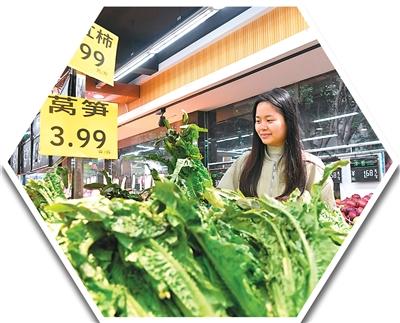
居民消费率明显提高,将带来哪些改变?(这些新提法,写入“十五五”规划建议)
Ren Min Ri Bao· 2025-11-25 22:55
Core Viewpoint - The "14th Five-Year Plan" emphasizes significantly increasing the resident consumption rate, aiming to enhance domestic demand and drive economic growth through consumption [4][8]. Group 1: Economic Development Strategy - The "14th Five-Year Plan" outlines new goals and measures for economic and social development, focusing on enhancing the role of domestic demand and consumption in economic growth [3][4]. - The plan indicates a shift towards a consumption-driven economic model, with a clear target for improving the resident consumption rate [4][8]. Group 2: Current Consumption Landscape - China's resident consumption rate is currently at 39.9% in 2024, an increase of 4.3 percentage points since 2012, indicating a growing trend in consumer spending [7]. - Over the past decade, resident consumption expenditure has more than doubled, from 26.7 trillion yuan in 2015 to 53.9 trillion yuan in 2024 [7]. Group 3: Future Consumption Potential - There is significant potential for increasing the resident consumption rate, with estimates suggesting that a 1 percentage point increase could represent a market space worth trillions [8]. - The middle-income group in China is projected to grow from over 400 million to 800 million in the next decade, further supporting the potential for increased consumption [8]. Group 4: Strategies for Consumption Growth - Key strategies to boost consumption include optimizing the environment, innovating consumption scenarios, and reducing restrictions, particularly in service consumption [9][10]. - The government aims to enhance service consumption, which currently lags behind other countries, with projections indicating that service consumption could exceed 50% of total consumption by 2030 [10]. Group 5: Policy Implications for Consumer Welfare - The "14th Five-Year Plan" emphasizes the integration of consumer welfare and consumption promotion, highlighting the importance of improving living standards to stimulate consumption [11][12]. - Recent policies, such as subsidies for replacing old products, have already benefited over 300 million consumers, indicating a strong government push to enhance consumer spending [12][13].
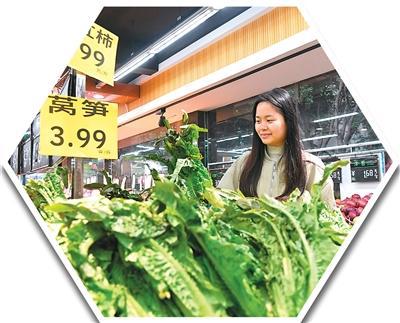
平台企业缘何着迷“点评”业务
Jing Ji Ri Bao· 2025-11-25 22:01
Core Insights - The article discusses the increasing importance of review platforms in the service consumption era, highlighting how major internet companies are launching their own review systems to capture user engagement and trust [1][2][3] Group 1: Industry Trends - Major internet companies like JD.com and Alibaba are entering the review space to address growth challenges in traditional e-commerce, as service consumption remains a significant area of demand [1][2] - The launch of various review platforms indicates a strategic shift towards creating high-frequency touchpoints with users, aiming to enhance user retention [1][2] Group 2: Consumer Behavior - Consumers are generally open to multiple review platforms as they provide free access to information and potential discounts, enhancing their decision-making process [2] - There is a growing consumer skepticism towards "water reviews," with users preferring authentic experiences over generic positive feedback [2][3] Group 3: Platform Challenges - Review platforms face the dual challenge of maintaining authenticity while also pursuing revenue and traffic, which can lead to conflicts of interest [3] - New entrants in the review space must focus on rebuilding trust mechanisms rather than merely replicating existing functionalities, emphasizing the need for smarter algorithms to detect fake reviews [3]
秋假秋游让秋冬之交旅游市场“热起来”
Xin Hua Wang· 2025-11-24 14:27
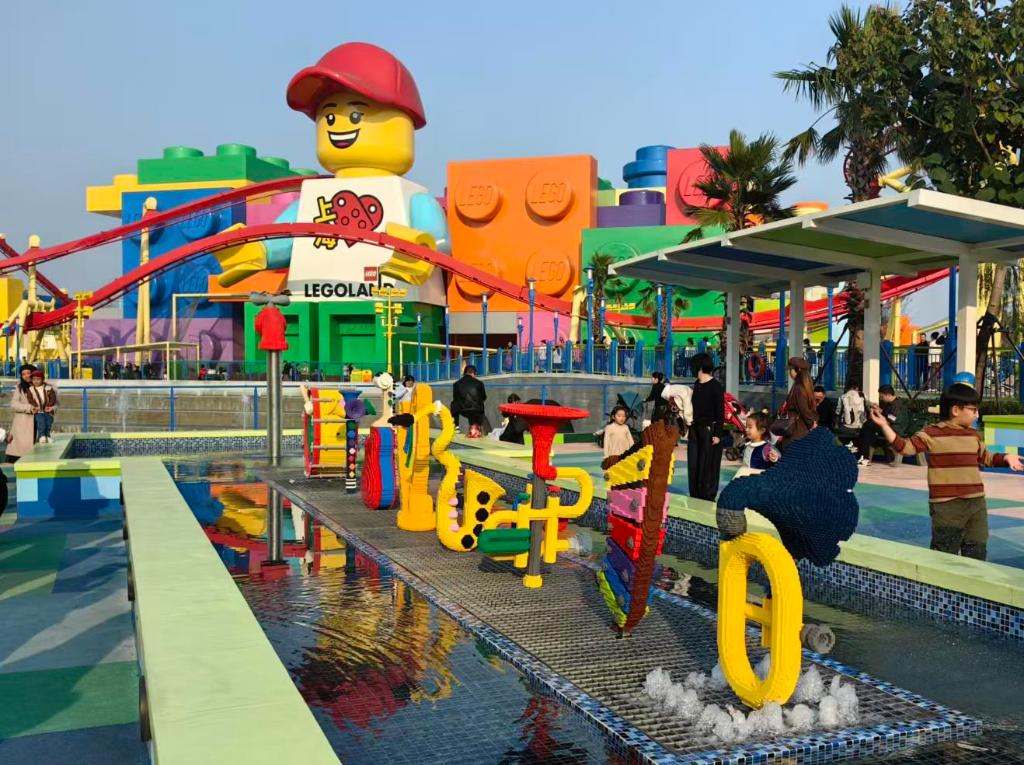
Core Insights - The domestic travel market in China is experiencing an unexpected surge in autumn and winter tourism due to the implementation of autumn and snow holidays in various regions, which has extended the travel season beyond the traditional peak periods [1][4][6] Group 1: Travel Trends - The Shanghai Lego Park has seen a significant increase in visitor numbers, with ticket sales sold out for several days, and hotel occupancy rates remaining high due to a 200% increase in visitors from Zhejiang province during the autumn holiday [1][4] - Shanghai Haichang Ocean Park received over 60,000 visitors from Jiangsu and Zhejiang provinces during the autumn holiday, with hotel revenue increasing by over 40% year-on-year [4][6] - The upcoming release of "Zootopia 2" has led to new activities at Shanghai Disneyland, attracting more families to visit the park [4][6] Group 2: Impact of Holidays - The introduction of autumn holidays has positively impacted various tourism sectors, including educational and cultural tourism, leading to increased bookings for travel packages and related services [6][7] - The implementation of autumn and spring holidays has been well-received by families, with a notable increase in travel bookings, such as a 39% rise in tourism product reservations in Sichuan following the announcement of the autumn holiday [6][7] - Experts suggest that local governments should leverage their unique resources and seasonal characteristics to create differentiated tourism products, enhancing the overall travel experience and maximizing consumer spending potential [6][7]
宏观专题分析报告:2026年财政政策展望:投资于人
SINOLINK SECURITIES· 2025-11-23 08:50
Economic Growth and Policy Focus - The economic growth target for 2026 is set around 5%, emphasizing the shift towards domestic demand, particularly in the areas of livelihood and consumption[2][9]. - The "14th Five-Year Plan" aims for a per capita GDP growth rate of approximately 4.4% annually, with a potential GDP growth rate of around 5% during this period[8]. Fiscal Policy and Budget - The general public budget deficit rate for 2026 is projected to be 4.2%, with a deficit scale of 6.18 trillion yuan, an increase of 520 billion yuan from 2025[3][15]. - In a more optimistic scenario, the deficit rate could rise to 4.5%, with a total deficit of 6.62 trillion yuan, reflecting an increase of 960 billion yuan[16]. Social Welfare and Consumer Support - Fiscal spending on child-rearing subsidies is expected to be between 100 billion to 120 billion yuan in 2026, alongside an expansion of free preschool education costing over 50 billion yuan[3][10]. - The increase in urban and rural residents' basic pensions is anticipated to exceed 1,000 billion yuan, with a minimum increase of 50 yuan per person[11]. Investment and Infrastructure - Effective investment will be expanded, focusing on urban renewal and basic public service construction, with an estimated 200 billion yuan allocated for urban renewal projects[4][28]. - The issuance of special bonds for equipment upgrades is expected to remain at 200 billion yuan, supporting the modernization of key industries[5][34]. Debt Management and Corporate Support - The issuance of special refinancing bonds is projected to reach 2 trillion yuan in 2026, aimed at alleviating debt pressure on local governments[35]. - The new local government special bond limit is expected to reach 5 trillion yuan, with 1.6 trillion yuan allocated for debt repayment and 2.9 trillion yuan for project construction, marking an increase of 1 trillion yuan from 2025[36].
蓄力新高18:良机渐近,买在分歧
CAITONG SECURITIES· 2025-11-23 07:31
Group 1 - The report highlights a strategic shift towards large financial and consumer sectors, indicating a rebound window following the maximum negative impact from equal tariffs [1][9] - The report emphasizes that the market is approaching a phase bottom, with short-term adjustments not altering the long-term upward trend, despite liquidity pressures from the Federal Reserve's hawkish stance [2][9] - Historical analysis of the U.S. stock market shows that significant downturns typically require major negative shocks, with expected maximum adjustments around 10% in the current context [3][10][11] Group 2 - The report notes that market volume has decreased, with transaction amounts falling below 20 trillion yuan, indicating a lack of momentum in market leadership [4][12] - It suggests that the current market adjustment presents a good opportunity for accumulation, focusing on sectors with favorable risk-reward ratios, such as real estate and resource commodities [4][13][14] - The report identifies mid-term investment opportunities in high-growth sectors, waiting for renewed confidence in high-prosperity segments like storage and AI [4][13][14]
服务消费兴 中国经济旺
Zheng Quan Ri Bao· 2025-11-21 16:13
Core Viewpoint - The development of service consumption is essential for China's economic growth and is increasingly recognized as a necessary component for enhancing domestic demand and consumer spending [1][2]. Group 1: Economic Vitality - Service consumption is a key indicator of economic vitality, characterized by rich consumption levels, high frequency, broad reach, and sustainable growth [2]. - In the first ten months of this year, service retail sales increased by 5.3% year-on-year, outpacing the growth rate of goods retail sales [2]. - The thriving service consumption sector is expected to play a crucial role in driving high-quality economic development and expanding domestic demand [2]. Group 2: Innovation and Integration - "Business integration" is a core aspect of expanding service consumption, emphasizing the need for new service products and models that incorporate digitalization and AI tools [3]. - The current technological revolution and the trend of industrial transformation are driving the need for innovative service consumption that meets the personalized demands of new consumer groups [3]. - The service sector is viewed as a "testing ground" for social capital and private investment due to its diverse forms of innovation and integration compared to manufacturing [3]. Group 3: Employment Stability - The service sector is a significant area for job creation, with the proportion of per capita service consumption expenditure rising to 46.8% of total per capita consumption expenditure in the first three quarters of this year [4]. - The growth of service consumption contributes to employment stability, which in turn enhances residents' income and boosts their willingness to consume [4]. - Expanding service consumption requires ongoing efforts to broaden employment channels, increase employment flexibility, and improve worker income, thereby providing sustained momentum for domestic demand and consumption [4].
“新消费三姐妹”沉寂,谁在悄悄“离场”?
Zhong Guo Zheng Quan Bao· 2025-11-20 12:41
Group 1 - The new consumption sector, represented by companies like Pop Mart, Lao Pu Gold, and Mixue Group, is currently facing challenges after a strong performance in the first half of the year [1][2] - Public funds have significantly reduced their holdings in leading new consumption stocks during the third quarter, indicating a shift in investment strategy [2][3] - The decline in stock prices for these companies has been notable, with Pop Mart dropping approximately 40% from a peak of 340 HKD to 201.4 HKD, and Lao Pu Gold falling from nearly 1100 HKD to 642 HKD [2][4] Group 2 - Analysts suggest that despite the current downturn, the new consumption sector still holds long-term investment value due to changing consumer preferences towards personalized and emotional consumption [1][5] - The market has shown concerns regarding the sustainability of the business models of new consumption giants, as initial explosive growth may lead to consumer fatigue and increased competition [4][5] - There is a belief that these companies may find new growth opportunities and platform value after the current adjustment phase, with potential for recovery in the market [5][6]
名单公示!最高4亿元资金支持 50城打造消费“新三样”
证券时报· 2025-11-20 10:40
Core Viewpoint - The article discusses the significant progress in the pilot program for new consumption formats, models, and scenarios initiated by the Ministry of Finance and the Ministry of Commerce to stimulate domestic demand and unleash consumer potential [1][2]. Group 1: Pilot Program Details - On November 20, 50 cities were officially announced as candidates for the pilot program, including all four direct-controlled municipalities and five cities with independent planning, covering major provinces [2]. - The pilot program will last for two years, with the central government providing up to 400 million yuan per city in financial subsidies based on city size, aimed at enhancing the consumption market [4][6]. - The funding will be allocated in two batches, with remaining funds distributed based on performance evaluations [6]. Group 2: Focus Areas of Support - The program emphasizes three main areas for support: 1. Establishing a robust first-release economic service system, including the creation of first-release centers and platforms for product launches in key commercial areas [7]. 2. Innovating diverse service consumption scenarios, promoting the transformation of traditional shopping areas into multi-functional consumption hubs [7]. 3. Supporting collaborations between quality consumption resources and well-known intellectual properties (IPs) to create engaging consumption experiences [8]. Group 3: Economic and Employment Impact - The pilot program aims to enrich consumption supply while activating industry innovation and stabilizing employment, with expectations to create numerous job opportunities across various service sectors [10][11]. - The initiative will focus on high-quality, innovative consumption offerings to meet diverse consumer demands and promote typical experiences to stimulate innovation in the consumption sector [11].

10月社会消费品零售总额4.63万亿元,同比增长2.9%
Shang Wu Bu Wang Zhan· 2025-11-20 01:42
Core Insights - The consumption market in China is experiencing steady growth, with a retail sales total of 4.63 trillion yuan in October, reflecting a year-on-year increase of 2.9% [1] - From January to October, the total retail sales of consumer goods reached 41.2 trillion yuan, marking a 4.3% growth, which is 0.8 percentage points higher than the same period last year [1] Group 1: Goods Consumption - In October, the retail sales of goods increased by 2.8%, with significant growth in the sales of communication equipment, cultural and office supplies, and furniture, which rose by 23.2%, 13.5%, and 9.6% respectively [1] - Basic living goods saw rapid growth, with retail sales of grain and oil foods increasing by 9.1% and clothing and footwear by 6.3% [1] - Demand for upgraded goods remains strong, with retail sales of gold and silver jewelry, sports and entertainment products, and cosmetics growing by 37.6%, 10.1%, and 9.6% respectively [1] Group 2: Service Consumption - From January to October, service retail sales grew by 5.3%, outpacing goods retail sales by 0.9 percentage points [2] - Driven by holiday travel demand, retail sales in tourism consulting, transportation services, and cultural and recreational services all maintained growth rates above 10% [2] - In October, restaurant income increased by 3.8%, with a growth acceleration of 2.9 percentage points compared to September [2] - The inbound tourism sector remains strong, with 751,000 foreign visitors during the National Day and Mid-Autumn Festival holidays, representing a 19.8% increase [2] Group 3: New Consumption Trends - In October, sales of smart health devices increased by over 20%, while smart wearable devices grew by approximately 4% [2] - Sales of first-level energy-efficient home appliances rose by over 10%, and organic food sales increased by over 8% [2] - According to the China Automobile Dealers Association, retail sales of new energy passenger vehicles grew by 7.3% in October, achieving a penetration rate of 57.2% [2] - From January to October, online retail sales of physical goods increased by 6.3% [2] Group 4: Rural vs Urban Consumption - Rural consumption is outpacing urban consumption, with retail sales in rural areas growing by 4.1% in October, 1.4 percentage points faster than urban areas [2] - From January to October, rural retail sales increased by 4.6%, which is 0.4 percentage points higher than urban growth [2]