财政赤字

Search documents
(财经天下)国际金融机构警示美债风险,到期压力有多大?
Zhong Guo Xin Wen Wang· 2025-06-01 11:46
Group 1 - Moody's has downgraded the U.S. sovereign credit rating from Aaa to Aa1, marking the loss of the last "AAA" rating among major international rating agencies, primarily due to the increasing scale of U.S. government debt and its interest payment ratio [1] - Ray Dalio, founder of Bridgewater Associates, predicts that U.S. debt could reach $50 trillion by 2035, suggesting that Moody's has underestimated the risks associated with U.S. Treasury bonds [1] - Goldman Sachs' president John Waldron indicates that the focus in the bond market is shifting from tariff disputes to the rising U.S. government debt, which is pushing up long-term interest rates, particularly the 30-year Treasury yield, to its highest level in nearly two decades [1] Group 2 - Concerns among foreign investors regarding U.S. Treasury bonds are rising due to high inflation and a weakening dollar, which could diminish the actual value of their holdings [2] - The Federal Reserve's FOMC meeting minutes highlighted that the volatility in the U.S. bond market poses risks to financial stability, with potential long-term impacts on the U.S. economy if the dollar's safe-haven status changes [2] - The U.S. national debt has surpassed $34 trillion, with the government caught in a vicious cycle of fiscal deficits, borrowing, and high-interest repayments [2] Group 3 - The pressure from maturing U.S. debt is described as "rolling," with a significant increase in the monthly maturity scale since the Fed's interest rate hikes began in 2022 [3] - The U.S. national debt reached its statutory limit at the beginning of the year, restricting new debt issuance, which could lead to increased maturity pressure if Congress does not raise or suspend the debt ceiling before August [3] - The U.S. debt crisis reflects broader concerns about government credit and is fundamentally a monetary crisis, emphasizing the need for balance in domestic inflation control and external dollar confidence [3]
关税与财政赤字问题缠身 美债预计将出现今年来首次月度亏损
智通财经网· 2025-05-30 12:57
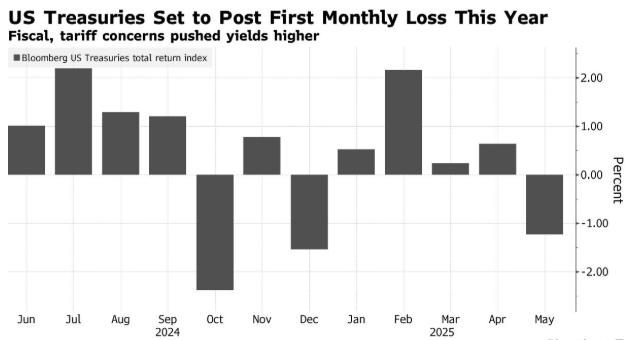
智通财经APP获悉,美国国债将出现今年的首次月度亏损,原因是关税政策的不确定性再度加剧,同时 人们对不断攀升的美国政府债务水平也愈发感到担忧。彭博社的一项追踪债券的指数在 5 月份下跌了超 过 1.2%。由于所有到期债券均受到压力影响,该指数出现下跌。美国30 年期国债收益率连续第三个月 上涨,这是自 2023 年以来持续下跌时间最长的一次;而美国 2 年期和 10 年期国债的收益率则出现了今 年来的首次月度上涨。 这种糟糕的月度表现反映出美国国债正面临越来越严峻的形势,因为美国政府不可预测的政策动摇了投 资者的信心。5月份,人们对美国预算赤字的担忧再度加剧,因为特朗普正与国会就一项旨在削减税收 的法案进行谈判。 伦敦道富市场公司欧洲、中东和非洲地区宏观策略主管Timothy Graf说道:"我认为债券市场目前不存在 失衡现象,但确实需要将财政赤字因素考虑在内进行定价。我们仍认为美国 10 年期国债的收益率目标 应为 5%。"周五,美国10 年期国债的收益率稳定在 4.42%。 可以肯定的是,本周美国国债价格上涨,原因是投资者纷纷锁定较高的收益率,而低于预期的经济数据 也进一步刺激了需求。如果周五晚些时候公布 ...

高盛总裁认可卡普兰的观点:客户更关注的是10年期国债收益率
news flash· 2025-05-29 17:56
Core Viewpoint - The increase in U.S. Treasury borrowing is driving up interest rates, particularly at the longer end of the yield curve, which raises borrowing costs for the government and exacerbates the fiscal deficit [1] Group 1: Economic Impact - The rising borrowing costs are increasing the risk of a broader rise in lending costs across the economic system [1] - Despite these challenges, the U.S. economy is showing strong signs of resilience, which was somewhat unexpected [1] Group 2: Market Focus - Goldman Sachs' clients are more concerned with the 10-year Treasury yield than the federal funds rate [1] - The acknowledgment of the current economic resilience is significant, indicating a potential for continued economic strength [1]

美经济数据表现超预期 黄金上方阻力仍强劲
Jin Tou Wang· 2025-05-28 08:25
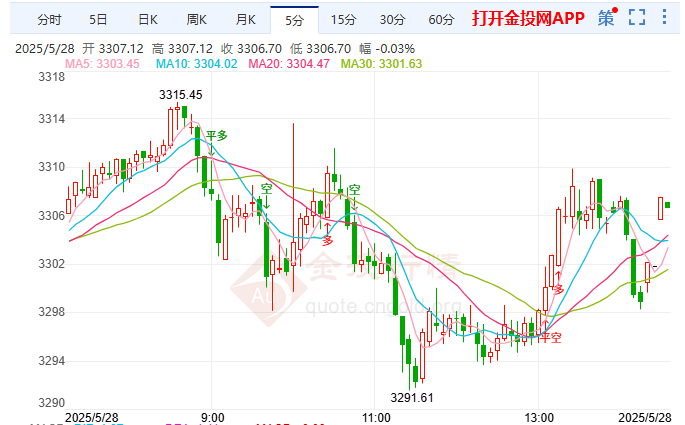
周三(5月28日)欧洲时段,黄金价格周三陷入盘整偏弱格局,因美元延续反弹、市场风险偏好情绪升 温,打压避险需求。尽管亚盘初略有回升,但现货黄金未能站稳3300美元,显示上方阻力依旧强劲。特 朗普推迟对欧盟征收50%关税至7月9日,短期内增强了风险偏好情绪,削弱了黄金避险需求。不过,贸 易政策仍存在重大不确定性,加上美国财政状况持续恶化以及地缘政治风险持续,为金价提供部分支 撑。 此外,路透社透露的数据显示,4月份中国通过香港的黄金净进口量比3月份增加了一倍多,达到自2024 年3月以来的最高水平。同时,根据Prime Market Terminal的数据,货币市场表明,交易员预计年底前将 宽松46.5个基点。 明尼阿波利斯联储主席尼尔·卡什卡利表示,在明确提高关税如何影响价格稳定之前,利率应保持不 变。这一系列因素相互交织,共同影响着当前复杂多变的金融市场格局。 在技术分析领域,周二金价走势出现关键变化,于跌破短期上升趋势线后呈现出进一步回调态势。当 前,金价正处于对4小时图200周期均线所在3295美元一线的测试阶段。值得注意的是,一旦该均线被有 效跌破,且形成具有确认意义的收盘状态,那么短期内的下行趋势或 ...
全球财政“火药桶”引信未除:美日长债联袂反弹或是暴风雨前宁静
智通财经网· 2025-05-28 00:11
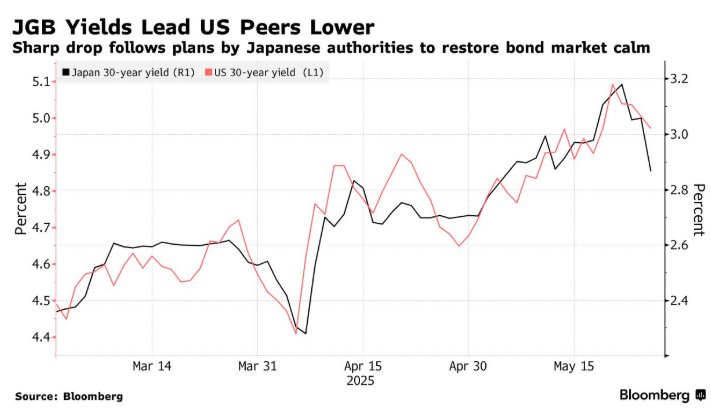
Group 1 - The core viewpoint of the articles highlights a temporary relief in the U.S. long-term treasury bond market, driven by a significant drop in the yields of 10-year and 30-year U.S. Treasury bonds, attributed to potential adjustments in Japan's debt issuance strategy [1][3][4] - The recent rebound in the global bond market is seen as a response to strong demand for U.S. Treasury bonds, particularly a $690 billion two-year bond auction, following news of Japan's possible reduction in bond sales [3][4][6] - Despite the temporary easing of the bond sell-off, concerns regarding the fiscal health of developed nations, especially the growing U.S. fiscal deficit and rising debt service costs, are expected to exert continued pressure on long-term bond investors [3][7][8] Group 2 - The 30-year U.S. Treasury bond yield experienced its largest single-day drop since March, reflecting a shift in investor sentiment towards long-term bonds, even if this trend is seen as short-lived [3][4][6] - The market is closely monitoring upcoming U.S. Treasury auctions and Federal Reserve meeting minutes, as the Biden administration's significant debt issuance has raised the national debt to $36 trillion, contributing to high budget deficits and interest payments [10][12] - The concept of "term premium," which refers to the additional yield investors require for holding long-term bonds, is nearing its highest level since 2014, indicating heightened concerns over the sustainability of U.S. government debt [9][13]
贵金属数据日报-20250527
Guo Mao Qi Huo· 2025-05-27 05:34
2017 投资咨询业务资格:证监许可【2012】31号 ITC国贸期货 世界500强投资企业 E 突期货有限公司 流的衍生品综合服务商 D778 - 服 热 官 方 线 网 www.itf.com.cn 400-8888-598 市 市 站 需 有 课 风 慎 脸 fet ITG国贸期货 贵金属数据日报 | 国贸期货研究院 | | | | | | | 投资咨询号: Z0013700 | | 2025/5/27 | | --- | --- | --- | --- | --- | --- | --- | --- | --- | --- | | 宏观金融研究中心 白素娜 | | | | | | | 人业资格号:F3023916 | | | | 伦敦银现 内外盘金 (美元/盎司) | 日期 | 伦敦金现 (美元/盎司) | | COMEX更令 (美元/盎司) | COMEX白银 (美元/盎司) | AU2508 (元/克) | AG2508 (元/千克) | AU (T+D) (元/克) | AG (T+D) (元/千克) | | 银15点价 | | | | | | | | | | | 格厨房 | 2025/5/26 ...
美元汇率大幅下挫创年内新低,财政赤字与信用风险叠加冲击市场信心
Sou Hu Cai Jing· 2025-05-27 02:26
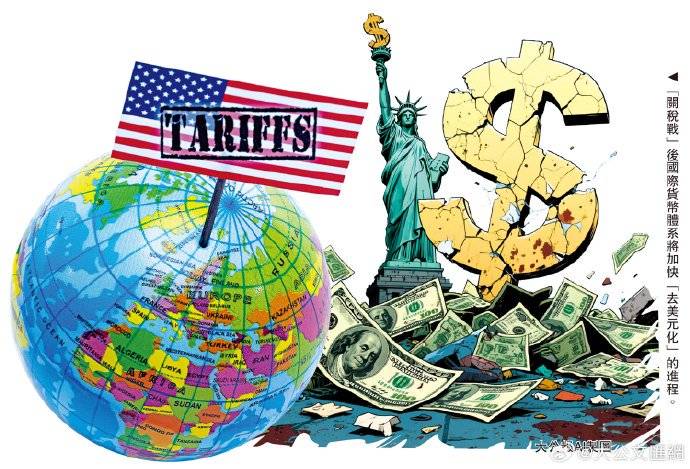
2025年5月美元汇率大幅下跌,主要原因可归结为以下六个方面: 1. 财政赤字与信用风险加剧 美国国会通过的新减税法案预计未来十年新增数万亿美元财政赤字,叠加穆迪等评级机构调降美国主权 及银行信用评级,市场对美债可持续性担忧加剧。这一背景下,美国国债拍卖遇冷,5月22日20年期国 债拍卖需求疲软,长期收益率大幅飙升,反映投资者要求更高风险溢价,直接拖累美元指数跌破99关 口。 2. 关税政策冲击全球信心 特朗普公开施压美联储大幅降息,甚至威胁解雇主席鲍威尔,引发市场对货币发行政治化的担忧。这种 干预动摇了美元信用基础,部分投资者认为美联储可能丧失抑制通胀的能力,加剧美元抛售潮。同期美 债收益率曲线陡峭化,10年期国债收益率突破4.5%,显示市场对长期通胀预期升温。 4. 全球去美元化进程加速 中国、俄罗斯等国家推动本币结算和黄金储备多元化,叠加美国滥用金融制裁导致美元资产信任度下 降。IMF数据显示人民币购买力平价被显著低估(3.55元/1美元),促使国际资本重新配置资产。5月美 元指数较年初累计下跌11.1%,创2005年以来最差开局。 5. 美元套利逻辑逆转 日本央行加息至0.25%并缩减超长期国债购买, ...
中金:特朗普2.0“大财政”再进一步 美国大概率不具备有效削减赤字的客观条件
news flash· 2025-05-26 23:51
Core Viewpoint - The "one big beautiful bill" passed in the House on May 22, with a potential Senate vote in June, aims to significantly increase the U.S. fiscal deficit over the next decade, addressing structural issues like income inequality and re-industrialization, while also facing global geopolitical competition [1] Group 1: Legislative Impact - The bill includes tax cuts, spending reductions, an increase in the debt ceiling, and policies related to defense and immigration [1] - A combined version of the bill is expected to be completed by July 4, aligning with Trump's expectations [1] Group 2: Fiscal Implications - The legislation is likely to lead to a substantial increase in the U.S. fiscal deficit over the next ten years [1] - The U.S. may not have the objective conditions to effectively reduce the deficit in the medium to long term due to structural issues [1] Group 3: Market Reactions - Following the increase in the debt ceiling, a wave of U.S. debt issuance is anticipated between July and September [1] - This situation may compel the U.S. to accelerate monetary and financial policy adjustments, such as initiating quantitative easing (QE) and expediting SLR exemptions to provide liquidity to the U.S. debt market [1]
国泰海通|有色:宏观扰动再起,金属价格震荡运行
国泰海通证券研究· 2025-05-26 14:53
本 文摘自:2025年5月26日发布的 宏观扰动再起,金属价格震荡运行 于嘉懿 ,资格证书编号: S0880522080001 刘小华 ,资格证书编号: S0880523120003 报告导读: 特朗普全面减税法案的最终落地、以及其关税威胁均存在不确定性,市场情 绪反复之下,金价或呈现震荡。国内宏观利好频出,或将对冲部分海外影响,不过仍需 关注淡季下游需求反馈,工业品价格预计震荡运行。 周期研判: 特朗普全面减税法案,在美众议院预算委员会获得通过,引发市场对于美财政赤字担忧,且特 朗普再度发动对欧盟等关税威胁,市场避险情绪上升,金价上行。然该法案的最终落地、以及特朗普关税 威胁均存在不确定性,市场情绪反复之下,金价或呈现震荡。同时国内宏观方面利好频出,或将对冲部分 海外影响,进入传统淡季,需关注下游对工业金属需求反馈,工业品价格预计震荡运行。 贵金属:市场情绪反复,金价或延续震荡。 5 月 22 日,美国总统特朗普的全面减税法案,在美国众议院 获得通过,引发市场对于美财政赤字的担忧,长期美债遭遇抛售,叠加周五特朗普提出对欧盟、苹果、三 星加征关税,美股下跌、美元指数单周下跌约 2% 。同时,据美国有线电视新闻 ...

谦恒配资|日债暴跌,冲击全球金融市场
Sou Hu Cai Jing· 2025-05-26 05:42
Group 1 - The focus of funds has shifted from monetary policy and growth risks to fiscal deficits and turmoil in the bond market, with significant declines in long-term government bonds in Japan and the US raising concerns about rising capital costs [1][3] - The Japanese government bond (JGB) market has seen a rare surge in attention, with the 30-year bond yield reaching levels not seen since 1999, driven by factors such as poor auction results and heavy government debt burdens [3][4] - The absence of life insurance companies in the bond market has played a critical role in the turmoil, as rising inflation has diminished their interest in long-term bonds, despite the government's efforts to reduce issuance [3][4] Group 2 - The US Senate narrowly passed a tax bill that could increase the national debt ceiling by $4 trillion, leading to a sharp decline in US Treasury bonds, with the 30-year yield approaching a 20-year high of 5.1% [5][6] - The US national debt has surged by $13 trillion in the last five years, raising concerns about sustainability, with projections indicating that the debt could reach $36 trillion by the end of Trump's presidency [5][6] - The ratio of US debt to GDP is quickly approaching the 120% warning threshold, with major rating agencies downgrading the US's top sovereign credit rating, although the government is still able to meet its debt obligations due to the Federal Reserve's support [6][7] Group 3 - The upcoming focus will be on the long-term bond trends in the US and Japan, particularly whether the long-term yields have peaked in the short term, with the Federal Reserve's May meeting minutes expected to provide insights into rising risks of high unemployment and inflation [7]