AI泡沫

Search documents
华港财富2026年展望:高估值环境下的风险管理与机遇把握
Sou Hu Cai Jing· 2025-12-01 07:22
Group 1: Market Overview - The global equity market is currently expensive, with the MSCI Global Equity Index trading at a price-to-earnings (P/E) ratio of 19.6, close to historical averages [2] - Credit spreads in both investment-grade and high-yield segments have narrowed to near 10-year lows, indicating high valuations in the bond market [2] - Gold prices have surged by 60% this year, complicating the analysis of asset prices in the current market environment [2] Group 2: Investment Strategy - Risk management is emphasized as a core task in wealth management for 2026, with a focus on multi-asset allocation, structured tools, and regional diversification [1][2] - The recommended asset allocation includes 28% fixed income, 33% equities, and 39% alternative investments and other assets, with a slight overweight in alternatives due to their lower correlation with traditional markets [2] - Investors are advised to adopt medium to long-term strategies to mitigate short-term market noise and volatility [2] Group 3: AI Bubble Concerns - There are concerns about a potential AI bubble, particularly with significant capital expenditures from major tech companies, which account for 30% of the S&P 500's total capital spending [5] - However, the long-term debt of these companies is only about 4% of the index, and their capital intensity is expected to decline after reaching a peak in 2026 [5] Group 4: Sector Analysis - The report suggests that while the AI bubble has not formed, some stocks exhibit signs of a "Zoom bubble," referencing Zoom's significant decline from its peak [7] - The competitive landscape for Zoom has shifted, with its market share dropping from 50% to approximately 25% by 2024, while Microsoft Teams has increased its share to 50% [7] Group 5: Equity Allocation - Effective regional diversification in equity allocation is recommended, with a focus on traditional sectors as European stocks may benefit from potential capital rotation [9] - The outlook for Hong Kong stocks is positive due to improving US-China relations and potential earnings upgrades [9] Group 6: Fixed Income Strategy - The global economy is projected to grow by 2.9% in 2026 and 2027, with manageable corporate default rates expected [10] - The report suggests increasing exposure to high-yield, emerging markets, and AT1 bonds to enhance bond market beta and achieve higher absolute returns [10] Group 7: Alternative Investments - The report advocates for alternative investments, particularly gold and hedge funds with long-short strategies, to hedge against market volatility [13] - Central banks are expected to continue increasing gold reserves, with 95% indicating plans to do so next year, driven by a trend of "de-dollarization" [14] Group 8: Structured Investment Tools - Structured investment tools with capital protection features are recommended, such as Daily Range Accrual Notes and Phoenix Notes, which can provide higher absolute returns despite lower liquidity [17] - The current high-interest rate environment presents an opportunity for investors to lock in returns through these structured products [17]


光控资本:“AI泡沫”争议搅动全球资本市场
Sou Hu Cai Jing· 2025-12-01 06:10
Core Viewpoint - The ongoing debate about the "AI bubble" is causing turmoil in global capital markets, but the AI industry still has significant market potential despite some stock price fluctuations [1][3][6] Market Performance - Since late October, the Nasdaq index has declined from a high of 24,000 points to around 22,000 points, with major tech stocks like Nvidia and Oracle experiencing notable drops of 10.33% and 14.99% respectively [3] - In the A-share market, technology stocks related to AI have also faced adjustments, particularly in sectors like consumer electronics and semiconductors [3] Financial Results - Nvidia reported third-quarter revenue of $57.01 billion, exceeding market expectations, with a net profit of $31.91 billion, a year-on-year increase of 65%. However, this did not fully alleviate market concerns about the AI bubble, as Nvidia's stock fell by 3.15% following the report [3][4] Investment Sentiment - Organizations generally remain optimistic about the long-term prospects of the AI industry, viewing the current stock price fluctuations as potentially temporary [5][6] - Despite high valuations for leading AI companies, the long-term industrial trends and broad market space suggest that valuations are still within a reasonable range [6] Capital Expenditure Trends - Major tech companies are increasing capital expenditures, with Oracle's 5-year CDS prices rising by 167% since September, indicating heightened market sensitivity to economic performance and monetary policy [4] - Chinese tech companies are also significantly increasing their investments in AI, with Alibaba planning to potentially increase its previously announced capital expenditure of 380 billion yuan [9][10] Strategic Importance - AI is viewed as a critical component in national strategies and global leadership, with ongoing technological advancements indicating that the industry is far from reaching its peak [8]






李蓓:当前股市总体估值依然不高,居民储蓄通过分红险间接搬家进入股市(附演讲PPT)
Xin Lang Zheng Quan· 2025-12-01 05:21
Core Viewpoint - The 2025 Analyst Conference highlighted expectations for a significant bull market in A-shares, driven by global capital inflows and the recovery of leading companies' profitability amidst current economic challenges [1][4]. Group 1: Market Conditions and Trends - Wealthy individuals are facing an "asset scarcity" dilemma, with low returns on real estate and high uncertainty surrounding dollar-denominated assets due to the U.S. fiscal deficit [8][11]. - The current A-share and Hong Kong stock markets are in the first phase of valuation recovery, with the risk premium returning to average levels, but not yet reaching extremes [4][66]. - The overall valuation of the stock market remains low, with significant potential for upward movement as household savings are increasingly funneled into the stock market through dividend insurance products [1][4]. Group 2: Stages of the Bull Market - The bull market is expected to evolve in three stages: 1. Valuation recovery, where market confidence is tested and requires tangible improvements in economic data and corporate earnings [3][4]. 2. Profit verification, where investors will need to see substantial earnings growth to further engage in the market [4]. 3. A wealth effect-driven reallocation of assets, leading to a significant influx of global capital into Chinese markets [3][4][66]. Group 3: Investment Strategies - The current investment strategy should focus on "flowers blooming in winter," targeting resilient leading companies that can provide stable returns despite economic downturns [4][62]. - As the market transitions to a more favorable environment, the potential for a significant bull market is anticipated, attracting global capital [4][72]. Group 4: Sector-Specific Insights - Leading companies in the real estate sector are showing signs of profitability recovery, with improved margins due to a reshaped competitive landscape and increased market share [6][59]. - The profitability models of top real estate firms have been restructured, allowing them to maintain stable profit margins even in a challenging market [6][59]. Group 5: Global Economic Context - The uncertainty surrounding dollar-denominated assets is increasing, with a notable rise in the currency conversion ratio indicating a lack of confidence in U.S. assets [7][15]. - The high fiscal deficit in the U.S. is undermining confidence in the long-term value of the dollar, while the stock market is facing potential corrections due to high valuations and concerns over AI sector bubbles [8][9].

外资,疯狂唱多中国!
Sou Hu Cai Jing· 2025-12-01 02:42
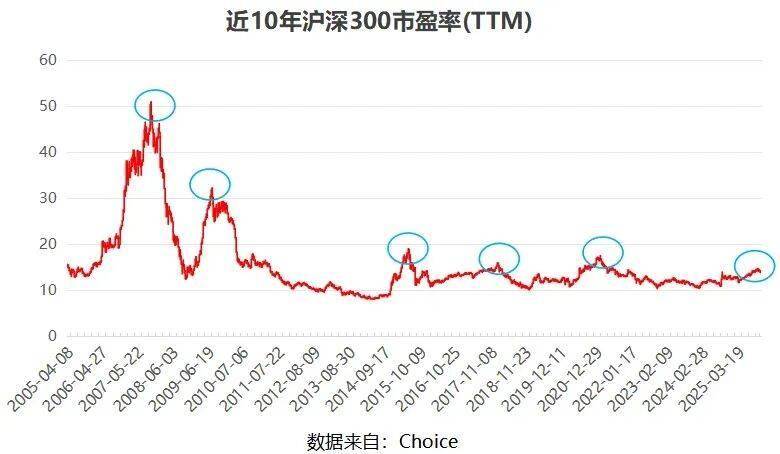
11月,是很危险的一个月! 这个月里,股市和黄金这两个前期涨幅很大的主要资产,都迎来急剧震荡。 股市中,最终还是走向了"盘久必跌",上证指数从4000点一路下挫,勉强守住3800点。科技板块调整更大些, 科创50、科创100指数,期间最大跌幅都近10个点。 黄金呢,美联储降息预期急转弯,美元流动性突然收紧的利空砸向市场,伦敦金从4200美元/盎司的高位直线 跳水。 AI有泡沫!黄金有泡沫! 这几个月里,市场关于"泡沫"的质疑与担忧越来越大。我们每个人的账户钱袋子,随时都有被快速压扁的可 能。 "危局"中央,外资巨头集体发声唱多中国,唱多黄金! 对股市,当下大家最担忧的无非集中在3点上。 一是牛市持续时间似乎有点长了。 A股牛短熊长的调性,像一把悬在头顶的达摩克利斯之剑,让很多人对牛市"时长"的风险格外敏感。 如果从去年924行情算起,到现在,这轮牛市已经持续1年零2个月,加上前期4000点附近的盘整已经消耗大量 动能,当下确实不得不让人担心。 二是估值,这往往是泡沫论者最锋利、也最直观的武器。 当前上证指数、沪深300、中证1000指数,近5年PE历史百分位分别来到92.94%、80.78%、95.29%。 ...
速递|Databricks估值飙升至1340亿美元,融资50亿美元,预计今年实现约1000万美元正向现金流
Z Potentials· 2025-12-01 02:39
Core Viewpoint - Databricks is experiencing a record valuation of $134 billion following a recent $5 billion funding round, highlighting both the risks and opportunities associated with the current AI hype, despite increasing development costs impacting gross margins [2][3]. Financial Performance - Databricks has raised its sales forecast multiple times this year, with an expected revenue growth of 55%, up from an initial estimate of $3.8 billion to $4 billion [4]. - The company's gross margin has decreased from a planned 77% to 74% due to rising costs associated with AI product usage [5]. - Databricks is currently at a break-even point, with an anticipated free cash flow of $10 million, a significant improvement from previous years where it faced cash burn in the hundreds of millions [5]. Valuation Comparisons - The current valuation of Databricks is approximately 32 times its expected sales of $4 billion, compared to 24 times last year's sales and 26 times the year before [3][4]. - In comparison, competitors like Snowflake and Datadog have valuations of 21 times and 16 times their expected sales, respectively, while Palantir stands out with a valuation exceeding 90 times its expected sales [5]. Market Position and Strategy - Databricks focuses on Lakehouse technology for enterprise data storage and is pushing for the adoption of its AI Agent to automate HR and IT tasks, aiming to capture more business [5]. - The company has a close relationship with OpenAI, which is one of its largest clients, and has committed to investing $100 million in OpenAI models over the next few years [6]. Industry Concerns - CEO Ali Ghodsi has warned of the potential AI bubble, suggesting that many executives in the AI sector may be overly optimistic about current capabilities [7]. - The company faces challenges similar to other software firms with data infrastructure, as evidenced by declining gross margins reported by competitors like Snowflake [8].

白银创历史新高,白银有色涨停,比特币跌至87000美元,加密货币18万人爆仓
21世纪经济报道· 2025-12-01 02:07
Core Viewpoint - The precious metals sector is experiencing significant price increases, with silver and gold reaching historical highs due to rising expectations of a Federal Reserve interest rate cut in December, leading to a decline in the US dollar index and a surge in precious metal prices [1][5]. Precious Metals Market - As of December 1, spot silver has reached a historic high of $57 per ounce, with a year-to-date increase of over 98%. COMEX silver has also surpassed $58 per ounce, while SHFE silver has risen over 6% [1]. - Gold prices are also on the rise, with New York futures gold breaking through $4260 per ounce and spot gold reaching $4228 per ounce [1][2]. Cryptocurrency Market - Bitcoin has dropped to around $87,312, with a decline of over 4% in the day, while Ethereum has fallen to approximately $2,847, down over 5% [2][3]. - In the last 24 hours, a total of 180,325 individuals have been liquidated in the cryptocurrency market, with a total liquidation amount of $537 million [3][4]. Market Sentiment and Economic Indicators - The market is currently pricing in an 80% probability of a 25 basis point rate cut by the Federal Reserve in December, as indicated by CME Federal Funds futures [5]. - The focus is shifting to the upcoming release of the US September Personal Consumption Expenditures (PCE) price index report, which is a key inflation indicator for the Federal Reserve [5].


谷歌VS英伟达!生死之战?A股“卖水人”提前定价
券商中国· 2025-12-01 02:01
Core Viewpoint - The article discusses the escalating competition between Google's TPU and NVIDIA's GPU in the AI computing power market, highlighting the implications for the industry and potential investment opportunities and risks [2][3]. Group 1: Competition Between TPU and GPU - Google's TPU, a custom chip, has outperformed NVIDIA's GPU in training AI models, leading to a shift in market dynamics, with NVIDIA's stock down 12.59% and Google's up 12.85% since November [2]. - The competition is framed as a battle between custom and general-purpose chips, with custom chips like TPU focusing on cost reduction and efficiency, while general-purpose GPUs like NVIDIA's offer flexibility and compatibility [3][4]. - Analysts predict that while TPU may currently lead in performance, NVIDIA's upcoming chips could regain the competitive edge, suggesting a parallel evolution rather than a definitive victory for either side [5]. Group 2: Market Implications for Hardware Supply Chain - The competition between TPU and GPU is expected to drive demand for hardware components like optical modules and PCBs, benefiting suppliers in these sectors [6][7]. - If TPU gains market share, it could significantly increase the demand for optical modules, with estimates suggesting TPU v7 could require 3.3 times more optical modules than NVIDIA's Rubin chip [7]. - The shift towards custom chips is anticipated to create a more balanced market by 2029-2030, with a potential 50-50 split between custom and GPU chips [5]. Group 3: Investment Sentiment and Market Outlook - Investors express a cautious optimism regarding AI applications, noting that while TPU's cost advantages could lower barriers for AI adoption, the current focus remains on the need for breakthrough applications [9][10]. - Concerns about an "AI bubble" are raised, with comparisons to the 2000 internet bubble, but analysts argue that the current market is underpinned by strong fundamentals and healthy cash flows [11][12]. - The future of AI applications hinges on the emergence of "killer apps" that can drive significant revenue, with the potential for substantial growth if such applications materialize [10][12].

股指期货:反弹后的震荡
Guo Tai Jun An Qi Huo· 2025-12-01 01:34
2025 年 12 月 1 日 股指期货:反弹后的震荡 毛磊 投资咨询从业资格号:Z0011222 maolei@gtht.com 二 〇 二 五 年 度 报告导读: 1、 市场回顾与展望:上周 A 股市场上行,板块方面,通信、电子、综合涨幅居前;石油石化、银 行、煤炭跌幅居前。行情反弹主因此前的利空扰动边际出现多空转化。11 月 24 日晚,中美元首通话,时 间点超预期,加上从内容表述上看中美关系良好,大大缓解与日方地缘博弈担忧,风险偏好得到很大提 振。上周人民币也涨至一年多来新高。在海外方面,美联储近一阶段持续释放鸽派信号维稳,宽松预期也 有所修复。美股尤其是科技股也出现止跌企稳,整体呈现 V 型反弹走势。在内外部利多因素共振下,推动 期指行情回升。不过周初大涨后,随后指数上行整体也较为克制,频现冲高回落走势,持续上行动能不 足。 就后期行情来看,在 AI 泡沫的担忧之下,如果缺乏类似年初"deepseek 时刻"的产业层面的亮点, 预计科技行情新一轮上行就此展开的难度较大。从资金角度看新一轮资金入市的环境也尚在酝酿中。潜在 向上动能可能需要事件性新增利多,譬如 12 月政治局释放超预期政策利多,或美联储 ...
特朗普称已确定下任美联储主席人选
Dong Zheng Qi Huo· 2025-12-01 01:29
1. Report Industry Investment Ratings No relevant content provided. 2. Core Views of the Report - Trump has determined the next Fed Chair nominee, likely Kevin Hassett, which is expected to increase market risk appetite and weaken the US dollar [2][13]. - After a sharp decline, the odds of the bond market have improved, but there is a risk of further adjustment as policy expectations rise [3][23]. - Due to floods in palm oil - producing areas, the supply pressure is expected to ease, and palm oil prices may rebound [4][25]. - CSPT's decision to cut copper production in 2026 and other factors are expected to drive copper prices to continue to rise [4][45]. - OPEC+ has decided to suspend production increases in Q1 2026, and short - term oil prices will maintain a volatile trend [5][67]. 3. Summary by Directory 3.1 Financial News and Comments 3.1.1 Macro Strategy (Gold) - A data center cooling system problem in Chicago led to a trading halt at CME, causing disruptions in multiple markets. Gold rose about 1.5% and silver soared 5% on Friday, driven by expectations of Fed rate cuts. The Shanghai and Shanghai Gold Exchange silver inventories are falling, and the CME trading halt has reduced market liquidity. It is recommended to reduce positions [10]. 3.1.2 Macro Strategy (Foreign Exchange Futures - US Dollar Index) - The Japanese Finance Minister said the rapid yen depreciation is not driven by fundamentals. Trump has determined the next Fed Chair nominee, and it is expected that Hassett will be elected, leading to increased market risk appetite and a weaker US dollar [11][13]. 3.1.3 Macro Strategy (US Stock Index Futures) - Ukraine's new negotiation representative went to the US to discuss ending the war. The CME system failure caused trading interruptions. The US rate - cut expectations are rising, and the market risk appetite has improved. The US stock index is expected to continue to repair and show a strong - biased volatile trend [15][16]. 3.1.4 Macro Strategy (Stock Index Futures) - China's November official manufacturing PMI was 49.2, slightly up from the previous value. The National Development and Reform Commission held a private enterprise symposium. The stock market trading volume has shrunk, and there may be no trend - based market in the short term. It is recommended to evenly allocate long positions in stock indices [18][19]. 3.1.5 Macro Strategy (Treasury Bond Futures) - China's November official manufacturing PMI was 49.2, in line with expectations. The central bank conducted a 3013 - billion - yuan 7 - day reverse repurchase operation, with a net withdrawal of 737 billion yuan on the day. The bond market has a risk of further adjustment as policy expectations rise. It is recommended to short long - term bond varieties on rebounds [21][23]. 3.2 Commodity News and Comments 3.2.1 Agricultural Products (Soybean Oil/Rapeseed Oil/Palm Oil) - Continuous heavy rain in Indonesia's Sumatra has caused floods and landslides. The supply pressure of palm oil is expected to ease, and prices may rebound. It is recommended to consider short - term long positions [25]. 3.2.2 Agricultural Products (Sugar) - As of the end of November, about 30 sugar mills in Guangxi and Yunnan have started production. The sugar production in Guangxi in November is expected to be 100,000 tons, far lower than last year. The Zhengzhou sugar 1 - month contract is expected to oscillate, and the main funds will gradually shift to the 5 - month contract [26][31]. 3.2.3 Agricultural Products (Cotton) - In October, China's cotton product exports decreased year - on - year but increased month - on - month. The EU's clothing imports from China increased in Q3. The US cotton export signing and shipment increased in the week ending October 16. The Zhengzhou cotton is expected to be strongly volatile in the short term and cautiously optimistic in the long term [32][35]. 3.2.4 Black Metals (Rebar/Hot - Rolled Coil) - Malaysia plans to add 48.4 million tons of steel production capacity from 2030 - 2035. China's November automobile dealer inventory warning index was 55.6%, up year - on - year and month - on - month. Steel prices are expected to oscillate with a slight rebound, and it is recommended to take an oscillatory approach [36][38]. 3.2.5 Agricultural Products (Soybean Meal) - Oil mills maintained a high operating rate. Argentina's soybean planting was 39% complete as of November 27. The US sold 312,000 tons of soybeans to China. International markets should focus on China's soybean purchases and South American weather, and domestic soybean meal is expected to oscillate [39][41]. 3.2.6 Agricultural Products (Corn Starch) - The price difference between corn starch and tapioca starch has widened. Corn starch is expected to be strong in the short term, and it is recommended to operate in the price - difference range in the medium - short term and expect it to strengthen in the long term [42][43]. 3.2.7 Agricultural Products (Corn) - As of November 27, the average grain - selling progress in Northeast China was 26%, and in North China was 25%, both faster than last year. Corn futures contracts are expected to have different trends, and it is not recommended to short against the trend in the short term [43][44]. 3.2.8 Non - ferrous Metals (Copper) - CSPT agreed to reduce copper production capacity by over 10% in 2026. Chile's October copper production decreased by 7% year - on - year. Copper prices are expected to rise, and it is recommended to buy on dips [45][48]. 3.2.9 Non - ferrous Metals (Polysilicon) - Hainan's new - energy power price was cleared at the upper limit. Polysilicon prices are under pressure, and it is recommended that investors operate with caution due to high volatility [49][51]. 3.2.10 Non - ferrous Metals (Industrial Silicon) - The operating rates of silicon enterprises in Sichuan and Yunnan are declining. The market is expected to oscillate between 8800 - 9500 yuan/ton, and it is recommended to focus on range - bound operations [52][54]. 3.2.11 Non - ferrous Metals (Lead) - On November 27, LME lead had a large - scale backwardation. The old - standard electric bicycle CCC certificates will be cancelled from December 1. The lead market is short of supply and strong in demand, and it is recommended to buy on dips [55][56]. 3.2.12 Non - ferrous Metals (Zinc) - On November 27, LME zinc had a large - scale contango. Antamina's zinc ore tender price was below $30/dry ton. Zinc prices are likely to rise, and it is recommended to observe buying opportunities on the right side and hold long - spread positions [57][58]. 3.2.13 Non - ferrous Metals (Lithium Carbonate) - Frontier Lithium released its mid - term report. The lithium carbonate market may face short - term callback pressure, and it is recommended to short on highs in the short term and buy on lows in the medium term [59][62]. 3.2.14 Non - ferrous Metals (Nickel) - Indonesia simplified the RKAB approval process. The nickel market is in surplus, and nickel prices are expected to oscillate at the current level [63][64]. 3.2.15 Energy Chemicals (Carbon Emissions) - On November 28, the EUA main contract closed at €83.26/ton. EU carbon prices are supported by auction suspension and reduced supply in 2026 but may be suppressed by warm weather [65]. 3.2.16 Energy Chemicals (Crude Oil) - OPEC+ decided to suspend production increases in Q1 2026. US crude oil production reached a record high in September. Short - term oil prices will maintain a volatile trend, and it is recommended to pay attention to the Russia - Ukraine negotiation progress [67][70]. 3.2.17 Shipping Index (Container Freight Rates) - The UK plans to cancel the small - package tariff exemption in 2029. The SCFI index rose. The container freight market is expected to oscillate, and it is recommended to consider light - position long positions in the 02 contract [71][72].
粤117所职校开设306个AI相关专业
Sou Hu Cai Jing· 2025-12-01 00:43
Core Viewpoint - The rapid growth of the artificial intelligence (AI) industry has attracted significant investment, leading to high valuations, but concerns about a potential bubble persist. The "AI+" initiative proposed by China is seen as a fundamental solution to address these bubble concerns [2][3]. Group 1: AI Industry Bubble Concerns - The debate over whether the AI industry is experiencing a bubble is a major discussion point, with characteristics such as high investment concentration, unique risks, and prominent bottlenecks being highlighted. Specifically, 95% of AI investments have not yielded actual returns [3]. - Historical lessons from the internet sector, which initially faced similar bubble concerns due to a lack of content industry, suggest that the AI sector can also foster new industries and economic growth through integration with the real economy [3]. Group 2: Integration with the Real Economy - The concept of "embodied intelligence" has been recognized as one of the six future industries in the 14th Five-Year Plan, emphasizing the deep integration of AI with the physical world. This integration is expected to significantly enhance manufacturing levels and productivity across various sectors [4]. - The current focus for most industry players should be on effectively implementing the "AI+" initiative to promote deep integration with the real economy, rather than getting caught up in speculative narratives surrounding AGI [4]. Group 3: Talent Development in AI - Guangdong province has established a robust AI industry with a core scale exceeding 220 billion yuan, featuring a complete industrial chain and numerous leading companies like Huawei and Tencent. The province is also a leader in vocational education, with 606 vocational schools and nearly 3 million students [5]. - Guangdong has initiated programs to align vocational education with industry needs, offering 306 specialized programs in AI technology and applications, and has established partnerships with companies like Huawei to create AI-focused educational institutions [5][6].