
以旧换新政策

Search documents
【周度分析】车市扫描(2025年7月14日-7月20日)
乘联分会· 2025-07-23 11:52
Group 1: Overview of the Automotive Market - From July 1 to 20, 2025, the national retail sales of passenger cars reached 978,000 units, a year-on-year increase of 11%, but a month-on-month decrease of 12% [1] - Cumulative retail sales for the year reached 11.88 million units, also reflecting an 11% year-on-year growth [1] - For the same period, wholesale sales of passenger cars were 960,000 units, up 22% year-on-year but down 12% month-on-month [1] Group 2: New Energy Vehicle (NEV) Market - Retail sales of new energy passenger cars from July 1 to 20 reached 537,000 units, a 23% year-on-year increase, with a penetration rate of 54.9% [1] - Cumulative retail sales of NEVs for the year reached 6.006 million units, showing a 32% year-on-year growth [1] - Wholesale sales of NEVs during the same period were 514,000 units, up 25% year-on-year, with a penetration rate of 53.6% [1] Group 3: Market Trends and Predictions - The automotive market is expected to stabilize with a strong performance in July 2025, supported by favorable economic conditions and improved exports [4] - The market is entering a consolidation phase, with traditional fuel vehicle inventories being reduced due to market pressures [4] - The "trade-in" policy is anticipated to have a stronger impact in the second half of the year, with government policies aimed at stabilizing the market [4][5] Group 4: Wholesale Sales Analysis - Daily average wholesale sales for the first three weeks of July were 39,000, 46,000, and 58,000 units respectively, showing year-on-year growth of 39%, 31%, and 8% [6] - Cumulative wholesale sales for the year reached 14.24 million units, reflecting a 13% year-on-year increase [6] - The automotive industry is increasingly driven by both domestic and international demand, with a notable improvement in industry order [6] Group 5: Commercial Vehicle Market - In June 2025, domestic commercial vehicle sales reached 260,000 units, a 17% year-on-year increase [7] - The first half of 2025 saw commercial vehicle sales of 1.52 million units, a 6% year-on-year growth [7] - The penetration rate of new energy commercial vehicles reached 24% in the first half of 2025, indicating strong growth [7] Group 6: Registration and Ownership Data - By June 2025, the total number of vehicles in China reached 359 million, with new energy vehicles accounting for 10.27% of this total [8] - The first half of 2025 saw 5.622 million new energy vehicles registered, a 27.86% year-on-year increase [8] - The rapid growth in vehicle scrappage rates indicates a dynamic market environment, with a net increase of 6.5 million vehicles expected this year [8] Group 7: International Market Insights - In Russia, the automotive market saw a significant increase in Chinese brand market share, reaching 57% in June 2025 [9] - The total automotive sales in Russia for the first half of 2025 were 600,000 units, a 29% year-on-year decline [9] - Chinese exports to Russia have shown strong growth, with significant increases in market penetration for Chinese brands [9]


调查显示消费意愿下降,下半年如何发挥消费对经济拉动作用?
Nan Fang Du Shi Bao· 2025-07-23 09:43
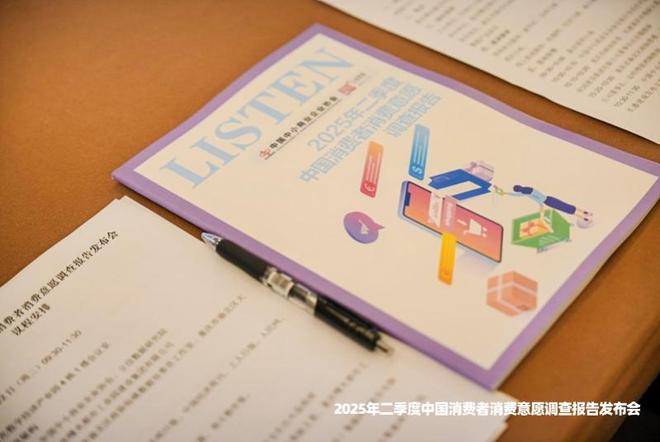
Group 1 - The core consumer willingness index for Q2 2025 is 120.2, which is a decrease of 1.2 points from the previous quarter and a decline of 7.1 points compared to the same period last year [5][6] - The contribution rate of final consumption expenditure to economic growth in the first half of the year reached 52%, up from 49.9% in the first three quarters of last year [3][12] - The report indicates a significant drop in consumer expectation willingness, which is attributed to the complex domestic and international economic situation, leading to increased risk aversion and a higher savings willingness among consumers [5][6] Group 2 - The phenomenon of rising savings willingness among consumers is noteworthy, with savings being the primary use of disposable income, followed by education for children, travel, mortgage repayment, and medical expenses [6][7] - The "old-for-new" consumption policy has driven sales of 2.9 trillion yuan, benefiting approximately 400 million consumers, and has contributed to the growth of the retail sector [9][10] - Experts express concerns about the diminishing effectiveness of the "old-for-new" policy in the second half of the year, suggesting the need for further adjustments to consumption promotion policies [10][12] Group 3 - The restaurant industry has shown a decline in revenue growth, with June's year-on-year growth rate dropping to 0.9%, indicating potential challenges for the sector [13] - Recommendations for the restaurant industry include stabilizing growth, employment, and expectations to boost consumer confidence, as well as tax relief for small and medium-sized enterprises [13]
北鼎股份拟1.56亿收购中山科瑞 受益以旧换新政策上半年净利增74.92%
Chang Jiang Shang Bao· 2025-07-23 08:57
Group 1 - The core point of the article is that Beiding Co., Ltd. plans to acquire 100% equity of Zhongshan Keri Automation Technology Co., Ltd. for 156 million yuan to enhance its manufacturing capabilities and optimize its business structure [1][2] - The acquisition is part of Beiding's strategy to expand its product lines and improve supply chain management, which is essential for its manufacturing capacity upgrade and overall business layout [1][2] - Zhongshan Keri, established in May 2014, is currently in a loss-making state, with projected revenues of 258 million yuan and 1.199 million yuan for 2024 and the first half of 2025, respectively [2] Group 2 - Beiding's main business includes its own brand "Beiding BUYDEEM" and OEM/ODM services, with a reported revenue of 431 million yuan in the first half of 2025, marking a year-on-year increase of 34.05% [2][3] - The "Beiding BUYDEEM" brand achieved a revenue of 356 million yuan in the first half of 2025, reflecting a growth of 43.6%, driven by domestic market policies and base effects [3] - The company's overseas business faced challenges due to geopolitical tensions and trade uncertainties, resulting in modest growth of 0.71% in international sales [3]
今年以来全国12大类家电以旧换新产品销售超1.09亿台 以旧换新成效显著 产业链企业多维发力打通回收循环全链条
Zheng Quan Ri Bao· 2025-07-22 17:06
Group 1 - The home appliance market is thriving due to the dual push of continuous policy enhancement and active corporate response, with over 66 million consumers participating in the trade-in program, resulting in the purchase of over 109 million appliances [1] - The trade-in policy has expanded from 8 categories to 12, now including digital products like smartphones and tablets, with a significant increase in subsidy funding from 150 billion to 300 billion yuan for 2025 [2] - The trade-in program has generated a total sales volume of 2.9 trillion yuan, benefiting approximately 400 million consumers, demonstrating the policy's broad impact [2] Group 2 - The production side has also seen positive effects, with air conditioner production increasing by 5.5% and washing machine production by 10.3% in the first half of the year [3] - The upcoming promotional events in the second half of the year are expected to drive sales growth of 8% to 10% for major appliances, with a focus on smart home products and innovative technologies [4] - Companies are increasingly extending their supply chains in the trade-in sector, with significant growth in online and offline channels, and a notable increase in high-end appliance sales [4] Group 3 - Companies like Midea Group and Sichuan Changhong are developing closed-loop systems for recycling and resource reuse, optimizing processes to reduce costs and enhance economic benefits [5] - The industry is predicted to see a total of over 200 million units of waste home appliances recycled by 2025, indicating a growing market for technology-intensive and capital-competitive sectors [6]



家电行业周报(25年第29周):6月家电社零增长超30%,家电出口额续降8%-20250722
Guoxin Securities· 2025-07-22 11:21
Investment Rating - The report maintains an "Outperform the Market" rating for the home appliance industry [3][4][10] Core Views - The home appliance retail sales in June showed a strong growth trend, exceeding 30% year-on-year, driven by high temperatures boosting air conditioning demand [1][15] - The export value of home appliances continued to decline by 8% in June, with washing machines and vacuum cleaners showing good growth [1][40] - The ongoing high temperatures in northern China are expected to further stimulate air conditioning demand [1][52] Summary by Sections 1. Market Performance - In June, the retail sales of home appliances grew by 32.4% year-on-year, significantly outperforming the overall retail sales growth of 4.8% [1][16] - Major categories such as air conditioners, washing machines, and small kitchen appliances showed positive retail performance, with air conditioner online and offline sales increasing by 20.8% and 37.5% respectively [1][16] 2. Export Performance - The export value of home appliances decreased by 7.8% year-on-year in June, with significant declines in air conditioners (23.5%), refrigerators (9.1%), and televisions (16.2%) [1][40] - In contrast, washing machines and vacuum cleaners saw export growth of 10.4% and 12.8% respectively, indicating resilience in these segments [1][40] 3. Temperature Impact on Demand - The average maximum temperature in major cities in China reached 32.1°C from July 1 to 20, which is 1.0°C higher than the same period in previous years, creating favorable conditions for air conditioning sales [1][52] - The penetration rate of air conditioners in northern regions remains low compared to the national average, suggesting significant growth potential as demand increases due to high temperatures [1][52] 4. Key Company Recommendations - Recommended companies include Midea Group, Gree Electric Appliances, Haier Smart Home, TCL Smart Home, and Hisense Home Appliances for white goods; Boss Electric for kitchen appliances; and Bear Electric, Roborock, and Ecovacs for small appliances [2][10][12]



家电行业周报(25年第29周):6 月家电社零增长超 30%,家电出口额续降8%-20250722
Guoxin Securities· 2025-07-22 08:28
Investment Rating - The report maintains an "Outperform the Market" rating for the home appliance industry [3][4][10]. Core Views - The home appliance retail sales in China continued a strong growth trend, with June showing a year-on-year increase of over 30%. The demand for air conditioners is expected to rise due to persistent high temperatures in northern China [1][15]. - The export value of home appliances decreased by 8% in June, with washing machines and vacuum cleaners showing good growth, while major appliances like air conditioners, refrigerators, and televisions faced significant declines [1][40]. - The ongoing high temperatures in northern China are likely to stimulate demand for air conditioners, as the penetration rate in these regions remains low compared to the national average [1][52]. Summary by Sections 1. Market Performance - In June, the retail sales of home appliances increased by 32.4% year-on-year, significantly outperforming the overall retail sales growth of 4.8% [1][16]. - The online and offline retail sales of air conditioners grew by 20.8% and 37.5% respectively, while washing machines saw over 15% growth [1][16]. 2. Export Performance - The export value of home appliances fell by 7.8% in June, with air conditioner exports declining by 23.5% and television exports down by 16.2% [1][40]. - In contrast, washing machine exports increased by 10.4% and vacuum cleaner exports rose by 12.8%, indicating resilience in small appliances [1][40]. 3. Weather Impact on Demand - The average maximum temperature in major cities in China reached 32.1°C in July, which is 1.0°C higher than in previous years, creating favorable conditions for air conditioner sales [1][52]. - The low penetration rate of air conditioners in northern regions, such as Liaoning and Shanxi, suggests significant potential for growth as demand increases with rising temperatures [1][52]. 4. Key Company Recommendations - Recommended companies include Midea Group, Gree Electric Appliances, Haier Smart Home, TCL Smart Home, and Hisense Home Appliances for white goods; Boss Electric for kitchen appliances; and Bear Electric, Roborock, and Ecovacs for small appliances [2][3][10].
广州市上半年经济形势分析会暨市委财经委会议召开
Guang Zhou Ri Bao· 2025-07-22 01:39
Core Insights - The meeting emphasized the importance of accelerating economic recovery and achieving growth targets for the second half of the year, aligning with national and provincial directives [2][3][5] Economic Performance and Strategy - The city has focused on stabilizing employment, businesses, markets, and expectations while promoting high-quality development [2][3] - Key sectors identified for recovery include automotive, pharmaceuticals, wholesale, and real estate [3] - Initiatives to boost effective demand include special actions to stimulate consumption and policies for trade-in programs [3] Project and Investment Focus - There is a strong emphasis on accelerating project construction and utilizing various policy funds to support high-quality projects [3][5] - The city aims to enhance its industrial technology innovation and attract investments to upgrade traditional industries and develop emerging sectors [3][5] Urban Development and Reform - The strategy includes promoting high-quality urban development and implementing significant urban renewal projects [3] - The city plans to deepen reforms and improve the business environment to support enterprise development [3][4] Leadership and Coordination - Strong organizational leadership and accountability are highlighted as essential for achieving economic goals [4][5] - Collaboration among city leaders and departments is crucial for addressing challenges faced by businesses [5]
产业机遇与出海挑战下,速览广东经济2025上半年成绩
2 1 Shi Ji Jing Ji Bao Dao· 2025-07-21 14:57
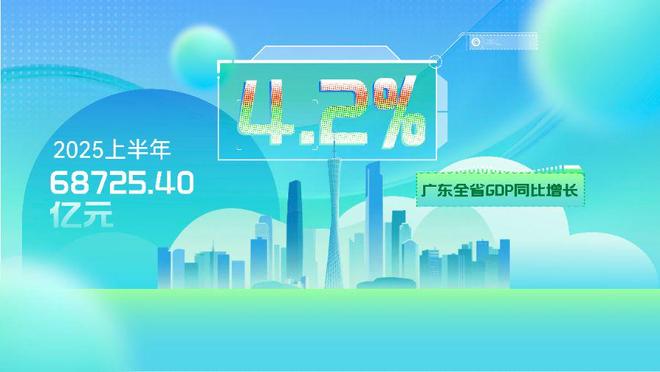
Core Insights - Guangdong's GDP grew by 4.2% year-on-year in the first half of 2025, indicating a steady growth trend [2] - The growth is attributed to both opportunities and challenges in the global market, particularly the emergence of DeepSeek and the unpredictable U.S. tariff policies [4][9] Economic Performance - The new momentum industries, including AI and humanoid robots, have shown rapid growth [5] - Guangdong's foreign trade reached 4.55 trillion yuan in the first six months, a 4% increase compared to the same period last year, outpacing the national growth rate by 1.1 percentage points [10] - Exports amounted to 2.89 trillion yuan, maintaining positive growth, with private enterprises accounting for 64.2% of the total trade value [10] Sector Contributions - High-tech products have significantly contributed to the economic landscape, with notable advancements in robotics [7] - The retail sector saw a steady increase, with total retail sales growing by 3.5% year-on-year, driven by effective policies like the trade-in program [10] - The tourism industry experienced growth, with passenger traffic and turnover increasing by 4.0% and 6.5%, respectively, during the Spring Festival [12] Future Outlook - The resilience and vitality of Guangdong's economy are attributed to its solid industrial foundation and adaptability [12] - With the implementation of policies aimed at promoting industrial innovation, Guangdong's economy is expected to have support, confidence, and growth potential in the second half of 2025 [12]
蒙娜丽莎20250721
2025-07-21 14:26
Summary of Mona Lisa's Conference Call Industry Overview - The ceramic tile industry is experiencing intensified competition, leading to price reductions as companies strive for survival. [2][3] - The overall demand in the building ceramics sector has declined, with a significant drop in product specifications and categories, resulting in continuous price decreases. [3] - The industry is facing a historical low in capacity utilization, approximately 50%, with expected sales of around 4 billion square meters in 2025, a notable decrease from 5.9 billion square meters the previous year. [9] Company Performance - Mona Lisa has maintained a production capacity utilization rate 20% higher than the industry average, yet reported slight losses in the first half of the year due to unexpected price drops in similar products. [2][5] - The company’s revenue for the first half of the year decreased by over 10%, primarily due to a downturn in the real estate market, which saw a nearly 50% decline. [2][7] - Despite the challenges, Mona Lisa's cash flow management was positive, with a net cash flow of 140 million yuan, and the company is committed to its sales targets without arbitrary reductions. [4][12] Strategic Initiatives - Mona Lisa is focusing on sustainable development, with environmental standards significantly exceeding national requirements, resulting in a cost increase of 0.5 yuan per square meter compared to competitors. [2][6] - The company has introduced differentiated products, such as "Wuji Shijian," which allows for independent pricing power, and has seen positive performance from its new showroom in Changsha. [2][5] - The implementation of digital and intelligent upgrades to production lines is aimed at improving efficiency and controlling costs, adapting to flexible order demands. [4][23] Market Challenges and Responses - The government’s anti-involution policy is crucial for high-quality development, as low-price bidding undermines quality assurance. Mona Lisa advocates for practical government procurement policies that align with these standards. [2][8] - The company has adopted measures to combat rising labor and auxiliary material costs, including digital transformation of production lines to enhance efficiency. [23] - The "smile delivery" model has shown promising results, with some distributors becoming secondary profit centers, contributing to stable operations. [24] Future Outlook - The overall market outlook remains cautious, with the need for observation regarding the impact of government policies like the old-for-new program on demand. [9] - The ceramic tile industry is expected to undergo significant consolidation, with many smaller companies likely exiting the market due to financial pressures. [11][13] Financial Management - Mona Lisa has repurchased 8.8 billion yuan in convertible bonds and plans to continue repurchasing remaining bonds to reduce investor losses and improve its debt ratio. [15] - The company emphasizes maintaining a balance between quality and pricing, ensuring that price reductions do not compromise product standards. [14] Conclusion - Mona Lisa is navigating a challenging market environment by focusing on quality, innovation, and strategic cost management while advocating for industry-wide standards that promote sustainable growth. [2][8][26]
中国重汽(000951) - 2025年7月21日投资者关系活动记录表
2025-07-21 09:36
Group 1: Policy Impact - The "old-for-new" policy introduced in March 2025 is expected to accelerate the replacement of old vehicles, positively impacting the new energy and natural gas heavy truck market [2] - The company aims to leverage policy benefits to enhance product competitiveness and maintain growth in production and sales compared to the previous year [2][3] Group 2: New Energy Heavy Truck Development - In the first half of 2025, China's new energy heavy truck sales reached 79,200 units, marking a year-on-year growth of 186% [4] - In June 2025, sales of new energy heavy trucks totaled 18,000 units, reflecting a month-on-month increase of 19% and a year-on-year increase of 158% [4] - The company is committed to deepening its involvement in the new energy heavy truck sector, aligning with technological advancements and market demands [4] Group 3: Dividend Policy - The company has consistently increased its dividend payout ratio over the past five years, returning over 4 billion yuan to shareholders since its listing [5] - Future dividend policies will consider market conditions, operational performance, cash flow, and funding needs to balance sustainable development with shareholder returns [5]
