
美国通胀

Search documents
海外观察:美国2025年5月CPI数据:关税冲击尚未显现,需求端预期或成关键
Donghai Securities· 2025-06-12 10:12
Inflation Data Summary - The U.S. May CPI year-on-year increased to 2.4%, slightly below the expected 2.5% and up from the previous 2.3%[2] - Month-on-month CPI rose by 0.1%, lower than the expected 0.3% and previous 0.2%[2] - Core CPI year-on-year remained at 2.8%, matching the previous value but below the expected 2.9%[2] Key Influencing Factors - Energy service price growth slowed to 0.4% from 1.5%, primarily due to a drop in natural gas prices, which fell from 3.7% to -1.0%[2] - Core goods prices saw a decline, with a month-on-month change of 0%, down from 0.1%, driven by reduced demand following a consumer purchasing surge in Q1[2] - Core services prices increased by 0.2%, down from 0.3%, influenced by a cooling rental market[2] Market Reactions and Expectations - Following the CPI release, U.S. stock markets rose, while bond yields and the dollar index fell, indicating strong expectations for interest rate cuts[2][4] - The market anticipates a 99.8% probability of no rate change in the upcoming June meeting, with a significant chance of cuts by September[4] Risks and Outlook - The impact of tariff negotiations on inflation expectations is significant, with one-year inflation expectations rising to 6.6%, exceeding actual inflation rates[2] - Potential risks include unexpected outcomes from tariff negotiations leading to upward pressure on inflation expectations and a downturn in the U.S. economy[2]
美国温和通胀数据背后的隐忧
2 1 Shi Ji Jing Ji Bao Dao· 2025-06-12 09:45
Group 1 - The new tariff policies announced by the Trump administration have raised concerns among financial institutions and businesses about potential inflation, despite recent CPI reports indicating manageable inflation levels [1][2] - The May CPI report showed a nominal inflation increase of 0.1% month-on-month and a year-on-year increase of 2.4%, slightly above April's 2.3% [1] - Core inflation, excluding food and energy, remained stable at 2.8%, but was below market expectations of 2.9% [1] Group 2 - The employment market has shown a downward trend, with average monthly job additions from January to May at 123,800, lower than the previous year's average of 179,600 [2][3] - The service sector has been the primary source of job growth, while manufacturing and federal government sectors have seen job losses [3] Group 3 - The U.S. federal debt has reached $36.97 trillion, with a recent bill increasing the debt ceiling by $4 trillion, raising concerns about fiscal sustainability [3][4] - Investor confidence in U.S. Treasury bonds is declining, as evidenced by a high issuance rate of 5.047% for 30-year bonds in May, indicating increased risk perception [4] Group 4 - The recent surge in cryptocurrency prices and the depreciation of the dollar suggest a growing distrust in U.S. fiscal policy and the dollar's stability [5] - The impact of tariff policies on the global supply chain is significant, with reduced cargo volumes at several ports and rising production costs affecting economic growth [5][6] Group 5 - The stock market has returned to previous levels, but there are concerns about whether inflated stock prices can be supported by upcoming earnings reports [6] - The concentration of market value in the top ten stocks of the S&P 500, which account for 40% of the index, poses a serious risk to market stability [6]
宏观点评:关税为何没有推升美国通胀?美国5月CPI点评-20250612
GOLDEN SUN SECURITIES· 2025-06-12 09:44
证券研究报告 | 宏观研究 2025年06月12日 宏观点评 关税为何没有推升美国通胀? -- 美国 5月 CPI点评 事件: 北京时间 6月 11 日 20:30,美国公布 2025年5月 CPI。 核心结论:美国5月CPI和核心CPI 均低于预期,整体通胀压力依然较为 温和。数据公布后,美联储降息预期小幅上调,目前市场依然预期美联储 年内降息2次,首次在9月。往后看,关税对通胀并非没有影响、而是尚 未充分显现,美国通胀上行风险依然存在。未来两个月重点关注贸易谈判 进展、特朗普"大美丽法案"进展、美联储6/19 议息会议的表态。 1、美国5月 CPI和核心 CPI 双双低于预期,关税影响尚不显著。 >整体表现:美国 2025年5月未季调 CPI 同比 2.4%,低于预期值 2.5%, 高于前值 2.3%;核心 CPI 同比 2.8%,低于预期值 2.9%,持平前值,为 四年来最低。李调后 CPI 环比 0.1%,低于预期值、前值和 12个月均值 0.2%;核心 CPI 环比 0.1%,低于预期值 0.3%和前值、12个月均值 0.2%。 | 分析师 | 熊园 | | --- | --- | | 执业证书编号 ...
2025年5月美国CPI数据点评:美国通胀压力何时显现?
EBSCN· 2025-06-12 07:34
2025 年 6 月 12 日 总量研究 美国通胀压力何时显现? ——2025 年 5 月美国 CPI 数据点评 作者 分析师:高瑞东 执业证书编号:S0930520120002 010-56513108 gaoruidong@ebscn.com 分析师:刘星辰 执业证书编号:S0930522030001 021-52523880 liuxc@ebscn.com 相关研报 美国通胀继续回落,关税冲击尚待显现—— 2025 年 4 月美国 CPI 数 据 点 评 (2025-05-14) 高关税如何影响美国通胀?——2025年3月 美国 CPI 数据点评(2025-04-11) 美国通胀超预期回落,未来降息节奏如何? — — 2025 年 2 月美国 CPI 数据点评 (2025-03-13) 美国通胀为何超预期上行?——2025年1月 美国 CPI 数据点评(2025-02-13) 美国核心通胀回落,降息预期升温——2024 年 12 月美国 CPI 数据点评(2025-01-16) 为什么我们认为美国通胀将低于预期?—— 2024 年 11 月 美 国 CPI 数 据 点 评 (2024-12-12) 制造 ...
美国CPI放缓,地缘政治紧张推高避险需求
Sou Hu Cai Jing· 2025-06-12 07:08
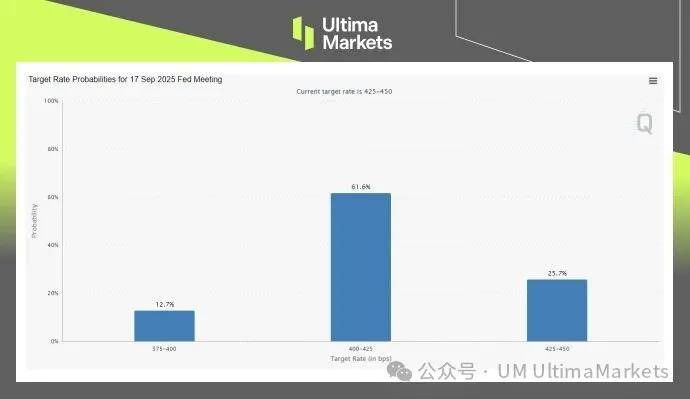
周二,金融市场情绪分化,美国通胀数据略低于预期之际,中东地区地缘政治风险升温,令投资者信心 受挫。 通胀回落与美伊紧张局势升级的交织,导致避险资金流、能源市场与债券收益率等多资产类别出现"拉 锯战"。 美国5月CPI略显温和 美国5月消费者价格指数(CPI)同比上涨2.4%,略高于4月的2.3%,符合市场预期。核心CPI同比维持 在2.8%,月率增长仅为0.1%,均低于市场预期。 尽管通胀仍处于相对高位,但持续的通缩趋势被市场解读为积极信号——尤其是此前担忧关税冲击的影 响并未如预期严重显现。 "当前整体和核心通胀维持稳定,即便在关税背景下,也为美联储提供了更多操作空间,并可能为年内 降息打开大门。"——Ultima Markets 高级分析师 Shawn 表示。 CME FedWatch显示9月FOMC会议降息概率达到61.6%,较一个月前的41%大幅上升。 美伊紧张局势再起 另一方面,美国与伊朗的紧张关系于周三加剧。美国已下令部分撤离驻伊拉克、巴林和科威特大使馆人 员,理由是来自伊朗支持势力的安全威胁上升。 技术面分析:布伦特原油(UKOUSD) 布伦特原油强势突破两个月高点,重返69美元上方,逼近70美 ...

卓创资讯:地缘风险引领多重支撑 推动油价单日大涨
Xin Hua Cai Jing· 2025-06-12 07:07
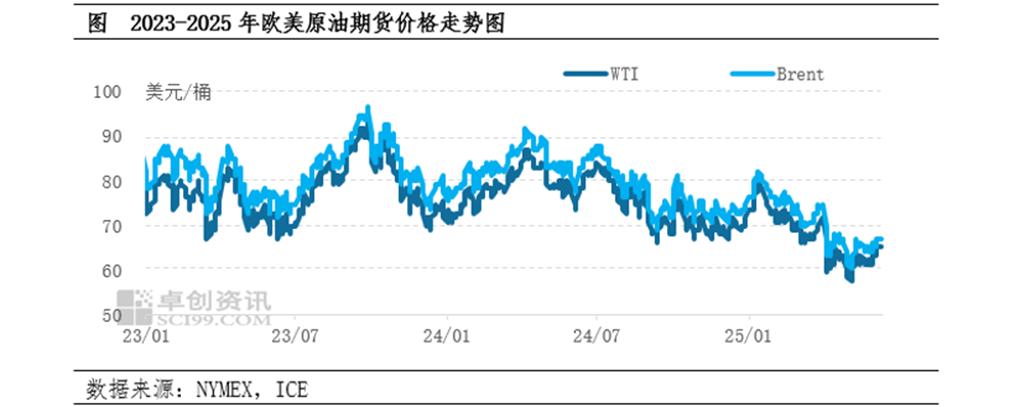
Group 1 - International oil prices surged due to improved risk appetite from US-China trade talks and escalating geopolitical tensions in the Middle East [1][2] - The US inflation rate remained relatively stable, with May CPI rising 2.4% year-on-year, which helped stabilize market sentiment and supported oil prices [3] - A decrease in US crude oil inventories, reported at 432.415 million barrels, down by 3.64 million barrels, contributed positively to the oil market as summer demand approaches [4] Group 2 - The geopolitical situation in the Middle East, particularly the stalled US-Iran negotiations and potential military conflicts, continues to support the oil market [2] - The overall market sentiment is influenced by the ongoing US-China trade negotiations, which are expected to provide a favorable outlook for oil prices [1][4] - Despite short-term potential for price increases due to geopolitical tensions, long-term concerns about economic and energy demand may pressure oil prices [6]

美国5月CPI点评:关税为何没有推升美国通胀?
GOLDEN SUN SECURITIES· 2025-06-12 05:26
证券研究报告 | 宏观研究 gszqdatemark 2025 06 12 年 月 日 宏观点评 关税为何没有推升美国通胀?——美国 5 月 CPI 点评 事件:北京时间 6 月 11 日 20:30,美国公布 2025 年 5 月 CPI。 核心结论:美国 5 月 CPI 和核心 CPI 均低于预期,整体通胀压力依然较为 温和。数据公布后,美联储降息预期小幅上调,目前市场依然预期美联储 年内降息 2 次,首次在 9 月。往后看,关税对通胀并非没有影响、而是尚 未充分显现,美国通胀上行风险依然存在。未来两个月重点关注贸易谈判 进展、特朗普"大美丽法案"进展、美联储 6/19 议息会议的表态。 1、美国 5 月 CPI 和核心 CPI 双双低于预期,关税影响尚不显著。 >整体表现:美国 2025 年 5 月未季调 CPI 同比 2.4%,低于预期值 2.5%, 高于前值 2.3%;核心 CPI 同比 2.8%,低于预期值 2.9%,持平前值,为 四年来最低。季调后 CPI 环比 0.1%,低于预期值、前值和 12 个月均值 0.2%;核心 CPI 环比 0.1%,低于预期值 0.3%和前值、12 个月均值 0. ...
美国通胀系列十五:5月CPI低于预期,降息预期升温
Hua Tai Qi Huo· 2025-06-12 05:21
';<=>?@ABCDE2025-06-12 5 ! CPI "#$%&'($%)* ——!"#$%&'(! !"#$ 徐闻宇 * xuwenyu@htfc.com 从业资格号:F0299877 投资咨询号:Z0011454 !"#$%&"'() *+,-./01121/34 5) !"#$% 北京时间 2025 年 6 月 11 日晚美国劳工部公布 5 月通胀数字。其中: 同比:CPI+2.4%,预期+2.5%,前值+2.3%;核心 CPI+2.8%,预期+2.9%,前值+2.8%。 环比:CPI+0.1%,预期+0.2%,前值+0.2%;核心 CPI+0.1%,预期+0.3%,前值+0.2%。 &'"( ■ 5 ! CPI "#$%&' 5 月 CPI 同比上升 2.4%,环比上涨 0.1%,核心 CPI 同比为 2.8%,环比仅涨 0.1%,其中 核心CPI年化增速创2021年3月以来最低。通胀低于预期主要受服装等价格下跌推动, 能源价格同比跌 3.5%,租金同比上涨 3.8%,是主要上行因素之一。食品价格同比上升 2.9%,但医疗、交通等分项环比涨幅较小甚至下降,表明在关税预期压力下,企业短 期仍在吸 ...
关税对美国5月CPI传导尚不显著
HTSC· 2025-06-12 03:49
证券研究报告 宏观 关税对美国 5 月 CPI 传导尚不显著 华泰研究 2025 年 6 月 12 日│中国内地 动态点评 虽然 5 月通胀不及预期,但考虑到 5 月新增非农就业只是温和放缓,且联 储对关税推高通胀的担忧难以完全消除,维持联储 9 月后可能"预防性"降 息 2 次的预测(参见《不轻松的经济"软着陆"》,2025/6/3)。5 月通胀虽然 不及预期,但高频数据显示,关税对超市商品价格仍然在持续传导(图表 8-图表 9),我们预计随着部分分项扰动的消退,核心通胀未来将有所回升。 但由于服务分项能够提供一定对冲,预计通胀回升较为温和。往前看,随着 移民冲击的加大以及经济动能的放缓,我们预计,新增非农就业 6 月后进一 步明显走弱的风险上升,维持联储可能在 9-12 月"预防性"降息 2 次的判断。 风险提示:关税对美国国内价格影响不及预期;美国金融条件大幅收紧。 研究员 易峘 evayi@htsc.com SFC No. AMH263 研究员 胡李鹏,PhD SAC No. S0570525010001 SFC No. BWA860 hulipeng@htsc.com +(86) 10 6321 1 ...
美国关键数据出炉,特朗普再次喊话美联储
Jin Rong Shi Bao· 2025-06-12 03:34
事实上,这早已不是特朗普第一次喊话美联储要求降息。6月6日,特朗普在社交媒体上再次称美联储主 席鲍威尔为"太迟先生",要求美联储直接降息1个百分点。今年4月21日,特朗普也曾在社交媒体上发文 称,美国实际上已不存在通胀,能源、食品及其他大多数商品价格下行趋势如此显著,几乎不可能引发 通胀。但如果"太迟先生"不立即降息,美国经济将面临放缓风险。 在美国5月CPI数据公布后,市场对于美联储将在9月的货币政策会议上降息的预期有所升温。不过从目 前的情况看,市场依然预计在下周即将召开的6月货币政策会议上,美联储仍将选择按兵不动。 而在美国5月CPI数据公布后,美国总统特朗普再次向美联储喊话,敦促其降息。特朗普在社交媒体上 表示,5月的CPI是一个"很棒"的数字,美联储应该降息整整1个百分点。这样即将到期的债务就可以支 付更少的利息,太重要了! 此外,美国副总统万斯也加入了呼吁美联储降息的行列。万斯在社交媒体上表示,总统早就这么说了, 但现在更清楚了:美联储拒绝降息是货币政策上的失职。 特朗普政府关税政策的影响,尚未在美国通胀方面完全显现。 美国劳工部最新公布的数据显示,美国5月消费者价格指数(CPI)同比增长2.4% ...