价值回归

Search documents
“厦门帮”杀进丝芙兰,一部爽剧?
FBeauty未来迹· 2025-11-20 14:46
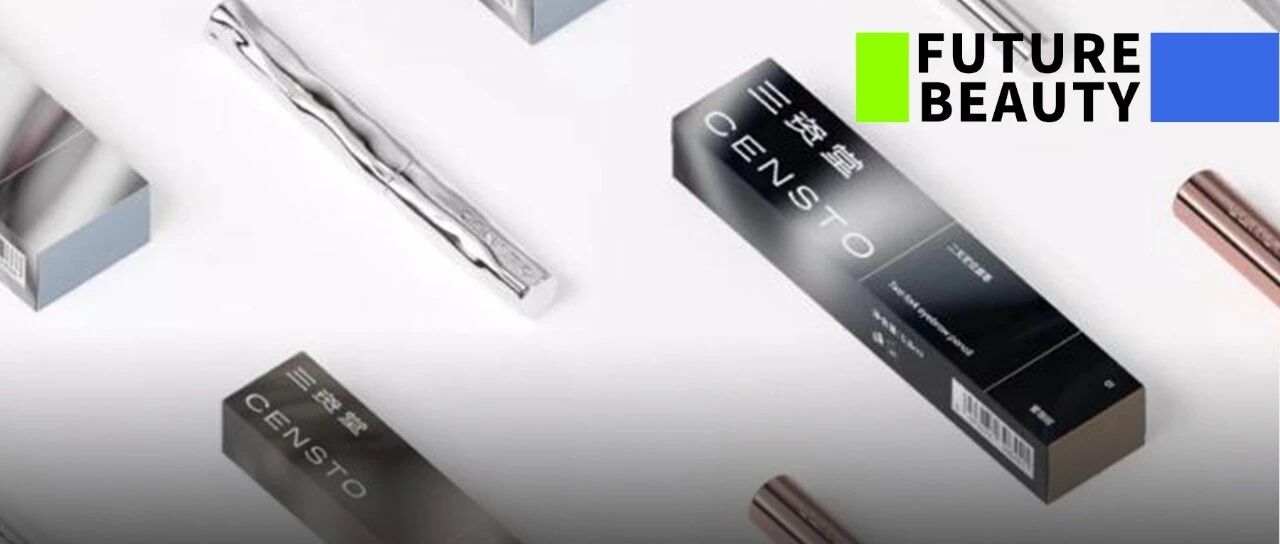
Core Viewpoint - The entry of the domestic beauty brand CENSTO into Sephora marks a significant shift in Sephora's brand selection strategy, moving from a focus on high-end products to embracing market-validated and user-recognized brands, indicating a potential recalibration of the definition of "high quality" in the beauty market [7][9][10]. Group 1: CENSTO's Entry into Sephora - CENSTO officially announced its entry into Sephora on November 20, 2025, with four key eyebrow makeup products available in Sephora's offline flagship store [3]. - CENSTO is the only domestic brand focusing on professional eye makeup among the new brands entering Sephora China in 2025 [4]. - The four core products from CENSTO are priced around 50 yuan, significantly lower than the mid-to-high price range typically associated with Sephora's offerings [8][9]. Group 2: Market Trends and Consumer Behavior - The beauty market in China is experiencing a "value return" trend, with younger consumers shifting their purchasing logic from "high price equals good quality" to "good quality justifies high price" [10]. - There is a growing demand for professional makeup products at accessible price points, particularly in the eyebrow and eye makeup categories, where convenience and user-friendliness are prioritized [10][11]. - CENSTO's products, such as the dual-head eyebrow pencil and mascara, represent innovative solutions that meet real consumer needs, allowing the brand to build a broad user base [10][11]. Group 3: CENSTO's Growth Strategy - CENSTO's rapid growth is attributed to its focus on product functionality, effective e-commerce strategies, and reasonable pricing, making it a model for other domestic beauty brands [18][24]. - The brand has successfully captured market share in the eyebrow product segment, with its eyebrow pencil ranking first in sales on major platforms like Douyin and JD [16][18]. - CENSTO is expanding its product line to include lip products, indicating its ambition to transition from an eye-focused brand to a comprehensive makeup brand [21][22]. Group 4: Industry Implications - CENSTO's entry into Sephora may signal a new norm in the beauty industry, where domestic brands can successfully penetrate high-end retail channels by addressing genuine consumer needs and offering differentiated products [11][35]. - The case of CENSTO illustrates that domestic brands are not limited by channel opportunities but must focus on understanding user needs and delivering stable, popular products [35].

东北证券:高值耗材板块估值有望重塑 行业投资从“β反弹”转向“α掘金”
智通财经网· 2025-11-18 02:23
Group 1: Industry Overview - The high-value consumables industry is undergoing significant value reconstruction due to multiple policy influences, including volume-based procurement and healthcare cost control, with a key window for value reconstruction expected in 2025 [1] - The industry is shifting from a "price game" to a "value return," with innovative products that demonstrate real clinical differentiation likely to receive reasonable premiums [1] Group 2: Innovation and Competitiveness - Domestic medical devices are transitioning from domestic substitution to entering the "global innovation" tier, with accelerated approval and commercialization of innovative devices [2] - Companies are leading trends in various medical fields, such as cardiovascular interventions and structural heart disease, with significant advancements in product offerings [2] Group 3: Global Expansion - Companies are accelerating their global presence, moving from "trade export" to "ecosystem export," with overseas revenue becoming a core growth engine [3] - Notable growth in overseas revenue has been reported, with some companies achieving over 40% of their revenue from international markets [3] Group 4: Mergers and Acquisitions - Restructuring and mergers are driving value reassessment, with leading companies optimizing their business structures through asset restructuring and cross-industry expansion [4] - Companies are focusing on continuous innovation and internationalization, with strategic acquisitions enhancing their market positions [4] Group 5: IVD Industry Dynamics - The IVD industry is facing pressures from rising costs and is expected to see increased concentration, with overseas markets becoming essential for growth [5] - Significant growth in overseas revenue has been observed, with some companies reporting over 21% growth in international sales [5] Group 6: Strategic Transformations - Companies like Shengxiang Bio are exemplifying strategic transformations through acquisitions and diversification into new markets [7] - The focus on integrating diagnostics and treatment is becoming a trend among companies aiming for comprehensive healthcare solutions [7] Group 7: Innovation and Efficiency - Continuous high R&D investment is driving product innovation, with companies launching advanced products to capture the high-end hospital market [8] - AI applications are enhancing operational efficiency within the industry, indicating a trend towards technological integration [8]

惨!每天低开低走,每天都创新低,上市7天下跌7天,已经跌了45点
Sou Hu Cai Jing· 2025-11-17 17:08
Core Viewpoint - The stock experienced a continuous decline for seven days after its listing, contradicting the myth of "new stocks never lose" and leading to significant losses for investors who bought in at higher prices [1][3][8]. Company Performance - The stock was issued at a price of 46.68 yuan and opened at 70.5 yuan, reflecting a 51% increase on the first day, which turned out to be its peak [1][3]. - By the end of the seventh trading day, the stock price had dropped to 61 yuan, resulting in a total decline of 35 yuan and a cumulative drop of 45% from the opening price [3][8]. - The company specializes in wind power equipment components, with a price-to-earnings ratio of 28, which is comparable to the industry average, but the stock is considered expensive within the wind power sector [3][7]. Market Conditions - The wind power industry is currently facing challenges, including rising raw material prices and slowing demand growth, leading to a general downward adjustment in valuations for wind power stocks [7][15]. - The stock's performance is closely tied to overall market sentiment, with its declines often exacerbated during market downturns [20]. Investor Behavior - Investors who bought the stock on its first day are facing significant losses, with many expressing frustration over the drastic drop in potential profits [8][14]. - The stock has seen a lack of institutional buying, with retail investors and speculative funds dominating the trading, which is not conducive to price stability [8][12]. - The continuous outflow of funds from the stock indicates a lack of confidence among investors, making it difficult for the stock to stabilize or rebound [15][20]. Trading Dynamics - The stock's trading pattern has been characterized by low opening prices and gradual declines, with minimal recovery attempts, leading to a "death spiral" for investors [5][10]. - The absence of significant trading volume during the declines suggests that selling pressure remains high, and the stock has not yet reached a bottom [14][18]. - The stock's performance has prompted discussions about the need for a more market-oriented pricing mechanism for new stocks to prevent extreme situations like "opening at peak" [21].
上市公司提示风险要重视
Bei Jing Shang Bao· 2025-11-13 15:58
Core Viewpoint - The article emphasizes the importance of paying attention to risk warning announcements issued by listed companies, especially during periods of market speculation, as excessive speculation can lead to a return to fundamental values over time [1][2]. Group 1: Risk Warning Announcements - Listed companies issue risk warning announcements to fulfill their information disclosure obligations and protect investors' rights, especially when stock prices exhibit abnormal fluctuations [1]. - These announcements indicate that stock prices may have significantly deviated from the company's fundamentals, posing a risk of rapid declines [1][2]. - Investors often underestimate the risks associated with high valuations during periods of market enthusiasm, leading to irrational investment decisions [1][2]. Group 2: Market Behavior and Investor Sentiment - The article notes that during speculative trading, some investors may be attracted by the perceived profit opportunities, disregarding risk warnings as mere formalities [1][2]. - When market sentiment shifts, there can be a collective withdrawal of funds, particularly from stocks that have experienced significant short-term gains [2]. - Investors are advised to focus on the company's fundamentals, including financial health, industry position, and growth prospects, rather than solely on short-term price movements [2]. Group 3: Investment Strategies - Investors should exercise caution when considering leveraged purchases of high-flying stocks, as the associated risks are significantly higher than for typical stocks [3]. - It is crucial for investors, especially those entering the market at high prices, to make rational judgments and avoid high-risk positions following risk warning announcements [2][3].
北京商报侃股:上市公司提示风险要重视
Bei Jing Shang Bao· 2025-11-13 12:20
Core Viewpoint - The article emphasizes the importance of paying attention to risk warning announcements issued by listed companies, especially during periods of market speculation, as excessive speculation can lead to a return to fundamental values over time [1][2]. Group 1: Risk Warnings and Market Behavior - Listed companies issue risk warning announcements to fulfill information disclosure obligations and protect investors' rights, especially when stock prices deviate significantly from fundamental values [1]. - Investors often overestimate a company's performance and growth potential during periods of high market speculation, leading to irrational investment decisions that ignore the risks of overvaluation [1][2]. - The phenomenon of "hot potato" investing, where investors are attracted by the perceived profit potential, can exacerbate speculative behavior, causing stock prices to rise further despite the underlying risks [1]. Group 2: Value Correction and Investor Strategy - Value correction is an objective rule in capital markets, where stock prices fluctuate around their intrinsic value, and significant deviations can lead to rapid downward adjustments [2]. - Investors should focus on the fundamentals of companies, including financial health, industry position, and growth prospects, rather than just short-term stock price movements [2]. - After a risk warning is issued, it is crucial for investors, especially those entering the market, to exercise caution and avoid high-risk purchases at inflated prices [2][3].
侃股:上市公司提示风险要重视
Bei Jing Shang Bao· 2025-11-13 12:09
Core Viewpoint - The article emphasizes the importance of paying attention to risk warning announcements issued by listed companies, especially during periods of market speculation, as excessive speculation can lead to a significant deviation from the company's fundamentals and ultimately result in value correction [1][2]. Group 1: Risk Warning Announcements - Listed companies issue risk warning announcements to fulfill their information disclosure obligations and protect investors' rights, especially when stock prices exhibit abnormal fluctuations [1]. - These announcements indicate that stock prices have significantly deviated from the company's fundamentals and are at risk of rapid decline [1][2]. - Investors often underestimate the risks associated with high valuations during periods of market enthusiasm, leading to irrational investment decisions [1][2]. Group 2: Market Behavior and Investor Sentiment - The article notes that during periods of high speculation, investors may be attracted by the "hot potato" effect, believing that risk warnings are merely formalities that won't impact stock prices [1][2]. - When market sentiment shifts, there can be a collective withdrawal of funds, particularly from stocks that have experienced significant short-term gains, leading to a high probability of price corrections [2]. - Investors are advised to focus on the company's fundamentals, including financial health, industry position, and growth prospects, rather than just short-term price movements [2]. Group 3: Investment Strategies - Investors should exercise caution when considering leveraged purchases of stocks that have experienced significant price movements, as the risks associated with these stocks are considerably higher than average [3]. - It is crucial for investors, especially those entering the market at high prices, to make rational judgments and avoid high-risk positions following risk warning announcements [2][3].
联想公布“双11”成绩单:全网销售额89亿元
Zheng Quan Ri Bao Wang· 2025-11-12 12:49
Core Insights - Lenovo achieved impressive sales performance during the 2025 "Double 11" shopping season, with total online sales reaching 8.9 billion yuan, securing 19 championships in various categories on JD.com [1][2] - The success reflects Lenovo's effective "AI upgrade" strategy and its successful transformation of technology into enhanced user experiences [2][4] Sales Performance - In the laptop segment, Lenovo led the market by winning the self-operated sales champion and POP sales champion, excelling in various subcategories [1] - Lenovo dominated the gaming laptop category, achieving first place in self-operated sales, POP sales, and JD's selected store sales [1] - The desktop and all-in-one PC categories also performed well, with Lenovo ranking first in cumulative self-operated brand sales and real-time self-operated store sales [1] - In the tablet segment, Lenovo secured the top position in both Android and HarmonyOS tablet sales across multiple rankings [1] - The smartphone category showed strong performance, with significant breakthroughs in sales revenue and market share [1] AI Integration and User Experience - Lenovo's success is attributed to its comprehensive AI empowerment across products and services, moving beyond mere functionality to enhance user experience [3][4] - The Tianxi AI 3.5 has been upgraded to transition from an "assistant" to a "teammate," providing personalized and proactive user engagement [3] - The integration of AI capabilities into the service system has transformed service models from passive responses to proactive anticipations, setting new standards for intelligent services [3][4] Industry Trends - The consumer electronics market is shifting from a price-driven approach to a value-driven one, with users increasingly prioritizing intelligent experiences and long-term brand value [2][4] - Lenovo's approach sets a benchmark for the industry, emphasizing technology-driven and experience-focused strategies, which are essential for healthy market development [4] - The competitive landscape is evolving towards a focus on technology and user experience rather than just price competition, fostering a healthier industry environment [4] Future Outlook - Lenovo plans to deepen the iteration of Tianxi AI and expand its "one body, multiple ends" strategy, aiming to broaden AI applications across various consumer and service scenarios [4] - The company is committed to leading the new era of intelligent consumption by providing smarter, more convenient, and valuable products and services [4]

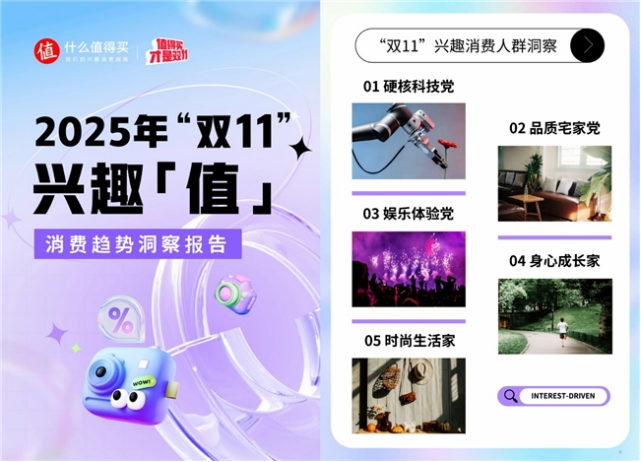
“什么值得买”发布“11.11”兴趣消费趋势洞察报告:兴趣驱动重塑消费新生态
Zhong Guo Zhi Liang Xin Wen Wang· 2025-11-12 03:29
Core Insights - The report highlights that interest-driven consumption has become the core engine for growth in the "11.11" market, shifting from a demand-driven logic to an interest-driven one [1][2] - It introduces the "TSTE" consumption experience model, detailing the consumer journey from interest generation to brand loyalty [1] User Research Findings - The current consumption market is undergoing a profound "value return," where consumers are willing to pay for emotional resonance, community recognition, and self-actualization rather than just product functionality [2] - Five distinct interest circles have emerged, shaping the future consumption ecosystem: - Hardcore Tech Enthusiasts focus on intelligent collaboration - Quality Homebodies transform their homes into emotional healing spaces - Entertainment Experience Seekers shift from passive viewing to emotional co-creation - Mind and Body Growth Advocates view consumption as a long-term investment in self - Fashion Lifestyle Enthusiasts evolve from following trends to defining personal style [2] Interest-Driven Value Cycle - The report illustrates how interest drives a cycle of "browsing value - consumption value - sharing value," emphasizing that consumer behavior is not merely shopping but a revolution in identity construction and lifestyle practice [4] - It proposes the "interest value" model, outlining the complete loop from "interest spark" to "consumption action" and finally to "value recognition" [4] Hardcore Tech Enthusiasts - This group is experiencing a leap from "functional satisfaction" to "ecological co-construction," with 91.5% of personal digital consumption during "11.11" focused on tech products [5] - Key trends include the integration of digital devices, the advancement of smart hardware, and the evolution of AI appliances from passive to proactive services [5] Quality Homebodies - This segment is upgrading their living spaces into "emotional healing zones," with 70.5% of consumption focused on cooking and 60.6% on home environment enhancements [6] - Consumers are creating spaces that blend social interaction and solitude, emphasizing the importance of emotional experiences over mere functionality [6] Entertainment Experience Seekers - This group is moving from passive consumption to deep participation, with 44.7% of their spending on gaming and 39.4% on live experiences during "11.11" [7] - They actively seek out experiences that foster emotional connections and cultural identity, transforming entertainment into a process of meaningful co-creation [7] Mind and Body Growth Advocates - This category shows a trend towards "multi-dimensional integration and systematic planning," with 73.5% of spending on outdoor activities and significant investments in knowledge and health [8] - Their approach to personal growth combines traditional wisdom with modern health concepts, emphasizing a holistic life system [8] Fashion Lifestyle Enthusiasts - This group extends aesthetic expression to all aspects of life, with 75.4% of spending focused on fashion and 63.9% on skincare during "11.11" [9] - Their consumption behaviors reflect a shift towards personal style definition and identity construction through image management and lifestyle aesthetics [10]
十七年从流量博弈到价值创造 今天我们还需要“双十一”吗
He Nan Ri Bao· 2025-11-10 23:19
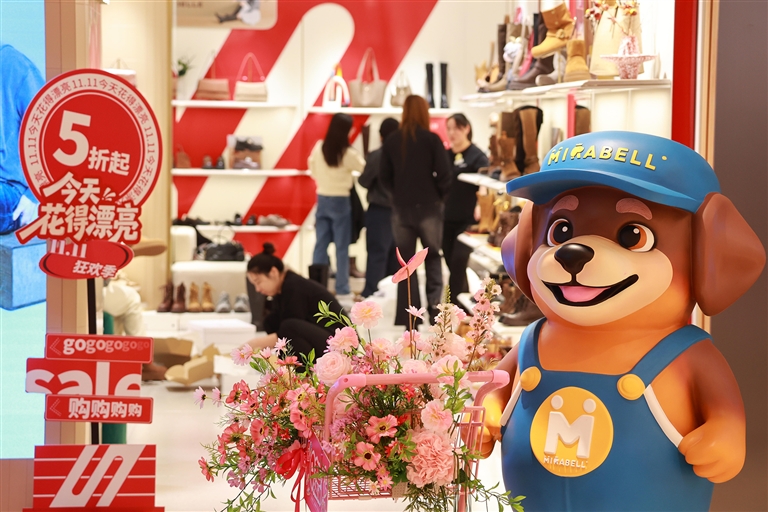
Core Insights - The "Double Eleven" shopping festival has evolved from a single-day event to a month-long promotional period, reflecting a shift in consumer behavior towards more rational purchasing decisions [9][10][11] - The integration of online and offline retail strategies is becoming more pronounced, with businesses leveraging both channels to enhance consumer engagement and drive sales [19][20] Group 1: Changes in Consumer Behavior - Consumers are increasingly adopting a rational approach to shopping, moving from impulsive buying to need-based purchases, as evidenced by the slowing growth rates of GMV during "Double Eleven" [12][13] - The simplification of promotional strategies by e-commerce platforms indicates a maturation in consumer shopping habits, with a preference for straightforward discounts over complex promotional rules [12][13] Group 2: E-commerce Strategies - The duration of promotional activities has been extended significantly, with major platforms launching campaigns as early as September, leading to a competitive landscape focused on supply chain efficiency and customer experience [10][11] - Instant retail has emerged as a key player in this year's "Double Eleven," with platforms like Meituan and Taobao integrating rapid delivery services, enhancing consumer convenience and expanding market reach [15][16][17] Group 3: Offline Retail Participation - Physical retail spaces are actively participating in "Double Eleven," utilizing promotional events and experiential marketing to attract consumers, thereby benefiting from the increased foot traffic generated by online campaigns [18][19] - The emotional connection and experiential value offered by brick-and-mortar stores are becoming significant factors in consumer decision-making, as shoppers seek tangible interactions with products [20]



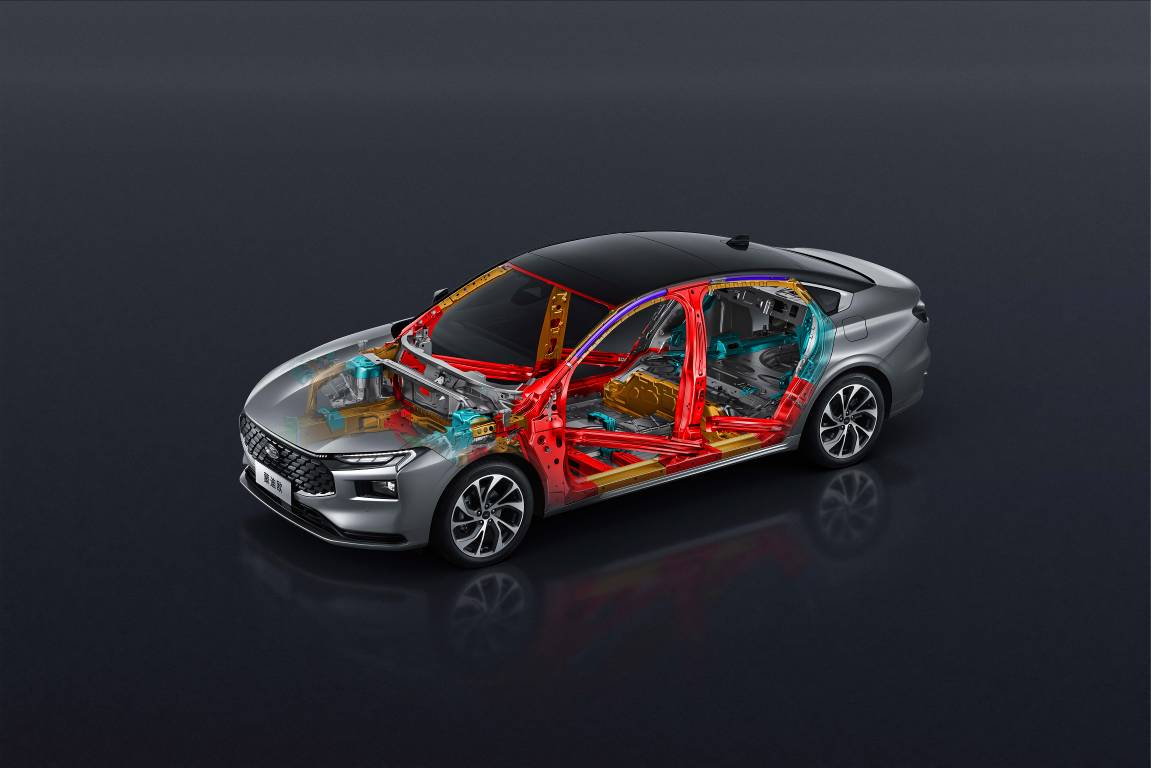
安全与性能的共舞!解读蒙迪欧的价值回归
Zhong Guo Zhi Liang Xin Wen Wang· 2025-11-09 09:37
Core Insights - The automotive market is undergoing a revolution towards value return, with consumers prioritizing vehicle performance and reliability over price [1][10] - Changan Ford adheres to the philosophy of "not competing on price but on experience," emphasizing uncompromising quality, safety, and performance [1][10] Group 1: Safety and Structural Integrity - The Mondeo emphasizes safety by utilizing high-strength steel, with 48% of its body made from such materials, including 1700MPa martensitic steel in critical areas [2][4] - The A-pillar features a three-layer composite structure designed to balance energy absorption and protection during collisions, showcasing a deep understanding of safety engineering [4] - The Mondeo has achieved top ratings in the China Insurance Research Institute's collision tests, validating its ability to protect occupants in various scenarios [6] Group 2: Performance and Driving Experience - The Mondeo offers a 2.0T luxury model that accelerates from 0 to 100 km/h in 6 seconds, appealing to driving enthusiasts despite the rise of electric vehicles [7] - The vehicle's compatibility with 92-octane gasoline allows for high performance without incurring excessive fuel costs, aligning with rational consumer choices [9] - The Mondeo's chassis tuning and suspension system provide precise steering feedback and solid cornering support, contributing to its unique driving appeal in a homogenized market [9] Group 3: Market Positioning and Consumer Trends - Changan Ford's commitment to quality, safety, and performance resonates with the evolving demands of consumers who are increasingly discerning about product value [10] - The trend towards rational consumption is expected to grow, with consumers becoming more adept at distinguishing genuine product value from marketing hype [10] - The Mondeo's success reflects a broader positive trend in the automotive industry, indicating a return to fundamental values that align with actual consumer needs [10]