
关税豁免

Search documents
布米普特拉北京投资基金管理有限公司:高关税下美国食品行业先靠不住了
Sou Hu Cai Jing· 2025-08-25 11:51
Group 1 - The U.S. food industry is actively seeking exemptions from new high tariffs due to the inability to grow many agricultural products domestically at reasonable costs, with current tariff levels at a multi-decade high [1] - The U.S. seafood sector, which relies on imports for 85% of its consumption, is advocating for tariff exemptions as domestic aquaculture is limited and sustainable fishing has reached its maximum capacity [3] - In 2022, the U.S. seafood trade deficit reached $24 billion, with shrimp imports accounting for about 90%, primarily from India, which will face a 50% tariff starting August 27 [3] Group 2 - The fresh produce sector is also under pressure, with annual imports of fresh fruits and vegetables totaling $36 billion, mainly from Mexico, Peru, and Canada, prompting calls for exclusion from tariff discussions [3] - The process for obtaining tariff exemptions in the U.S. food industry is currently unclear, with existing trade agreements providing some exemptions for specific food categories [6] - The U.S. has proposed tariff exemptions for certain natural resources not produced domestically, such as coffee, mangoes, and pineapples, under the USMCA agreement [6] Group 3 - If further exemptions are not granted, food prices may rise significantly, with the National Restaurant Association warning that tariffs on seasonally grown ingredients could lead to substantial menu price increases [8] - The U.S. food industry association noted that the import ratio of cucumbers has increased from 35% in 1990 to nearly 90%, indicating a shift that could lead to higher domestic production costs if tariffs are imposed [8] - The industry is pushing for more targeted tariff measures to support domestic production and job retention, rather than broad tariffs that could adversely affect prices [8]


急求“关税豁免令”!美国食品业碎片化游说求生
Jin Shi Shu Ju· 2025-08-25 03:32
Core Viewpoint - The U.S. food industry is lobbying for tariff exemptions, arguing that certain products cannot be affordably produced domestically due to high tariffs imposed by the Trump administration, which have raised the actual tariff rate to its highest level in decades [2][3]. Group 1: Tariff Impact on Food Industry - The food industry is particularly vulnerable to tariffs, as about 20% of the food consumed in the U.S. relies on imports, with seafood being heavily impacted due to the U.S. consuming 85% of its seafood from imports [2][3]. - The seafood trade deficit reached $24 billion in 2022, with approximately 90% of shrimp supply coming from imports, primarily from India [2][3]. - The International Fresh Produce Association (IFPA) reported that the total import value of fresh fruits and vegetables in the U.S. is $36 billion, with Mexico being the largest supplier [3]. Group 2: Lobbying Strategies and Challenges - Industry groups are advocating for specific product exemptions rather than a blanket opposition to tariffs, indicating a fragmented approach to lobbying [2][3]. - The process for obtaining tariff exemptions is complex, with no unified mechanism currently in place for applications [3][5]. - The National Restaurant Association warned that tariffs on fresh produce could lead to significant price increases for restaurants, emphasizing the need for exemptions [3][5]. Group 3: Future Exemptions and Trade Agreements - Some food products may be exempt from tariffs under future trade frameworks, such as the agreement with Indonesia that includes provisions for non-domestically produced resources [3][4]. - The U.S.-Mexico-Canada Agreement (USMCA) promises lower tariffs for food products that meet its criteria, indicating a potential pathway for certain goods to avoid high tariffs [4][5]. - The U.S. Commerce Secretary mentioned that natural resources not produced domestically, like coffee and mangoes, might qualify for tariff exemptions [5]. Group 4: Price Implications and Market Dynamics - The FMI noted that the price of cucumbers, which saw a rise in import dependency from 35% in 1990 to nearly 90% today, exemplifies the potential price increases due to tariffs [6]. - The food industry is seeking targeted tariff exemptions to support domestic production and employment, while acknowledging the high costs associated with tariffs [6]. - Industry representatives argue that reverting to the free trade policies of the 1990s is unrealistic, reflecting a shift in economic and political perspectives [6].
从水果到水产全都缺,美国食品行业团体竞相呼吁豁免关税……
Feng Huang Wang· 2025-08-25 03:08
Core Viewpoint - Multiple U.S. food industry groups are seeking exemptions from high tariffs imposed by President Trump, citing the vulnerability of the food sector to these tariffs due to reliance on imports for various agricultural products [1][2] Group 1: Tariff Impact on Food Industry - The U.S. food industry is particularly affected by Trump's tariffs, as many agricultural products are difficult to grow domestically at affordable costs [1] - Approximately 20% of food consumed in the U.S. is imported, with 85% of seafood consumption relying on imports [1] - The U.S. seafood trade deficit reached $24 billion in 2022, highlighting the significant reliance on foreign sources [1] Group 2: Specific Product Concerns - Shrimp imports account for about 90% of the U.S. supply, with India providing over one-third of this supply [2] - The annual import value of fresh fruits and vegetables in the U.S. is $36 billion, with Mexico being the largest supplier [2] Group 3: Exemption Process and Challenges - The process for obtaining tariff exemptions in the food sector may be complex due to the lack of a defined application procedure [3] - Some food products may be exempt from tariffs based on existing trade agreements, such as those with Indonesia and the EU [3] - The U.S. has proposed exemptions for certain natural resources not produced domestically, including coffee and tropical fruits [3] Group 4: Price Implications - Without additional tariff exemptions, food prices in the U.S. could rise significantly, particularly for seasonal fresh ingredients [4] - The National Restaurant Association has warned that tariffs on seasonal produce could lead to substantial menu price increases [4] Group 5: Domestic Production Challenges - The import share of cucumbers in the U.S. has increased from 35% in 1990 to nearly 90%, indicating a shift towards reliance on imports [5] - Growing 90% of cucumbers domestically would require extensive greenhouse cultivation, significantly raising costs [5] - The food industry is advocating for targeted approaches to tariffs to support domestic production and job retention [5]
拉美化工业争取更多美国关税豁免
Zhong Guo Hua Gong Bao· 2025-08-25 02:16
Group 1 - The U.S. has postponed the implementation of a 30% tariff on Mexico for 90 days, providing temporary relief for Mexican chemical companies, while Brazil's negotiations with the U.S. have stalled [1] - The Brazilian Chemical Association has expressed the need for an expanded exemption list in tariff negotiations, emphasizing that the U.S. trade deficit with Brazil is insufficient justification for the proposed 50% tariff [1][2] - Brazil's government has announced a 300 billion real emergency plan to support companies affected by U.S. tariffs, including low-interest loans and tax relief measures [2] Group 2 - The Brazilian chemical industry exports approximately $2.5 billion worth of industrial chemicals to the U.S. annually, with 82% of this concentrated in 50 specific product categories, most of which are now subject to increased tariffs [2] - The Mexican chemical industry is experiencing uncertainty due to delayed tariffs, with concerns that the postponement does not resolve underlying issues, and the market remains weak [3] - The Mexican manufacturing sector has been in decline for 12 consecutive months, impacting demand for chemicals like polypropylene [3]
全球中断!多国暂停向美国寄送包裹
Sou Hu Cai Jing· 2025-08-23 12:46
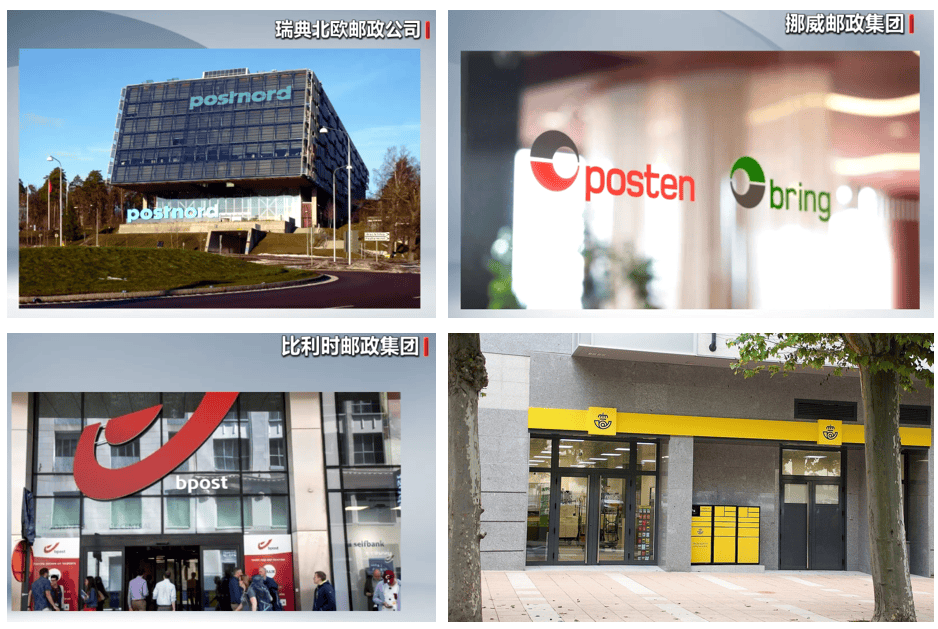
Core Points - The expiration of tariff exemptions for small packages has led postal companies worldwide to announce a suspension of parcel deliveries to the United States [1][4] - The U.S. government will stop providing tax exemptions for commercial packages valued at $800 or less starting August 29, 2023, affecting shipments through non-international postal systems [2][4] - European postal associations have expressed concerns over the lack of clarity regarding the new U.S. tariff regulations, which may force them to limit or suspend deliveries to the U.S. [2][4][6] Summary by Category Regulatory Changes - U.S. President Trump announced the suspension of tax exemptions for imports valued at $800 or less, effective August 29, 2023 [2] - The European Postal Association stated that key details regarding the new tariff collection methods and data submission requirements are still unclear [2][4] Impact on Postal Services - Multiple European postal companies, including those from Sweden, Norway, Belgium, Spain, and France, have announced temporary suspensions of parcel deliveries to the U.S. due to the new tariff policies [4][5] - In Asia, South Korea and Singapore have also indicated they will halt certain postal services to the U.S. while maintaining some premium services that require payment of tariffs [4][5] Compliance Challenges - The lack of guidance from U.S. authorities has created complex and costly compliance challenges for shipping companies, sellers, and consumers [6][7] - The cancellation of minimum exemption limits is expected to slow down international trade, particularly impacting small online retailers [7]
广发期货日评-20250821
Guang Fa Qi Huo· 2025-08-21 01:54
Report Summary 1) Report Industry Investment Ratings - **Equity Index**: Moderately bullish, suggesting selling put options on MO2509 with an execution price around 6600 when the price is high [2]. - **Treasury Bonds**: Suggesting short - term wait - and - see [2]. - **Precious Metals**: For gold, constructing a bull spread strategy through call options when the price is low; for silver, maintaining a low - long approach or constructing a bull spread option strategy [2]. - **Shipping Index (EC - Europe Line)**: Bearish, suggesting holding short positions in the 10 - contract [2]. - **Steel and Iron Ore**: Bearish, suggesting short - selling opportunities for steel contracts in the 3380 - 3400 range and short - selling iron ore when the price is high [2]. - **Coking Coal, Coke**: Bearish, suggesting short - selling when the price is high [2]. - **Non - Ferrous Metals**: - **Copper**: Narrow - range oscillation, with the main contract referring to 78000 - 79500 [2]. - **Aluminum**: Expected to oscillate in the short - term, with the main contract referring to 20000 - 21000 [2]. - **Other Non - Ferrous Metals**: Various strategies such as short - selling when high, low - long, or wait - and - see are recommended according to different metal conditions [2]. - **Energy and Chemicals**: - **Crude Oil**: Bearish, suggesting a short - term bearish approach and expanding the spread between the 10 - 11/12 contracts when the price is low [2]. - **Other Chemical Products**: Different trading strategies are recommended according to their supply - demand and price trends, including short - selling, range trading, and constructing spread strategies [2]. - **Agricultural Products**: - **Grains and Oilseeds**: Long - term bullish for meal, suggesting long - term multi - position layout; bearish for corn, suggesting short - selling when the price is high [2]. - **Livestock and Poultry**: Bullish for the near - term of pigs, with enhanced support; bearish for eggs, suggesting holding short positions [2]. - **Other Agricultural Products**: Different trading strategies are recommended according to the supply - demand situation, such as short - selling when the price rebounds for sugar and holding short positions for cotton [2]. - **Special Commodities**: Bearish for glass and soda ash, suggesting holding short positions; wait - and - see for rubber and industrial silicon [2]. - **New Energy**: Wait - and - see for polysilicon; cautious wait - and - see for lithium carbonate, with a suggestion of lightly testing long positions at low prices in the short - term [2]. 2) Core Viewpoints - The market is affected by multiple factors such as trade policies, central bank policies, and supply - demand relationships in different industries. Different trading strategies are recommended for various commodities based on their price trends, supply - demand changes, and market sentiment [2]. 3) Summary by Relevant Catalogs Financial Market - **Equity Index**: The TMT sector is booming, and the equity index has risen sharply with increased trading volume. However, the improvement of corporate profits needs to be verified by mid - year report data [2]. - **Treasury Bonds**: The real stabilization of the bond market requires signals from the central bank to protect liquidity and the peak - turning of the stock market, and the timing is uncertain [2]. - **Precious Metals**: Gold and silver prices are in a narrow - range oscillation. Strategies such as constructing spread strategies and low - long are recommended [2]. Commodity Market - **Shipping Index**: The EC (Europe Line) index is in a weak oscillation, and short positions in the 10 - contract are recommended to be held [2]. - **Black Commodities**: Steel prices have fallen below support, and iron ore, coking coal, and coke prices are also under pressure. Short - selling strategies are recommended [2]. - **Non - Ferrous Metals**: Most non - ferrous metals are in a narrow - range oscillation or under pressure, with different trading strategies recommended according to their specific situations [2]. - **Energy and Chemicals**: Crude oil prices are affected by supply expectations, and chemical product prices are influenced by supply - demand and cost factors, with corresponding trading strategies provided [2]. - **Agricultural Products**: Different agricultural products have different supply - demand situations, and trading strategies such as long - term multi - position layout, short - selling when the price is high, and holding short positions are recommended [2]. - **Special Commodities**: Glass and soda ash are in a weak market, while rubber and industrial silicon need further observation [2]. - **New Energy**: Polysilicon and lithium carbonate markets are affected by various factors, and wait - and - see or cautious trading strategies are recommended [2].
广发期货日评-20250819
Guang Fa Qi Huo· 2025-08-19 05:29
1. Report Industry Investment Ratings No industry - wide investment ratings are provided in the report. 2. Core Views - The second - round China - US trade talks extended the tariff exemption clause, and the Politburo meeting's policy tone was consistent with the previous one. The TMT sector rose strongly, and the stock index increased with heavy trading volume. However, the improvement in corporate earnings needs to be verified by the upcoming mid - year report data [2]. - Multiple negative factors such as the central bank's mention of "preventing idle funds from circulating" in the second - quarter monetary policy report, the strong performance of the stock market, and the tightening of funds during the tax payment period led to a significant decline in bond futures. The bond market sentiment remains weak [2]. - The meeting of US, Ukrainian, and European leaders brought hope for easing the Russia - Ukraine conflict, which increased risk appetite and caused precious metals to rise and then fall. Gold and silver prices are in a range - bound state [2]. - The container shipping index (European line) is in a weak and volatile state, and the short position of the October contract should be continued to hold [2]. - Steel prices are supported due to limited inventory accumulation in steel mills and upcoming production restrictions. Iron ore follows the price fluctuations of steel, while some coal prices are showing signs of weakness [2]. - The prices of non - ferrous metals such as copper, aluminum, and zinc are in a narrow - range or weak - range fluctuation, and different trading strategies are recommended for each metal [2]. - The energy and chemical sectors show different trends. Some products are in a range - bound state, while others are facing supply - demand pressures and are recommended for short - selling or other strategies [2]. - In the agricultural products sector, different products have different trends, such as the upward trend of palm oil and the weakening trend of corn [2]. - Special commodities like glass are in a weak state, and new energy products such as polysilicon and lithium carbonate need to pay attention to policy and supply - related factors [2]. 3. Summary by Relevant Catalogs Financial - **Stock Index**: The stock index rose with heavy volume, but the improvement in earnings needs mid - year report data verification. It is recommended to sell put options on MO2509 with an exercise price around 6600 at high prices and have a moderately bullish view [2]. - **Treasury Bonds**: Multiple negative factors led to a decline in bond futures. The bond market is in an unfavorable situation, and it is recommended to stay on the sidelines in the short term [2]. - **Precious Metals**: Gold is recommended to build a bullish spread strategy through call options at the low - price stage after price corrections. Silver is recommended to maintain a low - buying strategy or build a bullish spread strategy with options [2]. Black - **Steel**: Steel prices are supported due to limited inventory accumulation in steel mills and upcoming production restrictions. The 10 - month contracts of hot - rolled coils and rebar should pay attention to the support levels of 3400 yuan and 3200 yuan respectively [2]. - **Iron Ore**: The shipping volume increased, and the port inventory and port clearance improved. It follows the price fluctuations of steel, and it is recommended to short at high prices [2]. - **Coking Coal**: After the exchange's intervention, the futures price peaked and declined, and some coal prices weakened. It is recommended to short at high prices [2]. - **Coke**: The sixth - round price increase of mainstream coking plants has been implemented, and the seventh - round price increase is in progress. It is recommended to short at high prices [2]. Non - ferrous - **Copper**: The main contract fluctuates within the range of 78000 - 79500 yuan [2]. - **Aluminum Oxide**: The main contract fluctuates within the range of 3000 - 3300 yuan [2]. - **Aluminum**: The price fluctuated downward due to the additional tariff on aluminum. The main contract should pay attention to the pressure level of 21000 yuan and fluctuates within the range of 20000 - 21000 yuan [2]. - **Zinc**: The main contract fluctuates within the range of 22000 - 23000 yuan [2]. - **Tin**: It is recommended to wait and see, paying attention to the import situation of Burmese tin ore [2]. - **Nickel**: The main contract fluctuates within the range of 118000 - 126000 yuan [2]. - **Stainless Steel**: The main contract fluctuates in a narrow range, with cost support but demand drag, and fluctuates within the range of 12800 - 13500 yuan [2]. Energy and Chemical - **Crude Oil**: The short - term geopolitical risk is the main factor. It is recommended to stay on the sidelines for single - side trading and expand the spread between the October - November/December contracts. The support levels for WTI, Brent, and SC are given [2]. - **Urea**: The Indian tender news has a certain boost to the market. If there are no more positive factors after the price rebound, it is recommended to short at high prices [2]. - **PX**: The supply - demand pressure is not significant, and the demand is expected to improve. It is recommended to go long at the lower end of the 6600 - 6900 range and expand the PX - SC spread at a low level [2]. - **PTA**: The processing fee is low, and the cost support is limited. It is recommended to go long at the lower end of the 4600 - 4800 range and conduct a reverse spread operation on TA1 - 5 at high prices [2]. - **Short - fiber**: The supply - demand situation is expected to improve, but there is no obvious short - term driver. It is recommended to try to go long at the lower end of the 6300 - 6500 range [2]. - **Bottle - grade PET**: The production reduction effect is obvious, and the inventory is slowly decreasing. It is recommended to go long on the processing fee at a low price [2]. - **Ethanol**: The supply of MEG is gradually returning, and it is expected to follow the fluctuations of commodities. It is in the range of 4300 - 4500 yuan [2]. - **Caustic Soda**: The main downstream buyers are purchasing well, and the spot price is stable. It is recommended to wait and see [2]. - **PVC**: The supply - demand pressure is still high, and it is recommended to take a short - selling approach [2]. - **Benzene**: The supply - demand expectation has improved, but the driving force is limited due to high inventory. It follows the fluctuations of oil prices and styrene [2]. - **Styrene**: The supply - demand situation has marginally improved, but the cost support is limited. It is recommended to short on rebounds within the 7200 - 7400 range [2]. - **Synthetic Rubber**: The cost is in a range - bound state, and the supply - demand is loose. It is recommended to hold the seller position of the short - term put option BR2509 - P - 11400 [2]. - **LLDPE**: The basis remains stable, and the trading volume is acceptable. It is in a short - term volatile state [2]. - **PP**: The spot price has little change, and the trading volume has weakened. It is recommended to take profit on the short position in the 7200 - 7300 range [2]. - **Methanol**: The inventory is continuously tightening, and the price is weakening. It is recommended to conduct range - bound operations within 2350 - 2550 [2]. Agricultural Products - **Soybeans and Related Products**: The cost support is strong, and a long - term bullish expectation remains. It is recommended to arrange long positions for the January contract [2]. - **Pigs**: The spot price is in a low - level volatile state, and attention should be paid to the rhythm of production release [2]. - **Corn**: The supply pressure is emerging, and the futures price is in a weak state. It is recommended to short at high prices [2]. - **Palm Oil**: The Malaysian palm oil price is rising, and the domestic palm oil price is following the upward trend. It is expected to reach the 10000 - yuan mark in the short term [2]. - **Sugar**: The overseas supply outlook is loose. It is recommended to reduce the short position established at the previous high price [2]. - **Cotton**: The downstream market is weak. It is recommended to reduce the short position [2]. - **Eggs**: The spot price is weak. It is bearish in the long - term [2]. - **Apples**: The sales are slow. Attention should be paid to the price trend of early - maturing apples. The main contract is around 8250 [2]. - **Jujubes**: The price is stable. It is recommended to be cautious when chasing high prices and focus on short - term trading [2]. - **Soda Ash**: The supply is at a high level, and the fundamentals are weakening. It is recommended to try short - selling at high prices [2]. Special Commodities - **Glass**: The industry is in a negative feedback cycle, and the futures price is weak. It is recommended to hold the short position [2]. - **Rubber**: Attention should be paid to the raw material price increase during the peak production period [2]. - **Industrial Silicon**: Attention should be paid to the change in production capacity [2]. New Energy - **Polysilicon**: Attention should be paid to the change in policy expectations [2]. - **Lithium Carbonate**: The supply is subject to continuous disturbances, and the fundamentals are marginally improving. It is recommended to be cautious and try to go long with a light position at a low price [2].
关税二次豁免的传导效应弱化
Dong Zheng Qi Huo· 2025-08-14 11:43
Report Industry Investment Rating - The shipping industry (European route) is rated as "volatile" [4] Core Viewpoints - The extension of the tariff exemption period may not reproduce the first - round market for the US route, and the transmission effect of the second - round exemption on the European route will be significantly weakened. The European route freight rate trend depends on its own supply - demand evolution [1][2][3] Summary by Relevant Catalogs 1. First - round 90 - day tariff exemption period US route market review - From April to May 2025, due to the change of US tariff policy, the US route market experienced three typical stages: short - term pulse - type rebound period, high - level shock adjustment period, and supply - demand weakening downward period. The overall market trend was weaker than the initial optimistic expectations [8][9] 2. Tariff exemption period extension, US route may not reproduce the first - round market - The freight rate upward cycle driven by the first - round tariff exemption policy was short - lived, with a particularly short high - level platform period. Constrained by high inventory and the approaching off - season, the second - round 90 - day tariff exemption window will have a significantly weakened marginal stimulation effect on new demand. On August 12, the tariff exemption was extended for 90 days, but the US route is difficult to reproduce the first - round market [15][16][20] 3. Second - round exemption's transmission effect on the European route is weakened - Before the tariff exemption, the European route market faced supply - demand surplus and seasonal off - season pressure. During the first - round exemption, the European route freight rate was strongly supported. However, due to the US route's difficulty in reproducing the first - round market and the shipping companies' conservative deployment strategy, the second - round exemption's transmission effect on the European route will be significantly weakened [28] 4. European route freight rate trend depends on its own supply - demand evolution - In August, the European route freight rate declined from the top due to increased supply and weakened demand. In the traditional off - season from September to October, the downward trend is established. Short - term bearish thinking is maintained, and the strategy of shorting October is recommended. If there is an unexpected suspension of voyages, the trading logic may switch, and opportunities such as going long on December or 10 - 12 reverse spreads can be considered [3][32][33]
广发期货日评-20250814
Guang Fa Qi Huo· 2025-08-14 01:24
Group 1: Report Summary - The report provides investment analysis and operation suggestions for various commodities on August 13, 2025 [2][3] Group 2: Core Views - The Sino-US second - round trade talks extended the tariff exemption clause, and the central political bureau meeting's policy tone was consistent with the previous one, affecting the financial and commodity markets [3] - The inflation in the US remained moderate, boosting the expectation of interest rate cuts, and the US dollar declined, which had an impact on the prices of gold, silver and other commodities [3] Group 3: Variety Analysis and Operation Suggestions Equity Index - The Sino - US joint statement on extending tariff exemptions led to a continued upward trend in the equity index. There was a short - term expectation difference in the market. It was advisable to sell the MO2509 put option with an exercise price around 6400 at high prices and maintain a moderately bullish view [3] Treasury Bonds - The current stage of bond futures was suppressed by the strong performance of equities, and the overall sentiment was weak. Unilateral strategies suggested short - term waiting and focusing on financial data and new bond issuance pricing. Curve strategies could appropriately bet on a steeper yield curve [3] Precious Metals - The macro news increased the volatility of gold prices, but there was still a possibility of a pulse - like rise. A bull spread portfolio could be constructed through gold call options at low prices after the price correction. The silver price was expected to maintain a range - bound shock and still had upward space. A bull spread strategy could be constructed using silver put options at relatively low prices to earn premium income [3] Shipping Index (European Line) - The EC main contract oscillated weakly. It was expected to oscillate weakly, and the idea of shorting at high prices should be maintained [3] Steel and Iron Ore - Steel mills' inventory accumulation was not significant, providing support for steel prices. It was advisable to try to go long on dips. The iron ore shipments decreased and the port inventory and clearance increased, following the steel price fluctuations. It was advisable to go long on dips and short iron ore while going long on coking coal [3] Coking Coal and Coke - The coking coal futures rebounded, and the spot auction was strong. The large - mine long - term agreement price increased. It was advisable to go long on dips. The sixth round of price increases for mainstream coking plants was launched, and there was still an expectation of further increases. It was advisable to go long on dips [3] Non - ferrous Metals - The expectation of interest rate cuts improved, and the copper price strengthened slightly. The main contract reference range was 78,000 - 80,000. The market priced in a higher probability of interest rate cuts in September due to the slowdown of US inflation. The zinc price main contract reference range was 22,000 - 23,000. For tin, it was necessary to pay attention to the import situation from Myanmar and maintain a wait - and - see attitude [3] Energy and Chemicals - The oil price was mainly oscillating in the short term. It was advisable to wait and see unilaterally and expand the spread between October - November/December. For PX, it was treated as an oscillation in the range of 6600 - 6900 and expand the PX - SC spread at low levels. For PTA, it was oscillating in the short term in the range of 4600 - 4800. For short - fiber, it was oscillating in the range of 6300 - 6500 [3] Agricultural Products - The US soybean export expectation improved. It was advisable to hold long positions in RM509. The palm oil was expected to have a large - amplitude shock after a strong upward rush, and the main contract might hit 9500. The overseas sugar supply outlook was relatively loose, and it was advisable to reduce the previous high - level short positions [3] Special Commodities - The glass industry was in a negative feedback process, and it was advisable to hold short positions. The rubber raw material price strengthened due to more rainfall in Thailand, and it was necessary to pay attention to the raw material supply during the peak season and maintain a wait - and - see attitude [3] New Energy Commodities - The polysilicon was oscillating downward with the increase of warehouse receipts. The lithium carbonate was affected by more news disturbances, and it was advisable to be cautious and wait and see [3]
菲律宾希望美国对其免除半导体产品出口关税
Shang Wu Bu Wang Zhan· 2025-08-13 17:55
Core Viewpoint - The Philippine government is advocating for exemptions from the proposed 100% tariffs on semiconductor imports by the United States, emphasizing the importance of the semiconductor industry as a key export sector [1] Group 1: Tariff Implications - The U.S. has announced a potential 100% tariff on semiconductor imports, which remains uncertain as many countries are seeking exemptions [1] - The Philippine government is particularly focused on obtaining tariff exemptions for semiconductor products to protect its vital export industry [1] Group 2: Industry Role - The Philippines plays a crucial role in the semiconductor supply chain, specifically in the assembly, testing, and packaging processes, which are less favored by U.S. companies for in-house production [1] - The Philippine government hopes that the U.S. will recognize the significance of its semiconductor assembly capabilities and consider this in tariff discussions [1]