贸易博弈

Search documents
特朗普赚大了,欧盟拟取消对美关税,印度、加拿大关税影响凸显!
Sou Hu Cai Jing· 2025-09-01 08:49
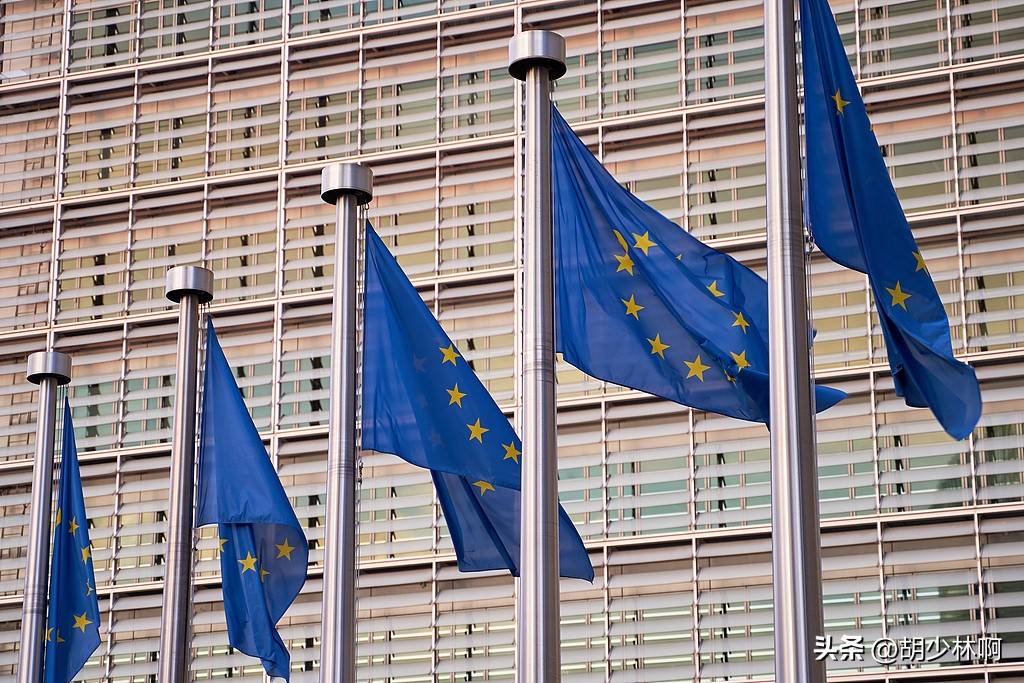
Group 1 - The EU plans to eliminate tariffs on all US industrial products and provide favorable treatment for various agricultural products, indicating a strategic move to enhance US export advantages [3][5] - The US has committed to reducing tariffs on automobiles and parts to 15% and implementing zero or near-zero tariffs on certain products, suggesting a temporary mutual benefit in US-EU relations [5][7] - The EU has agreed to purchase $750 billion worth of US energy products and $40 billion in US chips over the next three years, reflecting a significant shift in trade dynamics [7] Group 2 - The EU's proposal has faced criticism from within Europe, particularly from the German machinery sector, which argues that it unfairly benefits US products while European industries face punitive tariffs [10] - India's economy is suffering due to increased US tariffs, with a projected GDP loss of about 1 percentage point, particularly affecting labor-intensive small and medium enterprises [12] - Canada has experienced a significant economic downturn, with a 1.6% annualized GDP decline and a 27% drop in exports, raising concerns about future economic stability [14] Group 3 - The short-term benefits of US tariffs include increased government revenue, but long-term effects may lead to higher production costs, reduced export volumes, and overall trade contraction [16] - The US inflation rate is rising, with the PCE price index increasing by 2.6% year-on-year, driven by higher service costs, indicating that tariffs are contributing to domestic inflationary pressures [18] - The current trade strategy may damage the US's international credibility and relationships with allies, potentially leading to a search for alternative trade partners by other nations [18]

顶不住美国施压,首个对华加征关税的拉美国家产生,中方早已表态
Sou Hu Cai Jing· 2025-08-29 09:19
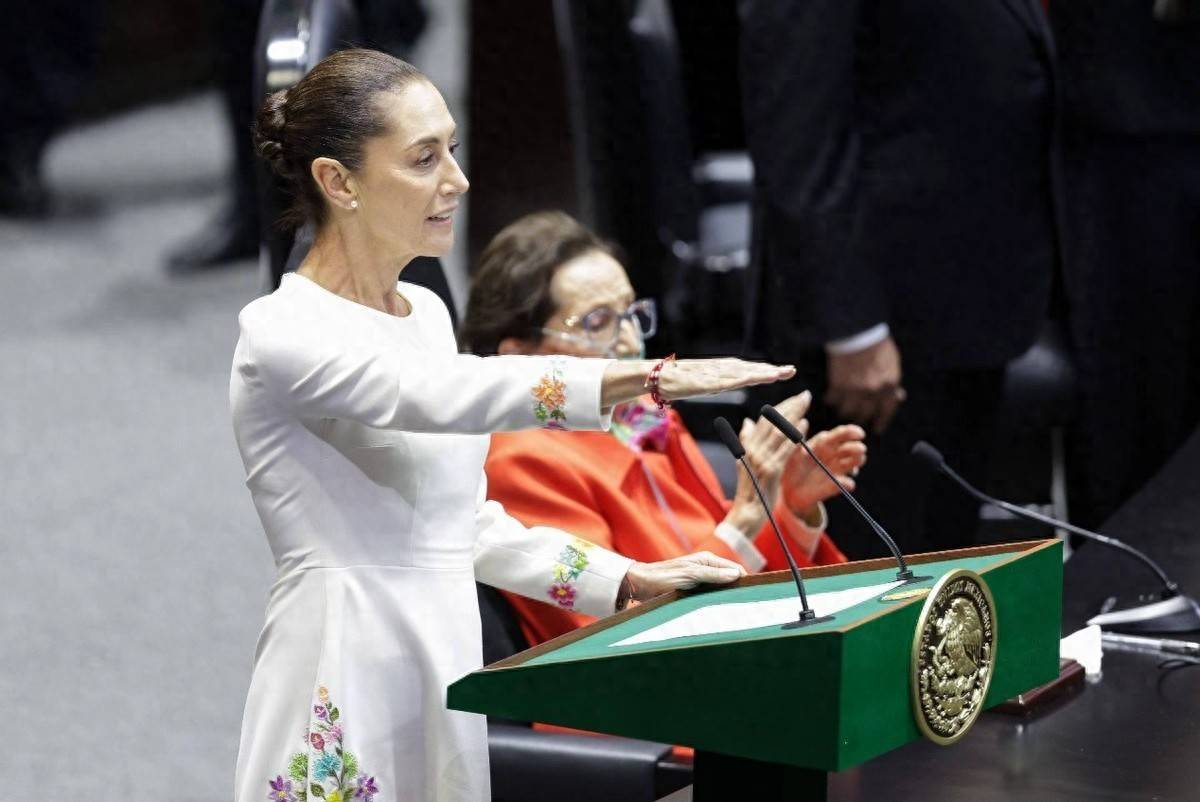
Group 1 - Mexico plans to increase import tariffs on Chinese goods in its 2026 budget proposal, responding to U.S. pressure and Trump's policies [1][3] - The affected products include automobiles, textiles, and plastic products, which are crucial in Mexico-China trade [1] - Mexico's economic situation is challenging, with a projected GDP growth of only 0.8% in 2025 and inflation at 3.7%, leading to cautious trade policy decisions [3] Group 2 - The trade volume between Mexico and China exceeds $100 billion, with Chinese exports to Mexico exceeding $90 billion, indicating significant economic interdependence [5] - Implementing tariffs could lead to higher consumer prices in Mexico and negatively impact its business environment [5] - Mexico's decision to impose tariffs may provoke a strong response from China, which has historically adopted a restrained approach to external pressures [5][7] Group 3 - If Mexico insists on implementing tariffs, it risks losing access to the Chinese market and facing severe economic repercussions from potential Chinese retaliation [7] - The move to appease Trump may temporarily relieve domestic pressure but could place Mexico in a more vulnerable position in the long run [7] - The complexities of global economic dynamics necessitate a reevaluation of Mexico's stance in the ongoing U.S.-China trade conflict [7]
美国施压无效?印度和俄罗斯誓言深化双边贸易关系!
Jin Shi Shu Ju· 2025-08-22 09:54
Group 1 - India and Russia announced an expansion of bilateral trade cooperation, indicating that U.S. tariffs on Indian imports of Russian oil are unlikely to disrupt their partnership [1] - The bilateral trade volume between India and Russia is projected to reach a record $68.7 billion by March 2025, with India facing a trade deficit of $59 billion due to increased oil imports [1] - India aims to increase exports of pharmaceuticals, agricultural products, and textiles to Russia to address the current trade imbalance [1] Group 2 - India has become the second-largest buyer of Russian oil, importing an average of 1.6 million barrels per day in the first half of 2025, a significant increase from 50,000 barrels per day in 2020 [2] - The geopolitical dynamics suggest that U.S. tariffs may serve as leverage for trade negotiations rather than solely targeting Russian oil revenue [3] - The ongoing energy cooperation between India and Russia is seen as a strategic alliance amidst global geopolitical tensions [3]
难怪特朗普老实了!美国财政部长透露细节,中美谈判果然不简单!
Sou Hu Cai Jing· 2025-08-12 07:33
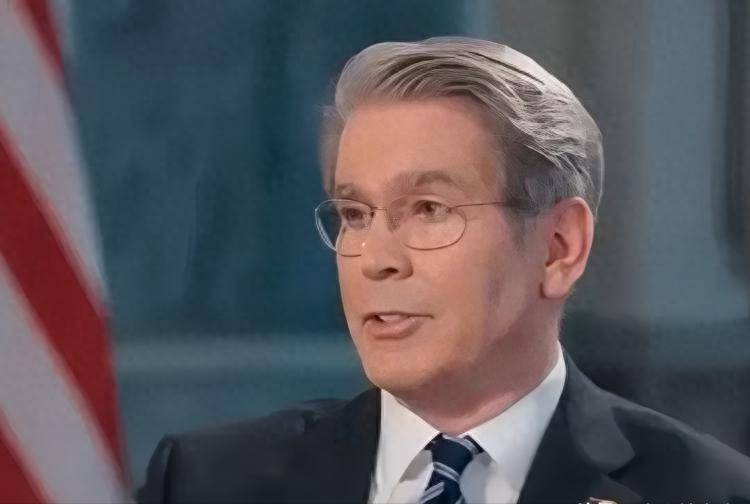
Core Points - The third round of US-China trade negotiations in Sweden ended on July 29, with US Treasury Secretary Mnuchin revealing details of the talks, indicating a complex and contradictory situation [1][4] - Although an agreement on tariff extensions was reached, no signatures were made, leaving room for uncertainty [3][4] - President Trump described the talks as "very good" and removed China from a tariff list affecting over sixty countries, signaling a potential shift in approach [6][10] Group 1: Economic Constraints - The US faces a staggering national debt of $37 trillion, which poses significant challenges for its economic policy and negotiation power [12][14] - The annual interest payments on this debt exceed $1 trillion, surpassing the Pentagon's annual budget, indicating a fiscal crisis [14][16] - The Congressional Budget Office warned of a potential default by August if no measures are taken, highlighting the precarious financial situation the US government is in [16][18] Group 2: Supply Chain Dependencies - The negotiations highlighted the critical issue of supply chain dependencies, particularly regarding rare earth elements, where over 90% of refining and processing capabilities are in China [20][22] - The US's reliance on China for essential components in high-tech industries, such as defense and electric vehicles, complicates its position in trade talks [22][24] - Attempts by the Trump administration to reverse this dependency through executive orders have proven ineffective, as the structural reliance on Chinese supply chains remains [26][30] Group 3: Political Dynamics - Trump's political position requires him to maintain a tough stance on China to satisfy his base, despite the economic repercussions of tariffs on American consumers [34][36] - The escalating tariffs have led to increased prices for consumers and financial strain on American farmers, causing a shift in public support for Trump [38][40] - The conflicting signals from Trump post-negotiation reflect a struggle to balance political posturing with economic realities, leading to a "split personality" in his approach [42][44] Group 4: Future Implications - The lack of a binding agreement from the Stockholm talks suggests a pause rather than a resolution, as both nations navigate their internal challenges [46][49] - China's recent approval of rare earth imports from US companies indicates a strategic move to ease tensions while asserting its position [47][49] - The ongoing trade conflict transcends tariffs and trade deficits, representing a broader struggle over development models and national governance capabilities [49][51]
“还好有中国”!特朗普这次彻底失算了,一觉醒来,53国倒戈了:要让中国成为“全球顶流”
Sou Hu Cai Jing· 2025-08-10 04:00
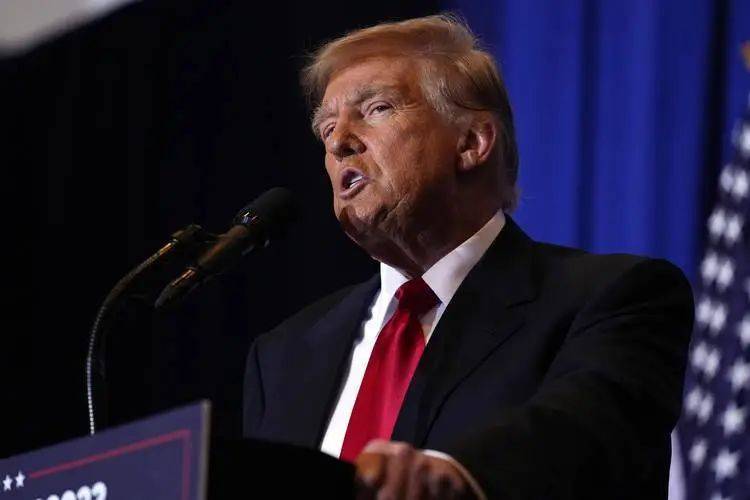
Group 1 - The article highlights the shift of African countries towards China due to the imposition of high tariffs by the United States, which has led to a collective decision among 53 African nations to seek closer ties with China [1][3][6] - The U.S. tariffs, which include a 15% tax on 18 African countries and 25%-30% on four specific nations, are described as a "tariff trap" that disproportionately affects economically vulnerable nations [1][3] - In contrast, China has implemented a zero-tariff policy for 53 African countries since December 2024, covering all product categories, which has significantly boosted trade between China and Africa [3][4] Group 2 - The article notes that the trade volume between China and Africa reached $295.6 billion in 2024, marking the highest level globally for four consecutive years, with China maintaining its position as Africa's largest trading partner for 16 years [4][6] - African businesses have reported substantial increases in sales due to the elimination of tariffs, with one café owner stating that coffee bean sales tripled after the introduction of zero tariffs [4][6] - The article emphasizes the historical ties between Africa and China, citing the support African nations provided to China during its bid for UN recognition, which has fostered a sense of loyalty and mutual benefit in current trade relations [6][8] Group 3 - African scholars express a desire for China to become a global leader akin to the United States, viewing the current U.S. trade policies as detrimental and politically motivated [6][8] - The article discusses the anticipated growth of intra-African trade, projected to increase from $192.2 billion in 2023 to $520 billion by 2030, highlighting the potential for enhanced economic cooperation among African nations [6][8] - The conclusion drawn is that the U.S. approach has backfired, pushing African nations towards China, which is seen as a more responsible partner willing to invest in long-term relationships and development [8]
美军,突然撤离!特朗普,又要挥舞关税大棒?
券商中国· 2025-08-05 23:30
Group 1: Military Movements - The U.S. military has confirmed the withdrawal from three military bases in Syria and Iraq, which have supported operations against ISIS for years [4][5] - The Pentagon's report indicates that U.S. personnel and coalition partners left these bases in May, with some troops relocating to other bases or returning to the U.S. [4] - The U.S. plans to dismantle and remove infrastructure from these bases or hand them over to the Syrian Democratic Forces [4] Group 2: Nuclear Submarine Deployment - President Trump announced the deployment of two U.S. nuclear submarines to a necessary area in response to threats from Russia [7] - Russian officials have cautioned against nuclear rhetoric, emphasizing that there are no winners in nuclear war [7][8] Group 3: Oil Trade Tensions - President Trump has threatened to significantly increase tariffs on Indian goods due to India's continued purchase of Russian oil [2][11] - India's oil imports from Russia have surged from an average of 68,000 barrels per day in January 2022 to 1.12 million barrels per day by June 2022, peaking at 2.15 million barrels per day in May 2023 [11] - The U.S. and India have been in trade negotiations, but India has resisted U.S. demands for tariff concessions on agricultural products [12]

特朗普“关税大棒”砸下,或将封锁80%意大利酒“出路”!
Sou Hu Cai Jing· 2025-07-22 10:35
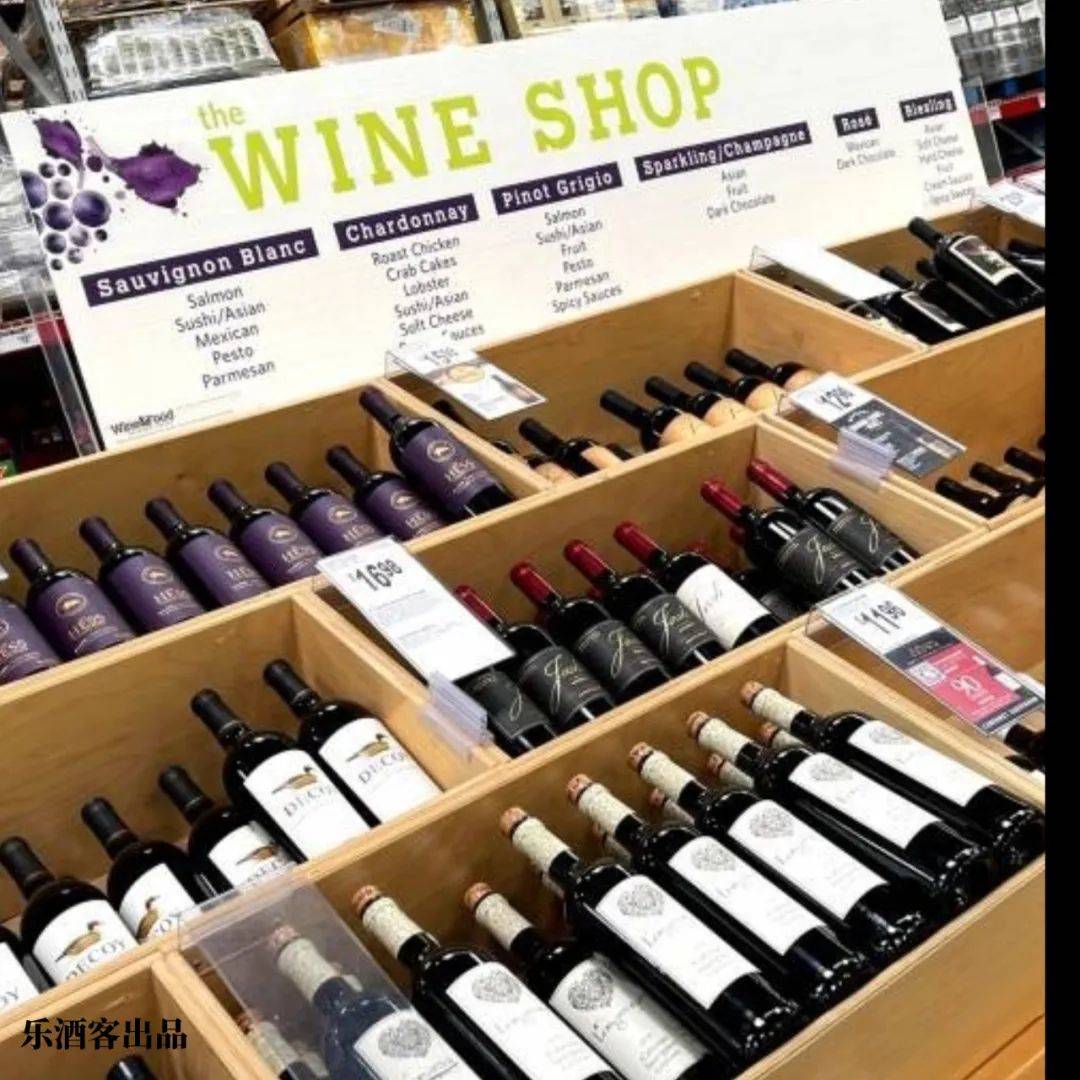
Core Viewpoint - The impending 30% tariff on EU wine imports to the US, effective August 1, poses a significant threat to the Italian wine industry, potentially halting 80% of its exports to the US [2][5]. Industry Impact - The proposed tariff could severely impact the wine and spirits industry, with many producers already feeling the pressure from broader trade conditions [3][7]. - In 2022, Italy exported $2 billion worth of wine to the US, marking a 10% increase year-on-year, which accounted for nearly a quarter of its total global exports [8]. Strategic Responses - Italian wine producers are focusing on maintaining their market presence in the US despite the tariff threat, with some brands investing more time and resources to strengthen their market position [10][13]. - Companies like Argea are adapting by acquiring importers and launching new products, such as non-alcoholic wines, to capture emerging market segments [11]. Market Dynamics - The uncertainty surrounding the tariff situation is causing significant distress among Italian wine merchants, who prefer clarity to the current indecision [8]. - Producers are exploring various strategies to mitigate the impact of potential tariffs, including adjusting export strategies and enhancing distribution partnerships [10]. Consumer Connection - The strong cultural ties between Italy and the US, along with the appreciation for Italian wines, suggest that the US market remains a critical focus for Italian producers despite current challenges [13].
贵属策略:美元下挫带动贵?属短线
Zhong Xin Qi Huo· 2025-07-17 01:11
Report Industry Investment Rating - Not mentioned in the provided content Core Viewpoints - Short-term gold is expected to oscillate in a strong manner within a range, and the medium- to long-term bullish view remains unchanged. Attention should be paid to the new round of trade games in early August and the changes in interest rate cut expectations brought by the Global Central Bank Annual Meeting later in the month [1][3] - After silver was blocked at the $40 mark, it oscillated and declined in the short term. In the medium term, the three logics suppressing silver's elasticity are difficult to reverse. The medium-term view is bullish on the trend of silver but cautious about its elasticity [3] Summary by Relevant Catalogs Key Information - In June, the US PPI increased by 2.3% year-on-year (expected +2.5%, previous value revised from +2.6% to +2.7%); month-on-month it was flat (expected +0.2%, previous value revised from +0.1% to +0.3%). Core PPI increased by 2.6% year-on-year (expected +2.7%, previous value revised from +3.0% to +3.2%); month-on-month it was flat (expected +0.2%, previous value revised from +0.1% to +0.4%) [2] - US President Trump stated that starting from August 1, a general tariff would be used to impose a tax rate slightly higher than 10% on small countries. Larger economies are discussing coordinated tariff agreements, and negotiations with the EU, Vietnam and other countries are progressing smoothly [2] - US Treasury Secretary Besent proposed to increase the issuance of short-term Treasury bonds to disperse the debt repayment pressure under the high-interest rate environment, but this strategy has caused market concerns about the long-term credibility of the Treasury and refinancing risks [2] Price Logic - The price of precious metals oscillated during the day, and the short-term decline of the US dollar index at night drove the overall increase of precious metals. The US PPI data in June was slightly lower than expected, having little impact on sentiment [3] - The market's attention to the change of the Fed Chairman next year is increasing. In the second half of the year, besides the expectation of the Fed's interest rate cut path, the emergence of a "shadow chairman" may reignite the market's concern about the Fed's independence [1][3] - Silver faced resistance at the $40 mark and then oscillated and declined in the short term. In the medium term, the three logics suppressing silver's elasticity are difficult to reverse, maintaining a bullish view on the trend of silver but cautious about its elasticity [3] Outlook - Weekly COMEX gold is expected to be in the range of [3250, 3450], and COMEX silver in the range of [36, 40] [3]
欧盟无耻背刺,冯德莱恩口出狂言,欧洲还是没有认清形势
Sou Hu Cai Jing· 2025-07-16 06:02
Core Viewpoint - The article discusses the contradictory actions of the European Union (EU) towards China, highlighting a perceived betrayal despite recent cooperation, particularly in the rare earth sector. The EU's actions are characterized as short-sighted and hypocritical, resembling the behavior of the United States. Group 1: EU's Actions Towards China - The EU recently canceled a scheduled high-level economic dialogue with China, citing concerns over China's restrictions on European companies and insufficient rare earth supplies, despite having benefited from China's support [2][3] - The European Commission announced a ban on Chinese companies participating in public procurement projects for medical devices valued over 5 million euros, claiming "unfair treatment," despite European companies having profited significantly in China [3][5] - EU Commission President Ursula von der Leyen made three demands on China, including criticism of China's trade with Russia, accusations of overcapacity, and threats regarding rare earth export controls [5][6][7] Group 2: China's Response - In retaliation, China announced the exclusion of EU companies from medical device projects exceeding 4500 million RMB, targeting the profitability of European firms [10] - China imposed a maximum anti-dumping tax of 34.9% on imported brandy from the EU for five years, directly impacting France, a key player in the EU's anti-subsidy investigations against Chinese electric vehicles [10] - China plans to increase the approval process for rare earth exports to the EU, signaling a shift in control over this critical resource [10] Group 3: EU's Strategic Missteps - The EU's actions are seen as a misguided attempt to curry favor with the United States, believing that sacrificing its relationship with China would yield benefits from the US [12] - The EU's dependency on the US has reached an unhealthy level, leading to strategic self-sabotage [14]
14国谈判没有进展,美国想和中国谈判,特朗普:我和中国关系很好
Sou Hu Cai Jing· 2025-07-15 10:00
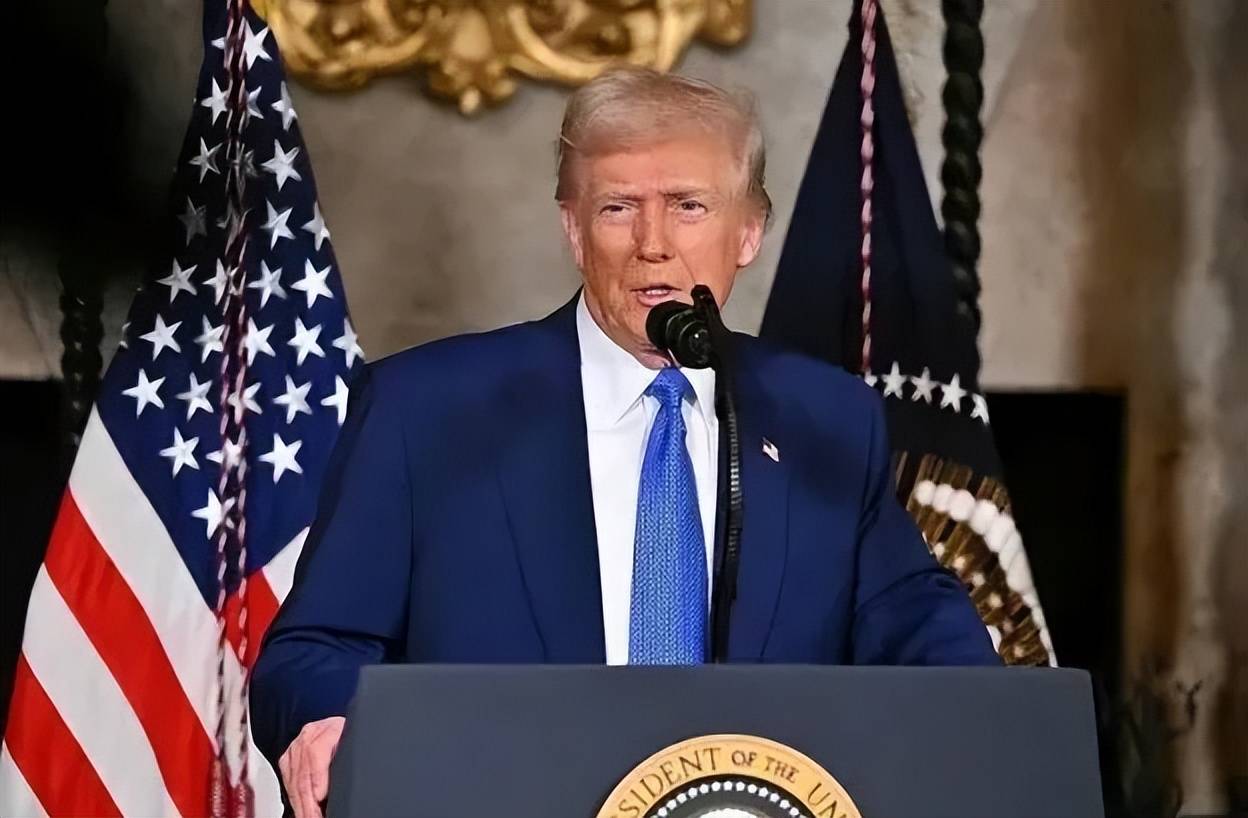
Group 1 - The core viewpoint of the article is that after negotiations with 14 countries broke down, the U.S. is now seeking to engage China, indicating a shift in strategy from hardline tactics to a more conciliatory approach [1][14][22] - The U.S. issued a "final ultimatum" to 14 countries, imposing punitive tariffs ranging from 25% to 40% on their products, which has led to a unified front among these nations against U.S. pressure [2][10][34] - The initial expectation that countries would yield to U.S. pressure has not materialized, with nations like Japan and South Korea taking a strong stance against U.S. tactics [3][5][28] Group 2 - The U.S. has only reached a framework agreement with the UK and Vietnam, while negotiations with other countries have failed, particularly in Southeast Asia [6][7] - The U.S. is facing internal pressure as domestic industries warn that increased tariffs on Asian components could lead to layoffs [10][32] - The article suggests that the U.S. strategy of using tariffs to reshape global supply chains is flawed, as it underestimates the complexity and interdependence of global manufacturing networks [39][40] Group 3 - The article highlights that the U.S. is now considering exemptions for certain Chinese products, indicating a potential shift in its approach to trade negotiations [20][22] - China's response to the U.S. overtures has been cautious, emphasizing that negotiations must be based on mutual respect and rejecting unilateral pressure [24][40] - The collective resistance from the 14 countries and China's measured response signal a significant challenge for the U.S. in its trade policy [26][34][43]