
悦己经济

Search documents
暖冬经济升温:取暖“神器”升级 滋补食品上架
Bei Jing Qing Nian Bao· 2025-11-02 01:51
Core Insights - The "warm winter economy" is becoming increasingly integrated into daily life, with a focus on heating devices, nourishing foods, skincare, and winter sports [1] Heating Devices - New heating products have been launched, including compact desktop heaters with enclosed heating elements, upgraded water heating electric blankets with AI controls, and multifunctional heating tables that can serve various purposes [2][3] - The demand for heating devices has surged as winter temperatures drop, with significant sales increases reported for various products, including desktop heaters, oil-filled radiators, and water heating blankets [3] Nourishing and Health Products - The winter season sees a rise in demand for nourishing health products, with traditional items like donkey-hide gelatin and modern tech-enhanced products like electronic moxibustion gaining popularity among different age groups [4] - E-commerce data indicates that younger consumers prefer convenient health products, while older demographics lean towards traditional remedies [4][5] Skincare and Winter Sports - The skincare market is experiencing growth due to increased demand for moisturizing and repairing products during the dry winter months, with consumers focusing on effective ingredients [6] - Interest in winter sports products is rising, particularly among children, driven by the popularity of family skiing activities and a growing emphasis on physical fitness [7]
播客上新 | 年轻人,我们为什么存不下钱?
天天基金网· 2025-10-31 09:19
Core Insights - The article discusses the shift in consumer behavior from "necessities" to "self-indulgent" products, emphasizing the emotional and identity aspects of modern consumption [1] - It highlights the concept of "emotional value" in new consumption, where consumers prioritize products that fulfill their emotional needs over mere functionality [4][5] Group 1: New Consumption Trends - The essence of new consumption is respecting emotional needs, with consumers seeking happiness and fulfillment from their purchases [4] - In a mature consumer society, the value paid for a product is more related to the satisfaction it provides rather than its production cost [5] - The article identifies a trend where consumers are willing to pay for non-essential items that bring them joy, encapsulated in the phrase "not necessary, but very much wanted" [4] Group 2: Investment Opportunities in New Consumption - To identify genuine investment opportunities, companies must be able to continuously create new products that resonate with consumer desires [5] - Successful companies in the new consumption space are characterized by a democratic culture where product managers' insights are valued, fostering innovation [5] - The founder's alignment with consumer needs and their commitment to the brand's vision are crucial for long-term success [5] Group 3: Financial Management and Investment Strategy - Consumers are encouraged to respect the principle of living within their means while planning for the future, balancing emotional spending with savings [7] - Transforming "consumption power" into "investment power" is essential, as understanding the emotional drivers behind new consumption can help predict market trends and purchasing power [7] - The article suggests that consumers should consider the investment potential of companies behind products that bring them joy, such as collectibles or concert experiences [8]


缩量震荡下的机会!资金悄然涌入这些板块
Sou Hu Cai Jing· 2025-10-16 04:58
Core Viewpoint - The A-share market is experiencing a "growth recovery and structural differentiation" pattern, with the ChiNext index leading gains driven by technology growth sectors, while the Hong Kong market faces pressure from adjustments in technology heavyweight stocks [1] Market Performance - A-share indices showed a mixed performance, with the Shanghai Composite Index rising 0.1% to 3916.1 points, while the Shenzhen Component and ChiNext indices increased by 0.15% and 0.69% respectively [2] - The Hong Kong market faced pressure, with the Hang Seng Index declining 0.43% to 25799.62 points, and the Hang Seng Tech Index dropping 1.36% [2] - Defensive sectors such as education and healthcare performed well in Hong Kong, contrasting with the A-share market's focus on growth [2] Industry Hotspots and Driving Logic - A-share market highlights structural opportunities, particularly in technology growth sectors like storage chips and AI computing infrastructure, driven by overseas capital expenditure expansion [3] - The precious metals sector continues to reach new highs, supported by global easing expectations, while the coal sector benefits from winter stockpiling demand [3] - In the Hong Kong market, the education sector is strengthening due to improved financing expectations, and the healthcare sector is supported by innovative drug policies [3] Investment Strategy Recommendations - The current market is at a critical juncture of "policy impetus and third-quarter report validation," suggesting three main lines for investment in the fourth quarter [4] - Focus on technology growth sectors, particularly in the AI industry chain, where storage chips and applications are catalyzed by overseas technological breakthroughs [4] - Consider opportunities in cyclical and resource sectors, particularly in precious metals and coal, which are supported by global easing expectations and seasonal demand [4]
泡泡玛特:兴趣消费引领小众时代
Sou Hu Cai Jing· 2025-10-13 02:51
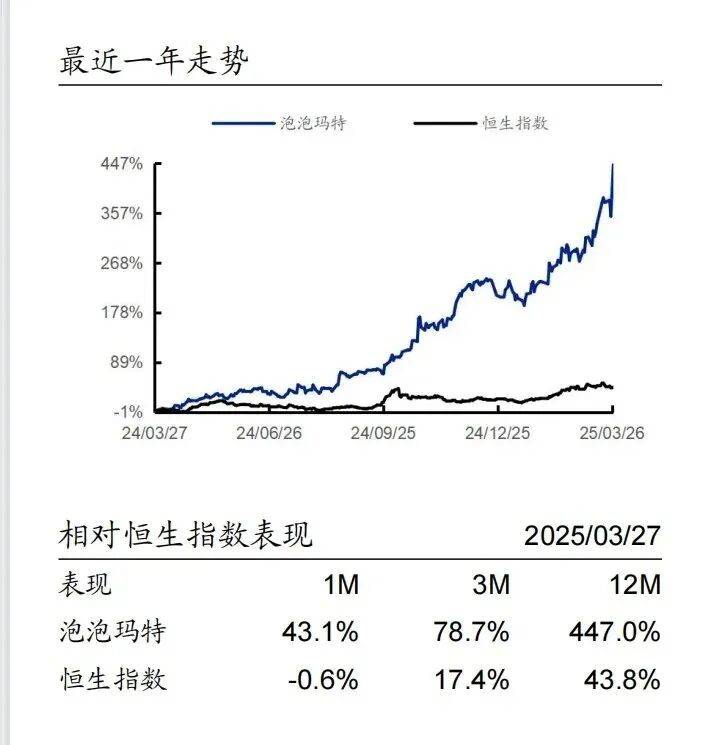
Core Insights - The article highlights the rapid growth of Pop Mart, a leading player in China's IP toy industry, driven by its unique business model and market positioning, achieving significant revenue and profit increases in 2024 [1][5][30] Financial Performance - In 2024, Pop Mart reported a revenue of 13.04 billion yuan, a year-on-year increase of 106.9% - Adjusted net profit reached 3.403 billion yuan, up 185.9% - Revenue from mainland China was 7.97 billion yuan, growing by 52.3% - Revenue from overseas and Hong Kong, Macau, and Taiwan reached 5.07 billion yuan, a staggering growth of 375.2%, accounting for 38.9% of total revenue - As of December 31, 2024, the total number of registered members in mainland China reached 46.083 million, with 11.729 million new members added during the year [1] Market Positioning and Product Strategy - Pop Mart's blind box model, which leverages uncertainty to drive consumer behavior, has significantly increased repurchase rates, with over 50% of members making repeat purchases - The company has diversified its product offerings beyond blind boxes, with a notable increase in derivative products such as phone cases and keychains, as well as plush toys and high-end figures [5][7] - The emotional connection provided by quality IPs is crucial, with a focus on extending product types and enhancing repurchase as key growth drivers [7] IP Development and Operations - Pop Mart has built a strong IP matrix with core characters like Molly, Dimoo, and Skullpanda, collaborating with global designers to create a differentiated IP library [11] - The company operates across the entire supply chain, from design to sales, enhancing the IP lifecycle and fostering emotional connections with fans through limited releases and collaborations [12] Channel Strategy - Pop Mart employs a comprehensive channel strategy, integrating online and offline experiences through flagship stores and automated vending machines to create immersive shopping environments [14] - The online ecosystem includes flagship stores on platforms like Tmall and WeChat mini-programs, facilitating traffic retention and private domain operations [14][21] Consumer Insights - The company effectively captures the consumption psychology of Generation Z, with over 80% of its users aged 18-35 willing to pay for emotional satisfaction [16] - Pop Mart's products serve as a form of self-expression, and the company has successfully transitioned users from buyers to "cultural co-creators" [23][30] Future Outlook - The article suggests that the future of consumer spending will focus on emotional value, social identity, and the integration of material and virtual experiences [28][29] - Pop Mart's model of combining emotional consumption, social currency, and scarcity economics offers valuable lessons for other brands in the entertainment and new consumer sectors [30]

李佳琦直播间成就年轻人“情绪经济”
Bei Jing Shang Bao· 2025-10-09 06:57
Core Insights - The popularity of hand bracelets, once considered exclusive to the "cultural and artistic" circle, has surged among young consumers, becoming a staple in daily fashion [1][2] - Li Jiaqi's beauty assistant team has effectively captured the emotional sentiments of young consumers, expanding their influence beyond beauty to fashion and lifestyle [2][6] Group 1: Consumer Behavior - Young consumers are increasingly drawn to hand bracelets for their aesthetic appeal and emotional significance, with many actively seeking similar styles on social media [3][6] - The trend has led to a significant increase in searches for "crystal" on e-commerce platforms, with over 5 million searches reported this year [6] - The sales of new-style hand bracelets have exceeded 10 million units in the past year, with over 40% of sellers being aged 25-30 [6] Group 2: Market Dynamics - Li Jiaqi's live streaming sessions have become a key driver of this trend, with an average of one hand bracelet broadcast every three days [6][9] - The team utilizes big data and social media insights to anticipate consumer demand for personalized accessories, effectively creating market needs [6][8] - Various materials such as crystal, obsidian, and gold are experiencing high sales, with some styles frequently sold out, indicating strong consumer interest [6][8] Group 3: Emotional and Cultural Significance - Hand bracelets are evolving from mere decorative items to "emotional assets" that help young people cope with stress and anxiety [6][7] - The cultural and symbolic significance of jewelry is becoming increasingly important, with consumers valuing products that resonate with their personal values and lifestyles [7][8] - The rise of the "self-care economy" is reflected in the market's growth, which is projected to exceed one trillion in scale [8][9] Group 4: Influencer Impact - Li Jiaqi's live streaming platform is recognized as a significant trendsetter, influencing not only hand bracelets but also a wide range of fashion items [8][9] - The unique styles of the hosts contribute to the diverse appeal of products, leading to high consumer engagement and sales [9][12] - The platform has successfully expanded its non-beauty categories, indicating a successful crossover into broader fashion influence [9][12]

消费板块有没有“黄金坑”?现在正是逆周期布局的好时机!
Sou Hu Cai Jing· 2025-10-08 09:05
Core Insights - The consumer sector is not failing but undergoing structural differentiation, with significant valuation compression creating attractive entry points [1][11][15] - The traditional consumption market in China is transitioning from rapid expansion to a phase of slower growth and structural changes, indicating ongoing market vitality [2] Group 1: Current Consumer Market Dynamics - The consumer sector is in a phase of "structural transformation and confidence restoration," with government policies aimed at boosting consumption [1][2] - Traditional consumption categories like liquor are stabilizing, while new consumption trends in areas such as pet care and beauty are emerging due to the rise of the "self-indulgence economy" [5][6] - The current market is characterized by low attention and capital inflow, but upcoming festive seasons may catalyze stock price improvements [8][11] Group 2: Investment Timing and Valuation - The current period is identified as a "value window" for consumer investments, particularly before major holidays [7][11] - Consumer sector valuations are at historically low levels, with the mainland consumer index PE ratio at 19 times, indicating potential for valuation recovery [11][15] - Not all consumer stocks are advisable for investment; focus should be on "good student" companies that invest in product, channel, and brand development [11][15] Group 3: Investment Direction and Strategy - For traditional consumption, focus on leading brands with strong channel control, particularly in liquor and retail sectors [12] - In new consumption, sectors like pet care and beauty are still in growth phases, but caution is advised regarding high valuations [12] - The shift from "capacity export" to "brand export" is highlighted, with significant opportunities in Southeast Asia and the Middle East for food, beverage, and apparel sectors [12] Group 4: Generational Consumption Trends - The report outlines consumption drivers across different generations, emphasizing the "self-indulgence economy" for Generation Z and the "silver economy" for older generations [13] - New consumption growth points are expected to emerge from technological advancements and evolving consumer experiences [13][14] - The importance of a "cycle thinking" approach in investment strategy is emphasized, focusing on buying below value lines and selling above [14]
节前房山商业“上新三连”!网红超市、高端家居、休闲广场一次性配齐
Bei Jing Shang Bao· 2025-09-26 03:56
Group 1 - The core viewpoint of the articles highlights the expansion of commercial services in Beijing's Fangshan District, with new openings enhancing consumer experiences and driving commercial quality upgrades [1][2]. - Wumart Supermarket's "Fat Transformation Store" in Fangshan is the first of its kind in the district, featuring a product structure closely resembling that of the popular brand Pang Donglai, with significant expansions in the bakery and ready-to-eat food sections [1]. - The opening of the new IKEA store in Fangshan fills a gap in the mid-to-high-end home furnishing market, leveraging digital operations to reshape the consumer landscape in southwest Beijing [1]. Group 2 - The newly opened Rui Lai Plaza is the ninth commercial complex in Fangshan, featuring diverse offerings such as an indoor sports experience space and a cultural market, aimed at enhancing regional vitality [1]. - Fangshan District aims to boost consumption by focusing on discount economy, self-indulgence economy, and ticket-root economy, promoting quality upgrades in consumption and integrating commerce with culture, tourism, and sports [2].
服务供给增加 双节前夕房山商业迎新
Bei Jing Shang Bao· 2025-09-25 05:49
Group 1 - The upcoming holidays are prompting an increase in commercial service supply in Beijing, with new store openings in Fangshan District [1] - Wumart Supermarket's "Fat Transformation Store" in Fangshan is the first of its kind in the district, featuring a product structure similar to that of the popular brand Pang Donglai, with significant expansions in bakery and ready-to-eat food sections [1] - The new IKEA store in Fangshan is a complete upgrade of a local home goods market, filling a gap in the mid-to-high-end home goods market and utilizing smart operational capabilities to reshape the home consumption landscape in southwest Beijing [1] Group 2 - The newly opened Rui Lai Plaza is the ninth commercial complex in Fangshan, featuring diverse business formats including indoor sports experiences and cultural markets, enhancing regional vitality [1] - The plaza includes a hotel with nearly 10,000 square meters of space, a large badminton court, and various dining and convenience options, contributing to the area's commercial ecosystem [1] - Fangshan District aims to boost consumption by focusing on discount economy, self-indulgence economy, and ticket-root economy, promoting quality upgrades in consumption and the integration of commerce, culture, and sports [2]
秋日香气中感受岭南非遗,天环香氛季助力广州“双节”消费
Sou Hu Cai Jing· 2025-09-22 09:52
Core Insights - The "Fragrance Season" event at Tianhuan Parc Central, starting from September 20, aims to blend traditional Lingnan aesthetics with immersive art, enhancing consumer experiences in Guangzhou during the Mid-Autumn and National Day holidays [1][4][9]. Group 1: Event Highlights - The event features over 20 fragrance brands, creating a multi-sensory experience that combines scent, visual art, and cultural elements [1][4]. - Activities include a wishing wall, rabbit-shaped fragrance sachets, and a traditional fragrance fan trial area, attracting many young visitors [4][9]. - The "NOSE IDEA" olfactory art exhibition, running until September 28, showcases numerous niche fragrance brands and offers consumers the chance to sample various scents [4][9]. Group 2: Market Trends - The fragrance economy is gaining traction in Guangzhou, evolving from mere scent sales to emotional consumption and cultural experiences [9][13]. - Tianhuan has introduced several unique fragrance brands this year, including the first store of AMOUAGE in South China and a new LE LABO store, resulting in over 40 high-end fragrance brands in the mall [9][13]. - The event reflects a broader trend in Guangzhou's retail landscape, shifting from traditional retail to experiential marketing, driven by cultural empowerment and cross-industry collaboration [13].

主题公园如何“常玩常新”
Jing Ji Ri Bao· 2025-09-17 00:02
Core Insights - The opening of the Fantawild Colorful Spring and Autumn Theme Park in Ziyang, Sichuan, provides a new entertainment experience for tourists in the Sichuan-Chongqing region, contributing to the growing theme park market in China [1] - As of October 2024, there are 385 theme parks in mainland China, including 87 large and extra-large parks, and 298 small and medium-sized parks, indicating a significant expansion in this sector [1] - The rise of theme parks is linked to the "happy consumption" and "self-pleasure economy," catering to young people's need for leisure and emotional relief, thus driving the growth of the emotional economy and cultural tourism consumption [1] Industry Development - The emergence of local theme parks is crucial for cultural transmission and economic development, as they resonate with consumers and promote Chinese culture both domestically and internationally [2] - Theme parks create job opportunities and economic growth through construction and operational activities, with a consumption pull effect estimated at 1:18.8 [2] - Despite rapid growth, the industry faces challenges such as unclear themes, insufficient product offerings, and low secondary consumption contributions, with some parks still operating at a loss [2] Strategic Recommendations - To ensure long-term success, theme parks must maintain a sense of novelty for visitors by integrating local cultural resources and creating differentiated park IPs that resonate emotionally with guests [3] - The incorporation of advanced technologies like virtual reality and augmented reality can enhance visitor immersion and engagement [3] - Expanding the range of activities within parks, such as live performances and interactive experiences, can increase visitor participation and extend the economic impact beyond ticket sales to a broader "tourism economy" [3]