长期主义

Search documents
一辈子做普通工作,靠什么积累巨额财富?这本书给你答案...
雪球· 2025-10-03 13:00
Group 1 - The core idea of the article emphasizes that wealth management is not merely a "hard science" but a game against human weaknesses, highlighting the importance of understanding one's own greed and fear to achieve financial success [2][3] - Long-termism is identified as the key to wealth accumulation, illustrated by contrasting cases of individuals who succeeded through patience versus those who failed due to greed [4][5] - The article discusses the psychological aspects of investing, noting that 80% of investment success is determined by behavior rather than technical skills, and emphasizes the need to embrace pain as part of the investment journey [6][7] Group 2 - The concept of "margin of safety" is introduced as a crucial element for ensuring that compounding returns are not interrupted, advocating for a diversified approach to investments and income sources [8][9] - The article highlights the significance of "tail events," which are rare but impactful occurrences that can drive substantial returns, underscoring the need for a high tolerance for errors in investment strategies [10][11] - It concludes that true wealth is defined by time freedom, encouraging individuals to embrace pain in the pursuit of wealth while also seeking to achieve happiness and mental freedom through financial means [12][13]


这所88岁的高校,走出了一个投资天团
母基金研究中心· 2025-10-03 01:05
Core Insights - The article highlights the achievements and contributions of alumni from Renmin University of China, emphasizing their impact in various sectors, particularly in investment and entrepreneurship [2][3][4]. Alumni Contributions - Liu Qiangdong, founder of JD.com, attributes his entrepreneurial spirit to his time at Renmin University, where he faced financial hardships but gained invaluable experiences that shaped his values [3]. - Liu Qiangdong's significant donation of 300 million RMB to his alma mater established the JD Fund, marking the highest donation in the university's history [3]. - Zhang Lei, founder of Hillhouse Capital, developed his investment philosophy based on principles learned from his mentor at Yale, leading to successful investments in companies like Tencent and JD.com, with Hillhouse managing over 80 billion USD as of 2024 [4][5]. Investment Achievements - Hillhouse Capital's early investment in Tencent yielded over 400 times returns, while its investment in JD.com resulted in more than 12 times returns post-IPO [5]. - Dacheng Capital, led by alumni, has invested in over 800 companies, with 301 successful exits, including 143 IPOs [6]. - Notable alumni in the investment sector include Qian Weijie of Shanghe Capital, who has made significant investments in various tech and healthcare companies [7]. Future Events - The 29th World Investment Conference and the 8th Sharjah Investment Forum will take place in October 2025, focusing on promoting emerging industries and attracting foreign investment [9][11].

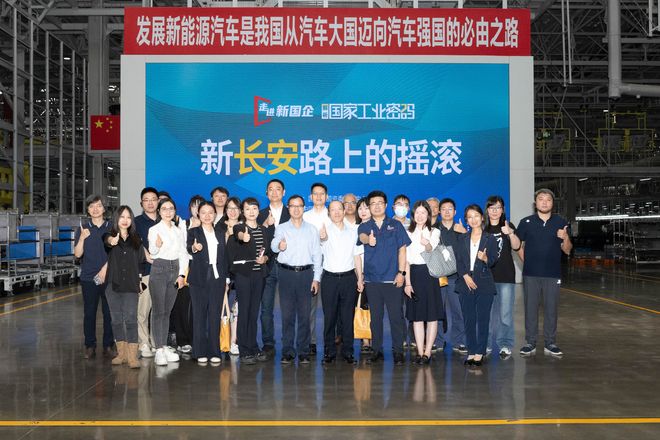
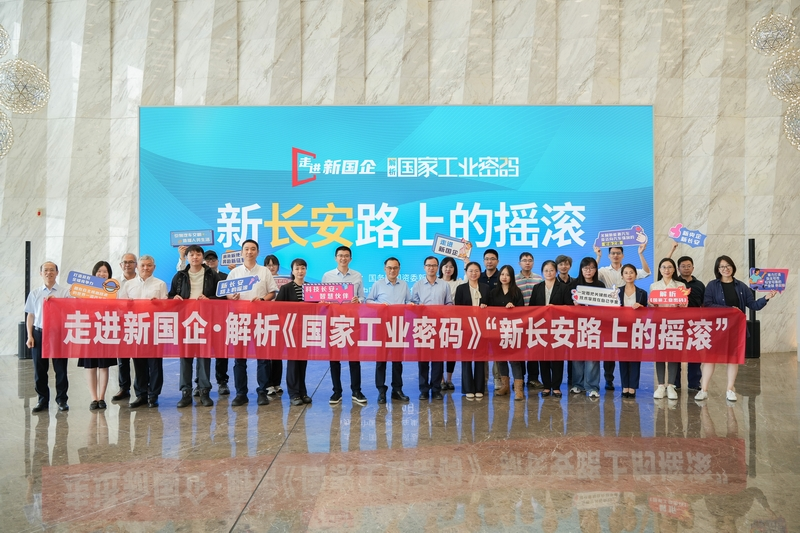
走进中国长安汽车 解锁“新央企·新长安”高质量发展密码
Yang Shi Wang· 2025-09-30 07:31
Core Insights - China Changan Automobile Group Co., Ltd. has officially established itself as a central enterprise directly managed by the State-owned Assets Supervision and Administration Commission (SASAC), marking the first level-one central enterprise headquartered in Chongqing [1] - The company showcased its transformation journey during the "New Changan Road Rock" brand event, emphasizing its commitment to technological innovation and high-quality development [2][5] - The leadership highlighted three key challenges faced by Changan: transitioning to new energy, competing against rapidly growing private enterprises, and maintaining a long-term development philosophy [2][3] Company Overview - Changan's development philosophy is encapsulated in a 16-character spirit that emphasizes innovation, openness, scientific rationality, and resilience [3] - The company aims to provide differentiated value to consumers, focusing on emotional, functional, and cost differences [3] Technological Advancements - Changan's collision safety laboratory is the first in China to integrate active and passive safety testing capabilities, achieving over 20 C-NCAP five-star models and 10 C-IASI GOOD models [5] - The smart factory, developed in collaboration with Huawei and China Unicom, represents a leading level of flexible manufacturing and has received multiple awards for its energy efficiency and innovation [5] Research and Development - The Tian Shu Intelligent Testing Center, set to be fully operational by October 2024, will focus on intelligent network testing and has received high recognition from government and industry bodies [6] - Changan's global R&D center has ranked first in the national enterprise technology center evaluation for 14 consecutive years, indicating its strong R&D capabilities [6] Testing Facilities - The Western Automobile Testing Ground in Chongqing spans 3,500 acres, equivalent to 5,555 standard basketball courts, and features 14 specialized test roads and over 70 types of unique surfaces [7] - The testing ground conducts over 20 million kilometers of testing annually, showcasing Changan's commitment to product quality and reliability [7]

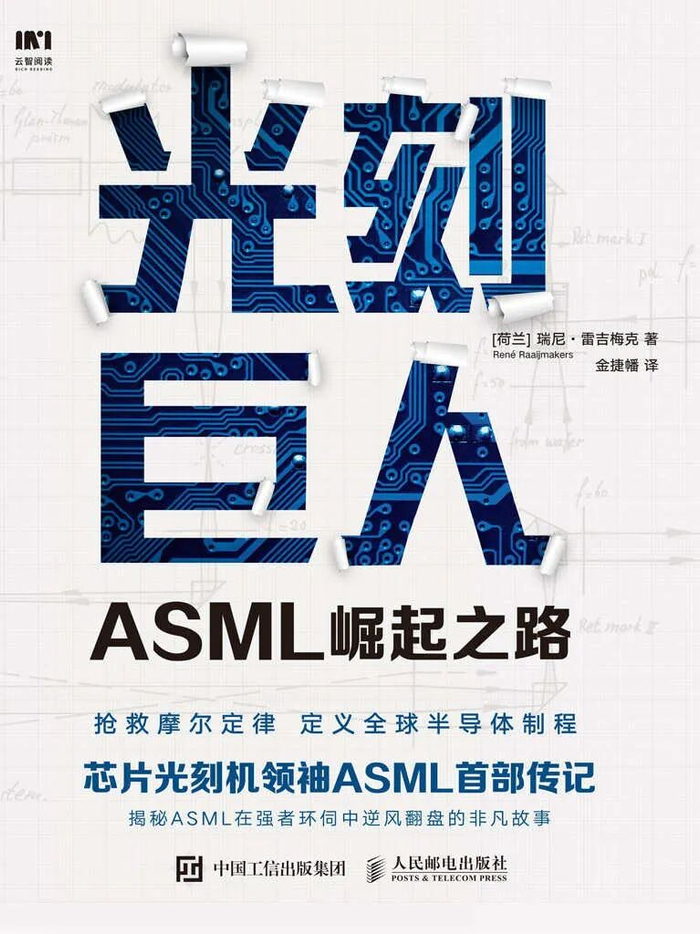
《光刻巨人》:光刻机是人类工业制造的巅峰之作,它的精度相当于从地球发射一束激光,击中月球上的一个高尔夫球。
Xin Lang Cai Jing· 2025-09-30 04:18
Core Insights - The article focuses on the rise of ASML, a global leader in photolithography machines, which are essential for chip manufacturing, capturing over 80% of the market share and monopolizing advanced EUV technology [4][6][10]. Group 1: Photolithography Technology - Photolithography is described as the "heart" of chip manufacturing, with its precision directly impacting chip performance. The evolution from g-line to EUV technology has doubled chip integration with each advancement [6][8]. - ASML's journey is characterized as a "chasing light" story, continuously pushing the limits of light wavelength to create smaller, faster, and more powerful chips [6][10]. Group 2: ASML's Formation and Challenges - ASML originated from Philips' photolithography department, which was initially undervalued. In 1984, ASML was established with a mere $2.1 million in capital and fewer than 30 employees [6][8]. - The company faced severe challenges at its inception, including a lack of orders and near bankruptcy, which fostered a resilient and determined culture [7][10]. Group 3: Technological Breakthroughs - ASML's rise is marked by significant technological achievements, such as the development of the PAS 5500, which outperformed Nikon's machines in the 1990s [8][9]. - The ambitious EUV project required over €10 billion in investment and a decade of development, culminating in the production of the first EUV machine in 2018, enabling chips below 7nm [9][10]. Group 4: Business Model Innovation - ASML's success is attributed to its unique business model, emphasizing deep collaboration with suppliers and customers, such as the partnership with Zeiss for optical technology [10][11]. - The company shares risks with clients like Intel and TSMC, who invested in ASML during challenging times, creating a closed-loop of technology, funding, and market access [10][11]. Group 5: Talent and Culture - ASML's core strength lies in its people, fostering a culture that encourages questioning authority and tolerating failure, which attracts top engineering talent [11][13]. - The company promotes a mindset of viewing failures as valuable data, which aids in continuous improvement and innovation [20][25]. Group 6: Broader Implications - ASML's success is framed within the context of global technological competition, representing a significant achievement for European technology and impacting the advancement of digital civilization [17][19]. - The article emphasizes that the competition in photolithography is not just between machines but also between nations and eras, highlighting ASML's role in shaping the future of technology [17][19].

雅各布专栏深度分析:珠宝品牌在中国新存量市场的增长策略
Sou Hu Cai Jing· 2025-09-29 15:39
Core Insights - The article analyzes how jewelry brands can achieve growth in China's deflationary and fragmented market by strengthening core capabilities [4][5][23] - It emphasizes the shift in consumer psychology post-pandemic, highlighting the increasing preference for gold jewelry as a stable asset during economic uncertainty [4][5] - The growth strategy focuses on enhancing brand strength, product appeal, and digital capabilities, particularly through the integration of artificial intelligence [4][5][23] Group 1: Market Dynamics - The post-pandemic consumer mindset has shifted from cautious saving to a release of pent-up consumption potential, with a stronger willingness to purchase products that offer long-term value [5][6] - Gold jewelry is favored for its inherent value retention, making it attractive in a deflationary environment where prices are declining [5][6] - The fragmented market presents opportunities for brand differentiation, allowing companies to leverage unique positioning to attract consumers [6] Group 2: Growth Strategy - The core growth strategy revolves around three key capabilities: brand strength, product appeal, and digital transformation [4][5] - Companies are encouraged to adopt a long-term perspective, focusing on internal capability building rather than short-term scale expansion [8][9] - Enhancing brand recognition and trust through sincere service and continuous product innovation is vital for maintaining customer loyalty [9][18] Group 3: Brand Strength - Companies should maximize core organizational value and ensure long-term sustainability by adhering to a long-termism approach [8][9] - The success of high-end market players like Laopuhuang, which achieved a 40% net profit margin, illustrates the importance of effective brand positioning and marketing strategies [11][16] - Learning from high-end market experiences while avoiding management pitfalls is crucial for sustainable growth [11][16] Group 4: Product Appeal - Integrating Eastern fashion elements into product design aligns with the "Guochao" trend, appealing to younger consumers and enhancing emotional connections [12][13] - Continuous product development and innovation are essential for maintaining brand relevance and driving repeat purchases [13][18] - Optimizing supply chains for stability and responsiveness to fashion trends is critical for ensuring timely delivery and quality [14] Group 5: Digital Capabilities - Companies must commit to digital transformation, focusing on practical applications of artificial intelligence to enhance operational efficiency [15][22] - Addressing cognitive barriers to AI adoption among employees is necessary for successful integration and utilization of AI technologies [15][22] - Developing a robust knowledge base is essential for improving AI output quality and relevance, ensuring alignment with brand identity [15][22] Group 6: Strategic Recommendations - Companies should emphasize long-term value propositions and integrate high-end strategies without compromising management quality [21][22] - Expanding brand coverage through B2B channels and attracting new generation franchisees can enhance market presence and accessibility [21][22] - Fostering customer engagement through personalized communication and loyalty programs is vital for building long-term relationships [20][21]

2025第一财经未来商业秀与会嘉宾金句集锦
Di Yi Cai Jing· 2025-09-29 11:39
Group 1 - The core viewpoint emphasizes the importance of long-term commitment and understanding the market dynamics to achieve success [2] - The concept of "user value innovation" is highlighted as a critical factor for product success, indicating that companies must focus on user scenarios for technological advancements [9] - The integration of AI in cooking appliances is presented as a way to enhance user experience, positioning the company as a supportive partner in culinary tasks [11] Group 2 - The significance of evidence-based medicine in maintaining skin barrier health is underscored, reflecting a commitment to scientific principles in product development [6] - The idea of harmony through diversity is discussed, suggesting that successful collaboration involves embracing differences [4]

粉笔研发投入持续领跑行业,技术壁垒构筑行业护城河
Ge Long Hui· 2025-09-29 09:18
Core Insights - The company, Fenbi, reported a revenue of RMB 1.492 billion and a net profit of RMB 227 million for the first half of 2025, maintaining its leading position in the industry through significant R&D investments and a long-term development strategy [1] Group 1: R&D and Technological Advancements - Fenbi's R&D expenditure for 2025 was RMB 108 million, consistent with the previous year, showcasing stable and continuous investment [2] - Since 2023, the acceleration of generative AI industrialization has allowed Fenbi to launch the industry's first self-developed domain-specific large model, leading to the introduction of various AI educational products [2] - The company plans to reallocate its unused IPO funds of HKD 60.8 million to enhance teaching efficiency and service quality, with significant investments directed towards AI vertical models and high-end talent [2] Group 2: Growth Potential and Market Position - AI courses have emerged as a significant growth point for Fenbi, particularly targeting civil service and national examination preparation, with the introduction of AI sprint classes to cater to diverse user needs [3] - Despite short-term fluctuations in the vocational education sector, Fenbi emphasizes the importance of teaching quality and service level over aggressive pricing strategies adopted by smaller competitors [4] - Fenbi's commitment to long-term development and technological innovation positions it favorably in the current economic environment, with the AI question-answering system expected to enhance user retention and operational efficiency [5] Group 3: User Engagement and Market Impact - The AI mock interview competition launched in 2025 attracted nearly 1.5 million participants, indicating strong user engagement and a high recommendation rate among users [5] - The efficiency gains from technological innovations are expected to lower marginal costs in teacher training, course development, and service delivery, enhancing the company's cost structure and profitability [5]
3000亿天价算力协议背后:OpenAI的“资本大戏”与AGI的泡沫边界
Tai Mei Ti A P P· 2025-09-28 14:36
Core Insights - OpenAI has signed a five-year partnership with Oracle worth up to $300 billion, significantly impacting Oracle's stock price and market capitalization [1] - The deal raises questions about the actual feasibility of such a high-value agreement and reflects a shift in OpenAI's identity from a pure tech innovator to a capital-driven entity [1] - OpenAI's strategy involves substantial long-term commitments and investments, aiming to create a competitive advantage in AI infrastructure [2][3] Financial Reality - The $300 billion contract with Oracle implies an annual expenditure of $60 billion, which is six times OpenAI's current annual revenue [3] - OpenAI is projected to have a net loss of approximately $5 billion in 2025, despite a significant revenue increase [3] - The company's financial commitments far exceed its current revenue-generating capabilities, raising concerns about sustainability [3] Market Dynamics - The market has developed a strong belief in OpenAI's growth potential, leading to a lack of critical analysis regarding its financial health [5] - OpenAI's influence in the AI sector has made it a lever for capital, attracting significant investments based on future expectations rather than current performance [6] - The competitive landscape is pressured by high-value contracts, forcing other companies to follow suit or risk being marginalized [7] Industry Implications - The current investment climate is characterized by a focus on narrative and expectations rather than tangible cash flow, which can lead to inflated valuations [6][11] - OpenAI's approach mirrors past instances in the tech industry where companies leveraged hype for short-term gains at the expense of long-term trust [10][11] - The potential for a market correction exists if the promised returns do not materialize, which could impact investor confidence across the AI sector [8][12] Competitive Landscape - OpenAI's challenges, including delays in product releases and performance issues, have opened a strategic window for competitors, particularly in China [12][13] - Chinese AI companies are making significant advancements and could capitalize on OpenAI's current vulnerabilities to reshape the global AI landscape [12][13] - The ongoing competition may lead to a shift in focus from speculative investments to practical applications and technological advancements [13][14]


两个亿万富豪接连猝死警示:没有什么钱,值得你拿命去拼
洞见· 2025-09-28 12:20
Core Viewpoint - The article emphasizes the importance of balancing work and health, highlighting that excessive work pressure can lead to severe health consequences and even death, as illustrated by the tragic stories of two entrepreneurs who passed away due to stress-related health issues [5][12][20]. Group 1: Entrepreneurial Challenges - The founder of the Yunnan cuisine brand "Yunhaiyao," Zhao Han, passed away at the age of 40 due to a heart attack, highlighting the immense pressure faced by entrepreneurs in the restaurant industry [5][8]. - The restaurant industry has been severely impacted by the pandemic, with a reported 88.8% year-on-year decline in profits for major dining enterprises in Beijing, leading to a profit total of only 1.8 billion yuan in the first half of 2024 [7]. - Entrepreneurs often face overwhelming challenges, including rising rental costs and supply chain disruptions, which can lead to significant stress and health issues [8][11]. Group 2: Health and Work-Life Balance - The average working hours for restaurant employees exceed 12 hours per day, with new store preparations taking up to 16 hours, indicating a culture of overwork [10]. - The article discusses the tragic case of entrepreneur Fu Junrui, who also died at a young age due to stress, despite being aware of the importance of health [12][14]. - The phenomenon of "overwork deaths" is prevalent in China, with an estimated 600,000 cases annually, primarily affecting young professionals who bear significant responsibilities [26][27]. Group 3: Lessons and Recommendations - The article stresses that sacrificing health for work achievements is ultimately a poor trade-off, as wealth and success become meaningless without life [20][29]. - It encourages individuals to recognize the importance of health and to take proactive steps to manage stress, such as allowing time for rest and seeking help when needed [38]. - The article advocates for redefining "struggle" to focus on efficiency and time management rather than endless hours of work, promoting a healthier approach to achieving success [39].

最年长又最年轻 ,中国长安汽车如何“老树发新芽”
Guan Cha Zhe Wang· 2025-09-28 09:01
Core Viewpoint - China Changan Automobile Group has been established as a state-owned enterprise under the direct management of the State-owned Assets Supervision and Administration Commission, marking a significant strategic deployment for national development and state-owned enterprise reform [1][3]. Group 1: Historical Context and Strategic Goals - Changan Automobile has a rich history of 163 years, evolving from a military factory during wartime to a modern automotive leader, aligning closely with national strategies [1][3]. - The company aims to become a world-class automotive group with global competitiveness and independent core technologies, as emphasized by its leadership [3][6]. Group 2: Challenges and Adaptation - Changan faces three main challenges: adapting a long-standing enterprise to modern demands, navigating fierce market competition, and maintaining long-term growth while ensuring efficiency and market share [3][6]. - The company emphasizes the importance of technological innovation, quality, user responsibility, and passionate leadership to overcome these challenges [3][4]. Group 3: Sales and Production Goals - For 2024, Changan targets total vehicle sales of 3 million units, including 1 million new energy vehicles (NEVs), with a cumulative sales goal of 30 million units since its establishment [7][8]. - The company plans to achieve a production and sales scale of 5 million vehicles by 2030, with NEVs accounting for over 60% of sales and overseas sales exceeding 30% [7][8]. Group 4: Strategic Initiatives - Changan is advancing three major plans: the "Shangri-La" plan for new energy, the "Beidou Tianzhu" plan for intelligence, and the "Haina Baichuan" plan for globalization, aiming to fulfill its vision of becoming a world-class automotive group [8][10]. - The company will invest 200 billion yuan over the next decade to enhance electric and intelligent transformation, focusing on core technologies and establishing a comprehensive innovation system [10][11]. Group 5: Global Expansion and Brand Strategy - Changan is implementing a global "152" strategy, establishing a presence in five major overseas markets and planning 20 overseas factories, with 9 already operational [11][12]. - The company is focusing on brand differentiation and positioning to avoid internal competition and resource wastage, ensuring clarity in brand strategy across its three new energy brands: Avita, Deep Blue, and Changan Qiyuan [13][15].