全球化

Search documents
成立30天后,冲刺上市
Shang Hai Zheng Quan Bao· 2025-10-20 11:24
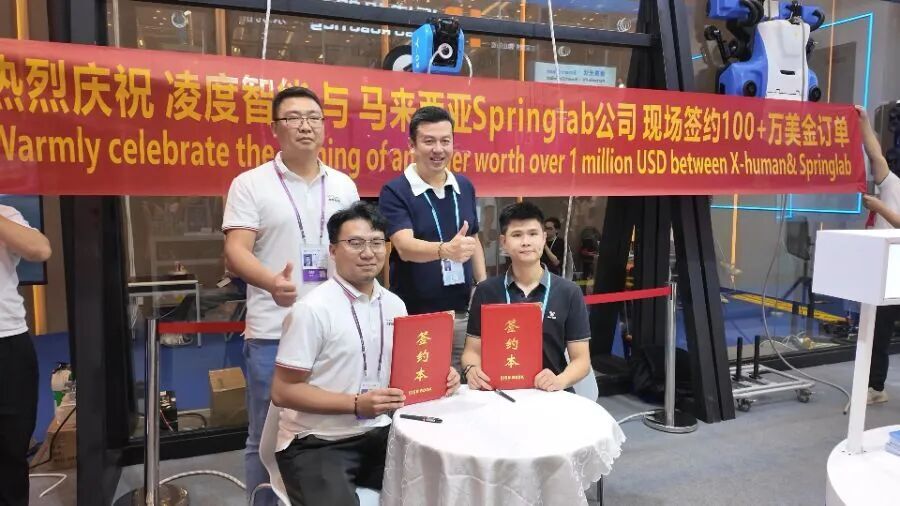
Core Viewpoint - Haid Group is accelerating its overseas expansion through a spin-off listing of its subsidiary, Haid International Holdings Limited, on the Hong Kong Stock Exchange, which will serve as the core entity for its global ambitions [1][3]. Group 1: Spin-off and Financial Performance - Haid Group announced plans to spin off Haid International Holdings Limited, which was established just one month prior, to focus on overseas operations [1][5]. - The company reported impressive Q3 results with total revenue of 96.094 billion yuan, a year-on-year increase of 13.24%, and a net profit of 4.142 billion yuan, up 14.31% [3][8]. - The spin-off reflects deep changes in the domestic feed industry, with market concentration rising to 65% and increasing competition among the top 20 feed companies [3][7]. Group 2: Strategic Rationale for Spin-off - The spin-off is a tactical choice to overcome financing constraints and a strategic move to optimize global resource allocation [3][7]. - Haid Group aims to consolidate its overseas assets related to feed, seedlings, and animal health products under Haid International Holdings [5]. - The company plans to focus on independent operations in Asia (excluding East Asia), Africa, and Latin America [5][7]. Group 3: Financial Data of Haid International Holdings - Haid International Holdings is projected to have simulated consolidated revenues of 7.06 billion yuan, 9.097 billion yuan, and 11.704 billion yuan for the years 2022, 2023, and 2024, respectively [6]. - The net profits for the same years are expected to be 290 million yuan, 530 million yuan, and 750 million yuan [6]. - By the end of 2024, total assets are projected to reach 6.4 billion yuan, with net assets of 3.83 billion yuan [6]. Group 4: Market Expansion and Future Growth - The overseas feed industry presents significant growth potential, with a competitive landscape that remains relatively fragmented [7]. - Haid Group has been expanding its overseas footprint, particularly in Southeast Asia, Central Asia, South Asia, Africa, and Latin America, enhancing its market share and industry position [7][10]. - The company aims to increase its overseas feed sales proportion from 13% in 2024 to over 20% [10][11].


特朗普松口关税认栽,可为什么美国航运反而先崩了?
Sou Hu Cai Jing· 2025-10-20 08:33
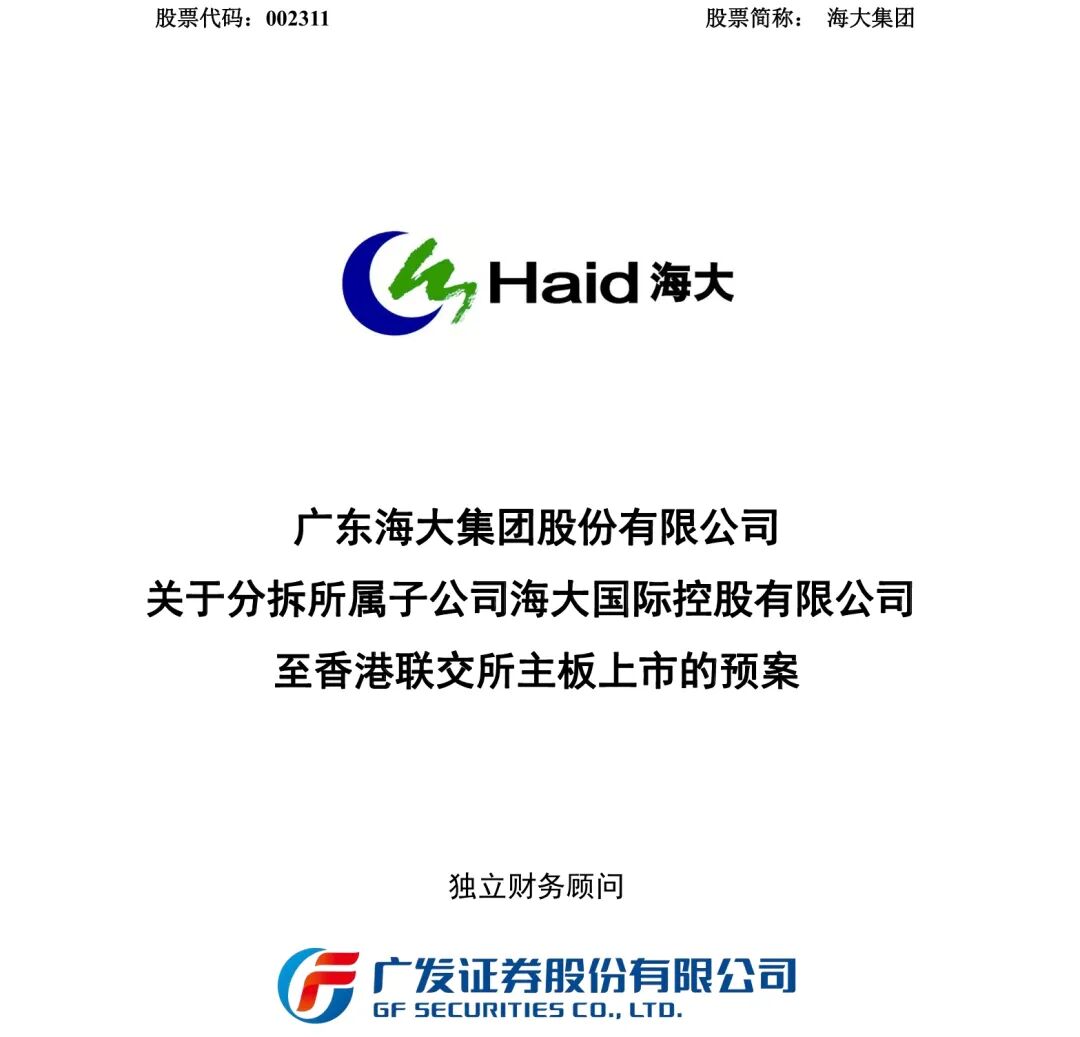
Core Viewpoint - The article discusses the recent escalation in trade tensions between the U.S. and China, highlighting Trump's contradictory stance on tariffs and the subsequent Chinese countermeasures, which could have significant implications for the shipping industry and broader economic relations [2] Group 1: Tariff Policies - Trump acknowledged that his tariff policies could harm the U.S. economy, yet he imposed a new port fee of $50 per net ton on Chinese ships, amounting to $5 million for a 100,000-ton vessel [2] - In response, China introduced a special port fee of 400 RMB per net ton, with exemptions for certain situations, effectively countering the U.S. move [2] Group 2: Economic Impact - The U.S. shipping assets are valued at over $116.4 billion, with Wall Street controlling 40% of the fleet, indicating a significant financial burden from the new fees [2] - The article notes that inflation could rise, costing consumers an additional $30 billion annually due to these tariffs [2] Group 3: Industry Dynamics - The U.S. shipbuilding capacity is only 1/230th of China's, raising questions about the feasibility of the U.S. maintaining its aggressive stance [2] - China's countermeasures not only serve as a lesson to the U.S. but also attract global shipowners to consider Chinese shipbuilding options [2] Group 4: Political Context - The article suggests that Trump's actions may be influenced by electoral pressures, questioning whether his acknowledgment of tariff failures is genuine or a strategic move for future negotiations [2]
70亿,阿里香港买楼了
投资界· 2025-10-20 08:01
正 在 招 人 。 作者 I 杨继云 报道 I 投资界PEdaily 香 港 迎 来 一 位 超 级 业 主 。 阿里巴巴和蚂蚁集团共同宣布:投资9 .2 5亿美元(约70亿港元),购置了铜锣湾港岛一 号中心共1 3层商业写字楼,作为两家公司的中国香港总部。 对此,阿里巴巴集团主席蔡崇信解释:"自19 9 9年成立以来,阿里巴巴一直深耕香港市 场。此次收购香港地标物业,充分体现我们对香港经济和营商环境的信心,并将以香港为 理想的大本营,持续拓展国际业务。" 11月初,他将现身香港大学做一场分享。 今日,阿里巴巴港股股价涨超4. 8%,最新市值超3万亿港元。 阿里成立香港总部 买下办公楼 如此大手笔,阿里震撼香港写字楼市场。 所买下的港岛一号中心现由文华东方酒店集团持有。文华东方国际在10月1 7日晚间披露 的文件显示,此次阿里和蚂蚁集团洽购的是港岛一号中心最高的13个楼层,这些楼层享 有维多利亚港2 7 0度全景视野,此外阿里还买下该建筑的屋顶标志和5 0个停车位。 此次交易总收购价为9. 25亿美元,出售写字楼总建筑面积约30 . 16万平方英尺,折算后, 平均价格约为 25 .82万港元/平方米。 若相关 ...

三一重工今起招股,淡马锡、高瓴、贝莱德等超豪华基石阵容加持,预计10月28日上市
Sou Hu Cai Jing· 2025-10-20 07:35
Core Viewpoint - Sany Heavy Industry (06031.HK) plans to globally offer approximately 580 million H-shares, with a pricing range of HKD 20.30-21.30 per share, aiming to raise around HKD 119.26 billion in net proceeds from the offering [2][11]. Group 1: Offering Details - The company will offer 58.04 million shares in Hong Kong and approximately 522 million shares internationally, with the subscription period from October 20 to October 23, 2025, and the expected pricing date on October 24, 2025 [2]. - The cornerstone investors have agreed to subscribe for shares totaling approximately USD 758 million (or about HKD 58.99 billion) based on a mid-range price of HKD 20.80 per share [2][3]. Group 2: Company Overview - Founded in 1994, Sany Heavy Industry is a leading global player in the engineering machinery industry, focusing on the research, manufacturing, sales, and service of a full range of construction machinery products [4]. - According to Frost & Sullivan, Sany is the third-largest engineering machinery company globally and the largest in China, with products sold in over 150 countries and regions [4][5]. Group 3: Financial Performance - For the fiscal year 2024, the company reported a total revenue of RMB 783.83 billion, with overseas revenue contributing RMB 488.62 billion, accounting for 62.3% of total revenue [10]. - The company's net profit for 2024 was RMB 60.93 billion, reflecting a growth from RMB 46.06 billion in 2023 [10]. Group 4: Research and Development - Sany Heavy Industry has invested significantly in R&D, with a cumulative expenditure of RMB 18.168 billion, and maintains 21 R&D centers globally [9]. - The company has established two "lighthouse factories" certified by the World Economic Forum, showcasing its commitment to innovation and smart manufacturing [9]. Group 5: Global Expansion - The company has established eight overseas regions and 31 country-level platforms, employing 6,784 overseas staff to better understand local market needs [7]. - Sany's overseas sales network includes approximately 1,900 outlets and 425 dealers across about 100 countries, enhancing its global marketing and service capabilities [7][11].

拆解全球化制胜密码:从影石出海突围,看“中国智造”新路径
创业邦· 2025-10-20 03:38
Core Viewpoint - The article highlights the success story of Insta360, a company that has effectively globalized its operations and established itself as a leader in the panoramic camera market, emphasizing the importance of innovation, strategic positioning, and a robust supply chain in achieving this success [3][7][8]. Group 1: Company Background and Globalization Strategy - Insta360 was founded by Liu Jingkang and his team, who initially created a mobile accessory that transformed smartphones into panoramic cameras, targeting overseas markets to avoid domestic price wars [2][3]. - The company has achieved remarkable global expansion, with 67.2% market share in the panoramic camera sector, outperforming established competitors like Ricoh and Samsung [7][8]. - Insta360's revenue reached 5.574 billion RMB in 2024, with over 70% coming from international markets, showcasing its successful penetration into key regions like North America and Europe [8]. Group 2: Product Innovation and Ecosystem Integration - The company emphasizes a dual-driven model of hardware and AI for continuous product innovation, with significant investments in R&D, which accounted for 15.3% of revenue in the first half of 2025 [19]. - Insta360 has launched several groundbreaking products, including the X5 flagship camera and the Ace Pro 2 street photography kit, focusing on specific user needs and enhancing user experience [18][19]. - The integration of a global user community through the Insta360 App has fostered a strong UGC network, enhancing brand engagement and loyalty [10]. Group 3: Supply Chain and Risk Management - Insta360 has developed a highly efficient supply chain centered in the Pearl River Delta, allowing for rapid procurement and prototype development [21]. - The company employs innovative supply chain finance and risk management strategies to ensure stability and mitigate supply chain disruptions [22]. Group 4: Localization and Organizational Structure - The company has established offices in key overseas markets to facilitate localized product adaptation and enhance cross-border collaboration [23]. - Liu Jingkang emphasizes the need for a strategic shift in leadership roles to support the transition from a product-focused company to a global ecosystem-oriented enterprise [23]. Group 5: Marketing and Community Engagement - Insta360's marketing strategy leverages digital channels and influencer marketing to create a vibrant community of over 8 million users, enhancing brand visibility and engagement [25]. - The Think Bold Fund, initiated in 2022, supports creative projects and fosters a sense of community among creators and fans, further solidifying the brand's presence [25]. Group 6: Future Challenges and Opportunities - As Insta360 continues to grow, it faces challenges such as global competition, technological innovation, and compliance with international regulations [27]. - The company has partnered with SAP to enhance its organizational structure and digital management capabilities, aiming to navigate the complexities of global operations [27][28].

德国历史学家克鲁斯曼答21:中国的崛起是全球发展的持久力量
2 1 Shi Ji Jing Ji Bao Dao· 2025-10-20 03:37
在乌维·克鲁斯曼看来,中国的崛起不是昙花一现,而是全球发展中一股持续的力量,中国仍然是全球 快速发展的经济体之一。过去,中国主要以制造业和出口驱动,现在则更注重创新与前沿技术的进步。 从人工智能到绿色能源,从绿色经济到数字经济,中国不断进行战略性投资,惠及自己的同时,也开辟 了新的合作领域。 乌维·克鲁斯曼尤其关注中国人工智能领域的进步。他对21世纪经济报道记者说:"人工智能及人工智能 在生产过程中的应用是中国向高质量发展转型后能为国际合作提供的重大机遇。关于人工智能怎样使用 及其效果如何,这对中国经济乃至世界经济的未来来说,都是一个至关重要的问题。" 谈及对全球贸易互利互惠造成威胁的关税战以及贸易保护政策时,乌维·克鲁斯曼表示,这不仅影响了 相关国家,还对全球经济增长造成了影响,要坚决抵制。他说:"现在进入了一个新的时代,一个更加 开放的全球一体化驱动的时代,我们要支持自由贸易主义的原则。作为欧洲人,我们也要和中国人,和 全球公民一起捍卫全球化,拥抱互惠互利的精神。" 0:00 南方财经 21世纪经济报道记者郑青亭、实习生陈颖 北京报道 近日,由中国人民大学主办,中国人民大学重阳金融研究院、全球领导力学院承 ...
零跑汽车
数说新能源· 2025-10-20 03:04
Group 1 - Core viewpoint: The company aims to achieve a profitability turning point by 2025, targeting to rank among the top ten globally through a combination of cost-effectiveness, comprehensive self-research, and a global triangular closed loop [1] Group 2 - Sales: Expected sales volume of 580,000 to 650,000 units in 2025 (+97%), positioning among the top three new forces; D19 model targeting the 200,000 to 300,000 yuan market; overseas sales expected to account for 15%, with over 10,000 C10 orders in Europe in the first month [1] Group 3 - Cost: 65% of core components are self-researched, with BOM costs reduced by 15% to 20%; Q2 gross margin at 13.6%, approaching Tesla's levels; ongoing cost reduction and efficiency improvements through 800V, laser radar, and semi-solid batteries [1] Group 4 - Globalization: Production in Spain set to commence in Q3 2026 with an annual capacity of 150,000 units; B10 model's price in Europe reduced by 30%, with gross margin rising to 20%; technology licensing expected to contribute 500 to 800 million yuan annually starting in 2026; simultaneous expansion in Southeast Asia and North America [1] Group 5 - Financials: The company holds cash equivalent of 28.8 billion yuan, with a debt-to-asset ratio of 71.9%; projected net profit of 500 to 1,000 million yuan in 2025, marking a breakeven turning point, and expected to reach 2.5 billion yuan in 2026, corresponding to a PE ratio of 22 times [1] Group 6 - Production capacity: Jinhua and Hangzhou factories have an annual capacity of 800,000 units, with Jinhua reserving an additional 200,000 units; the Spanish factory's production capacity set to start in Q3 2026 at 150,000 units per year [1]

大厂出海不讲老故事
Bei Jing Shang Bao· 2025-10-19 15:40
Core Insights - The article highlights the transformation of Chinese companies as they expand overseas, moving from traditional manufacturing to a focus on technology, finance, and digital services, creating a new model for international business [1][4] - The shift in strategy emphasizes not just selling products but offering comprehensive systems and solutions, leveraging technology and data to meet diverse regional needs [1][3] - The overseas expansion is seen as a way to enhance core business capabilities and seize new opportunities in untapped markets, especially in light of increasing domestic competition [1][4] Group 1 - Chinese companies are increasingly focusing on digital services such as cloud computing, financial payments, and personal credit as they expand internationally [1] - The competitive landscape abroad is challenging, with high market potential but also intense competition and complex regulations [1][2] - Companies are adapting by innovating and localizing their offerings, ensuring compliance with local regulations while building relationships with overseas clients [3][4] Group 2 - The evolution of Chinese enterprises is marked by a shift from traditional manufacturing to "smart manufacturing," emphasizing innovation and patent development [3] - Companies are leveraging their supply chains, ecosystems, and experienced teams to find optimal solutions for internationalization [4] - The article raises questions about which Chinese company will successfully penetrate the vast overseas markets, indicating a competitive environment where both domestic and international players are closely monitoring developments [4]
周专题 | 2025Q3前瞻:销量环比提升 成本端向好【民生汽车 崔琰团队】
汽车琰究· 2025-10-19 15:06
Core Viewpoints - The automotive sector is experiencing a mixed performance, with passenger car sales showing a slight year-on-year increase while the overall market sentiment remains weak [3][4][5]. Passenger Cars - In the week of September 22-28, 2025, passenger car sales reached 653,000 units, a year-on-year increase of 1.5% and a month-on-month increase of 26.6% [2]. - For Q3 2025, wholesale passenger car sales are projected to be 7.686 million units, representing a year-on-year growth of 14.7% and a month-on-month growth of 8.1% [5][58]. - The penetration rate of new energy vehicles (NEVs) in Q3 2025 is expected to be 52.4%, with NEV wholesale sales reaching 4.024 million units, a year-on-year increase of 24.2% [5][19]. - The export of passenger cars in Q3 2025 is anticipated to be 1.592 million units, a year-on-year increase of 23.1% [19][62]. Market Performance - The automotive sector underperformed the broader market, with the A-share automotive sector declining by 6.1% during the week of October 13-17, 2025 [3]. - The performance of various sub-sectors varied, with commercial passenger vehicles increasing by 3.7%, while other segments like passenger cars and automotive parts saw declines ranging from 2.9% to 8.0% [3]. Investment Recommendations - Key companies to watch include Geely, Xpeng, Li Auto, BYD, and Xiaomi, among others, focusing on those with strong performance in the NEV sector [4][8][58]. - In the parts sector, companies involved in intelligent driving and smart cockpit technologies are recommended, such as Berteli and Jifeng [8]. Heavy Trucks - The heavy truck market is experiencing significant growth, with Q3 2025 wholesale sales reaching 282,000 units, a year-on-year increase of 58.1% [40][62]. - New energy heavy trucks are particularly strong, with sales of 58,000 units in Q3 2025, reflecting a year-on-year increase of 181.5% [45][62]. Motorcycles - The market for large-displacement motorcycles (over 250cc) is projected to see wholesale sales of 258,000 units in Q3 2025, a year-on-year increase of 18.9% [56][63]. - Exports of large-displacement motorcycles are expected to grow significantly, with a year-on-year increase of 50.5% [52][63]. Component Sector - The component sector is benefiting from a decrease in raw material costs and shipping fees, which is expected to alleviate cost pressures for companies [34][35][62]. - Companies in the supply chain for leading manufacturers like Xiaomi, Xpeng, and NIO are expected to perform well in terms of revenue [38][62].






中国机器人爆单了,有公司3天光速签约700万
2 1 Shi Ji Jing Ji Bao Dao· 2025-10-19 14:49
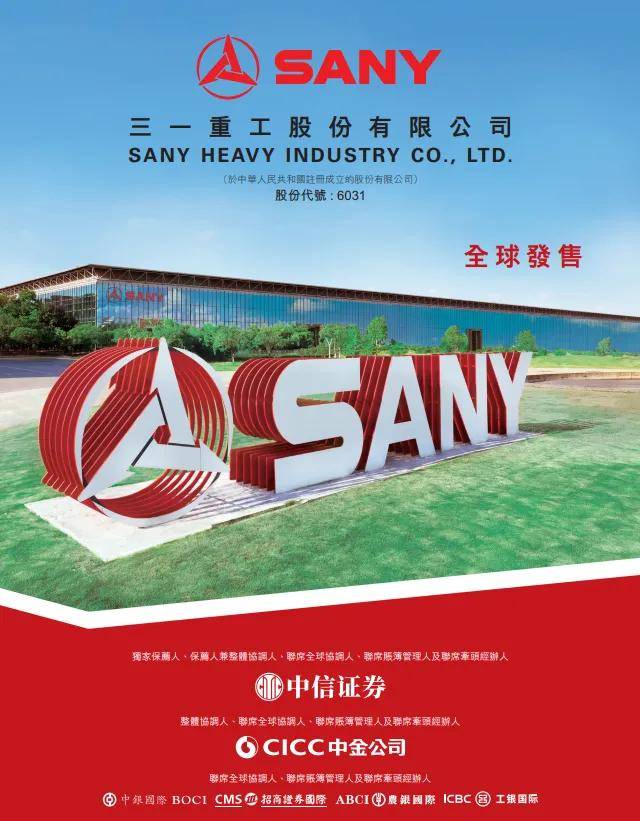
Core Viewpoint - Guangdong Lingdu Intelligent Technology Co., Ltd. achieved over 7 million RMB in orders within three days at the Canton Fair, highlighting the importance of global innovation and market adaptation for Chinese companies in the face of global economic uncertainties [3][5]. Group 1: Company Performance - Lingdu Intelligent's revenue tripled year-on-year, reflecting a successful overseas expansion strategy within three years of operation [3][6]. - The company secured over 1 million USD in orders from Saudi Arabia, UAE, and Malaysia, showcasing its ability to attract international clients through innovative product offerings [3][5]. - Lingdu's overseas market sales accounted for 40% of total sales, indicating a strong international presence despite global trade challenges [5]. Group 2: Product Innovation - The launch of the world's first "high-altitude curtain wall obstacle-clearing cleaning robot" at the Canton Fair attracted significant interest from Middle Eastern clients [5][6]. - Lingdu's robots feature autonomous decision-making capabilities, allowing for efficient and safe operation without human intervention, setting it apart in the global high-altitude glass cleaning market [6]. Group 3: Market Trends - Guangdong's foreign trade enterprises are increasingly looking towards "Belt and Road" countries to stabilize markets and expand orders amid U.S. tariff challenges [9][10]. - In the first three quarters, Guangdong's trade with "Belt and Road" countries reached 2.71 trillion RMB, growing by 4.1%, which is faster than the overall trade growth rate [9]. Group 4: Strategic Shifts - Companies are adapting to the changing trade environment by localizing operations and establishing production bases in emerging markets, as seen with companies like Skyworth Group [14][17]. - The shift from merely exporting products to establishing local manufacturing and service capabilities is becoming a key strategy for Chinese companies to enhance competitiveness globally [14][17].