
美联储货币政策

Search documents
贵金属策略报告-20251017
Shan Jin Qi Huo· 2025-10-17 10:04
1. Report Industry Investment Rating There is no information about the report industry investment rating in the provided content. 2. Core Views of the Report - Today, precious metals continued their upward trend, with the main Shanghai gold contract closing up 1.84% and the main Shanghai silver contract closing up 2.93% [1]. - The short - term core logic includes increased short - term hedging demand due to the escalation of trade wars and the US government shutdown, and the increasing risk of stagflation in the US economy with weak employment and moderate inflation, leading to the realization of the Fed's interest - rate cut expectations [1]. - The escalation of Trump's trade war and the US government shutdown have increased market uncertainty, enhancing the hedging attribute of precious metals [1]. - Fed Chairman Powell hinted that officials might stop shrinking the balance sheet in the coming months, and Fed Governor Waller warned of a possible negative turn in US employment growth. The Fed's Beige Book showed little change in US economic activity recently but signs of cooling consumption. The Fed cut interest rates by 25 basis points in September and hinted at further cuts. The market expects a 25 - basis - point cut in October with a probability of around 90% and about 2 more cuts this year [1]. - The 1 - month implied lease rate of London silver has soared, indicating a tight silver spot market. The CRB commodity index's rebound is under pressure, and the appreciation of the RMB is negative for domestic prices [1]. - Precious metals are expected to be volatile and bullish in the short term and rise step - by - step in the long term [1]. - Due to the US government shutdown, the release times of retail sales, PPI and other data are postponed [1]. - Gold price trends are the anchor for silver price trends. In terms of capital, CFTC silver net long positions and iShare silver ETF have slightly increased positions. In terms of inventory, the recent visible silver inventory has slightly decreased [4]. 3. Summary by Relevant Catalogs 3.1 Gold - **Strategy**: Conservative investors should wait and see, while aggressive investors can buy low and sell high. It is recommended to manage positions well and set strict stop - loss and take - profit levels [2]. - **Data Summary**: - **International Prices**: Comex gold's main contract closed at $4224.90 per ounce, up 1.57% from the previous day and 4.05% from the previous week; London gold closed at $4204.60 per ounce, up 1.90% from the previous day and 4.07% from the previous week [2]. - **Domestic Prices**: The main Shanghai gold contract closed at 999.80 yuan per gram, up 3.45% from the previous day and 10.90% from the previous week; gold T + D closed at 995.90 yuan per gram, up 2.96% from the previous day and 10.93% from the previous week [2]. - **Basis, Spreads, and Ratios**: The difference between the main Shanghai gold contract and London gold was 27.72 yuan per gram, up 97% from the previous day and - 183% from the previous week; the main Shanghai gold contract basis was - 3.90 yuan per gram; the gold - to - silver ratio (London gold/London silver) was 79.30, down 0.25% from the previous day and 2.43% from the previous week; the gold - to - copper ratio (Comex gold/Comex copper) was 8.45, up 4.25% from the previous day and 5.98% from the previous week; the gold - to - oil ratio (Comex gold/WTI crude oil) was 72.11, up 3.25% from the previous day and 10.17% from the previous week [2]. - **Positions**: Comex gold positions were 528,789 lots (100 ounces per lot); the main Shanghai gold contract positions were 222,192 lots (kilograms per lot), down 1.32% from the previous day and 6.85% from the previous week; gold TD positions were 254,996 lots (kilograms per lot), up 2.20% from the previous day and 11.18% from the previous week [2]. - **Inventory**: LBMA gold inventory was 8,598 tons; Comex gold inventory was 1,152 tons, down 1.08% from the previous week; Shanghai gold (SHFE) inventory was 18 tons, up 1.57% from the previous day and 1.32% from the previous week [2]. - **CFTC Managed Fund Net Positions**: Asset management institutions' weekly positions were 158,616 lots, down 1,867 lots from the previous week [2]. - **Gold ETF**: SPDR gold ETF holdings were 952.53 tons, down 0.33% from the previous week [2]. - **Futures Warehouse Receipts**: The number of registered Shanghai gold warehouse receipts was 18 tons, up 0.38% from the previous week [2]. 3.2 Silver - **Strategy**: Conservative investors should wait and see, while aggressive investors can buy low and sell high. It is recommended to manage positions well and set strict stop - loss and take - profit levels [5]. - **Data Summary**: - **International Prices**: Comex silver's main contract closed at $53.43 per ounce, up 1.72% from the previous day and 12.12% from the previous week; London silver closed at $53.02 per ounce, up 0.83% from the previous day and 6.67% from the previous week [5]. - **Domestic Prices**: The main Shanghai silver contract closed at 12,249 yuan per kilogram, up 1.93% from the previous day and 10.53% from the previous week; silver T + D closed at 12,228 yuan per kilogram, up 2.06% from the previous day and 10.57% from the previous week [5]. - **Basis and Spreads**: The difference between the main Shanghai silver contract and London silver was 98.89 yuan per gram, down 395.86% from the previous day and 131.49% from the previous week; the main Shanghai silver contract basis was - 21 yuan per kilogram [5]. - **Positions**: Comex silver positions were 165,805 lots (5,000 ounces per lot); the main Shanghai silver contract positions were 7,067,430 lots (kilograms per lot), up 0.60% from the previous day and 2.40% from the previous week; silver TD positions were 3,623,146 lots (kilograms per lot), down 1.80% from the previous day and up 14.78% from the previous week [5]. - **Inventory**: LBMA silver inventory was 24,581 tons, down 0.26% from the previous week; Comex silver inventory was 15,928 tons, down 1.97% from the previous week; Shanghai silver (SHFE) inventory was 982 tons, down 17.24% from the previous week; silver (SGE) inventory was 1,108 tons; the total visible inventory was 42,538 tons, down 0.58% from the previous day and 1.32% from the previous week [5]. - **CFTC Managed Fund Net Positions**: Asset management institutions' weekly positions were 40,065 lots, up 1,937 lots from the previous week [5]. - **Silver ETF**: iShare silver ETF holdings were 15,422.61 tons, down 0.19% from the previous week [5]. - **Futures Warehouse Receipts**: The number of registered Shanghai silver warehouse receipts was 1,169,061 kilograms, down 1.95% from the previous week [5]. 3.3 Fundamental Key Data - **Fed - related Data**: The upper limit of the federal funds target rate was 4.25%, the discount rate was 4.25%, the reserve balance interest rate (IORB) was 4.15%, all down 0.25 percentage points from the previous value; the Fed's total assets were $6,641.668 billion, up $4.268 billion from the previous week [7]. - **US Economic Indicators**: M2 year - on - year growth was 4.77%, down 0.06 percentage points; the 10 - year US Treasury real yield was 2.29%, down 1.29% from the previous day and the previous week; the US dollar index was 98.34, down 0.35% from the previous day and 0.50% from the previous week; various interest rate spreads and inflation - related indicators showed different changes [7][8]. - **US Economic Growth and Labor Market**: GDP annualized year - on - year growth was 2.00%, down 0.30 percentage points; GDP annualized quarter - on - quarter growth was 3.80%, up 4.40 percentage points; the unemployment rate was 4.30%, up 0.10 percentage points; non - farm payrolls monthly change was 2.20 million, down 0.57 million; labor participation rate was 62.40%, down 0.30 percentage points; average hourly wage growth was 3.70%, down 0.20 percentage points; other labor - market - related data also had corresponding changes [7]. - **US Real Estate and Consumption**: The NAHB housing market index was 37.00, up 15.63% from the previous week; existing home sales were 4 million units, down 0.25% from the previous week; new home sales were 660,000 units, up 15.15% from the previous week; retail sales year - on - year growth was 3.76%, down 0.26 percentage points; personal consumption expenditure year - on - year growth was 5.55%, up 0.37 percentage points; other related data also showed different trends [7][8]. - **US Industrial and Trade**: Industrial production index year - on - year growth was 0.87%, down 0.39 percentage points; durable goods new orders were $76.706 billion, up $4.70 billion; exports year - on - year growth was - 27.03%, up 6.09 percentage points; imports year - on - year growth was - 16.11%, down 0.07 percentage points; the trade balance was - $78.3 billion [7][8]. - **Central Bank Gold Reserves and Other Data**: China's gold reserves were 2,303.52 tons, up 0.14% from the previous week; the US gold reserves were 8,133.46 tons; global gold reserves were 36,268.07 tons; the US dollar's share in IMF foreign exchange reserves was 57.80%, up 0.88%; the geopolitical risk index was 259.24, up 57.54% from the previous week; the VIX index was 28.34, up 30.84% from the previous week; the CRB commodity index was 293.61, down 1.91% from the previous week; the offshore RMB exchange rate was 7.1277, down 0.05% from the previous week [8]. 3.4 Fed's Latest Interest Rate Expectations The report provides the Fed's latest interest - rate expectations based on the CME FedWatch tool, showing the probabilities of different interest - rate ranges at various future meeting dates from 2025/10/29 to 2027/9/15 [10].
金饰价格破1200元/克,现在买是追高吗?
Sou Hu Cai Jing· 2025-10-17 05:21
Group 1 - The recent surge in gold jewelry prices has exceeded 1200 RMB per gram, raising concerns among consumers about whether it is a good time to invest in gold [1] - The increase in gold prices is attributed to global geopolitical tensions, particularly in the Middle East and the ongoing Russia-Ukraine conflict, which has heightened the appeal of gold as a safe-haven asset [1] - Economic factors such as persistent global inflation and currency depreciation have led investors to flock to the gold market, driving prices higher [3] Group 2 - The market's speculation regarding the U.S. Federal Reserve's monetary policy, including potential interest rate changes, has also influenced gold prices [3] - The demand for gold is increasing, driven not only by investment needs but also by the jewelry sector, especially during significant holidays and wedding seasons [3] - For consumers purchasing gold jewelry for personal use, price fluctuations may be less impactful, but for those considering gold as an investment, there are risks of buying at a high price due to additional costs like processing fees and brand premiums [5] Group 3 - Alternatives for investing in gold include gold ETFs, which offer lower transaction costs and better liquidity, closely tracking gold market prices [7] - Long-term investors may consider physical gold, specifically investment-grade bullion, while being mindful of storage costs and security [7] - Gold futures present a high-risk investment option due to leverage effects, suitable only for experienced investors with a high-risk tolerance [7]


贵金属日评:美国出现局部信贷危机或支撑贵金属价格-20251017
Hong Yuan Qi Huo· 2025-10-17 04:55
1. Report Industry Investment Rating - Not provided in the report 2. Core View of the Report - The emergence of a partial credit crisis in the US is likely to support the prices of precious metals. Issues such as bad commercial mortgages and other loans in some enterprises have led to significant losses for banks and non - bank financial institutions. The Fed's potential future interest - rate cuts, possible halt of balance - sheet reduction, the uncertainty of the US federal government shutdown and Sino - US tariff policies, the expansion of fiscal deficits in many countries, geopolitical risks, and continuous gold purchases by central banks around the world will support precious metal prices in the medium and long term [1] 3. Summary by Relevant Catalogs Market Data - **Shanghai Gold**: On October 16, 2025, the closing price was 967.29 yuan/gram, up 8.79 yuan from the previous day and 69.55 yuan from the previous week. The trading volume was 87,610, and the open interest was 237,192 [1] - **Shanghai Silver**: On October 16, 2025, the closing price was 11,981 yuan/ten - grams, up 20 yuan from the previous day. The trading volume was - 334,170, and the open interest was 3,689,574 [1] - **COMEX Gold Futures**: On October 16, 2025, the closing price was 4,344.30, up 283.70 from the previous week. The trading volume was 366,807, and the open interest was 372,229. The inventory was 39,148,090.82 troy ounces [1] - **COMEX Silver Futures**: On October 16, 2025, the closing price was 53.43, up 0.91 from the previous day. The trading volume was 22,066, and the open interest was 130,385. The inventory was - 548,170.82 troy ounces [1] - **London Gold Spot**: On October 16, 2025, the price was 4,261.95 dollars/ounce, up 57.35 from the previous day [1] - **London Silver Spot**: On October 16, 2025, the price was 53.02 dollars/ounce, up 0.44 from the previous day [1] Important Information - Two US banks disclosed loan fraud and bad - debt problems, triggering a sell - off due to a credit crisis [1] - There are differences in the Fed's interest - rate cut pace. Waller advocates cautious rate cuts, while Milan calls for a larger 50 - basis - point rate cut [1] Investment Strategy - The main strategy is to place long positions after price pullbacks. For London gold, pay attention to the support level around 3600 - 3800 and the resistance level around 4383 - 4778; for Shanghai gold, the support level is around 790 - 810 and the resistance level is around 1000 - 1100. For London silver, the support level is around 40 - 47 and the resistance level is around 57 - 68; for Shanghai silver, the support level is around 9000 - 11000 and the resistance level is around 13000 - 14800 [1]
中信期货晨报:国内商品期货多数上涨,新能源材料涨幅居前-20251017
Zhong Xin Qi Huo· 2025-10-17 01:56
Report Industry Investment Rating - Not provided in the given content Core View of the Report - Next week, there is a risk of increased volatility in global major asset classes. Investors are advised to maintain a strategic allocation to precious metals such as gold and be relatively cautious about risk assets like equities, waiting and seeing. In the medium - term of the fourth quarter, the basic allocation view of equities > commodities > bonds is still held, and attention can be paid to potential buying opportunities for equity assets after the turmoil subsides [6] Summary by Related Catalogs Market Performance Summary - **Financial Market**: In the stock index futures, technology events catalyze the active growth style; the market turnover of index options slightly declines; the bond market of treasury bond futures remains weak. For example, the current price of CSI 300 futures is 4,590 with a daily increase of 0.30%, and the 2 - year treasury bond futures price is 102.362 with a daily decrease of 0.02% [2][7] - **Commodity Market**: Precious metals like COMEX gold and silver have significant increases, with COMEX gold rising 1.57% daily and COMEX silver rising 4.69% daily. In the energy sector, NYMEX WTI crude oil and ICE Brent oil have daily increases of 0.27% and 0.31% respectively, but have declined this year. In the agricultural products sector, CBOT soybeans and other varieties show different trends [2] - **Shipping Market**: The freight rate of container shipping to Europe is under pressure, with a monthly decline of 3.37% [3] Macro - situation Analysis - **Overseas Macro**: Next week, attention should be paid to new tariff threats from Trump and the marginal changes in the US government shutdown. There is a risk of conflict escalation before the APEC meeting at the end of October. If the US government shutdown exceeds 30 days, it will increase the recession risk [6] - **Domestic Macro**: China will gradually enter the period of focusing on the "15th Five - Year Plan" and tracking incremental policies. The progress and effectiveness of a batch of incremental policies such as 500 billion new policy - based financial instruments are worthy of follow - up [6] Asset Views - **Short - term**: Maintain a strategic allocation to precious metals such as gold, and be cautious about risk assets like equities next week [6] - **Medium - term (Fourth Quarter)**: Hold the basic allocation view of equities > commodities > bonds, and pay attention to potential buying opportunities for equity assets after the turmoil [6] View Highlights - **Financial**: Stock index futures are expected to rise in shock, index options to fluctuate, and treasury bond futures to oscillate [7] - **Precious Metals**: Gold and silver are expected to rise in shock [7] - **Shipping**: Container shipping to Europe is expected to fluctuate [7] - **Black Building Materials**: Most varieties such as steel, iron ore, coke, etc. are expected to oscillate [7] - **Non - ferrous Metals and New Materials**: Most non - ferrous metal varieties are expected to oscillate, and aluminum is expected to rise in shock [7] - **Energy and Chemicals**: Most varieties are expected to decline in shock, and some varieties such as asphalt and high - sulfur fuel oil are expected to oscillate [9] - **Agriculture**: Most varieties are expected to oscillate, and some varieties such as sugar and paper pulp are expected to decline in shock [9]
石油和化工行业9月:旺季需求拉动 指数温和回升
Zhong Guo Hua Gong Bao· 2025-10-17 00:32
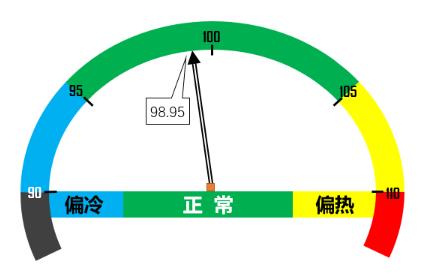
Core Insights - The oil and chemical industry prosperity index rose to 98.95 in September 2025, reflecting a mild recovery with a month-on-month increase of 0.52 percentage points [2][11] - The recovery is attributed to easing cost pressures and seasonal demand during the "golden September and silver October" period, which improved production activity and inventory turnover [2][11] Industry Overview - The oil and gas extraction sector's index decreased by 0.32 percentage points to 99.15, while the fuel processing industry saw an increase of 0.88 percentage points to 103.90 due to improved consumption and production rates [7][11] - The chemical raw materials and products manufacturing sector's index rose by 0.86 percentage points to 99.39, driven by enhanced production rates and inventory turnover [11] - The rubber, plastic, and other polymer products manufacturing sector's index increased by 0.55 percentage points to 93.21, although it faced structural pressures due to slow inventory turnover [11] Economic Factors - The Federal Reserve's decision to cut interest rates by 25 basis points to a range of 4% to 4.25% is expected to weaken the dollar, reducing costs for dollar-denominated commodities like oil and stimulating global demand [3][16] - OPEC+ has implemented a daily production increase of 547,000 barrels, contributing to a more relaxed global oil supply, while demand remains weak due to the end of the U.S. driving season and low manufacturing PMI across major economies [4][17] Future Outlook - In October, the oil price is expected to continue its weak trend, with ongoing relief in cost pressures for the petrochemical industry [9][18] - If seasonal demand continues to improve, particularly in sectors like home appliances, automotive, and textiles, there could be a positive impact on sales and profits in the downstream sectors [18]
褐皮书释放微妙信号,美联储进一步宽松“箭在弦上”
2 1 Shi Ji Jing Ji Bao Dao· 2025-10-16 12:54
Economic Overview - The Federal Reserve's Beige Book indicates that overall economic activity in the U.S. has not changed significantly, with some regions reporting slight to moderate growth, while others show stagnation or slight declines [1] - The report highlights that inflation is being driven up by tariffs imposed by the government, leading to challenges for businesses in absorbing costs or passing them on to customers [2][3] - The labor market remains stable, but demand is generally weak across most Federal Reserve districts [1][2] Labor Market Insights - The labor market is showing signs of weakness, with stable employment levels but low demand for labor across various sectors [1][3] - Employers are resorting to layoffs and natural attrition to reduce workforce numbers due to weak demand and economic uncertainty [1][3] - Immigration policies are contributing to labor shortages in industries such as hospitality, agriculture, construction, and manufacturing [1] Inflation and Consumer Spending - Rising costs from imports, tariffs, and service expenses are accelerating input costs for businesses, with some passing these costs onto consumers [2][6] - Overall consumer spending has slightly declined, particularly in retail, with a growing divide in spending patterns among different income groups [2][7] - The impact of tariffs on inflation is becoming evident, with core goods inflation rising, particularly in categories like clothing and vehicles [6][7] Federal Reserve Policy Outlook - The Federal Reserve is expected to continue its trend of interest rate cuts, with a consensus for further reductions in October and December [8][9] - The current economic environment presents a complex scenario of employment risks and inflation pressures, influencing the Fed's monetary policy decisions [9][10] - The potential for a more dovish Federal Reserve leadership in the future could lead to increased rate cuts, especially in response to significant economic downturn signals [9][10]
QT接近尾声 鲍威尔“鸽声”一锤定音 10月降息几成定局
2 1 Shi Ji Jing Ji Bao Dao· 2025-10-15 23:41
Group 1 - The Federal Reserve, led by Chairman Powell, is signaling a potential interest rate cut in October due to signs of a cooling labor market [1][7] - Powell indicated that the quantitative tightening (QT) program may be nearing its end, as the financial system's liquidity conditions are tightening [1][3] - The Fed's balance sheet has decreased from over $9 trillion to $6.6 trillion since mid-2022 due to QT measures [3] Group 2 - The end of QT is seen as a way to balance market sentiment, control inflation, and adjust liquidity conditions, with the timing differing from the cessation of interest rate hikes [4][5] - Analysts predict that ending QT could improve market liquidity, alleviate pressure on the bond market, and enhance expectations for monetary policy easing [5][6] Group 3 - Market expectations for a rate cut have increased, with concerns about the labor market overshadowing inflation risks [7][8] - The anticipated rate cut is expected to lower the 10-year U.S. Treasury yield, reflecting the impact of easing monetary policy on asset prices [9][10] Group 4 - A preventive rate cut is likely to benefit U.S. equities by enhancing market liquidity and reducing financing costs for companies [11] - The expected decline in U.S. Treasury yields may improve global financial market conditions and attract capital to emerging markets [11][12]
美联储褐皮书:关税推动物价上涨,消费者正感受到压力
财联社· 2025-10-15 20:01
Group 1 - The Federal Reserve's Beige Book indicates that tariffs imposed by the Trump administration are contributing to rising overall inflation, with businesses struggling to balance absorbing costs and passing them on to customers [1] - The report shows that since the last release on September 3, the overall economic growth in the U.S. has "remained largely unchanged," with a stable labor market but continued weak demand across most Federal Reserve districts [1] - Labor supply remains tight in sectors such as hotels, agriculture, construction, and manufacturing, influenced by recent changes in immigration policy [1] Group 2 - The term "tariff" appeared 64 times in the report, a decrease from 100 times in the August report, indicating a shift in focus [1] - The report notes that while input costs have risen due to tariffs, the extent to which these costs are passed on to final product prices varies among businesses [1] - Some companies have chosen to keep prices stable to maintain competitiveness, while others have fully passed on higher import costs to consumers [1] Group 3 - The report comes amid a government shutdown that has lasted three weeks, leading to missing economic data, which may increase the weight of the Beige Book in decision-making [2] - Consumer spending has slightly declined, although luxury goods and travel spending by high-income groups remain "strong," while lower-income groups rely more on discounts and promotions [2] - There is a cautious sentiment among businesses due to the ongoing government shutdown, despite some regions showing improved future expectations [2]

金价“狂飙”何时歇?三个信号预示“降温”拐点
Sou Hu Cai Jing· 2025-10-15 15:22
Core Point - The article discusses the potential cooling of gold prices, highlighting three key signals that may indicate a turning point for the market [1] Group 1: Federal Reserve Policy - The direction of the Federal Reserve's monetary policy is a critical factor influencing gold prices, with current high prices largely driven by strong expectations for interest rate cuts [2] - A divergence between market expectations and official statements from the Fed poses risks, as seen in past instances where over-optimistic rate cut expectations led to significant price drops [2] - Historical patterns show that tightening monetary policy by the Fed has historically been detrimental to gold prices, with examples from 1980 and 2013 illustrating this relationship [2] Group 2: Dollar Credit and Safe-Haven Demand - The long-term pricing of gold is closely tied to the credibility of the US dollar, while short-term fluctuations are heavily influenced by safe-haven demand [3] - A recovery in dollar credit could diminish gold's appeal as an alternative asset, particularly if the US effectively reduces its fiscal deficit [3] - The retreat of safe-haven demand can lead to short-term selling pressure on gold, as evidenced by historical instances where geopolitical tensions eased, resulting in price declines [4] Group 3: Market Signals - Current market indicators suggest a potential short-term turning point, with noticeable signs of capital withdrawal from gold investments [5] - A decline in open interest in gold futures and a reduction in holdings in major gold ETFs indicate that large investors are exiting positions, contrasting with retail investors who are still buying [5] - Technical analysis shows a divergence in momentum indicators, suggesting weakening buying pressure, with critical support levels potentially at risk of being breached [5][6] Conclusion - The article concludes that a short-term correction in gold prices is likely, driven by signals from the Federal Reserve, changes in dollar credit, and market dynamics [8] - Despite potential short-term declines, the long-term outlook for gold remains supported by strategic purchases by central banks and ongoing uncertainties in the global economy [8]

美国关键通胀数据因政府“停摆”推迟发布
Sou Hu Cai Jing· 2025-10-15 14:42
Group 1 - The U.S. government shutdown has delayed the release of key economic reports, including the Consumer Price Index (CPI) and employment data, which are crucial for economic assessment [1] - The Labor Department's Bureau of Labor Statistics, responsible for these reports, is significantly impacted by the shutdown, leading to potential longer delays in data collection and processing for October [1] - Federal Reserve Chairman Jerome Powell indicated that the Fed is currently relying on private sector data to evaluate the economy, but this cannot fully substitute for government statistics, especially for October data [1] Group 2 - High inflation typically necessitates the Federal Reserve to maintain high interest rates, while a slowing job market would push for rate cuts [2] - Data from the Labor Department revealed that non-farm payrolls increased by only 22,000 in August, a significant drop from the revised 79,000 in July and below market expectations [2] - The Consumer Price Index rose by 2.9% year-on-year in August, marking the largest increase since January and remaining above the Fed's long-term target of 2% [2]