物价回升

Search documents
刚刚,央行发布重磅报告!
Zheng Quan Ri Bao Wang· 2025-08-15 13:27
Core Viewpoint - The People's Bank of China (PBOC) emphasizes a moderately accommodative monetary policy to support high-quality economic development and ensure a favorable financial environment for sustained economic recovery [1][2]. Monetary Policy Implementation - The PBOC plans to implement a detailed and moderately accommodative monetary policy, ensuring liquidity remains ample and aligning social financing scale and money supply growth with economic growth and price level expectations [2]. - The report highlights the importance of promoting reasonable price recovery as a key consideration in monetary policy, aiming to maintain prices at a reasonable level [2]. Structural Support and Financial Stability - The PBOC aims to utilize both the total and structural functions of monetary policy tools to support sectors such as technology innovation, consumption, small and micro enterprises, and stabilize foreign trade [3]. - The report stresses the need to maintain the stability of the RMB exchange rate and prevent excessive fluctuations, enhancing the resilience of the foreign exchange market [3]. Price Level Trends - The report indicates a moderate recovery in price levels, with the Consumer Price Index (CPI) turning positive in June, and core CPI showing a gradual increase since April [4]. - Factors influencing price levels include ongoing economic improvements and efforts to address low-price competition in certain industries, which are expected to positively impact reasonable price recovery [4]. Credit Structure Optimization - The report discusses the continuous optimization of the credit structure, with a significant portion of new loans directed towards strategic sectors and areas needing support, such as technology and green finance [5]. - The proportion of medium- and long-term loans is increasing, providing stable funding for high-quality economic development, while direct financing's share is also rising [5]. Enhancing Service Consumption - The report highlights the importance of improving high-quality service consumption supply, with a focus on creating effective demand through high-quality supply [6][7]. - Financial policies will target supply-side improvements, ensuring ample liquidity and lowering financing costs to foster consumption growth [6][7].
【财闻联播】中国海警船与军舰冲撞?国防部回应!北京协和医学院院校长换人
券商中国· 2025-08-15 12:34
Macro Dynamics - India is seeking easier access to Chinese rare earths, with discussions expected during the upcoming China-India leaders' meeting at the Shanghai Cooperation Organization summit [2] - China's defense ministry responded to reports of a collision between a Chinese Coast Guard ship and a naval vessel, emphasizing that the Philippines' actions in the South China Sea were illegal and provocative [3] - The People's Bank of China highlighted the importance of promoting reasonable price recovery as a key consideration in monetary policy, aiming to maintain prices at a reasonable level [4][5] Market Data - On August 15, A-shares saw collective gains, with the Shanghai Composite Index rising by 0.83% and the ChiNext Index increasing by 2.61%, while the total trading volume was approximately 22,446.12 billion yuan [10] - In the Hong Kong market, the Hang Seng Index fell by 0.98%, but pharmaceutical and brokerage stocks showed strength, with notable gains from several companies [12] Company Dynamics - JD.com completed the acquisition of Hong Kong's Jiabao Supermarket and established a new business unit, with promotional activities planned to commence shortly [13] - Shengyi Technology reported a 52.98% year-on-year increase in net profit for the first half of 2025, with revenue reaching 12.68 billion yuan, driven by increased sales of copper-clad laminates [14] - Dongfang Fortune announced a net profit of 5.567 billion yuan for the first half of 2025, reflecting a 37.27% year-on-year growth, with revenue of 6.856 billion yuan [15] - Yinnuo Pharmaceutical officially listed on the Hong Kong Stock Exchange, raising a total of 1.514 billion yuan through four rounds of financing prior to its IPO [16]

央行发布二季度货币政策报告,透露哪些关键信号?
Sou Hu Cai Jing· 2025-08-15 11:35
Core Viewpoint - The People's Bank of China emphasizes the implementation of a moderately accommodative monetary policy to align social financing scale and money supply growth with economic growth and price level expectations. Group 1: Monetary Policy Implementation - The report highlights the importance of promoting reasonable price recovery as a key consideration in monetary policy, aiming to keep prices at a reasonable level [2] - The central bank aims to enhance the interest rate adjustment framework, strengthen policy interest rate guidance, and improve the market-based interest rate formation transmission mechanism [2] - The report stresses the need to ensure effective transmission of monetary policy, improve fund utilization efficiency, and balance financial support for the real economy with maintaining financial health [2] Group 2: Structural Policies and Support - In May, the People's Bank of China introduced a series of financial policy measures, including structural policy tools, with a focus on supporting service consumption and the elderly care industry with a loan quota of 500 billion yuan [4] - The central bank plans to maintain a supportive monetary policy stance in the second half of the year, focusing on reducing financing costs for businesses and increasing credit accessibility to stimulate domestic demand [4] - Various monetary policy tools, such as reverse repos and medium-term lending facilities, will be utilized to enhance liquidity management in the short to medium term [4] Group 3: Exchange Rate and Financial Stability - The report advocates for a managed floating exchange rate system based on market supply and demand, aiming to stabilize the yuan at a reasonable and balanced level [5] - The central bank will explore expanding its macro-prudential and financial stability functions to maintain market stability and prevent systemic financial risks [5]
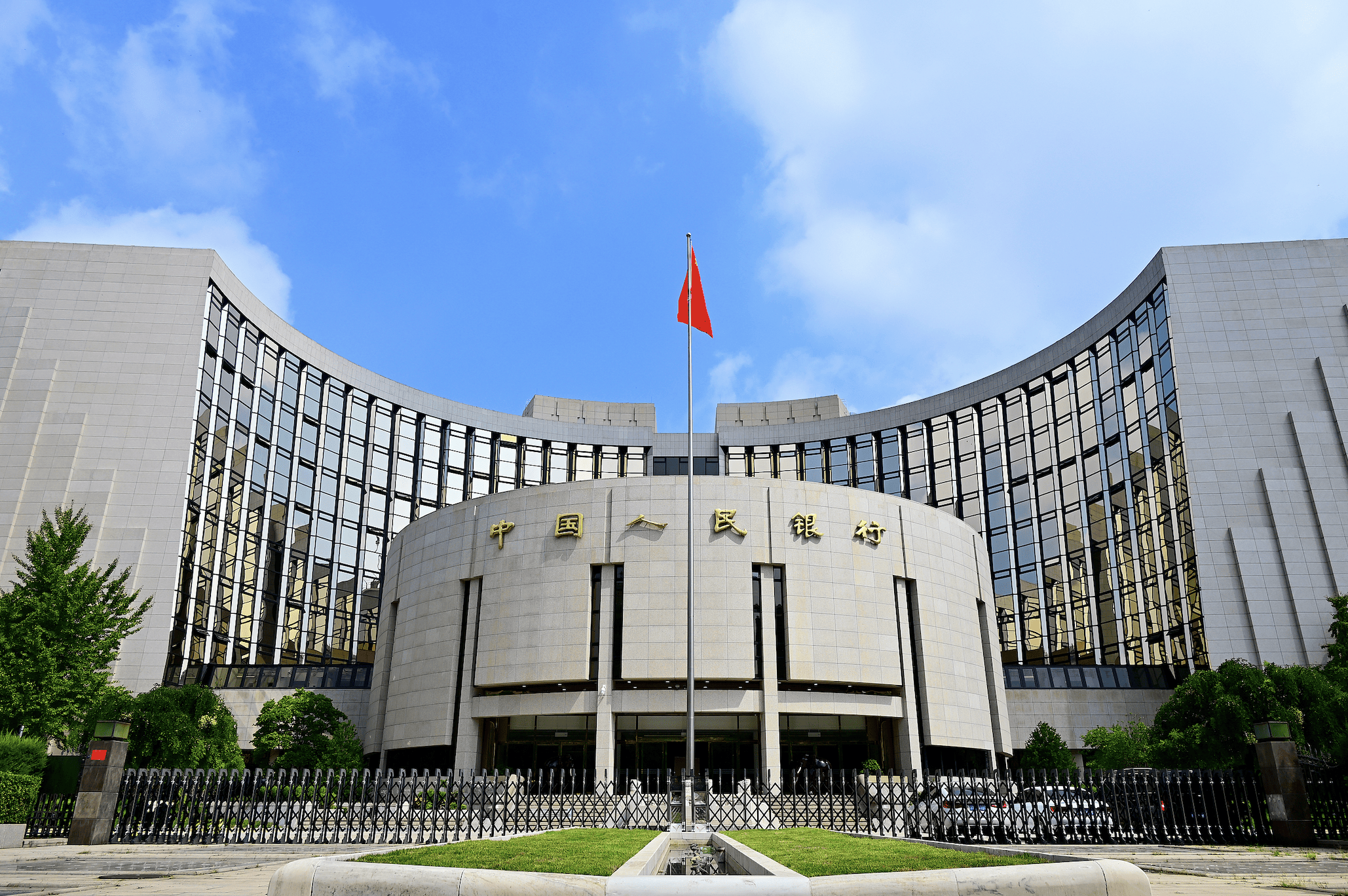
央行:把促进物价合理回升作为把握货币政策的重要考量,推动物价保持在合理水平
Di Yi Cai Jing· 2025-08-15 10:26
Core Viewpoint - The People's Bank of China (PBOC) is implementing a moderately loose monetary policy to support high-quality economic development and maintain stability in the financial environment [2][5]. Monetary Policy Implementation - The PBOC has adopted various monetary policy tools to ensure reasonable growth in money and credit, including a 0.5 percentage point reduction in the reserve requirement ratio in May, providing approximately 1 trillion yuan in long-term liquidity [2][4]. - The central bank has lowered policy interest rates by 0.1 percentage points and structural monetary policy tool rates by 0.25 percentage points in May, which has contributed to a decrease in both personal housing fund loan rates and overall financing costs [2][3]. Credit Structure Optimization - The establishment of a 500 billion yuan re-loan for service consumption and elderly care, along with an increase of 300 billion yuan in re-loan quotas for technological innovation, aims to support key domestic demand sectors [3][7]. - The PBOC is focusing on optimizing the credit structure to enhance support for consumption and technological innovation [3][7]. Financial Stability and Risk Management - The PBOC is committed to risk prevention and resolution, enhancing the monitoring and early warning systems for financial risks, and ensuring stable growth in financial aggregates [4][6]. - As of June, the total social financing stock and broad money supply (M2) grew by 8.9% and 8.3% year-on-year, respectively, with the balance of RMB loans at 268.6 trillion yuan [4]. Future Directions - The PBOC plans to maintain a balance between short-term and long-term goals, ensuring the stability of the banking system while supporting the real economy [5][6]. - The central bank will continue to refine the interest rate adjustment framework and enhance the transmission mechanism of monetary policy to lower financing costs [6][7].
新华全媒+丨CPI同比由降转升 部分行业价格呈企稳回升态势——透视6月份物价数据
Xin Hua Wang· 2025-08-12 05:43
Core Insights - The Consumer Price Index (CPI) in June turned from a decline to an increase of 0.1% year-on-year, indicating a marginal improvement in consumer prices [2] - The core CPI, excluding food and energy, rose by 0.7% year-on-year, marking the highest increase in nearly 14 months, reflecting a gradual recovery in consumer demand [3][4] CPI Analysis - The CPI's year-on-year increase was influenced by a rebound in industrial consumer goods prices and rising domestic fuel prices due to international oil price fluctuations [2] - The year-on-year decline in industrial consumer goods prices narrowed from 1.0% to 0.5%, reducing the downward pressure on CPI by approximately 0.18 percentage points [2] - Food prices decreased by 0.4% month-on-month, with specific items like freshwater fish and fresh vegetables seeing price increases [3] PPI Analysis - The Producer Price Index (PPI) fell by 0.4% month-on-month, with some industries showing signs of price stabilization and recovery [5] - The year-on-year decline in PPI expanded by 0.3 percentage points, but macroeconomic policies have improved supply-demand relationships in certain sectors [5][6] - Prices in the automotive manufacturing sector, including gasoline and new energy vehicles, showed a narrowing decline, indicating potential recovery in these industries [5][6] Policy Impact - The implementation of proactive macroeconomic policies has led to improvements in both manufacturing and non-manufacturing sectors, addressing supply-demand issues and supporting price trends [4] - The ongoing exit of outdated production capacity and the enhancement of product quality are expected to contribute to a gradual price recovery in the second half of the year [6]
宏观周报(8月第2周):PPI低于预期显示物价回升难度仍大-20250811
Century Securities· 2025-08-11 02:21
Group 1: Macroeconomic Indicators - July export data exceeded expectations, rising 7.2% year-on-year, up 1.3 percentage points from the previous value, supported by a low base and uncertainty over August tariffs[3] - July PPI fell 3.6% year-on-year, lower than expected, indicating challenges in price recovery despite rising high-frequency data and PMI[3] - Core CPI rose to 0.8% year-on-year, continuing its upward trend from the previous value, suggesting better-than-expected inflation performance[3] Group 2: Market Trends - The equity market saw a volume contraction with an average transaction amount of 1.6964 trillion yuan, down 113.2 billion yuan from the previous week[3] - The yield curve steepened, with short-term rates declining and long-term rates showing volatility, reflecting a mixed outlook for the bond market[3] - The U.S. stock market rose, with the Dow Jones up 1.35%, S&P 500 up 2.43%, and Nasdaq up 3.87%, while the 10-year U.S. Treasury yield increased to 4.29%[3] Group 3: Monetary Policy and External Factors - The People's Bank of China conducted 700 billion yuan in reverse repos, injecting medium to long-term liquidity into the market, contributing to a decline in short-term rates[3] - The probability of a U.S. rate cut in September rose to 87% due to weak employment data and aggressive White House stance, impacting inflation expectations[3] - The offshore RMB appreciated against the dollar, reinforcing expectations of capital inflows from overseas[3]
央行:研究出台金融支持消费指导性文件
Zhong Guo Zheng Quan Bao· 2025-08-08 07:24
Group 1 - The People's Bank of China (PBOC) emphasizes the implementation of a moderately loose monetary policy and the introduction of a comprehensive financial policy package to stabilize the capital market [1][2] - The report highlights the importance of maintaining ample liquidity and aligning social financing scale and money supply growth with economic growth and price level expectations [2][3] - The PBOC aims to enhance the effectiveness of monetary policy tools and support various sectors, including technology finance, green finance, and consumption [2][3] Group 2 - The report identifies consumer spending as a key area for driving domestic demand and economic growth, indicating that there is still room for further financial support for consumption [3][4] - Specific measures include optimizing consumer credit products, enhancing the funding capacity of consumer finance institutions, and constructing an efficient payment ecosystem [3][4] - The PBOC anticipates a moderate recovery in price levels, supported by the release of market demand and the ongoing transformation of the economic structure [4]
沈建光:财政数据背后有哪些信息
Di Yi Cai Jing· 2025-08-06 03:06
全面释放财政政策效力,还需着力促进物价合理回升。同时,做好政策储备,必要时及时出台增量政 策,保障下半年财政支出强度。 二是财政支出向民生倾斜。7月以来,国家育儿补贴实施方案、逐步推行免费学前教育、向失能老年人 发放养老服务消费补贴、财政更大力度支持稳就业等政策措施出台,充分表明财政支出更加注重民生, 更多资金资源将"投资于人"。 财政支出端也体现了上述特征。上半年,一般公共预算支出分项中,社会保障和就业、教育、卫生健康 三大民生类支出增速分别达到9.2%、5.9%、4.3%,均高于总体3.4%的增速,合计占一般公共预算支出 的比重达到40.3%,创2019年以来同期新高;相比之下,农林水事务、城乡社区事务、交通运输三大基 建类的支出增速分别只有-7.8%、-4.2%、-3.1%,合计占比降至18.6%的多年同期低点。 与此同时,上半年,侧重民生兜底、政府运行的一般国债(52%)、地方一般债(57%)发行进度快于 侧重项目建设的地方专项债(49%),也一定程度反映了财政支出向民生倾斜的政策取向。 7月30日,中央政治局会议指出"宏观政策要持续发力、适时加力""在保障改善民生中扩大消费需求"。 此前,国家育儿补 ...
专访刘元春:下半年中国经济新逻辑,准财政工具加力稳增长
2 1 Shi Ji Jing Ji Bao Dao· 2025-07-30 06:16
Economic Overview - China's GDP exceeded 66 trillion yuan in the first half of the year, growing by 5.3% year-on-year, laying a solid foundation for the annual target of around 5% [1] - In the second quarter, the economy grew by 5.2% year-on-year, with exports increasing by 7.2%, indicating resilience despite external pressures [1][5] - Consumer retail sales showed a rebound due to policies promoting the replacement of old goods, while investment growth slowed, particularly in infrastructure and real estate [1][5] Investment Insights - Investment growth has declined, with significant drops in real estate and infrastructure investments, and private investment turning negative [7] - The need for stronger investment policies is emphasized, as industrial profits and profit margins have decreased compared to the previous year [7][8] - The government is expected to implement supportive policies to stabilize investment, particularly in the face of declining returns [7][12] Consumption Trends - Consumption is projected to maintain steady growth, supported by various policies including a 1.38 billion yuan fund for replacing old goods [8][14] - Long-term strategies to boost consumption include improving social security systems and increasing residents' income [8][15] - The overall consumption market is estimated to be around 80 trillion yuan, with the 3 billion yuan stimulus being a relatively small part of the total [14] Real Estate Market - The real estate market is experiencing significant downward pressure, with sales and investment declining [15][16] - Policies are being developed to stabilize the market, including debt management for developers and promoting new housing demand through urban renewal projects [16][18] - The government is expected to enhance financing support for real estate companies and encourage debt restructuring to improve liquidity [16][18] Policy Recommendations - A more proactive fiscal policy and moderate monetary policy are necessary to address low demand and support economic recovery [10][12] - The focus should be on maintaining strong fiscal spending and potentially lowering interest rates to alleviate financial pressures on businesses [10][12] - Addressing "involution" in competition is crucial to restore market dynamics and improve investment returns [11][18]

刘元春:下半年中国经济新逻辑,准财政工具加力稳增长
2 1 Shi Ji Jing Ji Bao Dao· 2025-07-30 06:08
Economic Performance - China's GDP exceeded 66 trillion yuan in the first half of the year, growing by 5.3% year-on-year, laying a solid foundation for the annual target of around 5% [1][3] - The economy maintained stable growth in Q2 with a year-on-year growth of 5.2%, supported by a rebound in exports, which grew by 7.2% compared to Q1 [1][4] Investment Trends - Investment growth has slowed down, with declines in infrastructure and manufacturing investments, while real estate investment continues to decrease [1][6] - The need for policies to support investment is emphasized, as industrial profits and profit margins have decreased compared to the previous year [6][9] Export and Trade - Exports in the first half of the year increased by 5.9% year-on-year in USD terms, showing resilience despite high tariffs from the US [5][6] - The competitiveness of Chinese products is improving, transitioning from a traditional extensive development model to an intensive, innovative, and large-scale development model [5][6] Consumer Market - Consumer spending is expected to maintain steady growth, supported by policies such as the "old-for-new" subsidy program, which has 138 billion yuan available [6][10] - Long-term strategies to boost consumption include increasing residents' income and improving the social security system [11] Real Estate Market - The real estate market is facing downward pressure, with sales and investment declining; policies are needed to stabilize the market [10][12] - Measures to improve liquidity for real estate developers and promote debt restructuring are essential for market recovery [12][13] Fiscal and Monetary Policy - A more proactive fiscal policy and moderately loose monetary policy are necessary to stimulate demand and support economic growth [7][9] - The government is expected to issue special bonds and introduce policy financial tools to enhance support for key sectors [9][12] Market Competition - The need to address "involution" in competition is highlighted, focusing on restoring market regulation and promoting fair competition [14][15] - Regulatory measures are required to prevent irrational pricing behaviors and ensure a healthy competitive environment [14][15]