
AI浪潮

Search documents
南城香们疯狂加码,中小餐饮老板却在发愁:炒菜机真能救命?
3 6 Ke· 2025-12-29 13:40
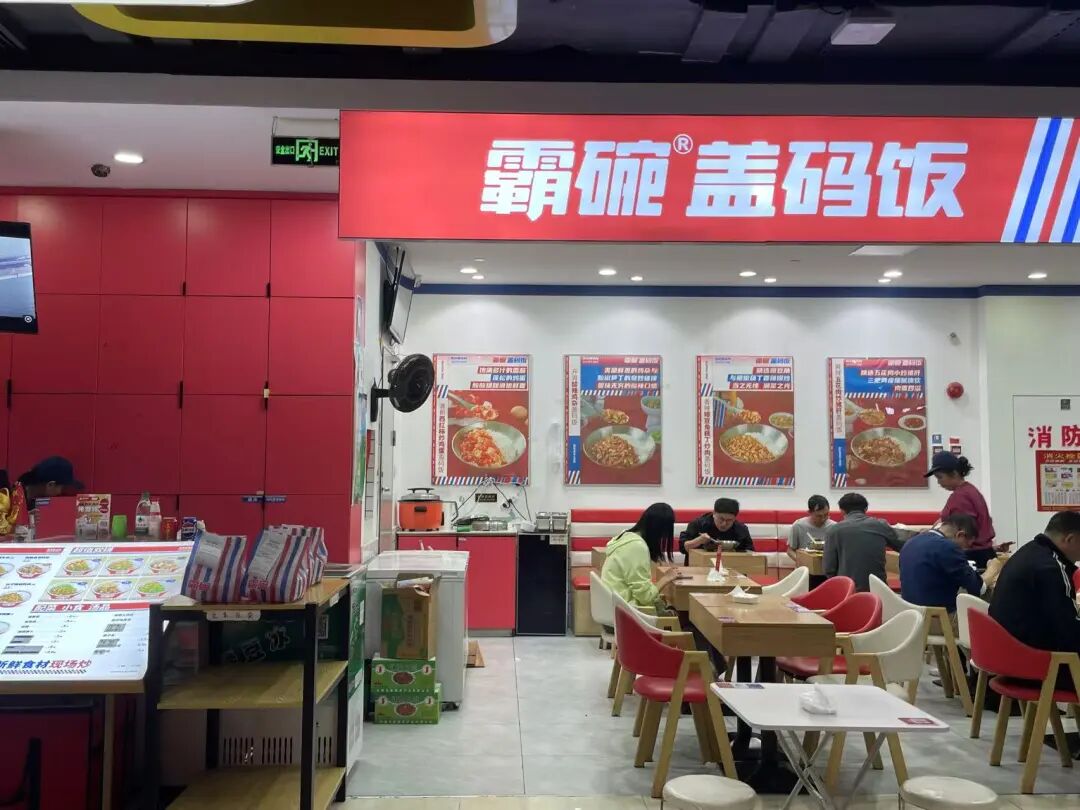
Core Insights - The article discusses the transformative impact of AI and smart cooking robots in the restaurant industry, highlighting both opportunities and challenges faced by restaurant owners in adopting this technology [1][2]. Group 1: Industry Trends - The integration of technology, particularly AI, is reshaping the efficiency boundaries in the restaurant sector, with a focus on the emergence of cooking robots [1]. - The market for cooking robots is projected to grow significantly, with a forecasted penetration rate of 50% in the group meal and fast food sectors by 2028 [4]. - Notable fast-food chains like Ba Wan and Lao Xiang Ji are already utilizing cooking robots, showcasing a trend towards automation in food preparation [6]. Group 2: Economic Implications - For large chain restaurants, the use of cooking robots can lead to a reduction in labor costs by up to 70%, allowing for a more efficient operation with fewer staff [11]. - The introduction of cooking robots has reportedly shortened the profitability cycle for new stores, enabling them to achieve profitability faster [12]. - However, small restaurant owners face high initial costs for cooking robots, which can range from 14,000 to 25,800, making it challenging to achieve a return on investment [14]. Group 3: Operational Challenges - Many restaurant owners express concerns about the high costs and long payback periods associated with cooking robots, which can lead to financial strain [14]. - The successful implementation of cooking robots requires significant kitchen modifications, with renovation costs estimated between 200,000 to 300,000 [15]. - Resistance from existing kitchen staff, particularly older chefs, poses a challenge to the adoption of cooking robots, as they may be reluctant to change their traditional cooking methods [17][18]. Group 4: Future Outlook - The article suggests that the future of smart kitchens lies in the effective integration of cooking robots, which can enhance food quality and operational efficiency when used correctly [19]. - A pilot project is underway in which a restaurant is designed around the use of cooking robots, aiming to demonstrate the potential benefits and operational model for other establishments [20].

20cm速递|整治光伏内卷决心明确!风光储赛道景气向上,迈为股份大涨18.06%,创业板新能源ETF华夏(159368)午后调整
Mei Ri Jing Ji Xin Wen· 2025-12-29 07:25
Group 1 - The A-share market experienced a decline in the three major indices, with the ChiNext New Energy ETF Huaxia (159368) showing a maximum drop of 1.93% in the afternoon session [1] - Notable stock performances included Maiwei Co., which rose by 18.06%, Zhenyu Technology by 7.40%, Taisheng Wind Energy by 4.50%, and Yunda Co. by 3.24% [1] - The transaction volume of the ChiNext New Energy ETF Huaxia reached 76.93 million yuan, ranking first among similar funds [1] Group 2 - The ChiNext New Energy ETF Huaxia (159368) is the largest ETF fund tracking the ChiNext New Energy Index, which covers various sectors including batteries and photovoltaics [2] - The fund has high elasticity, with a potential increase of up to 20%, and the lowest fee rate, with a total management and custody fee of only 0.2% [2] - As of November 30, 2025, the fund's scale reached 732 million yuan, with an average daily transaction volume of 72.75 million yuan over the past month [2] - The fund's allocation to energy storage and solid-state batteries is nearly 90%, aligning with current market trends [2] Group 3 - The State Administration for Market Regulation emphasized the importance of addressing "involution" competition in the photovoltaic industry, urging companies and associations to promote a healthy and sustainable industry ecosystem [1] - Industry outlook suggests that the photovoltaic supply chain may enter a phase of comprehensive price increases, with the potential for unexpected growth in energy storage demand by 2026 [1] - The global energy storage installation capacity is projected to reach 402 GWh by 2026, with a year-on-year growth rate of approximately 53%, driven by advancements in AI technology [1]

农银汇理基金新年投资展望:经济回暖下的结构性机遇
Sou Hu Cai Jing· 2025-12-29 03:25
Group 1 - The macroeconomic policy support and endogenous growth momentum in 2026 are expected to significantly strengthen compared to 2025, making economic recovery a high-probability event [1] - The export structure in 2025 shows a continuous increase in the proportion of high-end manufacturing-related electromechanical products, indicating a steady enhancement of China's manufacturing competitiveness, which lays a solid foundation for stable export performance in 2026 [1] - The 20th Central Committee's Fourth Plenary Session reiterated the focus on "economic construction," and the policy dividends from the 14th Five-Year Plan are expected to drive investment recovery, particularly in infrastructure and large projects [1] Group 2 - In 2026, the U.S. is expected to continue its interest rate cuts, providing room for adjustments in China's monetary policy, which will support liquidity in the equity market [2] - The current market risk appetite is expected to remain neutral to warm, with reduced concerns about potential tariff and trade-related risks, as both the Chinese and U.S. governments express positive outlooks for economic performance in 2026 [2] - The stock market in 2025 relied more on valuation increases, while in 2026, improvements in macro fundamentals are expected to lead to substantial performance enhancements across various industries, particularly in cyclical sectors [2] Group 3 - Cyclical industries such as non-ferrous metals and chemicals are expected to benefit from economic recovery and supply-side improvements, presenting promising profit recovery opportunities [3] - The ongoing AI wave and the increasing demand for self-sufficiency remain core investment themes in the technology sector [3] - The difficulty of stock selection in 2026 may increase, necessitating in-depth research to seize stock picking and timing opportunities [3]
12月29日热门路演速递 | 洞见2026投资主航道!全球配置、跨年行情、海外双宽、航天基建、机械全球化五重共振
Wind万得· 2025-12-28 22:31
Group 1 - The 2025 CICC Wealth Annual Investment Strategy Conference focuses on a comprehensive outlook for 2026, covering global macroeconomic trends, major asset classes, A-shares, Hong Kong stocks, bond markets, foreign exchange, and commodities, emphasizing the new investment paradigm under the theme "Ride the Momentum, Seek New Opportunities" [2] - Key speakers include leading analysts from CICC, providing insights into the impact of AI, easing trading conditions, economic recovery, and restructuring of order on investment strategies [2][3] Group 2 - The CICC Macro Strategy Weekly discusses strategies for positioning in the cross-year market, analyzing 50 key global and Chinese market charts, and exploring the implications of policy-driven supply-side reforms on consumption [5][6] - The report highlights the strengthening of the RMB and its effects on exchange rate dynamics and asset revaluation, aiming to assist investors in seizing opportunities at the beginning of 2026 [5][6] Group 3 - The macroeconomic outlook for the U.S. in 2026 includes considerations for the upcoming elections, with a focus on the interplay between monetary policy, fiscal measures, and tariff policies [8] - The U.S. economic forecast suggests a V-shaped recovery with a K-shaped structural outcome, indicating varied performance across sectors [9] Group 4 - The commercial aerospace sector is expected to benefit from the "14th Five-Year Plan," with significant opportunities arising from policy, performance, and technological advancements in 2026 [11] - Breakthroughs in rocket reusability are projected to significantly reduce launch costs and increase launch frequency, while advanced manufacturing concepts from the automotive industry will facilitate large-scale satellite production [11] Group 5 - The mechanical sector is witnessing a cyclical reversal and growth, with AI leading the charge in innovation and development [14] - Chinese industry leaders are positioned to shine on the global stage, reflecting a new wave of globalization [14]

农银汇理基金投资部副总经理陈富权:新年投资展望——经济回暖下的结构性机遇
Shang Hai Zheng Quan Bao· 2025-12-28 19:23
Group 1 - The macroeconomic policy support and endogenous growth momentum are expected to significantly strengthen by 2026, leading to a high probability of economic recovery [1] - Export resilience is anticipated, with a continued increase in the proportion of high-end manufacturing and machinery products in the export structure, bolstering stable export performance for 2026 [1] - Infrastructure and large projects are likely to become key investment focuses in 2026, supported by clear policy guidance and a recovering Consumer Price Index (CPI) [1] Group 2 - Liquidity in the equity market is expected to remain ample in 2026, providing support for market strength [2] - The current market risk appetite is neutral to slightly positive, with no significant risk points observed, and more industries are likely to see substantial performance improvements due to macroeconomic fundamentals [3] - Cyclical industries such as non-ferrous metals and chemicals are expected to benefit from economic recovery and "anti-involution" policies, presenting promising profit recovery opportunities [3]
亲历价格战、转型危机、人才慌:苏州IDC创业20年,活着比赚钱难
Sou Hu Cai Jing· 2025-12-28 18:18
Core Insights - The article chronicles the journey of Suzhou Shengwang IDC, highlighting the evolution of the company from a small operation in a tin house to a significant player in the data center industry over two decades. The founder reflects on the challenges faced, including market skepticism, price wars, and the need for technological upgrades to stay competitive in a rapidly changing environment [1][18]. Group 1: Early Years (2005-2010) - In 2005, the company started in a 120 square meter tin house with an initial investment of 200,000 yuan, purchasing eight second-hand cabinets and an IBM mini-computer [1][2]. - The first client was a foreign trade company that required server hosting, marking the beginning of the company's revenue generation [1][2]. - The founder faced significant challenges, including extreme temperatures in the tin house and a lack of market understanding, with many potential clients mistaking IDC services for simple server sales [4][2]. Group 2: Growth and Challenges (2011-2015) - The year 2008 marked a turning point as the e-commerce boom led to increased demand, with cabinet rental rates rising from 40% to 90% [6][8]. - However, a price war ensued as many new competitors entered the market, causing rental prices to drop significantly from 80,000 yuan in 2012 to as low as 30,000 yuan by 2014 [6][8]. - A major crisis occurred in 2013 when a competitor's power failure damaged the industry's reputation, leading to a loss of clients and necessitating significant investments in infrastructure to regain trust [8][6]. Group 3: Transformation and Innovation (2016-2020) - The introduction of the "green data center" policy in 2016 required a PUE (Power Usage Effectiveness) of 1.4 or lower, prompting the company to adopt liquid cooling technology to reduce its PUE from 1.8 to below 1.3 [10][12]. - The founder took significant financial risks, including mortgaging property and borrowing 2 million yuan to fund the necessary equipment for the upgrade [10][12]. - By 2018, approximately 37% of traditional IDC providers were eliminated due to failure to upgrade, while Suzhou Shengwang thrived by leveraging liquid cooling and hybrid cloud services [12][10]. Group 4: Current Trends and Future Outlook (2021-2025) - The rise of AI and the demand for high-density computing environments have led to a new wave of transformation in the IDC industry, with the company upgrading its facilities to support GPU clusters [13][14]. - A significant challenge remains in recruiting talent capable of managing advanced technologies, with a talent supply-demand ratio of 1:2.3 in Suzhou [13][14]. - The company continues to adapt, emphasizing the importance of staying ahead of technological trends and maintaining client trust in a rapidly evolving digital landscape [16][18].


新年投资展望:经济回暖下的结构性机遇
Shang Hai Zheng Quan Bao· 2025-12-28 13:28
Group 1 - The macroeconomic environment is expected to improve significantly in 2026, driven by stronger policy support and internal growth momentum, leading to a high probability of economic recovery [1] - Export resilience is anticipated, with a continued increase in the proportion of high-end manufacturing and machinery products in the export structure, bolstering the foundation for stable export performance in 2026 [1] - Infrastructure and large projects are expected to be key investment areas in 2026, supported by clear policy guidance and a recovering Consumer Price Index (CPI) [1] Group 2 - Liquidity in the equity market is projected to remain ample in 2026, providing support for market strength [2] - The risk appetite in the market is expected to maintain a neutral to slightly positive stance, with no significant risk points currently observed [2] - Structural opportunities are likely to expand further in 2026, particularly in cyclical industries such as non-ferrous metals and chemicals, which are expected to benefit from economic recovery and "anti-involution" policies [2]
美股2026年投资策略:比互联网泡沫:AI浪潮走到哪了?
Guoxin Securities· 2025-12-27 13:14
Investment Rating - The report maintains a "weaker than the market" rating for the U.S. stock market in 2026 [4] Core Insights - The current AI wave is compared to the late stages of the Internet bubble, indicating that it is in the 1→N phase, with the potential for significant growth in the N→N+ phase expected in the latter half of 2026 [3][4] - The report highlights that the AI industry's development is approximately one-third of the maximum extent seen during the Internet bubble, suggesting limited upside potential compared to historical peaks [3] - The analysis draws parallels between the factors that fueled the Internet bubble and the current market dynamics, emphasizing the role of financial supply and demand relationships [2][70] Summary by Sections Historical Background - The report discusses the historical context of the Internet bubble, attributing it to a combination of peace, fiscal reforms, and trade liberalization that created a favorable environment for asset inflation [11][70] - Key factors included a significant fiscal surplus post-World War II, a shift in deposit flows, and the emergence of non-bank financial institutions [1][70] Financial and Fundamental Factors - The report identifies the reversal of financial supply and demand as a direct cause of the Internet bubble's collapse, with excessive equity issuance leading to oversupply [2] - It notes that the fundamental overestimation of demand and underestimation of supply in the fiber optic market contributed to the bubble's burst [2] AI Wave Comparison - The report categorizes the AI wave into stages, likening the current phase to the late 1990s, suggesting that the AI industry is nearing the end of its initial growth phase [3] - It predicts a slowdown in growth during the first half of 2026, followed by a potential acceleration in the latter half as the industry transitions to a more mature phase [3] Market Dynamics - The report emphasizes the importance of understanding the interplay between investment expectations and the availability of financing, which has historically driven market cycles [70] - It highlights the role of external factors, such as foreign investment and trade dynamics, in shaping the financial landscape [60][70]


又见“孔雀东南飞” 年末6.5万+优质岗位引爆广东求职热
2 1 Shi Ji Jing Ji Bao Dao· 2025-12-27 09:49
Group 1 - Guangdong has become the preferred employment province for Peking University graduates outside of Beijing, with Shenzhen being the top city choice [1][5] - The "Million Talents Gather in South Guangdong" initiative has held over 5,000 recruitment events, attracting more than 1,000 universities and over 1.1 million talents to choose Guangdong [1][6] - The recent recruitment event featured 1,825 key employers offering over 65,000 quality job positions, with participation from over 1700 universities and more than 120,000 students [1][3] Group 2 - The newly established "Chain Master Enterprise Zone" showcased 8 leading companies, including BYD, Gree, and Tencent, along with over 80 supply chain partners, highlighting the demand for talent across the entire industry chain [3] - Major companies like Huawei, Tencent, and BYD participated in the recruitment event, offering positions with salaries ranging from 17,000 to 40,000 yuan per month, making it favorable for fresh graduates [2][3] - The APEC Talent Connection Service Zone attracted 34 foreign enterprises from APEC member economies, providing quality job opportunities for foreign and returning talents [3] Group 3 - The event also included a "Hundred Schools Gather in South Guangdong" section, inviting over 180 universities from outside the province and signing more than 30 cooperation projects between government, schools, and enterprises [5][6] - Peking University has been actively collaborating with Guangdong and Shenzhen, with nearly 1,000 graduates choosing to work in Guangdong annually, and over 70% of them in Shenzhen [5][6] - The initiative aims to enhance the integration of technological and industrial innovation in Guangdong, contributing to the region's competitive advantages [5]
天风策略:2026年A股>美股>铜>黄金>美债>人民币>中债>美元>原油
Xin Lang Cai Jing· 2025-12-27 09:07
Core Viewpoint - The report outlines a positive outlook for various asset classes in 2026, with a ranking that favors A-shares, followed by US stocks, copper, and gold, while indicating a weaker position for oil and the US dollar [1][3][11]. Macroeconomic Environment Outlook - Fiscal expansion in Europe and the US is expected to support economic growth, with the "Big and Beautiful" plan from Trump likely benefiting the 2026 economy [2][10]. - The US is anticipated to experience mild monetary easing, with the Federal Reserve expected to lower interest rates twice in 2026, while the European Central Bank may maintain its policy rate [2][10]. - Manufacturing is projected to recover from a low point in 2025, driven by fiscal stimulus and easing geopolitical tensions [2][10]. Major Asset Class Outlook - The asset ranking for 2026 is as follows: A-shares > US stocks > copper > gold > US Treasuries (including coupons) > RMB > Chinese bonds > USD > oil [3][11]. - A-shares are expected to benefit from foreign capital inflows due to Fed rate cuts, with a projected increase in earnings and valuation [4][12]. - US stocks are at historical high valuations, with potential for increased volatility in 2026, while earnings growth may be limited [5][12]. - Copper demand is expected to stabilize due to AI data center construction and renewable energy projects, with a recovery in global manufacturing [4][12]. - Gold is anticipated to continue its upward trend due to strong central bank demand and geopolitical risks, despite a significant increase in 2025 [5][12]. Currency and Bond Market Outlook - The US dollar is expected to decline initially and then stabilize, with a limited overall drop due to stronger US economic performance compared to Europe and Japan [13]. - The 2-year US Treasury yield is projected to decline to around 3.1%-3.2%, while the 10-year yield may remain above 4% for most of 2026 [13]. - The RMB is likely to appreciate, supported by a recovering Chinese economy and favorable policies [4][12]. Commodity Outlook - Oil prices are expected to remain under pressure, with a bearish sentiment dominating the market, while copper prices may remain strong due to supply constraints and demand recovery [6][13]. - Silver has seen a significant increase in 2025, and its fundamentals remain strong, although a technical correction may occur [6][13].
