Workflow
供给侧改革
icon
Search documents
供给侧产能调整,?猪期货反弹
Zhong Xin Qi Huo· 2025-07-04 07:03
1. Report Industry Investment Ratings - Oils and Fats: Oscillating with a bullish bias [4] - Protein Meal: Oscillating [4] - Corn and Starch: Oscillating [4] - Live Pigs: Oscillating with a bullish bias [5] - Natural Rubber: Oscillating [6] - Synthetic Rubber: Oscillating [9] - Cotton: Oscillating [10] - Sugar: Oscillating [11] - Pulp: Oscillating with a bearish bias [12] - Logs: Oscillating with a bearish bias [13] 2. Core Viewpoints of the Report - The report analyzes the market conditions of multiple agricultural products. In the short - term, the prices of live pigs and oils and fats may show a bullish trend, while protein meal, corn, and other products will oscillate. In the long - term, the supply of live pigs may face pressure, and the sugar market may decline due to expected supply increases [2][4][5]. 3. Summaries According to Relevant Catalogs 3.1 Market Views 3.1.1 Oils and Fats - Yesterday, the market oscillated and showed differentiation. The market should continue to monitor changes in the US biodiesel policy. Due to technical buying and optimistic demand expectations for soybean oil in the US biofuel industry, US soybeans rose on Wednesday, and domestic oils oscillated and showed differentiation yesterday, with palm oil being relatively strong. In the future, oils may continue to oscillate with a bullish bias, but the sustainability of the upward trend should be noted [4]. 3.1.2 Protein Meal - The price rose first and then fell, continuing to oscillate. Internationally, the US "Big and Beautiful" Act was passed, and US soybeans rebounded from the lower limit of the range. Domestically, soybean meal inventories continued to accumulate, and supply pressure may lead to a weakening of spot prices. In the long - term, protein meal may be supported by cost and oscillate in the short - term [4]. 3.1.3 Corn and Starch - The futures market remained weak, and the spot market stabilized. The current fundamentals of the corn market are affected by factors such as rainfall, changes in supply rhythm, and wheat substitution. The short - term trend is oscillating [4][5]. 3.1.4 Live Pigs - Affected by the expected supply - side reform in the industry, the live pig futures market rebounded. In the short - term, pig prices have temporarily changed from weak to strong, but in the long - term, there is still supply pressure [2][5]. 3.1.5 Natural Rubber - Rubber prices continued to fluctuate with commodities. The current fundamentals of natural rubber are relatively stable, with limited price changes, and the market is waiting for new variables [6][8]. 3.1.6 Synthetic Rubber - The weak raw materials dragged the market down. The current fundamentals of synthetic rubber are not significant, and the market mainly follows the fluctuations of natural rubber and overall commodities. The market may continue to decline, and attention should be paid to the previous low support [9]. 3.1.7 Cotton - Low inventory supports cotton prices. Although there are expectations of increased production in the new season, the current low inventory structure is expected to be beneficial to cotton prices, and the short - term price may be relatively resistant to decline [10]. 3.1.8 Sugar - The external market continued to weaken, and the domestic - foreign price difference widened. Domestically, there is an expectation of concentrated arrivals of imported sugar, and the sugar price is expected to be under pressure [11]. 3.1.9 Pulp - The futures market continued to rebound, but the spot market did not follow. The supply - demand situation of pulp is weak, and the futures market is expected to oscillate with a bearish bias [12]. 3.1.10 Logs - The fundamentals changed little, and the market oscillated. The log market is in a traditional off - season, and the medium - term supply - demand pattern is expected to be weak on both sides [13]. 3.2 Variety Data Monitoring - The report lists the data monitoring of multiple varieties, including the prices of live pigs, oils and fats, cotton, etc., but does not provide detailed analysis in this part [16][47][66][105][118][133][152]. 3.3 Rating Standards - The report provides rating standards such as "bullish", "oscillating with a bullish bias", "oscillating", "oscillating with a bearish bias", and "bearish", and the time period is the next 2 - 12 weeks [165].
新世纪期货交易提示(2025-7-4)-20250704
Xin Shi Ji Qi Huo· 2025-07-04 06:57
Report Industry Investment Ratings - Iron Ore: Rebound [2] - Coking Coal and Coke: Oscillation [2] - Rolled Steel and Rebar: Rebound [2] - Glass: Rebound [2] - Soda Ash: Oscillation [2] - Shanghai Composite 50: Rebound [2] - CSI 300: Oscillation [2] - CSI 500: Uptrend [4] - CSI 1000: Uptrend [4] - 2 - year Treasury Bond: Oscillation [4] - 5 - year Treasury Bond: Oscillation [4] - 10 - year Treasury Bond: Rebound [4] - Gold: High - level Oscillation [4] - Silver: High - level Oscillation [4] - Pulp: Oscillation [6] - Logs: Oscillation [6] - Soybean Oil: High - level Oscillation [6] - Palm Oil: High - level Oscillation [6] - Rapeseed Oil: High - level Oscillation [6] - Soybean Meal: Oscillation with a Bearish Bias [6] - Rapeseed Meal: Oscillation with a Bearish Bias [6] - No. 2 Soybeans: Oscillation with a Bearish Bias [6] - No. 1 Soybeans: Oscillation with a Bearish Bias [6] - Live Pigs: Rebound [8] - Rubber: Rebound [10] - PX: Wait - and - See [10] - PTA: Try Shorting at Highs [10] - MEG: Try Shorting at Highs [10] - PR: Wait - and - See [10] - PF: Wait - and - See [10] Core Viewpoints - The iron ore market shows a pattern of gradually increasing supply, relatively low demand, and an entry into the inventory accumulation stage. In the short term, due to emotional disturbances, it's recommended to exit previous short positions and wait and see. For coking coal and coke, with potential supply increases and uncertain demand, attention should be paid to the trends of hot metal and supply. The steel products market has a complex supply - demand situation, with short - term rebounds affected by policies and seasonal factors. The glass market lacks substantial positive factors, and its demand is difficult to recover significantly. The financial market is affected by factors such as policy support for infrastructure projects, economic data, and interest rate policies, with different trends for various stock indices and bonds. The precious metals market, especially gold, is influenced by central bank purchases, geopolitical risks, and interest rate policies, maintaining a high - level oscillation. The light industry and agricultural products markets have their own supply - demand characteristics and price trends, such as the pulp market being in a situation of weak supply and demand, the live pig market expected to rise, and the rubber market having a wide - range oscillation [2][4][6][8][10]. Summaries by Categories Black Industry - **Iron Ore**: Recently, the iron ore futures price has risen due to emotional factors. Although the global shipping volume and arrival volume have both declined this period, they are still at relatively high levels in recent years. There is an expectation of increased shipping volume later, and the arrival pressure may increase. During the industrial off - season, the output of five major steel products has increased, and the hot metal output is strong. The port inventory is still decreasing. In the long - term, the supply - demand surplus pattern remains unchanged. It's recommended to exit previous short positions and wait and see [2]. - **Coking Coal and Coke**: Affected by supply - side reform news and Tangshan production restrictions, the prices of black products have risen, and raw materials have followed. There are rumors of some coke enterprises and coal mines resuming production, and the supply is expected to increase. The steel mills are suppressing coke prices, the profit of coke enterprises has shrunk, and the inventory pressure has increased. Attention should be paid to the trends of hot metal and supply [2]. - **Rolled Steel and Rebar**: Due to rumors of production reduction policies in Tangshan and supply - side reform news, the futures price has rebounded. In the off - season, the building materials demand has slightly increased, the output of five major steel products has continued to rise, and the total steel inventory is flat. However, the total demand is difficult to show an inverse - seasonal performance [2]. - **Glass**: There is no substantial positive factor in the glass fundamentals. The speculative sentiment in the Shahe area has been reignited. To achieve seasonal inventory reduction, the daily melting volume needs to be reduced below 154,000 tons. With the arrival of the rainy season, the demand is expected to weaken, and the total inventory is at a relatively high level in the past two years. In the long - term, the glass demand is difficult to recover significantly [2]. Financial Industry - **Stock Index Futures/Options**: On the previous trading day, the CSI 300 index rose by 0.62%, the Shanghai Composite 50 index rose by 0.07%, the CSI 500 index rose by 0.50%, and the CSI 1000 index rose by 0.53%. Funds flowed into the electronic components and pharmaceutical sectors and out of the coal and energy equipment sectors. With policy support for infrastructure projects and the issuance of special bonds, infrastructure investment is expected to accelerate. It's recommended to hold long positions in stock indices [2][4]. - **Treasury Bonds**: The central bank carried out reverse repurchase operations, and there was a large - scale net withdrawal of funds on that day. The market interest rate was consolidating, and the bond prices rebounded slightly. It's recommended to hold long positions in bonds lightly [4]. - **Gold and Silver**: In the context of high - interest rates and globalization restructuring, the pricing mechanism of gold is shifting. Central bank purchases are the key factor, and gold's various attributes are affected by different factors such as debt problems, interest rates, and geopolitical risks. Gold is expected to maintain a high - level oscillation [4]. Light Industry - **Pulp**: The cost price has decreased, and the support for pulp prices has weakened. The papermaking industry's profitability is low, and the demand is in the off - season. The pulp market is in a situation of weak supply and demand, and the price is expected to oscillate [6]. - **Logs**: The daily shipment volume of logs at ports has increased, and the futures first - delivery has boosted market activity. The supply pressure is expected to increase with the increase in arrival volume, but the supply - demand contradiction is not prominent. Attention should be paid to the impact of the first - delivery on prices [6]. Agricultural Products - **Oils and Fats**: The palm oil inventory in Malaysia has increased for three consecutive months. With the reduction of export tariffs, the export momentum is expected to continue. The demand for soybean oil and its upstream raw materials is expected to increase. However, due to factors such as high inventory and weak demand, the prices of three major oils are expected to oscillate at a high level [6]. - **Meal Products**: The soybean planting area in the US has decreased slightly, and the weather in the US soybean - producing areas has improved. With the high - yield of South American soybeans and large - scale imports in China, the soybean meal market is expected to oscillate with a bearish bias [6]. - **Live Pigs**: The supply side shows strong price - holding sentiment in the northern region, and the pig price is expected to continue rising. In the southern region, the supply is expected to be tight in July. The average trading weight of live pigs has decreased, and the slaughter enterprise's purchase strategy has changed. The pig price is expected to continue rising [8]. Soft Commodities and Polyester - **Rubber**: On the supply side, the raw material supply is tight due to rainfall in major rubber - producing areas. On the demand side, the capacity utilization rate of the tire industry has a structural rise. The inventory situation is complex, and the rubber price is expected to maintain a wide - range oscillation [10]. - **PX, PTA, MEG, PR, PF**: PX prices follow oil prices, with a short - term tight supply - demand pattern. PTA's supply - demand is expected to weaken in the medium - term, and its price follows cost fluctuations. MEG's supply - demand is strong in the near - term and weak in the long - term. PR and PF markets have their own supply - demand and price characteristics, with different trading outlooks [10].
《能源化工》日报-20250704
Guang Fa Qi Huo· 2025-07-04 06:51
1. Report Industry Investment Ratings No relevant content provided. 2. Core Views of the Report PVC and Caustic Soda - The policy signal of supply - side optimization brings positive long - term expectations for the supply - demand contradiction of PVC, but the short - term supply - demand contradiction remains prominent. The export volume may decline in the third quarter, and the anti - dumping tax decision in mid - July will affect future exports. The PVC inventory is lower than the same period in 23 - 24, and the pressure is limited. The short - term disk is strong, but the upward space should be viewed with caution [6]. - For caustic soda, the supply - side optimization expectation boosts market sentiment, and the price rebounds. The supply - demand contradiction is limited, but high profits stimulate high production. The downstream non - aluminum market is in the off - season, and the alumina purchase price adjustment has limited support for the caustic soda price. After the stimulus news, there is low - price speculative demand. It is recommended to wait and see [6]. Methanol The port's inventory accumulation, Iranian device restart, and MTO device shutdown increase the port's inventory pressure and weaken the basis. The inland market is weak due to high production and the off - season of demand, but the increase in maintenance plans in July eases the supply pressure. Overall, the upward and downward space of methanol is limited, and interval operation is recommended [10]. LLDPE and PP PP and PE are in a state of supply contraction, with increasing PP maintenance losses and low PE import expectations, driving inventory reduction. The weighted valuation has been repaired, and the July balance sheet shows a de - stocking expectation, but there is still overall pressure. In the short - term, attention can be paid to the support brought by de - stocking. For PP, it is recommended to short when the price rebounds to the 7200 - 7300 range [13]. Urea The urea disk is mainly driven by macro - policies. The anti - involution policy stimulates the commodity market, and the export collection and device maintenance support the price. However, weak industrial demand and unclear export quotas limit the upward space. It is necessary to track policy details, agricultural demand progress, and device maintenance dynamics. The disk needs export and downstream demand support to continue to rise [19]. Crude Oil Oil prices are oscillating weakly due to concerns about trade negotiations and OPEC+ supply decisions. The increase in US crude oil inventory further exacerbates supply pressure. The future trend depends on the OPEC+ meeting and trade negotiation results. It is recommended to wait and see, with resistance levels for WTI at [66, 67], Brent at [68, 69], and SC at [510, 520] [77]. Styrene The pure benzene market rebounds weakly, supported by crude oil and affected by the possible resumption of US ethane exports to China. High imports and production suppress the pure benzene price. The styrene market in East China is stable, with a strong basis before the end - of - month paper delivery. High - price transactions are limited. In the medium - term, high profits may lead to over - supply, and attention can be paid to short - selling opportunities [73]. Polyester Industry Chain - PX: The supply - demand is tight in the short - term, but with the PXN repair, some device maintenance may be postponed. The PX drive is limited, and it is expected to oscillate at a high level in the short - term, with the PX09 oscillating in the 6600 - 6900 range [81]. - PTA: The supply - demand is expected to weaken in July, and the basis has weakened. The absolute price is under pressure but supported by raw materials. It is recommended to short at the upper limit of the 4600 - 4900 range and conduct a rolling reverse spread for TA9 - 1 [81]. - Ethylene Glycol: The supply is increasing, and the supply - demand is turning to be loose. The short - term price is expected to oscillate. It is recommended to conduct a reverse spread for EG9 - 1 at high prices [81]. - Short - fiber: The supply - demand is weak. The absolute price is supported by raw materials, and the processing fee has been repaired to a limited extent. PF should be operated similarly to PTA, and the processing fee can be expanded at a low level [81]. - Bottle - chip: The supply - demand is expected to improve. The processing fee is bottoming out, and the absolute price follows the cost. It is recommended to operate PR similarly to PTA, conduct a positive spread for PR8 - 9 at low prices, and expand the processing fee at the lower limit of the 350 - 600 yuan/ton range [81]. 3. Summaries According to Relevant Catalogs PVC and Caustic Soda - **Price Changes**: The price of East China calcium - carbide - based PVC increased by 0.4% on July 3 compared to July 2, while the price of East China ethylene - based PVC remained unchanged. The export profit of PVC increased by 147.2% from June 19 to June 26. The FOB price of caustic soda in East China decreased by 2.4% from June 19 to June 26, but the export profit increased by 61.3% [2][3]. - **Supply**: The caustic soda industry's operating rate increased by 1.2% from June 20 to June 27, and the PVC total operating rate increased by 0.1%. The profit of externally purchased calcium - carbide - based PVC increased by 2.2%, while the northwest integrated profit decreased by 20.5% [4]. - **Demand**: The operating rate of the alumina industry increased by 0.5% from June 20 to June 27, while the operating rates of the viscose staple fiber and printing and dyeing industries decreased [5]. The operating rates of PVC downstream products such as pipes and profiles decreased, and the pre - sales volume decreased by 2.9% [6]. - **Inventory**: The inventory of liquid caustic soda in East China factories and Shandong decreased, while the PVC upstream factory inventory decreased by 1.6%, and the total social inventory increased by 1.9% [6]. Methanol - **Price and Spread**: The closing prices of MA2601 and MA2509 increased on July 3 compared to July 2, with increases of 0.66% and 0.42% respectively. The MA91 spread decreased by 20.00%, and the Taicang basis decreased by 32.79% [10]. - **Inventory**: The methanol enterprise inventory, port inventory, and social inventory all increased, with increases of 3.14%, 0.47%, and 1.37% respectively [10]. - **Operating Rate**: The upstream domestic enterprise operating rate decreased by 3.19%, the downstream external - purchase MTO device operating rate increased by 1.28%, and the formaldehyde operating rate decreased by 1.95% [10]. LLDPE and PP - **Price and Spread**: The closing prices of L2601 remained unchanged, L2509 decreased by 0.05%, PP2601 increased by 0.18%, and PP2509 increased by 0.03% on July 3 compared to July 2. The L2509 - 2601 spread decreased by 15.38%, and the PP2509 - 2601 spread decreased by 25.00% [13]. - **Inventory**: The PE enterprise inventory decreased by 2.19%, the social inventory increased by 9.12%, the PP enterprise inventory decreased by 2.55%, and the PP trader inventory increased by 10.81% [13]. - **Operating Rate**: The PE device operating rate increased by 3.95%, the downstream weighted operating rate decreased by 0.24%, the PP device operating rate decreased by 0.4%, and the PP powder operating rate decreased by 1.3% [13]. Urea - **Price and Spread**: The futures prices of different contracts showed different changes on July 3 compared to July 2. The 01 - 05 contract spread decreased by 16.67%, the 05 - 09 contract spread increased by 17.24%, and the 09 - 01 contract spread decreased by 7.32% [15][16]. - **Inventory**: The domestic urea factory inventory decreased by 7.06%, and the port inventory increased by 14.70% on a weekly basis [19]. - **Production**: The domestic urea daily production remained unchanged, and the weekly production remained unchanged. The device maintenance loss increased by 12.53% on a weekly basis [19]. Crude Oil - **Price and Spread**: On July 4, Brent crude oil decreased by 0.45%, WTI increased by 0.19%, and SC increased by 0.66%. The Brent - WTI spread decreased by 7.22%, and the EFS decreased by 1.46% [77]. - **Product Price and Spread**: The prices of NYM RBOB and ICE Gasoil changed slightly, and the spreads of different contracts also showed different changes [77]. - **Crack Spread**: The crack spreads of various refined oils decreased to different degrees on July 4 compared to July 3 [77]. Styrene - **Upstream Price**: On July 3, Brent crude oil decreased by 0.4%, CFR Japan naphtha increased by 0.9%, and the prices of CFR Northeast Asia ethylene and CFR Korea pure benzene increased slightly [71]. - **Spot and Futures Price**: The East China spot price of styrene decreased by 0.1%, EB2508 increased by 0.5%, and EB2509 increased by 0.4%. The basis decreased by 14.4%, and the monthly spread increased by 6.2% [71]. - **Overseas Price and Import Profit**: The CFR China price of styrene increased by 0.7%, and the import profit decreased by 96.3% [72]. - **Operating Rate and Profit**: The domestic pure benzene comprehensive operating rate decreased by 2.9%, the styrene operating rate increased by 1.4%, and the profits of different products showed different changes [73]. - **Inventory**: The inventories of pure benzene, styrene, PS, EPS, and ABS all increased to different degrees [73]. Polyester Industry Chain - **Upstream Price**: On July 3, Brent crude oil decreased by 0.4%, CFR Japan naphtha increased by 0.9%, and the prices of CFR Northeast Asia ethylene and CFR China PX changed slightly [81]. - **Product Price and Cash Flow**: The prices of various polyester products such as POY, FDY, and DTY decreased to different degrees, and the cash flows also changed [81]. - **Operating Rate**: The operating rates of Asian PX, Chinese PX, PTA, MEG, and polyester products all decreased to different degrees [81]. - **Inventory and Arrival Expectation**: The MEG port inventory decreased by 12.4%, and the arrival expectation increased by 141.9% [81].
广发早知道:汇总版-20250704
Guang Fa Qi Huo· 2025-07-04 06:41
Report Industry Investment Rating There is no information provided in the report regarding the industry investment rating. Core Views of the Report - The A-share market showed an oscillating rebound with sector rotation. The four major stock index futures contracts rose, but the basis discount widened. Considering the improvement in the macro situation and the index breaking through the upper limit of the short-term oscillation range, there is a need to be vigilant about the risk of chasing high prices [2][3]. - The government bond futures market was narrowly oscillating, with most varieties slightly rising. Given the loose capital situation, the overall sentiment of bond futures is strong, but there is a lack of momentum to break through previous highs in the short term [5][6]. - The precious metals market saw a divergence in the trends of gold and silver. The strong resilience of the labor market reduced the possibility of the Fed cutting interest rates in July. The "Big and Beautiful" bill may stimulate economic growth, and the US dollar index showed signs of stopping its decline and rebounding [8][9]. - The container shipping futures market is expected to be in a narrow - range oscillation in the short term before the August quotes are released [11][12]. - In the non - ferrous metals market, copper prices are expected to remain strong in the short term; alumina is expected to be weakly oscillating; aluminum is expected to be in a wide - range high - level oscillation; zinc is expected to be oscillating in the short term and bearish in the medium - to - long term; tin is expected to be strongly oscillating in the short term; nickel and stainless steel are expected to be oscillating within a certain range; and lithium carbonate is expected to be oscillating in the short term [13][18][23][26][30][32][35][36]. - In the ferrous metals market, steel prices are strengthening due to better - than - expected off - season demand and improved market sentiment; iron ore is expected to be strongly oscillating in the short term and bearish in the medium - to - long term; coking coal and coke are expected to be oscillating, with suggestions for hedging and speculative trading [40][43][44][48]. - In the agricultural products market, soybean meal is in the process of bottom - grinding in the short term; the spot price of live pigs is oscillating strongly; corn is oscillating narrowly, and the price is expected to rise in the medium term; sugar is expected to be bearish after a rebound [50][54][57][59]. Summary by Directory Financial Derivatives - Financial Futures Stock Index Futures - **Market Conditions**: On Thursday, the major A - share indexes rebounded. The Shanghai Composite Index rose 0.18%, the Shenzhen Component Index rose 1.17%, and the ChiNext Index rose 1.90%. The four major stock index futures contracts also rose, but the basis discount widened [2][3]. - **News**: The June Caixin China General Services Business Activity Index declined. Overseas, Trump announced a trade agreement with Vietnam, and the US lifted restrictions on the export of chip design software to China [3]. - **Capital**: On July 3, the A - share trading volume decreased slightly. The central bank conducted 572 billion yuan of 7 - day reverse repurchase operations, with a net withdrawal of 452.1 billion yuan [4]. - **Operation Suggestion**: Be vigilant about the risk of chasing high prices. Consider lightly shorting MO options with an exercise price of 5900 in August - September [4]. Government Bond Futures - **Market Performance**: Government bond futures closed mostly higher. The 30 - year contract fell 0.02%, the 10 - year contract was flat, the 5 - year contract rose 0.01%, and the 2 - year contract rose 0.01%. The yields of major interest - rate bonds in the inter - bank market mostly declined [5]. - **Capital**: The central bank conducted 572 billion yuan of 7 - day reverse repurchase operations, with a net withdrawal of 452.1 billion yuan. The capital situation is loose, but there may be disturbances in July [5][6]. - **Operation Suggestion**: In the short term, consider appropriately allocating long positions on dips and taking profits when approaching previous highs. Pay attention to economic data and capital trends. Consider positive arbitrage strategies and steepening the yield curve [6]. Financial Derivatives - Precious Metals - **Market Review**: The US non - farm payrolls data exceeded expectations, reducing the possibility of the Fed cutting interest rates. The "Big and Beautiful" bill was passed. Gold prices fell, while silver prices rose [8][9]. - **Future Outlook**: Gold is expected to rise in the long term, with short - term price oscillations between $3300 - $3400. Silver is expected to oscillate between $36 - $37 in the short term. Consider selling out - of - the - money gold options [9][10]. Financial Derivatives - Container Shipping Futures (EC) - **Spot Quotes**: As of July 4, the quotes of major shipping companies are provided. - **Index**: As of June 30, the SCFIS European line index rose 10% month - on - month, and the US West line index fell 22% [11]. - **Fundamentals**: As of July 1, the global container shipping capacity increased by 8% year - on - year. The PMI data of the eurozone and the US are provided [11]. - **Logic**: The futures market rose slightly, and it is expected to be in a narrow - range oscillation in the short term [12]. - **Operation Suggestion**: The EC08 main contract is expected to oscillate between 1800 - 2000 [12]. Financial Derivatives - Non - Ferrous Metals Copper - **Spot**: As of July 3, copper prices were high, suppressing downstream demand [13]. - **Macro**: The COMEX - LME spread widened. The market underestimated the possibility of tariffs, and copper prices are unlikely to weaken before the end of the US copper restocking [13]. - **Supply**: The TC of copper concentrate is low, and the supply is tight. In June, the domestic electrolytic copper production decreased slightly, and it is expected to increase in July [14][15]. - **Demand**: The short - term domestic demand is resilient, but the "rush to export" demand may overdraw future demand [15]. - **Inventory**: COMEX inventory is accumulating, while domestic inventory is slightly decreasing [16]. - **Logic**: The macro environment and fundamentals support copper prices. The price is expected to be strong in the short term [16]. - **Operation Suggestion**: The main contract is expected to oscillate between 80000 - 82000 [17]. Alumina - **Spot**: As of July 3, the prices in different regions showed different trends [17]. - **Supply**: In June, the domestic alumina production increased, and the operating capacity recovered [17]. - **Inventory**: As of July 3, the port inventory increased [18]. - **Logic**: The price rose due to news from Guinea, but the fundamentals remain unchanged, with a slight oversupply. It is expected to be weakly oscillating [18]. - **Operation Suggestion**: The main contract is expected to oscillate between 2750 - 3100. Consider shorting on rallies in the medium term [18]. Aluminum - **Spot**: As of July 3, the price increased, and the premium decreased [18]. - **Supply**: In June, the domestic electrolytic aluminum production decreased slightly. The aluminum - water ratio is expected to decline in July [19][20]. - **Demand**: Downstream industries are in the off - season, and the开工 rates of various sectors are decreasing [20]. - **Inventory**: The domestic inventory is increasing slightly, and the LME inventory is unchanged [20]. - **Logic**: The market is oscillating at a high level. The macro environment and low inventory support prices, but the off - season demand restricts the upside [21]. - **Operation Suggestion**: The main contract is expected to oscillate between 20000 - 20800 [21]. Aluminum Alloy - **Spot**: As of July 3, the prices remained unchanged [21]. - **Supply**: In May, the production of recycled aluminum alloy ingots decreased. The industry is in the off - season, and the decline in June is expected to be limited [22]. - **Demand**: In May, the demand was weak, and the order volume decreased at home and abroad [22]. - **Inventory**: As of July 3, the social inventory increased [22]. - **Logic**: It is expected to be weakly oscillating, mainly paying attention to the supply of scrap aluminum and import changes [23]. - **Operation Suggestion**: The main contract is expected to oscillate between 19200 - 20000 [23]. Zinc - **Spot**: As of July 3, the price increased, and the downstream purchasing sentiment was weak [23]. - **Supply**: The supply of zinc ore is expected to be loose. In June, the domestic refined zinc production increased, and it is expected to continue to increase in July [24][25]. - **Demand**: The premium showed different trends in different regions. The开工 rates of primary processing industries decreased, and the demand is expected to remain weak [25]. - **Inventory**: The domestic social inventory is accumulating, and the LME inventory is slightly decreasing [26]. - **Logic**: The supply of zinc ore is loose, and the demand is weak. The price is expected to be oscillating in the short term and bearish in the medium - to - long term [26]. - **Operation Suggestion**: The main contract is expected to oscillate between 21500 - 23000 [26]. Tin - **Spot**: As of July 3, the price remained unchanged, and the downstream demand was weak [26]. - **Supply**: In May, the domestic tin ore and tin ingot imports increased, mainly from African countries [27]. - **Demand and Inventory**: In May, the solder paste开工 rate decreased. As of July 3, the LME inventory decreased, the SHFE warehouse receipts decreased, and the social inventory increased [28]. - **Logic**: The supply is tight, and the demand is expected to be weak. The price is expected to be strongly oscillating in the short term and bearish based on inventory and import data [29][30]. - **Operation Suggestion**: It is expected to be strongly oscillating in the short term. Consider shorting on rallies based on inventory and import data [30]. Nickel - **Spot**: As of July 3, the price increased [30]. - **Supply**: In June, the refined nickel production decreased slightly, and it is expected to increase in July [30]. - **Demand**: The demand for electroplating and alloys is stable, while the demand for stainless steel and nickel sulfate is weak [31]. - **Inventory**: The overseas inventory is high, and the domestic social inventory is slightly decreasing [31]. - **Logic**: The macro environment drives the price up, but the industrial overcapacity restricts the upside. It is expected to be oscillating in the short term [32]. - **Operation Suggestion**: The main contract is expected to oscillate between 118000 - 124000 [32]. Stainless Steel - **Spot**: As of July 3, the price remained unchanged [33]. - **Raw Materials**: The price of nickel ore is expected to decline, and the price of nickel iron is weak [33][35]. - **Supply**: In June, the domestic stainless steel production decreased slightly, and the 300 - series production increased slightly [33][34]. - **Inventory**: The social inventory is decreasing slowly, and the warehouse receipts decreased [34]. - **Logic**: The macro environment improves the trading sentiment, but the fundamentals remain under pressure. It is expected to be oscillating in the short term [35]. - **Operation Suggestion**: The main contract is expected to oscillate between 12500 - 13000 [36]. Lithium Carbonate - **Spot**: As of July 3, the price of lithium carbonate increased, and the price of lithium hydroxide decreased slightly [36]. - **Supply**: In June, the production increased, and it is expected to continue to increase in July. The weekly production decreased slightly [37]. - **Demand**: The demand is stable, but it is difficult to increase significantly in the off - season [37][39]. - **Inventory**: The inventory is at a high level and is accumulating [38][39]. - **Logic**: The short - term fundamentals are under pressure, and the price is expected to be oscillating between 60,000 - 65,000 [39][40]. - **Operation Suggestion**: The main contract is expected to oscillate between 60,000 - 65,000 [40]. Financial Derivatives - Ferrous Metals Steel - **Spot**: The spot price followed the futures price, and the basis of rebar strengthened while that of hot - rolled coil weakened [40]. - **Supply**: The production decreased slightly from the high level, with a more significant decline in rebar [40]. - **Demand**: The apparent demand for the five major steel products remained stable at a high level, and the inventory was low [41]. - **View**: Steel prices are strengthening due to better - than - expected off - season demand and improved market sentiment. The hot - rolled coil main contract is expected to oscillate between 3150 - 3300, and the rebar is expected to oscillate between 3050 - 3150 [41]. Iron Ore - **Spot**: The prices of mainstream iron ore powders increased [42]. - **Futures**: The iron ore futures rose [42]. - **Basis**: The basis of different iron ore varieties is provided [42]. - **Demand**: The daily pig iron production decreased, and the blast furnace operating rate decreased [42]. - **Supply**: The global iron ore shipment decreased, and the arrival volume at ports decreased [42][43]. - **Inventory**: The port inventory decreased slightly, and the steel mill's imported iron ore inventory increased [43]. - **View**: It is expected to be strongly oscillating in the short term and bearish in the medium - to - long term. Consider going long on dips, with the range of 700 - 750 [43]. Coking Coal - **Futures and Spot**: The futures price rose, and the spot price was strong [44]. - **Supply**: The production of coking coal is expected to increase, and the import situation is complex [45][47]. - **Demand**: The demand for coking coal decreased slightly, but the downstream replenishment increased [45][46][47]. - **Inventory**: The overall inventory is at a medium level [46]. - **View**: Consider hedging the 2601 contract on rallies, and going long on dips for the 2509 contract or conducting long coking coal - short coke arbitrage [47]. Coke - **Futures and Spot**: The futures price rose, and the spot price was stable. The fourth price cut was implemented [48][49]. - **Profit**: The average profit per ton of coke is negative in most regions [48]. - **Supply**: The production of coke decreased slightly [48]. - **Demand**: The demand for coke decreased slightly [49]. - **Inventory**: The inventory of coking plants decreased, the port inventory decreased, and the steel mill's inventory increased [49]. - **View**: Consider hedging the 2601 contract on rallies, and going long on dips for the 2509 contract or conducting long coking coal - short coke arbitrage [49]. Financial Derivatives - Agricultural Products Meal - **Spot Market**: The price of soybean meal increased in some regions, and the trading volume decreased. The price of rapeseed meal increased, and the trading volume was zero [50][51]. - **Fundamentals**: The US Senate's new tax bill is beneficial to US soybean and corn growers. The export sales of US soybeans are expected to increase [51][52]. - **Outlook**: The US soybean price has strengthened support, and the domestic soybean meal is in the process of bottom - grinding in the short term [53]. Live Pigs - **Spot**: The spot price is oscillating strongly [54]. - **Market Data**: The breeding profit has increased, the secondary fattening inventory has increased, and the average slaughter weight has increased [54][55]. - **Outlook**: The short - term sentiment is strong, but there is pressure above the 09 contract [56]. Corn - **Spot Price**: The prices in different regions are stable [57]. - **Fundamentals**: The inventory data in different regions and sectors are provided, and the import auction is ongoing [57][58]. - **Outlook**: The price is expected to be stable in the short term, with support in the medium term. Pay attention to the policy auction [58]. Sugar - **Analysis**: The international raw sugar price is oscillating weakly, and the domestic price is oscillating at the bottom. The domestic market is expected to be bullish in the short term and bearish after the rebound [59]. - **Fundamentals**: The sugar production in Brazil increased, and the sugar production in Thailand is expected to increase in the 2025/26 season [59][60].
“反内卷”带来的商品情绪提振 铁矿石震荡偏强
Jin Tou Wang· 2025-07-04 06:04
Group 1 - Iron ore futures experienced a fluctuation with a peak at 741.0 yuan and a current price of 737.5 yuan, reflecting a 1.30% increase [1] - Dongwu Futures indicates a strong oscillation in iron ore prices, supported by high demand in non-major steel materials despite a seasonal decline in domestic demand for hot-rolled and rebar [2] - Wenkang Futures suggests that iron ore prices are in a state of wide fluctuation, influenced by macroeconomic expectations and supply disruptions from production limits in Tangshan and Vale's reduced pellet output [3] Group 2 - CICC Futures maintains a strong outlook for iron ore prices, citing high iron water production and robust steel mill profits, which support the price despite potential downward pressures from capacity reduction [4] - The overall sentiment in the market is leaning towards bullish logic for iron ore, as it remains one of the strongest commodities in the black industry chain [4]
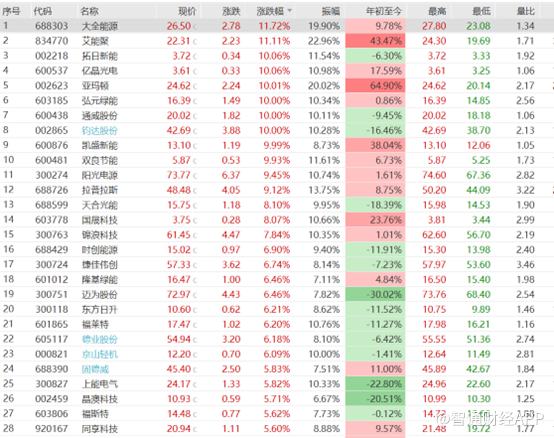
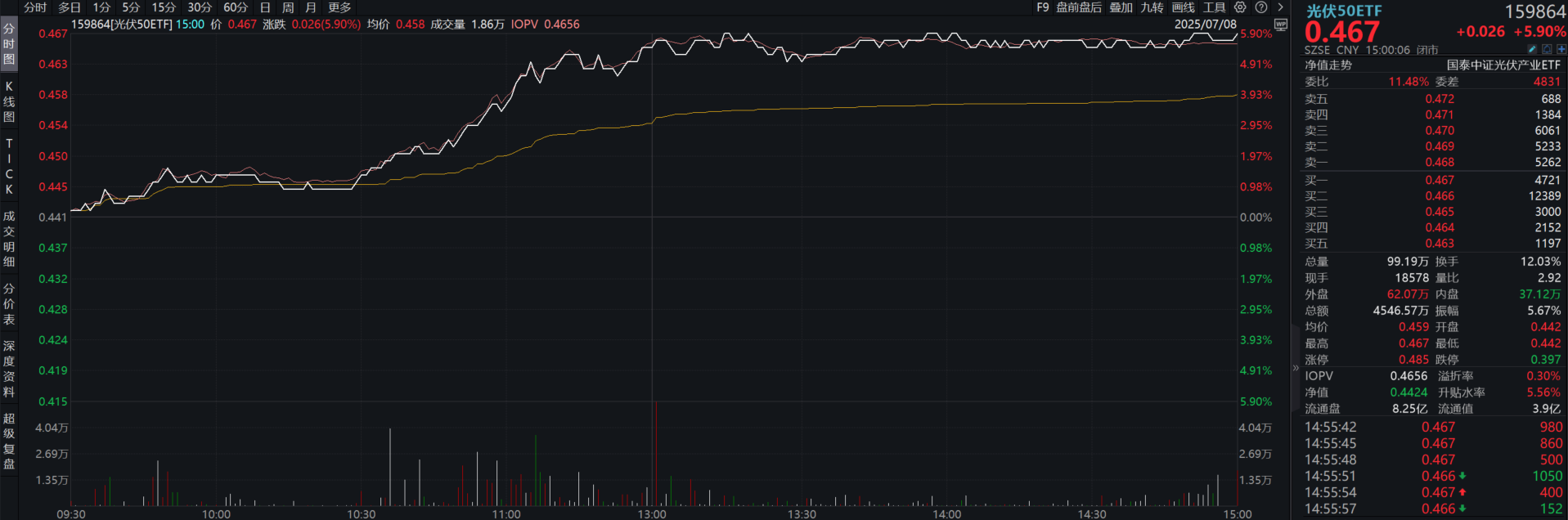
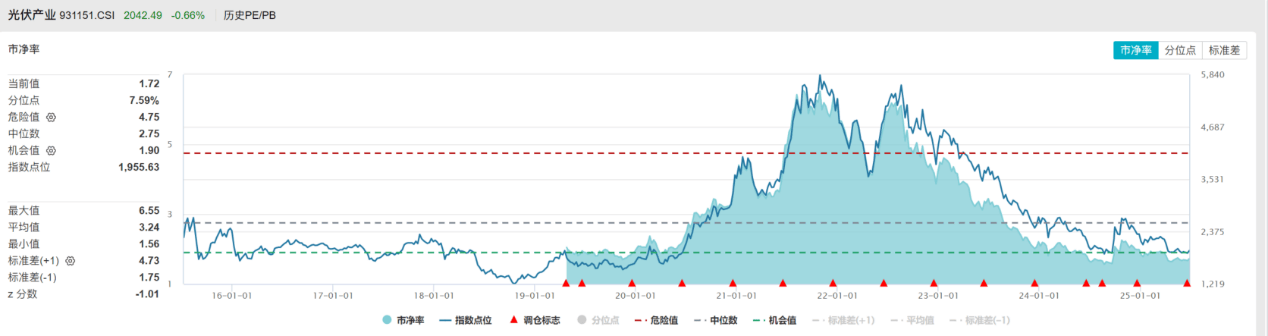
政策重拳治理无序竞争,光伏产业链价格承压,供给侧改革成反转关键
Di Yi Cai Jing· 2025-07-04 05:38
Group 1 - The current pace of industry clearing is significantly lagging, with chaotic competition and inefficient capacity difficult to exit, indicating that the complexity of the industry far exceeds market economic rules [1][2] - The Ministry of Industry and Information Technology (MIIT) has initiated measures to address low-price disorder in the photovoltaic industry, emphasizing legal compliance and guiding companies to enhance product quality [2] - Despite rising expectations for production cuts, prices across the photovoltaic industry chain continue to be under pressure due to weak demand following the end of the installation rush, with silicon wafer prices down approximately 20% and silicon material prices down 16% compared to late February [2][3] Group 2 - Global new installed capacity is expected to reach 520 GW in 2025, with a year-on-year growth rate declining to -5%, indicating a downward trend in growth [3] - In the domestic market, the implementation of the "136 Document" in 2025 is anticipated to further slow down the overall installed capacity growth, with projections of approximately 240-250 GW of new installations, reflecting a year-on-year decline of about 10% [3] - The price of silicon materials has stabilized recently, driven by unclear recovery expectations and policy implementation, although the market remains cautious due to inventory and weak demand [3][4] Group 3 - Silicon wafers are influenced by both upstream silicon material supply and downstream demand, with recent collective price support actions from silicon material manufacturers potentially providing support for silicon wafer prices [4] - N-type battery prices have declined, with average prices for various types falling below cash costs, indicating a pessimistic outlook for future price trends [4] - Component prices are currently stable, with future performance dependent on whether upstream segments can maintain price levels [4] Group 4 - Goldman Sachs predicts that the turning point for photovoltaic capacity may occur in the second half of 2026, with high-cost capacity expected to exit on a large scale starting in 2025 [5] - The average cash profit margin for the photovoltaic industry is projected to reach a turning point by the end of 2025, based on three main factors: the need for capacity exit to undergo 2-3 years of financial loss testing, the time lag between demand growth and capacity digestion, and slow adjustments in technology, policy, and trade environments [5]
煤焦早报:焦煤库存向下游转移,成交回升,多单择机加仓-20250704
Xin Da Qi Huo· 2025-07-04 03:27
-------------------- 商品研究 -------------------- [Table_ReportType] 煤焦早报 ----------------- 期 走势评级: 焦炭——看涨 焦煤——看涨 刘开友—黑色研究员 从业资格证号:F03087895 投资咨询证号:Z0019509 联系电话:0571-28132535 邮箱:liukaiyou@cindasc.com 信达期货股份有限公司 CINDAFUTURESCO.LTD 杭州市萧山区钱江世纪城天人大厦19-20楼 邮编:311200 报告内容摘要: 报告日期: [Table_ReportDate] 2025 年 7 月 4 日 [Table_Summary] 相关资讯: 焦煤: 现货提涨,期货反弹。蒙 5#主焦煤报 934 元/吨(-0),现货持续提涨。活跃合约报 856 元/吨(+12.5)。基差 98 元/吨(-12.5),9-1 月差-58 元/吨(-10)。 供给收缩,需求小幅下调。523 家矿山开工率报 83. 28%(+1.34),110 家洗煤厂 开工率报 59.72%(+0.45)。230 家独立焦企生产率报 7 ...
黑色建材日报-20250704
Wu Kuang Qi Huo· 2025-07-04 02:56
Report Summary 1. Report Industry Investment Rating No investment rating information is provided in the report. 2. Core Viewpoints - The overall atmosphere in the commodity market rebounded yesterday, with the prices of finished steel products showing a volatile and upward trend. The "anti - involution and capacity reduction" proposal and the expected production restrictions in the Beijing - Tianjin - Hebei region have pushed up the prices of steel products. However, the actual implementation of these policies needs further verification. The static fundamentals of steel have no obvious contradictions, and future attention should be paid to policy trends, terminal demand recovery, and cost support [3]. - The price of iron ore is in a wide - range volatile state in the short term. The supply of iron ore has decreased, and the demand has also declined due to factors such as seasonal maintenance of blast furnaces and production cuts by some steel mills. The impact of macro - expectations on the market has increased, and attention should be paid to the interference of production restrictions in Tangshan and the reduction of pellet production expectations by Vale [6]. - For manganese silicon and silicon iron, the prices are expected to maintain a volatile or slightly rebound state in the short term. The market is optimistic about the "capacity reduction" policy, but there are still uncertainties. Enterprises with hedging profit margins are recommended to conduct appropriate hedging operations [9][10]. - The price of industrial silicon is still in a downward trend. The market is optimistic about the "capacity reduction" policy, but the comparison with the 2015 supply - side reform is questionable. Short - term speculative short positions are recommended to wait and see [12][13]. - For glass, the policy expectation has a strong impact on the price, and short positions are recommended to avoid and wait. For soda ash, the supply is still abundant, and the inventory pressure is large. It is expected to rebound following glass, but the sustainability of the rebound is limited [15][17]. 3. Summary by Category Steel - **Futures and Spot Prices**: The closing price of the rebar main contract was 3076 yuan/ton, up 11 yuan/ton (0.358%) from the previous trading day. The spot prices in Tianjin and Shanghai remained flat. The closing price of the hot - rolled coil main contract was 3208 yuan/ton, up 17 yuan/ton (0.532%) from the previous trading day. The spot price in Lecong increased by 10 yuan/ton, while that in Shanghai remained flat [2]. - **Fundamentals**: This week, the apparent supply and demand of rebar both increased, and the inventory depletion speed slowed down. The output of hot - rolled coils slightly increased, the demand declined, and the inventory slightly accumulated, but it was still at a five - year low [3]. Iron Ore - **Futures and Spot Prices**: The main contract of iron ore (I2509) closed at 733.00 yuan/ton, up 1.45% (+10.50). The spot price of PB powder at Qingdao Port was 725 yuan/wet ton, with a basis of 35.46 yuan/ton and a basis rate of 4.61% [5]. - **Supply and Demand**: The latest iron ore shipments decreased, and the near - end arrivals also declined. The daily average pig iron output decreased, and the terminal demand was neutral. The port inventory changed little, and the steel mill's imported ore inventory increased [6]. Manganese Silicon and Silicon Iron - **Futures and Spot Prices**: On July 3, the main contract of manganese silicon (SM509) closed down 0.24% at 5712 yuan/ton, and the spot price in Tianjin was at a premium to the futures. The main contract of silicon iron (SF509) closed down 0.85% at 5390 yuan/ton, and the spot price in Tianjin was also at a premium to the futures [8]. - **Market Outlook**: The prices are expected to be volatile or slightly rebound in the short term. The market is optimistic about the "capacity reduction" policy, but there are uncertainties [9][10]. Industrial Silicon - **Futures and Spot Prices**: On July 3, the main contract of industrial silicon (SI2509) closed down 2.44% at 8010 yuan/ton. The spot prices of 553 and 421 in East China increased, and both were at a premium to the futures [12]. - **Market Outlook**: The price is still in a downward trend. The market's optimism about the "capacity reduction" policy needs further verification [12][13]. Glass and Soda Ash - **Glass**: The spot price in Shahe increased by 21 yuan, and that in Central China remained flat. The national inventory decreased slightly. The policy expectation pushed up the futures price, and short positions are recommended to avoid and wait [15]. - **Soda Ash**: The spot price decreased by 20 yuan. The domestic inventory increased by 2.30%. The demand continued to decline, and the supply was still abundant. It is expected to rebound following glass, but the rebound sustainability is limited [15][17].
宝城期货甲醇早报-20250704
Bao Cheng Qi Huo· 2025-07-04 01:58
Report Summary 1. Report Industry Investment Rating No relevant content provided. 2. Core View of the Report - The methanol 2509 contract is expected to maintain a moderately strong and fluctuating trend in the short - term, medium - term, and intraday periods, with a general view of a moderately strong operation. The domestic methanol futures contract 2509 may maintain a moderately strong and fluctuating trend on Friday [1][5]. 3. Summary by Related Catalogs 3.1 Price and Market Conditions - On Thursday night, domestic methanol futures maintained a moderately strong and fluctuating trend, with the futures price slightly rising 0.66% to 2,424 yuan/ton [5]. 3.2 Driving Logic - Supply side: Domestic methanol production capacity is continuously being released, increasing internal supply pressure. Overseas shipments are constantly arriving at ports, increasing external supply expectations, and ports are entering a inventory accumulation cycle [5]. - Demand side: Downstream demand has entered the off - season, and the supply - demand structure has become looser [5]. - Policy aspect: Recent high - level meetings in China have set the tone for a new round of supply - side reforms, which may boost domestic commodity futures [5].
供给侧改革2.0要来了?钢铁盘中领涨,钢铁ETF(515210)涨超1.1%
Mei Ri Jing Ji Xin Wen· 2025-07-04 01:53
Group 1 - Recent policies aimed at reducing "involution" in the industry have been introduced, with a focus on supply-side reforms [1] - Approximately half of the steel companies in Tangshan have received notifications regarding emission reduction and production limits from July 4 to July 15 [1] - Historical data indicates that core industries like steel and coal have outperformed the CSI 300 index in the year following previous reforms, suggesting potential rebound opportunities in these sectors [1] Group 2 - The current downward risk in related industries appears limited, while the upward potential remains constrained by unclear policy effectiveness and demand elasticity [1] - The shift in policy focus from "quantity" to "price" indicates a strategic change by policymakers, aiming to end the negative feedback loop in pricing through supply-side reforms [1] - Investors are encouraged to actively position themselves in previously oversold sectors, as the timing for cyclical industry investments may be approaching [1]