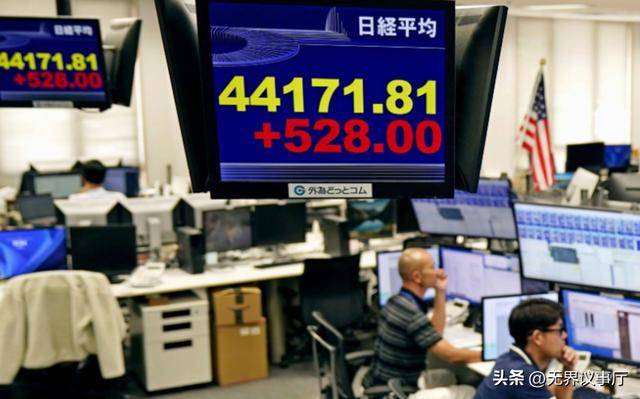
日元加息

Search documents
铜铝周报:沪铜触及10万关口-20251229
Bao Cheng Qi Huo· 2025-12-29 10:57
Report Investment Rating - The report does not mention any investment ratings for the industry. Core Views - **Copper**: Macro factors continue to drive up copper prices, but caution is needed for a potential high - level pullback before the New Year's Day holiday. Last week, copper prices accelerated their upward movement, with SHFE copper reaching the 100,000 - yuan mark and open interest rising to 660,000 contracts. The market liquidity recovered after the yen interest rate hike in late December, pushing up copper prices. However, the pressure on the mid - and downstream industries has been increasing, with the basis and calendar spreads weakening and the social inventory of electrolytic copper rising significantly. The benchmark processing fee for copper concentrate long - term contracts in 2026 is set at $0/ton, much lower than in 2025, which may lead to production cuts and intensify supply shortage expectations. The short - term upward momentum is strong, but the price is at a historical high, and there is a divergence between the domestic industrial pressure (high inventory, weak consumption) and the strong macro expectations. Also, with the approaching New Year's Day holiday, there may be an increasing willingness to close positions, so a high - level pullback risk should be watched out for [5][60]. - **Aluminum**: Macro factors are positive, while industrial factors are negative, leading to high - level oscillations in aluminum prices. Last week, aluminum prices fluctuated with a slight upward trend. The macro environment improved after the yen interest rate hike. On the industrial side, as aluminum prices rose, downstream hesitation increased, and the spot discount remained weak. The expectation of aluminum replacing copper in the home appliance sector provides support for long - term demand. The short - term rise in aluminum prices is largely driven by the strong performance of copper prices, and its own upward momentum is weak, with significant divergence between bulls and bears. Attention can be continuously paid to the support of the 5 - day moving average [6][60]. Summary by Directory 1. Macro Factors - After the yen interest rate hike, market liquidity recovered, the US dollar index showed a weak performance, and copper prices trended upward [10]. 2. Copper 2.1 Quantity and Price Trends - Last week, copper prices accelerated their upward movement, with SHFE copper reaching the 100,000 - yuan mark, and open interest rising to 660,000 contracts, indicating high short - term capital attention and a significant increase in volatility [5][16]. 2.2 Copper Ore Shortage - Last week, the port inventory of copper ore continued to recover from a low level and was approaching the same - period level of previous years. On December 26, Mysteel's port inventory of copper ore was 670,000 tons, a weekly decrease of 10,000 tons. The benchmark processing fee for copper concentrate long - term contracts in 2026 is set at $0/ton and $0 cents/pound, which lays a price support foundation for 2026 from the industrial perspective [25]. 2.3 Electrolytic Copper Inventory Accumulation - On December 25, Mysteel's social inventory of electrolytic copper was 202,200 tons, a weekly increase of 27,700 tons. On December 26, the combined inventory of COMEX and LME was 640,000 tons, a weekly increase of 17,400 tons. The continuous rise in copper prices has significantly suppressed downstream consumption, leading to an increase in inventory [27]. 2.4 Downstream Primary Processing - SMM expects the total output of the copper rod industry in December to decrease by 45,000 tons month - on - month to 1 million tons. In terms of operating rates, the operating rate of electrolytic copper rod enterprises was 65.07%, a month - on - month decrease of 1.58 percentage points and a year - on - year decrease of 7.53 percentage points. The operating rate of recycled copper rod enterprises was 19.61%, a month - on - month decrease of 4.23 percentage points and a year - on - year decrease of 16.73 percentage points [29]. 3. Aluminum 3.1 Quantity and Price Trends - Last week, aluminum prices fluctuated with a slight upward trend, and the volatility increased. The macro environment improved after the yen interest rate hike [6]. 3.2 Upstream Industrial Chain - On December 26, the port inventory of bauxite was 2.60207 billion tons, a decrease of 5.93 million tons from the previous week and an increase of 821.07 million tons compared with the same period in 2024. Last week, alumina prices rebounded significantly, driven by the macro improvement, and the profit of electrolytic aluminum plants shrank in the short term as the electrolytic aluminum price oscillated at a high level [45][46]. 3.3 Slowdown in Electrolytic Aluminum Inventory Reduction - On December 25, Mysteel's social inventory of electrolytic aluminum was 612,000 tons, an increase of 51,000 tons from the previous week. The overseas inventory of electrolytic aluminum was 527,500 tons, an increase of 1,400 tons from the previous week. The high - level operation of aluminum prices has suppressed downstream consumption, and the domestic inventory has increased significantly [50]. 3.4 Downstream Primary Processing - Last week, the processing fee of aluminum rods decreased significantly, reflecting the suppression of downstream demand by high aluminum prices. On December 25, the inventory of aluminum rods was 96,000 tons, a decrease of 4,700 tons from the previous week, indicating a decrease in downstream operating rates and the start of inventory consumption [55][57]. 4. Conclusion - **Copper**: The short - term upward momentum is strong, but the price is at a historical high, and there is a divergence between the domestic industrial pressure (high inventory, weak consumption) and the strong macro expectations. With the approaching New Year's Day holiday, a high - level pullback risk should be watched out for [5][60]. - **Aluminum**: The short - term rise is largely driven by the strong performance of copper prices, and its own upward momentum is weak, with significant divergence between bulls and bears. Attention can be continuously paid to the support of the 5 - day moving average [6][60].
宝城期货贵金属有色早报(2025年12月24日)-20251224
Bao Cheng Qi Huo· 2025-12-24 01:40
1. Report Industry Investment Rating No information provided in the given content. 2. Core Views of the Report - Gold is expected to be strong in the short - term, mid - term, and intraday, with a short - term upward outlook. The main driving forces are the implementation of the Fed's interest rate cut in early December, the rise in market risk appetite and liquidity, and the rebound in short - term liquidity after the implementation of the yen's interest rate hike on December 19. Macro - level easing promotes the general rise of assets, pushing gold prices to break through upwards. [1][3] - Copper is expected to be strong in the short - term, mid - term, and intraday, with a long - term upward outlook. The macro - level atmosphere has warmed up after the implementation of the yen's interest rate hike, the US dollar has remained weak, and non - ferrous metals have generally risen. Although high copper prices suppress consumption in the industrial level, short - term macro factors drive copper prices up with strong upward momentum. [1][4] 3. Summary by Related Catalogs Gold - **Price Performance**: Yesterday, gold prices rose strongly. New York gold and London gold successively broke through the $4500 mark, and Shanghai gold broke through the 1000 - yuan mark. [3] - **Driving Factors**: In the short - term, the main driving force for the upward movement of gold prices comes from the monetary policies of the US and Japanese central banks. Since the end of October, Sino - US relations have eased, and gold prices have been under pressure and maintained high - level oscillations. Now, macro - level easing has promoted the general rise of assets, pushing gold prices to break through upwards. [3] - **Technical Analysis**: If there is a pull - back, attention can be paid to the support of the 5 - day moving average. [3] Copper - **Price Performance**: After the Asian session yesterday, copper prices continued to strengthen. LME copper broke through the $12,000 mark, and Shanghai copper opened higher at night, breaking through the 95,000 - yuan mark and approaching the 96,000 - yuan mark before pulling back. [4] - **Driving Factors**: At the macro - level, after the implementation of the yen's interest rate hike, the macro - atmosphere has warmed up, the US dollar has remained weak, and non - ferrous metals have generally risen. At the industrial level, high copper prices suppress consumption, the basis and monthly spreads continue to weaken, and the futures price shows a pattern of near - term weakness and long - term strength. [4] - **Technical Analysis**: If there is a pull - back, attention can be paid to the support of the 5 - day moving average. [4]
镍持续增仓上行
Bao Cheng Qi Huo· 2025-12-23 09:29
Group 1: Investment Ratings - No investment ratings are provided in the report. Group 2: Core Views - **沪铜**: The Shanghai copper market maintained a volatile trend today with a slight decline in open interest. The weakening US dollar index is favorable for non - ferrous metals, but there is strong downstream wait - and - see sentiment. The London copper is approaching the $12,000 mark, and the Shanghai copper is approaching the high of early December, facing strong technical pressure and high willingness of long - position holders to close positions. Pay attention to the support of the 5 - day moving average during the correction [6]. - **沪铝**: In the morning, the Shanghai aluminum market saw a sharp decline with reduced positions, followed by a V - shaped rebound, and the overall open interest decreased significantly. The weakening US dollar index is positive for non - ferrous metals, but the basis and calendar spread remain weak, with strong industrial constraints. The aluminum price has rebounded to the previous high, and technical pressure should be noted [7]. - **沪镍**: The Shanghai nickel market increased positions and rose again today, with the main contract price reaching the 123,000 mark. After the Bank of Japan's interest rate hike, non - ferrous metals generally rose. The Indonesian Nickel Miners Association (APNI) revealed that the Ministry of Energy and Mineral Resources (ESDM) will revise the benchmark price formula for nickel ore commodities in early 2026, increasing the expectation of industrial policy disruptions and driving up the nickel price. The strong spot premium also supports the nickel price. The Shanghai nickel has changed from a position - reducing rebound to a position - increasing rebound, breaking through the high of early December, and has strong upward momentum in the short term [8]. Group 3: Industry Dynamics - **Copper**: On December 22, the China Household Electrical Appliances Association stated that due to the soaring copper price, the "aluminum - for - copper" in the household air - conditioning industry has become a hot topic. The association put forward five initiatives, including scientific division of promotion areas and price ranges for aluminum - for - copper products, strengthening industry self - discipline, accelerating the formulation of standards for aluminum heat exchangers in household air conditioners [10]. - **Nickel**: On December 23, the SMM1 electrolytic nickel price was 121,500 - 129,000 yuan/ton, with an average price of 125,250 yuan/ton, up 3,450 yuan/ton from the previous trading day. The average premium of Jinchuan 1 electrolytic nickel was 6,900 yuan/ton, up 200 yuan/ton from the previous trading day. The domestic mainstream brand electrowon nickel spot premium and discount ranged from - 200 to 400 yuan/ton. On December 19, Mysteel reported that the APNI revealed the ESDM will revise the benchmark price formula for nickel ore in early 2026, and one of the revision points is to levy royalties on cobalt as an independent commodity [11]. Group 4: Related Charts Copper - **Copper basis**: Chart 1 shows the copper basis [12]. - **Domestic visible inventory**: Chart 3 shows the domestic visible inventory of electrolytic copper (social inventory + bonded area inventory) [13]. - **LME copper cancelled warrant ratio**: Chart 5 shows the LME copper cancelled warrant ratio [14]. - **Overseas copper exchange inventory**: Chart 4 shows the overseas copper exchange inventory [19]. - **SHFE warrant inventory**: Chart 6 shows the SHFE warrant inventory [20]. Aluminum - **Aluminum basis**: Chart 7 shows the aluminum basis [24]. - **Domestic social inventory of electrolytic aluminum**: Chart 9 shows the domestic social inventory of electrolytic aluminum [26]. - **SHFE - LME ratio**: Chart 8 shows the SHFE - LME ratio [28]. - **Aluminum calendar spread**: Chart 10 shows the aluminum calendar spread [30]. - **Overseas exchange inventory of electrolytic aluminum**: Chart 11 shows the overseas exchange inventory of electrolytic aluminum (LME + COMEX) [32]. - **Aluminum rod inventory**: Chart 12 shows the aluminum rod inventory [34]. Nickel - **Nickel basis**: Chart 13 shows the nickel basis [36]. - **LME inventory**: Chart 15 shows the LME inventory [38]. - **LME nickel trend**: Chart 17 shows the LME nickel trend [40]. - **Nickel calendar spread**: Chart 14 shows the nickel calendar spread [42]. - **SHFE inventory**: Chart 16 shows the SHFE inventory [44]. - **Nickel ore port inventory**: Chart 18 shows the nickel ore port inventory [46].
宝城期货贵金属有色早报(2025年12月23日)-20251223
Bao Cheng Qi Huo· 2025-12-23 01:24
1. Report Industry Investment Rating No relevant content provided. 2. Core Viewpoints of the Report - Gold is expected to be strong in the short - term and show a short - term upward trend due to the impact of the yen's interest rate hike and the recovery of market liquidity [1][3] - Copper is expected to have a long - term upward trend, driven by macro - level factors such as the warming macro - environment after the yen's interest rate hike, along with mine - end production cuts [1][4] 3. Summary by Related Categories 3.1 Gold - **Short - term view**: Strong [1] - **Medium - term view**: Oscillating [1] - **Intraday view**: Oscillating and tending to be strong [1] - **Reference view**: Bullish in the short - term [1][3] - **Core logic**: After the yen's interest rate hike, short - term market liquidity has recovered. Since the China - US summit in Busan at the end of October, market risk appetite has continuously increased, and gold prices have been in a high - level oscillation. Recently, gold prices have broken through upwards [1][3] - **Price performance**: New York gold has reached above $4400 and is approaching $4500, and Shanghai gold has exceeded the 1000 - yuan mark and broken through the high at the end of October [3] 3.2 Copper - **Short - term view**: Strong [1] - **Medium - term view**: Strong [1] - **Intraday view**: Strong [1] - **Reference view**: Bullish in the long - term [1][4] - **Core logic**: At the macro level, the macro - environment has improved after the yen's interest rate hike, leading to a general rise in non - ferrous metals. At the industrial level, high copper prices have suppressed consumption, with the basis and monthly spreads continuously weakening, and the futures price pattern showing near - term weakness and long - term strength. Short - term macro factors have pushed up copper prices, with high capital attention [4] - **Price performance**: Shanghai copper has shown a strong oscillation, with the position volume continuously increasing. At night, it slightly declined from the high, and the position volume slightly decreased. LME copper faces strong resistance at the $12,000 mark [4]
宝城期货贵金属有色早报(2025年12月22日)-20251222
Bao Cheng Qi Huo· 2025-12-22 01:49
1. Report's Industry Investment Rating - No industry investment rating is provided in the report. 2. Report's Core View - The report provides short - term, medium - term, and intraday views on gold and copper, along with the core logics for these views. Gold is expected to be strong in the short - term and copper is expected to be strong in the long - term [1]. 3. Summary by Related Catalogs Gold - **Price Trends**: Last week, the gold price fluctuated upwards. Since the China - US summit in Busan at the end of October, the gold price has been in a high - level oscillation state and is approaching the high at the end of October [3]. - **Market Conditions**: The US dollar index bottomed out and rebounded, which is negative for gold. However, the implementation of the yen interest rate hike led to an increase in market liquidity, which is positive for gold. The New York gold repeatedly failed to break through around $4380, and the Shanghai gold faced significant technical pressure at the 980 - yuan level [3]. - **Viewpoints**: The short - term view is strong, the medium - term view is oscillatory, and the intraday view is oscillatory and strong [1][3]. Copper - **Price Trends**: Last week, the copper price first declined and then rose, and the trading volume increased as the price rose [4]. - **Market Conditions**: The implementation of the yen interest rate hike improved the macro - environment, leading to a general rise in non - ferrous metals. High copper prices restricted consumption, causing the basis and calendar spread to continuously weaken, and the futures price showed a pattern where the near - term contract was weaker than the long - term contract. The 2026 copper concentrate long - term processing fee was set at $0/ton and $0/lb [4]. - **Viewpoints**: The long - term view is strong, the medium - term view is strong, and the intraday view is strong [1][4].
[12月21日]美股指数估值数据(日元加息落地,对市场有啥影响?)
银行螺丝钉· 2025-12-21 13:51
Core Viewpoint - The article discusses the recent fluctuations in global stock markets, particularly focusing on the impact of the Japanese yen's interest rate hike and its implications for investors. It emphasizes the cyclical nature of interest rates and the potential investment opportunities arising from these fluctuations. Group 1: Market Trends - This week, global stock markets experienced a slight decline followed by a rebound, with the U.S. stock market showing minor fluctuations [3][4]. - The first half of the week saw a downturn in global markets, attributed to the Bank of Japan's interest rate hike of 25 basis points, which was in line with market expectations [5][18]. Group 2: Interest Rate Impact - The yen's interest rate increase is characterized as a "gray rhino" event, indicating it was anticipated rather than unexpected [6][7]. - Japan's interest rates have been on a downward trend since the 1980s, reaching near-zero levels from 2015 to 2020 due to high household debt levels during the 80s and 90s [8][9][10]. - Recently, Japan's 10-year government bond yield has risen from near zero to around 2%, influenced by rising inflation and improved consumer spending power [16]. Group 3: Global Market Reactions - The impact of the yen's interest rate hike on global markets has been relatively minor compared to the significant declines seen during the U.S. dollar's rate hikes in 2022 [18][19]. - The U.S. dollar's influence on global markets is more substantial due to its larger market size, and the focus remains on the Federal Reserve's interest rate decisions [19][20]. Group 4: Investment Opportunities - Interest rates are cyclical, and historical trends suggest that the latter stages of rate hike cycles often present undervalued buying opportunities [22][24]. - The article notes that the global stock market currently has a valuation rating of around 3.1 stars, indicating a relatively low valuation compared to historical standards [30][31]. Group 5: Investment Products - The article mentions the availability of global stock index funds in overseas markets, which have a substantial scale exceeding one trillion dollars, while domestic markets currently lack such products [33]. - A new "Global Index Advisory Portfolio" has been introduced, which diversifies investments across various stock markets, including U.S., UK, Hong Kong, and A-shares [34][36].


急涨急跌,黄金站上4230美元/盎司
21世纪经济报道· 2025-12-09 12:22
Group 1 - The article discusses the recent volatility in international precious metal prices, particularly highlighting the sharp decline in COMEX gold futures, which fell below $4200 per ounce before recovering to around $4232 per ounce, reflecting a gain of over 0.3% [1] - COMEX silver also experienced fluctuations, initially dropping below $59 per ounce but later rebounding to similar levels [1] - The London gold and silver prices showed slight increases, with London gold at $4204.15 (up 0.33%) and London silver at $58.563 (up 0.81%) [2] Group 2 - The Bank of Japan's Governor, Kazuo Ueda, indicated a potential interest rate hike, citing low real interest rates and the need to avoid inflation risks, which could impact global financial markets [4] - If the Bank of Japan raises interest rates, it may lead to an increase in Japanese government bond yields, creating pressure on carry trade strategies and potentially affecting gold prices negatively [5] - Despite the potential for a rate hike, institutions believe that the impact on the gold bull market may be limited, as the long-term macroeconomic drivers for gold remain intact [6] Group 3 - The trend of de-dollarization globally, ongoing central bank gold purchases, and concerns over fiat currencies are seen as strong underlying support for gold prices [6] - As of the end of November, China's gold reserves reached 74.12 million ounces, marking a continuous increase for 13 months, indicating a sustained interest in gold accumulation [6]

警惕日元加息这头“灰犀牛”
Sou Hu Cai Jing· 2025-12-08 22:15
Core Viewpoint - The Bank of Japan's (BOJ) Governor Ueda Kazuo has ignited market expectations for interest rate hikes, indicating that the BOJ will assess the pros and cons of raising rates at the upcoming policy meeting on December 19, with an 80% market expectation for a rate hike by year-end [1] Group 1: Economic Context - Japan has maintained near-zero or negative interest rates since 1990 to stimulate the economy, leading to the yen being the cheapest financing currency globally [1][2] - The "Watanabe-san" group, representing Japanese housewives, has utilized low yen rates for carry trades, accounting for nearly one-third of Japan's retail forex market [2] - The yen's depreciation against the dollar has increased import costs and sustained imported inflation, while Japan's government debt exceeds 230% of GDP [3] Group 2: Market Implications - The potential for a rate hike raises borrowing costs for yen, creating pressure on carry traders who may need to liquidate overseas assets to repay yen-denominated debts, leading to a sudden contraction in global liquidity [3][4] - The reversal of carry trades is seen as a bellwether for changes in global market risk appetite, with high-value and high-leverage assets, such as tech stocks and cryptocurrencies, facing significant sell-offs [4]
资产配置周报:美元降息与日元加息预期,资产再平衡下寻找确定性-20251207
Donghai Securities· 2025-12-07 11:34
Group 1: Market Overview and Asset Allocation - Global stock markets mostly rose in the week ending December 5, with A-shares performing relatively well; major commodity futures such as copper, crude oil, and aluminum increased, while gold declined; the US dollar index slightly decreased, and non-US currencies appreciated [2][11] - The report highlights the expectation of US dollar interest rate cuts and Japanese yen interest rate hikes, indicating a rebalancing of assets; the market is expected to seek certainty, with recommendations for sectors such as non-ferrous resources, chip technology, export sectors, and dividend stocks [8][9] Group 2: Domestic Equity Market Review - In the week ending December 5, the domestic equity market showed a preference for cyclical stocks over growth, finance, and consumption, with an average daily trading volume of 1.6843 trillion yuan; 17 out of 31 sectors rose, with non-ferrous metals (+5.35%), communication (+3.69%), and defense industry (+2.82%) leading the gains [19][11] - The report notes that the central bank's bond purchases in November were slightly below market expectations, but regulatory adjustments favoring equity investments are positive for the market [11] Group 3: Interest Rates and Exchange Rates - The report indicates a shift towards cautious sentiment in the bond market, with yields generally rising; this is attributed to increased inflation expectations and commodity price rises, alongside banks adjusting their asset portfolios due to regulatory requirements [9][21] - The report also discusses the narrowing of the China-US interest rate differential, positioning the renminbi favorably; the offshore renminbi appreciated slightly against the US dollar, reflecting strong market expectations for the currency [29][12] Group 4: Commodity Tracking - As of December 5, WTI crude oil prices experienced a slight increase to $60.08 per barrel, with US crude oil production rising to 13.815 million barrels per day, a year-on-year increase of 302,000 barrels per day [30][31] - The report notes that geopolitical factors are expected to have a diminishing impact on oil prices in the short term, with Brent crude projected to fluctuate between $50 and $70 per barrel in the fourth quarter [35][36]
日元三次加息有规律,美联储政策成关键,老行情里藏着应对逻辑
Sou Hu Cai Jing· 2025-12-05 14:00
Core Viewpoint - The recent interest rate hikes in Japan have significantly impacted global financial markets, with historical precedents suggesting potential volatility and recovery patterns in response to these changes [1][3]. Group 1: Historical Context of Rate Hikes - The analysis reviews three past interest rate hikes in Japan from 2024 to early 2025, indicating that each hike was closely tied to the Federal Reserve's monetary policy, leading to rapid market recoveries [3]. - On March 19, 2024, the Bank of Japan raised rates from -0.1% to a range of 0 to 0.1%, initially causing a stable Nasdaq index, which later experienced a decline but eventually reached new highs [3]. - The most significant hike occurred on July 31, 2024, raising rates to 0.25%, resulting in a more than 12% drop in the Nikkei index and nearly 20% cumulative decline, although both indices recovered quickly [5]. Group 2: Current Market Reactions - On December 1, 2025, the Bank of Japan's hawkish comments about ending ultra-loose monetary policy led to a 2% drop in the Nikkei 225 index and a subsequent decline in U.S. markets [6]. - By December, the probability of a rate hike had risen to 60%, with expectations exceeding 90% by the end of January [6]. Group 3: Economic Indicators - The expectation of rate hikes is supported by rising domestic wages and corporate willingness to increase salaries, alongside inflation nearing the 2% target, indicating that the current monetary easing cannot be sustained [8]. Group 4: Impact on Global Markets - The prolonged low-interest rates in Japan have turned the yen into a shadow currency, facilitating significant carry trades that have funded high-risk assets globally [10]. - As of November 30, 2025, many international institutions borrowed low-interest yen to invest in U.S. and European markets, with some adopting aggressive strategies involving leverage in high-volatility tech stocks [12]. Group 5: Asset Class Vulnerabilities - In the event of a rate hike, technology and growth assets are expected to be the most affected, as yen carry trades are a crucial source of liquidity for U.S. markets, particularly in AI and semiconductor sectors [15]. - Value-oriented assets are likely to experience less decline due to lower leverage and valuation, making them more resilient compared to high-valuation tech stocks [14].