
美国制造业PMI

Search documents
基于金油比宏观友好度评分指标:油价大幅上涨后冲高回落,金油比中期会走向何方?
ZHESHANG SECURITIES· 2026-03-10 14:49
Core Insights - The report highlights that the international oil price surged at the end of February due to the US-Iran conflict, followed by a volatile correction, leading to a rapid convergence of the gold-oil ratio [1] - The gold-oil ratio macro-friendliness score, influenced by factors such as the US dollar index, real interest rates on US Treasury bonds, and the US manufacturing PMI, shows a strong correlation (over 0.8) with the actual trend of the gold-oil ratio [1][4] - Based on Bloomberg's macro consensus data, it is anticipated that the gold-oil ratio macro-friendliness may decline in the next six months, indicating a potential mean reversion of the gold-oil price [1][4] Historical Trends of Gold-Oil Ratio - Historically, the gold-oil ratio has fluctuated within the range of 15-25 times, with seven significant upward breaches since 1990, primarily driven by declining oil prices due to oversupply and demand drops [2][11] - Notable instances include February 1994, December 1998, February 2009, January 2015, February 2016, March 2020, and the second half of 2025, where the ratio surged due to various geopolitical and economic factors [11][12][13][14] Core Pricing Logic of Gold-Oil Ratio - The US dollar index is positively correlated with the gold-oil ratio, as a stronger dollar exerts more pressure on oil prices than on gold prices, leading to an increase in the gold-oil ratio [3][20] - Real interest rates on US Treasury bonds are negatively correlated with the gold-oil ratio, as rising rates suppress gold prices more significantly than oil prices due to gold's financial attributes [3][27] - The US manufacturing PMI is also negatively correlated with the gold-oil ratio, as economic expansion typically boosts oil demand while exerting pressure on gold prices [3][32] Gold-Oil Ratio Macro-Friendliness - The macro-friendliness score for the gold-oil ratio is constructed using a weighted formula that incorporates the US dollar index, real interest rates, manufacturing PMI, and dollar credit, demonstrating a strong explanatory power for the gold-oil price changes [4][41] - The correlation coefficient between the macro-friendliness score and the gold-oil ratio from June 2005 to February 2026 is 0.82, indicating a robust relationship [4][44] Outlook and Configuration Suggestions - The report suggests that the macro-friendliness score is subject to change based on evolving market conditions, and sensitivity analysis can help predict the impact of macro events on the gold-oil ratio [51] - Positive scenarios that could lead to an increase in the macro-friendliness score include strengthening dollar credit and weak oil demand, while negative scenarios include a decline in dollar credit and strong manufacturing expansion [51][52]
ATFX:美元指数先涨后跌 马杜罗事件冲击美元信用
Xin Lang Cai Jing· 2026-01-06 09:49
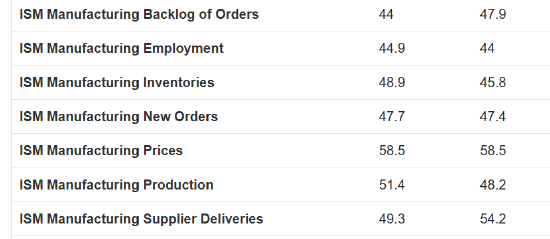
Group 1: Dollar Index Movement - The dollar index experienced a unique trading pattern, initially rising significantly before a sharp decline, closing with a long upper shadow on the daily candlestick chart [1][5] - The highest point reached was 98.83, while the lowest was 98.22, with the current trading session continuing the downward trend, hitting a low of 98.17 [1][5] - The dollar index is currently fluctuating within a range of 96.34 to 100.23, with a potential further decline expected [10] Group 2: Venezuelan Political Situation - A significant event was the U.S. control over Venezuelan President Maduro, who was secretly sent to New York for judicial proceedings, where he declared his innocence and maintained his presidential claim [6] - This incident highlights U.S. dominance in South America but may harm the credibility of the dollar, as other countries may fear similar actions [6] - The situation could lead to central banks increasing their gold reserves while reducing dollar reserves, potentially damaging the dollar's long-term credibility [6] Group 3: U.S. Economic Data Impact - Recent U.S. economic data, specifically the December ISM Manufacturing PMI, showed a decline to 47.9, below both the previous value of 48.2 and the expected 48.3, indicating ongoing contraction in the manufacturing sector [2][3] - The breakdown of the ISM data revealed a drop in the production index from 51.4 to 51, while the employment index slightly improved to 44.9, and the inventory index fell significantly to 45.2 [3][7] - The overall negative sentiment from these manufacturing data releases has contributed to a bearish outlook for the dollar index [2][3]

金价4400美元上方稳定涨势 仍有上涨空间
Jin Tou Wang· 2026-01-06 06:08
Core Viewpoint - Gold prices have rebounded strongly, trading around $4467.97 per ounce, supported by stability above $4400 and trading above the 50-day moving average, indicating a dominant short-term upward trend [1] Economic Data - The S&P Global reported that the U.S. manufacturing PMI remains at 51.8, indicating continued expansion, while the ISM manufacturing PMI fell to 47.9 from 48.2 in November, signaling ongoing contraction in business activity [1] - These economic indicators have not significantly impacted dovish expectations, allowing the dollar to retreat from a near four-week high, which is favorable for non-yielding gold [1] - The Federal Reserve is expected to lower borrowing costs in March and potentially cut rates again by the end of the year [1] Geopolitical Risks - Ongoing geopolitical risks include U.S. military actions in Venezuela, political tensions between Saudi Arabia and the UAE, unrest in Iran, and the continuing Russia-Ukraine war [1] Technical Analysis - Weekly analysis indicates that gold prices faced resistance and a potential decline towards the 10-week moving average at $4230, with further support at the 30-week moving average around $4000 [2] - Despite the potential for a pullback, the upward trend remains intact, with the price maintaining above the 5-10 week moving averages, suggesting a bullish outlook [2] - Daily charts show a breakout above the 100-hour simple moving average (SMA) and the congestion area of $4425-$4450, which could be a key trigger for bullish momentum [2] - The MACD histogram has turned positive, indicating improved momentum, while the RSI is at 68, suggesting strong upward momentum, with a breakthrough above 70 reinforcing bullish arguments [2] - The 100-hour SMA at $4373.28 is expected to provide dynamic support, indicating a positive short-term bias [2]
美制造业PMI持续萎缩,降息预期升温,金价上涨再获支撑
Mei Ri Jing Ji Xin Wen· 2025-12-02 01:55
Group 1 - The core viewpoint of the article highlights the rising expectations for interest rate cuts due to weak manufacturing data and increased probability of Hassett's election, leading to fluctuations in gold prices [1] - The ISM manufacturing PMI for November in the U.S. is reported at 48.2, marking the largest contraction in four months and remaining below the neutral line of 50 for nine consecutive months [1] - New orders index has dropped to its fastest contraction since July, while backlog orders have seen the largest decline in seven months, indicating a further downturn in overall manufacturing sentiment [1] Group 2 - The CME "FedWatch" tool indicates an 87.6% probability of a 25 basis point rate cut by the Federal Reserve in December, reflecting market expectations for more easing measures [1] - Analysts note that the acceleration in the contraction of U.S. manufacturing in November, along with significant declines in supplier deliveries, new orders, and employment, supports the bullish outlook for gold and silver prices [1] - The PMI has decreased by 0.5 percentage points, reinforcing the trend of weakening economic data and dovish signals from Federal Reserve officials [1]
市场主流观点汇总-20251112
Guo Tou Qi Huo· 2025-11-11 23:30
Report Overview - The report objectively reflects the research views of futures and securities companies on various commodity varieties, tracks hot varieties, analyzes market investment sentiment, and summarizes investment driving logic [1] Market Data Commodities - From November 3 to November 7, 2025, PTA rose 1.70% to 4664.00, aluminum rose 1.41% to 21625.00, and other commodities also had different changes. Gold fell 0.07% to 921.26, and some commodities like palm oil, copper, etc., declined [2] A - shares - From November 3 to November 7, 2025, the Shanghai - Shenzhen 300 rose 0.82% to 4678.79, while the CSI 500 fell 0.04% to 7327.91 [2] Overseas Stocks - From November 3 to November 7, 2025, the Hang Seng Index rose 1.29% to 26241.83, while the Nasdaq Index fell 3.04% to 23004.54 [2] Bonds - From November 3 to November 7, 2025, the yield of China's 2 - year treasury bond changed from 2.84 to 1.43, and the 10 - year treasury bond yield decreased by 0.7 bp to 1.81 [2] Foreign Exchange - From November 3 to November 7, 2025, the euro - US dollar exchange rate rose 0.25% to 1.16, and the US dollar index fell 0.18% to 99.55 [2] Commodity Views Macro - financial Sector Stock Index Futures - Strategy views: Among 9 institutions, 3 are bullish, 1 is bearish, and 5 expect a sideways trend. Bullish logic includes long - term domestic policy support, the start of the global AI cycle, improved global capital market sentiment, and the likely easing of Sino - US trade relations. Bearish logic includes better - than - expected US employment and manufacturing, decline in China's PMI, high A - share valuation, and increased risk - aversion sentiment [4] Treasury Bond Futures - Strategy views: Among 7 institutions, 2 are bullish, 0 are bearish, and 5 expect a sideways trend. Bullish logic includes weak fundamentals supporting the bond market, the stock - bond seesaw effect, and central bank net investment. Bearish logic includes inflation repair, increased government bond issuance, and potential market sentiment disturbance [4] Energy Sector Crude Oil - Strategy views: Among 8 institutions, 1 is bullish, 3 are bearish, and 4 expect a sideways trend. Bullish logic includes OPEC's suspension of production increase, short - term interruption of Russian oil, expected end - year risk - asset trading, and cost - price support. Bearish logic includes unexpected US inventory build - up, tight dollar liquidity, expected global inventory build - up, and rising production from new oil fields [5] Agricultural Products Sector Rapeseed Oil - Strategy views: Among 8 institutions, 3 are bullish, 1 is bearish, and 4 expect a sideways trend. Bullish logic includes unexpected decline in rapeseed oil inventory, low inventory and low operating rate of domestic oil mills, and un - resumed domestic rapeseed crushing. Bearish logic includes lack of Chinese demand for Canadian rapeseed, weakening aquaculture demand, expected increase in imports, and potential impact of improved Sino - Canadian relations [5] Non - ferrous Metals Sector Copper - Strategy views: Among 7 institutions, 2 are bullish, 2 are bearish, and 3 expect a sideways trend. Bullish logic includes the expected end of the US government shutdown, slow recovery of overseas copper mines, consumption boost from the "15th Five - Year Plan", and long - term demand from emerging sectors. Bearish logic includes shrinking US manufacturing PMI, rising US dollar index, increasing domestic inventory, and high copper prices suppressing traditional consumption [6] Chemical Sector Glass - Strategy views: Among 7 institutions, 0 are bullish, 4 are bearish, and 3 expect a sideways trend. Bullish logic includes decreased inventory of key enterprises, low - price valuation support, stable and slightly rising spot prices, and long - term policy support. Bearish logic includes weak terminal demand, sufficient industry capacity, high - inventory dragging down prices, and consumption - season pressure [6] Precious Metals Sector Gold - Strategy views: Among 7 institutions, 2 are bullish, 1 is bearish, and 4 expect a sideways trend. Bullish logic includes concerns about the Fed's independence and US fiscal situation, geopolitical uncertainty, increased risk - aversion due to the US government shutdown, and high probability of December interest - rate cut. Bearish logic includes eased Sino - US trade relations, hawkish Fed remarks, strong US service data, and lack of clear bullish factors [7] Black Metals Sector Iron Ore - Strategy views: Among 8 institutions, 0 are bullish, 4 are bearish, and 4 expect a sideways trend. Bullish logic includes decreased global shipments, rising basis during price decline, and increased blast - furnace operating rate. Bearish logic includes continuous over - seasonal inventory build - up at ports, significant increase in arrivals, difficult de - stocking of downstream products, decreased molten iron production, and increased negative - feedback pressure on steel mills [7]
RU、NR、BR月报-20251031
Yin He Qi Huo· 2025-10-31 01:08
Report Industry Investment Rating - Not provided in the given content Core Viewpoints - The rubber sector has sufficient supply and strong expectations for consumption growth. The state of ample natural rubber supply and strong consumption growth expectations continues compared to the September report. On the supply side, Thai rubber prices are resilient but show a widening year - on - year decline, and the cup - to - cup price difference indicates sufficient supply. On the consumption side, global auto sales and domestic tire production show marginal increases. In terms of expectations, key macro data is strengthening [5][6]. - In October, synthetic rubber was extremely weak, and the BR - RU spread widened. The capacity utilization rate of domestic butadiene rubber increased, and the cumulative production in the past 12 months also increased, indicating sufficient supply [7]. - The fundamentals of the rubber sector are relatively strong [8]. Summary by Relevant Catalogs 1. Macro Supply Global Data - Climate - Analyzed the ENSO index and its impact on RU unilateral, including ENSO index, its indexation for RU unilateral, and the influence on RU spot and futures prices. Also studied the impact of El Niño and Southern Oscillation on the spreads of smoke - sheet - RU and BR - RU [17][25][37]. Global Data - Commodity Valuation - Studied the relationship between crude oil, gold prices and rubber prices, including the impact of the prices of crude oil, Brent crude oil, and gold on RU unilateral, BR - RU spread, and smoke - sheet - RU spread [45]. 2. Micro Supply Global Data - Absolute Price - Presented the absolute prices of basic rubber raw materials in Thailand, Malaysia, Yunnan, and Hainan, including the latest, last - month, and last - year prices, as well as month - on - month and year - on - year changes [65]. Overseas Data - **ANRPC Rubber Alliance Natural Rubber Industry**: Analyzed the total production and total export volume of ANRPC natural rubber and their impacts on the BR - RU spread [68][72]. - **Thai Natural Rubber Industry**: Studied various aspects such as rainfall, glue and cup - rubber prices, the spread between smoke - sheet rubber and standard rubber, the inventory and shipment of rubber products, and the export of smoke - sheet rubber, and their impacts on RU unilateral, smoke - sheet - RU spread, and BR - RU spread [78][93][110][120]. - **Vietnamese Natural Rubber Industry**: Analyzed the natural rubber production in Vietnam and its impact on the 3L - RU spread [130]. Domestic Data - Not detailed in the summary part of the given content, but includes aspects such as China's rubber imports, production, apparent consumption, domestic glue products, and the supply of butadiene and butadiene rubber [29]. 3. Trade Circulation Global Data - Analyzed the balance sheets of the six major rubber - producing countries in Southeast Asia [45]. Overseas Data - Studied international trade, Japanese rubber inventory, Malaysian natural rubber retail inventory, Southeast Asian standard rubber processing profit, and overseas rubber and plastic machinery [46].
8月美国PMI点评:新订单与生产背离,企业观望态度明显
Great Wall Securities· 2025-09-05 05:48
Group 1: PMI Overview - The US manufacturing PMI for August 2025 rose to 48.7%, up from 48.0% in the previous month, marking a slight recovery but remaining in contraction territory for six consecutive months[2] - The output index has accelerated its contraction, dropping to a level below the expansion threshold, indicating significant declines in production contributions[5] - The new orders index, after six months of contraction, returned to the expansion zone, suggesting a potential recovery in market demand[5] Group 2: Economic Implications - The contradiction between recovering market demand and contracting production highlights the impact of tariffs on business operations, leading to reduced finished goods inventory[5] - If the Federal Reserve lowers interest rates, it could stimulate consumer demand and encourage businesses to replenish inventories, potentially boosting the PMI[2] - Despite the slight increase in PMI, the overall manufacturing sector continues to show weakness throughout the year, with high interest rates suppressing investment demand[2] Group 3: Employment and Inventory Trends - The employment index increased by 0.4 percentage points to 43.8%, remaining below the expansion threshold for seven months, indicating a weak labor market[24] - The raw materials inventory index rose by 0.5 percentage points to 49.4%, while raw material prices decreased by 1.1 percentage points to 63.7%, suggesting easing cost pressures but persistent inflation concerns[21] - The divergence between the new orders index and the output index reflects insufficient consumer momentum, with businesses adopting cautious inventory management strategies[16]

美元再创新低,贵?属短线反弹
Zhong Xin Qi Huo· 2025-07-02 04:09
Report Summary 1) Report Industry Investment Rating No relevant content provided. 2) Core View of the Report - The report maintains a bullish view on gold and a cautiously bullish view on silver in the second half of the year [1][3] - If the non - farm payroll data and tariff progress do not deteriorate significantly, gold may need to consolidate within a range this month; if they deteriorate significantly, the gold price is expected to rise with fluctuations, and silver is expected to follow the gold price in the short term [1][3] 3) Summary by Relevant Catalogs Key Information - In June, the US ISM manufacturing PMI was 49, with an expected value of 48.8 and a previous value of 48.5; the output index was 50.3, the previous value was 45.4; the manufacturing price - paid index was 69.7, the expected value was 69, the previous value was 69.4; the employment index was 45, the expected value was 47, the previous value was 46.8; the inventory index was 49.2, the previous value was 46.7; the new orders index was 46.4, the previous value was 47.6 [2] - Fed Chairman Powell stated that most Fed members expect interest rate cuts later this year, the labor market is gradually cooling, it's uncertain if a July rate cut is too early, no meeting is excluded and it depends on data, the Fed's current monetary policy is moderately restrictive, and the economy and labor market are stable [2] - In May, the US JOLTs job openings were 7.769 million, with an expected value of 7.3 million and a revised previous value from 7.391 million to 7.395 million [2] - In May, the US construction spending decreased by 0.3% month - on - month, with an expected decrease of 0.2% and a revised previous value from a decrease of 0.4% to a decrease of 0.2% [2] Price Logic - The US dollar reached a new low, and the US Treasury yields declined simultaneously. Most commodities rebounded, and precious metals showed a significant upward movement [1][3] - The US June ISM manufacturing PMI improved slightly. Job openings indicate that the employment market demand remains resilient. The Fed Chairman's remarks became more dovish, and the expectation of interest rate cuts within the year increased slightly. Fed Watch shows three rate cuts within the year, with the first cut still expected in September [1][3] Outlook - The weekly COMEX gold price is expected to be in the range of [3250, 3450], and the weekly COMEX silver price is expected to be in the range of [35, 38] [3]
中信证券:预计年中美国制造业PMI或仍在荣枯线以下波动运行
news flash· 2025-06-05 00:32
Core Viewpoint - CITIC Securities predicts that the US manufacturing PMI may continue to fluctuate below the growth line by mid-year, reflecting a broader trend in global manufacturing dynamics [1] Group 1: Global Manufacturing PMI Trends - In May 2025, the global manufacturing PMI index exhibited characteristics of "China's stability, emerging market divergence, European stabilization, and US decline" [1] - The easing of tariffs has provided a short-term boost to exports, but negative expectations for overseas markets are gradually becoming evident [1] Group 2: Regional Manufacturing PMI Insights - The Eurozone manufacturing PMI showed little change, indicating signs of temporary stabilization [1] - The US ISM manufacturing PMI index recorded 48.5 in May, characterized by "weak supply and demand, persistent inflation, a cooling job market, and a significant decline in foreign trade" [1] Group 3: Economic Impact and Forecast - The overall impact of tariff disruptions on the US and global macroeconomy is beginning to manifest, with expectations of a slight decline in US economic readings [1] - CITIC Securities anticipates that the US manufacturing PMI will likely remain below the growth line through mid-year [1]

美国制造业PMI强劲反弹至52.3 创三个月新高
智通财经网· 2025-05-22 14:50
Group 1 - The core point of the news is that the US manufacturing PMI for May 2025 rose to 52.3, indicating a significant recovery in manufacturing activity after two months of contraction, surpassing market expectations and previous values [1] - The increase in PMI reflects a rebound in manufacturing output and the highest growth in new orders in the past 15 months, driven largely by inventory accumulation [1] - The rise in inventory levels is attributed to companies and customers stockpiling in anticipation of potential tariff issues, with a notable increase in procurement inventory reaching a historical high since the survey began in 2009 [1] Group 2 - Price pressures have become a focal point, with manufacturers' sales prices recording the largest monthly increase since September 2022, and input costs reaching a new high since August 2022 [2] - The composite PMI also improved, rising to 52.1, indicating overall economic activity enhancement, although there are warnings about the potential for inflationary pressures due to rising costs being passed on to consumers [2] - The stock market rebound and easing tariff policies are seen as important factors in the manufacturing recovery, but rising prices and supply chain delays may introduce uncertainties for future economic growth [2]