宠物

Search documents
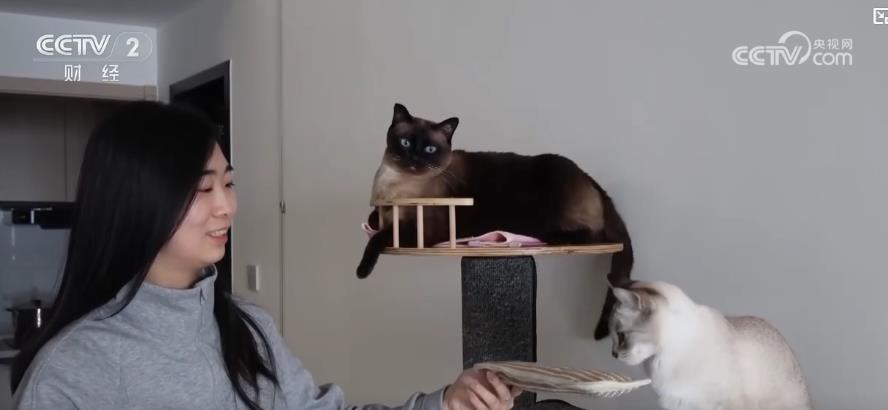
经过短期培训,“宠物针灸师”即开始承接业务
Xin Lang Cai Jing· 2026-01-30 18:44
Core Insights - The article discusses the rise of new professions in the pet industry, driven by the emotional bond between pets and their owners, leading to a growing market known as the "pet economy" [3][6][7] Market Overview - The pet consumption market in urban China is projected to exceed 312.6 billion yuan by 2025, with a year-on-year growth of 4.1%, including 160.6 billion yuan for dogs and 152.0 billion yuan for cats [3] - New services such as pet acupuncture, pet detectives, and pet psychological counseling are emerging as part of this expanding market [3][4] New Professions - The demand for specialized services has led to the emergence of new professions like pet detectives and pet end-of-life service providers, reflecting the deep emotional connections owners have with their pets [4][5] - Pet end-of-life services are gaining popularity, with families increasingly participating in farewell ceremonies for their pets [5] Industry Challenges - The rapid growth of the pet service industry has resulted in a lack of standardized qualifications and pricing, leading to confusion and potential exploitation of pet owners [6][7] - Many practitioners in fields like pet acupuncture lack proper training, with some offering services after only brief training sessions [6] - The pricing for services such as pet acupuncture varies widely, with some practitioners charging excessively high fees without clear justification [6] Consumer Experience - Pet owners often face challenges in finding reliable services, with many reporting unsatisfactory experiences and a lack of accountability from service providers [6][7] - Emotional factors complicate consumer decisions, as many pet owners are willing to pay for services that may not deliver real value, leading to concerns about the commodification of emotional needs [7] Regulatory Environment - The article highlights the absence of a regulatory framework for new pet services, which allows for the proliferation of unqualified practitioners and inconsistent service quality [7] - There is a call for the establishment of clear certification and regulatory standards to protect consumers and ensure the integrity of the pet service industry [7]


前所未有的“年货”赛道,年轻人把这个小众品类买成“刚需”
3 6 Ke· 2026-01-30 11:51
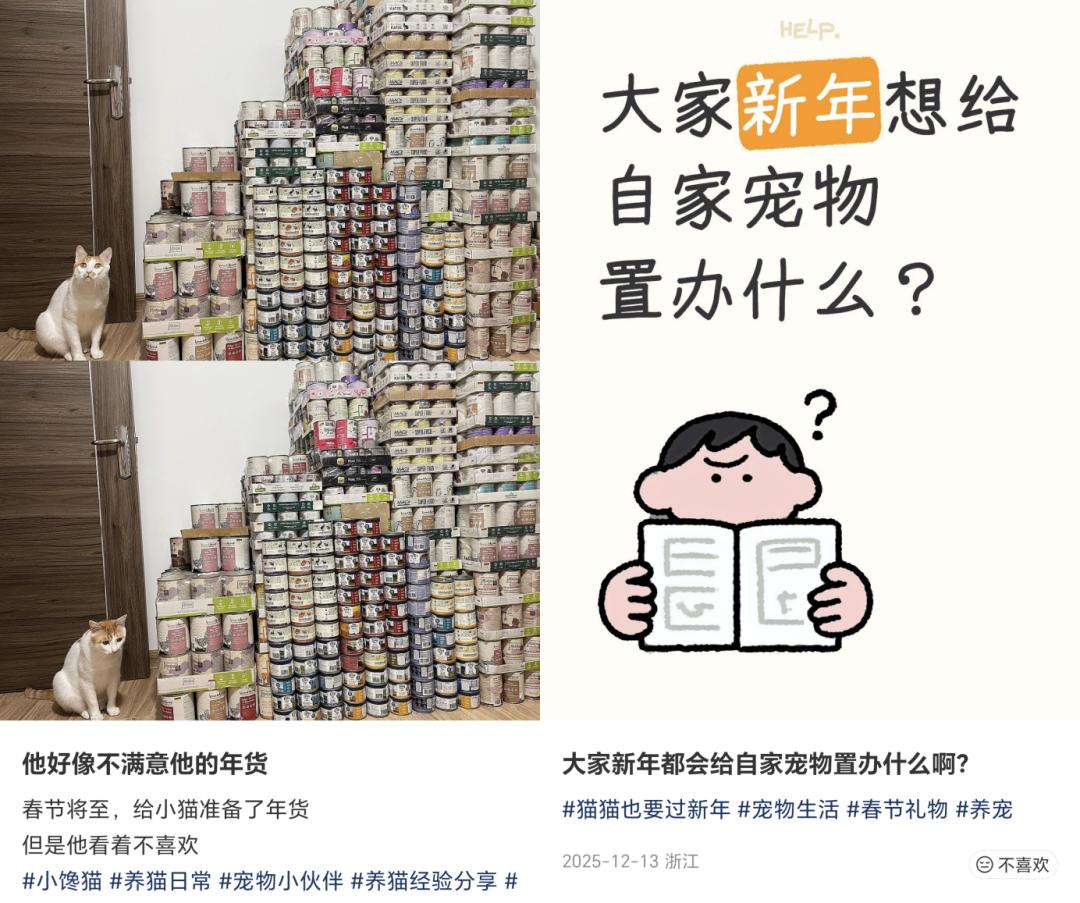
Core Insights - The article highlights the growing trend of pet owners celebrating the Lunar New Year with their pets, emphasizing the importance of including pets in festive traditions and rituals [1][5][11] Group 1: Market Trends - The market for pet-related New Year products has seen significant growth, with new product offerings increasing by nearly 60% year-on-year on platforms like Tmall [1][5] - The pet industry has evolved into a market worth over 300 billion yuan, driven by consumers treating pets as family members and incorporating them into holiday celebrations [5][11] Group 2: Consumer Behavior - Consumers are increasingly purchasing new clothes and festive meals for their pets, reflecting a shift towards a "parenting" approach to pet ownership [5][10] - The demand for pet apparel has diversified, with products ranging from T-shirts to winter coats, mirroring human fashion trends [6][11] Group 3: Product Innovations - Brands like Mookipet are introducing culturally themed pet clothing, such as New Year outfits made from luxurious materials, to enhance the festive experience for pets [6][8] - New product lines, such as "pet New Year meals," are being developed to cater to various small pets, indicating a growing market for specialized pet food [10][11] Group 4: E-commerce Influence - Tmall plays a crucial role in supporting pet brands by providing data insights and promotional opportunities, which helps brands identify trends and optimize product offerings [13][15] - The platform's extensive user base of over 100 million pet buyers creates a robust market for pet-related products, facilitating growth for various brands [15][16]
2026年宠物行业白皮书
炼丹炉· 2026-01-30 05:20
Investment Rating - The report indicates a positive investment outlook for the pet industry, projecting a market size exceeding 400 billion yuan by 2028, driven by emotional consumption trends and diversified pet ownership structures [15][18]. Core Insights - The pet industry is experiencing a structural transformation, with the "cat economy" emerging as a key growth driver, while dog ownership growth stabilizes due to regulatory constraints [18][22]. - The consumer base is predominantly young, educated women aged 26-35, with a significant portion of pet owners being families with children [22][31]. - Online channels dominate pet product purchases, with platforms like Tmall/Taobao and JD.com being the most preferred [33][34]. - The report highlights a shift from basic survival feeding to value-driven, experience-oriented pet care, indicating a growing demand for premium products and services [41][45]. Market Overview - The pet ownership structure is diversifying, with dogs and cats remaining the most popular pets, while niche pets like fish and reptiles are gradually gaining traction [15]. - The pet market is expected to grow steadily from 2021 to 2025, with a projected market size of 4,050 billion yuan by 2028 [15][16]. Category Trends - The pet food segment remains dominant, with a notable increase in demand for high-quality, functional, and fresh products, particularly in the cat food market [50][54]. - Pet snacks are evolving towards functional and interactive options, with a significant focus on digestive health and overall wellness [75][78]. - The pet supplies market is shifting towards premium products that enhance the quality of life for pets, with a strong emphasis on health and emotional companionship [86][91]. Pet Food Insights - The cat food market is experiencing rapid growth, with a 14% increase in full-price cat food, reflecting the strong position of the "cat economy" [50][66]. - Consumers prioritize taste and palatability in pet food, with a growing interest in health management and preventive care [61][65]. Pet Supplies Insights - The pet supplies market is characterized by a shift from basic functional products to those that improve quality of life, with significant growth in home and travel-related items [86][94]. - The demand for pet grooming products is increasing, focusing on effectiveness and pleasant scents, indicating a trend towards premiumization in pet care [117][120].
报告派研读:2026年消费行业深度报告
Sou Hu Cai Jing· 2026-01-30 02:36
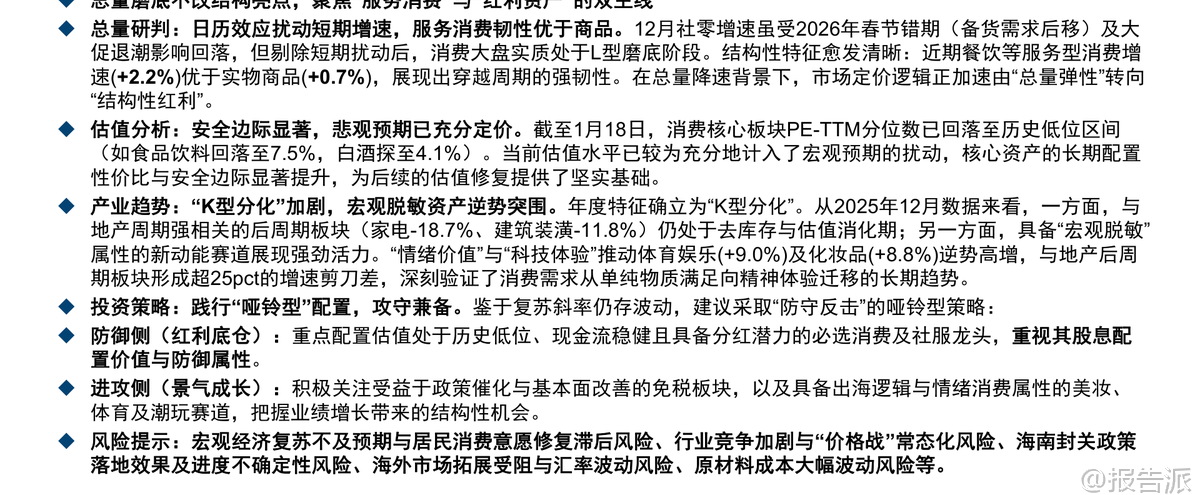
Core Insights - The Chinese consumer market is transitioning from total expansion to structural differentiation, characterized by an "L-shaped bottoming" trend as of early 2026, with retail sales growth impacted by factors like the timing of the Spring Festival and a decline in promotional activities [1] - A "K-shaped" differentiation is emerging, where resilient "extreme value-for-money" essential consumption contrasts with high-premium emotional consumption, while traditional mid-range discretionary spending faces growth challenges [1][2] - The marginal propensity to consume (MPC) is recovering slowly, reflecting a rational return in middle-class consumption decisions, with consumers being more cautious about non-essential spending but willing to pay premiums for categories that satisfy "self-pleasure" and "social" needs [1] Consumer Trends - In December 2025, restaurant revenue grew by 2.2%, significantly outpacing the 0.7% growth in retail sales, with online food products seeing a remarkable growth of 14.5%, serving as a stabilizing force for overall consumption [2] - Emotional consumption sectors, such as sports entertainment (+9.0%), cultural office supplies (+9.2%), and cosmetics (+8.8%), are experiencing robust growth, contrasting sharply with the downturn in real estate-related sectors like home appliances (-18.7%) and construction decoration (-11.8%) [2] Valuation Insights - Core consumer sectors have fallen to historical low valuations, providing a significant safety margin for investors [3] - As of January 2026, the price-to-earnings (PE) ratio for food and beverage is at 7.5%, with liquor even lower at 4.1%, indicating that pessimistic expectations are already priced in, highlighting the long-term value of core assets [4] Investment Strategy - The report suggests a "barbell" investment strategy, recommending defensive positions in essential consumption and social service leaders with low valuations and strong cash flows, such as grain and oil, traditional Chinese medicine, and gold jewelry, while also emphasizing their dividend value and defensive attributes [5] - On the offensive side, investors should capture growth sectors benefiting from policy catalysts and fundamental improvements, including the duty-free sector and emotional consumption categories like cosmetics, sports goods, and trendy toys [5] Policy Impact - The first month of the Hainan Free Trade Port's duty-free sales reached 4.86 billion yuan, a year-on-year increase of 46.8%, demonstrating the strong appeal of "zero tariffs and low tax rates" for high-end consumption [6] - China Duty Free Group holds a dominant market share of 78.7% and continues to strengthen its channel and brand barriers through acquisitions and expanding its presence in city stores [7] Emerging Markets - The pet economy is experiencing a "humanization" upgrade, and the "going out" trend in categories like home appliances is also contributing to significant incremental alpha sources [9] - The shift in pet ownership towards viewing pets as family members is driving both volume and price increases, while the home appliance sector leverages China's supply chain advantages to replicate successful "extreme value-for-money" strategies overseas [10] Market Dynamics - Overall, while the total consumption recovery is not steep, the market opportunities are shifting from a "beta market" to "structural alpha" under low valuations and clear structures [11] - Investors are encouraged to abandon linear thinking of a "full recovery" and focus on "dividend assets" and "emotional consumption" as dual main lines, employing a "barbell" strategy to seize certain opportunities amid uncertainty [12]
热议宠物经济:多城写入《政府工作报告》
Zhong Guo Jing Ying Bao· 2026-01-29 15:32
Core Insights - The "pet economy" is becoming a significant growth driver for urban development and industrial innovation in China, transitioning from a focus on household consumption to broader economic contributions [1][2][4] Policy Developments - Multiple cities, including Chengdu, Beijing, and Shanghai, are incorporating the pet economy into their government work reports, emphasizing its importance for economic growth [2][3] - Chengdu has reported over 5 million pets and 2 million pet-owning households, providing a solid foundation for industry development [2] - Policies are shifting from mere regulation to strategic planning, focusing on integrated development, technological empowerment, and cultural aspects of the pet economy [4][6] Market Expansion - The pet consumption market is projected to reach 405 billion yuan by 2028, with a compound annual growth rate of over 8% expected in the next three years [5][6] - The market is transitioning from rapid expansion to deep competition, with trends indicating a shift towards precise nutrition and enhanced consumer experiences [6][7] - Growth in the pet economy is particularly strong in lower-tier cities, where competition is less intense and consumer preferences differ [6][7] Industry Trends - Key potential areas for growth include pet health management, the senior pet market, and the high-end positioning of domestic brands [7] - Innovations in pet healthcare, such as stem cell technology, are emerging as significant opportunities for industry advancement [7][8] Challenges and Opportunities - The industry faces challenges such as the need for improved standards, talent shortages, and the necessity for a pet-friendly societal infrastructure [8] - There is a growing demand for specialized professionals in pet healthcare and services, highlighting the need for enhanced educational and training programs [8] - The integration of the pet economy with cultural and tourism sectors is being explored, with initiatives like pet-themed towns and parks aimed at attracting pet owners [8]
整个社会都在喊没钱了,为什么这些公司反而年赚百亿?
创业家· 2026-01-29 10:34
Core Viewpoint - The article emphasizes that despite the prevailing narrative of economic hardship, certain industries are thriving and generating significant profits, particularly in the context of Japan's "lost 30 years" and the evolving consumer behavior in China [3][4]. Group 1: Economic Shifts and Opportunities - The concept of a "low-desire society" does not equate to a lack of opportunities, as consumer demand is shifting towards different sectors [4]. - The article identifies eight key industries that are capitalizing on changing consumer preferences, highlighting that demand migration presents substantial business opportunities [5]. Group 2: Key Industries and Trends - **Second-Hand Economy**: The second-hand luxury market in Japan, exemplified by companies like Daikokuya, has seen a significant revenue increase. In China, platforms like Hongbulin and Panghu are experiencing similar growth [6][7]. - **Pet Economy**: With declining birth rates, spending on pets is rising, as seen with brands like Inaba in Japan and Guobao in China, indicating a robust market for pet products and services [12][13][14]. - **Adult Care**: The adult diaper market in Japan has surpassed $10 billion, showcasing the potential of the aging population as a lucrative economic segment [17][18]. - **Health Food and Beverages**: The rise in health consciousness has led to increased demand for products like sugar-free tea and functional beverages in both Japan and China [21]. - **Beauty and Aesthetics**: The beauty industry continues to thrive, with products like collagen supplements and home beauty devices gaining popularity, indicating a strong consumer focus on personal care [23][24][26]. - **Outdoor Recreation**: Companies in the outdoor equipment sector, such as Snow Peak in Japan, are profiting from the growing interest in outdoor activities, reflecting a shift in consumer spending priorities [29][31]. - **Convenience Economy**: The demand for convenience products, such as frozen foods and smart home appliances, is increasing as younger generations seek to save time in their daily routines [39][40]. - **Leisure and Experience Economy**: Consumers are willing to spend on experiences and small pleasures, indicating a dual trend of frugality and indulgence in spending [36][44].

经济越来越差,这八大行业越赚爆!
创业家· 2026-01-28 10:09
Core Insights - The article discusses how certain industries are thriving despite a general perception of economic downturn, highlighting eight key sectors that present significant business opportunities in a low-desire society [3][4]. Group 1: Key Industries - **Second-Hand Economy**: The second-hand luxury market in Japan, represented by companies like Daikokuya, has seen a surge in revenue. In China, platforms like Hongbulin and Panghu are experiencing similar growth, indicating a shift in consumer spending towards second-hand goods [6][7][8][9]. - **Pet Economy**: With declining birth rates, young people are spending more on pets, leading to a boom in pet food and healthcare products. Companies like Inaba in Japan and Guobao in China are capitalizing on this trend [11][12][14][15]. - **Adult Care Products**: The adult diaper market in Japan has surpassed $10 billion, indicating a growing demand for adult care products in China, with companies like Kexin poised for growth [16][17][18]. - **Health Food and Beverages**: The rise in health consciousness has led to increased sales of sugar-free beverages and functional drinks in both Japan and China, with brands like Suntory and Dongpeng gaining traction [21][22]. - **Beauty Economy**: The demand for beauty products, including collagen supplements and at-home beauty devices, is on the rise, with companies like Jinbo Bio and U like seeing significant sales growth [23][25]. - **Outdoor Recreation**: The outdoor equipment market is thriving, with brands like Snow Peak in Japan and various Chinese brands experiencing rapid sales growth, as consumers seek leisure activities despite economic constraints [25][26][27]. - **Emotional Economy**: Brands like Labubu and Rio are tapping into the emotional needs of consumers, offering products that provide comfort and joy, even in a frugal spending environment [28][29][30]. - **Lazy Economy**: The trend towards convenience has led to increased sales of frozen foods and smart home appliances, with companies like Anjijia and Kewos leveraging technology to save consumers time [33][35][36]. Group 2: Market Trends - The article emphasizes that the current economic climate, often described as a "cold winter," presents unique opportunities for those willing to invest in counter-cyclical sectors [39]. - It suggests that the key to success in this low-desire era is recognizing and seizing opportunities in these emerging markets, rather than succumbing to pessimism [39].

年轻人当上“年货主理人” ,这七种春节消费走向顶流
3 6 Ke· 2026-01-27 09:51
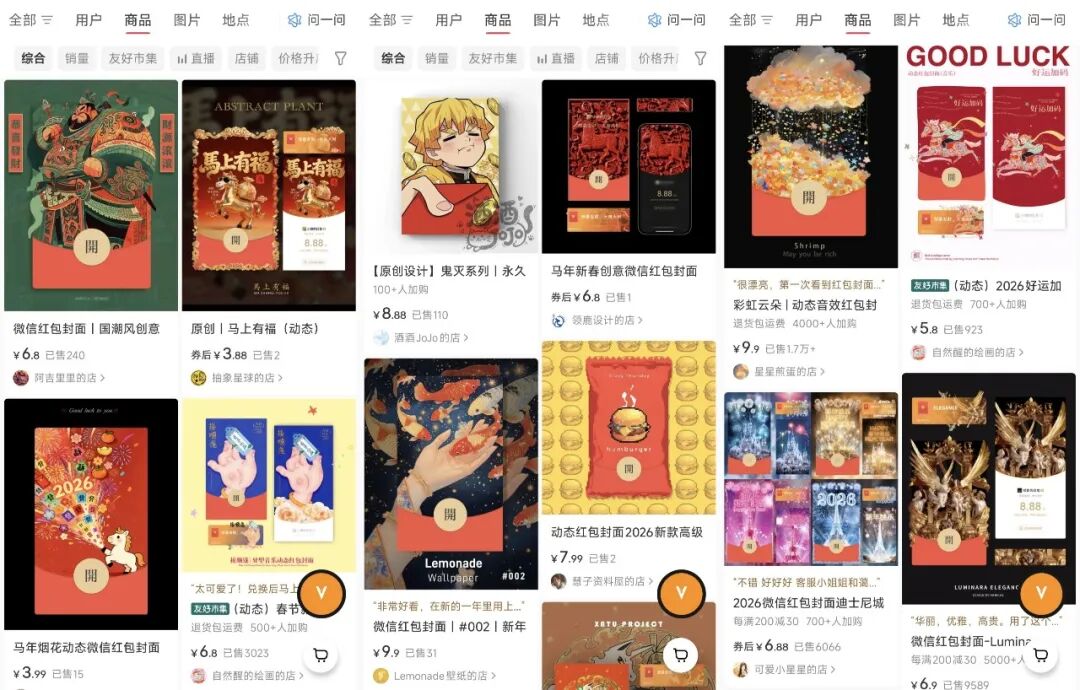
Group 1 - The core idea of the articles revolves around the transformation of traditional Chinese New Year customs, driven by the younger generation (Z generation), who are reshaping the holiday culture through digitalization, personalization, and emotional engagement [1][29] - The rise of "electronic New Year goods" such as digital red envelope covers and festive stickers reflects a shift from traditional material consumption to experiences that emphasize emotional value and social connection [2][5] - The market for traditional New Year products is evolving, with new categories like personalized flower arrangements and creative couplets gaining popularity among young consumers, indicating a trend towards lighter, more interactive products [6][9][10] Group 2 - The pet industry is experiencing significant growth, with the urban pet consumption market projected to reach 312.6 billion yuan in 2025, reflecting the deepening role of pets as family members [11][12] - The trend of "reverse Spring Festival travel," where parents visit their children in cities, is emerging, leading to new opportunities in local tourism and family services [15][17] - The "intangible cultural heritage" tourism trend is gaining traction, with a notable increase in interest and bookings for experiences related to local customs and heritage, indicating a shift in consumer preferences towards immersive cultural experiences [18][21] Group 3 - The gold market is witnessing a surge, with prices increasing over 70% in 2025, leading to a trend where young consumers are opting for "custom gold" as a cost-effective alternative to traditional gold jewelry [23][25] - The rise of "two-dimensional New Year goods" reflects a growing demand for products that cater to social and emotional needs, with significant engagement on social media platforms [26][27][28] - The overall transformation of New Year consumption patterns illustrates a broader trend of emotional and social value becoming central to consumer behavior, marking a shift from purely materialistic purchases to experiences that resonate with personal identity and cultural significance [29]
从“人感消费”到“人感投资”:三位专家解码2026消费投资主线
Xin Lang Cai Jing· 2026-01-27 06:52
Core Insights - The 2026 Investment Strategy Summit by Harvest Fund highlighted the evolving consumer trends and investment practices, focusing on the shift from brand loyalty to scenario-based emotional investments [1][10] Group 1: Consumer Trends - The core change in consumer behavior is a return to specific life scenarios, with consumers prioritizing products that address real-life pain points rather than abstract brand ideals [3][12] - The popularity of IP toys illustrates this trend, serving as both practical companions in daily life and social currency for emotional connections [3][12] - The Gen-Z demographic is particularly notable for a "value reordering," where personal interests and health take precedence, leading to a clear distinction in spending behavior across different categories [3][12][13] Group 2: Investment Outlook for 2026 - The investment strategy is based on a "dual mainline" logic, suggesting that traditional consumer sectors may see a mid-term turning point due to supply contraction and signs of demand recovery [5][14] - New consumer sectors are expected to present structural growth opportunities, particularly for brands that innovate and meet the changing needs of the new generation [5][14] - The concept of "consumption assetization" is emerging, where financial products are increasingly integrated into daily life, enhancing their appeal to modern consumers [5][14] Group 3: Investment Strategies - Key investment advice includes leveraging community feedback for decision-making, adopting contrarian thinking during market lows, and recognizing the right timing for investments in the consumer sector [8][17] - The importance of understanding deep emotional needs and practical life scenarios of consumers is emphasized as a critical factor for successful investment in the evolving market landscape [8][17]

宠物经济新趋势:宠物消费市场规模超三千亿元 保障需求催生行业新增长点
Yang Shi Wang· 2026-01-27 03:31
Group 1 - The pet economy is experiencing significant growth as more people choose to own pets, leading to an increased demand for health insurance for pets [1] - High treatment costs for pets are attributed to expensive medical equipment, low utilization rates, reliance on imported medications, and lack of insurance coverage, prompting more pet owners, especially younger ones, to seek insurance [3] - The current pet insurance market in China includes medical, accident, and liability insurance, covering various common pet health issues, with annual premiums ranging from hundreds to over a thousand yuan [6] Group 2 - The pet insurance market in China is rapidly expanding, with multiple insurance companies identifying pet insurance as a new growth area [8] - By 2025, it is projected that there will be over 200 million claims processed in the pet insurance sector, with the number of urban pet dogs and cats exceeding 126 million and the pet consumption market reaching 312.6 billion yuan [8]