
文创

Search documents
二〇二五 那些难忘的文化新图景
Xin Lang Cai Jing· 2026-01-10 21:37
Group 1: Cultural Developments - The year 2025 saw significant advancements in cultural reforms, injecting new momentum into cultural prosperity and development [6] - Traditional culture experienced a revival, with ancient aesthetics becoming popular among the youth [6] - Cultural activities enriched the lives of the public, becoming a key element in depicting a better life [6] Group 2: Milestones in Film and Animation - The animated film "Nezha: Birth of the Demon Child" achieved a box office record of 15.446 billion yuan, becoming the highest-grossing film in Chinese history and the first in the world for animated films [6] - The film broke 114 domestic box office records and became a benchmark for China's cultural export [6] Group 3: Sports and Cultural Events - The "Village Super" football league in Guizhou saw participation increase from 62 to 108 teams, showcasing local cultural heritage through various ethnic festivals [6] - The "City Super" league in Jiangsu became a cultural phenomenon, attracting over 10.7566 million visitors and generating over 13.9 billion yuan in consumption [6] Group 4: Heritage and Preservation - The inclusion of "Xixia Tombs" in the World Heritage List increased China's total to 60, showcasing the country's commitment to cultural heritage [8] - The "Hezhe Ethnic Imakan" was successfully transitioned to the representative list of intangible cultural heritage, marking a significant achievement in heritage protection [8] Group 5: Public Cultural Services - Over 40,000 new public cultural spaces emerged, addressing the growing demand for high-quality cultural resources [9] - Various cultural activities flourished, extending quality cultural resources to grassroots levels [9] Group 6: Trends in Cultural Consumption - The "cultural fever" and "intangible cultural heritage" trends gained momentum, with over 43,000 related events held during the Spring Festival, engaging over 400 million participants [10] - Traditional aesthetics became a top trend among young people, with cultural products like traditional clothing gaining popularity [10] Group 7: New Forms of Artistic Expression - A new wave of public art emerged, with individuals from diverse backgrounds actively participating in creative processes [11] - This shift indicates a growing cultural confidence among the populace, fostering a new cultural ecosystem [11] Group 8: Academic and Cultural Discourse - The discovery of Qin Dynasty inscriptions in Qinghai sparked a significant academic debate, leading to a series of discussions and publications [12] - This event was recognized as a "phenomenal cultural event" impacting contemporary cultural and academic discourse [12] Group 9: Global Cultural Influence - The Chinese toy brand Labubu gained international attention, highlighting the competitiveness of Chinese cultural products in the global market [13] - The popularity of Labubu reflects a shift in youth culture consumption towards emotional value and social currency [13] Group 10: Awards and Recognition - The 18th Wenhua Award introduced a new category for cultural criticism, although the inaugural award was left vacant, indicating high standards for recognition [14][15] - This vacancy reflects the challenges in the current cultural critique landscape, emphasizing the need for quality in artistic expression [15]


“大先生的毛背心”成爆款
Bei Jing Ri Bao Ke Hu Duan· 2026-01-09 23:16
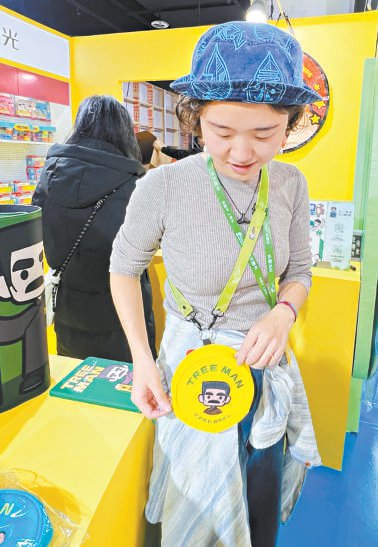
Group 1 - The 2026 Beijing Book Ordering Fair is being held at the China International Exhibition Center, showcasing a vibrant "cultural and creative universe" with various publishers participating [2] - The "Lu Xun" cultural and creative products are particularly popular, with items like the "Lu Xun series - Big Master's Wool Vest" attracting significant attention and sales [3] - The "Cultural and Creative Alliance" has made a strong appearance, featuring nearly 300 selected cultural and creative products and achieving sales of over ten thousand yuan on the first day [4] Group 2 - The Beijing Publishing Group is showcasing over 2,500 quality publications, including books, periodicals, cultural products, and multimedia products, during the fair [6] - The exhibition area of the Beijing Publishing Group is designed to highlight the integration of traditional elements with modern technology, featuring distinct zones for various product displays [6] - The multimedia area displays over 80 types of digital products, including e-books and audio materials, with a focus on promoting Beijing's cultural heritage [7]
河源紫金文创产品“蝉宝”惹人爱
Nan Fang Ri Bao Wang Luo Ban· 2026-01-09 07:44
Core Viewpoint - The launch of "Zijin Cicada Treasure," a local cultural and creative product, has been well-received by citizens, highlighting the potential for cultural branding in the tea industry [1] Group 1: Product Launch and Reception - "Zijin Cicada Treasure" was officially released at the New Year goods festival in Zijin County and quickly gained popularity among residents [1] - The product is inspired by the small green leaf cicada, which plays a crucial role in creating the unique flavor of Zijin tea [1] Group 2: Tea Industry Overview - Zijin County has a tea planting area of 90,000 acres, generating an output value of 2 billion yuan, with a regional brand value exceeding 3.5 billion yuan [1] - The unique flavor of Zijin tea is attributed to a biochemical reaction caused by the cicada's feeding on tea leaves, resulting in a distinctive floral and fruity aroma [1] Group 3: Future Development Plans - The local government plans to develop more intellectual properties (IPs) around bamboo shell tea and Huazhao opera to enhance cultural tourism and increase added value [1] - There is an ambition to elevate the Zijin tea industry to a comprehensive output value exceeding 10 billion yuan within three years [1]
上海文创政策的破局实践与未来优化路径
Xin Lang Cai Jing· 2026-01-08 23:46
Core Insights - The cultural and creative industry is a core support for Shanghai's development as a global city, with a focus on policy innovation and local adaptation to activate market vitality [1] Group 1: Global Experience Localization - Shanghai's approach to localizing global "ecological support" experiences emphasizes high digitalization, rich cultural resources, and strong market vitality [2] - The city adopts the "facilities + talent + clusters" model from London, exemplified by the Zhangjiang Cultural Industry Park, which houses 380 cultural enterprises and forms a complete digital content industry chain [2] - Shanghai's "Wen Jin Hui" initiative, linked to a 100 billion yuan industry fund, provides diverse financial support through loan interest subsidies, fund investments, and insurance guarantees [2] Group 2: Systematic Breakthroughs - Shanghai's strategy involves a systematic approach across four dimensions: institution, space, finance, and talent, addressing key pain points in industry development [3] - Institutional reforms include a record-keeping system for light cultural activities and the establishment of a cultural IP trading platform, aiming for over 200 transactions worth 120 million yuan in 2024 [3] - Financially, the People's Bank of China has issued 228.8 billion yuan in loans, with over 30% directed towards small and private cultural enterprises [3] Group 3: Talent Development - The implementation of the "U35 Plan" targets young creative design talents under 35 years old, addressing talent gaps and attracting global creative professionals [4] - Policies are in place to facilitate talent retention, including a green channel for residency and housing, ensuring that talent can contribute to industry innovation [4] Group 4: Future Optimization Paths - Shanghai aims to enhance policy coverage and mechanism optimization, leveraging the 100 billion yuan industry fund to increase investment in digital cultural innovation [5] - The city plans to deepen the integration of culture, technology, and tourism, building on successful models like "cultural + AR" and "gaming + metaverse" [5] - Brand cultivation and ecosystem co-construction are prioritized, with financial support for leading cultural enterprises and incentives for film productions to enhance the cultural consumption landscape [6]
快“马”加鞭 年味渐浓
Xin Lang Cai Jing· 2026-01-08 22:05
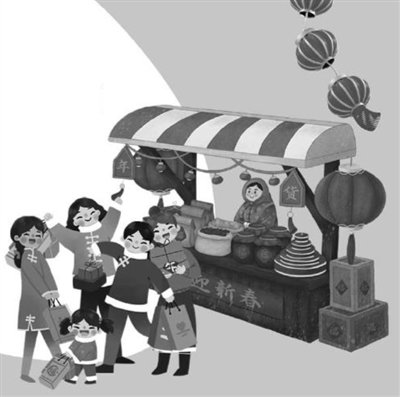
Group 1: Consumer Trends - The purchasing of New Year goods and reservations for New Year's Eve dinners have started earlier this year, driven by online and offline efforts, policy subsidies, and innovative experiences [3][4] - Young consumers, particularly those born in the 1990s and 2000s, are becoming the main drivers of New Year purchases, with over 80% of them buying large appliances for family health upgrades and social gatherings [4] Group 2: Sales Performance - The home appliance market is experiencing a sales peak, with promotions featuring 200 new green smart appliances and multiple subsidies, leading to significant consumer engagement [4] - Online sales are also thriving, with over 5 million strawberries sold on Tmall within two days, marking a 65% increase compared to last year [4] Group 3: Dining Reservations - The market for New Year's Eve dinners has started earlier, with many popular restaurants already nearing full bookings, reflecting a shift in consumer behavior due to past experiences of difficulty in securing reservations [5][6] - The overall pricing for New Year's Eve dinner packages remains stable, with a growing preference for fusion cuisine and an emphasis on creating a warm dining atmosphere [6] Group 4: Cultural Products - Zodiac-themed cultural and creative products, particularly those featuring horses, are gaining popularity among young consumers, moving beyond traditional decorations to become new forms of self-expression [7] - Local brands are launching innovative products that combine traditional elements with modern design, appealing to a wide audience and receiving positive feedback [7] Group 5: Economic Outlook - The overall consumer activity, from purchasing New Year goods to dining reservations and cultural products, reflects a vibrant market and indicates a strong potential for domestic demand and economic growth [7]
方寸潮变,“小邮票”上演破圈突围
Xin Hua Ri Bao· 2026-01-07 00:40
Core Viewpoint - The launch of the "Year of the Horse" zodiac stamps and related cultural products has successfully attracted the attention of young people, marking a significant shift in the traditional stamp industry towards a more dynamic and engaging cultural experience [1][2][4]. Group 1: Cultural Engagement and Innovation - The "Year of the Horse" zodiac stamps are the first in China's history to involve public participation in the design process, utilizing a dual-review system of public and expert evaluations [2]. - The stamps, named "Chiyue Hongtu" and "Wanjun Zhenfu," feature vibrant designs that symbolize progress and hope for national prosperity [2]. - The introduction of the "Wujia Ge" plush toy, based on the stamp design, has resonated with young consumers, leading to a rapid sell-out of certain styles [2][3]. Group 2: Market Trends and Demographics - The stamp industry faces challenges, including a declining collector base, with over 60% of stamp subscribers in Jiangsu being over 50 years old [4]. - The initiative to open design submissions to the public reflects a proactive approach to rejuvenate traditional stamp culture and attract younger audiences [4]. - Collaborations with popular games and events, such as the partnership with "Black Myth: Wukong," have generated significant revenue and interest from younger demographics [4][5]. Group 3: Transformative Experiences - The establishment of themed post offices and cultural activities has transformed traditional postal services into interactive cultural hubs, enhancing visitor engagement [7][8]. - The integration of local cultural elements, such as the "Meng Xiong" themed post office, showcases the potential for innovative cultural expressions through stamps and postal services [7]. - The future of stamps lies in their ability to evolve from static symbols to dynamic cultural experiences, leveraging modern technology and popular culture to connect with younger audiences [9].

中韩元首两月两次见面
Xin Lang Cai Jing· 2026-01-06 05:03
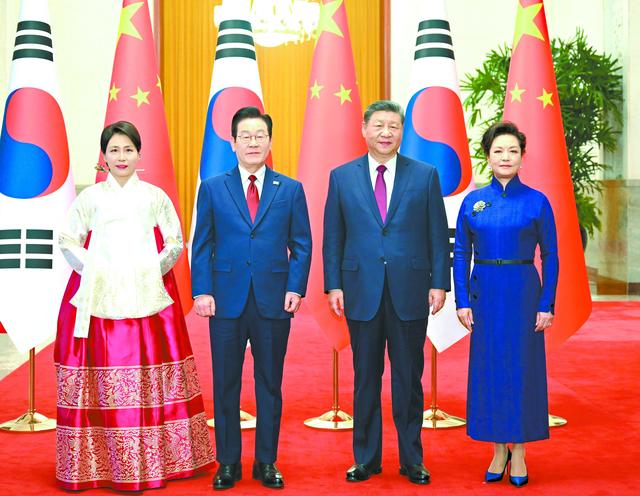
Group 1 - The meeting between Chinese President Xi Jinping and South Korean President Lee Jae-myung on January 5 marks a significant diplomatic engagement, emphasizing the importance of China-South Korea relations and mutual respect for core interests [3][4][5] - Both leaders expressed a commitment to enhance cooperation in various sectors, including technology, environmental protection, transportation, and trade, with 15 cooperation documents signed [6][8] - The discussions highlighted the historical context of cooperation between China and South Korea, particularly in the face of regional challenges, and the need to strengthen economic ties amidst global changes [5][9] Group 2 - The South Korean government aims to leverage this visit as a pivotal moment to restore and enhance bilateral relations, with a focus on economic collaboration and addressing mutual concerns [9][10] - The business forum held in Beijing saw participation from major South Korean corporations, indicating strong interest in deepening economic ties, particularly in emerging technologies like artificial intelligence [7][8] - The establishment of regular meetings between trade ministers from both countries is expected to accelerate negotiations on the second phase of the China-South Korea Free Trade Agreement [9]
洛YOUNG小店的情绪经济学
He Nan Ri Bao· 2026-01-05 23:25
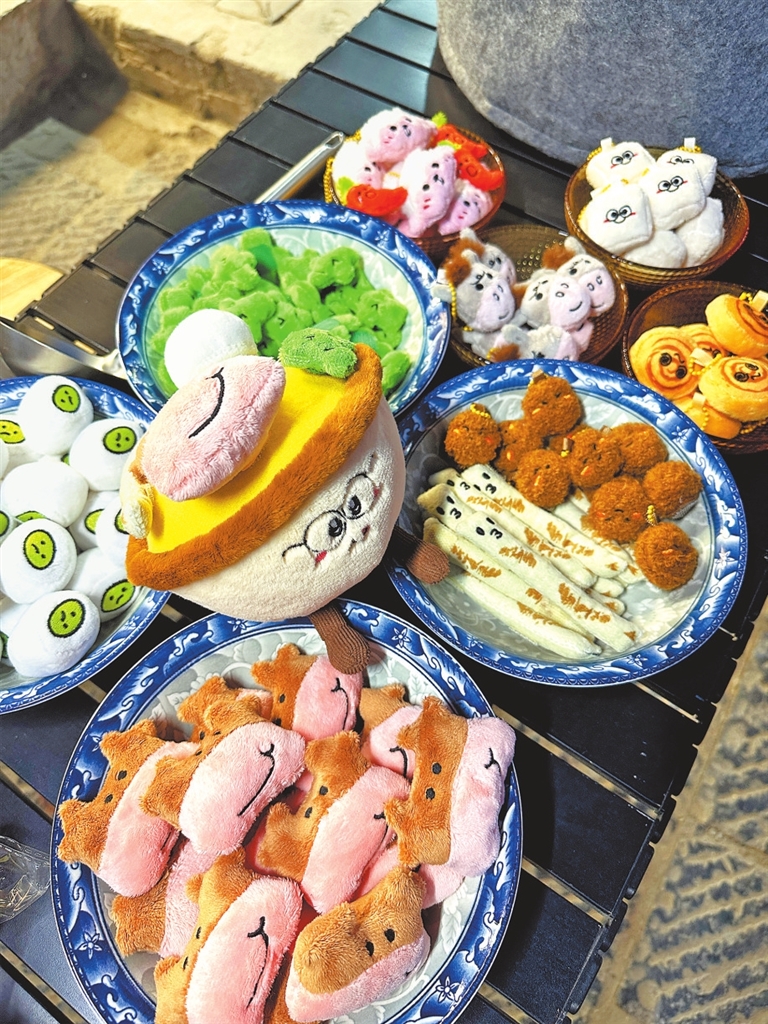
Core Insights - The article highlights the rise of emotional consumption in Luoyang, where local businesses are successfully tapping into consumers' emotional needs through creative products and experiences [4][5][11]. Group 1: Emotional Consumption Trends - The concept of "emotional consumption" is gaining traction, with 56.3% of consumers willing to spend on emotional value or personal interests, reflecting a 16.2 percentage point increase from 2024 [5]. - The emotional economy in China is projected to reach a market size of 2.3 trillion yuan in 2024, with expectations to exceed 4.5 trillion yuan by 2029 [7]. Group 2: Business Strategies - Local entrepreneur Wang Zeming has created DIY plush toys that resonate emotionally with consumers, transforming traditional flavors into trendy products, leading to a 30% increase in foot traffic and nearly 10,000 yuan in sales growth during the New Year holiday [4][5]. - Businesses are focusing on low marginal costs and high emotional premiums, targeting young consumers aged 20 to 35 with products priced between 29 yuan and 99 yuan [8]. Group 3: Cultural Integration - Luoyang is integrating its rich cultural heritage into modern consumption experiences, offering products that serve as symbols of emotional resonance, such as immersive dining experiences and culturally themed merchandise [6][10]. - The city is fostering a sustainable consumption model that not only boosts local tourism but also creates new job opportunities and entrepreneurial ventures [11][12]. Group 4: Youth Engagement - Luoyang is actively engaging young entrepreneurs by providing support such as free accommodation, increased loan limits, and various subsidies, aiming to make the city a desirable place for creative youth [12]. - Recent initiatives, like the "Claim Your Emotional DNA" campaign, focus on expanding new consumption scenarios and modes that resonate with the younger generation [12].
以会展为桥 赋城市动能——苏州国际博览中心书写高质量发展新篇章
Zhong Guo Jing Ji Wang· 2026-01-05 02:39
Core Insights - Suzhou International Expo Center has established a "China Exhibition Brand Project Incubation Base," marking a significant step in enhancing the exhibition industry's quality development in China [1] - The center serves as a vital platform for connecting national and global industries, driving economic growth and cultural dissemination in Suzhou [1] Group 1: Economic Impact - The GT SHOW attracted 187,000 attendees over three days, with over 92.5% being from outside Suzhou, generating nearly 850 million yuan in direct consumption [2] - The exhibition has stimulated local industries such as hotels, restaurants, and transportation, creating a synergistic effect between exhibition, tourism, and consumption [2] Group 2: Industry Empowerment - GT SHOW featured nearly 1,000 modified vehicles and around 100 industry chain enterprises from over 20 countries, facilitating technical exchanges and resource connections for Suzhou's automotive aftermarket [2] - The EMNLP 2025 conference showcased advancements in artificial intelligence and natural language processing, enhancing Suzhou's global academic visibility and attracting top talent to the digital economy sector [3][4] Group 3: Cultural Integration - The 14th Suzhou Cultural and Creative Design Industry Expo attracted over 500 exhibitors from 42 countries, with more than 100,000 attendees, marking a record in scale and influence [5] - The expo generated over 7.1 million yuan in on-site sales and facilitated over 20,000 intent cooperation agreements, promoting the integration of cultural industries with the real economy [5] Group 4: Future Development - Suzhou International Expo Center aims to deepen its role as a "builder" of industrial ecosystems and enhance its exhibition value chain, focusing on high-end project attraction and resource integration [6] - The establishment of the incubation base is expected to strengthen the synergy between exhibitions, industries, investments, and consumption, positioning Suzhou as a global exhibition industry benchmark [6]
推动“冷资源”转化“热经济”
Xin Lang Cai Jing· 2026-01-03 18:14
Core Insights - The "Winter Tour in Yushu" event successfully integrated intangible cultural heritage with tourism, showcasing Yushu's commitment to becoming a national-level Tibetan cultural ecological protection zone and an international ecological tourism destination [1] - The event attracted over 210,000 online and offline visitors, generating sales revenue of 3 million yuan from cultural and agricultural products, thereby enhancing Yushu's year-round tourism brand and invigorating the winter tourism market [1] Group 1 - The event lasted for five days and featured a comprehensive presentation of national-level intangible cultural heritage projects from Yushu and its five counties [1] - Over 500 performers participated in various cultural displays, including traditional dances and costume exhibitions, highlighting the region's rich cultural heritage [1] - The innovative "Intangible Cultural Heritage Market+" model brought together 43 quality cultural enterprises, facilitating the sale of handmade cultural products and unique agricultural goods, which effectively expanded the reach and value of intangible heritage [1] Group 2 - The event included a high-altitude winter swimming challenge that attracted numerous enthusiasts, promoting a new model of integrated development combining sports, culture, and ecology [1] - The activities successfully addressed the challenge of winter tourism's off-peak season, demonstrating a strategic shift from "cold resources" to a "hot economy" [1]