
纺织品

Search documents
美俄会晤结束后,特朗普的一句话,让莫迪心碎,印度也彻底凉凉了
Sou Hu Cai Jing· 2025-08-18 07:31
Core Viewpoint - The recent U.S.-Russia summit has shifted the global trade dynamics, leaving India as the sole victim of U.S. tariff policies, while China and Russia have gained breathing space [5][12][24]. Tariff Negotiations Breakdown - The sixth round of U.S.-India trade talks scheduled for August 25 was abruptly canceled by the U.S. delegation, leading to a significant setback for India [9][10]. - The U.S. is set to impose a 50% tariff on Indian exports, which includes a 25% base tariff and an additional 25% punitive tariff, effective August 27 [10][12]. Trade Relations and Economic Impact - The U.S. is India's most important trading partner, accounting for 20% of India's total exports, amounting to $86.5 billion last year [12]. - The imposition of tariffs is expected to severely cut profits for Indian exporters and threaten millions of jobs [12][24]. Comparison with China and Russia - Following the U.S.-Russia meeting, President Trump announced that there would be no new tariffs on China, providing them with a three-month buffer to negotiate [13][14]. - The U.S. has softened its stance towards Russia, while India has been left isolated, indicating a lack of leverage in the current geopolitical landscape [18][19]. India's Response and Future Outlook - Indian officials have expressed outrage over the U.S. tariffs, labeling them as "unfair" and "unreasonable," and have vowed to take necessary actions to protect national interests [17][22]. - Prime Minister Modi's call for domestic product consumption under the "Make in India" initiative is seen as insufficient to counteract the economic impact of U.S. tariffs [22][24]. - The ongoing tariff dispute may further deteriorate U.S.-India relations, with significant implications for India's economy and trade [24][26].

北京市消协开展比较试验场景互动,邀请消费者零距离接触专业评测
Xin Jing Bao· 2025-08-15 11:58
Group 1 - The core activity involves a hands-on experience for consumers and media representatives in testing various household products, including refrigerators, dishwashers, and smart locks [1][2] - The Beijing Consumer Association has conducted 12 comparative tests this year, including items like children's shoes, sunscreen clothing, and smart locks, with a total of 61 comparative tests and nearly 3,000 products tested during the "14th Five-Year Plan" period [1][2] - The interactive event aims to enhance consumer education and explore new methods for educating consumers about product choices and rights [2] Group 2 - The comparative testing is a common practice among international consumer organizations and serves as an important method for consumer education under the Consumer Rights Protection Law of the People's Republic of China [2] - The Consumer Association acts as a neutral third party, evaluating different brands of the same product category to help consumers make informed choices and protect their rights [2]
望远镜系列16之VFFY2026Q1经营跟踪:收入略优于预期,Q2指引谨慎
Changjiang Securities· 2025-08-15 02:15
Investment Rating - The industry investment rating is "Positive" and maintained [6] Core Insights - For FY2026Q1 (March 30, 2025 - June 28, 2025), VF achieved revenue of $1.76 billion, a slight decline of 2% year-on-year at fixed exchange rates, which is better than market expectations and the company's prior guidance [2][4] - The gross margin increased by 2.7 percentage points to 53.9%, driven mainly by improved discounts and exchange rate factors [2][4] Revenue Breakdown - **By Brand**: - Vans continued to face pressure with a revenue decline of 15% to $500 million - The North Face grew by 5% to $560 million - Timberland increased by 9% to $260 million [5] - **By Region**: - Revenue in the Americas declined by 3% to $940 million - EMEA saw a decrease of 2% to $550 million - APAC grew by 4% to $270 million, with Greater China down by 6% [5] - **By Channel**: - Direct-to-Consumer (DTC) revenue fell by 4% to $720 million - Wholesale channel revenue remained flat at $1.04 billion [5] Inventory and Tariff Impact - At the end of FY2026Q1, the company's inventory increased by 4% year-on-year to $2.14 billion, maintaining overall healthy inventory quality [10] - Tariff expectations are projected to impact gross profit by $60-70 million in FY2026, with half of this expected to occur in FY2026 [10] Performance Guidance - For FY2026Q2, the company expects revenue to decline by 2%-4% year-on-year at fixed exchange rates, with adjusted operating profit projected between $260 million and $290 million [10]
巴西出台援助计划 帮扶受关税冲击企业
Yang Shi Xin Wen· 2025-08-14 00:34
Group 1 - Brazilian President Lula signed an executive order to implement an aid plan for Brazilian export companies affected by high tariffs imposed by the U.S. [1] - The aid plan focuses on strengthening financial credit and government procurement, particularly for companies struggling to find alternative markets [1] - The U.S. raised tariffs on certain Brazilian goods from 10% to 50%, impacting industries such as coffee, beef, seafood, textiles, footwear, and fruits [1] Group 2 - The Brazilian government will provide a credit line of 30 billion reais (approximately 39.9 billion yuan) through the existing export guarantee fund managed by the Brazilian Development Bank [1] - An additional 4.5 billion reais will be allocated to strengthen support for small and medium-sized enterprises [1] - The aid plan includes tax relief for export companies to help maintain their competitiveness in the U.S. market [1] Group 3 - The Brazilian government will support the purchase of goods originally intended for the U.S. market and redistribute them to public schools and hospitals [1] - The executive order requires approval from the Brazilian Congress within four months to remain effective [1]
以案说法:水洗棉夏凉被抽检不合格,你的夏日清凉可能藏有“隐患”
Zhong Guo Zhi Liang Xin Wen Wang· 2025-08-11 06:37
Core Viewpoint - A textile company in Shanghai was found to have produced substandard water-washed cotton summer quilts, leading to regulatory action and penalties due to violations of product quality laws [1][2]. Group 1: Regulatory Actions - The Shanghai Jinshan District Market Supervision Bureau initiated an investigation after receiving a report of non-compliance from the Hunan Provincial Market Supervision Bureau [1]. - The company was penalized for producing and selling substandard products, with a confiscation of illegal gains amounting to 20 yuan and a fine of 112 yuan based on the value of the non-compliant products [2]. Group 2: Product Quality Issues - The specific product in question was a water-washed cotton summer quilt, which failed to meet the GB/T 22796-2021 standard for fiber content [1]. - The quilts were sold at a unit price of 23 yuan, totaling 92 yuan for four units produced by an individual contractor [1]. Group 3: Consumer Guidance - Consumers are advised to pay attention to product labeling, including manufacturer details, fabric composition, and safety standards when purchasing water-washed cotton summer quilts [2]. - It is recommended to check the feel and breathability of the quilts, as well as to be cautious of any strong odors that may indicate harmful substances [2]. - Retaining purchase receipts and choosing reputable retailers are emphasized to ensure consumer rights are protected in case of quality issues [2]. Group 4: Future Actions - The regulatory body plans to enhance quality safety supervision through random inspections and public awareness campaigns to educate consumers on product selection and identification [3].
美国高关税下,巴西印度如何共克时艰?
Sou Hu Cai Jing· 2025-08-09 18:31
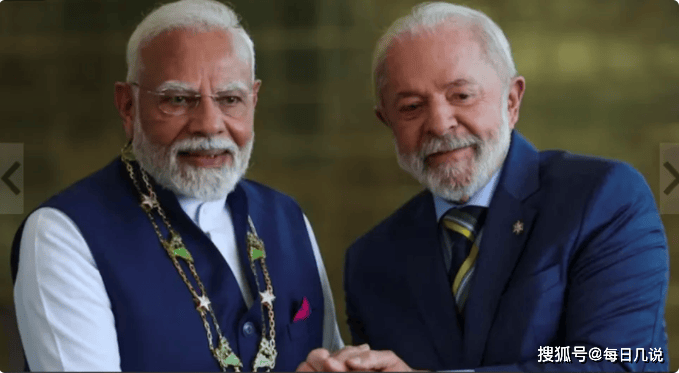
Group 1 - The core event involves Brazil and India leaders' urgent communication to unite against the U.S. unilateral tariff policies, marking a significant strategic action in response to the Trump administration's tariffs [1][4] - The U.S. government has raised tariffs on Brazilian and Indian goods to 50%, the highest level since World War II, severely impacting key exports such as meat, orange juice, and textiles [6][12] - Brazil and India aim to enhance bilateral cooperation by expanding trade agreements and reducing reliance on the U.S. dollar through local currency transactions [5][7] Group 2 - The leaders reaffirmed their commitment to defending multilateralism and expressed the necessity of joint action to mitigate risks posed by U.S. trade policies [4][9] - Brazil's economic stability has been partially supported by strong trade ties with China, while India maintains its strategic partnership with Russia despite U.S. pressures [9][10] - The collaboration between Brazil and India is seen as a response to the geopolitical isolation and the need for diversified alliances to counter U.S. unilateralism [10][11] Group 3 - The potential establishment of a "Southern Common Market - India Trade Zone" could challenge the effectiveness of U.S. tariff policies and contribute to the reconfiguration of global economic order [12][13] - The cooperation may lead to the emergence of a new geopolitical alliance that balances against traditional Western powers, especially with the inclusion of new BRICS members [13][14] - Brazil and India's actions could catalyze reforms in multilateral governance mechanisms, such as the WTO, and strengthen their commitments to a multipolar international order [14]
印度否认因美国加征关税而暂停军购计划
Hua Er Jie Jian Wen· 2025-08-09 01:13
Group 1 - The Indian government has denied reports of suspending defense procurement negotiations with the United States, stating that all procurement cases are proceeding as per existing procedures [1] - Prior reports suggested that India had paused new arms and aircraft procurement plans from the U.S., seen as a sign of dissatisfaction in U.S.-India relations due to tariff issues [1] - U.S. President Trump imposed an additional 25% tariff on Indian goods as a punitive measure for India's purchase of Russian oil, raising the total tariffs faced by Indian exports to 50% [1] Group 2 - The U.S. is India's largest export market, with total exports to the U.S. projected to be nearly $87 billion in 2024 [2] - Experts warn that if the 50% tariffs are implemented, it could significantly impact India's economy, particularly affecting industries such as textiles, automotive parts, steel, and gemstones [2] - In the context of escalating U.S.-India trade tensions, India appears to be strengthening its cooperation with Russia [3][4] Group 3 - Indian and Russian officials held a meeting on August 6 to discuss deepening industrial cooperation, focusing on areas such as rare earth and critical mineral extraction, aerospace technology, carbon fiber, and 3D printing [4] - The meeting resulted in a signed protocol reaffirming the strategic partnership between India and Russia, committing to enhance industrial and economic collaboration [4]
割不动中国,美国收割印度,数万亿资金撤离,莫迪的重大失误
Sou Hu Cai Jing· 2025-08-07 09:46
Core Viewpoint - The article discusses the significant capital outflow from the Indian market, likening it to the financial turmoil of 1999, and highlights the challenges faced by the Modi government in managing the economy amidst this crisis [1][3]. Group 1: Capital Outflow - On October 3, a massive capital withdrawal occurred, with $1.017 billion in bonds and $18.5 billion in stocks sold off in a single day [5]. - The outflow is attributed to the Federal Reserve's interest rate adjustments, which triggered a rapid shift of global funds away from emerging markets like India [5][12]. - The withdrawal is characterized as a strategic move by international capital, aiming to pressure the Indian government to relax foreign exchange controls [5][12]. Group 2: Economic Impact - India's economy is heavily reliant on foreign markets, with exports accounting for over 20% of GDP, making it vulnerable to external financial shifts [7]. - The depreciation of the rupee and rising prices have led to a loss of orders across various sectors, including textiles and IT services, impacting the overall economic landscape [9][10]. - Analysts warn that if the current trends continue, India's economy could regress to levels not seen since around 2000, representing a 24-year setback [3]. Group 3: Government Response - The Modi government is in a precarious position, needing to balance market stability with the demands of international investors [12][14]. - The government's inconsistent policy approach—oscillating between easing and tightening regulations—has created uncertainty, leading to frustration among foreign investors [12][14]. - The outcome of this crisis will be a critical test for the Modi administration, with potential long-term implications for India's economic trajectory [14].
美对印关税战升级至50%!印美“硬碰硬”,是为了石油还是贸易逆差?
Di Yi Cai Jing· 2025-08-07 09:13
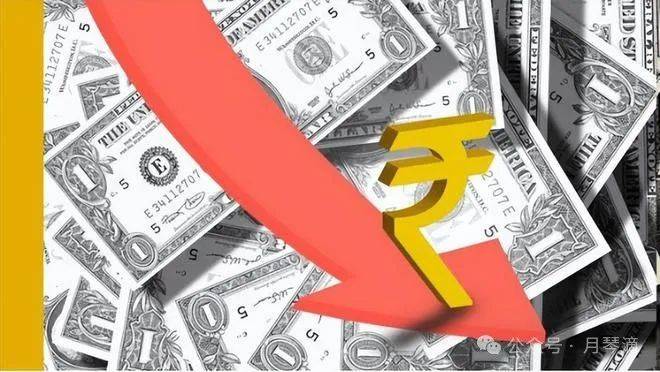
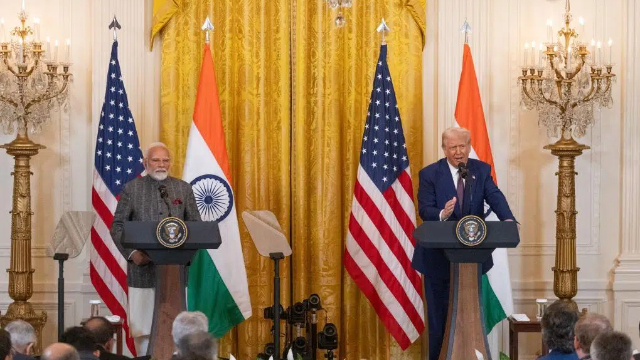
特朗普近日多次以印度购买俄罗斯石油为由,威胁大幅提高对印度产品的关税。他称,印度不仅大量购 买俄罗斯石油,还在二级市场上销售并获取大额利润。 2025年上半年,印度日均进口俄油175万桶,较去年同期增长了1%。 半年前美国总统特朗普还将印度总理莫迪称之为"伟大的朋友",如今双方关系在贸易战的硝烟下,露出 了明显的裂痕。 据新华社报道,特朗普6日签署行政令,以印度"以直接或间接方式进口俄罗斯石油"为由,对印度输美 产品征收额外的25%关税。 此前特朗普已经签署行政令,美国从8月7日开始对印度输美商品征收25%的关税。两者叠加后,印度输 美商品将总体适用50%的关税税率。印度也由此成为输美商品税率最高的国家之一。 上海国际问题研究院南亚研究中心主任刘宗义向第一财经记者表示,除了印度大量购买俄罗斯石油的表 面问题外,特朗普其实特别在意印度的贸易逆差问题,早在莫迪今年早些时候访问美国时,特朗普就提 出印度需要购买美国石油来削减逆差。与此同时,印度在与美国的贸易谈判上,始终不愿做出过多的让 步,这让特朗普更加恼火。 印度继续买俄油 据新华社报道,根据白宫6日发布的公告,特朗普称俄罗斯政府的行为和政策继续对美国国家安全和 ...
就业遇冷后的降息展望
2025-08-06 14:45
Summary of Conference Call Records Industry Overview - The records focus on the **U.S. economy**, particularly the **employment market**, **inflation**, and **monetary policy** implications due to recent economic data and political influences [1][2][5]. Key Points and Arguments 1. **Employment Market Weakness** - The U.S. employment market shows signs of fatigue, with a rising unemployment rate and a significant downward revision of previous job growth figures, leading to an average of only **50,000 new jobs** added over the past three months [2][6]. - The labor participation rate changes contribute to the overall weakness in supply and demand within the job market [2]. 2. **Interest Rate Cut Expectations** - Market expectations for a rate cut in Q4 have surged, with a **95% probability** of a **25 basis point** cut before October, driven by the weak employment and inflation data [1][2]. - The anticipated rate cuts are expected to alleviate pressures on the real estate and manufacturing sectors [5]. 3. **Inflation Trends** - Since the implementation of reciprocal tariffs in April, prices of goods heavily reliant on imports, such as furniture and appliances, have risen significantly [3]. - The effective tax rate from tariffs is projected to increase from **16.5%** to **17.5%**, which may further elevate inflationary pressures [3]. 4. **Political Influence on Monetary Policy** - Political pressures for looser monetary policy are increasing, especially with the potential for new Federal Reserve board members who may favor rate cuts [5]. - The upcoming Jackson Hole meeting and inflation data will significantly influence the market's pricing of September rate cut expectations [5]. 5. **Consumer Spending Dynamics** - Consumer spending constitutes **70%** of the U.S. economy, with high-income households showing resilience in their spending habits [6]. - Fixed-rate loans dominate the debt landscape, minimizing the impact of the current rate hike cycle on overall consumer debt pressure [6]. 6. **Economic Outlook** - The U.S. economy is transitioning from a "very good" state to a "not so good" state, indicating a slowdown but not an imminent recession [7]. - The narrative around the economy remains unchanged, with expectations of a gradual weakening rather than a linear decline into recession [7]. Additional Important Insights - The impact of tariffs on inflation is expected to manifest more clearly in the data by October, as inventory replenishment continues in various sectors [3][4]. - The sensitivity of middle and low-income groups to price changes may mitigate inflation transmission pressures compared to previous years [4].