能源

Search documents
为民营企业出海架起“金融桥梁”
Sou Hu Cai Jing· 2025-10-31 03:36
Core Insights - The article highlights the role of CCB Jiaxing Branch in enhancing financial services for local private enterprises to expand into overseas markets amidst evolving global trade dynamics [1][2] Group 1: Financial Support for Enterprises - CCB Jiaxing Branch has leveraged the advantages of the Yangtze River Delta integration to provide robust financial support for local private enterprises, particularly in their international expansion efforts [1] - A significant private enterprise in Jiaxing received an additional trade financing quota of RMB 200 million in June, alleviating its import material demand pressures and optimizing cash flow management [1] - The branch responded quickly to the needs of a local automotive parts manufacturer by facilitating a cross-border payment service of RMB 20 million, effectively reducing financing costs amid rising export pressures [1] Group 2: Cross-Border Trade Facilitation - Beyond financing, the branch actively participates in cross-border trade facilitation reforms, offering more convenient foreign exchange settlement services to quality enterprises [2] - A pilot energy company benefited from streamlined processes for a special refund business, completing the transaction on the same day due to new policies, which significantly reduced the administrative burden [2] - In the first half of the year, the energy company processed 99 facilitation transactions through the branch, amounting to USD 2.029 million, demonstrating efficient cross-border fund flow [2] Group 3: Future Outlook - CCB Jiaxing Branch aims to continue optimizing its product and service offerings to provide comprehensive financial solutions throughout the lifecycle of enterprises, positioning itself as a strong support for local private companies in their global market expansion [2]
中泰期货晨会纪要-20251031
Zhong Tai Qi Huo· 2025-10-31 02:55
Commodity Rating Based on Fundamental Analysis - **Trend Bearish**: No specific commodities mentioned - **Oscillating Bearish**: Fuel oil, Urea, Caustic soda, Alumina, Red dates, Live pigs, Asphalt [2] - **Oscillating**: CSI 300 Index Futures, Industrial silicon, SSE 50 Index Futures, CSI 500 Index Futures, CSI 1000 Index Futures, Liquefied petroleum gas, Polysilicon, Crude oil, 10-year Treasury bond futures, 2-year Treasury bond futures, Cotton, Rubber, 30-year Treasury bond futures, 5-year Treasury bond futures, Lithium carbonate, Cotton yarn, Sugar, Synthetic rubber, Aluminum, Pulp, PTA Ethylene glycol, Offset printing paper, Corn, Bottle chips, p-Xylene, Short fiber, Ferrosilicon, Silicomanganese, Glass, Eggs, Soda ash, Coke, Hot-rolled coil, Rebar, Iron ore, Coking coal, Apples, Methanol, Logs [2] - **Oscillating Bullish**: Plastic [2] - **Trend Bullish**: No specific commodities mentioned Commodity Rating Based on Quantitative Indicators - **Bearish**: Soybean meal 2, Rapeseed meal, Soybean meal, Sugar, Coke, PTA, Silicomanganese [4] - **Oscillating**: Methanol, Soybean meal 1, Corn, Shanghai Lead, Shanghai Silver, Shanghai Aluminum, Shanghai Copper, Polypropylene, Coking coal, Eggs, PVC, Plastic, Corn starch, Iron ore, Hot-rolled coil, Shanghai Zinc, Zhengzhou Cotton, Rebar, Rubber [4] - **Bullish**: Glass, Asphalt, Palm oil, Rapeseed oil, Shanghai Tin, Soybean oil, Shanghai Gold [4] Macroeconomic News - China and the US reached consensus on economic and trade issues, with the US canceling the 10% "fentanyl tariff" on Chinese goods and suspending relevant export control and investigation measures for one year. China will adjust or suspend relevant countermeasures accordingly [8] - The ECB maintained the benchmark interest rate at 2% for the third consecutive time, believing that inflation has reached the 2% target. The Eurozone's Q3 GDP grew better than expected, but member states' performance diverged [9] - The Bank of Japan maintained the benchmark interest rate at 0.5% for the sixth consecutive time, with two policy committee members opposing and suggesting a 25-basis-point rate hike [10] - The CSRC approved the registration of Moore Thread's IPO on the STAR Market, with the company planning to raise 8 billion yuan [9] - The weighted average interest rate of newly issued commercial personal housing loans in Q3 2025 was 3.07% [9] Macro - Financial Market Stock Index Futures - Adopt a strategy of buying on dips and pay attention to index rotation. A - shares fell on heavy volume, but the lithium - battery industry chain was strong. The Q3 reports of A - share listed companies showed that revenue and net profit increased year - on - year, and the profit growth rate in Q3 improved significantly. Monetary policy is expected to be further loosened in Q4 [12] Treasury Bond Futures - Monetary policy loosening is in the implementation stage, and bonds still have upward momentum. The capital market is balanced and loose, and the Fed cut interest rates by 25BP [13][14] Black Metals Steel and Iron Ore - In the short term, the black metal market may adjust slightly and maintain an oscillating trend. Policy has a significant impact on market sentiment. Demand for building materials is weak, while demand for coils is fair. Supply remains high, and steel mill profits are low. The valuation of steel is expected to remain between valley - and peak - electricity costs, and the rebound space of steel prices is limited [15] Coking Coal and Coke - The prices of coking coal and coke may continue to oscillate strongly in the short term. Supply is gradually recovering, but there are still expectations of production checks and environmental protection restrictions. However, the weakening of steel demand in the off - season may limit the price rebound [17] Ferroalloys - It is recommended to take a bearish position on the medium - term trend of ferroalloys and control positions. The prices of ferroalloys rose in the morning and then fell in the afternoon due to the overall market decline [17] Soda Ash and Glass - It is recommended to wait and see. The inventory of soda ash is basically stable, and the supply is high. The inventory of glass decreased slightly, and the spot price is stable. Future attention should be paid to demand in the peak season and fuel upgrade progress [19] Non - Ferrous Metals and New Materials Aluminum and Alumina - It is recommended to wait and see for aluminum. Although the market tension has eased, domestic demand is weak. For alumina, it is recommended to short on rallies as the supply surplus pressure is large, and cost support is weakening [21] Lithium Carbonate - The price of lithium carbonate will continue to oscillate strongly in the short term due to strong demand and a decrease in supply [22] Industrial Silicon and Polysilicon - Industrial silicon will oscillate within a range as the supply - demand contradiction is not prominent. Polysilicon will also oscillate narrowly, with the lower limit supported by spot prices and the upper limit depending on capacity merger policies [23][24] Agricultural Products Cotton - It is recommended to be cautious when operating on the rebound of cotton prices. Supply pressure is increasing, and demand is weak. Although Zhengzhou cotton is supported by cost and basis repair, the overall supply pressure still restricts the rebound space [27] Sugar - It is recommended to either conduct short - rolling operations or wait and see. The global sugar supply is expected to be in surplus, and domestic supply pressure is increasing. However, cost support and import restrictions may limit the decline [28][29] Eggs - It is recommended to wait and see or try short - selling on rallies. The egg industry is in the process of capacity reduction, and the futures market is strong. However, the supply - demand pattern is still loose, and the increase in spot prices may be limited [30] Apples - Apples are expected to oscillate strongly. The prices in the western producing areas are firm, and the national inventory is lower than the same period last year. Future attention should be paid to price changes, inventory progress, and buyer sentiment [33] Corn - It is recommended to be cautious when shorting near - month contracts and consider going long on far - month contracts. Corn prices are oscillating. The support from state - owned grain depots and rigid demand may drive a short - term rebound, but new grain supply pressure and potential wheat substitution may limit the upward movement [34] Red Dates - It is recommended to short on rallies or wait and see. The market price of red dates is stable, and there is an expectation of a lower opening price [35] Live Pigs - It is recommended to short near - month contracts on rallies. The spot price is weakening, and the supply is abundant. The market lacks the conditions for a significant price rebound [35][36] Energy and Chemicals Crude Oil - The price of crude oil is likely to fall as the supply - demand contradiction is becoming more prominent. EIA inventory decreased unexpectedly, but OPEC+ may increase production, and demand may be suppressed [38] Fuel Oil - The price of fuel oil will follow the trend of oil prices. Supply is abundant, and demand is weak. Attention should be paid to the impact of sanctions on Russian supply [39] Plastics - Polyolefins may have an emotional rebound in the short term due to improved market sentiment, but the supply pressure is large, and it is recommended to hedge after the rebound [39] Rubber - Rubber will oscillate as the macro - level benefits have been realized, and there is no obvious fundamental logic. Short - term double - selling strategies can be considered [40] Methanol - It is recommended to adopt an oscillating strategy and consider going long in small amounts after a rebound driver appears. The market is highly volatile due to factors such as Iranian imports and gas restrictions, and inventory is high [41][42] Caustic Soda - It is recommended to take a bearish - oscillating view. The supply of caustic soda exceeds demand, but coal prices may provide some support. The risk of short - selling lies in the cost support after the weakening of liquid chlorine prices [43] Asphalt - Asphalt is expected to oscillate weakly. Oil prices are affected by geopolitical and macro factors, and asphalt demand is entering the end - stage, with production set to increase again [44] Liquefied Petroleum Gas (LPG) - LPG will follow the trend of crude oil in the short term. Supply is abundant, and demand may weaken. There is a possibility that LPG may underperform crude oil in the coming week [47]
银河期货每日早盘观察-20251031
Yin He Qi Huo· 2025-10-31 02:04
Report Industry Investment Ratings No relevant content provided. Core Views of the Report The report offers a comprehensive analysis of various futures markets, including financial derivatives, agricultural products, black metals, and non-ferrous metals. It assesses market trends, fundamental factors, and provides corresponding trading strategies based on the current market situation [20][23][26]. Summary by Related Catalogs Financial Derivatives Stock Index Futures - **Investment Logic**: On Thursday, the stock index fluctuated again. In the morning, the market was strong, but in the afternoon, it dived and then oscillated downward. Due to investors' profit - taking and concerns about the technology stocks, the short - term stock index will fluctuate again and wait for re - pricing after the quarterly reports [20]. - **Trading Strategy**: Unilateral: Buy on dips without chasing high prices; Arbitrage: IM\IC long 2512 + short ETF cash - and - carry arbitrage; Options: Bull spread on dips [22]. Treasury Futures - **Investment Logic**: On Thursday, most treasury futures closed higher. The central bank's net injection of short - term liquidity eased the market's funds. The long - end may catch up in price, and the market should be cautious about chasing the TS contract [23]. - **Trading Strategy**: Unilateral: Try to go long on the TL contract on dips; Arbitrage: Pay attention to potential cash - and - carry arbitrage opportunities [24]. Agricultural Products Soybean Meal - **Investment Logic**: Trade relations are improving, which benefits US soybeans. However, the international soybean supply is abundant, and the domestic soybean meal supply has improved, with pressure on prices. Rapeseed meal is expected to fluctuate [26]. - **Trading Strategy**: Unilateral: Slowly build short positions in far - month contracts; Arbitrage: Try M35 reverse arbitrage; Options: Sell strangle strategy [28]. Sugar - **Investment Logic**: Internationally, the global sugar production is increasing, and the Brazilian sugar production is expected to be high. The ethanol's support for sugar has weakened, and the international sugar price is bearish. Domestically, the increase in sugar production may be less than expected, and the suspension of some imports may support the price in the short term [30]. - **Trading Strategy**: Unilateral: The international sugar price is bearish, and the domestic market may be slightly stronger in the short term. Consider shorting on rallies; Arbitrage: Short US raw sugar and long domestic Zhengzhou sugar; Options: Wait and see [30]. Oilseeds and Oils - **Investment Logic**: High - frequency data shows that the production and export growth of Malaysian palm oil in October have declined, and it is expected to continue to accumulate inventory slightly. Domestic soybean oil may gradually reduce inventory, and rapeseed oil is gradually de - stocking. The oil market is in a bottom - grinding stage [34]. - **Trading Strategy**: Unilateral: Consider going long on dips; Arbitrage: Wait and see; Options: Wait and see [34]. Corn/Corn Starch - **Investment Logic**: The US corn futures have declined, and the US corn production is at a high level. The supply of Northeast Chinese corn has increased, and the price is weak. The North China corn price has stabilized and rebounded. The 01 contract of corn is expected to fluctuate weakly [36]. - **Trading Strategy**: Unilateral: Go long on the 12 - contract of US corn on dips, go long on the 01 - contract of Chinese corn lightly, and try to go long on the 05 and 07 - contracts of Chinese corn in the long - term; Arbitrage: Wait and see; Options: Wait and see [36]. Live Pigs - **Investment Logic**: The overall supply pressure of live pigs still exists, although the scale of enterprise slaughter has decreased, and the number of secondary fattening has increased, which has a certain supporting effect on the price. The pig price is expected to be under pressure [38]. - **Trading Strategy**: Unilateral: Consider building a small number of short positions; Arbitrage: Wait and see; Options: Sell strangle strategy [38]. Peanuts - **Investment Logic**: Peanut prices have stabilized. The supply of imported peanuts has decreased, and the prices of peanut oil and peanut meal are stable. The oil mills have not purchased in large quantities. The 01 - contract of peanuts is expected to fluctuate at the bottom [42]. - **Trading Strategy**: Unilateral: Try to go long on the 01 and 05 - contracts of peanuts lightly; Arbitrage: Wait and see; Options: Sell the pk601 - P - 7600 option [42]. Eggs - **Investment Logic**: The number of laying hens is still at a high level, and the demand is average. The egg price is expected to be weak. Recently, the increase in the number of culled chickens and downstream replenishment have led to a slight rebound in the spot price. It is recommended to wait and see [47]. - **Trading Strategy**: Unilateral: Consider closing out previous short positions and wait and see; Arbitrage: Wait and see; Options: Wait and see [47]. Apples - **Investment Logic**: The quality of new - season apples is poor, the excellent fruit rate is low, and the cost of making warehouse receipts is high. The market is worried about the short shelf - life of cold - stored apples. The expected low storage volume may support the price, but the upward space is limited [51]. - **Trading Strategy**: Unilateral: Consider closing out previous long positions and wait and see; Arbitrage: Wait and see; Options: Wait and see [51]. Cotton - Cotton Yarn - **Investment Logic**: The cotton purchase is at its peak, and the purchase price is stable with a slight increase. The demand has not changed much. The improvement in Sino - US relations may support the Zhengzhou cotton price, which is expected to fluctuate slightly stronger [55]. - **Trading Strategy**: Unilateral: The US cotton is expected to fluctuate, and the Zhengzhou cotton is expected to fluctuate slightly stronger in the short term; Arbitrage: Wait and see; Options: Wait and see [55]. Black Metals Steel - **Investment Logic**: The night - trading steel price fluctuated weakly. This week, the steel production recovery accelerated, and the demand continued to recover, with an accelerated inventory reduction. However, there are still pressures from high plate inventory, slow capital release in the fourth quarter, and the fading macro - influence [58]. - **Trading Strategy**: Unilateral: Maintain range - bound fluctuations; Arbitrage: Consider going long on the hot - rolled coil and short on the rebar spread; Options: Wait and see [59]. Coking Coal and Coke - **Investment Logic**: The current macro - sentiment is positive, and the coking coal fundamentals are good, but the steel demand is uncertain, which restricts the upward space of raw materials. It is expected to fluctuate in the near future, and it is recommended to wait for dips to go long [61]. - **Trading Strategy**: Unilateral: Wait for dips to go long; Arbitrage: Wait and see; Options: Wait and see [61]. Iron Ore - **Investment Logic**: The iron ore price fell at night. The supply is at a high level, and the demand is weakening domestically. The iron ore price is expected to be under pressure at a high level [63]. - **Trading Strategy**: Unilateral: Bearish at a high level; Arbitrage: Wait and see; Options: Wait and see [64]. Ferroalloys - **Investment Logic**: The market sentiment has cooled down. The supply and demand pressures of ferrosilicon and ferromanganese still exist. They can continue to be used as short - side configurations in the sector [65]. - **Trading Strategy**: Unilateral: Continue as short - side configurations; Arbitrage: Wait and see; Options: Sell out - of - the - money straddle option combinations [66]. Non - Ferrous Metals Precious Metals - **Investment Logic**: There are both bullish and bearish factors in the precious metals market. The market is expected to enter a high - level shock adjustment period in the short term [69]. - **Trading Strategy**: Unilateral: Hold long positions in Shanghai gold and silver cautiously; Arbitrage: Wait and see; Options: Wait and see [71]. Copper - **Investment Logic**: Macro - factors are not favorable, and the supply side of copper mines has more disturbances. The supply is relatively tight, and the consumption is weak. The copper price has a short - term correction [73]. - **Trading Strategy**: Unilateral: The short - term copper price corrects slightly, pay attention to support and resistance levels, and go long on dips in the long term; Arbitrage: Hold cross - market cash - and - carry arbitrage and consider cross - period cash - and - carry arbitrage after domestic inventory decline; Options: Wait and see [74]. Alumina - **Investment Logic**: The supply and demand of alumina are still in significant surplus, but there are expectations of production cuts. The price rebounds slightly at a low level, but there are still pressures on the rebound amplitude [77]. - **Trading Strategy**: Unilateral: The price will fluctuate at a low level; Arbitrage: Wait and see; Options: Wait and see [77]. Electrolytic Aluminum - **Investment Logic**: The macro - situation is uncertain, but the Sino - US economic and trade consensus is positive. The overseas supply is tight, and the domestic consumption is resilient. The aluminum price is expected to rise after the market sentiment stabilizes [80]. - **Trading Strategy**: Unilateral: The aluminum price is expected to rise after the market sentiment stabilizes; Arbitrage: Wait and see; Options: Wait and see [80]. Cast Aluminum Alloy - **Investment Logic**: The macro - expectations are volatile. The supply of scrap aluminum is tight, the demand is resilient, and the price of ADC12 aluminum alloy ingots will maintain a strong shock [85]. - **Trading Strategy**: Unilateral: The aluminum alloy price will rise with the aluminum price; Arbitrage: Consider long AD and short AL arbitrage; Options: Wait and see [85]. Zinc - **Investment Logic**: The domestic zinc concentrate market is short of supply, and some smelters may reduce production in November. The consumption is expected to weaken, but the export window is open, which can relieve the supply - surplus situation [90]. - **Trading Strategy**: Unilateral: Hold profitable long positions and pay attention to export volume and new smelter production; Arbitrage: Consider buying SHFE and selling LME in advance according to export conditions; Options: Wait and see [90]. Lead - **Investment Logic**: Some lead - storage enterprises have reduced production due to high lead prices and high downstream inventory. The supply of recycled lead may increase, and the lead price may decline [94]. - **Trading Strategy**: Unilateral: Wait and see, and consider shorting if the production of recycled lead increases; Arbitrage: Wait and see; Options: Wait and see [94]. Nickel - **Investment Logic**: The supply and demand of nickel are loose, but there is cost support. The nickel price will maintain a range - bound operation [98]. - **Trading Strategy**: Unilateral: Wide - range shock; Arbitrage: Wait and see; Options: Sell the 2512 - contract strangle combination [99]. Stainless Steel - **Investment Logic**: The supply and demand of stainless steel are weak, and it is difficult to obtain production profits. The social inventory has increased slightly [101]. - **No trading strategy content provided specifically for the logic above, but based on the general format, it should be summarized if available.**
北京释放明确信号:鼓励跨行业并购 引导要素向前沿科创集聚
2 1 Shi Ji Jing Ji Bao Dao· 2025-10-30 13:31
Core Viewpoint - The recent release of the "Opinions on Supporting Mergers and Acquisitions to Promote High-Quality Development of Listed Companies" signals a significant policy shift aimed at enhancing the quality of listed companies and fostering new productive forces through mergers and acquisitions (M&A) reform [1][2]. Group 1: Policy Direction - The "Opinions" outline three main goals for M&A: improving the quality of listed companies, developing new productive forces, and promoting industrial integration and upgrading [2]. - The policy encourages resources to be directed towards strategic emerging industries and future industries, particularly in fields such as artificial intelligence, healthcare, integrated circuits, and smart connected vehicles [2][3]. Group 2: Market Dynamics - The recent performance of the Beijing Stock Exchange (BSE) indicates a positive market sentiment towards the reforms, with the BSE 50 Index rising by 8.41% on October 29, followed by sustained trading activity with a total market turnover of 2.46 trillion yuan [1]. - The case of China Shenhua's acquisition of 13 energy assets, resulting in a nearly one trillion yuan energy conglomerate, exemplifies the market's recognition of the synergistic benefits of industrial integration [2]. Group 3: Support Mechanisms - The "Opinions" propose the establishment of a "key M&A target project list" and the creation of non-profit M&A service platforms to address information asymmetry and enhance project matching efficiency [4]. - The policy encourages the establishment of market-oriented M&A funds and collaboration with government investment funds to meet the demand for "patient capital" necessary for long-term industrial integration [4]. Group 4: Regulatory Environment - The "Opinions" emphasize the need for a "M&A pain point radar mechanism" to identify and resolve institutional barriers, alongside simplifying administrative approval processes to create a more conducive environment for M&A [5]. - Enhanced risk monitoring and regulatory measures are highlighted, focusing on protecting minority investors and preventing fraudulent activities, ensuring that M&A transactions do not compromise the ongoing operational capabilities of listed companies [6].
中美经贸磋商结果公布,后续如何发展?
CAITONG SECURITIES· 2025-10-30 13:17
Group 1: Trade Negotiation Outcomes - The U.S. will reduce the fentanyl tariff by 10 percentage points, while China will lower retaliatory tariffs on U.S. agricultural products (such as soybeans) and energy[5] - Both sides will suspend the 24% reciprocal tariffs and the 50% export control measures for one year[5] - Maritime, logistics, and shipbuilding sanctions will also be paused for one year[6] Group 2: Market Implications - The outcomes align with market expectations and previous forecasts regarding rare earth controls and soybean purchases in exchange for tariff reductions[7] - After the tariff reductions, China's tariffs are now on par with Southeast Asia, only 5 percentage points higher than those of Europe and Japan, which is marginally beneficial for exports[7] Group 3: Future Developments - Tariff disputes are expected to evolve, with less likelihood of comprehensive increases in the future, and the fentanyl tariff may continue to be eliminated in subsequent negotiations[8] - Despite recent U.S. retreats in trade confrontations, ongoing competition suggests that conflicts may persist, particularly in electronics, new energy, and pharmaceuticals[8] Group 4: Risk Factors - There are risks of actual execution falling short of expectations, potential policy reversals, and changes in import-export policies[12]
道达尔能源CEO:道达尔将在巴黎证交所回购股票
Ge Long Hui A P P· 2025-10-30 13:01
Core Viewpoint - TotalEnergies' CEO stated that the French Parliament's tax plan is unfeasible, indicating potential challenges in the regulatory environment for the company [1] Group 1 - TotalEnergies plans to repurchase shares on the Paris Stock Exchange instead of the New York Stock Exchange, suggesting a strategic focus on its home market [1] - The budget for the Mozambique liquefied natural gas project remains approximately $20 billion, highlighting the company's significant investment in this area [1] - The company is working to reduce capital expenditures for the Papua New Guinea liquefied natural gas project, emphasizing the importance of cost management in a potentially weak market [1]

美股前瞻 | 三大股指期货齐跌,苹果(AAPL.US)、亚马逊(AMZN.US)盘后公布财报
智通财经网· 2025-10-30 13:01
Market Overview - US stock index futures are all down, with Dow futures down 0.32%, S&P 500 futures down 0.35%, and Nasdaq futures down 0.55% [1] - European indices also show declines, with Germany's DAX down 0.18%, UK's FTSE 100 down 0.67%, France's CAC40 down 1.04%, and the Euro Stoxx 50 down 0.61% [2][3] - WTI crude oil prices fell by 0.86% to $59.96 per barrel, while Brent crude also dropped by 0.86% to $63.77 per barrel [4] Economic and Policy Updates - The meeting between Chinese President and US President Trump emphasized that economic and trade relations should be a stabilizing force rather than a point of conflict [5] - Federal Reserve Chairman Jerome Powell's comments on interest rate cuts have led to skepticism in the market, with the 10-year US Treasury yield holding steady at 4.08% after a previous spike [5] - Powell also stated that the current AI investment wave is fundamentally different from the internet bubble, highlighting that AI companies are rooted in profitability and real economic activity [6] Company Earnings and Performance - Roblox reported a record Q3 with 151.5 million daily active users, a 70% year-over-year increase, and bookings of $1.92 billion, exceeding analyst expectations [7] - Microsoft exceeded Q1 expectations with revenues of $77.7 billion, driven by a significant increase in capital expenditures related to AI [7] - Alphabet's Q3 revenue was $102.35 billion, up 16% year-over-year, with strong performance in its cloud division [8] - Meta's Q3 net profit fell 83% due to a one-time tax expense, despite a 26% increase in revenue to $51.24 billion [9] - Starbucks reported Q4 revenue of $9.57 billion, a 5.5% increase, with same-store sales returning to positive growth [10] - Shell's Q3 profit exceeded expectations, supported by strong oil and gas trading performance despite weak energy prices [11] - TotalEnergies' Q3 adjusted net profit fell 2.3% to $3.98 billion, meeting analyst expectations [12] - Stellantis reported a 13% increase in Q3 revenue to €37.2 billion, but issued a cost warning that affected stock performance [13] - Samsung Electronics' semiconductor division saw a 79% increase in Q3 operating profit, driven by AI demand [14] Future Outlook - OpenAI is reportedly preparing for an IPO that could value the company at $1 trillion, with plans to raise at least $60 billion [5] - Eli Lilly raised its full-year guidance due to strong sales from its weight loss and diabetes drugs, with Q3 sales reaching $17.6 billion [17] - Tesla plans to showcase its Cybercab model at the Shanghai International Import Expo in November [19]



港股红利板块震荡上行,恒生红利低波ETF(159545)全天获近8000万份净申购
Mei Ri Jing Ji Xin Wen· 2025-10-30 12:23
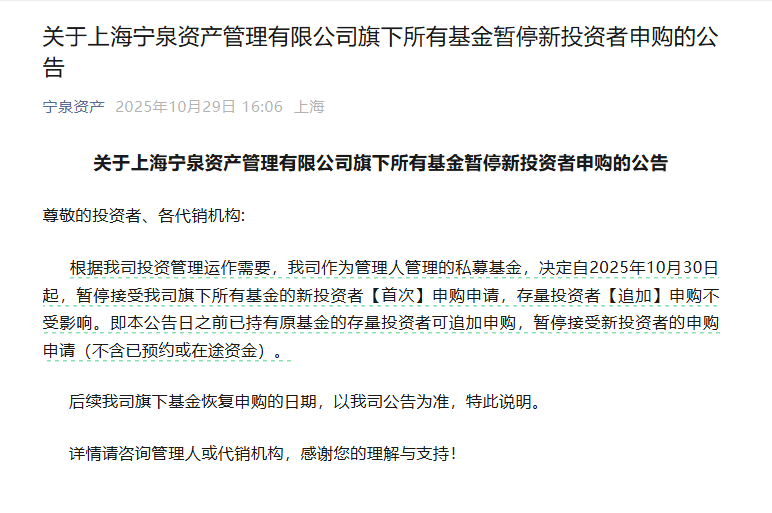
Core Viewpoint - The performance of various dividend-focused indices and ETFs in the Chinese and Hong Kong markets shows a mixed trend, with some indices experiencing slight increases while others have declined, indicating varying investor sentiment and market conditions. Group 1: Index Performance - The Hang Seng High Dividend Low Volatility Index increased by 0.2% [1] - The CSI Dividend Low Volatility Index rose by 0.1% [1] - The CSI Dividend Value Index saw a slight increase of 0.04% [1] - The CSI Dividend Index decreased by 0.4% [1] Group 2: ETF Subscription Activity - The Hang Seng Dividend Low Volatility ETF (159545) recorded a net subscription of nearly 80 million units throughout the day [1] Group 3: Index Composition and Characteristics - The CSI Dividend Index consists of 100 stocks with high cash dividend yields and stable dividends, with significant representation from the banking, coal, and transportation sectors, accounting for nearly 55% [3] - The CSI Dividend Low Volatility Index is composed of 50 stocks with good liquidity and continuous dividends, with over 65% representation from the banking, transportation, and construction sectors [3] - The Hang Seng Dividend Low Volatility ETF tracks an index made up of 50 stocks within the Hong Kong Stock Connect that have high dividend levels and low volatility, with over 65% representation from the financial, industrial, and energy sectors [3] - The CSI Dividend Value Index includes 50 stocks with high dividend yields and value characteristics, with over 75% representation from the banking, coal, and transportation sectors [3]
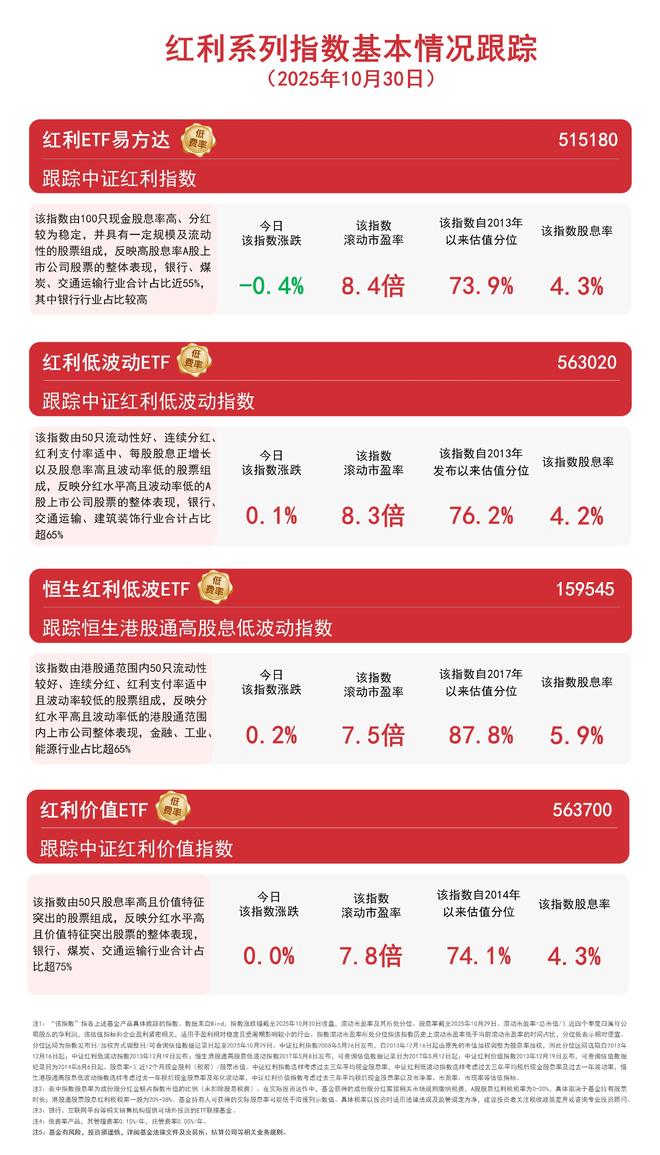
申能集团携旗下东方证券亮相2025可持续全球领导者大会
Xin Lang Cai Jing· 2025-10-30 11:31
Core Insights - The 2025 Sustainable Global Leaders Conference will be held from October 16 to 18 in Shanghai, featuring over 500 prominent guests, including around 100 international attendees, such as political figures, Nobel laureates, and leaders from Fortune 500 companies [1] Group 1: Company Overview - Shenenergy Group has been a leader in energy innovation for 24 consecutive years, ranking among China's top 500 enterprises, with over 340 wholly-owned and controlled subsidiaries and approximately 31,000 employees [3] - The group includes subsidiaries such as Shenenergy Co., Shanghai Gas, Dongfang Securities, Shenenergy Insurance, and Shanghai Cable Research Institute [3] Group 2: Green Finance - Dongfang Securities aims to create an energy investment bank focusing on green finance, leveraging Shenenergy Group's long-term resources in the energy sector [3] - The firm showcases achievements in green bond issuance, ESG investment research, and carbon finance, highlighting the role of brokers in promoting low-carbon transformation [3] Group 3: Green Insurance - Shenenergy Insurance, operational since 2024, focuses on green insurance across ESG, green industry, and green living, providing comprehensive coverage for energy transition and carbon market development [5] - The insurance has underwritten over 43 billion yuan in green energy projects, serving more than 5,000 green enterprises [5] Group 4: Green Power - Shenenergy Group is actively building a green power landscape, with Shenenergy Co. being the first publicly listed company in China's power sector [5] - By the end of 2024, the group had a total installed capacity of 18.042 million kilowatts, with 6.13 million kilowatts from renewable energy, accounting for 34.1% of total capacity [5] Group 5: Clean Coal and New Energy - Shenenergy has set benchmarks in both clean coal and new energy sectors, achieving a world record in coal consumption for power generation at its Anhui Pingshan Power Plant [7] - The Hainan CZ2 offshore wind power project has successfully connected to the grid, marking a significant milestone in renewable energy [7] Group 6: Green Cables - The Shanghai Cable Research Institute is leading innovations in the cable industry, focusing on green technology advancements [9] Group 7: Green Fuels - Shenenergy is actively developing a green methanol industry chain and advancing hydrogen energy initiatives, with plans for a 100,000-ton green methanol project in Shanghai [10][12] - The group has established a comprehensive hydrogen energy strategy, focusing on production, storage, and application, including fuel cell vehicles [12][13]

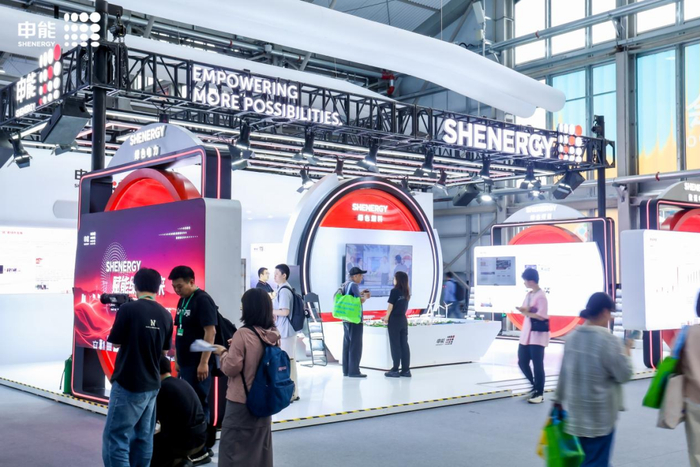
沪指再破4000点之际,知名基金经理杨东宣布“封盘”!宁泉资产今起暂停新投资者申购
Sou Hu Cai Jing· 2025-10-30 11:13
Core Viewpoint - Ningquan Asset, led by investor Yang Dong, announced the suspension of new investor subscriptions for all its funds starting October 30, 2025, while existing investors can still make additional subscriptions [3][9]. Group 1: Company Actions - Ningquan Asset will not accept new subscription applications from new investors, but existing investors can continue to add to their investments [3]. - The company has a management scale that has surpassed 40 billion yuan as of the first quarter of this year [7]. - The firm has been cautious about market conditions, particularly regarding the A-share index surpassing 4000 points [7]. Group 2: Market Context - On the day of the announcement, the Shanghai Composite Index rose by 0.7% to close at 4016.33 points, marking a 10-year high, but subsequently fell by 0.73% to 3986.90 points the following day [3]. - The private equity market remains active, with 806 new private securities investment funds registered in October, an increase from 721 in September [9][10]. - The number of private securities investment funds registered in the first three quarters of this year reached 8935, a significant increase of 89.38% compared to the same period last year [9]. Group 3: Investment Strategy - Ningquan Asset has focused on traditional industries and has not chased market hot spots, resulting in a slower net value performance compared to the market [7]. - The company holds significant positions in sectors such as real estate, basic chemicals, and power equipment [8]. - Despite the market's rapid rise, Ningquan Asset remains optimistic about the potential for a "slow bull" market, hoping for a steady progression rather than a rapid decline [7].