玩具

Search documents
新品预售629元、二手标价419元 乐高还保值吗?
Bei Jing Shang Bao· 2025-06-30 13:13
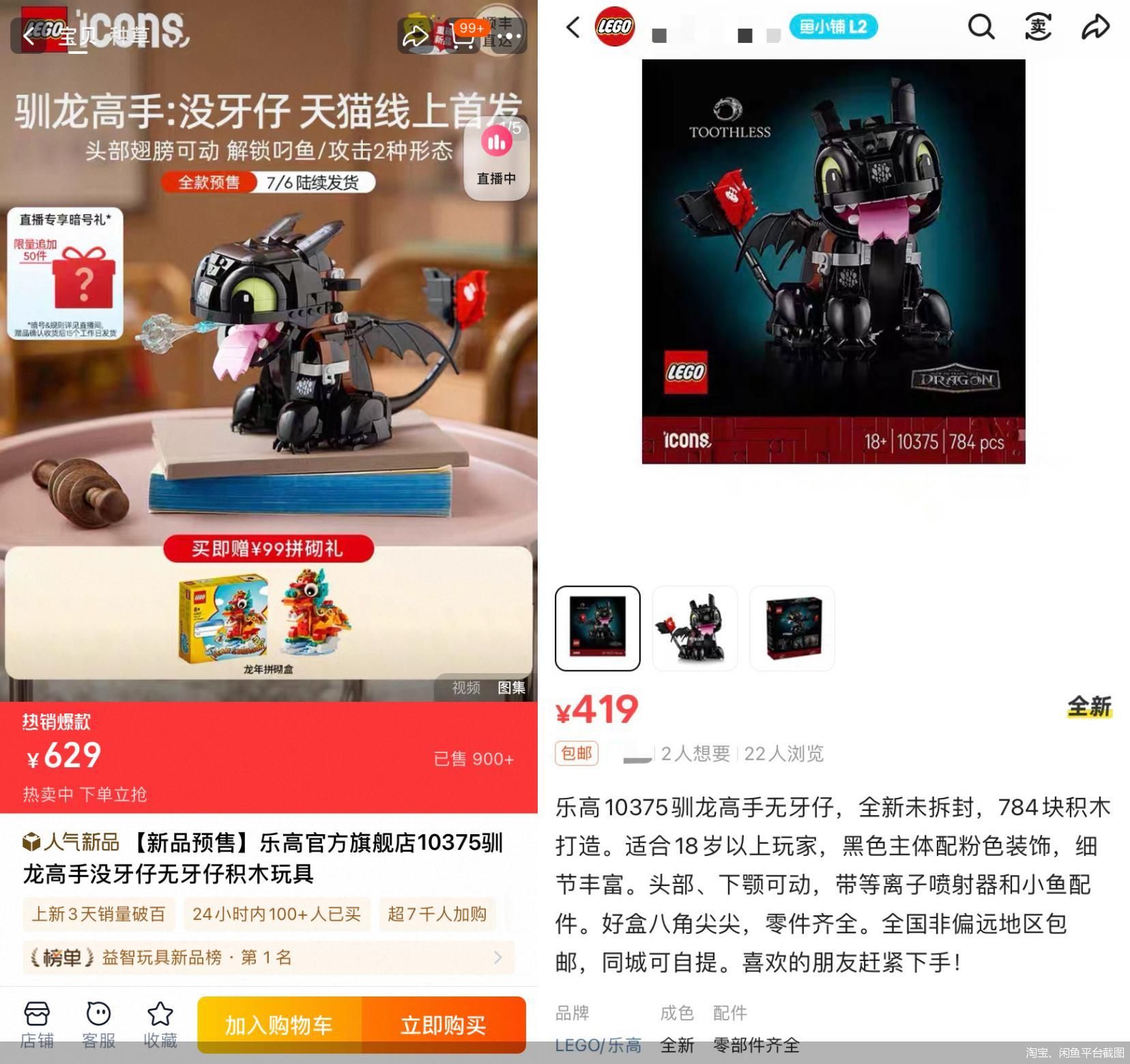
Core Insights - The LEGO product Icons 10375 Toothless set is set to be released on July 1, 2023, with a retail price of 629 yuan, but it is already being pre-sold in the second-hand market at prices significantly lower than the official price, indicating a shift in market dynamics [3][4][6] - The average price of LEGO products in the second-hand market has shown a downward trend over the past six months, with seasonal factors contributing to price drops, particularly in May [4][6][7] - The decline in second-hand prices is attributed to various factors, including increased competition from other collectible toys and the availability of discounted new products from official retailers [7][8] Market Dynamics - Pre-sale prices for the Icons 10375 set on platforms like Xianyu range from 419 to 629 yuan, with most sellers offering prices below the official retail price [4][6] - Previously high-demand limited edition LEGO sets are now available at or below their original prices in the second-hand market, indicating a significant change in consumer sentiment and market conditions [6][7] - The rise of alternative collectible products, such as blind boxes and plush toys, has diverted consumer interest away from LEGO, impacting its perceived value as a collectible investment [7][8] Consumer Behavior - Consumers have expressed concerns about the value retention of LEGO products, with some reporting significant price drops in the second-hand market compared to their original purchase prices [6][7] - The perception of LEGO as a collectible investment is being challenged, as many products that were once considered rare are now readily available at lower prices [7][8] - The presence of counterfeit products in the second-hand market is also affecting consumer confidence in purchasing LEGO items at lower prices [6][7]

金电科技:传统玩具企业谋上市,“代工”模式并非长久之计?
Zhi Tong Cai Jing· 2025-06-30 11:45
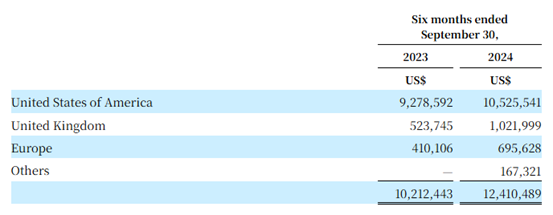
Core Viewpoint - The Chinese toy industry is experiencing a dichotomy, with the rise of trendy toy companies like Pop Mart going global, while traditional toy manufacturers face challenges such as low profit margins, industrial transfer, and shrinking orders [1]. Company Overview - K-Tech Solutions Company Limited, based in Hong Kong, is planning to go public on NASDAQ under the ticker "KMRK," aiming to issue 2 million shares at an estimated price of $4, raising approximately $8 million [1]. - The company has a history dating back to 2010, initially providing plastic toy manufacturing for international brands and now focuses on a diverse range of toy products, including educational toys [1]. Financial Performance - For the fiscal year ending March 31, 2024, K-Tech reported revenues of $17.123 million, a 2.9% increase year-over-year, driven by expanded sales in Europe and the addition of five new clients [2]. - Net profit surged from $247,000 to $928,000 during the same period, attributed to effective cost control and a 38.6% increase in gross profit despite only a slight revenue increase [2]. - In the first half of fiscal 2024, revenues reached approximately $12.41 million, a 21.5% year-over-year increase, primarily due to sales growth in the U.S. and U.K. [2][3]. Market Dynamics - Approximately 90.85% of K-Tech's revenue comes from the U.S., with the top three clients accounting for over 60% of its income, indicating a heavy reliance on the North American market [2]. - The company operates on thin profit margins, with a gross margin fluctuating around 10%, largely due to outsourcing production to a supplier in Guangdong, which constitutes about 85% of its cost of goods sold [3]. Industry Challenges - The U.S.-China tariff conflict poses significant risks, with the U.S. imposing tariffs as high as 145% on Chinese toys, which could severely impact K-Tech's export costs and pricing strategies [5]. - The traditional toy manufacturing sector is particularly vulnerable to these tariffs, as labor-intensive companies face existential threats due to low product value [5]. Strategic Initiatives - K-Tech plans to allocate approximately 60% of the IPO proceeds to invest in or acquire factories in Southeast Asia, 15% for expanding its design and engineering teams, and 10% for obtaining licenses or collaborations [6]. - This strategy aligns with the broader trend of toy companies relocating supply chains to Southeast Asia to mitigate tariff impacts and maintain stable order fulfillment [6]. Future Outlook - The transformation of K-Tech from a cost-arbitrage model to one focused on capability output and brand value is essential for navigating the challenges posed by tariffs [7]. - The company aims to establish a stable growth structure by leveraging technology upgrades and exploring emerging markets, while successfully entering the U.S. market remains a critical focus [7].
多平台紧急下架!这种贴纸千万别乱贴,涉嫌违法
新华网财经· 2025-06-30 09:15
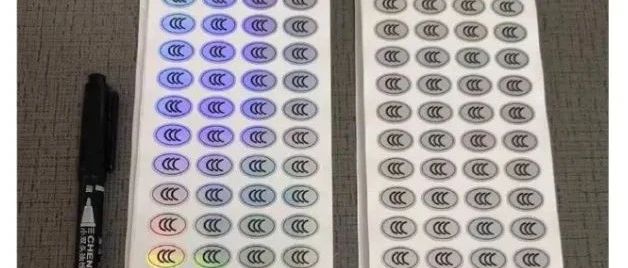
Core Viewpoint - Recent safety incidents involving power banks have raised significant public concern, particularly regarding their transport on airplanes due to regulatory changes by the Civil Aviation Administration of China (CAAC) [1][4]. Regulatory Changes - On June 26, CAAC issued an emergency notice prohibiting travelers from carrying power banks without a 3C certification mark, unclear 3C marks, or recalled models on domestic flights starting June 28 [4]. - The enforcement of this regulation has led to widespread confiscation of non-compliant power banks at airports [1]. Market Response - Following the announcement, numerous online retailers were found selling 3C certification stickers, which could be purchased cheaply in bulk [4]. - Investigative reports revealed that many sellers confirmed the stickers could be applied to non-certified power banks, indicating a potential market for counterfeit certification [8]. Legal Implications - Legal experts have stated that selling 3C certification stickers constitutes a violation of the law, as it involves the forgery or alteration of certification marks [11]. - Consumers using these stickers on non-certified products could face legal repercussions for misrepresenting product safety [11]. Platform Responsibility - E-commerce platforms are obligated to maintain transaction order and product safety, and the sale of counterfeit 3C stickers poses a risk to consumer safety [12]. - Enhanced regulatory oversight by these platforms is essential to prevent the circulation of non-compliant products and protect consumer interests [12].
“零售大变局:中国品牌仅彰显传统特色,就已经奏效了”
Guan Cha Zhe Wang· 2025-06-30 08:53
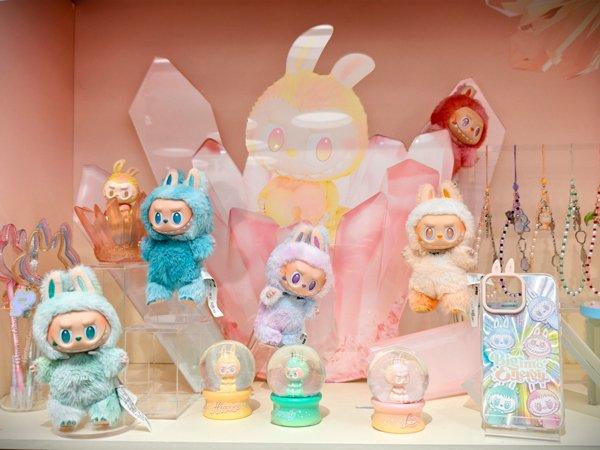
Core Insights - The article highlights the rise of Chinese brands in the global market, indicating a shift in consumer preferences from Western brands to local alternatives [1][8] - It emphasizes that Chinese consumers are increasingly favoring domestic luxury brands, high-end cosmetics, and local food and beverage options, marking a significant change in consumption patterns [1][4] Group 1: Rise of Chinese Brands - The popularity of the LABUBU toy exemplifies the success of Chinese brands, with its demand leading to a surge in the stock price of its manufacturer, Pop Mart [1][3] - Chinese brands like Kudi and Luckin Coffee are gaining traction by offering quality comparable to international brands like Starbucks at significantly lower prices [3][4] - The jewelry brand Laopu Gold has seen rapid growth, with its average store sales exceeding those of many foreign competitors by at least 50% [4][6] Group 2: Changing Consumer Behavior - Consumers are now willing to pay prices comparable to imported goods for local products, as seen with the high-end tea brand Bawang Chaji, which positions itself as a premium option [4][6] - There is a notable shift in consumer awareness, with younger demographics researching products more thoroughly and seeking local alternatives that offer similar quality at lower prices [6][7] - The success of brands like Mao Geping in the high-end cosmetics market illustrates the changing landscape, as it becomes the only domestic player among the top ten luxury beauty groups in China [6][7] Group 3: Strategic Market Positioning - Many Chinese brands are expanding their presence in lower-tier cities, where consumer activity is reportedly stronger than in major urban centers [7][8] - The strategy of targeting smaller cities has proven effective for brands like Bawang Chaji and Mxue Ice City, which began in less affluent areas before moving to larger markets [7][8] - The article notes that the increasing recognition of these brands internationally will likely enhance their appeal domestically, signaling a potential end to the era where retail trends predominantly flowed from the West to China [8]
DY1539HK:乐自天成(52TOYS)招股书梳理:多品类IP玩具标杆,全产业链布局构筑优势-20250630-20250630
Xinda Securities· 2025-06-30 08:39
Investment Rating - The investment rating for the company is "Positive" [2] Core Viewpoints - 52TOYS is a leading IP toy company in China, with over 100 proprietary and licensed IPs as of the end of 2024. The company has adopted an "IP Central" strategy to drive business expansion through precise consumer insights and comprehensive product development capabilities, enhancing its commercial value and influence [8][9] - The global IP derivative market is projected to grow significantly, with China's IP toy market experiencing the fastest growth rate. The market size for global IP derivatives is expected to increase from 1,020.5 billion RMB in 2020 to 1,405.6 billion RMB in 2024, with a CAGR of 8.3%. In contrast, China's market is expected to grow from 99.4 billion RMB to 174.2 billion RMB during the same period, with a CAGR of 15.1% [31][35] - 52TOYS has established a comprehensive business model that integrates IP operation, product design, production logistics, and channel sales, creating a competitive advantage in the industry [2][29] Summary by Sections Company Overview - 52TOYS has shown continuous revenue growth, with revenue increasing from 463 million RMB in 2022 to 630 million RMB in 2024, representing a CAGR of 16.7%. The adjusted net profit turned positive in 2023, reaching 19.1 million RMB, and is expected to grow to 32.0 million RMB in 2024 [16][18] - The company has a diversified product matrix and operates through a multi-channel sales strategy, including distributors, direct sales, and online platforms, achieving a comprehensive market presence [20][22] Market Analysis - The global IP toy market is projected to reach 525.1 billion RMB by 2024, accounting for 37.4% of the global IP derivative market. North America is the largest regional market, while China and Southeast Asia are the fastest-growing regions [31][36] - The competitive landscape in China's IP toy market is fragmented, with 52TOYS ranking third among IP toy companies and second among multi-category companies by GMV in 2024 [40][45] Business Model - The company's "IP Central" strategy drives its dual approach of operating proprietary and licensed IPs, enhancing its product innovation and market responsiveness [3][14] - 52TOYS collaborates with third-party manufacturers for production, allowing it to focus on product design, marketing, and brand management, optimizing capital investment and resource allocation [20][27]
频频“出圈”的广东制造,“含新量”在哪?从这场调研看懂
Nan Fang Du Shi Bao· 2025-06-30 08:17
Core Viewpoint - Guangdong's manufacturing sector is undergoing a transformation, facing challenges while also showcasing significant innovation and resilience in response to the evolving economic landscape [1][10]. Group 1: Innovation in Guangdong Enterprises - Over 90% of innovative enterprises, R&D institutions, and personnel are local to Guangdong, indicating a strong concentration of innovation resources within the region [2]. - Companies like Guangzhou Lifu Cultural Technology Co., Ltd. are utilizing immersive technology to enhance cultural tourism, while Xiamen Intelligent Technology is on the verge of mass-producing autonomous ride-hailing vehicles [3]. - Guangdong's enterprises are leading in the production of essential electronic components, such as multi-layer ceramic capacitors (MLCC), achieving 90% domestic production capability [4]. Group 2: Government Support and Business Environment - The Guangdong government actively supports enterprises through initiatives like the "Yue Business - Governor's Face-to-Face Consultation," facilitating direct communication between businesses and decision-makers [8]. - The establishment of the Private Economy Development Bureau aims to enhance support for private enterprises, promoting a modern industrial system [8]. - Local governments are committed to providing tailored services to businesses, ensuring that they can operate effectively and address challenges promptly [7]. Group 3: Resilience of Guangdong Enterprises - Guangdong's manufacturing sector has successfully transitioned from traditional exports to high-value products like electric vehicles and solar energy solutions [10]. - Companies such as CIMC Modular Building Investment Co., Ltd. are leveraging modular construction techniques to expand globally, demonstrating adaptability in changing market conditions [11]. - The resilience of Guangdong enterprises is reflected in their ability to maintain competitiveness despite external uncertainties, with many companies reporting strong demand for their products [10]. Group 4: Talent Acquisition and Workforce Development - Guangdong is experiencing a surge in talent acquisition initiatives, with over 1.2 million job openings and numerous recruitment events aimed at attracting skilled professionals [12]. - Companies are implementing comprehensive talent strategies, including housing and education support for employees, to foster a conducive work environment [13]. - The region's population growth and business registrations indicate a vibrant labor market, providing a robust foundation for future economic development [13].
国泰海通:中国及东南亚IP玩具市场高增 关注三大环节投资机会
智通财经网· 2025-06-30 06:24
Group 1: Market Overview - The global IP toy market is expected to reach a GMV of 525.1 billion yuan in 2024, with China and Southeast Asia projected to achieve GMVs of 75.6 billion yuan and 18.1 billion yuan respectively, and CAGRs of 17.2% and 20% from 2024 to 2029 [1] Group 2: Upstream IP Development - Pop Mart's original IPs have gained global popularity, expanding from Molly in 2017 to multiple successful IPs by 2022, with projected revenues of 8.08 billion yuan from the top five IPs in 2024, a year-on-year increase of 130.7% [1] - The fastest-growing IPs include The Monsters, Hirono, and Molly, with growth rates of 726.6%, 106.9%, and 105.2% respectively [1] - Alibaba's IP licensing platform, Aliyu, has signed contracts with hundreds of quality IPs since its establishment in 2016, leveraging Alibaba's e-commerce platform to connect brands and consumers [1] Group 3: Midstream Development - KAYOU leads the domestic card game industry with a GMV of 18.7 billion yuan in 2024, capturing a market share of 71.1% [2] - BLUKO has emerged as the top player in the building block toy sector with a GMV of 1.7 billion yuan in 2023, holding a market share of 30.3% [2] - Copper Master, a leading brand in copper cultural and creative products, is projected to exceed 500 million yuan in GMV in 2024, with a market share of 35% [2] - 52TOYS operates with both proprietary and licensed IPs, planning to have 35 proprietary IPs and 80 licensed IPs by the end of 2024, with over 500 new SKUs launched annually [2] Group 4: Downstream Channels - Pop Mart has set a benchmark for direct sales models, increasing its number of stores from 329 to 401 between 2022 and 2024, while TOPTOY's stores grew from 8 to 40 [3] - In 2024, the GMV for Pop Mart and TOPTOY stores in mainland China is expected to be 3.83 billion yuan and 1.15 billion yuan respectively, with single-store revenues of 10.02 million yuan and 5.42 million yuan [3] - The success of Pop Mart is attributed to the strong sales of its proprietary IP products like The Monsters and Molly, resulting in significantly higher store efficiency [3]


布鲁可(0325.HK):IP积木潮 创意趣无限-深度报告
Ge Long Hui· 2025-06-30 02:20
Company Overview - The company is a leading player in the rapidly growing building block toy sector, established in 2014 and launched its proprietary IP "Buluco" in 2017, achieving a revenue of 2.24 billion yuan and a net profit of 585 million yuan by 2024 [1] - The founder, Zhu Weisong, has significant ownership with 54.95% of shares prior to the IPO, and the core team has substantial equity through an employee incentive program [1] Industry Analysis - The global toy market was valued at 773.1 billion yuan in 2023, with a projected CAGR of 5.1% from 2023 to 2028; the building block and character toy segments are expected to grow at CAGRs of 15%, 9.3%, and 20.5% respectively [1] - In China, the toy market reached 104.9 billion yuan in 2023, with a CAGR of 9.5% from 2023 to 2028; the building block and character toy segments are projected to grow at CAGRs of 22%, 17.7%, and 41.3% respectively, indicating a strong growth advantage for building block character toys [1] - The global market for building block character toys is dominated by Bandai and LEGO, holding market shares of 39.5% and 35.9% respectively, while Buluco leads the Chinese market with a 30.3% share [1] Competitive Advantages - The company exemplifies IP commercialization with advantages in design and R&D, including a robust patent portfolio and a short product launch cycle [2] - Multi-channel sales strategies effectively penetrate lower-tier markets [2] - Internet marketing fosters a fan ecosystem through member interaction [2] - The company has a substantial reserve of licensed IPs and high market recognition for its proprietary IP [2] Growth Strategy - The company has adopted a "Three All" strategy focusing on "All demographics, All price ranges, Globalization" to enhance market share [2] - Plans include establishing a female-oriented studio to cater to female consumers and innovating complex building toys to attract adult customers [2] - The pricing structure will be adjusted to ensure affordability across various price points [2] - There is significant growth potential in overseas markets, with future international expansion anticipated [2] Profit Forecast and Investment Outlook - The company is expected to focus its strategy on building block character toys, supported by the "Three All" strategy, ensuring future growth [2] - Revenue growth rates are projected at 88.38%, 51.02%, and 32.40% for 2025, 2026, and 2027 respectively [3] - Profit estimates for 2025, 2026, and 2027 are 1.076 billion yuan, 1.751 billion yuan, and 2.480 billion yuan respectively, with corresponding PE ratios of 28x, 17x, and 12x [3]
多组重要数据,本周公布!港股,重大调整;视源股份,拟港股IPO→
新华网财经· 2025-06-30 00:26
Macroeconomic Updates - On June 30, the National Bureau of Statistics of China will release the monthly Purchasing Managers' Index (PMI) report, with May's manufacturing PMI at 49.5%, an increase of 0.5 percentage points from the previous month, indicating an improvement in manufacturing sentiment [4] - The National Energy Group launched a billion-level power generation model called "Qingyuan," which aims to lead the energy sector towards intelligence and digitalization through innovative decision-making systems [4] - The People's Bank of China held a monetary policy committee meeting on June 23 to discuss the main ideas for the next phase of monetary policy [4] Market Developments - Starting June 30, 2025, the Hong Kong Stock Exchange will adjust the stock transaction fee from 0.002% to 0.0042% of the transaction amount, removing the minimum and maximum fee limits, which may significantly reduce costs for small transactions [8] - The logistics operation data for the first five months of the year shows a total social logistics volume of 138.7 trillion yuan, a year-on-year increase of 5.3% [5] - From January to May, the total profit of industrial enterprises above designated size was 27,204.3 billion yuan, a year-on-year decrease of 1.1%, while the equipment manufacturing sector saw a profit increase of 7.2% [5] Company News - Guangzhou Shiyuan Electronic Technology Co., Ltd. submitted its prospectus to the Hong Kong Stock Exchange on June 17, focusing on interactive smart panels and LCD control boards [2][20] - Xiaomi's Yu7 standard version achieved a range of 835 km, ranking first in the SUV category for range [16] - Neuralink announced plans to integrate human brains with AI by 2028 [18] - Aiyer Eye Hospital signed a strategic cooperation agreement with Huawei Cloud to develop AI applications in eye health [19] - The Shanghai Stock Exchange is seeking public opinion on adjusting the price fluctuation limits for risk-warning stocks from 5% to 10% [11]

张平:在海外呆了8、9年,现在觉得中国制造真的是YYDS,太牛了
凤凰网财经· 2025-06-29 14:16
凤凰网财经讯 6月28-29日,"2025中国企业出海高峰论坛"在深圳举行,本次论坛由凤凰网主 办,雪花超高端系列品牌-醴首席赞助合作,中国企业出海全球化理事会联合主办,以"为开放的世 界"为主题,旨在全球产业链深度重构之际,为中国企业搭建思想碰撞、资源对接、规则对话的高 端平台,系统性破解出海难题,共探生态共赢转型路径。 山海图创始人兼CEO张平出席了本次论坛,并在圆桌对话环节分享了服务"一带一路"出海企业所观 察到的经验。 对于企业出海东南亚的首选国家,张平认为要具体看企业所在什么行业,服装、玩具、电子产品、 家具等行业基本首选越南;涉及资源类的行业如开矿等首选印尼;旅游业、电商等行业首选泰国; 中高端制造如半导体等行业首选马来西亚。而菲律宾虽然当地治安不好,但它对进口没有限制,不 适合大企业、上市公司,中小企业去冒险比较有机会。 山海图创始人兼CEO张平 谈到制造业的时候,张平表示:"以前我在国内的时候也没有觉得中国制造有多厉害,现在在海外 八九年,真的是YYDS,太牛了。" 张平表示,中国很多制造业企业在海外做的都是很辛苦的事情,他很敬佩这样的企业。张平以一家 去印尼盖冶炼厂的中国企业举例,这家企业从 ...