造船

Search documents
新增订单总额将超4000亿,这家国际造船集团野心不小
Sou Hu Cai Jing· 2025-12-28 18:08
Core Insights - Fincantieri reports a total order backlog of €41 billion as of September 30, 2025, representing a 32% increase from the end of 2024, with 100 ships scheduled for delivery until 2036 [2] - The company has set ambitious financial targets for the next five years, aiming for revenues of €12.5 billion by 2030, a 40% increase from 2025, and an EBITDA of over €1.25 billion, reflecting a 90% growth [2][3] - The defense sector is a strategic focus for expansion, with global defense spending expected to reach $2.93 trillion by 2030, an 18.6% increase from 2025 [6] Financial Goals - By 2028, Fincantieri anticipates revenues of approximately €11 billion, increasing to €12.5 billion by 2030 [3] - EBITDA is projected to rise from around €930 million in 2028 to €1.25 billion in 2030, with an EBITDA margin improvement from 8.5% to 10% [3] - Net profit is expected to grow from approximately €220 million in 2028 to €500 million in 2030, with profit margins doubling from 2% to 4% [3] Order and Market Opportunities - Fincantieri expects to secure over €50 billion in new orders from 2026 to 2030, with a significant portion of contracts in the defense sector anticipated to materialize between 2026 and 2028 [3] - The company has identified over €56 billion in commercial opportunities for the same period, with €23 billion having a medium to high probability of realization [3] Business Segments - In the cruise segment, Fincantieri maintains a leading market share of over 49%, with 34 cruise ship orders scheduled for delivery until 2036 [4] - The defense sector is a key area for growth, with plans to double production capacity at Italian shipyards and expand into new markets in the U.S., Southeast Asia, and the Middle East [6] - The offshore and special vessels segment is expected to benefit from increased global energy demand, with opportunities for constructing 130-140 new ships [6] Emerging Markets - The newly established underwater business segment is projected to see market size double from €22 billion to €43 billion between 2026 and 2030, driven by strong growth potential in defense, commercial, and dual-use applications [6] - Fincantieri aims to achieve its first zero-carbon cruise ship by 2035 as part of its energy transition strategy [6]


日本巨头,再次承认数据造假
Mei Ri Jing Ji Xin Wen· 2025-12-28 12:16
Group 1 - The Japanese Ministry of Defense has suspended Kawasaki Heavy Industries from participating in bidding for two and a half months due to the company's manipulation of marine engine test data [1] - Kawasaki Heavy Industries admitted to altering fuel efficiency data for submarine engines manufactured for the Japan Maritime Self-Defense Force, with a total of 673 engines involved [1] - The recent scandal is part of a broader trend of data falsification issues in various Japanese industries, including automotive, steel, shipbuilding, and chemicals, leading to a widespread trust crisis in "Made in Japan" products [1] Group 2 - In 2017, Kobe Steel acknowledged that its subsidiaries had falsified product data, resulting in the sale of non-compliant products to sectors such as automotive, rail, aerospace, and military, affecting hundreds of companies [3] - In 2021, Mitsubishi Electric was reported to have falsified inspection data at its Nagasaki factory, with issues dating back to around 1985, affecting approximately 84,000 units, including products used in subways in New York, London, and Germany [5] - In 2022, Hino Motors was involved in a scandal regarding falsified engine emissions and fuel consumption data [7] Group 3 - In 2024, multiple Japanese companies faced exposure for data falsification, including Toyota's subsidiary Toyota Automatic Loom Works, which was reported to have three models of engines with data manipulation [9] - IHI Corporation announced that one of its subsidiaries had altered fuel efficiency data for over 4,000 engines since 2003 [9] - The Japanese Ministry of Land, Infrastructure, Transport and Tourism reported that five major automakers, including Toyota and Honda, had manipulated collision data, engine power tests, and brake performance data, affecting approximately 5.18 million vehicles, leading to large-scale recalls and public apologies from executives [9] Group 4 - The loss of craftsmanship spirit in Japanese manufacturing is concerning, as a series of scandals is rapidly eroding consumer trust in Japanese products, which were once synonymous with quality and affordability [11]

日本巨头,再次承认数据造假!事关日本自卫队装备
Mei Ri Jing Ji Xin Wen· 2025-12-28 09:23
Group 1 - The Japanese Ministry of Defense has suspended Kawasaki Heavy Industries from participating in bidding for two and a half months due to the company's manipulation of marine engine test data [1] - Kawasaki Heavy Industries admitted to altering fuel efficiency data for submarine engines manufactured for the Japan Maritime Self-Defense Force, with a total of 673 marine engines involved [1] - The recent scandal is part of a broader trend of corporate misconduct in Japan, affecting various sectors including automotive, steel, shipbuilding, and chemicals, leading to a widespread trust crisis in "Made in Japan" products [1] Group 2 - In 2017, Kobe Steel acknowledged that its subsidiaries had falsified product data, resulting in the sale of non-compliant products to industries such as automotive and aerospace, impacting hundreds of companies [4] - In 2021, Mitsubishi Electric was reported to have falsified inspection data at its Nagasaki factory, affecting approximately 84,000 products, including train air conditioning systems and compressors, with 20% exported overseas [6] - In 2022, Hino Motors was involved in a scandal regarding the falsification of engine emissions and fuel consumption data [8] Group 3 - In 2024, multiple Japanese companies faced exposure for data manipulation, including Toyota's parts supplier, which was reported for data falsification in three engine models, and IHI, which admitted to altering fuel efficiency data for over 4,000 engines since 2003 [10] - The Ministry of Land, Infrastructure, Transport and Tourism reported that five major automakers, including Toyota and Honda, had manipulated collision data and engine power tests, affecting approximately 5.18 million vehicles, leading to large-scale recalls [10] - Both East Japan Railway Company and Japan Freight Railway Company were found to have engaged in data falsification during train wheel installation processes [10] Group 4 - Concerns have been raised about the loss of craftsmanship in Japanese manufacturing, as a series of scandals erodes consumer trust in Japanese products, which were once synonymous with quality and affordability [12]

曝光!日本巨头承认数据造假
中国能源报· 2025-12-28 02:29
Core Viewpoint - The article highlights a series of data falsification scandals involving Japanese companies, which have led to a significant trust crisis in "Made in Japan" products, affecting various industries including manufacturing, automotive, and heavy industry [2][13]. Group 1: Recent Scandals - On December 26, 2024, the Japanese Ministry of Defense suspended Kawasaki Heavy Industries from participating in bidding for two and a half months due to the company's admission of falsifying fuel efficiency data for submarine engines [1]. - In 2024, Toyota's subsidiary, Toyota Automatic Loom Works, was reported to have data falsification issues with three models of automotive engines [11]. - IHI Corporation announced in April 2024 that a subsidiary had falsified fuel efficiency data for over 4,000 engines since 2003 [11]. Group 2: Historical Context - In 2017, Kobe Steel admitted to falsifying product data, leading to the sale of substandard products to various industries, affecting hundreds of companies [5]. - In 2021, Mitsubishi Electric was found to have been falsifying inspection data at a factory since around 1985, impacting approximately 84,000 products, including those used in international subway systems [7]. - In 2022, Hino Motors was involved in a scandal regarding falsified engine emissions and fuel consumption data [9]. Group 3: Broader Implications - The repeated scandals have raised concerns about the loss of craftsmanship in Japanese manufacturing, which was once synonymous with high quality and affordability [13]. - The Japan Ministry of Land, Infrastructure, Transport and Tourism reported in June 2024 that five major automakers, including Toyota and Honda, had multiple violations related to collision data manipulation and engine power testing, affecting around 5.18 million vehicles [11].

曝光:日本军工巨头造假
Xin Lang Cai Jing· 2025-12-28 01:56
Group 1 - The Japanese Ministry of Defense has suspended Kawasaki Heavy Industries from participating in bidding for two and a half months due to the company's manipulation of marine engine test data [1] - Kawasaki Heavy Industries admitted to altering fuel efficiency data for submarine engines manufactured for the Japan Maritime Self-Defense Force, with a total of 673 marine engines involved in the misconduct [1] - The recent scandals have raised significant concerns about the integrity of "Made in Japan" products, as numerous companies across various sectors, including automotive, steel, shipbuilding, and chemicals, have been implicated in data falsification [1] Group 2 - In 2017, Kobe Steel acknowledged that its subsidiaries had falsified product data, leading to the sale of substandard products to industries such as automotive, rail, aerospace, and military, affecting hundreds of companies [3] - In 2021, it was revealed that Mitsubishi Electric had been falsifying inspection data at its Nagasaki plant since around 1985, involving approximately 84,000 products, with 20% exported overseas [5] - In 2022, Hino Motors was involved in a scandal regarding the falsification of engine emissions and fuel consumption data [7] Group 3 - In 2024, numerous instances of corporate fraud in Japan were exposed, including Toyota's parts supplier, Toyota Automatic Loom Works, which was reported to have data manipulation in three types of automotive engines [11] - IHI Corporation announced in April that a subsidiary had been altering fuel efficiency data for over 4,000 engines since 2003 to present more favorable test results [11] - The Japanese Ministry of Land, Infrastructure, Transport and Tourism reported in June that five companies, including Toyota and Honda, had manipulated collision data, engine power tests, and brake performance data across 38 vehicle models, affecting approximately 5.18 million cars, leading to large-scale recalls and public apologies from executives [11]

日本巨头承认数据造假
21世纪经济报道· 2025-12-28 01:46
Group 1 - The Japanese Ministry of Defense has suspended Kawasaki Heavy Industries from participating in bidding for two and a half months due to the company's manipulation of marine engine test data [1] - Kawasaki Heavy Industries admitted to altering fuel efficiency data for submarine engines manufactured for the Japan Maritime Self-Defense Force, with a total of 673 marine engines involved in the misconduct [1] - The issue of data manipulation has led to a widespread trust crisis in Japanese manufacturing, affecting various sectors including automotive, steel, shipbuilding, and chemicals [3] Group 2 - In 2017, Kobe Steel acknowledged that its business units had falsified product shipment data, leading to the sale of substandard products to industries such as automotive, rail, aerospace, and military, impacting hundreds of companies [5] - In 2021, Mitsubishi Electric was reported to have falsified inspection data at a factory in Nagasaki, with the practice dating back to around 1985, affecting approximately 84,000 products, including train air conditioning and air compressors [7] - In 2022, Hino Motors was involved in a scandal regarding the falsification of engine exhaust emissions and fuel consumption data [9] Group 3 - In 2024, numerous cases of data manipulation by Japanese companies were exposed, including Toyota's parts supplier Toyota Automatic Loom Works, which was reported to have data falsification in three engine models [11] - IHI Corporation announced that a subsidiary had manipulated fuel efficiency data for over 4,000 engines since 2003 to present more favorable test results [11] - The Japanese Ministry of Land, Infrastructure, Transport and Tourism reported that five companies, including Toyota and Honda, had various violations affecting approximately 5.18 million vehicles, leading to large-scale recalls and public apologies from company executives [11] Group 4 - The loss of the "craftsmanship spirit" in Japanese manufacturing is concerning, as a series of scandals is rapidly eroding consumer trust in Japanese products, which were once synonymous with quality and affordability [13]

日本巨头,承认数据造假
证券时报· 2025-12-28 00:09
Core Viewpoint - The article highlights the ongoing issue of data falsification among Japanese companies, leading to a significant trust crisis in "Made in Japan" products, affecting various industries including automotive, steel, shipbuilding, and chemicals [5][15]. Group 1: Recent Incidents - On June 26, 2024, Japan's Ministry of Defense suspended Kawasaki Heavy Industries from participating in bidding for two and a half months due to the company's admission of falsifying fuel efficiency data for submarine engines [1]. - In 2024, multiple incidents of data falsification were reported, including Toyota's parts supplier Toyota Automatic Loom Works, which was found to have data manipulation in three car engines [16]. - IHI Corporation announced in April 2024 that a subsidiary had falsified fuel efficiency data for over 4,000 engines since 2003 [16]. Group 2: Historical Context - In 2017, Kobe Steel admitted to falsifying product data, affecting hundreds of companies across various sectors, including automotive and aerospace [7]. - Mitsubishi Electric was found to have been falsifying inspection data since around 1985, impacting approximately 84,000 products, including train air conditioning systems [9]. - In 2022, Hino Motors was involved in a scandal regarding falsified engine emissions and fuel consumption data [11]. Group 3: Broader Implications - The series of scandals has raised concerns about the loss of craftsmanship spirit in Japanese manufacturing, which was once synonymous with high quality and affordability [15]. - The trust crisis has led to significant repercussions, including large-scale vehicle recalls and public apologies from executives of affected companies [16].

日本巨头,承认数据造假
Di Yi Cai Jing Zi Xun· 2025-12-27 16:13
Core Viewpoint - The Japanese Ministry of Defense has suspended Kawasaki Heavy Industries from participating in bidding for two and a half months due to the company's admission of falsifying fuel efficiency data for submarine engines [2] Group 1: Company Issues - Kawasaki Heavy Industries acknowledged that it had manipulated test data for 673 marine engines, including those manufactured for the Japan Maritime Self-Defense Force [2] - The company has committed to implementing measures to prevent similar misconduct in the future [2] Group 2: Broader Industry Context - Japan has seen a series of corporate scandals involving data falsification across various sectors, including automotive, steel, shipbuilding, and chemicals, leading to a widespread trust crisis in "Made in Japan" products [3] - In 2017, Kobe Steel admitted to falsifying product data, affecting hundreds of companies in industries such as automotive and aerospace [6] - In 2021, Mitsubishi Electric was found to have falsified inspection data for products including train air conditioning systems, dating back to around 1985, impacting approximately 84,000 units [8] - In 2022, Hino Motors was involved in a scandal regarding falsified engine emissions and fuel consumption data [10] - In 2024, multiple companies, including Toyota and Honda, were reported to have engaged in data manipulation affecting millions of vehicles, leading to significant recalls and public apologies from executives [12] - The loss of craftsmanship in Japanese manufacturing has raised concerns, as the reputation for quality and affordability is being eroded by these scandals [14]

日本巨头,承认数据造假
第一财经· 2025-12-27 16:04
Core Viewpoint - The article highlights a series of data falsification scandals involving Japanese companies, particularly in the manufacturing sector, leading to a significant trust crisis in "Made in Japan" products [6][17]. Group 1: Recent Scandals - Kawasaki Heavy Industries has been suspended from bidding for two and a half months due to falsifying fuel efficiency data for submarine engines, affecting a total of 673 engines [2]. - In 2024, multiple Japanese companies, including Toyota and Honda, were reported to have engaged in data manipulation related to vehicle safety and performance, affecting approximately 5.18 million vehicles [15]. - The scandal involving Kobe Steel in 2017 revealed that the company had sold substandard products to various industries, impacting hundreds of businesses [9]. Group 2: Historical Context - Mitsubishi Electric was found to have falsified inspection data for products like train air conditioners since around 1985, with about 84,000 units involved, including exports to major cities like New York and London [11]. - Hino Motors faced allegations of falsifying engine emissions and fuel consumption data in 2022 [13]. Group 3: Industry Impact - The ongoing issues have raised concerns about the loss of craftsmanship in Japanese manufacturing, which was once synonymous with quality and affordability [17]. - The cumulative effect of these scandals is eroding consumer trust in Japanese products, which could have long-term implications for the industry [6][17].

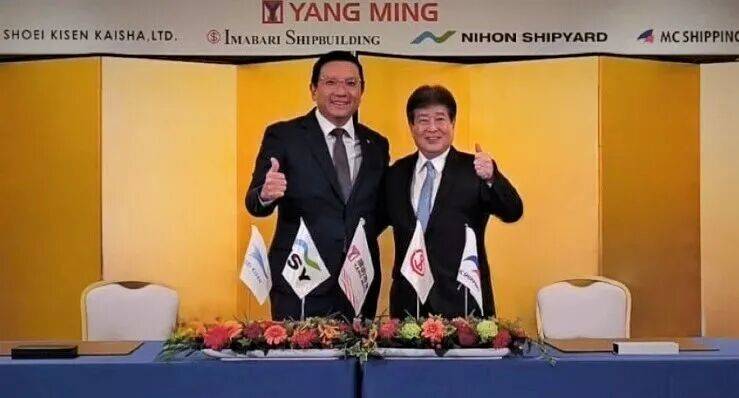
时隔十年,阳明在日本下单 4 艘超灵便型散货船
Sou Hu Cai Jing· 2025-12-27 14:15
Group 1 - Yang Ming Marine Transport Corporation has officially returned to the newbuilding market for bulk carriers by ordering 4 ultramax bulk carriers in Japan, marking its first newbuilding activity in nearly a decade [1][2] - The total value of the new ship orders is estimated to be between 4.9 billion and 5.4 billion New Taiwan Dollars, equivalent to approximately 155 million to 171 million US Dollars [1] - The orders are split between two Japanese shipyards, Nihon Shipyard and Imabari Shipbuilding, with each of the two ships priced at around 1.2 billion to 1.4 billion New Taiwan Dollars [1] Group 2 - Kuang Ming Shipping, a subsidiary of Yang Ming, was established in 1990 and initially served as a booking agent, later entering the dry bulk transportation sector in 2008 [2] - Currently, Kuang Ming operates a fleet of 11 bulk carriers, with 10 owned vessels and 1 long-term leased Capesize bulk carrier [2] - The last newbuilding activity prior to this order occurred between 2014 and 2015, when 4 ultramax bulk carriers were ordered from Iwagi Zosen [2] Group 3 - In addition to the bulk carrier orders, Yang Ming has signed a cooperation agreement with three prominent Japanese shipbuilding companies to order 6 methanol dual-fuel container ships, which will include both newbuilds and purchases of vessels under construction [4] - The methanol dual-fuel project will consist of 3 new ships and 3 ships currently under construction, all designed with methanol dual-fuel propulsion [4] - The first batch of these new ships is scheduled for delivery starting in 2028 [4]