外卖

Search documents
二八酱奶茶爆火,七鲜美食MALL成哈尔滨网红新地标丨创新消费力
Bei Jing Shang Bao· 2025-08-11 13:54
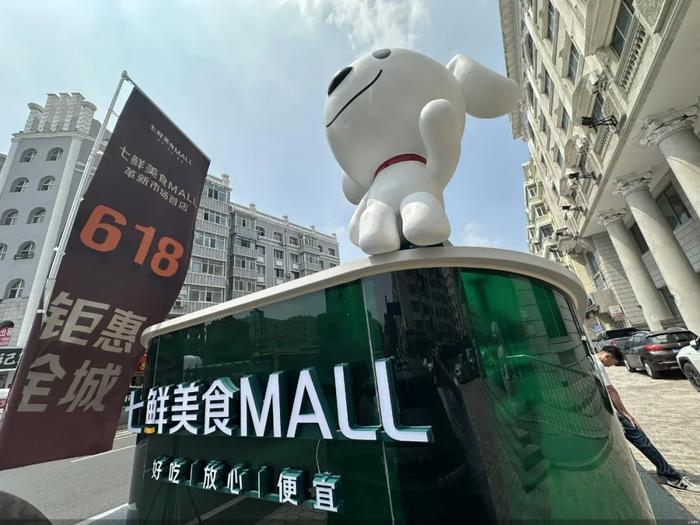
Core Insights - JD.com has launched the innovative "Qixian Meishi MALL," a 2,300 square meter food complex that attracts over 20,000 daily visitors, comparable to larger shopping centers [1] - The MALL features 30 dining brands, including traditional Chinese brands and trendy snacks, and aims to enhance the restaurant industry's supply chain efficiency [1][12] - JD.com emphasizes a "quality dine-in + quality takeout" model, ensuring high standards through live kitchen broadcasts and a dual evaluation system for both dine-in and delivery services [2][4] Company Developments - The MALL has successfully transformed brands like Coffee Bear and Leshou Yufang from B2B suppliers to consumer-facing retail brands, achieving significant sales growth [5][6] - Coffee Bear has reached an average daily sales of 300 cups, with monthly sales exceeding twice that of leading coffee chains [5] - Leshou Yufang has seen a sales increase of 2-3 times since opening, selling 1,800 ducks in a week, which is equivalent to a month's sales at other locations [6][7] Industry Trends - The MALL has become a new landmark in Harbin, driving innovation among participating brands, such as the launch of the popular "Erba Sauce Milk Tea" by Liu Biju [7] - Brands are adapting to consumer preferences by optimizing their offerings and reducing operational costs, with some reducing their store sizes and menu prices significantly [8][9] - The collaboration with JD.com allows brands to leverage advanced supply chain solutions, reducing initial investment costs from 3 million to 200,000 yuan [11][12] Supply Chain Strategy - JD.com focuses on enhancing supply chain efficiency, which is a core advantage of the company, by providing logistical support and reducing costs for restaurant partners [13][14] - The MALL's model aims to create a win-win situation for merchants, consumers, and delivery personnel by optimizing the supply chain and improving service quality [12][14] - The integration of digital technology in the supply chain is expected to enhance food preparation and delivery efficiency, contributing to the overall success of the MALL [14]


快手布局“外卖”市场,AI持续加码赋能,恒生互联网ETF(513330)或迎布局机遇
Mei Ri Jing Ji Xin Wen· 2025-08-11 13:33
Core Insights - Kuaishou has launched an independent "takeaway" entry on its platform, marking a new phase in its strategic layout in the local lifestyle sector [1] - The company adopts a "Meituan supply chain + Kuaishou traffic" light asset cooperation model to differentiate itself in the increasingly competitive takeaway market [1] - Kuaishou's strategy combines "new tier cities + AI," leveraging its AI capabilities for automatic video generation of takeaway products and intelligent optimization of delivery routes, thereby building unique competitive barriers [1] Industry Trends - The increasing entry of various platforms into the takeaway market necessitates differentiated competition strategies to break through industry saturation [1] - Continuous breakthroughs in AI technology are injecting new momentum into the instant retail sector, with recent positive developments such as the release of GPT-5 further boosting interest in the AI sector [1] - Internet giants are expected to continue attracting funding due to the industry dividends brought by AI technology, with the Hang Seng Internet ETF (513330) likely to benefit from this trend [1]

三巨头为什么要打外卖大战
Sou Hu Cai Jing· 2025-08-11 06:05
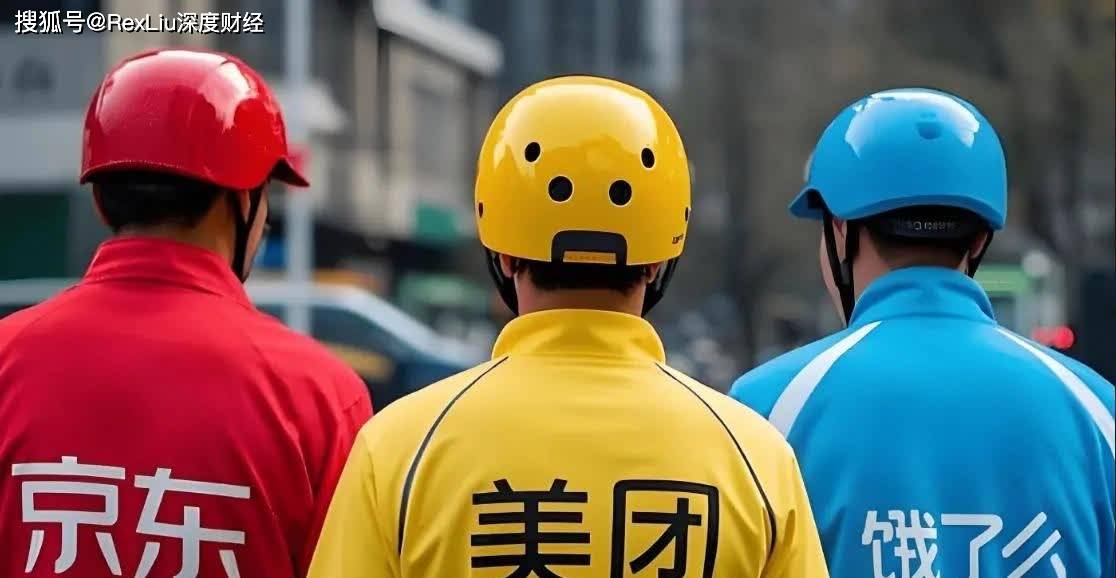
Core Insights - The major players in the food delivery market are investing heavily in subsidies to attract consumers, with over 100 billion yuan spent to enhance user engagement and address long-standing traffic issues in e-commerce [2][3] - The ultimate goal of these subsidies is to cultivate user habits that lead to increased consumption and advertising revenue, particularly targeting the burgeoning instant retail market, which is projected to be worth trillions [3][4] Group 1: Market Dynamics - The competition among major companies is not merely about gaining market share in food delivery but is part of a broader strategy to secure user attention and spending power [2][3] - E-commerce platforms like Taobao and JD.com struggle with user engagement compared to social media platforms, which have significantly higher daily user interaction times [2] - Instant retail is emerging as a transformative force in consumer behavior, with a growing demand for immediate delivery of products, reshaping the retail landscape [3] Group 2: Financial Implications - The strategy of burning cash to attract users is aimed at achieving scale effects, where increased user numbers lead to better merchant participation and enhanced consumer experience [4] - This cycle can create a positive feedback loop, resulting in a significant "Matthew Effect" where a few dominant players emerge in the market, while others are pushed out [4] - The financial implications for consumers remain minimal, as they continue to benefit from low prices and promotions regardless of which companies survive the competition [4]
见证太多事情,无论什么消息,都要往好处想
Hu Xiu· 2025-08-11 05:39
Group 1 - The article discusses the current bullish sentiment in the stock market, with predictions of a potential bull market starting soon [22][23] - Notable figures in the investment community, such as Sun Jiaying and Liu Jipeng, have expressed optimistic views on market indices, suggesting a possible breakthrough of key resistance levels [26][27] - The margin trading balance has reached a record high of 2 trillion yuan, indicating strong market participation and confidence [29][30] Group 2 - The article highlights the significant inflow of capital into the Hong Kong stock market, with net inflows exceeding 800 billion yuan, indicating a robust liquidity environment [40][41] - Hong Kong's asset and wealth management market is projected to grow by 13% year-on-year, reaching 35 trillion HKD, positioning it as a potential global leader in wealth management [43][44] - The competition between Hong Kong and Singapore in the wealth management sector is intensifying, with both markets showing substantial growth [45][46] Group 3 - The article outlines the government's focus on managing local government debt risks, with a significant reduction in financing platforms and a push for transparency [56][58] - The issuance of long-term bonds has increased, with 76.65% of bonds being over 10 years in duration, reflecting a shift in debt management strategy [68] - The average issuance rate of local government bonds has decreased from 2.6% to 1.8%, indicating a favorable borrowing environment [71] Group 4 - Toyota's decision to source components from Chinese suppliers for its production in Thailand marks a significant shift in the automotive supply chain dynamics [82][83] - This move is seen as a response to increasing global competition and aims to leverage China's cost advantages [84][85] - The article also notes the growing recognition of China's supply chain resilience by major global manufacturers, including German firms [87] Group 5 - The article discusses the ongoing consumer subsidy programs aimed at stimulating domestic consumption, with significant funding allocated for trade-in programs [113][114] - Domestic tourism has seen a substantial increase, with a 20.6% rise in travel numbers, indicating a recovery in consumer spending [117][118] - The competitive landscape in the service industry is intensifying, with regulatory actions being taken to ensure fair competition and prevent price wars [121][122]

固收 《价格法》修订如何助力“反内卷”?
2025-08-11 01:21
Summary of Key Points from the Conference Call Industry or Company Involved - The discussion revolves around the **revised Pricing Law** and its implications for the **platform economy** and **market competition** in China. Core Points and Arguments 1. **Revised Pricing Law**: The new law shifts from direct pricing to establishing rules, focusing on creating a scientific and reasonable pricing mechanism to ensure fair competition and effective regulation of monopolistic behaviors [1][4][7]. 2. **Increased Penalties**: The law significantly raises fines for violations, enhancing legal deterrence against unfair competition, with penalties now ranging from 5,000 to 50,000 yuan for serious offenses [4][24]. 3. **Cost Monitoring**: The government will implement cost monitoring as a crucial procedure in pricing, ensuring prices do not fall below cost and enhancing regulatory oversight [8][21]. 4. **Clarification of Unfair Competition**: The law specifies standards for identifying unfair competition, including low-price dumping and price collusion, to protect smaller businesses from larger competitors [9][3]. 5. **Impact of Platform Economy**: The platform economy has intensified internal competition, leading to harmful practices that undermine fair market conditions, necessitating legal regulation [6][10]. 6. **Response to "Involution"**: The law aims to combat "involution" by promoting fair competition and reducing malicious competition through legal means [5][13]. 7. **Consumer and Merchant Protection**: The revised law seeks to protect both consumers and merchants from the adverse effects of aggressive pricing strategies employed by platforms [10][19]. 8. **Algorithm Misuse**: New regulations prohibit the misuse of data algorithms in unfair competition, ensuring that platforms do not exploit their market position to harm smaller businesses [17][18]. Other Important but Possibly Overlooked Content 1. **Industry Self-Regulation**: Industry associations are encouraged to collaborate with the government to establish self-regulatory measures, particularly in sectors like solar energy and e-commerce, to avoid price wars [23]. 2. **Market Monitoring**: The government will actively seek public opinions and conduct price surveys to ensure the pricing mechanisms are aligned with market conditions and consumer needs [21]. 3. **Future Legal Framework**: The revised Anti-Unfair Competition Law, effective from October 15, 2025, will complement the Pricing Law by addressing the misuse of market dominance in the platform economy [3][11]. 4. **Impact on Small Businesses**: Small businesses face challenges from platform pressures and rising operational costs, highlighting the need for a balanced approach to market competition [13][19]. 5. **Safety Concerns for Delivery Workers**: The pressure on delivery workers due to algorithm-driven performance metrics raises safety concerns, prompting calls for regulatory intervention to ensure fair working conditions [20].
音频 | 格隆汇8.11盘前要点—港A美股你需要关注的大事都在这
Ge Long Hui A P P· 2025-08-10 23:05
Group 1 - The A-share market is seeing significant movements, with the announcement of the subscription for Hongyuan Co., indicating active market participation [2] - China’s July CPI remained flat year-on-year, with a month-on-month increase of 0.4%, while the PPI decreased by 3.6% year-on-year and 0.2% month-on-month, reflecting ongoing deflationary pressures [2][2] - The total cash dividends for A-share listed companies in 2024 are projected to reach 2.4 trillion yuan, a 9% increase from 2023, indicating a positive outlook for shareholder returns [2] Group 2 - Nvidia has received a license from the U.S. government to export H20 chips to China, which may impact the competitive landscape in the semiconductor industry [2] - Kuaishou has launched a standalone "takeaway" feature, with the number of paying users for takeaway services increasing over three times quarter-on-quarter, showcasing growth in the food delivery sector [2] - Ningde Times has confirmed the suspension of mining operations at its Ganxiawo site, with no immediate plans for resumption, which may affect lithium supply chains [2][2]
经济学家宋清辉:一场外卖大战引发的投资思考
Sou Hu Cai Jing· 2025-08-10 22:13
Core Viewpoint - The 2025 food delivery war in China, initiated by JD's entry into the market, is reshaping the competitive landscape and will have significant implications for the A-share market, particularly in technology and logistics sectors [4][6]. Group 1: Market Dynamics - The food delivery market has historically been dominated by Meituan and Ele.me, but JD's entry is disrupting this balance, leading to a new phase of competition focused on ecosystem and efficiency rather than just market share [4][5]. - The ongoing price war is expected to pressure the overall profitability of the industry, which will inevitably affect the capital market [6][7]. Group 2: Impact on Key Players - Meituan's stock performance is closely tied to the health of its food delivery business, and the competition from JD may force Meituan to increase marketing and user subsidies, potentially leading to reduced profit margins and even short-term losses [7]. - Alibaba, as the parent company of Ele.me, will experience indirect effects from the food delivery war, with Ele.me's performance impacting Alibaba's local services segment, though its diversified business model may mitigate the overall impact [7]. Group 3: Implications for A-share Market - The A-share market does not have companies primarily focused on food delivery, so the impact will be felt indirectly through investment sentiment and related sectors [7]. - Companies involved in logistics, warehousing, cold chain, and supply chain management may benefit from the increased demand driven by the food delivery war [7][8]. - Internet infrastructure companies, including those in cloud computing, big data, artificial intelligence, and cybersecurity, are expected to gain from the increased investments by food delivery platforms aimed at enhancing user experience and operational efficiency [8].

外卖大战商家结算:月入16万一算账还亏1万
Huan Qiu Wang Zi Xun· 2025-08-10 11:23
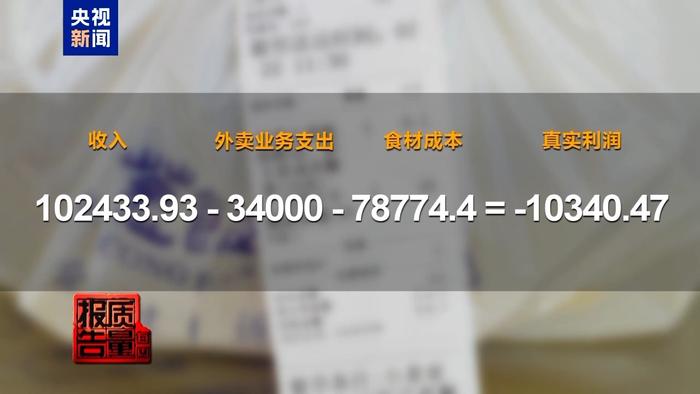
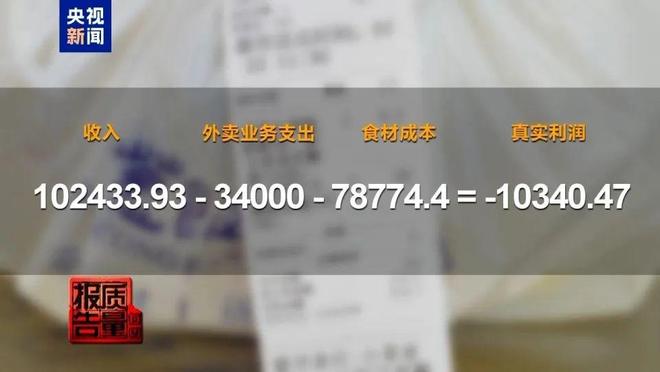
Core Insights - The intense "subsidy war" among major food delivery platforms has led to record-breaking order volumes, but many restaurant operators report that their profits have not increased and, in fact, their financial situations have worsened [1][3]. Financial Analysis - A restaurant owner detailed their financials for June, showing a total revenue of 162,215.8 yuan from 4,158 orders on Meituan, but after accounting for customer subsidies (30,452.2 yuan), platform commissions (8,409.81 yuan), and delivery service fees (20,919.86 yuan), the net income was reduced to 102,433.93 yuan [1]. - Fixed costs for the restaurant, including rent and labor, amounted to approximately 34,000 yuan allocated to the delivery business, with food costs calculated at 78,774.4 yuan, leading to a real profit of -10,340.47 yuan for June [3]. Operational Challenges - Restaurant operators are facing a "loss-making" situation where they are essentially "losing money to attract customers," highlighting the unsustainable nature of the current subsidy-driven business model [3].
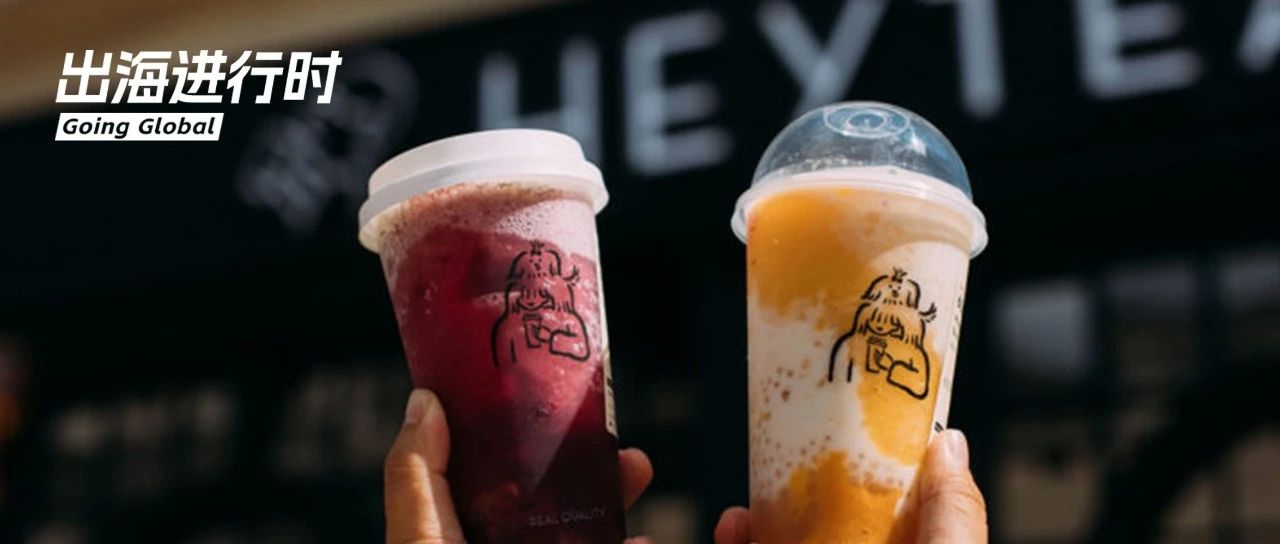
喜茶开店蹭苹果总部热点,“其实只是开到附近商场”;国内10座荟聚购物中心要被打包出售丨Going Global
创业邦· 2025-08-10 10:17
Key Points - SHEIN and Temu have captured a combined market share of 3.6% in South Africa's retail, apparel, textiles, footwear, and leather (CTFL) market, with sales reaching 7.3 billion Rand (approximately 405 million USD) in 2024 [5] - SHEIN alone holds 28% of the online CTFL sales for women in South Africa, while local retailers' market share has slightly decreased from 75.3% in 2011 to 74% in 2024 [5] - Temu has joined the International Trademark Association (INTA) to strengthen its compliance and lobbying efforts [9] - In Q1 2024, Temu's parent company PDD Holdings reported a net profit of 1.474 billion RMB (approximately 204.9 million USD), a 47% year-over-year decline, while revenue grew by 10% to 95.672 billion RMB (approximately 13.297 billion USD) [10] - Temu's active users in Southeast Asia reached 22 million by June 2024, with significant growth in the Philippines and Thailand [10] - TikTok is testing local lifestyle-related services in the U.S. by partnering with Booking.com, allowing users to book hotels directly through the platform [11][13] - Saudi Arabia's Othaim supermarket chain has joined Alibaba's AliExpress, enabling consumers to order various products online [14][16] - Heytea has expanded its overseas store count over sixfold in the past year, now exceeding 100 locations, while also closing some stores [19][21] - Meituan's Keeta has rapidly expanded in Saudi Arabia, covering 20 cities and achieving a 10% market share in the food delivery sector [22][24] - Xiaomi has become the second-largest smartphone brand in Europe, with a market share of 23% after a 11% growth in Q2 2025 [25][28] - Sweetlala has opened three new stores in Bali, Indonesia, and plans to extend its market reach to Europe and the Middle East [32][34] - Tencent led a funding round for Uzbekistan's fintech company Uzum, valuing it at 1.5 billion USD [50][52] - Luma AI's valuation has surged nearly 13 times to at least 3.2 billion USD within a year [53][55] - Naver is acquiring Spain's second-hand trading platform Wallapop for 377 million euros [59][61] - Anta is reportedly acquiring Reebok's China business, furthering its international expansion strategy [62][64]

每周质量报告丨外卖大战“裹挟”商家:月入16万 一算账还亏1万
Xin Lang Cai Jing· 2025-08-10 09:25
Group 1 - The intense "subsidy war" among major food delivery platforms has led to record-breaking order volumes since April, but many restaurant owners report that their profits have not increased and their operations have become more challenging [1] - A restaurant owner calculated that in June, after accounting for various costs including customer subsidies and platform commissions, the net income was significantly reduced, leading to a loss [1] - The owner of a restaurant with a 200 square meter area and 11 employees reported a fixed monthly expense of approximately 90,000 yuan, with the online business resulting in a real profit loss of over 10,000 yuan for June [3] Group 2 - The competitive landscape of food delivery services is characterized by high customer incentives, but this has not translated into profitability for many restaurant operators [1][3] - The financial breakdown of a restaurant's operations highlights the impact of delivery platform fees and subsidies on overall profitability, indicating a trend of "losing money to gain visibility" [3]