
能源

Search documents
特变电工(600089):Q2业绩拐点,输变电海外订单持续高增
CMS· 2025-09-22 03:32
Investment Rating - The report upgrades the investment rating to "Strong Buy" [3] Core Views - The company has reached a turning point in Q2 performance, with significant growth in overseas orders for power transmission and transformation equipment [7] - The company reported a total revenue of 48.4 billion yuan in the first half of 2025, a year-on-year increase of 1.1%, and a net profit attributable to shareholders of 3.18 billion yuan, up 5% year-on-year [1][7] - The international orders for the power transmission and transformation sector have shown a high growth rate, with new domestic orders increasing by 14% and international orders rising by 65.9% [7] Financial Data and Valuation - The projected total revenue for 2025 is estimated at 104.52 billion yuan, reflecting a 7% year-on-year growth [2] - The net profit attributable to shareholders is expected to reach 6.02 billion yuan in 2025, representing a 46% increase compared to 2024 [2] - The company’s total market capitalization is approximately 82.8 billion yuan, with a current share price of 16.38 yuan [3] Performance Metrics - The company achieved a gross margin of 16.6% in Q2 2025, a slight increase of 0.1 percentage points year-on-year [7] - The net profit margin improved to 7.0%, up 3.3 percentage points year-on-year [7] - The return on equity (ROE) is reported at 6.0% [3] Business Segments - The power transmission and transformation segment generated revenue of 23.54 billion yuan in H1 2025, a 20% increase year-on-year [7] - The coal business reported revenue of 8.83 billion yuan, down 5.4% year-on-year, while the power generation segment saw a 29.4% increase in revenue to 3.46 billion yuan [7] - The new energy segment's revenue declined by 38% to 6.31 billion yuan, primarily due to a significant drop in polysilicon production [7] Investment Recommendations - The report suggests that the company’s long-term strategy of focusing on high-end equipment manufacturing in power transmission and transformation, along with its energy and new materials sectors, positions it well for future growth [7] - The projected net profit for 2025 has been revised upwards to 6 billion yuan, reflecting the anticipated recovery in the polysilicon market and sustained demand in the power transmission sector [7]

南下资金年内净流入破万亿!AI仍是港股主线
证券时报· 2025-09-21 13:05
Core Viewpoint - The Hong Kong stock market is experiencing significant net inflows, with the Hong Kong Stock Connect seeing over HKD 1 trillion in net inflows year-to-date, surpassing the total for the entire year of 2024, indicating a potential record high for the year [1][4]. Group 1: Market Performance - The average daily trading volume of the Hong Kong Stock Connect has reached HKD 60.8 billion, accounting for 24.5% of the overall market [4]. - In August 2025, the Hong Kong stock market recorded a net inflow of HKD 112.2 billion, marking the ninth highest monthly inflow on record [6]. - The Southbound trading of ETFs has seen an average daily trading volume of HKD 3.8 billion in the first half of 2025, setting a new semi-annual record [6]. Group 2: Sector Analysis - The financial sector remains the largest holding in the Hang Seng Stock Connect, accounting for 32%, followed by information technology at 20% and consumer discretionary at 16% [6]. - The healthcare sector has seen the largest increase in weight from 3% to 7% year-to-date, while consumer discretionary and information technology sectors have increased by 3 and 2 percentage points, respectively [6]. Group 3: Earnings and Growth Outlook - The Hong Kong stock market has stabilized, with positive earnings growth in the first half of 2025, showing revenue and profit growth rates of 1.9% and 4.6%, respectively [8]. - The sectors of technology, healthcare, and materials are expected to maintain high growth, while some sectors like energy and utilities are still under pressure [8]. - The second half of 2025 is anticipated to see a turning point in earnings growth, with expectations for a rebound in previously underperforming sectors [8]. Group 4: Investment Trends - AI remains a key theme in the Hong Kong stock market, with internet stocks expected to benefit significantly [9]. - The demand for AI cloud services is driving revenue growth, with private cloud service providers outpacing state-owned telecom companies for the first time in four years [10].


美国霸权捅马蜂窝!加墨打破八年沉寂联手,要掀翻北美贸易桌?
Sou Hu Cai Jing· 2025-09-21 10:49
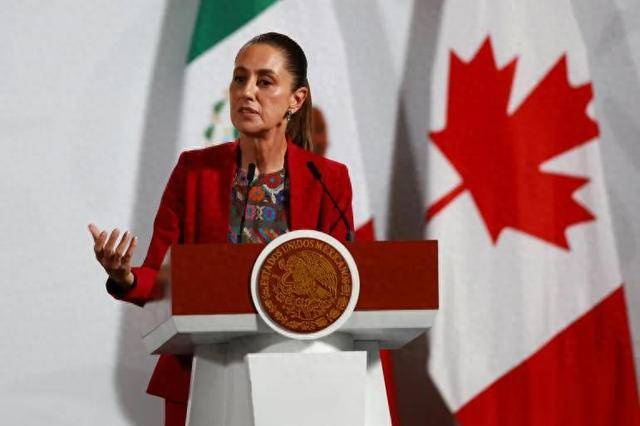
Core Viewpoint - The article discusses the recent trade tensions between the U.S., Canada, and Mexico, highlighting the challenges faced by Canada and Mexico in their attempts to cooperate against U.S. trade policies, particularly under the Trump administration's protectionist measures [1][3][5]. Group 1: Trade Dynamics - Canada and Mexico's bilateral trade amounts to only $40.5 billion, significantly less than Canada's trade with the U.S. at $924.4 billion, creating a disparity that raises questions about the depth of their cooperation [3][5]. - The reliance on the U.S. market is a double-edged sword; while it drives cooperation, it also fosters competition between Canada and Mexico for favorable trade terms from the U.S. [3][5][7]. Group 2: Political and Economic Context - The imposition of tariffs—50% on Canadian steel and 25% on Mexican pharmaceuticals—has led both countries to consider a united front to mitigate losses from U.S. trade policies [5][12]. - The historical context of limited interaction between Canada and Mexico over the past eight years reflects a lack of depth in their bilateral relationship, which has been overshadowed by their interactions with the U.S. [5][7]. Group 3: Potential for Cooperation - Despite the challenges, there is potential for substantive cooperation in areas such as energy interconnection, manufacturing division, and combating drug trafficking, which could shift the relationship from mere political statements to practical collaboration [9][12]. - The interdependence of the U.S., Canada, and Mexico in trade creates a negotiation leverage for Canada and Mexico, as both countries are crucial to U.S. agricultural, energy, and manufacturing sectors [11][12]. Group 4: Internal Challenges and External Pressures - Internal competition in sectors like the automotive industry and differing strategies on security issues may hinder deeper cooperation, but the external pressures from U.S. trade policies could temporarily set aside these internal conflicts [14][16]. - The shared goal of mitigating risks from U.S. trade actions provides a strong foundation for Canada and Mexico to pursue a coordinated strategy, despite their historical differences [14][16].
特朗普最想要的东西,中国转手送给欧洲国家,结果出乎他意料
Sou Hu Cai Jing· 2025-09-21 08:43
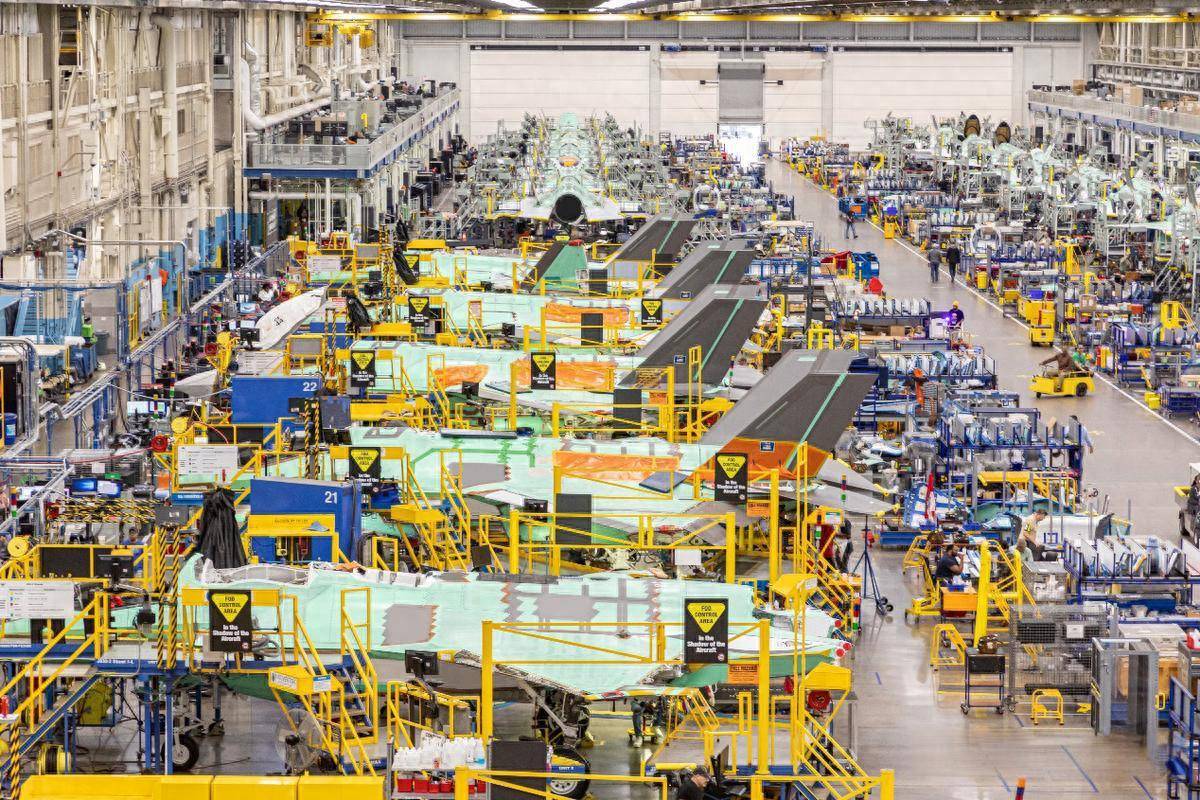
Core Insights - The global rare earth supply chain is undergoing significant changes, with China projected to control 88.7% of the world's rare earth exports by 2024, maintaining pricing power over high-end rare earth magnets [1] - The U.S. Department of Defense reports a 97% dependency on Chinese rare earths for critical equipment like the F-35 fighter jet, highlighting the strategic importance of these materials [1] - The geopolitical landscape is tightening as the U.S. seeks to reduce its reliance on Chinese rare earths through tariffs and export restrictions, but faces challenges in altering the existing supply chain dynamics [3][5] U.S.-China Strategic Competition - The U.S. is experiencing a "choke point" pressure in the rare earth sector, with stock fluctuations among domestic rare earth companies reflecting market volatility and supply chain concerns [3] - Trump's administration has threatened to impose tariffs as high as 200% on Chinese rare earth materials if stable exports are not restored, revealing vulnerabilities in U.S. resource security [5] - Despite U.S. efforts to establish partnerships with countries like Ukraine and Australia, the immediate impact on the global rare earth supply chain remains limited [5] European Demand and Response - Europe is facing a critical shortage of rare earths for its manufacturing sectors, with major companies expressing concerns over China's export controls [8] - The EU is divided on its approach to China, with some member states advocating for compliance-based cooperation rather than following the U.S. high tariff strategy [8] - Poland has emerged as a focal point for China-Europe economic cooperation, with initiatives to enhance trade and investment, including a visa waiver for Chinese citizens [8][10] Poland's Role in the Supply Chain - Poland is positioned as a "jumping board" for China's high-end industrial chain to Europe, benefiting from its dual identity within the EU and NATO [10] - The bilateral trade between China and Poland has seen significant growth, with Polish high-end manufacturing exports increasing by 12.8% in the first half of 2025 [10] - Poland's strict compliance with trade rules ensures that rare earth materials are used solely for industrial upgrades, avoiding military applications [13] Shifts in European Supply Chain Dynamics - The compliance trade model between China and Poland is gaining traction, with European companies increasingly interested in sourcing rare earths through Poland [12] - Poland's successful strategy has led to a surge in investments from U.S. and European companies seeking stable rare earth supplies [15] - The Polish model is being viewed as a potential template for other European nations, emphasizing the importance of balancing relations with both China and traditional allies [17][19] Future Implications - The competition for global supply chains is shifting towards "attraction competition," where the ability to provide stable resources will dictate influence in rule-making [17] - Poland's approach highlights the need for innovative institutional frameworks and cooperative strategies in navigating the complexities of international resource dynamics [19] - The evolving landscape underscores the importance of strategic partnerships and compliance in securing long-term resource availability for European manufacturing [19]
毕马威中国在2025国际数字能源展期间举办“驾驭AI浪潮”论坛
Zhong Zheng Wang· 2025-09-21 07:07
Core Insights - The 2025 International Digital Energy Exhibition was held in Shenzhen from September 18 to 21, focusing on the integration of artificial intelligence (AI) in the energy sector [1] - KPMG China emphasized the transformative potential of AI in reducing production costs and enhancing product competitiveness within the energy industry [1] - A report titled "Smart Energy - AI-Driven Transformation and Value Restructuring" was released, analyzing the current application of AI in the energy sector based on a survey of 163 energy executives from eight countries [1][2] Group 1 - The report suggests that energy companies should develop AI strategies driven by business objectives that align with their core competencies and create value [2] - Companies are encouraged to establish transparent governance frameworks and invest in data governance, cloud platforms, and hybrid IT infrastructure for comprehensive AI integration [2] - KPMG noted that AI applications in the energy sector have expanded from pilot projects to large-scale implementations, significantly improving operational efficiency, asset optimization, safety, sustainability, and predictive maintenance [2] Group 2 - Many companies have implemented cost-reduction plans utilizing AI to optimize operational processes, leading to efficiency gains and higher returns on investment [2] - The report highlights challenges in the development of AI in the energy sector, including data quality issues, regulatory complexities, and budget constraints [2] - Over half of the surveyed energy companies reported data quality issues due to inconsistent data formats, and only a few have established AI excellence centers [2] Group 3 - KPMG China also released the Chinese version of the "World Energy Statistical Yearbook 2025" during the forum, providing data support and strategic insights for the green and digital transformation of the energy industry [3]
新时代党的治疆方略的成功实践白皮书丨新时代党的治疆方略的成功实践
Xin Hua She· 2025-09-20 04:17
Core Viewpoint - The white paper titled "Successful Practices of the Party's Governance Strategy in Xinjiang in the New Era" outlines the historical and contemporary governance strategies of the Chinese Communist Party (CCP) in Xinjiang, emphasizing social stability, national unity, and economic development as key objectives. Historical Governance Experience - The governance of Xinjiang has historically been placed within the broader context of national governance, emphasizing the importance of maintaining territorial integrity and social stability [10][11][12]. - The concept of a unified nation has been a guiding principle, with various historical regimes implementing governance structures that promote integration and development in Xinjiang [12][13]. - Development initiatives have been a consistent focus, with historical efforts in agriculture, infrastructure, and trade contributing to the region's growth [14][15]. CCP's Governance Journey - The CCP has actively engaged with the people of Xinjiang since its inception, focusing on liberation, social reform, and modernization [18][19]. - Significant milestones include the establishment of the Xinjiang Production and Construction Corps and the formation of the Xinjiang Uyghur Autonomous Region, marking pivotal moments in the region's governance [20][21]. New Era Governance Strategy - The governance strategy in the new era has been shaped by a comprehensive understanding of Xinjiang's strategic importance, with a focus on social stability and long-term peace [24][25]. - Key elements of the strategy include promoting national unity, enhancing cultural integration, and ensuring economic development that benefits all ethnic groups [27][29]. Social Stability and Long-term Peace - The strategy emphasizes the importance of combating separatism and terrorism, with significant achievements in maintaining social order and stability [32][33]. - Legal frameworks have been established to support anti-terrorism efforts, ensuring that governance is conducted within a legal context [34][30]. Construction of a Shared National Identity - Efforts to build a shared national identity among various ethnic groups have been prioritized, fostering a sense of community and mutual support [37][38]. - Cultural initiatives aim to enhance the appeal of mainstream values and promote a cohesive national narrative [39][40]. Democratic and Legal Development - The development of a democratic framework has been emphasized, with a focus on ensuring representation and participation from various ethnic groups in governance [42][43]. - The establishment of a comprehensive democratic system aims to enhance the legitimacy and effectiveness of governance in Xinjiang [43].
库克,紧急回应
中国基金报· 2025-09-20 00:35
Market Performance - The three major US stock indices reached new closing highs, with the Dow Jones up 0.37% at 46,315.27 points, the S&P 500 up 0.49% at 6,664.36 points, and the Nasdaq up 0.72% at 22,631.48 points [4] - For the week, the Dow Jones rose 1.05%, the S&P 500 increased by 1.22%, and the Nasdaq gained 2.21% [6] Federal Reserve Insights - Market expectations for further monetary easing have increased, with the probability of a 25 basis point rate cut in October rising to 89.8% from 87.4% the previous day [6] Trump Gold Card Announcement - Former President Trump announced the launch of the "Trump Gold Card," which individuals can apply for at a cost of $1 million and businesses for $2 million, projecting over $100 billion in revenue [7][9] Apple iPhone Pricing - Apple CEO Tim Cook stated that the high starting price of the new iPhone is not due to Trump's tariff policies, marking a rare direct response to such claims [10] Precious Metals Market - The Philadelphia Gold and Silver Index rose by 4.76%, closing at 283.70 points, surpassing the previous historical high of 277.84 points [13] - Spot gold increased by 1.11% to $3,684.80 per ounce, with a weekly gain of 1.15% [13] - Spot silver rose by 2.14% to $43.0854 per ounce, while COMEX silver futures increased by 1.28% to $43.380 per ounce [13] Oil Market Trends - Oil prices fell for the third consecutive day, with WTI crude oil futures for October down 1.4% to $62.68 per barrel, and November Brent crude down 1.1% to $66.68 per barrel [16]


关税威胁下 提供5500亿美元投资的美日协议能否重振美国制造业?
Di Yi Cai Jing· 2025-09-19 15:33
Core Insights - The U.S. government is exploring how to utilize Japan's commitment of $550 billion in investments to revitalize domestic manufacturing following the recent trade agreement with Japan [1][2] - Current data indicates a significant decline in U.S. manufacturing performance, with the New York Fed manufacturing index dropping from 11.9 to -8.7 in September [1] - The investment agreement includes a governance structure and profit-sharing mechanism, with Japan required to complete the investment allocation before the end of Trump's term [2][3] Investment Opportunities - The investment is targeted at key industries such as semiconductors, pharmaceuticals, critical minerals, metals, shipbuilding, energy, AI, and quantum computing [2] - An investment committee led by U.S. Commerce Secretary Ross will oversee the projects, with a consulting committee providing recommendations [2] Economic Outlook - The overall sentiment in the manufacturing sector is pessimistic, with manufacturers hesitant to expand capacity due to uncertain sales prospects [1][3] - The current manufacturing landscape is influenced by previous legislation such as the Inflation Reduction Act and the CHIPS and Science Act, which provided incentives for factory construction [1][3] Trade Policy Implications - The trade agreement allows the U.S. to exert significant control over the investment process, with Japan needing to align its interests with U.S. proposals [3] - The U.S. retains the right to impose tariffs if Japan fails to meet its investment commitments, which serves as a leverage point [3] Challenges and Risks - There is considerable uncertainty regarding the timing and realization of investment commitments, with many plans initiated during the Biden administration [6] - The current tariff policies have led to profit shrinkage and investment stagnation among U.S. companies, with notable examples of layoffs and reduced hiring in the manufacturing sector [6][7] - The legal status of the tariff policies is under scrutiny, with potential adjustments on the horizon following a recent court ruling [7] Supply Chain Dependencies - U.S. manufacturers remain heavily reliant on global markets for raw materials and components, with 69% of intermediate inputs sourced domestically and nearly one-third imported [8]
智昇黄金原油分析:鸽派预期落空 黄金连回两日
Sou Hu Cai Jing· 2025-09-19 09:43
Group 1: Gold Market - The Federal Reserve lowered the federal funds target rate by 25 basis points to a range of 4.75%-5.00%, with expectations for two more rate cuts of 25 basis points each in the near future [1] - Despite the rate cut, the dot plot indicates that the magnitude of future rate cuts will be less than expected, leading to a rebound in the US dollar and US Treasury yields, causing gold prices to retreat [1] - Gold prices reached a high of $3707 but have seen a pullback, with short-term support at $3623; if this level is breached, a deeper correction may occur [1] Group 2: Oil Market - Global oil demand as of September 17 was 104.4 million barrels per day, an increase of 520,000 barrels per day year-on-year, with a year-to-date increase of 800,000 barrels per day [2] - Recent EIA data showed a significant decline in US crude oil inventories due to decreased imports and near-peak exports [2] - Weakening US economic data, particularly in employment, raises concerns about future oil demand [2] Group 3: Currency and Economic Indicators - The US dollar index rebounded to around 97.50 after the Fed's rate decision, following a period of decline since early August [3] - Recent US economic data, including a lower-than-expected increase in initial jobless claims and a significant rise in the Philadelphia Fed manufacturing index, supported the dollar's recovery [2][3] - The Bank of England maintained its interest rate at 4% and reduced its quantitative tightening pace, indicating a potential for future rate cuts [4]
【comex黄金库存】9月18日COMEX黄金库较上一交易日增加1.52吨
Jin Tou Wang· 2025-09-19 05:30
Group 1 - COMEX gold inventory recorded at 1220.24 tons on September 18, an increase of 1.52 tons from the previous trading day [1][2] - COMEX gold price closed at $3678.20 per ounce on September 18, down 0.44%, with an intraday high of $3707.30 and a low of $3660.50 [1][2] Group 2 - Canadian and Mexican leaders committed to closely coordinate before high-risk trade agreement reviews with the U.S. next year, amid U.S. President Trump's tariff threats [2] - The meeting in Mexico City marked a strengthening of Canada-Mexico relations, with both leaders seeking to persuade Trump to lower import tariffs on steel, automobiles, and agricultural products [2]