
医药

Search documents
2025年四季度A股市场投资策略报告:上涨行情或未结束,但波动率或加大,风格或趋向均衡-20251010
British Securities· 2025-10-10 07:12
Market Overview - The A-share market is expected to continue its upward trend, although the momentum may weaken, leading to increased volatility and a more balanced investment style [6][19] - The Shanghai Composite Index rose by 15.84%, while the Shenzhen Component Index increased by 29.88% in the first three quarters of 2025 [4][13] Industry Performance - The non-ferrous metals sector led the gains with a 67.52% increase, followed by telecommunications at 62.61% and electronics at 53.51% [4][14] - The coal sector experienced the largest decline at -7.90%, with food and beverage and oil and petrochemicals also showing negative performance [4][14] Market Logic for Q4 2025 - The macroeconomic environment and monetary policy are crucial variables influencing A-share performance, with a focus on the impact of U.S. tariff policies and domestic economic recovery [5][18] - The demand for stocks is expected to increase due to personal investors reallocating assets towards equities, alongside improvements in public and private fund issuance [5][18] Sector Allocation - Key sectors to watch include: - Pharmaceuticals: Defensive value with recovery potential [6] - Semiconductors: Driven by self-sufficiency logic [6] - Robotics: Strong internal growth drivers [6] - Renewable Energy: Potential for continued rebound [6] - Financials: Benefiting from increased market activity [6] Thematic Investments - Thematic investment opportunities include: - AI: Expansion from hardware to applications [6] - Optical communication modules: Core drivers include AI computing and data center upgrades [6] - Rare earth materials: China's advantages in this sector [6] - Military industry: Potential driven by export attractiveness and geopolitical tensions [6]
英国吉林商会在伦敦揭牌共筑合作桥梁
人民网-国际频道 原创稿· 2025-10-10 03:29
Core Points - The event in London was organized by the British Chinese Chamber of Commerce and the Jilin Chamber of Commerce, focusing on industrial cooperation, investment collaboration, and trade expansion between Jilin Province and the UK [1][2] - Jilin Province's Deputy Director of Commerce, Zhang Guigang, highlighted the province's key industries and favorable business environment, emphasizing the solid foundation for Sino-British economic and trade cooperation [1][4] - The newly established Jilin Chamber of Commerce in the UK aims to serve as a bridge for economic and cultural exchanges, supporting Jilin enterprises in entering the UK market [7] Group 1 - The delegation from Jilin Province included over 20 representatives from the business and government sectors, discussing ways to enhance cooperation [1] - Local officials and business leaders from Jilin shared insights on their products and expressed a strong desire to expand into the UK market [2][4] - The British Chinese Chamber of Commerce is committed to promoting Sino-British exchanges in trade, technology, education, and culture [2][4] Group 2 - The Jilin Chamber of Commerce will provide policy consulting, legal and financial support, and resource connections for Jilin enterprises in the UK [7] - The event also highlighted Jilin's advantages in sectors such as new energy vehicles, pharmaceuticals, and cultural tourism [4] - The establishment of the Jilin Chamber of Commerce is seen as a significant step in enhancing the community's cohesion and supporting the rights of overseas Chinese [7]


福瑞达(600223):2025年中报点评:研发密集创新,静待新品新变化
Huachuang Securities· 2025-10-10 02:45
Investment Rating - The report maintains a "Recommend" rating for the company with a target price of 10.11 yuan [2][9]. Core Views - The company is experiencing a phase of performance pressure, with a 7.05% year-on-year decline in revenue and a 15.16% drop in net profit for the first half of 2025. The revenue for 25H1 was 1.79 billion yuan, and the net profit was 108 million yuan [2][9]. - The company is undergoing strategic adjustments, particularly in its product lines, with expectations for performance recovery as new products are launched and adjustments take effect [9]. Financial Performance Summary - **2025 Half-Year Performance**: Revenue was 1.79 billion yuan (-7.05% YoY), and net profit was 108 million yuan (-15.16% YoY). The gross margin was 52.3% (+0.5pp YoY), and the net margin was 7.5% (-0.6pp YoY) [2]. - **2025 Q2 Performance**: Revenue was 913 million yuan (-11.7% YoY), and net profit was 57 million yuan (-16.1% YoY). The gross margin was 53.4% (+0.6pp YoY), and the net margin was 7.8% (-0.2pp YoY) [2]. - **Future Financial Projections**: Expected revenues for 2024A, 2025E, 2026E, and 2027E are 3.983 billion, 3.798 billion, 4.189 billion, and 4.598 billion yuan respectively, with corresponding net profits of 244 million, 248 million, 294 million, and 350 million yuan [5][10]. Business Segment Performance - **Cosmetics Segment**: Revenue was 1.094 billion yuan (-7.73% YoY). The "Yilian" brand showed strong growth with a 23.78% increase in revenue to 554 million yuan, driven by successful marketing and product upgrades [9]. - **Raw Materials Segment**: Revenue was 179 million yuan (+4.15% YoY), with a notable increase in high-value products, particularly in hyaluronic acid (HA) sales, which grew by 287.3% YoY [9]. R&D and Innovation - The company continues to invest in R&D, with expenses increasing by 20.60% YoY to 79 million yuan in the first half of 2025. New product launches, including the "transdermal collagen" technology, are expected to drive future growth [9].

好医生云医疗集团旗下药约約双大核心品牌斩获第十四届财经峰会大奖
Sou Hu Wang· 2025-10-10 01:59
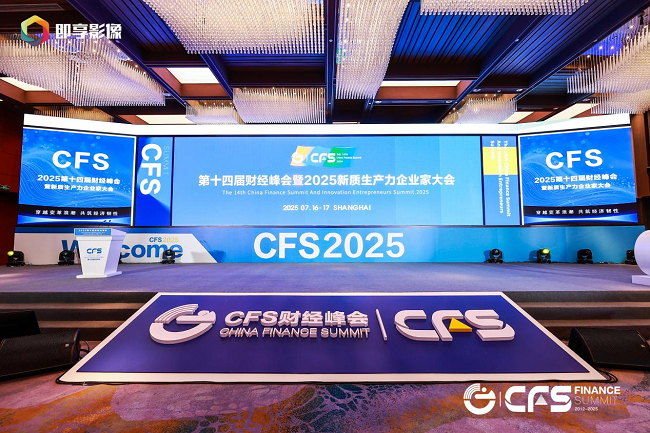
近日, CFS 第十四届财经峰会暨 2025 新质生产力企业家大会在上海盛大启幕。作为中国经济领域最具 影响力的盛会之一,本届峰会汇聚了超过 1200 位商界、政界、学界精英,围绕科技创新、数字经济等 前沿议题展开深度对话,并通过"致敬盛典"表彰在新质生产力培育与社会责任实践中表现卓越的企业与 品牌。 好医生云医疗集团作为国内基层医疗全面赋能平台,始终秉持"全面赋能基层医疗,让优质医疗资源下 沉,让老百姓在家门口享受三级医院水平的医疗服务和产品"的使命,依托互联网技术与全产业链布 局,打造"检、诊疗、药、经营服务"一体化服务体系。此次旗下双产品同时获奖,不仅是对集团在医疗 服务领域综合实力的高度认可,更彰显了消费者对药约約药品供应链现代化实践的充分信赖。 在全球经济格局深度调整、国内经济转型进入攻坚期的背景下,好医生云医疗集团旗下品牌的获奖不仅 展现了医药行业的创新活力,更印证了"新质生产力"在产业升级中的核心驱动作用。好医生云医疗集团 将继续以消费者需求为核心,持续加大在智能医疗领域的投入,推动更多优质医疗资源下沉,为中国经 济的韧性发展贡献 "健康力量"。 其中,好医生云医疗集团旗下药约約的两大核心品牌表 ...
生银行的少数股东权益盈利减值后,将维持高派息比率
ZHONGTAI INTERNATIONAL SECURITIES· 2025-10-10 01:58
Market Overview - On October 9, the Hang Seng Index closed at 26,752 points, down 76 points, while the Hang Seng Tech Index fell 42 points to 6,471 points, with a trading volume of HKD 386.82 billion[1] - HSBC Holdings (5 HK) proposed privatization of Hang Seng Bank (11 HK), leading to a 6% drop in HSBC shares, while Hang Seng Bank shares surged 30%[1] - Semiconductor stocks, including SMIC (688981 CH), faced a sell-off after a financing adjustment, with shares dropping nearly 7% after an initial rise of 4%-9%[1] U.S. Market Dynamics - On October 9, the Dow Jones Index fell 243 points after reaching a record high, while the S&P 500 and Nasdaq dropped 0.28% and 0.08%, respectively[2] - Nvidia (NVDA US) gained 1.8% after receiving approval to sell chips to the UAE, reaching a record high[2] - Gold prices fell over 2%, dropping below USD 4,000, as Middle East tensions eased following a ceasefire agreement[2] Macroeconomic Trends - During the National Day and Mid-Autumn Festival holiday (October 1-7), retail and catering sales in China grew by 2.7% year-on-year[3] - Foot traffic and sales in monitored pedestrian streets increased by 8.8% and 6.0%, respectively, highlighting a shift towards green and smart consumption[3] - Sales of green organic food surged by 27.9%, while smart home products and domestic fashion saw increases of 14.3% and 14.1% respectively[3] Industry Insights - In the smart driving sector, Black Sesame Technologies (2533 HK) anticipates L3 autonomous driving technology to mature in the next 3-5 years, with shares rising 5.3%[4] - The Hang Seng Healthcare Index fell 4.96%, attributed to lower-than-expected milestone payments from Innovent Biologics (9969 HK), despite stable performance from WuXi AppTec (2359 HK) and WuXi Biologics (2269 HK)[4] - The renewable energy sector saw positive performance, with wind power stocks rising between 3.4% and 8.4%, reflecting market optimism for the second half of the year[5]
只有攻克“短期难”,才能锻造“长期强”(读者点题·共同关注)
Ren Min Ri Bao· 2025-10-09 21:52
Core Viewpoint - The article discusses the recent reforms in the pricing of renewable energy, emphasizing the transition from guaranteed returns to market-driven pricing, which poses short-term challenges but is expected to yield long-term benefits for the industry [1][2]. Group 1: Short-term Challenges - The transition to market pricing for renewable energy indicates the end of guaranteed returns, leading to a competitive environment where only the most efficient will survive [2]. - The current challenges reflect deeper issues accumulated over years of rapid growth in the renewable sector, including overcapacity in manufacturing and increasing difficulties in electricity consumption [2]. - The policy introduces a "multi-retreat and less-supplement" pricing mechanism to help companies transition smoothly during this challenging period [2]. Group 2: Long-term Benefits - The reforms are expected to shift the focus of renewable energy companies from mere expansion to enhancing quality, promoting smarter and more efficient energy production [2]. - Increased competition will drive companies to explore new consumption channels and optimize energy storage solutions, leading to more efficient allocation of electricity resources [2]. - The long-term vision aligns with broader national goals, as seen in other sectors like electric vehicles and environmental conservation, where initial challenges have led to significant advancements over time [6][7]. Group 3: Broader Policy Context - The article highlights that many recent policies share the "short-term difficulty, long-term strength" characteristic, indicating a trend in addressing deeper systemic issues [3][4]. - The complexity of these reforms often involves balancing multiple stakeholder interests and optimizing resource distribution across various sectors, such as healthcare and education [3][4]. - The article emphasizes the importance of patience and a long-term perspective in achieving sustainable development goals, as demonstrated by successful initiatives in other areas [8][9].
红土创新基金总经理冀洪涛:内地企业赴港上市热潮推动核心资产价值重估
Zheng Quan Shi Bao· 2025-10-09 18:07
Core Insights - The current surge of mainland companies listing in Hong Kong is driven by three main factors: optimized listing regulations, globalization strategies of enterprises, and international capital re-evaluating Chinese assets [1][2]. Group 1: Factors Driving the Listing Surge - The Hong Kong Stock Exchange has lowered listing thresholds through institutional optimizations, including the introduction of a "special line for technology companies" in 2024 and improved rules for secondary listings, making it a preferred platform for mainland enterprises [1]. - Mainland companies are pursuing global strategies and financing needs, with leading firms like CATL and Hengrui Medicine utilizing funds raised from Hong Kong listings for international expansion and clinical research [1]. - International capital is reassessing Chinese assets, with expectations of U.S. Federal Reserve interest rate cuts leading to increased attractiveness of non-U.S. assets, resulting in significant foreign investment in Chinese markets [2]. Group 2: Impact on A-Share Valuation - The current A-H share premium index is at a historical low, with some leading companies' H shares trading at a premium, indicating potential for A-share valuation recovery through arbitrage and value investment mechanisms [2]. - The valuation logic for growth stocks is shifting towards "technical barriers," with the Hong Kong market placing greater emphasis on R&D investment and technological advantages, promoting a transition in the A-share market from valuation-driven to growth-driven [2]. Group 3: Effects on the Hong Kong Market - The listing surge is reshaping liquidity in the Hong Kong market, with southbound capital becoming a dominant force and a rise in growth-oriented investment styles [2]. - Southbound capital inflows and trading proportions have reached historical highs, indicating a shift in market structure from a focus on high-dividend sectors to technology and consumer-driven sectors [2].
超百家重点企业落户香港 加速释放强劲经济动能
Xin Hua She· 2025-10-09 13:31
Core Insights - The Hong Kong government has successfully signed agreements with 18 key enterprises, including three global pharmaceutical leaders and companies in AI, autonomous driving, microelectronics, and cross-border financial services [1] - This initiative is seen as a combination of an "effective government" and a "dynamic market," which is expected to enhance Hong Kong's competitiveness and accelerate industrial development [1] - Over the past two years, more than 100 high-potential enterprises have established a presence in Hong Kong, projected to bring approximately HKD 60 billion in investments and create around 22,000 jobs [1]
大厂竞业限制协议「七宗罪」
3 6 Ke· 2025-10-09 13:09
Core Points - The article discusses the increasing prevalence and controversy surrounding non-compete agreements in various industries, particularly in the tech sector, and highlights the impact on employees, especially younger ones [2][4][37] - It emphasizes the disparity in power dynamics between companies and employees regarding the enforcement of non-compete clauses, often leading to severe financial and emotional consequences for the latter [28][47][50] Group 1: Non-Compete Agreement Trends - Non-compete agreements have expanded to include lower-level employees, with 77% of affected individuals being grassroots workers, including security and cleaning staff [3][4] - The internet industry has the highest concentration of non-compete cases, followed by the automotive and manufacturing sectors, with a notable increase in companies that previously did not enforce such agreements now adopting them [4][5][41] - The scope of non-compete agreements has broadened significantly, often covering numerous related companies and industries, effectively limiting employees' future job opportunities [9][10][60] Group 2: Employee Experiences and Legal Implications - Many employees, particularly those in lower positions, are subjected to non-compete agreements despite lacking access to sensitive company information, leading to absurd situations where they face significant penalties for switching jobs [6][8][47] - The compensation for employees under non-compete agreements is often minimal, with some companies offering as low as 10-20% of their salary as compensation, while the penalties for breach can reach multiples of their annual salary [14][15][17] - Legal proceedings related to non-compete agreements often favor companies, as they have more resources and better access to legal representation, creating an uneven playing field for employees [28][36] Group 3: Industry and Legal Developments - Recent judicial interpretations and guidelines from the Supreme Court and the Ministry of Human Resources aim to clarify the legality and enforceability of non-compete agreements, particularly for non-sensitive positions [60] - The article suggests that the current legal framework may evolve to better protect employees and promote fairer practices in the enforcement of non-compete agreements [52][58] - There is a growing recognition that the overuse of non-compete agreements can stifle talent mobility and hinder industry growth, prompting calls for reform [47][49][53]
两融季节性卖出,北上与 ETF 阶段成为主要增量资金
SINOLINK SECURITIES· 2025-10-09 11:24
Group 1: Macro Liquidity - The US dollar index has declined, and the degree of "inversion" in the China-US interest rate spread has narrowed. The nominal and real yields of 10Y US Treasuries have both decreased, indicating a drop in inflation expectations [1][14]. - Offshore dollar liquidity has tightened, while the domestic interbank funding situation remains balanced. The term spread (10Y-1Y) has widened [1][18]. Group 2: Market Trading Activity - Overall market trading activity continues to decline, with major indices showing reduced volatility. More than half of the sectors, including real estate, automotive, electronics, and chemicals, have trading heat above the 80th percentile [2][23]. - The volatility of major indices has mostly decreased, although the communication sector remains above the 80th historical percentile [2][30]. Group 3: Institutional Research - The sectors with the highest research activity include electronics, pharmaceuticals, communications, non-ferrous metals, and food and beverages. The research activity in power and utilities, light industry, and machinery sectors has also increased [3][42]. Group 4: Analyst Forecasts - The net profit forecasts for the entire A-share market for 2025/2026 have been adjusted, with increases in sectors such as computers, machinery, banking, and consumer goods. The forecasts for the Shanghai 50, ChiNext Index, and CSI 300 have been raised, while the CSI 500 has seen a decrease [4][21]. - The proportion of stocks with upward revisions in net profit forecasts for 2025/2026 has decreased/increased, indicating a mixed outlook across different sectors [4][17]. Group 5: Northbound Trading Activity - Northbound trading activity has decreased, but there has been a net buying of A-shares overall. The buying ratio in sectors like electronics and non-banking has increased, while the ratio in communications and pharmaceuticals has decreased [5][31]. - Northbound trading primarily net bought sectors such as computers, electronics, and pharmaceuticals, with slight net selling in home appliances and transportation [5][33]. Group 6: Margin Financing Activity - Margin financing activity has approached the highest point since July 2020, with significant net buying in non-banking and consumer goods sectors, while electronics and communications saw net selling [6][35]. - The trading heat of the "Dragon and Tiger List" continues to decline, with automotive, chemicals, and computers showing relatively high trading volumes [6][41]. Group 7: Fund Positioning - Active equity funds have increased their positions in non-banking, automotive, and electronics sectors, while reducing positions in TMT, pharmaceuticals, and consumer services [7][46]. - ETFs have continued to see net subscriptions, particularly in sectors like electronics, new energy, and computers, while non-banking sectors experienced net selling [7][52].