
农业

Search documents
研究所晨会观点精萃-20251016
Dong Hai Qi Huo· 2025-10-16 01:49
Group 1: Report Industry Investment Ratings - Not provided in the given content Group 2: Core Views of the Report - Overseas, the Fed's Beige Book shows a slight decline in consumer spending and generally weak labor demand. Fed Governor Milan calls for a faster pace of interest rate cuts, which leads to a decline in the US dollar index and US Treasury yields, and an overall increase in global risk appetite. Domestically, economic growth has accelerated, and with the release of restrained statements from both China and the US, domestic risk appetite has rebounded. Multiple industry stabilization and growth plans have been introduced, strengthening the short - term upward macro - drive. The market's trading logic focuses on domestic incremental stimulus policies and China - US games [3]. - In the asset market, the stock index is short - term oscillating strongly, and short - term cautious long positions are recommended; treasury bonds are short - term oscillating, and cautious waiting and watching are advised; among commodity sectors, black commodities are short - term oscillating, short - term cautious waiting and watching; non - ferrous metals are short - term adjusted, short - term cautious long positions; energy and chemicals are short - term oscillating, cautious waiting and watching; precious metals are short - term strongly oscillating at high levels, cautious long positions [3]. Group 3: Summary by Related Catalogs Macro - finance - Overseas: The Fed's Beige Book indicates a slight decline in consumer spending and weak labor demand. Fed Governor Milan calls for faster rate cuts, with two more cuts this year being realistic. This causes the US dollar index and US Treasury yields to fall, and global risk appetite to rise. Domestic: Economic growth accelerates, and with China - US restraint, domestic risk appetite rebounds. Multiple industry support policies are introduced, enhancing the short - term upward macro - drive. Focus on China - US trade talks and domestic incremental policies. Asset suggestions: short - term long for stock indices, cautious waiting for treasury bonds, different strategies for different commodity sectors [3]. Stock Index - Driven by sectors such as automobiles, consumer electronics, and airport shipping, the domestic stock market rises significantly. With economic growth accelerating, China - US restraint, and policy support, domestic risk appetite rebounds. Short - term long positions are recommended [4]. Precious Metals - The precious metals market continues to rise. Driven by Fed rate - cut expectations and geopolitical tensions, spot gold reaches new highs with increased short - term volatility. Short - term long positions can be held or reduced at high prices, and long - term buying on dips is advised [4]. Black Metals Steel - The domestic steel futures and spot markets remain weak, with low trading volumes. The fundamentals are weak, with inventory rising and apparent consumption falling. Although production is falling, mills have weak willingness to cut production. The market may continue to be weak in the short term [6]. Iron Ore - Futures and spot prices of iron ore continue to fall. With high iron - water output and shrinking mill profits, the willingness to cut production may increase. Supply shows a decline in global shipments and an increase in arrivals, and port inventory rises. A bearish view is recommended [7][8]. Silicon Manganese/Silicon Iron - Spot and futures prices of silicon iron and silicon manganese rebound slightly. Demand decreases due to a slight decline in steel production. Manganese ore prices are weak. Supply shows a decrease in the开工 rate and daily output of silicon manganese. Prices are expected to oscillate in a range [9]. Non - ferrous Metals and New Energy Copper - Copper prices rise and then fall. In 2026, global copper mine output growth is expected to be high, and the Panama Cobre copper mine may restart. US economic uncertainties are a risk. Domestically, electrolytic copper production is high, but demand is facing challenges, and inventory reduction is below expectations [11]. Aluminum - Aluminum prices rise slightly as trade - tension concerns ease. Inventory is increasing, supply is rigid, demand is weakening, and it is expected to oscillate in a range in the short term [12]. Tin - Supply is tight globally due to Indonesia's crackdown on illegal mining and policy adjustments. Demand improvement is limited. Prices are expected to oscillate at high levels, with support from tight supply and limited upside due to consumption suppression and macro risks [12]. Lithium Carbonate - Battery - grade lithium carbonate is priced at 73,150 yuan/ton. With trade conflicts and potential spot selling pressure, the short - term upward drive is insufficient, and it is expected to oscillate in a range [13]. Industrial Silicon - The price of industrial silicon is stable. With high production and no significant inventory accumulation, it is expected to oscillate in a range, and attention should be paid to the cost support [13]. Polysilicon - Polysilicon prices are stable. With increasing warehouse receipts and supply - demand imbalance, it is expected to oscillate in a range, and attention should be paid to the spot price support [14]. Energy and Chemicals Crude Oil - Despite Fed rate - cut signals, oil prices are under pressure due to OPEC+ production increases. US key price indicators fall, and some market indicators weaken. Oil prices will test lower levels, and macro risks should be monitored [15]. Asphalt - Oil prices are low, and asphalt oscillates at the bottom. Demand is near the end, inventory pressure is increasing, and it is necessary to monitor the cost support from crude oil [15][16]. PX - PX oscillates weakly, with demand support from PTA high - level operation. It is likely to continue to oscillate weakly with the polyester sector [16]. PTA - Polyester products oscillate at low levels. With high supply, increasing inventory, and weakening demand, PTA prices will continue to be weak [16]. Ethylene Glycol - Ethylene glycol sentiment is weak. With rising inventory, new production expectations, and weak demand, it is expected to accumulate inventory in late October and trade at low levels [17]. Short - fiber - Short - fiber adjusts with the polyester sector. With limited terminal orders and inventory accumulation, it is expected to oscillate weakly in the short term [17]. Methanol - Methanol prices oscillate weakly. Supply growth exceeds demand recovery, and high inventory suppresses prices. Attention should be paid to US sanctions on Iran [18]. PP - PP prices fall. The market has a pattern of increasing supply and demand, but new capacity and trade conflicts lead to a bearish view [19]. LLDPE - LLDPE prices adjust. Supply pressure is increasing, demand recovery is slow, and with weak oil prices and trade conflicts, it is expected to oscillate weakly [20][21]. Urea - Urea prices are stable. The market is in a supply - strong and demand - weak situation. Although Indian tenders are a potential positive, export policies are unclear. Prices are expected to be under pressure in the short term [21]. Agricultural Products US Soybeans - CBOT November soybeans rise slightly. US soybean crushing in September reaches a high level, with significant month - on - month and year - on - year increases [22]. Soybean Meal/Rapeseed Meal - After the National Day, the market sentiment improves, but oil - mill inventory pressure remains high. With sufficient soybean supply in the fourth quarter, soybean meal may oscillate at low levels. Attention should be paid to China - Canada trade for rapeseed meal [22]. Soybean Oil/Rapeseed Oil - With the visit of the Canadian foreign minister, short - term rapeseed oil risk weakens. Soybean oil inventory pressure remains, and prices may be weak [22]. Palm Oil - Southeast Asian palm oil enters the production - reduction cycle. October production in Malaysia increases, suppressing prices, while exports also increase, providing some support. The implementation of Indonesia's B50 is expected to be in the second half of next year, and short - term demand growth is unlikely [22]. Live Pigs - Pig supply increases in September and October, leading to a continuous decline in pig prices to a record low. Although there are signs of second - fattening, it is not enough to support prices. With the expectation of increased consumption in autumn and winter, pig prices may stabilize [23][24].
西南期货早间评论-20251016
Xi Nan Qi Huo· 2025-10-16 01:45
1. Report Industry Investment Ratings No relevant content provided. 2. Core Views of the Report - The macro - economic recovery momentum needs strengthening, and the monetary policy is expected to remain loose. Treasury bond futures are expected to have no trend - based market, so a cautious approach is recommended [6]. - The domestic economy is stable, but the recovery momentum is weak, and corporate profit growth is at a low level. However, the long - term performance of Chinese equity assets is still promising, and existing long positions can be held [9]. - The long - term bullish trend of precious metals is expected to continue, and investors can consider going long on gold futures [12]. - The prices of rebar and hot - rolled coils are affected by policies in the short term and are expected to return to the supply - demand logic in the medium term. Investors can pay attention to buying opportunities during pullbacks [15]. - The supply - demand pattern of iron ore is strong in the short term but may weaken in the medium term. Investors can pay attention to buying opportunities during pullbacks [17]. - The prices of coking coal and coke have positive support, but the futures prices have already reflected the improvement in fundamentals to a large extent. Investors can pay attention to buying opportunities during pullbacks [20]. - The short - term demand for ferroalloys has a slight increase, but the supply is still in excess. Investors can consider long positions at low levels after a decline [24]. - Crude oil has rebounded after bottom - building at a low level. Investors can focus on going long on the main crude oil contract [26][27]. - The sales volume of fuel oil in the Fujairah Oil Industrial Area is at a high level, and the inventory situation is mixed. Investors can short the spread between high - sulfur and low - sulfur fuel oil on the main fuel oil contract [28][29]. - For synthetic rubber, wait for the market to stabilize and then participate in the rebound [30][31]. - For natural rubber, pay attention to buying opportunities after a pullback [32][33]. - PVC is expected to continue bottom - oscillating [34][35]. - Urea is expected to be volatile in the short term and bullish in the medium term [37]. - PX is expected to be in a short - term oscillating adjustment, and investors can consider range - bound operations [38]. - PTA is expected to oscillate in the short term, and investors can participate in the range at low levels [39][40]. - Ethylene glycol is recommended for range - bound participation, and investors should pay attention to port inventory and import changes [41]. - Short - fiber is expected to follow the cost to oscillate, and investors should pay attention to cost changes and macro - policy adjustments [42][43]. - Bottle - chip is expected to follow the cost to oscillate, and investors should control risks [44]. - Soda ash is expected to be lightly stable and oscillating in the short term, and the market will return to the fundamental - led logic [45]. - Glass is recommended to go short at high levels in the short term, and investors should pay attention to position control [47]. - Caustic soda is expected to have a positive supply - demand difference next week, and the market sentiment is good [48][49]. - Pulp is expected to oscillate and adjust, and investors should pay attention to the implementation of macro - policies and marginal demand signals [50][51]. - Lithium carbonate's trading logic has shifted, and investors should pay attention to the key time in late September. Non - entered investors should operate with a light position [52]. - Copper is in an oscillating state, and the Shanghai copper main contract should be temporarily observed [54][55]. - Tin is expected to oscillate, with tight supply at the mine end and weak consumption [57]. - Nickel is expected to oscillate, with an over - supply pattern of primary nickel [58]. - For soybean meal, consider long positions at the support level after adjustment; for soybean oil, consider taking profits on long positions at high levels [59][60]. - For palm oil, consider adding some long positions [63]. - For rapeseed meal and rapeseed oil, consider adding a small amount of long positions [65]. - Cotton is expected to be strong in price in the short term and oscillate in a range [67][69]. - Sugar is recommended to be observed, with high foreign production expectations and more imports before October in China [72]. - Apple is recommended to be observed, with a slight increase in production expected [74][75]. - For live pigs, consider a reverse - spread strategy [78]. - Eggs are recommended to be observed, with supply pressure expected to ease in October [80][81]. - Corn is recommended to be observed, and corn starch follows the corn market [83][84]. - Logs are expected to oscillate at high levels [86]. 3. Summaries According to Relevant Catalogs Treasury Bonds - On the previous trading day, most treasury bond futures closed higher. The central bank conducted 253 billion yuan of 7 - day reverse repurchase operations, with a net investment of 124.3 billion yuan. The use of stablecoins may increase the demand for US Treasury bonds [5]. - The current macro - data is stable, but the recovery momentum is weak. The yield of treasury bonds is at a relatively low level, and it is expected that there will be no trend - based market [6]. Stock Index - On the previous trading day, stock index futures showed mixed performance [8]. - The domestic economy is stable, but the recovery momentum is weak. However, the long - term performance of Chinese equity assets is still promising, and existing long positions can be held [9]. Precious Metals - On the previous trading day, gold and silver futures rose. The manufacturing and service PMIs in the Eurozone and Germany in August were better than expected [11]. - The long - term bullish trend of precious metals is expected to continue, and investors can consider going long on gold futures [12]. Rebar and Hot - Rolled Coils - On the previous trading day, rebar and hot - rolled coil futures oscillated. The spot prices of billets and steel products were reported. Policy changes are the main factor in the short term, and the prices are expected to return to the supply - demand logic in the medium term [14][15]. - Investors can pay attention to buying opportunities during pullbacks and control positions [15]. Iron Ore - On the previous trading day, iron ore futures rebounded slightly. Policy is the main factor, and the price follows coking coal. The supply - demand pattern is strong in the short term but may weaken in the medium term [17]. - Investors can pay attention to buying opportunities during pullbacks and control positions [17]. Coking Coal and Coke - On the previous trading day, coking coal and coke futures continued to fall. The supply is affected by policies, and the futures prices have reflected the improvement in fundamentals to a large extent [20]. - Investors can pay attention to buying opportunities during pullbacks and control positions [20]. Ferroalloys - On the previous trading day, manganese - silicon and silicon - iron futures showed different trends. The supply of manganese ore decreased, and the cost of ferroalloys increased. The production of ferroalloys increased, but the demand recovery was weak [22]. - The short - term supply may be in excess, and investors can consider long positions at low levels after a decline [24]. Crude Oil - On the previous trading day, INE crude oil oscillated upward. The US crude oil inventory decreased significantly, and the sanctions on Russia and India supported the price [25][26]. - Investors can focus on going long on the main crude oil contract [27]. Fuel Oil - On the previous trading day, fuel oil oscillated and rose. The sales volume of fuel oil in the Fujairah Oil Industrial Area increased, but the inventory situation in different regions was mixed [28]. - Investors can short the spread between high - sulfur and low - sulfur fuel oil on the main fuel oil contract [29]. Synthetic Rubber - On the previous trading day, synthetic rubber futures rose. The supply decreased due to losses, and the market sentiment was positive. Wait for the market to stabilize and then participate in the rebound [30][31]. Natural Rubber - On the previous trading day, natural rubber futures rose. The supply was affected by rainfall, and the cost support was strong. The demand increased slightly, and the inventory decreased [32]. - Pay attention to buying opportunities after a pullback [33]. PVC - On the previous trading day, PVC futures rose slightly. The supply exceeded demand, and the price continued to oscillate at the bottom. The supply increased, the demand decreased, and the profit improved [34]. - PVC is expected to continue bottom - oscillating [35]. Urea - On the previous trading day, urea futures fell. The market expected relaxed export restrictions to India. The supply was at a high level, and the demand for compound fertilizers increased [36][37]. - Urea is expected to be volatile in the short term and bullish in the medium term [37]. PX - On the previous trading day, PX futures rose. The supply - demand was balanced in the short term, and the PXN spread was firm, but the cost support from crude oil was insufficient [38]. - PX is expected to oscillate and adjust in the short term, and investors can consider range - bound operations [38]. PTA - On the previous trading day, PTA futures rose. The supply decreased, the demand improved, but the cost support from crude oil was weak, and the processing fee was under pressure [39][40]. - PTA is expected to oscillate in the short term, and investors can participate in the range at low levels [40]. Ethylene Glycol - On the previous trading day, ethylene glycol futures rose. The overall supply increased, but the overseas supply decreased. The demand improved slightly [41]. - Ethylene glycol is recommended for range - bound participation, and investors should pay attention to port inventory and import changes [41]. Short - Fiber - On the previous trading day, short - fiber futures rose. The supply was at a relatively high level, and the demand improved slightly. It is expected to follow the cost to oscillate [42][43]. Bottle - Chip - On the previous trading day, bottle - chip futures rose. The supply decreased due to more maintenance, and the demand for soft drinks increased. It is expected to follow the cost to oscillate [44]. Soda Ash - On the previous trading day, soda ash futures fell. The supply was at a high level, and the inventory increased slightly. It is expected to be lightly stable and oscillate in the short term [45]. Glass - On the previous trading day, glass futures fell. The production line was stable, the inventory decreased slowly, and the demand was weak. It is recommended to go short at high levels in the short term [47]. Caustic Soda - On the previous trading day, caustic soda futures rose. The supply increased slightly, and the demand was stable. The price was supported by changes in supply and demand [48][49]. Pulp - On the previous trading day, pulp futures fell. The supply was expected to shrink, but the demand improvement was uncertain, and the inventory was at a high level. It is expected to oscillate and adjust [50][51]. Lithium Carbonate - On the previous trading day, lithium carbonate futures fell. The trading logic has shifted, and the price bottom support has increased, but the supply - demand surplus pattern remains. Non - entered investors should operate with a light position [52]. Copper - On the previous trading day, Shanghai copper fluctuated. The spot market was average, and the price was affected by inventory and market sentiment. The Shanghai copper main contract should be temporarily observed [54][55]. Tin - On the previous trading day, Shanghai tin oscillated. The supply at the mine end was tight, and the consumption was weak. It is expected to oscillate [57]. Nickel - On the previous trading day, Shanghai nickel fell. The supply of primary nickel was in an over - supply pattern, and the price was under pressure. It is expected to oscillate [58]. Soybean Meal and Soybean Oil - On the previous trading day, soybean meal and soybean oil futures fell. The USDA lowered the US soybean planting area, and the domestic inventory increased. For soybean meal, consider long positions at the support level after adjustment; for soybean oil, consider taking profits on long positions at high levels [59][60]. Palm Oil - Malaysian palm oil fell. The Indonesian palm oil inventory decreased, and the export data was strong. Consider adding some long positions [61][63]. Rapeseed Meal and Rapeseed Oil - Canadian rapeseed prices rose. The domestic inventory situation of rapeseed, rapeseed meal, and rapeseed oil was different. Consider adding a small amount of long positions [64][65]. Cotton - The domestic and foreign cotton markets showed different trends. The US cotton supply decreased, and the domestic inventory decreased. It is expected to be strong in price in the short term and oscillate in a range [66][69]. Sugar - The domestic sugar futures oscillated, and the foreign sugar futures fell. The Brazilian sugar production decreased slightly, and the Indian sugar production was expected to increase. It is recommended to be observed [71][72]. Apple - Apple futures rose slightly. The expected production reduction was disproved, and the production is expected to increase slightly. It is recommended to be observed [74][75]. Live Pigs - The price of live pigs rose slightly. The supply increased, and the demand improved slightly. Consider a reverse - spread strategy [77][78]. Eggs - Egg futures fell. The supply increased, and the demand was lower than expected. It is recommended to be observed, with supply pressure expected to ease in October [79][81]. Corn and Corn Starch - Corn futures were flat, and corn starch futures rose. The weather was normal, and the new - season corn was expected to have a good harvest. The supply - demand of corn was balanced, and corn starch followed the corn market [82][84]. Logs - Log futures fell slightly. The spot price was strong, the demand was better than the supply, and the export increased. It is expected to oscillate at high levels [85][86].
山西:系列路演推动科技成果加速迈向“生产线”
Ke Ji Ri Bao· 2025-10-16 01:29
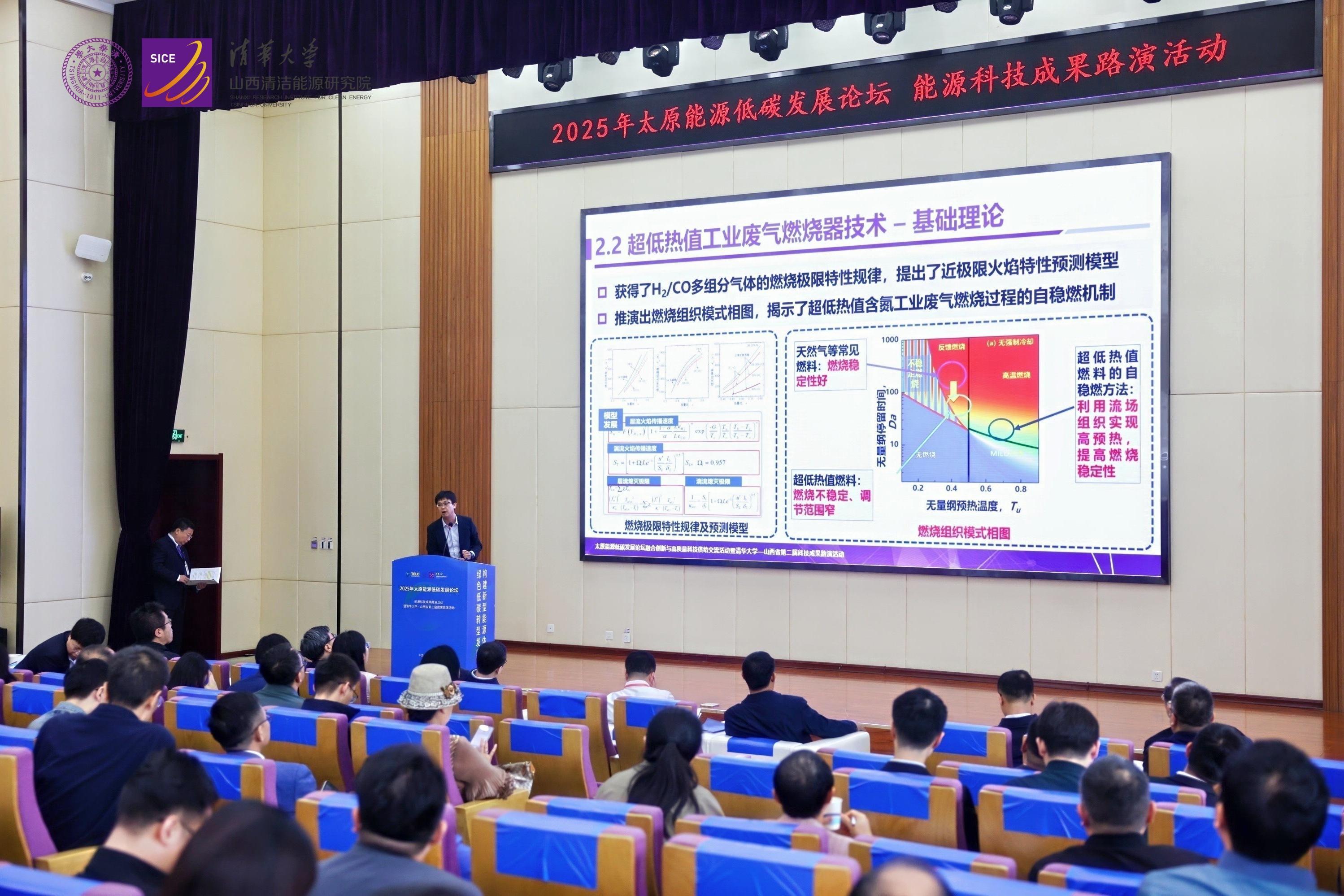
Core Insights - Shanxi Province is accelerating agricultural technology innovation and transformation, with recent events showcasing 8 market-potential technological achievements, totaling 5.7 million yuan in contracts, including a new apple variety valued at 2 million yuan [1] - The provincial government is actively promoting technology transfer as a bridge between scientific innovation and industrial development, focusing on key areas such as low-carbon energy transition and advanced manufacturing [2] - A new ecosystem for technology transfer is being established, integrating government, academia, research institutions, and financial entities to enhance the efficiency of technology commercialization [4][5] Group 1: Technology Transfer Events - Recent technology roadshows in Shanxi have successfully connected research outcomes with market needs, facilitating partnerships and funding opportunities for various projects [6][7] - The "first use, then pay" model was introduced to reduce risks associated with technology transfer, enhancing collaboration confidence among enterprises [8][9] Group 2: Collaboration and Partnerships - The events have attracted participation from universities, research institutes, and local enterprises, fostering a collaborative environment for technology application and commercialization [2][4] - Specific projects, such as the "intelligent reconstruction of industrial measurement and control networks," have already initiated preliminary cooperation agreements with key manufacturing enterprises [6] Group 3: Government Initiatives - The Shanxi Provincial Science and Technology Department is prioritizing technology transfer in its strategic initiatives, aiming to create a robust support system for innovation and industrial integration [5][9] - The government is focused on building a favorable ecosystem that encourages innovation and supports the transition of high-quality technological achievements from laboratories to production lines [9]

山东优化流程提高效率,加大对设备采购、秋粮收储等工作资金支持
Da Zhong Ri Bao· 2025-10-16 00:59
Core Insights - Shandong province is optimizing processes to enhance efficiency and increase financial support for equipment procurement and autumn grain storage [1] Group 1: Financial Services and Support - The establishment of a financial service team by Shandong banks has enabled early credit assessments, allowing agricultural cooperatives to access funds quickly for equipment upgrades [2] - In Huimin County, a rapid response mechanism was activated to provide a loan of 1.5 million yuan within 24 hours, ensuring timely procurement of drying equipment [3] - As of October 13, the Huimin branch of Qilu Bank has issued a total of 21.8 million yuan in loans related to autumn grain, an increase of 7.6 million yuan compared to the same period last year [3] Group 2: Insurance and Risk Management - Insurance companies are expediting claims processing, with a reported payout of 440,000 yuan to farmers within 24 hours of filing a claim, addressing urgent financial needs [4] - The insurance sector is focusing on timely compensation for disaster-related claims, aiming to complete 80% of payouts by the end of October [4] Group 3: Agricultural Operations - The proactive approach of financial institutions in assessing the needs for seed and fertilizer reserves is crucial for ensuring food security during the autumn harvest [2] - The emphasis on optimizing financial services and insurance claims is aimed at supporting the agricultural sector in overcoming challenges posed by adverse weather conditions [4]

美联储“褐皮书”:加征关税拉动物价继续上涨
Xin Hua Wang· 2025-10-16 00:38
美国联邦储备委员会15日发布的全国经济形势调查报告显示,受加征关税影响,9月初到10月中旬美国 所有联邦储备区物价继续上涨。 根据美国《联邦储备法》,美国全国划分为12个联邦储备区,每区设立一家联邦储备银行。该报告根据 12家联邦储备银行的最新调查结果编制而成,也称"褐皮书"。 报告显示,自9月初到10月中旬,许多联邦储备区由于进口成本以及保险、医疗保健和技术解决等服务 成本上升,导致投入成本增速加快。一些制造业和零售业公司已将更高进口成本完全转嫁给客户。 许多联邦储备区报告预计,经济不确定性加剧将拖累经济活动。有联邦储备区报告明确指出,政府长 期"关门"将给经济增长带来下行风险。 劳动力市场方面,"褐皮书"显示各地区、各行业劳动力需求普遍低迷。大多数联邦储备区报告称,由于 需求疲软、经济不确定性加剧和对人工智能技术投资增加,更多雇主通过裁员和自然减员的方式减少员 工人数。同时,由于近期移民政策变化,多地酒店业、农业、建筑业和制造业出现劳动力供应紧张状 况。 美联储每年发布8次"褐皮书",通过联邦储备银行对全美经济形势进行摸底。该报告是美联储货币政策 会议的重要参考资料。 由世界贸易组织和国际货币基金组织联合 ...
江苏宜居宜业和美乡村片区建设初见成效乡村“同美”迈向乡村“共富”
Xin Hua Ri Bao· 2025-10-15 23:30
Core Insights - The province is in its second year of building livable and business-friendly beautiful rural areas, with a goal of achieving significant results within three to five years [1] Group 1: Development Progress - The construction of rural areas has made significant progress, focusing on improving living conditions and creating demonstration zones for agricultural modernization [2][3] - The proportion of beautiful rural areas has reached 57%, with various regions optimizing their natural and cultural resources to enhance rural aesthetics [3] Group 2: Economic Transformation - Villages are transforming from waste processing sites to key rural tourism destinations, showcasing the successful shift to eco-friendly industries [4] - The integration of local resources and industries is fostering a path towards common prosperity, with a focus on developing regional agricultural brands and enhancing traditional industries [4][5] Group 3: Long-term Sustainability - The province aims to transition from temporary beautification to long-term economic benefits, with plans to establish 3,000 livable and business-friendly rural areas by 2025 [6][7] - Various regions are exploring sustainable development models, such as integrated planning and resource sharing among neighboring villages to enhance overall rural development [7]
帮助农民用好农业险
Jing Ji Ri Bao· 2025-10-15 22:15
此外,部分地区农业保险管理相对粗放,难以精准确定投保农田位置、面积和数量,存在多重投保和虚 假投保等乱象。可将先进技术手段应用于估损和快速理赔机制,加速推广无人机查勘,解决定损速度慢 问题,提高定损理赔效率。 问题的存在,正是改进的契机。我国农业产业正在加速转型升级,集约化和规模化程度越来越高,农业 保险进一步"扩面、增品、提标",通过服务升级、功能升级和技术升级,让农业险真正为农民添底气, 更好满足其日益增长的风险保障需求。 (文章来源:经济日报) 保险产品覆盖面需要拓展。目前,农业保险在品种、覆盖面等方面还有一些不足。据了解,有些地区农 业保险只覆盖农作物成长期,收获期出现灾害则由农民自行承担损失。究其原因,是保险公司担心农民 出于主观原因延误秋收,由此给保险公司带来压力。农业保险产品对极端天气的覆盖不足,不少保险只 保单一灾害,即便投了保,也会因灾害类型不符被拒赔。不难看出,农业保险还存在完善空间,需针对 各地农作物种植具体情况,推出个性化定制险种。 政策送达率有待提高。在部分地区,只是通过村广播向农户介绍农业险投保情况,由于进城务工农民流 动性大,造成部分农民难以及时了解相关政策,对政策性农业保险认识 ...
Fed's beige book: Economic activity little changed from previous report
Youtube· 2025-10-15 18:52
Economic Activity - The Federal Reserve's Beige Book indicates that economic activity changed little from the prior report, with three districts reporting modest growth, five districts showing no change, and five experiencing slight softening [2] - Consumer spending on retail goods has decreased, with significant differences noted across income groups [2][3] Sector Performance - Demand for electric vehicles has increased due to auto sales, while leisure and hospitality sectors have seen a decline in international traveler spending [3] - Manufacturing has been negatively impacted by higher tariffs and waning demand, with agriculture, energy, and transportation sectors also generally down [4] Employment Trends - Employment levels remain stable, but labor demand is muted, with many employers reducing headcounts through layoffs and attrition [5] - There is a strain in labor supply across hospitality, agriculture, construction, and manufacturing sectors, potentially due to recent immigration policies [5] Wage and Inflation Dynamics - Wages are growing at a moderate pace, but health insurance expenses are driving up overall labor costs [6] - Prices have continued to increase, with input costs rising at a faster pace, and there is variability in how businesses pass on tariff costs to final prices [6][7] Federal Reserve Policy - The Fed is considering ending quantitative tightening and is focused on finding the right level of reserves in the system, with no current plans to revert to quantitative easing [8][9]
古巴专家称古经济陷入深度危机
Shang Wu Bu Wang Zhan· 2025-10-15 17:10
Core Insights - The economic situation in Cuba has been particularly complex since 2019, characterized by high inflation, severe shortages of essential goods and services, and a significant decline in the standard of living for the population [1] Economic Performance - From 2019 to 2023, the Cuban economy has faced comprehensive shocks, with real GDP declining by approximately 11% [1] - Agricultural production, which is fundamental to the economy, plummeted by 46%, while manufacturing output shrank by 36% [1] Monetary Issues - The Central Bank of Cuba issued around 250 billion pesos, leading to a staggering 366% increase in the money supply [1] - This monetary expansion, combined with a sharp contraction in goods supply, has triggered hyperinflation [1] Price and Wage Dynamics - The average household consumption price index skyrocketed by over 12 times during this period [1] - The purchasing power of the average wage has drastically decreased, with a reduction of 56% in real terms and a decline of up to 44% in purchasing power [1]
日度策略参考-20251015
Guo Mao Qi Huo· 2025-10-15 12:36
Group 1: Investment Ratings - There is no information about the report's industry investment rating in the given content. Group 2: Core Views - In the short term, stock index futures are expected to fluctuate strongly, but beware of the recurrence of tariff policies. Pay attention to the possible meeting between Chinese and US leaders during the APEC meeting in South Korea at the end of this month [1]. - Treasury bond prices are affected by the central bank's interest - rate risk warning, suppressing the upward space [1]. - Gold prices may fluctuate in the short term [1]. - Silver prices may fluctuate further once the physical shortage in London is alleviated [1]. - Copper prices are expected to continue to run strongly due to continuous disturbances in copper - mine supply and improved macro - liquidity, despite the suppression from global trade frictions [1]. - Alumina prices are expected to have limited downward space as they approach the cost line, although the fundamentals are weak with increasing production and inventory [1]. - The non - ferrous sector faces callback risks due to the intensification of Sino - US trade frictions and repeated risk - aversion sentiment. Zinc, nickel, stainless steel, etc. in the non - ferrous sector are affected by various factors such as trade uncertainties, policy changes, and inventory levels, and their prices are expected to fluctuate or be under pressure in the short term [1]. - For agricultural products, palm oil, soybean oil, and other varieties are affected by factors such as policies, reports, and inventory, and their prices have different trends. Cotton prices are expected to fluctuate widely in the short term and face pressure in the long term [1]. - In the energy and chemical sector, products such as crude oil, fuel oil, and asphalt are affected by factors such as OPEC production increase, demand seasonality, and tariff policies, with different price trends [1]. Group 3: Summary by Industry Macro - finance - Treasury bonds: Affected by the central bank's interest - rate risk warning, the upward space is limited [1]. - Gold: Prices may fluctuate in the short term [1]. - Silver: May fluctuate further once the physical shortage in London is alleviated [1]. Non - ferrous metals - Copper: Despite trade - friction suppression, prices are expected to run strongly due to supply disturbances and improved liquidity [1]. - Alumina: Fundamentals are weak, but the downward space is limited as it approaches the cost line [1]. - Zinc: Faces short - term pressure, but the opening of the export window may support the domestic price if the LME inventory continues to decline [1]. - Nickel: Prices are mainly affected by the macro - situation in the short term, with high - inventory pressure. Short - term trading is recommended, and there is still pressure from primary - nickel surplus in the long term [1]. - Stainless steel: Futures prices are expected to fluctuate in the short term. Pay attention to the actual production of steel mills [1]. - Tin: There is a risk of callback in the non - ferrous sector, but there are still opportunities to go long at low levels in the long term due to supply risks and demand support [1]. Black metals - Iron ore: The short - term fundamentals are not optimistic, with supply recovery and possible weakening demand, and high inventory [1]. - Coke: Similar to coking coal, the short - term is in a wait - and - see state [1]. - Coking coal: The price is still in the process of bottom - seeking, but it is not suitable to chase short positions for now [1]. Agricultural products - Palm oil: The Indonesian B50 policy may have a negative impact on near - month contracts, and the MPOB September report is expected to support prices [1]. - Soybean oil: The reduction of raw materials and oil - mill压榨 reduction support the price due to factors such as China's rare - earth export restriction and the expected reduction of US soybean ending stocks [1]. - Rapeseed oil: There is no new driving force, and it is recommended to wait and see [1]. - Cotton: Prices are expected to fluctuate widely in the short term and face pressure in the long term with the new - cotton listing [1]. - Sugar: The original - sugar price has bottomed out and rebounded, but the upward space is limited. It is recommended to short at high levels in the domestic market [1]. - Corn: New - season corn is under selling pressure, and the 01 contract is expected to oscillate and bottom [1]. Energy and chemicals - Crude oil: Affected by factors such as OPEC production increase, geopolitical situation, and demand seasonality [1]. - Fuel oil: Affected by factors such as OPEC production increase, demand seasonality, and US tariff threats [1]. - Asphalt: The short - term supply - demand contradiction is not prominent, and the demand for the 14th Five - Year Plan's construction rush is likely to be falsified [1]. - Rubber: Affected by factors such as US tariffs, supply increase, and weak market atmosphere [1]. - BR rubber: The raw - material fundamentals are loose, and the downstream trading is weak [1]. - PTA: The domestic production has decreased due to unit maintenance [1]. - Ethylene glycol: The port inventory is low, but the price is under pressure due to imports and device commissioning [1]. - Short - fiber: Factory devices are gradually returning, and the delivery willingness of market warehouse receipts has weakened [1]. - Styrene: The export sentiment has eased, and there is support at the cost end [1]. - PF: The price fluctuates strongly due to factors such as reduced market - price center and increased downstream demand [1]. - PVC: The price fluctuates weakly due to factors such as reduced maintenance and high near - month warehouse receipts [1]. - Calcined alumina: The short - term price is bearish, and the medium - term is bullish [1]. - LPG: The upward momentum is limited due to factors such as OPEC production increase and high domestic inventory [1]. Shipping - Container shipping (European line): The price may rebound at a low level, and it is expected to stop falling and stabilize [1].