
电商

Search documents
QuestMobile报告:淘宝“00后”用户规模达1.55亿 个性化供给圈粉年轻一代
Zheng Quan Ri Bao Wang· 2025-12-10 06:11
Group 1 - The core viewpoint of the reports indicates that by October 2025, the monthly active user base of Taobao's post-00s demographic is expected to reach 155 million, representing a year-on-year growth of 11.6%, significantly surpassing other e-commerce apps [1] - The post-00s demographic shows a stable online consumption willingness, with nearly 95% of this group exhibiting medium to high consumption intent, and their spending capacity primarily concentrated in the range of 1,000 to 2,999 yuan, indicating strong consumption potential and a mature consumption structure [1] - The interest preferences of the post-00s users are notably in areas such as sharing, food, and anime/second dimension, which are reflected in the consumption trends and ecological structure of the Taobao and Tmall platforms [1] Group 2 - In the trendy toy industry, which is primarily driven by the post-00s demographic, products such as blind boxes, anime peripherals, and dolls saw growth exceeding double digits during the Double 11 shopping festival, with over 300,000 new toy products launched [2] - Taobao's young-oriented operations have become a key factor in attracting post-00s users, with interactive activities like guessing games and New Year wishes appealing to young people's interests, making the post-95s and post-00s the main participants [2] - The rapid growth of Taobao's flash sales, which primarily target a young audience, has contributed to a significant influx of new young users, with 72% of instant retail users being under 35 years old according to Nielsen IQ's 2024 annual online shopping trend report [2]

百亿补贴的茅台酒,究竟是怎么回事?
Sou Hu Cai Jing· 2025-12-10 05:38
Core Viewpoint - The article discusses the recent resurgence of Pinduoduo's "Hundred Billion Subsidy" program, particularly focusing on the sale of premium Moutai liquor at prices significantly below market value, and the implications for consumers and the industry [2][3]. Group 1: Pinduoduo's Pricing Strategy - Pinduoduo has reintroduced its subsidy program with Moutai liquor priced at 1499 yuan and 1399 yuan, which is below market prices, aiming to attract new users and enhance brand image [2]. - The platform's competitive landscape has shifted, with national subsidies for electronics offering higher discounts, prompting Pinduoduo to focus on high-end liquor to differentiate itself [2][3]. - The subsidy program is not a loss for merchants; instead, Pinduoduo subsidizes the price difference, allowing merchants to sell at market prices while attracting new customers [3]. Group 2: Consumer Experience and Trust Issues - Many consumers face order cancellations if they are suspected of reselling, leading to a significant drop in actual transactions compared to the number of orders placed [5][6]. - The authenticity of the liquor sold on Pinduoduo is questioned, as the source of Moutai is not directly from the manufacturer but through various intermediaries, raising concerns about quality and trust [7][8]. - Consumers prefer established channels for purchasing Moutai due to trust issues, as they are more confident in the authenticity and quality of products from direct dealers or large supermarkets [12][13]. Group 3: Market Dynamics and Future Outlook - The "Hundred Billion Subsidy" has not significantly impacted the overall market price of Moutai, as consumers do not consider Pinduoduo's prices as representative of the mainstream market [6][12]. - The article highlights the importance of trust in the liquor market, with consumers willing to pay a premium for assurance of authenticity and quality from traditional channels [12][13]. - Future developments may include improvements in Pinduoduo's supply chain and authenticity verification processes, as Moutai's management is exploring ways to enhance its e-commerce presence and consumer trust [12].



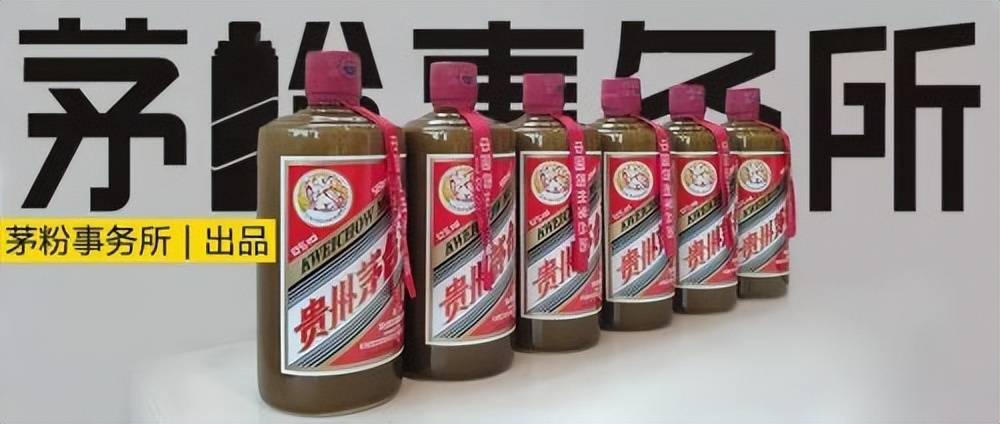
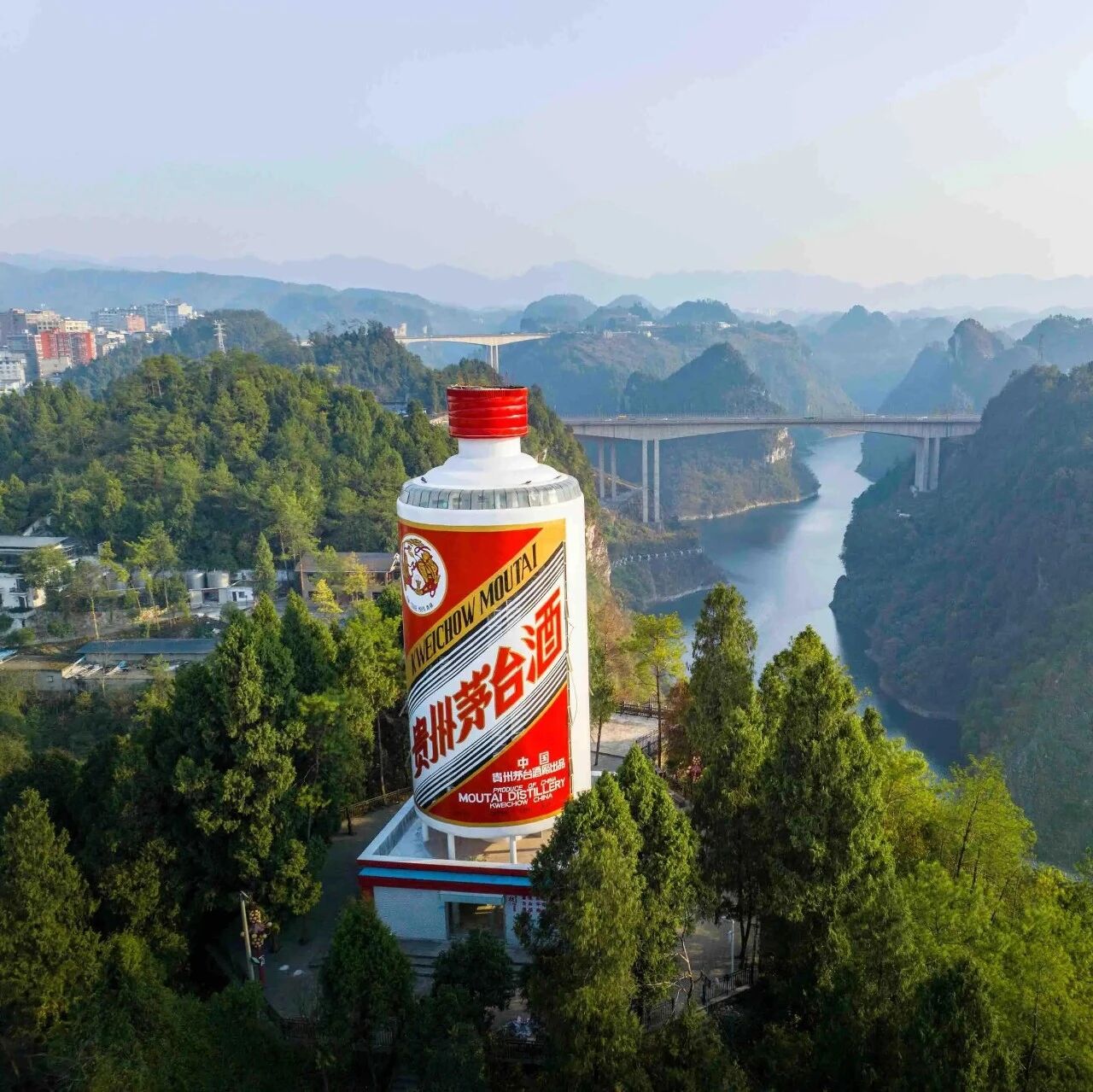
贵州:拟加快推动白酒出口|首席资讯日报
首席商业评论· 2025-12-10 04:58
1.贵州:拟加快推动白酒出口 《贵州省促进白酒销售若干措施(征求意见稿)》公开征求意见。其中提出,实施白酒出口战略。加快推 动白酒出口,制定相关支持政策,培育出口企业梯队,利用好贵州省国际友城和友好地区及侨务资源和市 场,发展出口伙伴,拓展海外销售渠道,支持白酒产品进入海外华人社区、超市、餐馆和中资企业在外职 工食堂。 3.华为2012实验室新成立基础大模型部 《科创板日报》9日讯,《科创板日报》独家获悉,华为2012实验室已经成立基础大模型部,专注于推进基 座模型开发。此前,华为曾发布AI人才招募令,面向全球招募具备卓越学术背景和创新精神的年轻科研人 才,拥有原创性科研成果的候选人将被优先考虑。 点评:集中攻坚根技术,构筑AI时代自主核心底座。 4.京东回应:"随心囤"短暂出现系统故障,平台将承担全部损失 京东方面回应称,"随心囤"短暂出现了系统故障,在快速修复系统故障期间,许多用户主动退回了优惠券, 京东将联系致谢这些用户,并送上心意。因平台责任已出餐的商家,平台也将承担全部损失。 5.杰富瑞:支撑金价走势的主要宏观因素预料将延续至明年,首选巴里克矿业 点评:白酒出海加速,黔酒国际化迎政策东风。 2.银河 ...
11月黑猫投诉企业红黑榜:淘宝大促规则复杂价格不透明
Xin Lang Cai Jing· 2025-12-10 03:59
Core Insights - The article highlights the November complaint handling red and black list released by the Black Cat Complaint platform, reflecting the complaint resolution status of various companies [1][14]. Group 1: Complaint Statistics - As of the end of November 2025, the Black Cat Complaint platform has received over 31.16 million valid consumer complaints, with more than 800,000 valid complaints in November alone [1][14]. - The red and black lists categorize companies based on their complaint handling performance and include a "most concerned areas list" to provide consumers with valuable references [1][14]. Group 2: Notable Complaints - Consumers reported issues with Taobao's promotional mechanisms, citing complex rules, frequent price changes, and difficulties in applying for price protection [2][15]. - CHIGO's small freezer was criticized for falsely advertising a capacity of 72 liters, while the actual measured capacity was less than 35 liters, leading to 1,217 complaints with a response rate of only 37.93% [3][16]. - NewBalance faced complaints regarding shoes that showed quality issues after minimal use, with a total of 1,910 complaints and a response rate of 0% [4][17]. - NARS was reported for refusing to accept returns of unopened cosmetics, with consumers facing obstacles in the refund process due to lack of proper communication from the seller [5][18][19]. - Consumers reported difficulties with NVC lighting products, where the company shifted the burden of quality issues onto consumers, requiring them to handle product returns and installation risks [6][20]. - Jitu Express was criticized for failing to provide pickup codes, leading to poor customer experiences and a response rate of 0% in the last 30 days [7][21]. Group 3: Industry Performance Rankings - The November red and black lists for various industries included: - **Shared Services**: Blacklist included companies like Guangyu Koste and Wisdom Xiaolian, while the whitelist featured companies like Hello and Monster Charging [8][22]. - **Shopping Platforms**: Taobao Mall and Tmall were on the blacklist, while Heart Joy Mall and Tmall Supermarket were on the whitelist [8][22]. - **Travel and Accommodation**: Companies like Shenzhen Airlines and Agoda were blacklisted, while Chengdu Ocean Travel and Ctrip were recognized on the whitelist [8][22]. - **Entertainment and Lifestyle**: WeChat and Tencent were blacklisted, while iQIYI and Cloud Technology were on the whitelist [8][22]. - **Education and Training**: Companies like Zhonggong Education and Duolingo were blacklisted, while companies like Henan Zhong'an and Yuantong were on the whitelist [8][23].
年终特别报道|这一年,经济运行总体平稳、稳中有进
Ren Min Ri Bao· 2025-12-10 03:57
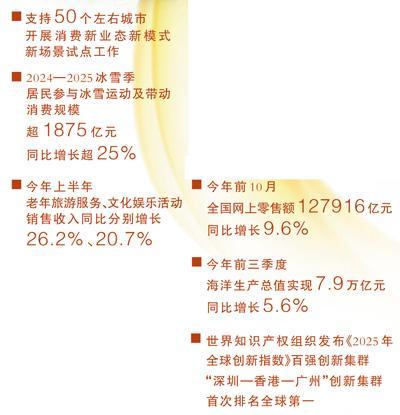
Group 1: Economic Development Trends - The year 2025 is significant for China's modernization process, with a focus on high-quality development and achieving major economic and social goals [2] - The Central Economic Work Conference highlighted the importance of developing new economic sectors such as the "first release economy," "ice and snow economy," "silver economy," and promoting healthy platform economy and county economy [3][4] Group 2: First Release Economy - The first release economy is gaining traction, with cities like Beijing, Shanghai, and Chengdu enhancing policy support to attract new brands and stores, becoming a key driver for domestic demand [3][6] - Chengdu has seen the establishment of 631 first stores in the first three quarters of the year, indicating a growing trend of "first release" becoming a lifestyle [8] Group 3: Ice and Snow Economy - The ice and snow economy is evolving from a seasonal focus to a year-round industry, with the market expected to exceed 1 trillion yuan by 2025 [3][9] - Harbin's Ice and Snow World is integrating technology and culture, offering diverse shopping and dining experiences to enhance consumer engagement [11] Group 4: Silver Economy - The silver economy is expanding with new service models for the elderly, including specialized travel services that cater to their needs, reflecting a shift in consumption patterns towards quality and personalization [12][13] - The elderly demographic is becoming a significant force in the tourism market, with over 80% of travelers on specialized trains being aged 60 and above [13] Group 5: Platform Economy - The platform economy is transitioning from a "what to sell" model to a "what is needed" approach, enhancing consumer experience through direct subsidies and one-stop services [14][15] - E-commerce platforms are driving growth in both domestic demand and foreign trade, with significant increases in sales and participation in global promotional events [16] Group 6: County Economy - The county economy is experiencing robust growth, with initiatives like "Hundred Villages, Thousand Stays" promoting eco-tourism and local industries, leading to increased income for local residents [17][18] - The integration of tourism and local agriculture is driving economic development, with significant increases in visitor numbers and revenue [18] Group 7: Marine Economy - The marine economy is focusing on green and low-carbon initiatives, with advancements in shipbuilding technology and sustainable practices [19][21] - The marine engineering sector is seeing growth, with a reported output value of 32.85 billion yuan in the first ten months of the year, reflecting a 16.9% increase [21] Group 8: Bay Area Economy - The Guangdong-Hong Kong-Macao Greater Bay Area is fostering innovation and collaboration, with companies leveraging regional strengths for technological advancements [22][24] - The synergy between Hong Kong's research capabilities and the manufacturing strengths of the Pearl River Delta is facilitating the commercialization of scientific innovations [24]
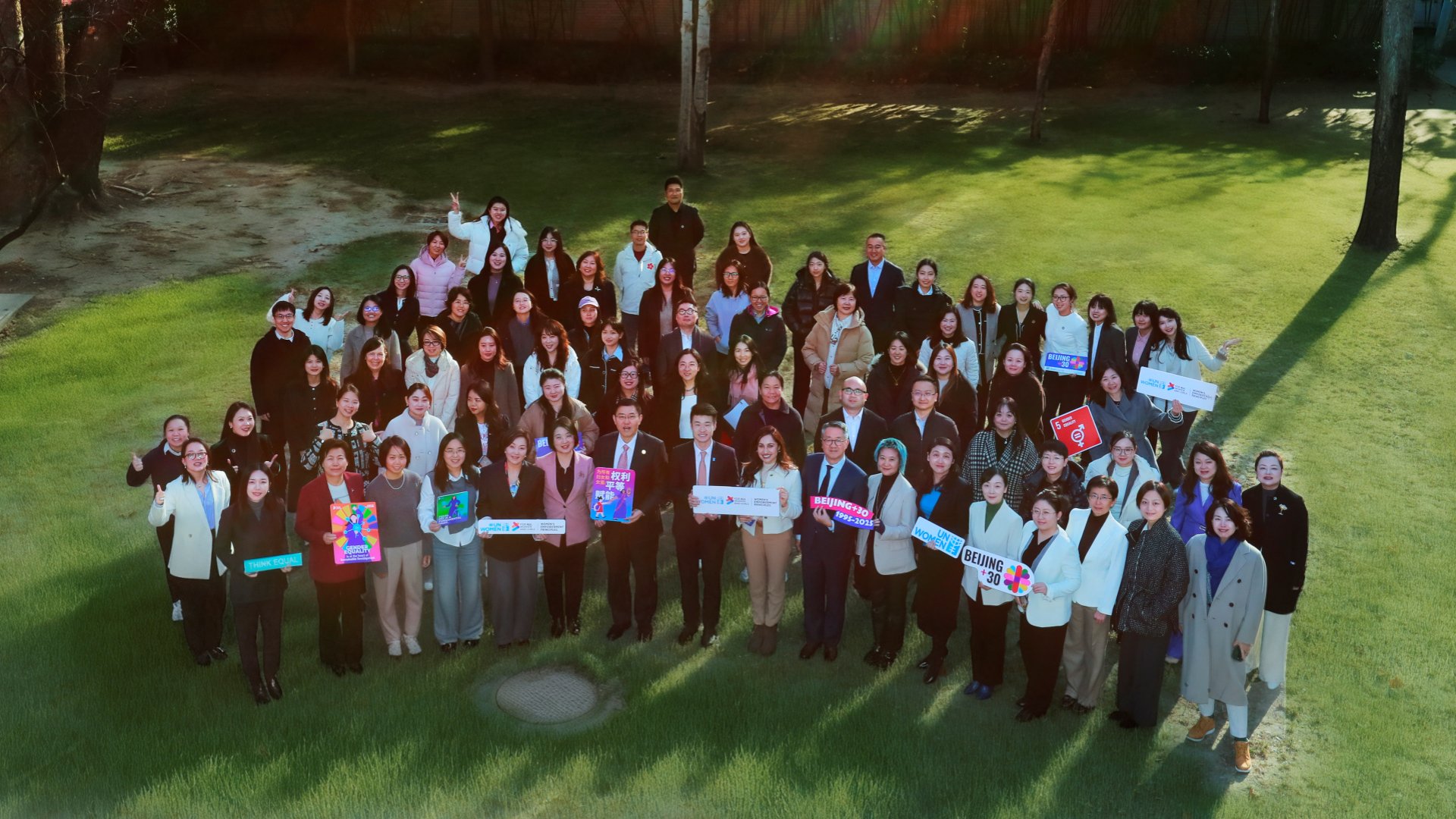
北京+30商业领袖峰会成功举办,政企学研共绘性别平等与可持续发展新蓝图
Xin Lang Cai Jing· 2025-12-10 03:53
Core Insights - The "Beijing +30" Business Leaders Summit, hosted by UN Women China, marked the 30th anniversary of the Beijing Declaration and Action Platform, focusing on women's empowerment and inclusive development [1][32] - The summit emphasized the importance of gender equality as a core driver for sustainable business development and called for more companies to join the Women's Empowerment Principles (WEPs) initiative [3][34] Group 1: Gender Equality and Economic Value - UN Women China highlighted that despite a 30% increase in women's labor participation and a decrease in poverty rates over the past 30 years, significant gender disparities remain, with women holding only 30% of management positions and facing a 20% wage gap [3][34] - Companies with gender-diverse boards show greater stock price stability and profitability potential compared to their peers, underscoring the economic value of gender equality [3][34] Group 2: Achievements and Challenges - China boasts a female labor participation rate of 62%, with women making up 53% of university graduates and 61.3% of business owners or leaders [5][36] - However, 314 million women are projected to face extreme poverty by 2030, indicating ongoing challenges in achieving gender equality [5][36] Group 3: Practical Approaches to Empower Women - The China Women's Development Foundation proposed three key integrations for supporting women's sustainable development: aligning national priorities with women's needs and corporate strategies, combining corporate strengths with execution systems, and investing in both material and human empowerment [7][38] - The private sector is encouraged to leverage innovation, financing, and employment to bridge gender gaps in the workplace [5][39] Group 4: Digital Empowerment and Future Trends - The upcoming UN Women flagship report will focus on gender equality practices in the digitalization process of Chinese enterprises, covering areas such as women's economic empowerment and health security [11][42] - The report will predict future trends related to AI and technology, aging populations, green transitions, and gender within the ESG framework, set to be released in 2026 [11][42] Group 5: Leadership and Collaboration - Discussions at the summit highlighted the need for modern leadership to combine strategic thinking with empathy, fostering team growth through interactive management [12][43] - Collaborative ecosystems involving government, businesses, NGOs, and women's groups are essential for advancing gender equality [8][39] Group 6: Commitment to Action - The summit concluded with a commitment ceremony for the Women's Empowerment Principles, where participants pledged to support workplace initiatives for women, including addressing menopause and advocating for equal retirement benefits [25][58] - The UN Women will continue to engage various sectors to integrate gender equality into corporate strategies and daily practices, aiming to turn the vision of the Beijing Declaration into lasting progress [29][60]





京东金榜宣布打造AI时代的交互式榜单,改变传统导购模式
Guan Cha Zhe Wang· 2025-12-10 03:23
Core Insights - JD.com announced the winners of the 2025 "Quality Gold Award," "New Product Gold Award," and "PLUS Member Selected Gold Award" at the annual JD Gold List event, recognizing over 140 brands for their high-quality products and strong consumer reputation [1] - The JD Gold List has demonstrated significant consumer influence, with approximately 1 billion people expected to purchase items from the list in 2025, and products on the list experiencing a sales growth rate 12 times higher than ordinary products, with a 100% higher repurchase rate [1] Group 1 - The JD Gold List has established itself as a trusted consumer guide by using a data-driven model to select high-quality and cost-effective products, helping consumers make informed purchasing decisions [1][2] - Over 80% of consumers recognize the JD Gold List as a "navigation tool" for quality living, addressing the common issue of "choice paralysis" in an information-overloaded market [1][2] - The JD Gold List has been upgraded to include a "Quality Gold List," which utilizes stricter standards for product selection, resulting in over 90% of consumers expressing stronger trust in the listed products due to professional testing and third-party certification [2] Group 2 - JD.com announced the arrival of AI-driven rankings, transitioning from user browsing to interactive shopping, creating personalized lists that cater to individual consumer needs and habits [3] - The JD Gold List aims to expand brand exposure and authority through three main initiatives: increasing co-branded products, optimizing ranking mechanisms, and expanding the list matrix [3] - The JD Gold List has proven to enhance brand performance, with products like Haier's men's jeans seeing over 600% increase in exposure and over 500% increase in sales after being listed, demonstrating a positive cycle of increased visibility and sales [4] Group 3 - The JD Gold List serves as a "trustworthy ranking" in the e-commerce industry, providing precise shopping guidance and helping brands achieve long-term growth in exposure, purchasing efficiency, and brand value [4][5] - The collaboration between brands and the JD Gold List has led to successful product launches, such as the co-branded natural water from Nongfu Spring, which saw a 120% year-on-year sales increase after receiving the JD Gold List certification [2] - The JD Gold List enhances consumer shopping experiences by acting as an "information compressor," simplifying complex product information into clear buying signals, thus reducing decision-making time for consumers [4]

广西将启动“惠享暖冬消费月”
Guang Xi Ri Bao· 2025-12-10 03:11
Core Insights - Guangxi has launched the "Warm Winter, Beautiful Life" themed consumption month, engaging 14 cities and over one million merchants with five major promotional themes focused on various sectors including automotive, retail, travel, dining, accommodation, and e-commerce [1][2] Group 1: Automotive Sector - The "Warm Enjoyment Driving, Renewal Festival" is a key highlight, offering cash subsidies ranging from 2,000 to 5,000 yuan for personal purchases of new energy or fuel vehicles, with some cities like Nanning and Qinzhou providing additional discounts up to 5,000 yuan [1] - The combined subsidies from regional and city levels can reach up to 10,000 yuan, alongside multiple automotive exhibitions providing various incentives such as purchase subsidies, low-interest loans, and insurance packages [1] Group 2: Retail and Consumer Goods - The "Warm Shopping, Trendy Gifts Festival" focuses on everyday consumption by distributing various types of consumption vouchers for supermarkets, department stores, home appliances, and pharmaceuticals to meet year-end purchasing needs [1] - Localities are also organizing county-level commercial consumption seasons, creating vibrant markets and showcasing "Gui" branded products with various promotional activities [1] Group 3: Travel and Dining - The "Warm Journey, Accompanying Travel Festival" introduces fuel consumption vouchers and financial benefits for travel, with consumers able to redeem vouchers at participating gas stations for discounts [2] - Dining and accommodation are covered under the "Warm Rest Time, Gathering Festival," offering tiered dining vouchers tailored to different needs, and accommodation discounts for both domestic and international visitors [2] Group 4: E-commerce - The "Warm Hearted Goodies, Cloud Shopping Festival" promotes online consumption through the Guangxi station of "Buy in China" and the 2026 Guangxi Silk Road E-commerce Carnival, featuring ASEAN specialty products and local goods [2] - The online New Year goods festival will showcase high-quality products globally, with live streaming events focusing on traditional agricultural products to support local farmers [2]
京东购得香港中环办公楼层,将持续推动业务本地化发展
Xin Lang Cai Jing· 2025-12-10 02:19
Core Viewpoint - Hong Kong's Lishin announced the sale of Surearn Profits Limited, which holds 100% ownership of office floors in the China Construction Bank Tower, to an investment entity controlled by JD.com, pending regulatory approval [1][2]. Group 1: JD.com's Investments in Hong Kong - JD.com has been actively investing in Hong Kong's supply chain infrastructure, including the launch of the Hong Kong Island Express Center in March, which introduced automated sorting equipment and created over 100 new courier jobs [3]. - In August, JD.com completed the acquisition of Hong Kong's Jiabao Food Supermarket, combining JD's supply chain advantages with local expertise [3]. - In November, JD.com announced a partnership with Hong Kong University of Science and Technology to establish a joint laboratory focused on artificial intelligence applications within the super supply chain [3]. Group 2: Growth Metrics and Future Plans - Since the upgrade of services in Hong Kong and Macau in 2023, JD.com's daily parcel collection volume in Hong Kong has increased over 50 times, with intercity parcel volume between mainland China and Hong Kong growing by over 130 times [2][3]. - JD.com plans to further enhance local logistics infrastructure with the acquisition of its first logistics real estate project, Li Fung Center, in 2024 [2][3]. - JD.com is committed to localizing its operations by hiring local teams and promoting local procurement as part of its ongoing business expansion in Hong Kong [2][3].
京东(09618):始终看好在香港发展 将围绕供应链持续投资
智通财经网· 2025-12-10 02:10
Core Viewpoint - JD.com continues to invest in Hong Kong, enhancing its supply chain capabilities and local presence through strategic acquisitions and infrastructure development [1][2][3] Group 1: Company Developments - JD.com has acquired Surearn Profits Limited, which owns office space in the China Construction Bank Tower in Central Hong Kong, with the transaction pending regulatory approval [1] - The company has established a logistics and e-commerce presence in Hong Kong since 2015, with a significant increase in daily package collection volume, growing over 50 times in the past two years [2] - JD.com has completed several strategic investments in Hong Kong, including the acquisition of local supermarket chain Jia Bao and the establishment of a joint laboratory with Hong Kong University of Science and Technology [1][2] Group 2: Community Engagement - Following a recent fire incident in Tai Po, JD.com’s Jia Bao supermarket was the first to deliver emergency supplies, demonstrating the company's commitment to community support [3] - JD.com announced a donation of 30 million RMB in cash and supplies for disaster relief and recovery efforts in response to the fire [3] Group 3: Future Outlook - JD.com plans to continue expanding its logistics infrastructure in Hong Kong, with the upcoming listing of JD Industrial in December marking the fourth company from JD's ecosystem to go public in Hong Kong [1][2]