家电

Search documents
以旧换新等政策推动消费需求持续释放 激发家电等领域新活力
Zheng Quan Ri Bao· 2025-12-09 13:09
Group 1 - The latest tax data from the National Taxation Administration indicates a sustained release of consumer demand driven by policies such as the trade-in program for consumer goods, with significant sales growth in home appliances and new energy vehicles [1][2] - From January to November, retail sales in the communication equipment sector and daily household appliances increased by 20.3% and 26.5% year-on-year, respectively, reflecting the ongoing effectiveness of consumption promotion policies [2] - The trade-in policy has led to over 2.5 trillion yuan in sales for related products, benefiting more than 360 million people, with significant contributions from home appliances and digital products [2] Group 2 - The integration of AI technology is expected to drive explosive innovation in smart home appliances, potentially opening a market space worth hundreds of billions in the next decade [3] - Major home appliance companies are focusing on AI-driven innovations and expanding into new consumer markets and key technology areas, with examples including Haier's smart home ecosystem and Sichuan Changhong's exploration of the sports economy [4] - Companies are increasingly seeking innovation in new technologies and markets, with a shift in consumer focus from quantity to quality, emphasizing health, rationality, and domestic brands [5]
格力电器:目前公司已开发可用在人形机器人上的关节模组等核心零部件
Mei Ri Jing Ji Xin Wen· 2025-12-09 12:50
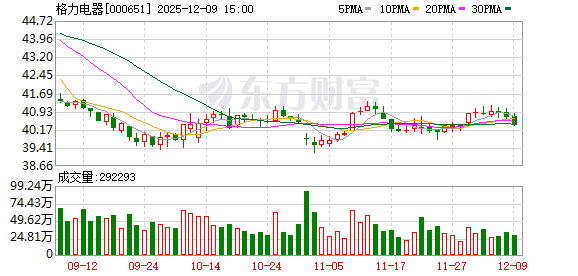
Group 1 - The company has made significant advancements in the research of core components and key technologies for industrial robots, including servo motors, servo drives, motion controllers, reducers, and robot dynamics [1] - The company has successfully developed a full range of robotic products, including six-axis robots, SCARA robots, welding robots, and collaborative robots, with payload capacities ranging from 3kg to 600kg [1] - The company is focusing on the development of core components for humanoid robots, such as joint modules, and will continue to monitor the development of the humanoid robot industry [1] Group 2 - An investor inquired about the company's plans to develop humanoid robots, especially in light of recent product launches by competitors like Midea [2] - The company is recognized for its advanced technology accumulation in industrial machinery, suggesting potential opportunities in the emerging humanoid robot market [2]


史上第二高!美的集团完成单次百亿回购,A股年内累计回购超1400亿元
Bei Jing Shang Bao· 2025-12-09 12:45
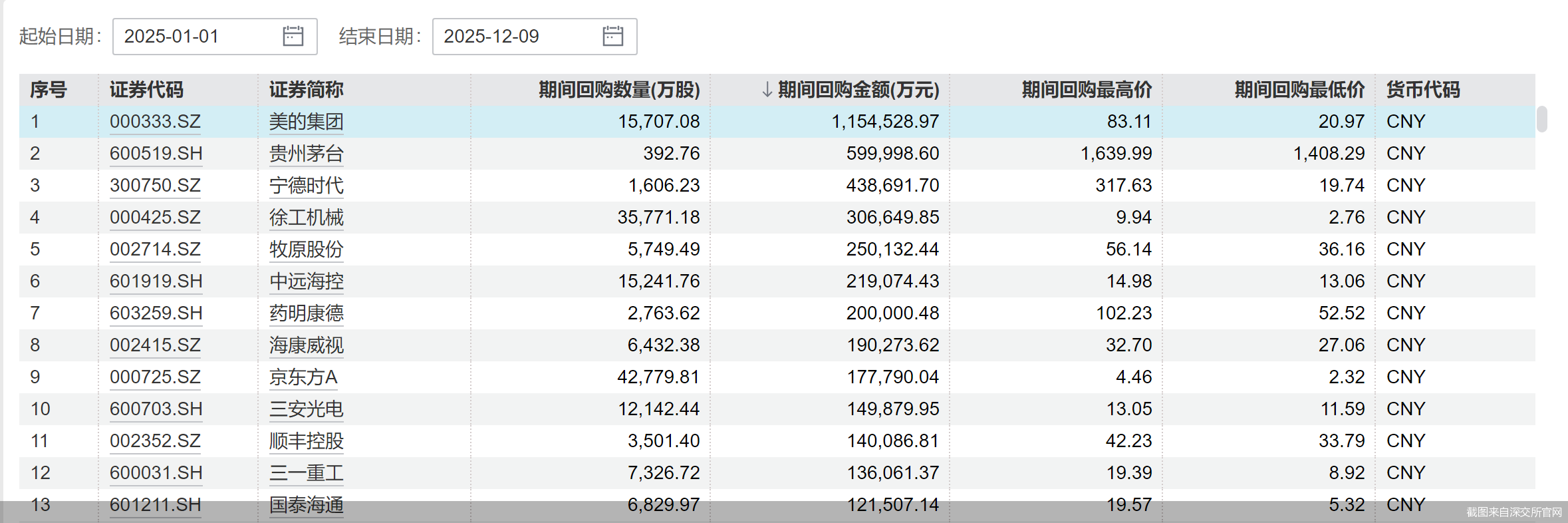
Core Viewpoint - The regulatory environment is supportive of the market, leading to an increase in share buybacks among A-share listed companies, with Midea Group's recent buyback of 10 billion yuan being a significant highlight [1][3]. Group 1: Share Buyback Details - Midea Group announced the completion of a 10 billion yuan share buyback, marking the largest single buyback in its history and the second-largest in A-share history, following Gree Electric's previous buyback [1][3]. - As of December 9, 2023, a total of 1,465 A-share companies have implemented buyback plans, with a cumulative buyback amount exceeding 140 billion yuan [4][5]. - Midea Group leads the buyback amounts for the year with 11.545 billion yuan, followed by Kweichow Moutai and CATL with approximately 6 billion yuan and 4.387 billion yuan, respectively [4][5]. Group 2: Market Performance - Among the 1,465 companies that conducted buybacks, 1,172 stocks have seen price increases, representing about 80% of the total [6][9]. - The stock of Shenghong Technology has experienced the highest increase, with a cumulative rise of 655.64% from January 2 to December 9, 2023 [6]. - The overall market sentiment is positive, as buybacks signal management's confidence in the company's value and future growth, which in turn attracts investor interest [7][9]. Group 3: Financial Performance - Over 81% of the companies that executed buybacks reported profits in the first three quarters of the year, with Kweichow Moutai leading in profit size at 64.627 billion yuan [8][9]. - A total of 794 companies, or approximately 54.2%, experienced year-on-year profit growth during the same period [9]. - The pharmaceutical and electronics sectors have the highest number of companies engaging in buybacks, with 158 and 157 companies, respectively [9].

超1500亿元,四成以上为注销!A股年内回购大数据,出炉→
Zheng Quan Shi Bao· 2025-12-09 12:25
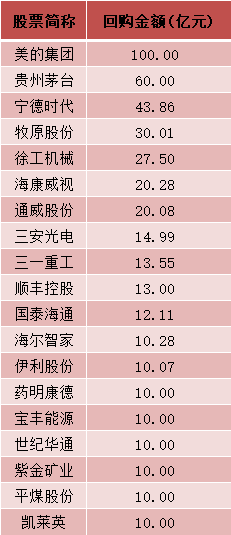
在政策引导、估值修复需求及股东回报优化等多重因素推动下,近年来,A股上市公司注销式回购的积 极性越来越高。 据同花顺(300033)iFinD数据统计,截至12月9日,年内发布股票回购计划的方案中,四成以上的回购 目的为全部注销或部分注销,较2024年的比例进一步提升。 受访人士指出,政策红利持续释放,监管层强化投资者保护,未来或出台更多税收优惠或资金支持政 策,推动注销式回购常态化。目前,部分公司的估值仍处于低位,企业回购仍有动力,企业通过回购注 销向投资者传递"股价被低估"的信号,形成价值发现的良性循环。 年内回购金额超1500亿元 12月8日晚,美的集团(000333)发布公告称,截至2025年12月8日,公司累计回购股份数量约为1.35亿 股,占公司总股本的1.76%,最高成交价为83.11元/股,最低成交价为69.91元/股,支付的总金额约为 100亿元(不含交易费用)。综上,公司本次回购股份金额已达回购方案的金额上限100亿元,本次回购 方案实施完毕。 回购注销占比提升至40%以上 近年来,监管层大力倡导上市公司采用"注销式回购"等方式回报投资者,A股上市公司也积极响应,纷 纷将回购的股份进行注销 ...

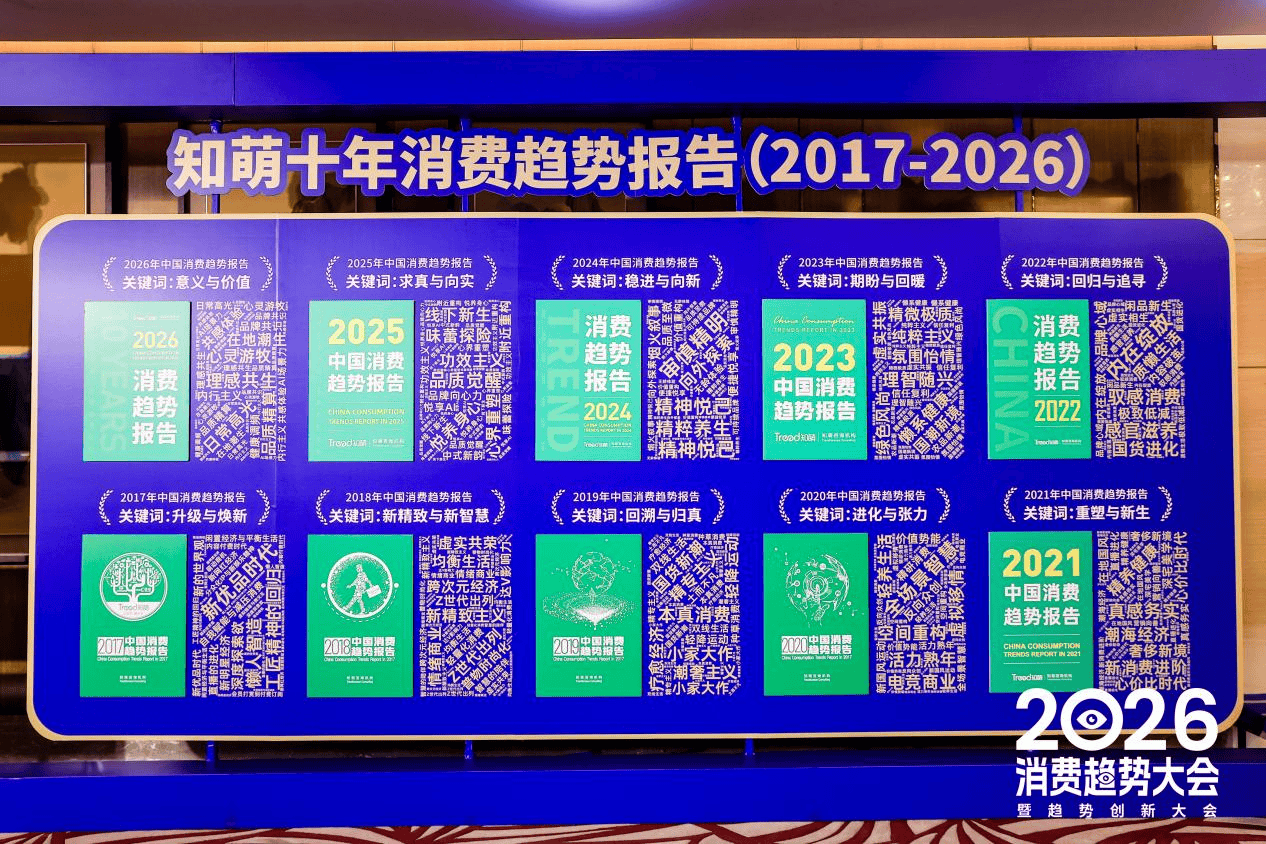
2026中国消费趋势报告发布:聚焦“意义与价值”新纪元
Sou Hu Cai Jing· 2025-12-09 10:55
Core Insights - The "2026 Consumer Trends Conference" highlighted the shift from high-speed growth to a focus on "meaning and value" in consumer behavior, marking the end of an era characterized by scale and speed [2] - The "2026 China Consumer Trends Report" identified ten key consumer trends, emphasizing "rational emotionalism" and "quality calculation" as critical to understanding current consumer behavior [2] Group 1: Consumer Behavior Trends - The report outlines ten consumer trends: rational emotionalism, quality calculation, spiritual nomadism, daily highlights, empathetic experiences, local trends, insiderism, health tuning, brand consensus, and AI scenario power [2] - Consumers are becoming "rational emotionalists," exhibiting a tendency to be rational in daily spending while being more emotional in discretionary purchases [2] - The "quality calculation" trend indicates a shift towards consumers seeking not just value for money but also exceptional value [2] Group 2: Market Segmentation and Experience - The current consumer market reflects a duality of cost-effectiveness and high-end experiences, indicating the arrival of a consumption stratification era [4] - The focus of consumption is shifting from external social value recognition to internal individual life experiences, emphasizing personal satisfaction over mere possession [4] - Consumption is evolving into a process of curating an ideal life and seeking emotional comfort and identity recognition [4] Group 3: Brand Strategies and Long-term Value - Leading companies are adopting various strategies to deepen connections with consumers, such as Haier's user co-creation model and Kailas's focus on authentic experiences [5] - Brand building is essential for long-term value, with aesthetics becoming a key differentiator in a market that prioritizes emotional and experiential aspects [7] - The approach to brand communication is shifting from a one-sided narrative to a two-way interaction that resonates emotionally with consumers [7] - The ultimate goal for brands in the new era of "meaning and value" is to build deep consensus with consumers, which serves as a robust defense against market fluctuations and supports sustainable growth [7]
iRobot 财报解读:债务危机下的生存困局
美股研究社· 2025-12-09 10:53
Core Viewpoint - iRobot has experienced a significant decline in its business trajectory over the past few years, with the downturn becoming evident even before the pandemic stimulus measures that temporarily masked the issues [1][2]. Group 1: Market and Financial Performance - iRobot's Q3 revenue dropped to $145.8 million, a decline of approximately 25% from $193.4 million in the same period last year [10][12]. - Sales in the U.S. market plummeted by 33%, while the EMEA market saw a 13% decline. Japan's market remained stable when excluding currency effects, but reported a 9% drop [10]. - The company's gross margin under GAAP decreased from 32.2% to 31.0%, and non-GAAP gross margin fell from 32.4% to 31.2% [12]. - Operating expenses increased by about 15% year-over-year, reaching $62.9 million under GAAP, despite a significant drop in revenue [10][12]. - iRobot's operating profit turned into a loss of $17.7 million, with an operating margin plummeting from 3.8% to -12.1% [13]. Group 2: Debt and Cash Flow Situation - iRobot's balance sheet shows signs of deterioration, with cash and cash equivalents shrinking from $134.3 million at the end of last year to $24.8 million [13]. - The company has $205.3 million in term loans classified as current liabilities, and shareholders' equity has fallen to -$26.9 million [15]. - The company is currently in a negative cash flow situation, making traditional valuation metrics like P/E ratio irrelevant [17]. Group 3: Market Sentiment and Valuation - Analysts have assigned a "sell" rating to iRobot, citing a combination of factors including a 33% drop in revenue, negative profit margins, and a lack of available financing options [19]. - The company's market capitalization is approximately $117 million, with an enterprise value of about $323 million, reflecting a significant discount compared to industry averages [17]. - The sales-to-enterprise value ratio stands at 0.59, indicating a more than 55% discount compared to the average in the non-essential consumer goods sector [17].


2025年中信保诚基金投资者服务活动第7站:经济增速放缓就没有行情?你可能误解了A股的节奏
Xin Lang Cai Jing· 2025-12-09 08:53
Core Viewpoint - The article emphasizes that economic slowdown does not necessarily equate to a lack of investment opportunities in the stock market, highlighting historical instances where significant market rallies occurred during periods of economic challenges [3][4][14]. Group 1: Historical Market Performance - Historical data shows that major market uptrends in A-shares often occurred during economic slowdowns, such as from 1995 to 2001, 2013 to 2015, and 2019 to 2021, indicating a disconnect between economic growth rates and stock market performance [6][15]. - The A-share market has shown a strong recovery since late September 2024, with the Shanghai Composite Index rebounding from low levels and achieving new highs, supported by favorable policies [3][4][14]. Group 2: Policy Support and Market Dynamics - Recent policy measures aimed at boosting the capital market include encouraging long-term funds to enter the market and promoting consumer confidence, which are expected to enhance market vitality [4][14]. - The current market environment is characterized by a "slow bull" trend, driven by policy support rather than solely economic growth [4][14]. Group 3: Investment Opportunities and Trends - The article identifies two significant structural changes in China: aging population and declining birth rates, which are creating new investment opportunities, particularly in healthcare and technology sectors [5][15][16]. - The healthcare sector is highlighted as having strong demand due to the prevalence of chronic diseases among the elderly, with policies encouraging the development of health insurance products for this demographic [16]. Group 4: Market Segmentation and Investment Strategies - Different market segments are expected to perform variably based on fundamentals, policies, and investor preferences, with some previously popular sectors likely to experience only moderate growth in the current market phase [8][17]. - Investment strategies should consider asset allocation models like the "Merrill Lynch Clock," adjusting portfolios according to economic phases, and employing dollar-cost averaging as a method to manage market volatility [17].
“百万英才汇南粤”2025年全省联动专项招聘启动
Nan Fang Ri Bao Wang Luo Ban· 2025-12-09 07:25
Group 1 - The "Million Talents Gather in Nanyue" recruitment event aims to attract overseas talent back to Guangdong, focusing on creating a complete cycle of talent acquisition, service, and integration [1] - The event features over 80 leading companies and research institutions, offering more than 3,000 high-quality job positions in strategic emerging industries such as artificial intelligence, new energy, and biomedicine [2] - High-level job demands and competitive salaries are highlighted, with over 20 top universities and research institutes offering postdoctoral and researcher positions starting at an annual salary of 300,000 yuan, while some core positions can reach up to 1.2 million yuan [2] Group 2 - The event addresses common concerns of overseas returnees regarding information asymmetry and adaptation challenges by providing tailored solutions, including detailed explanations of local talent policies related to housing, education, and entrepreneurship [2] - A youth career experience program is organized to provide participants with "deep trial job" opportunities, allowing them to engage in practical tasks under the guidance of mentors, facilitating a better understanding of job requirements and company culture [3] - The Guangzhou session attracted nearly 1,400 job seekers, resulting in approximately 500 employment intentions, while other sessions in Zhongshan and Zhaoqing also saw significant participation and job offerings [3]
破解“增长焦虑”,必须要有成长型思维
首席商业评论· 2025-12-09 06:54
Core Insights - The article emphasizes the "growth anxiety" faced by companies due to rapidly changing consumer preferences, emerging technologies, and deep globalization, highlighting the need for innovation and value chain reconstruction to implement growth strategies [2][4] - The framework proposed in 华晓亮's book "常青树新法" includes "insight into growth opportunities, path planning, and execution empowerment," with a strong emphasis on a growth mindset as a key to successful growth [4][7] - A growth mindset involves embracing challenges, maintaining an open attitude, and demonstrating resilience in the face of setbacks [4][7] Market Environment - The current market environment is characterized by accelerated changes in consumer preferences, technological advancements, and globalization, necessitating companies to focus on innovation and digitalization to ensure the implementation of growth strategies [4][7] - The classic Ansoff Matrix is referenced as a model for identifying growth opportunities across existing or new markets and products, with strategies categorized by risk [7] Case Study: Midea Group - Midea Group is highlighted as a benchmark for growth in Chinese enterprises, achieving an average annual revenue growth rate exceeding 10% over the past decade, with revenues nearing 400 billion and net profit growth rates above 12% [8] - The leadership at Midea has demonstrated a significant growth mindset, actively promoting globalization and digital transformation while focusing on technological innovation and green manufacturing [8][10] Challenges Faced by Industry Leaders - Some former industry leaders are experiencing stagnation due to their adherence to past successful experiences and neglecting market changes, leading to a lack of growth [11] - These companies often fail to adapt to evolving consumer insights and market dynamics, resulting in a loss of competitive edge [11]

读懂经济趋势,踩准财富节奏
Sou Hu Cai Jing· 2025-12-09 04:39
Economic Cycle Analysis - The economic cycle consists of four stages: prosperity, recession, depression, and recovery, with each stage characterized by different levels of economic activity and investment [2] - The current economic cycle is influenced by technological revolutions, particularly the fifth Kondratiev wave, which focuses on new energy and artificial intelligence [3] - By 2025, the global economy is expected to show a "differentiated recovery," with the U.S. nearing the end of its interest rate hike cycle, Europe struggling with an energy crisis, and China seeking new growth points amid industrial transitions [4] Key Economic Indicators - A "three-dimensional data radar" should be established to monitor GDP growth, price levels, and employment, with China's GDP expected to grow by 4.8% year-on-year in Q2 2025, driven by a 42.3% contribution from the digital economy and a 15.6% growth in strategic emerging industries [5] - The job market shows significant differentiation, with a youth unemployment rate of 18.7% and a shortage of 4 million technical blue-collar jobs, indicating high income potential for skilled workers [6] - Fiscal policies are focused on expanding effective investment in new infrastructure and affordable housing, while monetary policies aim to boost domestic demand through interest rate cuts [7] Emerging Industries and Consumer Trends - Economic opportunities in 2026 will be concentrated in the transition between old and new industries, with sectors like artificial intelligence, biomedicine, and low-altitude economy receiving policy and financial support [10] - Traditional industries are upgrading through smart and green transformations, exemplified by digital factory practices in the home appliance sector [11] - The consumer market is experiencing a bifurcation, with both low-cost necessities and high-end quality consumption growing, while the mid-tier market faces challenges [12] Personal Wealth Management Framework - Wealth management should follow a "core + satellite" approach, with asset allocation based on risk tolerance, suggesting a conservative portfolio for low-income earners [13] - A three-step execution method is recommended: risk budget allocation, cross-asset diversification, and a rebalancing mechanism to adjust asset allocation quarterly [14] - The family wealth pyramid should include liquid assets for daily expenses, safety assets for insurance and long-term investments, and high-return assets for wealth growth [15] Defensive Strategies for Wealth Preservation - Insurance coverage should not exceed 10% of total household income, focusing on health and accident insurance to alleviate financial burdens [16] - Non-essential spending should be minimized to ensure monthly savings for investment, promoting financial security [17] - High-risk investments should be approached cautiously, with a recommendation that income-generating asset allocation should not exceed 50% of available funds [18]