
外卖

Search documents
砸折手指骗保5名外卖骑手获刑
Xin Lang Cai Jing· 2026-01-17 09:29
Core Viewpoint - A group of five food delivery riders was sentenced for insurance fraud, orchestrated by Zhang, who exploited the insurance system by staging injuries to claim compensation [1] Group 1: Fraud Scheme Details - Zhang organized a fraud ring by recruiting individuals to work as delivery riders to gain insurance eligibility [1] - The group staged injuries by having accomplices intentionally injure them with steel pipes at predetermined times and locations [1] - The fraud ring executed a total of eight fraudulent claims, resulting in over 320,000 yuan (approximately 32 million) in illicit insurance payouts from three different insurance companies [1] Group 2: Legal Consequences - On December 24, 2025, the Chengdu High-tech Zone Procuratorate filed a public prosecution against the defendants [1] - The court sentenced Zhang and four accomplices to prison terms ranging from two years to six months, with some receiving probation, along with monetary fines [1]
经济日报:新就业形态劳动保障不应有盲区
Xin Lang Cai Jing· 2026-01-17 00:13
Core Viewpoint - The rapid development of the digital economy and platform economy has led to the expansion of new employment forms such as delivery riders, ride-hailing drivers, and freelancers, which often lack traditional employment relationships and social security protections [1][2]. Group 1: Current Challenges - New employment form workers have low participation rates in social insurance, not solely due to unwillingness but also due to low income levels, insufficient job stability, and short-term livelihood pressures [1]. - Many new employment form workers prioritize immediate income over long-term social security benefits [1]. Group 2: Government Initiatives - Since 2020, the inclusion of new employment form protections in the "14th Five-Year Plan" has been a focus, with pilot programs for occupational injury insurance launched in various regions [1]. - Cities like Beijing and Shenzhen have introduced "new occupational injury insurance," allowing workers in sectors like delivery and express services to receive benefits without formal labor contracts, with premiums primarily covered by platforms [1]. Group 3: Corporate Responses - Under policy guidance, platform companies like Meituan are initiating pension insurance subsidy plans for delivery riders, aiming for nationwide implementation by 2025, marking it as the "year of social insurance for riders" [2]. - The model emphasizes inclusivity and public welfare, with a mechanism of "corporate subsidies + voluntary participation" to encourage riders to join the social security system [2]. Group 4: Technological Support - Digital technology plays a crucial role in supporting the implementation of social insurance for riders, with local social security departments optimizing payment methods and platforms integrating big data with social security systems [2]. - Platforms utilize income comparisons to identify eligible riders for subsidies, facilitating efficient distribution [2]. Group 5: Broader Implications - The initiative to provide social insurance for riders serves as a starting point for addressing similar issues faced by other flexible employment groups, such as ride-hailing drivers and domestic workers [3]. - The exploration of rider social insurance enhances protection levels without compromising employment flexibility, promoting efficiency and fairness [3]. - Future efforts should focus on collaboration among government, enterprises, and society to innovate mechanisms and technologies that alleviate social security concerns for more flexible workers [3].
京东外卖发力自提业务
Bei Jing Shang Bao· 2026-01-16 13:28
Group 1 - JD.com is enhancing its self-pickup service by launching the "JD Takeaway·Big Brand Treat" event on January 18 [1] - The event features promotional offers such as 0.01 yuan for a Zunbao pizza and 1.68 yuan for a drink from Mixue Ice City [1]

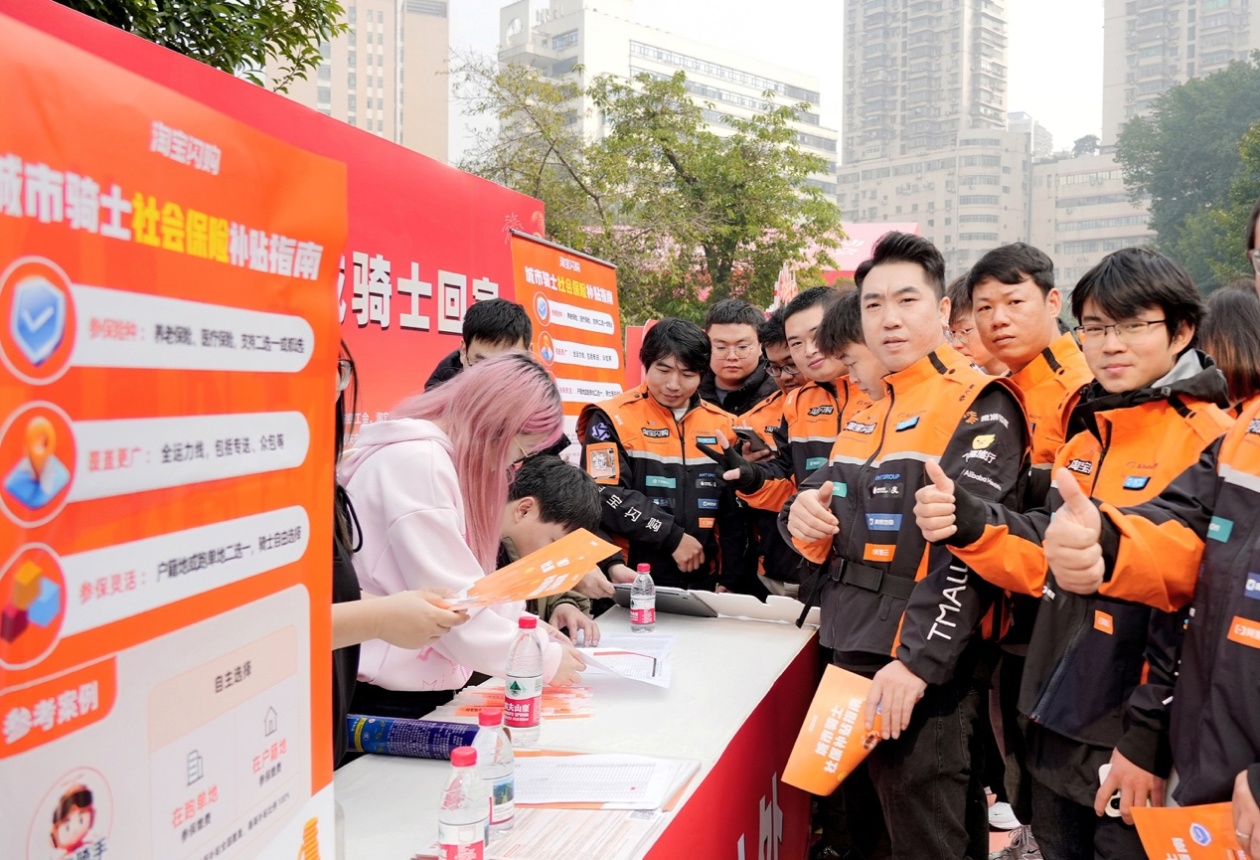
外卖业养老、医疗保险首次实现全国覆盖 淘宝闪购城市骑士申请社保补贴最高可100%
Huan Qiu Wang· 2026-01-16 09:39
Core Insights - The article highlights the launch of the "City Knight Day" by Taobao Flash Purchase, which includes various welfare benefits for delivery riders across 58 cities in China, marking the first time the food delivery industry offers comprehensive social insurance subsidies to all riders [1][5] Group 1: Social Insurance Subsidies - Taobao Flash Purchase has implemented social insurance subsidies for delivery riders, covering pension and medical insurance, with a completion rate of nationwide coverage by the end of the year [1] - Riders can receive a subsidy of 50% for their insurance payments, while team leaders can receive a full 100% subsidy, potentially increasing their income by over 10% annually [3][5] Group 2: Community Engagement and Activities - Various New Year activities were organized in major cities, including Beijing, Shanghai, and Guangzhou, featuring community events such as sports competitions, free medical consultations, and communal dinners [1][5] - In Chongqing, over 280 riders and their families participated in a gathering that included awards and recognition for outstanding riders, showcasing the community spirit [5] Group 3: Health and Safety Initiatives - Steady Medical has donated health supplies worth over 1.5 million yuan to support over 200,000 rider families, including protective gear and first aid kits [7] - Taobao Flash Purchase is also providing free winter insurance and increasing order rewards, along with enhancements to the rider AI assistant to improve delivery efficiency and safety [7] Group 4: Commitment to Rider Welfare - The company emphasizes the importance of providing dignified work conditions and ongoing support for riders, aiming to enhance their overall well-being and job security [5][8]

15天3起“反垄断”,说明了什么?
Jing Ji Guan Cha Wang· 2026-01-16 07:01
Core Viewpoint - The Chinese government is intensifying its antitrust regulations, signaling a shift towards a "strong regulatory" period in response to market monopolies and unfair competition [2][5]. Group 1: Antitrust Actions - The State Administration for Market Regulation (SAMR) has conducted three significant interventions in January, targeting the food delivery industry, polysilicon alliances, and travel platforms like Trip.com, all aimed at reinforcing antitrust measures [2]. - Recent discussions with the China Silicon Corporation and leading polysilicon companies emphasized that agreements on production capacity, utilization rates, sales volumes, and pricing are prohibited, highlighting that "anti-involution" cannot be used as an excuse for monopolistic practices [3]. Group 2: Market Competition Dynamics - The belief that larger scale equates to immunity from antitrust scrutiny is prevalent, especially in the internet sector, where companies operate under the "winner takes all" mentality [3][4]. - Local governments sometimes interfere in market competition to protect local economies, leading to de facto market segmentation or regional monopolies, which complicates regulatory enforcement [4]. Group 3: Importance of Antitrust Regulations - Antitrust laws are fundamental to maintaining market order and ensuring competition, which is essential for market vitality and innovation [4]. - The recent surge in antitrust investigations across various sectors indicates that there is no room for complacency regarding compliance with antitrust regulations [5].

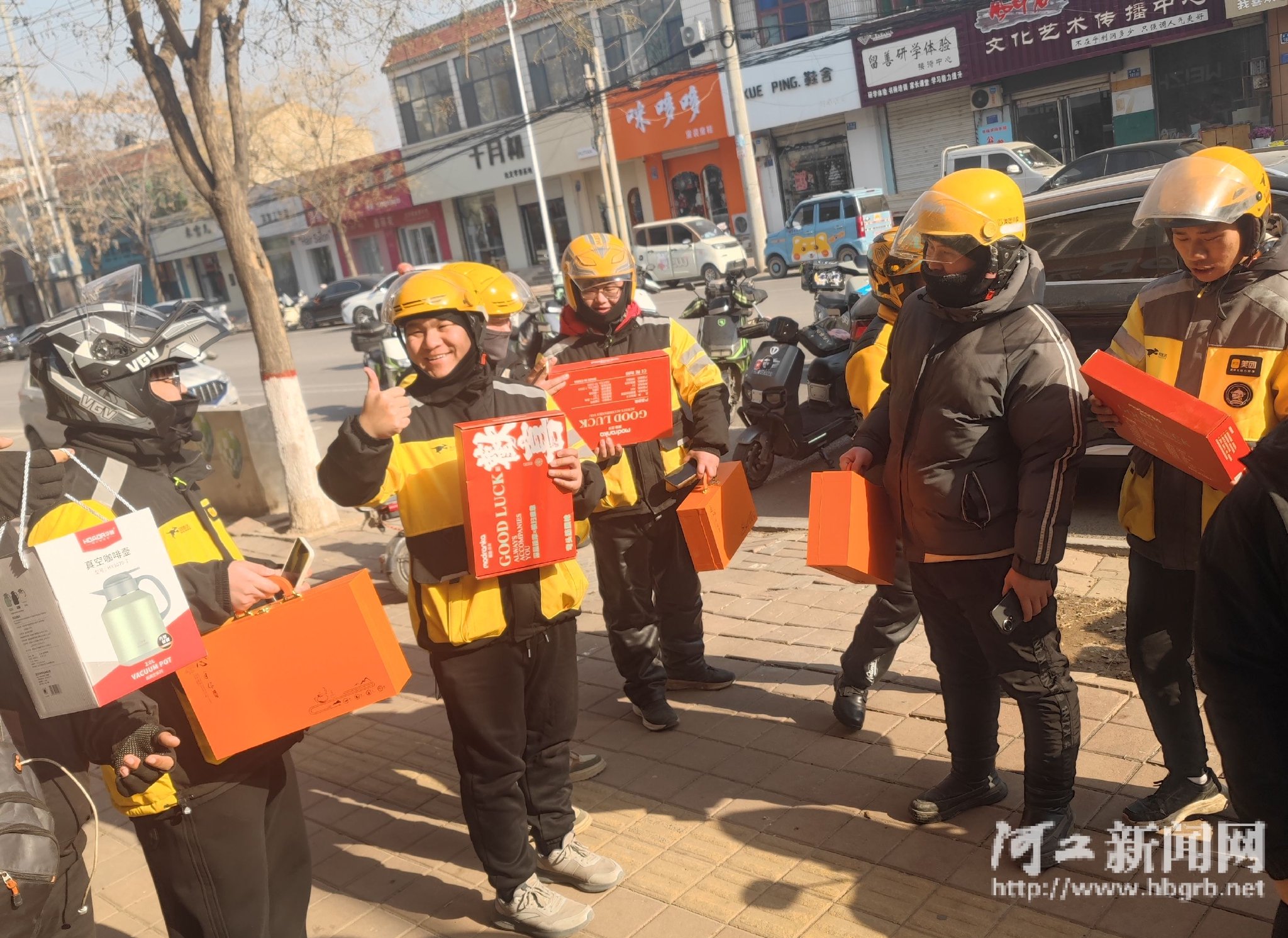
临西县总工会发放“暖新礼包”
Xin Lang Cai Jing· 2026-01-16 06:42
Group 1 - The core initiative is the launch of the "Warm New Gift Package" by the Linxi County Federation of Trade Unions to support 118 new employment form workers [3] - The recipients include 40 Meituan delivery workers and 78 couriers from 12 platform companies such as Meituan, SF Express, YTO, and JD [3] - The distribution process utilizes a digital service model with "online application and offline redemption," allowing eligible workers to claim a 60 yuan electronic voucher through the "Worker's Home" app [3] Group 2 - The initiative is part of a three-year action plan aimed at protecting the rights and services of new employment form workers [3] - The combination of online and offline methods enhances service efficiency and ensures that support reaches each worker accurately [3]
回眸2025丨探寻中国市场的活力与秩序
Jing Ji Ri Bao· 2026-01-16 00:19
Group 1: Economic Overview - In the past year, China's economy faced challenges, with retail sales exceeding 45.6 trillion yuan, growing by 4.0%, indicating consumer spending remains a stabilizing force [1] - By the end of December, the number of business entities reached 195 million, with over 100 million tax-related entities, reflecting robust market vitality [1] Group 2: Platform Economy Regulation - The competition among major platforms like JD, Taobao, and Meituan in the food delivery sector involved nearly 100 billion yuan in investments, leading to improved service quality and better treatment for delivery riders [2][3] - Regulatory bodies played a crucial role in maintaining fair competition, shifting the focus from subsidy wars to enhancing service quality and ensuring food safety [2][3] Group 3: Addressing Deep-rooted Issues - Regulatory efforts in 2025 targeted the "algorithmic hegemony" and unreasonable rules imposed by platforms, leading to the cancellation of controversial refund policies and promoting fairer trading practices [3] - Major platforms committed to creating a win-win ecosystem for consumers, merchants, and delivery riders, with initiatives like eliminating penalties for late deliveries and increasing social security coverage for riders [3][4] Group 4: Combating "Involution" Competition - "Involution" competition emerged as a significant challenge in 2025, characterized by price wars that compromised product quality and safety, as seen in the drastic decline of profit margins for brands like Laiyifen [6][7] - The government emphasized the need to shift competition from price-cutting to value creation, with regulatory measures aimed at addressing unfair practices and enhancing product quality [6][7][8] Group 5: Food Safety and Standards - The "pre-made dish" controversy highlighted public concerns over food safety, prompting regulatory bodies to accelerate the establishment of national standards for the industry [10][11] - Regulatory measures included comprehensive food safety oversight and the introduction of transparency in food production processes to restore consumer trust [11][12] Group 6: Market Dynamics and Innovation - The regulatory framework aims to create a balanced market environment where quality and innovation are prioritized over low prices, allowing businesses to thrive without compromising standards [9][12] - The response from the industry includes innovative dining experiences and significant investments in product development, indicating a shift towards higher quality offerings [9][12]

探寻中国市场的活力与秩序
Jing Ji Ri Bao· 2026-01-15 21:28
Economic Overview - In the past year, China's economy faced challenges, with total retail sales of consumer goods exceeding 45.6 trillion yuan, growing by 4.0%, indicating that consumption remains a stabilizing force for the economy [1] - By the end of December, the number of business entities in China reached 195 million, with over 100 million tax-related entities, reflecting sustained market vitality [1] Consumer Trends - Consumer activity is shifting from traditional shopping to experiential scenarios, such as enjoying hot pot while watching movies or visiting stores for service experiences, indicating a new market dynamic focused on quality and experience [1] - The pursuit of quality and experience has become a new driving force in the market, presenting challenges for regulators [1] Platform Economy Regulation - The competition among platforms like JD.com, Taobao, and Meituan in the food delivery sector has led to significant investments, with nearly 100 billion yuan spent in just six months, resulting in improved service quality and better treatment for delivery personnel [2][3] - Regulatory bodies have played a crucial role in maintaining fair competition, shifting the focus from subsidy wars to enhancing service quality and ensuring food safety [2][3] Addressing Deep-rooted Issues - Regulatory efforts in 2025 targeted the "algorithmic hegemony" and unreasonable rules imposed by platforms, leading to the cancellation of controversial refund policies and the establishment of fairer trading conditions [3] - Major platforms committed to creating a win-win ecosystem for consumers, merchants, and delivery personnel, with initiatives to eliminate penalties for late deliveries and improve social security coverage for riders [3][4] Market Corrections - In 2025, major food delivery platforms collectively reduced merchant commissions by 52 million yuan, addressing issues of excessive fees and fines, thereby sharing growth benefits more equitably among ecosystem participants [4] - Regulatory measures included the introduction of compliance management documents and guidelines to enhance the scientific and standardized operation of online markets [5] Combatting "Involution" Competition - "Involution" competition, characterized by price wars and product homogeneity, has been identified as a significant challenge, prompting regulatory focus on promoting high-value competition rather than low-level price cuts [6][7] - The government has initiated actions against substandard products and unfair practices, with a focus on maintaining market integrity and safety [6][7] Food Safety and Standards - The "pre-prepared food" controversy highlighted the need for unified national standards in the food industry, leading to accelerated efforts in standard formulation and enhanced food safety regulations [9][10] - Regulatory bodies are emphasizing comprehensive food safety oversight across the supply chain, addressing public concerns about food safety and ensuring transparency in food production [10][11] Conclusion - The collective efforts in 2025 aimed to create a fairer and more trustworthy market environment, allowing all value-creating entities and workers to thrive, ultimately leading to a balance between market vitality and order [12]
一家社区餐饮店的消亡
虎嗅APP· 2026-01-15 14:18
Core Viewpoint - The article discusses the struggles of small restaurant businesses in first-tier cities, particularly focusing on the impact of delivery platforms on their profitability and operational viability. It highlights how rising costs and complex fee structures imposed by these platforms are squeezing margins and leading to closures of many small eateries [5][6][37]. Group 1: Business Challenges - A small restaurant in Shenzhen, after 10 years of stable operation, faced declining profits due to increased reliance on delivery platforms, which began offering higher consumer discounts funded largely by the merchants themselves [5][6]. - The restaurant's revenue from delivery orders increased, but net profits fell significantly, with nearly 40% of costs going to delivery platforms [6][7]. - By the end of 2024, online food delivery users in China reached 545 million, with over 480 billion orders, leading to higher operational costs for merchants as platform commissions rose [7][8]. Group 2: Fee Structures and Transparency - The article explains the complex fee structures of delivery platforms, where the actual commission is often obscured by various charges such as delivery service fees and promotional subsidies, leading to confusion among merchants [10][15][20]. - For example, a delivery order of 26 yuan resulted in a merchant receiving only 14.32 yuan after deducting comprehensive fees, which amounted to 45% of the total order value [10][20]. - Merchants often find themselves in a position where they are unaware of the true costs associated with each order due to the lack of transparency in the platforms' fee calculations [20][27]. Group 3: Marketing and Promotion Costs - Merchants are compelled to invest in paid promotions to improve visibility on delivery platforms, but these efforts often yield diminishing returns, leading to a cycle of increased spending without guaranteed sales [22][24]. - A coffee shop owner experienced a temporary boost in sales through paid promotions and "brushing" (fake orders) but ultimately found the costs outweighed the benefits, leading to a return to lower sales volumes [24][25]. - The reliance on paid promotions and the need for constant investment in marketing to maintain visibility has created a challenging environment for small businesses, with many unable to sustain profitability [25][32]. Group 4: Market Trends and Closure Rates - The article notes that in 2024, the online food delivery sector accounted for approximately 26% of the restaurant industry's market share, with a total market size of 1.6357 trillion yuan [37]. - Despite the growth in the delivery market, the number of restaurant closures reached 4.09 million in 2024, indicating a closure rate of 61.2%, highlighting the unsustainable nature of many small eateries in the current market [37][38]. - The narrative concludes with the story of a small dessert shop that ultimately closed due to the inability to compete with larger, more established brands and the overwhelming costs associated with maintaining an online presence [38].

北水动向|北水成交净卖出15.15亿 千问App接入阿里业务生态 北水抢筹阿里(09988)近20亿港元
Zhi Tong Cai Jing· 2026-01-15 09:56
Group 1 - Northbound trading recorded a net sell of 15.15 billion HKD, with a net buy of 19.3 billion HKD from the Shanghai Stock Connect and a net sell of 34.46 billion HKD from the Shenzhen Stock Connect [1] - Alibaba (09988) received a net buy of 19.76 billion HKD, driven by the launch of the Qianwen App, which integrates various services like Taobao and Alipay, creating a comprehensive AI shopping experience [3] - Tencent (00700) saw a net buy of 6.42 billion HKD, supported by positive growth forecasts in gaming, advertising, and financial services, with an expected 10% year-on-year growth in financial technology and enterprise services revenue for Q4 [3] Group 2 - Semiconductor stocks were favored, with SMIC (00981) and Hua Hong Semiconductor (01347) receiving net buys of 1.8 billion HKD and 1.14 billion HKD respectively, following TSMC's strong Q4 earnings report showing a 35% profit increase [4] - Meituan-W (03690) had a net buy of 1.28 billion HKD, as regulatory actions against the food delivery sector may reshape competition and improve profitability [4] - China Mobile (00941) faced a net sell of 7.91 billion HKD, influenced by a drop in international oil prices following comments from President Trump regarding the situation in Iran [5]


