
电商

Search documents
京东“百亿超市”频道正式上线,计划未来3年投入超200亿商品补贴
Xin Lang Cai Jing· 2026-02-26 08:27
Core Insights - JD.com has launched a new "Billion Supermarket" channel on its app, significantly increasing its subsidy for supermarket categories [1][2] - The company plans to invest over 20 billion yuan in product subsidies over the next three years, aiming to generate an additional 200 billion yuan in sales for brands [1][2] - The subsidy program will surpass that of other categories, making it the largest subsidy initiative within JD.com's billion-channel offerings [1][2] Investment and Growth Strategy - JD.com aims to grow its supermarket user base from 300 million to 500 million by 2025 [1][2] - The company expects to maintain a leading growth rate in the industry, with both user scale and order volume projected to increase by over 20% [1][2] Product Offering and Consumer Benefits - The "Billion Supermarket" channel will cover a wide range of products, including food, beverages, household items, personal care, and more [1][2] - Consumers will benefit from various promotional strategies, including official subsidies, double subsidies, and JD Supermarket card rewards, ensuring access to quality products at competitive prices [1][2]

同股不同权将修订、便利第二上市,港交所再出新政撬动中概股回流
Di Yi Cai Jing· 2026-02-26 08:24
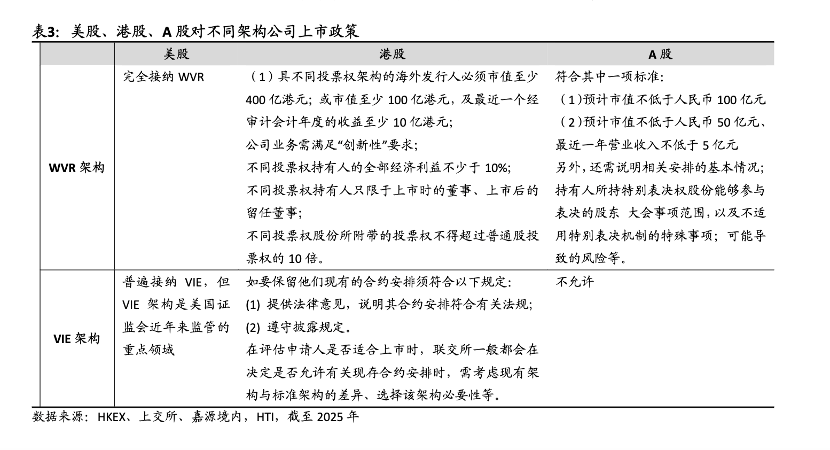
Group 1 - Hong Kong is accelerating its listing system reforms to attract more new economy enterprises to go public [1][6] - The Financial Secretary, Paul Chan, announced plans to revise the "dual-class share" listing requirements in the first quarter, providing more flexibility for biotech and specialized technology companies [2][7] - Recent market conditions show the Hang Seng Index has dropped over 4.5% since the end of January, but industry experts remain optimistic about future performance supported by resilient capital flows and favorable fundamentals in AI and new economy sectors [1][11] Group 2 - The revision of "dual-class share" requirements is expected to attract more Chinese concept stocks back to Hong Kong, with Goldman Sachs estimating that 27 such stocks could return, totaling over HKD 1.4 trillion in market value [2][5] - UBS predicts that if these Chinese concept stocks return, the average daily trading volume in Hong Kong could increase by HKD 19 billion, boosting the exchange's revenue and net profit by 4%-5% and 7%, respectively [2][5] - The current listing rules require a high market capitalization for "dual-class share" companies, which poses challenges for many smaller companies looking to enter the Hong Kong market [5] Group 3 - The Hong Kong government is emphasizing the strategic role of the technology sector in the capital market, signaling further reforms to attract new economy enterprises [6][8] - The government has launched a HKD 10 billion "Innovation and Technology Industry Guidance Fund" focusing on investments in life sciences, AI, and robotics [8] - The Hong Kong Stock Exchange is considering allowing more types of companies to submit listing applications confidentially, enhancing its competitive edge in the global capital market [8] Group 4 - Despite the announcement of significant reforms, the Hong Kong stock market has continued to decline, with the Hang Seng Index showing mixed performance recently [9][10] - Recent outflows of southbound funds have been noted, with nearly HKD 4.5 billion sold in two consecutive trading days, contrasting with previous inflows [10] - Analysts believe that the current market adjustments are temporary and that the Hang Seng Technology Index may see a rebound as investor sentiment improves [12]


得物App春节消费迎“开门红”:美妆礼盒单月同比增10倍,生肖配饰、国潮服装同比增5倍
Cai Jing Wang· 2026-02-26 06:58
Core Insights - The dual celebration of the Spring Festival and Valentine's Day in 2026 has led to a significant boost in consumer spending, particularly on the Dewu App, showcasing a vibrant consumption market [1][4] Group 1: Consumer Trends - The Dewu App has seen a remarkable increase in beauty product sales during the Spring Festival, with Valentine's Day limited edition beauty gift boxes experiencing over a 10-fold year-on-year sales growth [1] - Clothing and accessories also performed exceptionally well, with sales of national trend red-themed clothing and zodiac accessories increasing by over 5 times year-on-year [1] - The app has developed into a comprehensive quality lifestyle shopping community, boasting over 600 million users, with a penetration rate of 50% among individuals under 30 in China [1] Group 2: Fashion and Gifting - Young users are focusing on creating new year looks with items featuring zodiac themes and national trend styles, with Nike's "Galloping Series" limited edition products achieving over 1 million sales in the first week [2] - The demand for couple gifts has surged, with Valentine's Day limited edition beauty gift boxes seeing over a 10-fold increase in sales during the Spring Festival, highlighting the importance of emotional expression among young consumers [2] - Personalized items like custom handbags and sneakers have also seen over 80% year-on-year sales growth, reflecting a shift towards diverse and personalized gifting options [2] Group 3: New Year Preparations - The trend of preparing for the New Year is becoming younger and more quality-focused, with gold accessories and practical items becoming mainstream choices [3] - Zodiac-themed accessories have seen over a 5-fold increase in sales, with products symbolizing good fortune experiencing even faster growth [3] - The demand for practical family-oriented gifts, such as nut gift boxes and home goods, is also rising, aligning with the festive atmosphere and family reunion themes [3] Group 4: Self-Rewarding Consumption - Young consumers are increasingly engaging in self-rewarding purchases during the Spring Festival, driven by year-end bonuses and red envelopes, with categories like trendy toys and digital products being particularly popular [3] - The inclination towards high-quality and unique items reflects a desire for self-expression and a pursuit of a high-quality lifestyle among young users [3] Group 5: Market Potential - Industry experts indicate that the impressive performance of the Dewu App during the dual holiday consumption surge underscores the immense potential and vitality of the young consumer market [4] - The app aims to continue leveraging its strengths to connect brands with young consumers effectively, facilitating precise alignment with their needs and uncovering new growth opportunities [4]
从卖产品到做文化:京东、李宁、梅见青梅酒等六大品牌的艺术实践路径
Sou Hu Cai Jing· 2026-02-26 06:51
Core Insights - The article discusses the impact of AI on consumer behavior and brand differentiation, highlighting a promotional event by Alibaba's AI product Qianwen that generated millions of orders in a short time, showcasing the AI amplification effect [1] - It emphasizes the diminishing differentiation among brands as automation and content generation become standardized, leading companies to invest in unique capabilities like aesthetic judgment and cultural expression to maintain competitive advantages [1] Group 1: JD.com - **Artistic Philosophy**: JD.com views art as part of its public attribute development, aiming to strengthen connections with cities, communities, and the public through long-term cultural and artistic investments [3] - **Artistic Practice**: JD.com plans to build an independent contemporary art museum in Shenzhen Bay, covering over 10,000 square meters, offering free or low-cost access to exhibitions, performances, and community activities, linking art themes to its business background without commercial displays [4] - **Artistic Outcome**: JD.com transitions from an efficiency-driven enterprise to a participant in urban cultural arts, enhancing its public recognition and social image [5] Group 2: Li-Ning - **Artistic Philosophy**: Li-Ning focuses on art design and cultural expression as core competitive strengths, reshaping its brand image through visual language and local cultural elements [7] - **Artistic Practice**: The brand showcases new collections at fashion weeks in cities like New York and Paris, integrating traditional Chinese elements into its designs and collaborating with artists for limited series and artistic packaging [8] - **Artistic Outcome**: Li-Ning's products evolve from functional sportswear to art-driven apparel, increasing brand awareness and cultural recognition among younger consumers [9] Group 3: Meijian Qingmei Wine - **Artistic Philosophy**: Meijian Qingmei Wine positions art as a key direction for brand development, connecting aesthetics with lifestyle through experiential scenarios [9] - **Artistic Practice**: The brand has created China's first art space centered around wine, collaborating with numerous artists to integrate art into its products and hosting cultural events to enhance the brand's artistic identity [10] - **Artistic Outcome**: Meijian Qingmei Wine evolves from a beverage brand to a cultural consumption brand, establishing a clear artistic aesthetic in the market [11] Group 4: Muji - **Artistic Philosophy**: Muji emphasizes design as a core language, establishing daily aesthetics as a long-term brand standard [12] - **Artistic Practice**: The brand's stores utilize natural materials and modular display systems, hosting exhibitions and workshops to engage consumers in the aesthetic experience [15] - **Artistic Outcome**: Consumers develop stable memories of the brand's aesthetic, transforming simplicity and practicality into long-term brand assets [16] Group 5: IKEA - **Artistic Philosophy**: IKEA defines home design as "accessible daily art," focusing on providing aesthetically pleasing and functional products at reasonable prices [18] - **Artistic Practice**: The brand collaborates with independent designers to create limited series and encourages consumer participation through workshops and community events [18] - **Artistic Outcome**: Art and design become integral to home life, increasing consumer engagement and establishing IKEA as a "design popularizer" [18] Group 6: Starbucks - **Artistic Philosophy**: Starbucks views its store spaces as community cultural venues, enhancing the experience through localized content and design [20] - **Artistic Practice**: The brand develops unique store concepts that incorporate local art and hosts community events to foster customer interaction [21] - **Artistic Outcome**: Stores transform from mere consumption spaces to public gathering places, strengthening the brand's connection to urban lifestyles [22]


2025年Q4移动互联网行业数据研究报告
Sou Hu Cai Jing· 2026-02-26 04:48
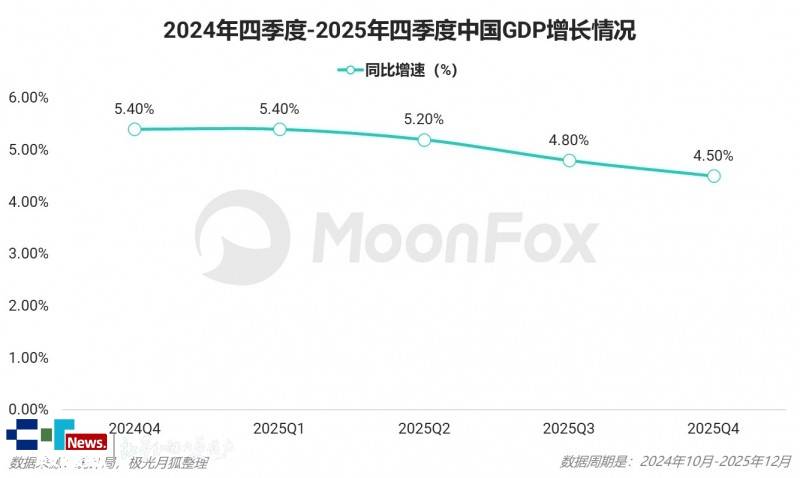
Macro Insights - In 2025, China's GDP surpassed 140 trillion yuan, reaching 1401879 billion yuan, with a year-on-year growth of 5.0% [1][6] - In Q4 2025, GDP was 387911 billion yuan, with a year-on-year growth of 4.5% [1][6] - The contribution of final consumption expenditure to economic growth was 52.0% in 2025, and 52.9% in Q4 [6] - The industrial sector showed stable growth, with a year-on-year increase of 5.0% in Q4, contributing 1.5 percentage points to economic growth [6][9] - Net exports demonstrated resilience, contributing 32.7% to economic growth in 2025 [9] Internet Sector Development Analysis AI Sector - The focus of the AI industry shifted from algorithm competition to deep exploration of commercial value and efficient realization [21][22] - AI technology integration into market applications is accelerating, with significant growth in smart terminal devices [22][25] - The AIGC application scenarios expanded, with notable growth in industrial and autonomous driving sectors [25][30] Video Sector - The online video industry experienced a seasonal decline in Q4 2025, with a slight year-on-year decrease of 0.9% [39] - Ten S+ series were launched in Q4, with overall video content showing a decline compared to the previous year [44][48] - Platforms are actively promoting high-quality content strategies, with significant successes in series like "反人类暴行" [49][66] E-commerce Sector - The e-commerce industry continued to grow, with user device coverage reaching 11.66 billion [75] - Regulatory policies are being optimized to promote healthy development in the e-commerce sector [73][74] - Major players like Alibaba and JD.com are deepening their integration into lifestyle services and enhancing AI applications [79][81] Tourism Sector - Winter tourism is becoming a new growth engine for the tourism industry, particularly during the traditional peak season [2] Short Drama Sector - The short drama industry is rapidly growing, with an estimated annual output value nearing 900 billion yuan in 2025 [1] Social Sector - The social media market remains stable, with vertical social platforms continuing to show significant potential [1]
运动赛道分化加剧:始祖鸟们狂奔 耐克们承压丨消费参考
2 1 Shi Ji Jing Ji Bao Dao· 2026-02-26 04:43
Group 1: Performance of Amer Sports - Amer Sports reported a revenue increase of 27% to $6.566 billion for the fiscal year ending December 31, 2025, with adjusted net profit rising to $545 million from $236 million in 2024 [1] - In Q4 2025, Amer Sports' revenue grew by 28% to $2.101 billion, with adjusted net profit reaching $176 million compared to $90 million in the same period of 2024 [1] - The Greater China region was a significant growth driver, with annual revenue increasing by 43.4% to $1.86 billion and Q4 growth reaching 41.8% [1] Group 2: Comparison with Competitors - In contrast, Li Ning's sales in Q4 2025 showed a low single-digit decline across all channels, with offline channels experiencing a mid-single-digit decline [2] - Anta's main brand retail revenue also saw a low single-digit decline, while Nike's sales in China dropped by 16% to $1.423 billion [2] - The performance disparity may indicate that the high-end market, represented by brands like Arc'teryx, is more resilient compared to the mid-range market [3] Group 3: Market Trends and Competition - The outdoor sports market is perceived to have significant growth potential, prompting brands like Nike and Li Ning to increase their investments in this sector [4] - The competitive landscape in the domestic outdoor market is expected to intensify as major brands expand their presence [5]



刘强东砸50亿杀进游艇业,创立Sea Expandary,游艇真能平民化?
Sou Hu Cai Jing· 2026-02-26 04:20
Core Perspective - Liu Qiangdong's personal investment of 5 billion yuan in the yacht industry aims to create affordable yachts priced at 100,000 yuan, targeting the working class and challenging the luxury market [1][2]. Group 1: Background and Motivation - Liu Qiangdong's family history as "century-old boatmen" adds a personal narrative to the venture, reflecting a return to roots and a blend of sentiment with business [2][3]. - The project represents a transformation of traditional boat culture into a modern business model, aiming to revitalize a marginalized industry [2]. Group 2: Market Disruption Potential - The current price range for mid-range small yachts in China is between 500,000 to 1 million yuan, making them unaffordable for average consumers [5]. - The initiative seeks to reconstruct pricing by leveraging e-commerce supply chain strategies to reduce costs and make yachts accessible as family consumer goods [5][6]. - Challenges include reliance on imported core technologies and insufficient infrastructure for yacht docking, which could hinder market penetration [5]. Group 3: Strategic Ecosystem and Growth - Although Liu emphasizes that Sea Expandary is a personal investment, the influence of JD.com’s logistics and data capabilities could provide a competitive edge [8]. - The integration of JD.com’s supply chain and user analytics may enhance operational efficiency and market targeting for the new brand [8]. - The yacht industry could represent a new growth avenue for JD.com as traditional e-commerce faces saturation, potentially creating a multi-billion market [8]. Group 4: Broader Lifestyle Impact - The venture aims to redefine water-based leisure activities, promoting a shift in consumer habits towards yacht culture [10]. - Sea Expandary could drive technological advancements in domestic manufacturing, reduce dependency on imports, and stimulate related industries such as marina development and water entertainment [10]. - The success of the 100,000 yuan yacht could signify a major shift from luxury to utility, similar to the evolution of mobile phones from luxury items to everyday tools [10]. Conclusion - Liu Qiangdong's yacht dream represents an experimental approach to transforming traditional manufacturing through internet-driven strategies, embodying the entrepreneurial spirit of innovation and possibility in the business landscape [11].

我们帮拼多多董事长陈磊写的年终总结报告……
Sou Hu Cai Jing· 2026-02-26 03:36
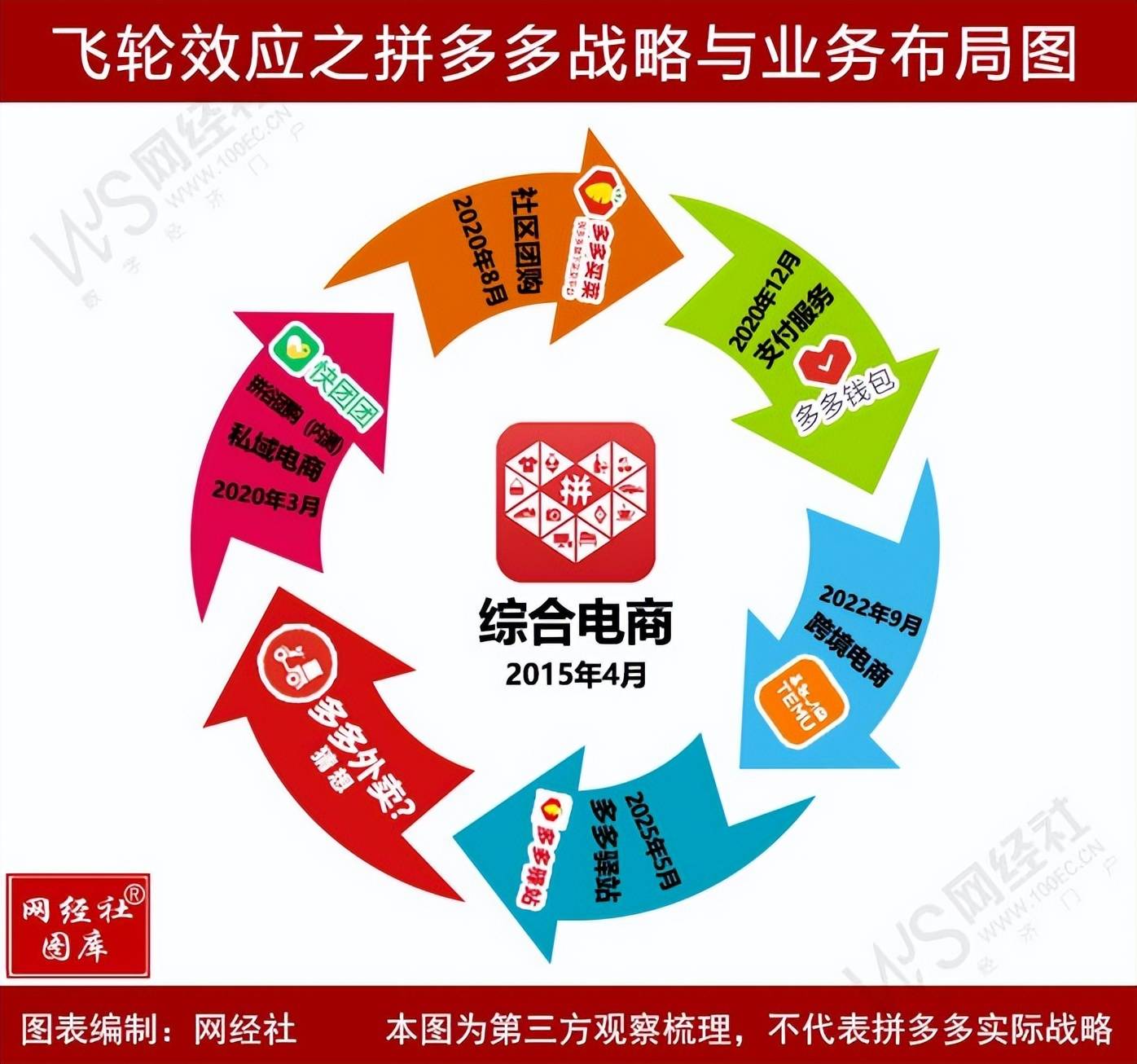
Core Viewpoint - Pinduoduo is focusing on upgrading its supply chain and achieving high-quality development as part of its strategic plan for the next three years, aiming to "recreate Pinduoduo" through deepening its engagement in the Chinese supply chain [1] Strategic Initiatives - Pinduoduo launched its seventh Agricultural New Year Festival on January 6, 2025, emphasizing "direct supply from the origin" and eliminating middlemen to enhance the supply chain for agricultural products [4] - The festival included three core initiatives: 50% logistics subsidies for over 2,000 agricultural core production areas, a "live streaming training program" for over 100,000 farmers, and a "New Year Festival Assistance Zone" for products from poverty-stricken areas, which received 35% of the festival's total traffic [4][5] Financial Performance - By January 31, 2025, the Agricultural New Year Festival generated a transaction volume of 32.8 billion yuan, a 29% increase year-on-year, benefiting over 1.2 million farmers [5] Long-term Plans - Pinduoduo's Chairman Chen Lei announced a "100 billion yuan support plan" on April 3, 2025, intending to invest over 100 billion yuan in resources over the next three years to enhance the e-commerce ecosystem and support merchant transformation [5][7] Governance Structure - On December 19, 2025, Pinduoduo upgraded its governance structure to implement a co-chairman system, with Chen Lei and Zhao Jiazhen serving as co-chairmen and co-CEOs [11] Brand Development - In July 2025, Pinduoduo opened its "black label store" certification system to quality small and medium-sized merchants, aiming to encourage brand development among all merchants, not just large enterprises [14] - The first batch of black label merchants saw a 22% increase in repurchase rates and a 9% decrease in return rates, indicating the effectiveness of this initiative [14] Marketing Strategy - Pinduoduo's "Double 11" shopping festival, launched on November 1, 2025, focused on "true low prices" without complex promotional rules, reinforcing its commitment to affordable pricing [15] - The festival featured a 10 billion yuan investment for direct price subsidies, reducing prices by 20%-50%, and included a dedicated section for agricultural products, which received significant traffic and support [15][17] Performance Metrics - The Double 11 event achieved a transaction volume growth of 32% year-on-year, with 112 billion yuan from industrial products and 28.6 billion yuan from agricultural products, marking record highs and surpassing 1 billion active buyers on the platform [17]

消费维权该去哪里?这份正规投诉途径清单请收好
Xin Lang Cai Jing· 2026-02-26 03:00
Core Viewpoint - China has established a multi-layered and multi-channel consumer rights protection system, providing diverse options for consumers to address disputes and protect their rights [1][9]. Group 1: Official Channels - The most well-known consumer rights protection channel is 12315, which integrates multiple hotlines for market regulation, allowing consumers to report issues related to food safety, price fraud, false advertising, and product quality [2][10]. - The 12315 platform offers various online entry points, including a website, mobile app, and mini-programs on WeChat and Alipay, available 24/7 for consumer complaints [2][10]. - The 12345 government service hotline can also accept consumer rights protection requests, directing them to the appropriate administrative departments [2][10]. Group 2: New Tools for Consumer Protection - The "National Consumer Association Smart 315 Platform" launched on March 15, 2025, marks a digital advancement in consumer rights protection, featuring intelligent Q&A and transparency enhancements [3][11]. - The platform has reportedly helped consumers recover economic losses amounting to 410 million yuan within its first year of operation [3][12]. Group 3: Internet Complaint Platforms - Internet complaint platforms like Black Cat Complaints play a significant role in consumer dispute resolution, offering a transparent mechanism for consumers [4][13]. - Black Cat Complaints features a "full-process visualization" design, allowing consumers to submit complaints quickly and track their progress in real-time [4][13]. - The platform also implements a public supervision mechanism, showcasing complaint data and creating "red and black lists" of companies based on complaint volume and resolution rates [4][13]. Group 4: Industry-Specific Complaint Channels - For ride-hailing and taxi disputes, consumers can use built-in customer service channels on platforms like Didi and Meituan, and escalate issues to the transportation supervision hotline 12328 if necessary [6][15]. - For telecommunications issues, consumers can contact the telecom user complaint hotline 12300 or submit complaints through the Ministry of Industry and Information Technology's website [6][15]. - The National Postal Administration's complaint website and hotline 12305 are designated for logistics and express delivery complaints [6][15]. Group 5: Effective Complaint Tips - Consumers are advised to prepare sufficient evidence, including payment receipts, order numbers, and communication records, to enhance the effectiveness of their complaints [8][16]. - The consumer rights protection law outlines five avenues for rights protection, emphasizing the importance of negotiation before escalating to formal complaints [8][16]. - Consumers should be cautious of so-called "professional rights protection" agencies that may exploit them under false pretenses [8][16].
KTV、年夜饭频现“霸王条款”,这份节后维权指南请收好
Xin Lang Cai Jing· 2026-02-26 01:59
Core Insights - The article highlights the surge in consumer complaints following the Chinese New Year holiday, particularly in sectors such as dining, entertainment, and online shopping, indicating that post-holiday disputes are on the rise [1][7]. Consumer Complaints in Various Scenarios - Scenario 1: A consumer faced a price increase of over 30% for a pre-booked New Year's dinner, along with unexpected charges, illustrating deceptive practices in the restaurant industry [2][8]. - Scenario 2: Many consumers experienced issues with KTV and cinema vouchers, where businesses refused to honor them during the holiday period despite no prior notification, raising questions about consumer rights [2][8]. - Scenario 3: Online shopping complaints surged, with nearly 90% of complaints in cities like Shanghai and Guangzhou related to issues such as product quality, delayed shipping, and unfulfilled promotional promises [3][9]. Consumer Rights and Complaint Channels - Consumers are encouraged to utilize various complaint channels, including the official hotline 12315 and platforms like Black Cat Complaints, which provide a neutral space for addressing grievances [4][10]. - The Black Cat platform allows for easy online complaints, offering a user-friendly interface that reduces the time burden on busy consumers [5][12]. - The platform features a visual progress tracker for complaints, enhancing transparency and keeping consumers informed about the status of their issues [12][13]. - Public oversight through platforms like Black Cat can pressure businesses to respond promptly, as poor performance can affect their reputation [12][13]. - Collective complaints can be initiated for widespread issues, increasing visibility and urgency for businesses to address common grievances [6][12].