
美妆

Search documents
毛戈平林清轩们资本市场交锋 但上市仅是开始
2 1 Shi Ji Jing Ji Bao Dao· 2026-01-16 23:38
Core Insights - The surge of Chinese beauty brands aiming for IPOs on the Hong Kong Stock Exchange reflects a strong desire for growth and market expansion within the industry [1][7] - The listing of Lin Qingxuan marks a significant milestone as it aims to enhance its multi-brand and global strategy [1][7] - The performance of beauty stocks varies significantly, with some brands experiencing substantial declines post-IPO [2][8] Industry Trends - Over 41 beauty-related companies have pursued IPOs since 2025, covering various segments of the supply chain [1][7] - Lin Qingxuan's IPO on December 30, 2025, was well-received, with its stock price rising 9.3% on the first day, achieving a market capitalization of over 11.8 billion HKD [2][8] - Conversely, brands like Pechoin have faced stock price declines, with a notable drop in revenue growth, indicating market concerns about sustainability [2][8] Market Challenges - Several previously popular brands, such as Betaini and Huaxi Biological, have seen stock price declines, suggesting a reevaluation of their growth models and valuations [3][8] - The internationalization strategies of these brands are still in early stages, with limited overseas sales contributing to overall revenue [4][11] - Brands face challenges in establishing a strong presence in international markets, often relying heavily on domestic success factors like online marketing and social media [11][12] Strategic Moves - Companies are increasingly focusing on international expansion, with many viewing the Hong Kong listing as a critical step towards building global brand recognition [4][10] - Pechoin has made strategic investments to enhance its capabilities, including acquiring stakes in medical companies to bolster its credibility [12] - Lin Qingxuan and other brands are exploring overseas markets, but their current international sales remain minimal, highlighting the need for stronger brand positioning abroad [11][12]
美妆企业失去流量红利,它们正在放弃达人直播
Di Yi Cai Jing· 2026-01-16 15:31
Core Insights - The beauty brand Opal's founder, Zhou Yan, highlighted the increasing commission rates for influencers in live streaming, projecting it to reach 60% by 2025, indicating a significant challenge for beauty companies in managing rising costs of traffic acquisition [1][5] - Domestic beauty brands have gained market share over foreign brands, with Proya achieving over 10.7 billion RMB in revenue in 2024, marking it as the first Chinese beauty brand to surpass the 10 billion RMB threshold [4][10] - The live streaming e-commerce model has been crucial for the rise of domestic beauty brands, but the industry is facing regulatory scrutiny and a shift towards self-broadcasting as influencer costs become unsustainable [4][6] Industry Challenges - The beauty industry is experiencing a "traffic anxiety," with companies like Proya heavily reliant on platforms like Douyin and Tmall, where online sales account for over 90% of their revenue [5][10] - Proya's sales expenses reached 5.16 billion RMB in 2024, constituting 47.9% of its revenue, with a notable increase in promotional costs, indicating diminishing returns on marketing investments [5][9] - The trend of relying on influencer marketing is declining, with companies urged to develop their own content capabilities to ensure long-term sustainability [6][7] Market Dynamics - The cost of acquiring traffic has surged, with CPM rates on short video platforms rising from 30-50 RMB in 2020-2021 to 300 RMB by 2025, necessitating a multi-channel approach to reduce costs [8][9] - The beauty market has seen a stagnation in new brand emergence, with existing brands needing to focus on product development and brand positioning to remain competitive [9][10] - The disparity in R&D investment between domestic and foreign brands is significant, with foreign companies like L'Oréal investing around 13 billion euros (approximately 100 billion RMB) in R&D, comparable to Proya's total revenue [10][11] Future Outlook - The current landscape suggests that while domestic brands have capitalized on the e-commerce boom, they face a long road ahead to compete with global giants like L'Oréal and Shiseido, particularly in terms of brand development and international expansion [11][12]


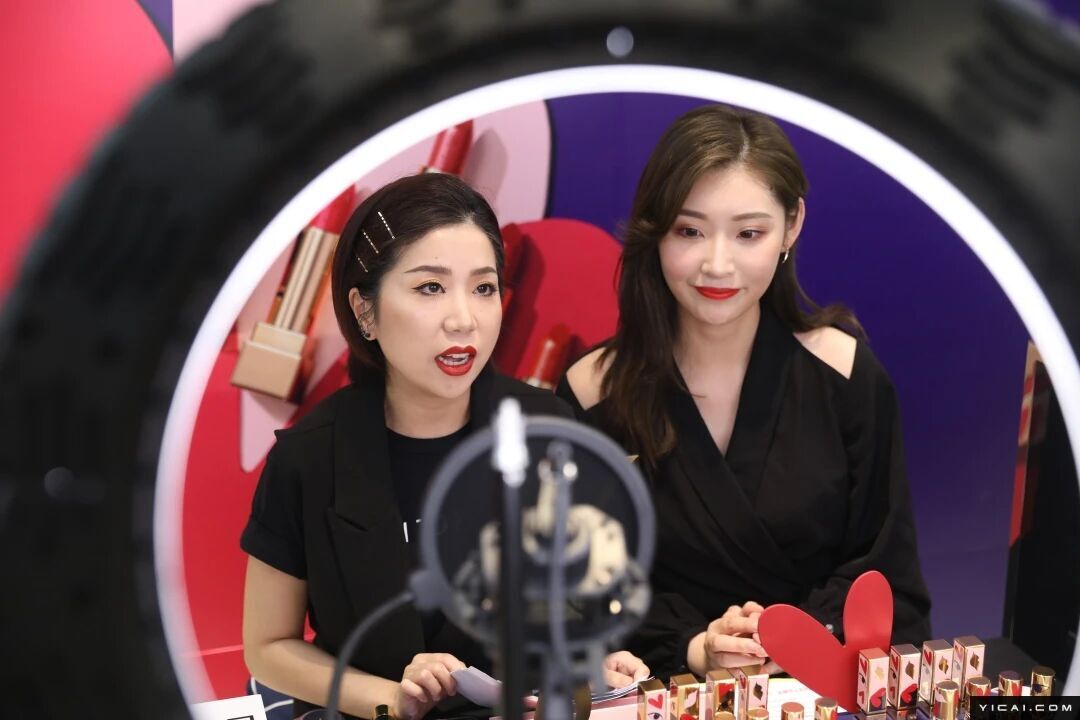
美妆企业失去流量红利
Di Yi Cai Jing· 2026-01-16 14:01
Core Insights - The beauty brand Opal's founder, Zhou Yan, highlighted the increasing commission rates for influencers in live streaming, projecting a rise to 60% by the end of 2025, indicating a significant challenge for beauty companies in managing costs and maintaining profitability [2][5] - Domestic beauty brands have gained market share over foreign brands, with Opal achieving over 10.7 billion yuan in revenue in 2024, marking it as the first Chinese beauty brand to surpass the 10 billion yuan threshold [4][16] - The shift from influencer-driven sales to self-operated content is becoming a trend as companies seek to reduce dependency on high commission rates and improve their own content capabilities [7][11] Industry Challenges - The beauty industry is experiencing a flow of anxiety due to rising costs associated with influencer marketing, with sales expenses for Opal reaching 51.6 billion yuan in 2024, accounting for 47.9% of its revenue [5][6] - The marginal returns on channel investments are diminishing, as evidenced by Opal's revenue growth rate lagging behind its sales expense growth by 8 percentage points in 2024 [6] - The market is witnessing a decline in new brand emergence, with companies needing to adapt to a more rational approach rather than relying on opportunistic strategies [13][14] Competitive Landscape - The competitive environment is intensifying, with domestic brands facing significant pressure from established foreign brands like L'Oréal and Procter & Gamble, which have more robust R&D and marketing systems [16][17] - The disparity in R&D investment is stark, with L'Oréal's R&D expenditure in 2024 reaching approximately 13 billion euros (around 100 billion yuan), comparable to Opal's total revenue [16] - The potential for domestic brands to rank among the top global beauty companies is limited by their reliance on the Chinese market, which does not support the scale needed for global competitiveness [16][17]

毛戈平林清轩们资本市场交锋,但上市仅是开始
2 1 Shi Ji Jing Ji Bao Dao· 2026-01-16 13:10
Core Insights - The Chinese beauty industry is experiencing a surge in IPOs, with over 41 beauty-related companies aiming for listings on the Hong Kong Stock Exchange since 2025, indicating a strong desire for growth and market expansion [1] - Lin Qingxuan's listing marks the beginning of its multi-brand and global strategy, while the stock performance of other brands like Maogeping shows significant volatility post-IPO [1][2] Group 1: Market Trends - Lin Qingxuan officially listed on the Hong Kong Stock Exchange on December 30, 2025, with an initial share price of 77.77 HKD, opening at 85 HKD, a 9.3% increase, and achieving a market capitalization of over 11.8 billion HKD [2] - Other companies like Perlay and Marubi are facing challenges, with Perlay's stock experiencing a significant decline and a slowdown in revenue growth, raising concerns about its market position [3][4] Group 2: Internationalization Efforts - Many beauty brands are focusing on internationalization as a core strategy, with companies like Perlay and Natural Hall aiming to enhance their global brand recognition through their IPOs [6][7] - Despite the ambitions, most brands still rely heavily on the domestic market for revenue, with limited success in overseas sales [7][8] Group 3: Investment and Development - Brands are investing in acquisitions and partnerships to strengthen their market presence, such as Perlay's investment in the cosmetic brand Huazhi Xiao and collaborations with private equity firms for global expansion [7][8] - The imbalance between marketing and research and development is a concern, as many brands have low R&D investments compared to their marketing expenditures, which may hinder their competitiveness in international markets [8][9]
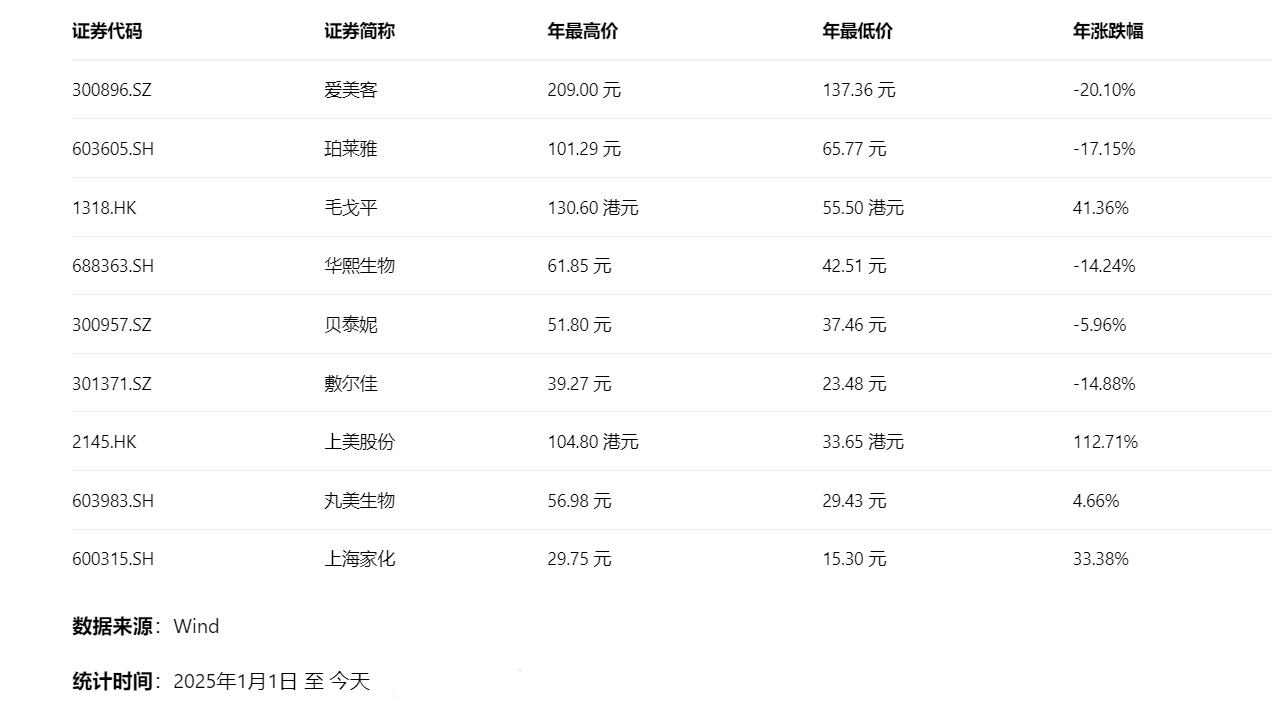
美妆企业失去流量红利
第一财经· 2026-01-16 13:07
Core Viewpoint - The beauty industry in China is facing a flow dilemma, with increasing commission rates for live-streaming influencers, which has led to a significant rise in marketing costs and a decline in profitability for many brands [3][4][7]. Group 1: Industry Trends - The commission rate for influencers in live-streaming is projected to rise from 40% in 2024 to 60% in 2025, indicating a shift in the cost structure for beauty brands [7]. - Domestic beauty brands have gained market share, surpassing foreign brands in 2024, with Proya achieving over 10.7 billion yuan in revenue, becoming the first Chinese beauty brand to exceed this threshold [6][16]. - The live-streaming e-commerce model has provided domestic brands with opportunities to compete against established foreign brands, which have more complex organizational structures [6][16]. Group 2: Financial Insights - Proya's sales expenses reached 5.16 billion yuan in 2024, accounting for 47.9% of its revenue, highlighting the high cost of marketing in the current environment [7]. - The growth rate of Proya's revenue in 2024 was 8 percentage points lower than the growth rate of its sales expenses, indicating diminishing returns on marketing investments [7]. - Research and development (R&D) spending for Proya was only 2.1 billion yuan in 2024, representing about 1.9% of its revenue, which is significantly lower than its marketing expenses [15][16]. Group 3: Strategic Shifts - Many companies are transitioning from relying on influencer marketing to developing their own content, as the effectiveness of influencer-driven sales diminishes [8][11]. - The trend indicates a need for brands to enhance their content capabilities to survive in a competitive market [11]. - The beauty industry is witnessing a decline in new brand emergence, with existing brands needing to focus on product development and brand positioning to remain competitive [15][17]. Group 4: Market Challenges - The cost of advertising on short video platforms has surged, with CPM rates increasing from 30-50 yuan in 2020-2021 to 300 yuan during the 2025 Double 11 shopping festival [14]. - The market is becoming increasingly competitive, with a plethora of beauty brands leading to intense competition and consumer choice [15][17]. - The disparity in R&D investment between domestic and foreign brands remains significant, with foreign companies like L'Oréal investing around 13 billion euros (approximately 100 billion yuan) in R&D, nearly equal to Proya's total revenue [16].

美妆企业失去流量红利,它们正在放弃达人直播 | 海斌访谈
Di Yi Cai Jing· 2026-01-16 12:29
Core Insights - The commission rate for influencer live streaming in the beauty industry is expected to rise significantly, from 40% in 2024 to 60% in 2025, indicating increasing costs for brands [1][5] - Domestic beauty brands are facing challenges due to rising traffic costs and a shift in consumer behavior, leading to a need for more sustainable business models [4][16] Group 1: Industry Trends - The rise of influencer live streaming has been crucial for the growth of domestic beauty brands, allowing them to gain market share against established foreign brands [4][15] - In 2024, domestic beauty brands surpassed foreign brands in market share, with Proya achieving over 10.7 billion yuan in revenue, becoming the first Chinese beauty brand to exceed 10 billion yuan [4][15] - The influencer-driven sales model is becoming less effective, with many brands transitioning to self-operated content to reduce dependency on high commission rates [6][8] Group 2: Financial Insights - Proya's sales expenses reached 5.16 billion yuan in 2024, accounting for 47.9% of its revenue, highlighting the high cost of marketing and promotion [5][14] - The growth rate of Proya's revenue in 2024 was 8 percentage points lower than the growth rate of its sales expenses, indicating diminishing returns on marketing investments [5] - Research and development (R&D) spending remains low in comparison to marketing expenses, with Proya's R&D investment at only 2.1 billion yuan, about 1.9% of its revenue [14][15] Group 3: Market Dynamics - The beauty market is experiencing a decline in new brand emergence, with existing brands struggling to maintain growth amid rising costs and competition [13][14] - The CPM (cost per thousand impressions) for advertising on short video platforms has surged from 30-50 yuan in 2020-2021 to 300 yuan during the 2025 Double Eleven shopping festival, reflecting increased advertising costs [13] - The competitive landscape is intensifying, with many brands needing to focus on product development and brand positioning rather than relying solely on traffic-driven sales strategies [14][16]
欧莱雅再添抗衰美妆新科技
Jing Ji Guan Cha Wang· 2026-01-16 12:18
Core Insights - L'Oréal launched two beauty tech products, the multi-effect light energy hair styling tool and LED light energy mask, at the 2026 CES International Consumer Electronics Show, with plans for a global release in 2027, though pricing details are yet to be announced [1] Group 1: Product Launch - The multi-effect light energy hair styling tool and LED light energy mask are part of L'Oréal's recent focus on anti-aging technology in beauty products [1] - These products represent L'Oréal's commitment to integrating beauty and health, emphasizing the importance of skin science and longevity science in their research and application [1] Group 2: Strategic Direction - L'Oréal aims to shift from passive skincare to proactive preventive care by understanding biological mechanisms such as protein composition, genetic predisposition, and cell regeneration that influence aging [1] - The company is prioritizing foundational research and application in the fields of skin science and longevity science [1]

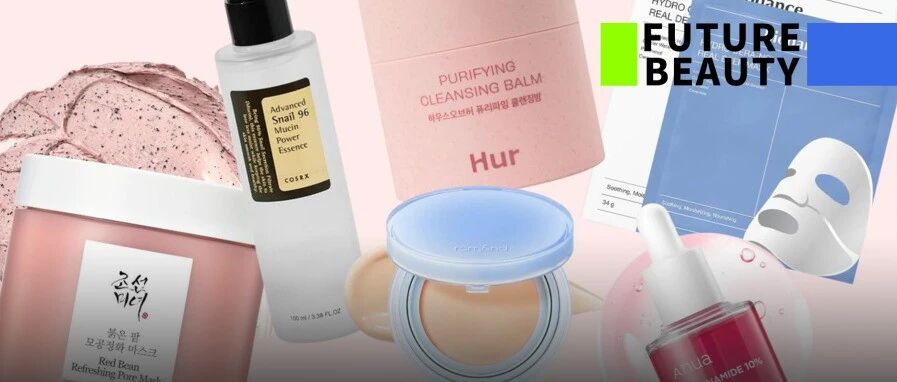
当独立品牌成为主角:第二波K-Beauty的增长逻辑变了
FBeauty未来迹· 2026-01-16 10:10
Core Viewpoint - The second wave of K-Beauty is characterized by the rise of independent brands, which are collectively driving growth in the North American market, moving away from reliance on traditional giants like Amorepacific and LG Household & Health Care [4][5][7]. Group 1: Market Dynamics - The growth engine of Korean beauty has shifted to a "long-tail ecosystem" composed of numerous small and medium-sized brands, leveraging a mature ODM system and affordable quality pricing strategies [4][5]. - By the end of 2025, approximately 75% of Korea's beauty exports will come from small and medium enterprises, highlighting their role as the core engine of growth [7]. - The pricing strategy of K-Beauty independent brands targets a previously overlooked middle market, with key skincare products priced between $25 and $50, significantly lower than traditional luxury brands [13]. Group 2: ODM Evolution - The advanced ODM ecosystem in Korea allows independent brands to compress the product development cycle to 3-6 months, enabling them to quickly capture and validate global trends [15][19]. - ODM companies have evolved from mere manufacturers to comprehensive solution providers, supporting brand innovation and market responsiveness [19]. Group 3: Digital Native Pathways - Unlike the first wave of K-Beauty, which relied heavily on offline channels, the second wave's independent brands adopt a digital-first approach, validating demand through platforms like TikTok and YouTube before scaling on e-commerce sites [20][23]. - This strategy significantly reduces risks and costs associated with international expansion, marking a maturation of their go-to-market model [20]. Group 4: Cultural Influence - The popularity of Korean culture, including K-Pop and K-Dramas, has created a favorable consumer perception of Korean products in the U.S., facilitating market entry for K-Beauty brands [24]. - The cultural groundwork laid by Korean entertainment has established a consumer base that is already receptive to Korean beauty products [24]. Group 5: Challenges in China - Korean beauty is experiencing a decline in its core growth market, China, with exports dropping from approximately 45% in 2022 to about 25% in 2024 [25][26]. - The challenges in the Chinese market stem from a shift in consumer standards, where the previous advantages of Korean beauty—trend design and cultural appeal—are losing effectiveness [28]. - The traditional giants in the Korean beauty industry are facing pressure to adapt, as the market evolves towards higher standards of efficiency and value [29].
国泰海通|美护:GEO营销变革,代运营及品牌商迎机遇——代运营及美妆行业专题报告
国泰海通证券研究· 2026-01-16 09:20
Core Viewpoint - The article emphasizes the transformative potential of Generative AI and GEO (Generative Engine Optimization) in enhancing marketing efficiency, suggesting that e-commerce operators are well-positioned to leverage these changes and meet brand marketing demands, leading to a significant shift in brand marketing strategies over the long term [1]. Group 1: GEO and Marketing Transformation - GEO represents a new era in marketing, focusing on optimizing content for AI to extract key information quickly, which is expected to enhance marketing efficiency and shorten consumer decision-making cycles compared to traditional SEO [1][3]. - The rise of AI-driven recommendations is anticipated to create new marketing scenarios, with GEO likely to replace parts of the traditional SEO market due to its higher efficiency [1][3]. Group 2: Content Requirements for GEO - GEO requires a more specialized approach to content, as AI prefers rational, authoritative, and highly structured information sources, necessitating optimization in content credibility and coverage [2]. Group 3: Beneficiaries of GEO Transformation - Five types of companies are expected to benefit from the GEO transformation: 1. AI platform companies as new traffic entry points 2. SaaS companies providing software services for optimization 3. Marketing companies offering targeted marketing services 4. E-commerce operators assisting brands in maximizing sales 5. Brands that adapt to new traffic distribution methods [3]. - E-commerce operators are particularly well-positioned to respond to changes in channel and traffic dynamics, with leading companies likely to benefit first [3].

下个月的今天就是除夕!买广货、看村晚、逛花市,广东与你相约最长春节假期
Nan Fang Nong Cun Bao· 2026-01-16 06:32
Group 1 - The upcoming Spring Festival will feature the longest holiday period in history, lasting nine days [2] - Guangdong is preparing various activities to celebrate the New Year, including shopping events and cultural performances [5][6] - The "Guangdong Goods Going Global" spring campaign has been launched, promoting local products and encouraging consumer spending [13][14] Group 2 - The spring campaign includes over 6000 enterprises from various sectors such as home appliances, clothing, and food, supported by major commercial platforms [22][23] - A series of promotional events will be organized leading up to the Spring Festival, focusing on Guangdong's advantageous industries [25][27] - Special events for pet products and local specialties will also take place, enhancing the variety of goods available for consumers [30][34] Group 3 - The "Yue Mei Village Evening" cultural events will be held across multiple locations, showcasing traditional performances and local crafts [41][49] - These events aim to engage the community in cultural activities and promote rural revitalization [52][54] - The series will run from January 16 to the end of February, featuring various performances and exhibitions [46][48] Group 4 - Flower markets in Guangzhou and other regions are being prepared, with a focus on traditional New Year flowers and decorations [64][66] - The flower markets will operate from January 23 to February 1, offering a wide range of floral products to meet consumer demands [65][67] - Special arrangements have been made for convenient shopping experiences, including large parking facilities [80][81]
