金属矿业

Search documents
能源金属板块10月15日涨0.84%,盛屯矿业领涨,主力资金净流出10.08亿元
Zheng Xing Xing Ye Ri Bao· 2025-10-15 08:29
Core Viewpoint - The energy metals sector experienced a rise of 0.84% on October 15, with Shengtun Mining leading the gains, while the overall market indices also showed positive performance [1]. Market Performance - The Shanghai Composite Index closed at 3912.21, up 1.22% - The Shenzhen Component Index closed at 13118.75, up 1.73% [1]. Individual Stock Performance - Shengtun Mining (600711) closed at 11.26, up 8.06% with a trading volume of 4.0986 million shares and a transaction value of 4.561 billion - Boguang New Materials (605376) closed at 59.00, up 4.06% with a trading volume of 99,900 shares and a transaction value of 576 million - Shengxin Lithium Energy (002240) closed at 19.51, up 2.41% with a trading volume of 512,900 shares and a transaction value of 1.012 billion - Cangge Mining (000408) closed at 58.48, up 2.36% with a trading volume of 153,700 shares and a transaction value of 892 million - Tengyuan Diamond (301219) closed at 70.10, up 2.07% with a trading volume of 99,000 shares and a transaction value of 688 million [1]. Capital Flow Analysis - The energy metals sector saw a net outflow of 1.008 billion from institutional investors, while retail investors contributed a net inflow of 1.0 billion [2]. - The table of capital flow indicates that Shengtun Mining had a net inflow of 3.10 billion from institutional investors, while retail investors had a net outflow of 1.67 billion [3].






市场情绪降温 沪锡沪镍双双下行【盘中快讯】
Wen Hua Cai Jing· 2025-10-13 06:58
Core Viewpoint - The global risk assets experienced a decline due to escalating trade tensions, with significant drops in nickel and tin prices observed in the market [1] Market Performance - On the night trading session last Friday, both Shanghai tin and nickel saw substantial declines, with tin dropping over 2% and nickel falling by 1.76% [1] Supply and Demand Dynamics - The nickel market continues to face a long-term oversupply situation, although strong nickel ore prices are providing some cost support [1] - Tin ore supply remains tight, with slow recovery in the Wa State tin mines in Myanmar, making it difficult to achieve significant production levels in the short term [1] - Overall consumption demand for tin is currently weak, limiting the fundamental drivers for price movements [1]
资讯早班车-2025-10-13-20251013
Bao Cheng Qi Huo· 2025-10-13 02:25
1. Report Industry Investment Rating No information provided in the content. 2. Core Views of the Report - The recovery of China's logistics industry signals the continuous enhancement of the country's economic endogenous power. The dual - wheel drive of consumer and industrial logistics injects vitality into the economy [4][5]. - The A - share market has adjusted after reaching a new high. Although short - term external uncertainties suppress risk appetite, the core factors driving the market remain unchanged, and the market may continue to fluctuate. Attention should be paid to policy - focused areas, sectors with strong third - quarter report performance, and the technology industry in the medium term [26]. - The convertible bond market has recently recovered, but the market is still over - valued. There may be short - term callback pressure, and investors can buy undervalued equity - biased convertible bonds [23]. 3. Summary by Directory 3.1 Macro Data - GDP in Q2 2025 increased by 5.2% year - on - year, slightly lower than the previous quarter but higher than the same period last year [1]. - In September 2025, the manufacturing PMI was 49.8%, up from the previous month, and the non - manufacturing PMI for business activities was 50.0%, down from the previous month [1]. - In August 2025, social financing scale increment was 25668 billion yuan, M0, M1, and M2 had different year - on - year growth rates, and financial institution RMB loans increased by 5900 billion yuan [1]. - In August 2025, CPI decreased by 0.4% year - on - year, PPI decreased by 2.9% year - on - year, fixed - asset investment (excluding rural households) increased by 0.5% year - on - year, and social consumer goods retail sales increased by 4.6% year - on - year [1]. - In August 2025, export value increased by 4.4% year - on - year, and import value increased by 1.3% year - on - year [1]. 3.2 Commodity Investment 3.2.1 Comprehensive - From the close of trading on October 14, the trading rules of multiple futures contracts on the Shanghai Futures Exchange and Shanghai International Energy Exchange will be adjusted, including changes in the daily price limit and margin ratio [2]. - China has implemented export controls on rare earth items and counter - measures against the US 301 investigation on the shipbuilding industry [3]. - In September 2025, China's logistics industry prosperity index reached a six - month high, indicating strong economic endogenous power [4]. - US Vice - President Vance signaled a willingness to negotiate with China, and some Fed officials hinted at possible interest rate cuts [5]. 3.2.2 Metals - On October 13, spot gold reached a new high of $4060 per ounce and then fell back to $4043 per ounce. Silver prices exceeded $50 per ounce. Some banks issued risk warnings for precious metal investments [6][7]. - According to LME data, on October 9, the inventories of cobalt, zinc, lead, copper decreased, while the inventories of tin, nickel, and aluminum increased [6]. - An American bank strategist predicted that the gold price will reach $6000 by next spring, and Goldman Sachs believes that silver may face greater short - term price fluctuations and downward risks but is likely to rise in the medium term [7]. 3.2.3 Coal, Coke, Steel, and Minerals - Australia plans to reach a mineral resources agreement with the US, considering setting a minimum price for key minerals and providing funds for new rare earth projects [8]. - The China Coking Industry Association released a group standard for coking enterprise energy - efficiency benchmarking [8]. 3.2.4 Energy and Chemicals - International oil prices fell due to factors such as the cease - fire in Gaza, the US government shutdown, and high crude oil inventories [9]. - On October 13, the domestic refined oil price may be lowered for the eighth time this year, reducing residents' travel costs [10]. - China National Petroleum Corporation and Turkmenistan's natural gas company discussed cooperation in the natural gas field [10]. - Iraq set the official selling price of Basra Medium crude oil for Asia in November [10]. - The US government cancelled a large - scale solar project and terminated 223 energy projects [11]. 3.2.5 Agricultural Products - During the National Day and Mid - Autumn Festival holiday, the domestic hog market price continued to decline, with the futures price of the main hog contract down more than 40% from the high in August last year, and the spot price hitting a multi - year low [12]. - APK - Consulting adjusted its forecasts for Ukraine's grain exports and harvests in the 2025/2026 season [12]. 3.3 Financial News 3.3.1 Open Market - On October 11, the central bank conducted 1160 billion yuan of 7 - day reverse repurchase operations, with a net investment of 1160 billion yuan. This week, there will be 10210 billion yuan of reverse repurchase, 1500 billion yuan of treasury cash fixed - deposit, and 8000 billion yuan of 91 - day repurchase expiring [14]. 3.3.2 Key News - China's rare earth export controls are not a ban on exports. China opposes the US tariff threat and will take counter - measures if necessary [15]. - The approval amount of real estate white - list project loans has exceeded 7 trillion yuan, and the second - hand housing market is expanding. The government is studying relevant policies [15][16]. - China has supported overseas institutional investors in conducting bond repurchase business, and some institutions have carried out related transactions [16]. - Some trust companies are required to conduct a review of their bond trading business [16]. - China advocates supporting the multilateral trading system and free trade at the G20 meeting [17]. - The central bank is soliciting opinions on the management method for identifying the beneficial owners of financial institution customers [17]. - China emphasizes the construction of an industrial science and technology innovation system [17]. - Hainan is accelerating the construction of a free trade port and plans to start the full - island customs closure operation on December 18 [18]. - Zhejiang Province plans to build a modern people - centered city by 2030 and fully complete it by 2035 [18]. - Country Garden is restructuring 9 domestic bonds, and 8 of them have passed the restructuring plan [18]. 3.3.3 Bond Market - On the weekend make - up trading day, the domestic bond market strengthened, with bond yields falling, and the central bank's reverse repurchase operations kept the inter - bank funds stable [19]. - On October 11, most money market interest rates declined, and inter - bank repurchase fixed - term rates and silver - silver inter - bank repurchase fixed - term rates also showed different trends [19][20][21]. - On Friday, European and US bond yields generally fell [21]. 3.3.4 Foreign Exchange Market - On Friday, the on - shore RMB against the US dollar rose 14 points, and the RMB central parity rate against the US dollar was raised 54 points. The US dollar index fell, and most non - US currencies rose [22]. 3.3.5 Research Report Highlights - Shenwan Hongyuan believes that the convertible bond market has recovered, but it is still over - valued. There may be short - term callback pressure, and investors can buy undervalued equity - biased convertible bonds [23]. 3.4 Stock Market - A - share indexes adjusted after reaching a new high. The market may continue to fluctuate, and investors should focus on policy - focused and high - performance sectors [26]. - Brokerage firms are optimistic about the fourth - quarter and cross - year market, with a focus on technology and cyclical sectors [26]. - Fund companies are actively deploying for the fourth - quarter market, with a significant increase in the number of newly issued funds, especially equity - based products [26]. 3.5 Today's Reminder - On October 13, 150 bonds will be listed, 154 bonds will be issued, 37 bonds will be paid, and 232 bonds will pay principal and interest [25].
美股遭遇“黑色星期五”,黄金逆势飙升!“湾芯展”下周举行,A股哪些板块有机会?
Mei Ri Jing Ji Xin Wen· 2025-10-11 07:01
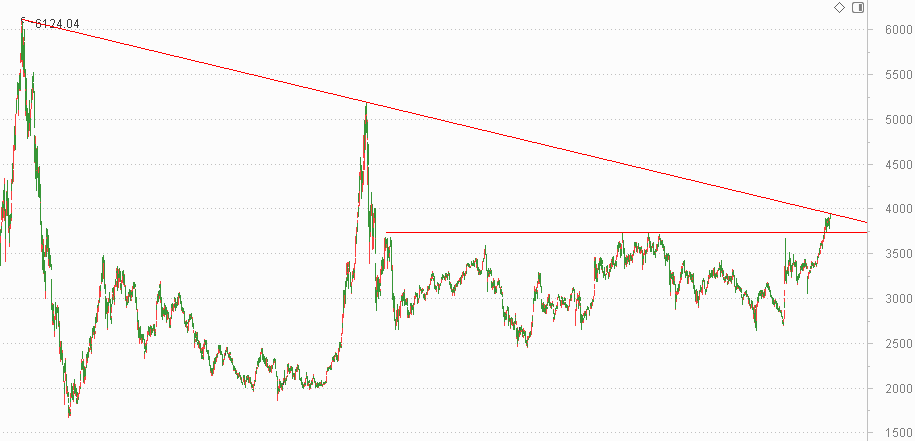
Market Overview - US stock market experienced a significant decline on "Black Friday," with the Dow Jones falling by 878.82 points (1.9%), the Nasdaq dropping by 820.20 points (3.56%), and the S&P 500 decreasing by 182.60 points (2.71%), marking the largest single-day drop since April [1] - The VIX fear index surged by 24.57%, while crude oil futures plummeted, and the FTSE A50 index fell by 4.26%. In contrast, spot gold rose by 1.05%, closing at $4017 per ounce [1] A-Share Market Insights - The Shanghai Composite Index faced a pullback influenced by the critical resistance level of 3950 points, with high-position stocks like humanoid robots and solid-state batteries experiencing declines, while lower-position brokerage stocks saw a rebound [3] - Experts participating in the "掘金大赛" (Gold Digging Competition) anticipate a lower opening for A-shares on Monday due to the US market's downturn, but view the decline as a potential buying opportunity, with key support at 3750 points [3] Sector Opportunities - Participants in the competition are optimistic about sectors such as gold, export-controlled metals, high-tech import substitution, brokerages, and photolithography machines [5] - The photolithography machine concept stock rose against the trend, with reports indicating that Shenzhen-based Xinkailai Technology will unveil unexpected surprises at the upcoming Bay Area Semiconductor Industry Ecological Expo [5] - Recent commentary from the "火线快评" (Rapid Commentary) product highlighted opportunities in the silver sector, with stocks like Shengda Resources and Hunan Silver showing strong performance over the past month [5]
纳指、标普500指数创4月初来最大单日跌幅 比特币一度跌超13%
Zhi Tong Cai Jing· 2025-10-10 23:36
Market Overview - Major U.S. indices experienced significant declines, with the Dow Jones falling by 878.82 points (1.90%) to 45479.60, the Nasdaq dropping 820.20 points (3.56%) to 22204.43, and the S&P 500 decreasing by 182.59 points (2.71%) to 6552.52, marking the largest single-day drop since April 10 [1] - European markets also faced losses, with Germany's DAX30 down 427.04 points (1.73%) to 24225.10, the UK FTSE 100 down 82.55 points (0.87%) to 9426.85, and France's CAC40 down 123.36 points (1.53%) to 7918.00 [2] Cryptocurrency Market - The cryptocurrency market saw a sharp decline, with Bitcoin dropping 13.5% to a low of $105,930 and Ethereum falling over 17% to a low of $3,344. Over $7.4 billion in crypto assets were liquidated in the past 24 hours, primarily during a four-hour window on Friday afternoon [3] Commodities - Gold prices rose above $4,000, increasing by 0.91%, while silver rose by 1.86% to $50.172. The CEO of Wheaton Precious Metals Corp expressed confidence that gold prices could exceed $5,000 next year, potentially reaching $10,000 by the end of 2030 due to geopolitical risks and supply shortages [4] - In the metals market, LME copper fell by $350 to $10,518 per ton, while LME aluminum decreased by $50 to $2,748 per ton. Goldman Sachs projected that copper prices would remain between $10,000 and $11,000 per ton in 2026/2027 [5] Economic Indicators - The U.S. consumer confidence index remained stable at 55 points in October, with concerns over high prices and weak job prospects persisting among consumers. Inflation expectations for the next year slightly decreased from 4.7% to 4.6%, while long-term expectations remained stable at 3.7% [10] Company News - Morgan Stanley announced the removal of restrictions on wealth clients holding crypto funds, allowing all clients to invest in cryptocurrencies across various account types starting October 15. This move reflects the firm's commitment to expanding access to crypto investments [11]


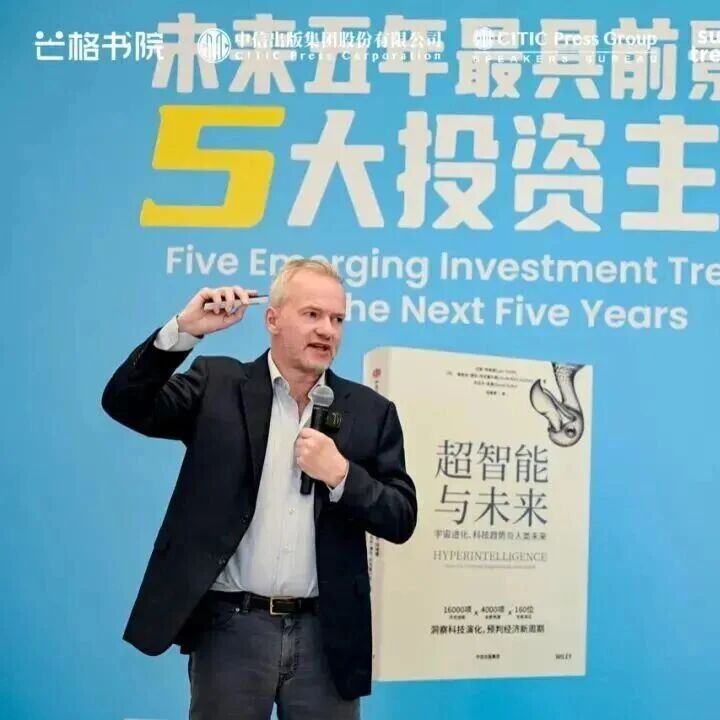
拉斯·特维德:未来5年最具前景的5大投资主题
首席商业评论· 2025-10-10 04:34
Group 1 - The core investment themes for the next five years include technology, metals and mining, passion investments, ASEAN and Chinese markets, and biotechnology [9][30][40] - The technology sector is expected to continue its growth, but current valuations are high [9] - The metals and mining sector may experience explosive growth due to potential metal shortages, particularly in uranium, silver, and platinum [30] - Passion investments, which are assets that cannot be expanded in supply, are likely to see increased demand during periods of innovation and wealth growth [33] - The ASEAN and Chinese markets are poised for prosperity, with significant potential for investment opportunities [36][38] Group 2 - The majority of future profits are anticipated to come from generative AI, which is expected to create strong business barriers compared to large language models [19][20] - The effective compute power for AI has increased dramatically, with a 100,000-fold growth from 2019 to 2023, and this trend is expected to continue [13] - The rise of reasoning AI and physical AI is predicted, with significant implications for labor markets and productivity [22][24][29] Group 3 - The biotechnology sector is currently undervalued, with a price-to-earnings ratio of around 10-11 times, and is expected to benefit from AI advancements in research and development [40][42] - New products in biotechnology are anticipated, including cancer vaccines and personalized medical services, which could drive future growth [42] Group 4 - The Asian markets, particularly China, show a strong correlation between innovation and economic growth, with China leading in many key technology areas [36] - Current valuations in the Chinese stock market are below historical averages, indicating potential for significant upward movement [38] - The influx of capital from bank deposits into the stock market is expected to drive a strong rebound in Chinese equities [37]
特朗普政府入股关键金属公司!有色龙头ETF(159876)下挫...
Xin Lang Cai Jing· 2025-10-10 03:31
Core Viewpoint - The performance of the non-ferrous metals sector remains mixed, with significant movements in stock prices and ongoing policy changes affecting supply dynamics in the industry [1][2]. Group 1: Market Performance - The non-ferrous metals ETF showed weak performance, with a decline of 3.1% and a trading volume of 1.21 billion yuan, while the fund's latest scale is 4.83 billion yuan [1]. - Silver stocks performed exceptionally well, with a notable increase, while companies like Western Gold, Huaxi Nonferrous, and Huayou Cobalt experienced declines of 8.27%, 6.98%, and 6.66% respectively [1]. Group 2: Policy and Supply Dynamics - The Trump administration is discussing investments in critical metals companies, particularly concerning Greenland's largest rare earth project [1]. - The Ministry of Commerce has implemented export controls on rare earth-related technologies, tightening supply policies and maintaining strong price trends in the rare earth sector [2]. - Western Securities predicts that the supply of secondary resource recycling will reach 27% by 2025, indicating a fully controlled supply side with limited potential for sudden increases [1]. Group 3: Industry Outlook - The non-ferrous metals industry maintains a high level of prosperity, with supply constraints from major copper producers due to safety incidents in Indonesia, contributing to rising prices for copper and aluminum [2]. - The top ten weighted stocks in the non-ferrous metals index include major players such as Zijin Mining, Northern Rare Earth, and Luoyang Molybdenum [2].





资讯早班车-2025-10-09-20251009
Bao Cheng Qi Huo· 2025-10-09 02:13
1. Report Industry Investment Rating No relevant content provided. 2. Core Viewpoints of the Report - A - shares are expected to maintain an upward - trending oscillation in the context of stable economic fundamentals, continuous inflow of incremental funds, global liquidity easing, and improved Sino - US relations [28][29]. - During the "Double Festival" in China, the international gold futures price reached a new historical high. Although there is a callback risk in the short term, gold will still perform well in the long - term due to the expected decline in the credibility and purchasing power of the US dollar [21][22]. - To achieve the goal of doubling the economic aggregate or per capita income compared to 2020 by 2035, China's economy needs to maintain a moderate average annual growth rate of about 4% - 4.5% during the "14th Five - Year Plan" period. Policies in various fields will focus on technological innovation and industrial upgrading [29]. 3. Summary by Directory 3.1 Macro Data Overview - In Q2 2025, GDP at constant prices grew by 5.2% year - on - year, slightly lower than the previous quarter's 5.4% but higher than the same period last year (4.7%) [1]. - In September 2025, the manufacturing PMI was 49.8%, up 0.4 percentage points from the previous month; the non - manufacturing business activity index was 50.0%, down 0.3 percentage points [1][16]. - In August 2025, social financing increment was 2566.8 billion yuan, M0 increased by 11.7% year - on - year, M1 by 6.0%, and M2 by 8.8% [1]. 3.2 Commodity Investment Reference 3.2.1 Comprehensive - Mexico launched 4 anti - dumping investigations on Chinese products such as float glass and PVC coated fabrics, and China initiated a trade and investment barrier investigation [2]. - On October 9, the A - share market started the fourth - quarter trading. Overseas stock markets generally strengthened during the holiday, and the international gold price exceeded $4000 per ounce, while domestic consumption during the Golden Week showed resilience, which may support the A - share market [2]. - The Fed showed a willingness to cut interest rates further in 2025, but many officials were cautious due to inflation concerns. The WTO raised the 2025 global goods trade growth forecast to 2.4% and lowered the 2026 forecast to 0.5% [3]. 3.2.2 Metals - During the "National Day" holiday, the global commodity market was dominated by the metal sector. The international gold price exceeded $4000 per ounce, and domestic gold jewelry prices reached new highs. The price of copper may rise due to supply shortages [5]. - The central bank's gold reserve increased for 11 consecutive months. The LME inventory of some metals changed, and the copper market is expected to shift from a surplus in 2025 to a shortage in 2026 [6][7]. 3.2.3 Coal, Coke, Steel, and Minerals - The State Council's Work Safety Committee deployed the investigation, sealing, and rectification of abandoned mines and the crackdown on illegal mining [8]. - The Xinjiang Jinghe County coal reserve project was completed and put into use, with a total construction area of 131,647.92 square meters and a new 250,000 - ton coal storage bunker [8]. - Brazil and China plan to jointly establish a $1 - billion investment fund focusing on energy transition, infrastructure, and other fields [8][9]. 3.2.4 Energy and Chemicals - On October 8, the US crude oil futures rose due to a decline in US refined oil inventories and a rise in the stock market. Azerbaijan's BTC crude oil exports in November are expected to decrease [10]. - Russia is committed to fulfilling the OPEC+ agreement, gradually increasing oil production, and its refineries have increased fuel production [10]. 3.2.5 Agricultural Products - Brazil is expected to export 1.92 million tons of soybean meal and 7.12 million tons of soybeans in October 2025 [12]. - China proposed to strengthen regional agricultural cooperation at the ASEAN - China - Japan - South Korea Agriculture and Forestry Ministers' Meeting [13]. - Ukraine approved a tax - free export mechanism for rapeseed and soybeans [13]. 3.3 Financial News Compilation 3.3.1 Open Market - On October 9, the central bank conducted 1.1 trillion yuan of 3 - month (91 - day) outright reverse repurchase operations, with an incremental roll - over of 300 billion yuan [14]. - On September 30, the central bank conducted 242.2 billion yuan of 7 - day reverse repurchase operations, with a net withdrawal of 33.9 billion yuan [14]. - This week, 2.6633 trillion yuan of reverse repurchases will mature, with 2.0633 trillion yuan maturing on October 9 [14]. 3.3.2 Important News and Information - China and the US should expand cooperation and resolve issues through equal negotiation [15]. - As of the end of June 2025, China's total external debt was 1.74437 trillion yuan, and the debt risk was generally controllable [15][16]. - In September 2025, China's manufacturing PMI was 49.8%, and the non - manufacturing business activity index was 50.0% [16]. 3.3.3 Bond Market Summary - On September 30, the bond market and futures market recovered, with yields of major interest - rate bonds in the inter - bank market generally declining [23]. - On October 8, European and US bond yields generally fell [25][26]. 3.3.4 Foreign Exchange Market Express - On September 30, the on - shore RMB against the US dollar closed at 7.1186, up 18 points from the previous trading day [27]. - On October 8, the US dollar index rose 0.27%, and most non - US currencies fell [27]. 3.3.5 Research Report Highlights - CITIC Construction Investment believes that precious metals and copper prices have risen, and A - shares are expected to rise in the future [28][29]. - Yangtze River Fixed Income analyzed the situation of the money market last week [29]. - CITIC Securities estimated China's economic growth rate during the "14th Five - Year Plan" period [29]. 3.4 Stock Market Important News - On Wednesday, the Hang Seng Index fell 0.48%, and the Hang Seng Technology Index fell 0.55%. Gold and nuclear power stocks rose, while AI and consumer stocks were weak [32]. - During the "Double Festival", overseas stock markets and Chinese concept stocks performed well, and foreign capital flowed into the Chinese stock market in September [32]. - On October 9, 23 funds were launched, and about 70 new funds are scheduled to be issued in October, mainly including active equity funds, index funds, and convertible bond funds [33].
金、银、铜、钴,动态扫描及观点更新
2025-10-09 02:00
Summary of Key Points from Conference Call Records Industry Overview - The conference call discusses the dynamics of precious metals (gold, silver) and industrial metals (copper, cobalt) in the context of recent market changes and geopolitical factors [1][3][4]. Core Insights and Arguments - **Monetary Policy Impact**: The new Japanese Prime Minister's loose monetary policy contrasts with market expectations, alleviating the strength of the dollar and stimulating precious metal trading. This has led to increased expectations of currency devaluation globally, positively impacting commodity prices [1][4]. - **Copper Price Drivers**: Changes in the Central African copper mining assets and the Lobiito Corridor plan enhance companies like Glencore's pricing power. The reduction in output from Grasberg exacerbates supply tightness, driving copper prices upward [1][5]. - **Future Demand for Copper**: By 2030, investments in the power grid in China and the U.S. are expected to significantly boost industrial metal demand. Even without considering monetary easing, the trends of supply tightening and demand expansion indicate a bullish outlook for copper prices [1][6]. - **Valuation of Domestic Mining Companies**: Domestic mining companies are maturing in their valuation systems and are currently undervalued compared to international peers. They exhibit leading advantages in capital expenditure, resource capture, and cost reduction, positioning them favorably for future growth [1][7][8]. - **Precious Metals Performance**: From October 1 to 8, 2023, London spot gold and silver prices rose by 4.62% and 4.84%, respectively, driven by factors such as the U.S. government shutdown and Japan's monetary policy [1][9]. Additional Important Insights - **Cobalt Market Dynamics**: The cobalt price in China has surged to over 340,000 yuan per ton due to quota policies from the Democratic Republic of Congo, which are insufficient to meet global supply and demand, leading to a bullish sentiment in the market [2][14]. - **Impact of U.S. Tech Stocks on Gold**: Poor performance of U.S. tech stocks may increase the allocation of gold in personal asset portfolios. Notably, Oracle's cloud business gross margin fell short of expectations, raising concerns about the sustainability of AI profitability [10]. - **Central Bank Gold Purchases**: Continuous gold purchases by central banks, particularly by China, support gold prices. As of September, China's reserves reached 2,303.5 tons, although monthly purchases have shown a slight decline [15]. - **Stock Recommendations**: The call recommends several stocks in the precious metals and cobalt sectors, including Shandong Gold, Zijin Mining, and Luoyang Molybdenum, which are expected to benefit from current market conditions [16]. This summary encapsulates the key points discussed in the conference call, highlighting the interplay between monetary policy, market dynamics, and investment opportunities in the precious and industrial metals sectors.

假期外盘金属表现优异 分析人士:有色板块或迎来一波补涨行情
Qi Huo Ri Bao· 2025-10-09 00:47
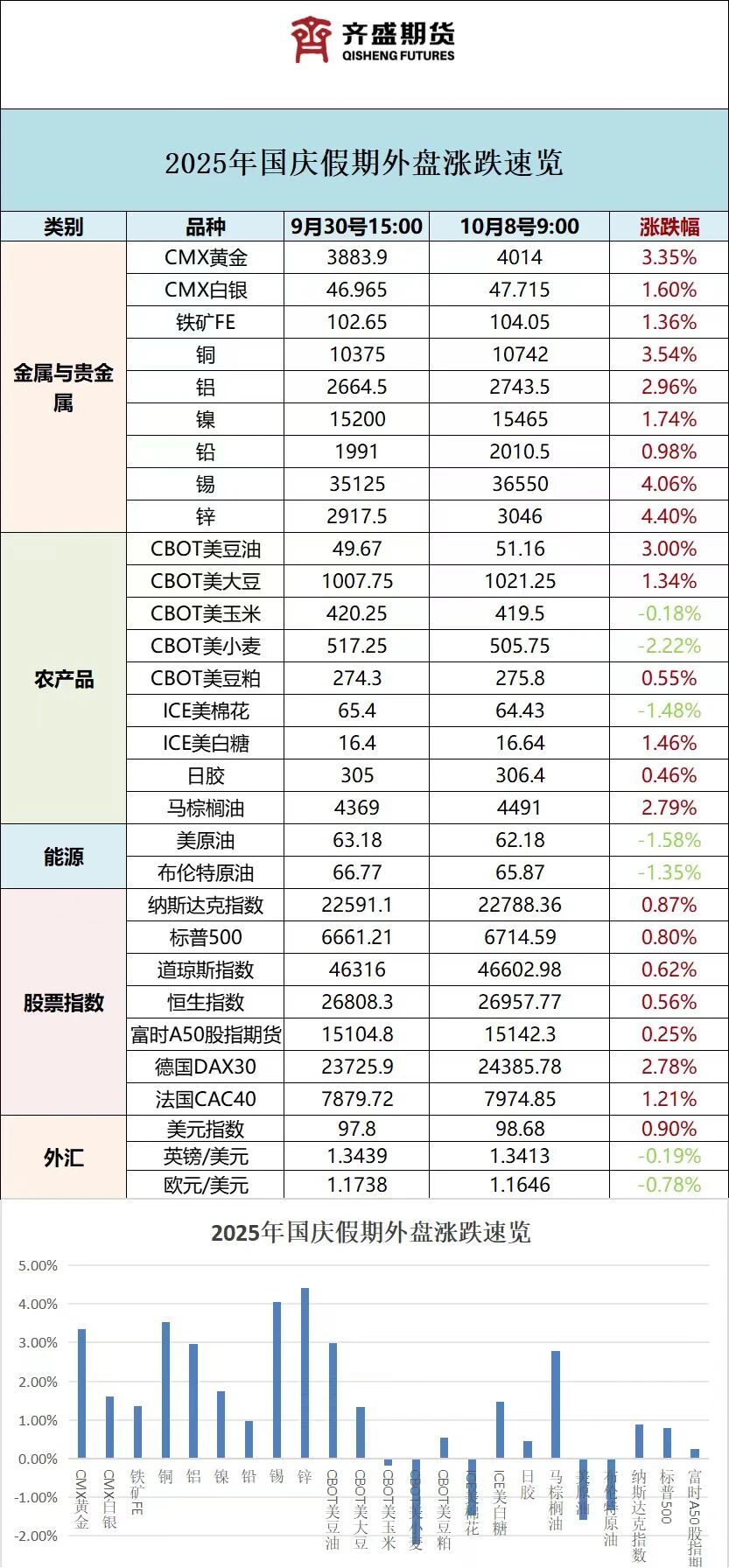
Core Viewpoint - The non-ferrous metal sector has shown strong performance during the National Day and Mid-Autumn Festival holiday, driven by macroeconomic expectations and supply disruptions, with significant price increases observed in various metals [1][5][9]. Price Movements - During the holiday period, LME copper rose by 3.54%, tin by 4.06%, nickel by 1.74%, aluminum by 2.96%, and zinc by 0.98% [1][3]. - Specific price changes as of October 8 include: - CMX gold: 4014 (up 3.35%) - CMX silver: 47.715 (up 1.60%) - Copper: 10742 (up 3.54%) - Aluminum: 2743.5 (up 2.96%) - Tin: 36520 (up 4.06%) [3]. Supply Disruptions - Significant supply disruptions have been reported, including a 9.9% year-on-year decrease in Chile's copper production in August, marking the largest drop in over two years [5][6]. - The Grasberg mine in Indonesia has ceased operations, exacerbating the global copper supply shortage [6][9]. - Other supply issues include the closure of illegal tin mines in Indonesia and a withdrawal of annual zinc production guidance by 29Metals due to seismic events [5][7]. Demand Dynamics - Overall demand for non-ferrous metals remains weak, with a "peak season not booming" characteristic observed [8]. - Although China's manufacturing PMI showed some recovery in September, the improvement in production outpaced demand, particularly affecting copper and tin prices [8]. Market Outlook - The domestic non-ferrous metal market is expected to experience a rebound post-holiday, with potential for significant price increases in copper, aluminum, and tin [9]. - The overall market sentiment is optimistic, with expectations for continued price increases in non-ferrous metals, although the pace may vary across different metals [9][10].