晶圆代工

Search documents
被逼转型的晶圆代工巨头
半导体行业观察· 2025-07-03 01:13
Core Viewpoint - The shift of mature foundries like UMC and GlobalFoundries towards advanced processes is driven by market pressures, including fierce competition from Chinese foundries and a significant decline in the profitability of mature processes [2][10]. Group 1: Strategic Shifts of Mature Foundries - UMC is evaluating the feasibility of developing a 6nm process to support high-complexity applications, marking a significant strategic shift for a company that previously focused on mature processes [4]. - GlobalFoundries, which had previously abandoned advanced process development, is also showing renewed interest in advanced nodes due to changing customer demands [4][10]. - UMC and GlobalFoundries are exploring potential collaboration, which could lead to the formation of a new foundry giant that poses a structural threat to TSMC in the mature process segment [5][6]. Group 2: Market Dynamics and Competitive Pressures - The rapid rise of domestic foundries in China, particularly SMIC, is reshaping the competitive landscape, with SMIC projected to surpass UMC in market capitalization by 2024 [8]. - The utilization rate of global mature process capacity has dropped from over 90% in 2022 to below 70% in 2024, leading to increased pricing pressures and reduced profit margins for mature foundries [9]. - UMC has reduced its capital expenditure budget to $1.8 billion for 2024, while SMIC continues to invest over $7 billion to expand its capacity [9]. Group 3: Challenges in Re-entering Advanced Processes - The estimated initial investment for a 6nm process is around $5 billion, which poses a significant financial challenge for companies transitioning from mature to advanced processes [11]. - The reliance on EUV technology for advanced nodes creates additional barriers, as the equipment is expensive and has limited availability, complicating the transition for companies like UMC and GlobalFoundries [11][12]. - The need to rebuild technical capabilities and attract talent in advanced processes presents a daunting challenge, as many skilled professionals have moved to leading players like TSMC and Samsung [13]. Group 4: Alternative Strategies from Other Foundries - Other foundries, such as VIS and PSMC, are focusing on niche markets and specialized processes, such as SiC and GaN, to differentiate themselves from competitors [15][16]. - Tower Semiconductor and X-FAB are also pursuing unique technological paths, emphasizing non-standard markets and regional manufacturing to avoid direct competition with Chinese foundries [17][18]. Group 5: The Landscape of Leading Foundries - Intel is facing challenges with its 18A process, considering significant strategic adjustments to attract key customers, while also dealing with delays in production timelines [20][21]. - Samsung has postponed its 1.4nm process launch to 2029, opting instead to enhance the efficiency of its existing processes to maintain profitability [25][26]. - TSMC continues to dominate the foundry market, with its market share increasing from 29.4% in Q1 2024 to 35.3% in Q1 2025, driven by strong demand for AI and HPC chips [28].


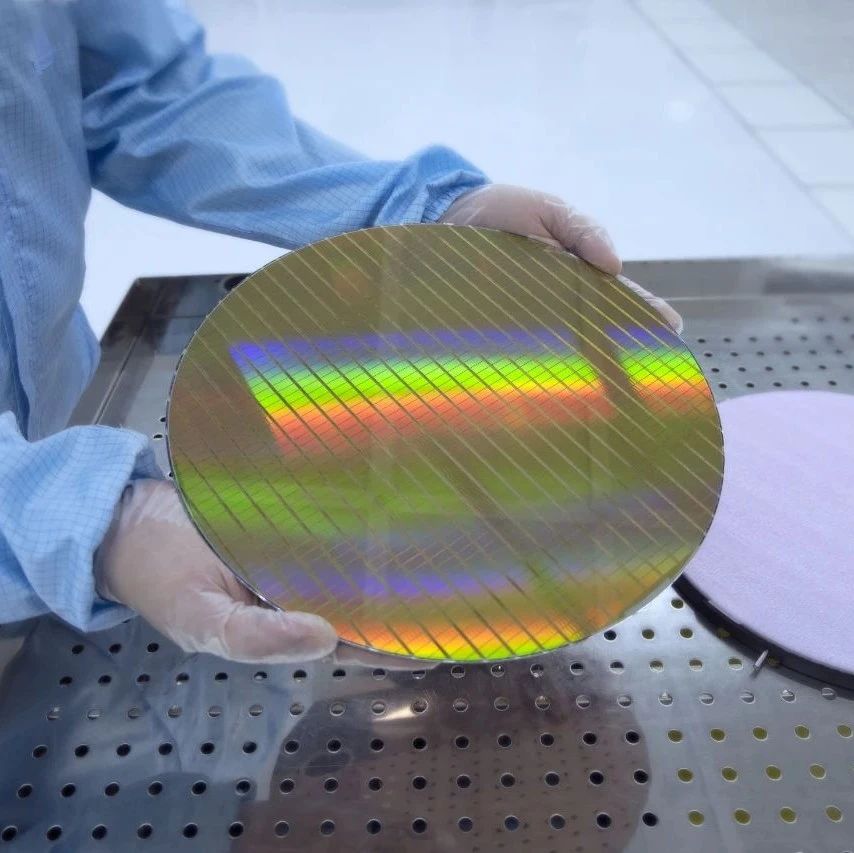
2nm大厂,伸手要钱
半导体芯闻· 2025-07-02 10:21
Core Insights - Rapidus aims to mass-produce 2nm chips by 2027 and is seeking funding from semiconductor-related companies, including Fujifilm, to support this initiative [1][2] - The company has initiated trial production lines for 2nm chips and plans to report on the trial results to partners on July 18 [1][2] - Rapidus was established in August 2022 with investments from eight Japanese companies, and additional funding efforts are underway to secure a total of 1 trillion yen [2] Funding and Investment - Rapidus is targeting to raise 1 trillion yen, with existing shareholders and potential investors like Honda expressing interest in contributing [2] - The estimated funding requirement for achieving the 2nm chip production goal is approximately 5 trillion yen, with the Japanese government committing around 1.72 trillion yen, leaving a funding gap of over 3 trillion yen [2] Market Context - In the advanced wafer foundry sector, TSMC dominates the market, particularly in securing AI chip orders from Nvidia [3] - There is an increasing demand from U.S. clients for alternative suppliers due to the U.S.-China decoupling, highlighting the strategic importance of Rapidus in the semiconductor supply chain [3]
晶圆大厂发9000万奖金
半导体芯闻· 2025-06-30 10:07
Core Insights - The company World Advanced has reported growth in revenue and profit for the first half of the year despite challenges posed by the Trump 2.0 policies, and plans to distribute bonuses to employees ranging from NT$10,000 to NT$35,000, totaling approximately NT$90 million [1][2] Group 1: Employee Initiatives - The company is implementing a "Family Care Enhancement Plan" which includes extending maternity leave to 14 weeks, increasing childbirth subsidies to NT$10,000 per child, and introducing paid childcare leave for employees with children under three years old [1][2] - The recent family day event attracted over 1,500 employees and their families, emphasizing the company's commitment to a supportive work-life balance [2] Group 2: Financial Performance - The company has seen healthy growth in USD revenue due to customers preparing for tariff uncertainties, with expectations for moderate growth in the second half of the year [2] - The appreciation of the New Taiwan Dollar (approximately 12% this year) has been a significant factor, but effective hedging strategies have minimized the impact on the company's financials [2] Group 3: Expansion Plans - Construction of the new factory in Singapore is progressing well, with expectations to begin operations in Q4 2023 and start customer sampling in H2 2026 [3] - The potential bankruptcy of Wolfspeed could positively impact World Advanced if customers seek alternative sources, although revenue contributions from silicon carbide (SiC) and gallium nitride (GaN) remain limited [3]
华虹半导体(01347):连续三个季度业绩改善,低估迎来投资机遇
智通财经网· 2025-06-26 03:06
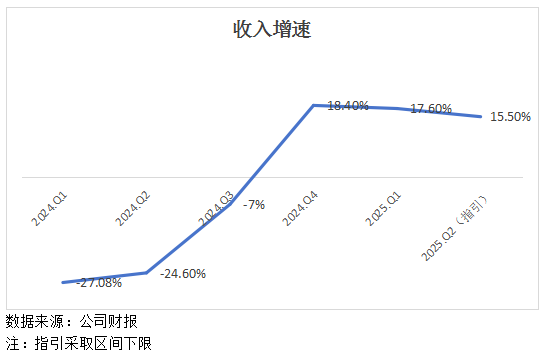
Core Viewpoint - After a 16-week period of adjustment, Huahong Semiconductor (01347) has seen a strong rebound in its stock price, reversing the downward trend in the wafer foundry sector [1] Industry Overview - The wafer foundry sector has performed well this year, with major players Huahong Semiconductor and SMIC both experiencing significant increases, with Huahong's stock rising over 60% [1] - The valuation increase in the sector is attributed to strong performance, with Huahong reporting Q1 2025 revenue of $541 million, a year-on-year increase of 17.6% [1][2] - SMIC's revenue for the same period was $2.247 billion, up 28.4% year-on-year, with a net profit of $188 million, reflecting a staggering 162% increase [1][2] Company Performance - Huahong Semiconductor has achieved double-digit revenue growth for two consecutive quarters, with Q2 guidance indicating a growth rate of 15-20% [1] - The company has a total wafer capacity of 413,000 pieces, with an 8-inch wafer revenue of $231 million and a 12-inch wafer revenue of $310 million, the latter showing a significant year-on-year growth of 40.9% [2][4] - The company has maintained a high capacity utilization rate of 102.7% for 8-inch equivalent wafers, exceeding 100% for three consecutive quarters [4] Financial Metrics - Huahong's gross margin for Q1 2025 was 9.24%, while SMIC's was significantly higher at 22.52%, indicating a substantial gap in profitability [5] - Despite lower profitability, Huahong's strong cash flow performance is notable, with a net cash inflow of $50 million in Q1, contrasting with SMIC's net cash outflow of $160 million [6] - As of March 2025, Huahong had cash equivalents of $4.08 billion, while SMIC had $4.587 billion [6] Valuation and Market Sentiment - The market has assigned a price-to-book (PB) ratio of 2.19 to SMIC, while Huahong's PB ratio is only 1.25, indicating a 75% discount in valuation [7] - Analysts have mixed views on Huahong, with some downgrading its rating due to weak return on equity projections, while others have raised target prices based on expected product price improvements [9] - Overall, the wafer foundry sector is entering a new phase of upward trends, with Huahong's low valuation and improving quarterly performance presenting significant investment opportunities [9]
海通证券晨报-20250626
Haitong Securities· 2025-06-26 02:50
Group 1: Solid-State Battery Industry - Favorable policies for solid-state batteries are emerging, indicating a broad application prospect as pilot lines are established, and leading companies' investments are expected to attract more entrants, leading to continuous product technology iterations [1][3] - The Chinese government plans to invest approximately 6 billion yuan in solid-state battery research and aims to achieve small-scale vehicle demonstrations by 2027, with a focus on safety standards and policy guidance for the industry [3] - The solid-state battery market is projected to reach a shipment volume of 614.1 GWh and a market size exceeding 250 billion yuan by 2030, driven by its high energy density and safety features suitable for various applications [4] Group 2: Hong Kong Stock Market Dynamics - The correlation between the Hong Kong stock market and the A-share market has significantly increased since 2020, contrasting with the historical stronger correlation with the US stock market [2][6] - The decline in foreign capital's share in the Hong Kong market and the increase in domestic capital inflow have contributed to this enhanced correlation, reflecting a shift in the investment environment [7][8] - Over 90% of the net profits in the Hong Kong market are contributed by Chinese companies, indicating a strong link between the fundamentals of the Hong Kong market and the mainland economy [8] Group 3: Semiconductor Industry - The establishment of a growth layer in the Sci-Tech Innovation Board is beneficial for high-quality semiconductor companies to stand out in the capital market, aligning with the trends of AI and self-sufficiency [9][12] - Domestic advanced process technology is continuously iterating, and AI computing chips are expected to gradually shift towards domestic foundries, creating significant opportunities for companies like SMIC and Hua Hong Semiconductor [12][12] - The ongoing sanctions against Chinese technology firms are accelerating the domestic production process, with the proportion of AI server chips sourced from abroad expected to decrease from 63% to 42% by 2025 [12]
机构:一季度全球“晶圆代工2.0”收入同比增长12.5%至723亿美元
Zheng Quan Shi Bao Wang· 2025-06-25 11:41
Core Insights - The global semiconductor foundry 2.0 market is projected to grow by 12.5% year-on-year to reach $72.29 billion in Q1 2025, driven by surging demand for AI and high-performance computing chips [1] - The definition of foundry 2.0, introduced by TSMC, encompasses not only traditional wafer manufacturing but also packaging, testing, and photomask production, expanding the market size to nearly $250 billion in 2023 from $115 billion under the old definition [1] Company Performance - TSMC holds a dominant market share of 35.3%, with a year-on-year growth of approximately 30%, attributed to its strong position in advanced processes and substantial AI chip orders [2] - Intel ranks second with a 6.5% market share, while ASE and Samsung follow with 6.2% and 5.9% shares, respectively [2] - The traditional foundry market revenue increased by 26%, while the non-memory IDM market saw a 3% decline due to weak demand in automotive and industrial applications [2] Industry Trends - AI is identified as the core driver of growth in the semiconductor industry, reshaping the priorities within the foundry supply chain and reinforcing TSMC's and advanced packaging suppliers' critical roles [3] - The foundry industry is transitioning from a traditional linear manufacturing model to a highly integrated value chain system, with expectations of new waves of semiconductor technology innovation driven by AI applications and Chiplet integration [3] - The broader foundry 2.0 market is anticipated to reach $298 billion by 2025, marking an 11% growth from 2024, with a compound annual growth rate (CAGR) of 10% projected from 2024 to 2029 [3]
传中微5nm刻蚀设备获台积电正式订单
是说芯语· 2025-06-24 07:36
Core Viewpoint - TSMC has placed an order for 10 units of 5nm plasma etching machines from Zhongwei Semiconductor Equipment, marking a significant achievement for Zhongwei in the semiconductor equipment sector [1][2]. Group 1: TSMC's Operations - TSMC's Nanjing factory, established in 2016 with an investment of approximately $3 billion, is a key part of TSMC's strategy in mainland China [3]. - The Nanjing facility achieved remarkable construction efficiency, completing the factory in 14 months and producing its first wafer within 6 months [3]. - The factory primarily focuses on 12nm and 16nm process technologies and has significantly enhanced local wafer foundry capabilities [3]. Group 2: Zhongwei Semiconductor Equipment - Zhongwei Semiconductor has successfully developed a 5nm etching machine that meets TSMC's stringent requirements, showcasing its technological maturity and reliability [1][2]. - The company has a strong track record in etching equipment, having progressed from 65nm to 5nm technology through continuous innovation and R&D investment [2]. - Zhongwei's etching equipment features advanced technology, including adjustable process stability, dual low-frequency RF sources, and a proprietary anti-corrosion reaction chamber [2]. Group 3: Market Position and Financials - Zhongwei Semiconductor is a leading player in the domestic semiconductor equipment market, with over 95% coverage of domestic etching needs and a projected revenue of approximately 7.277 billion yuan in 2024 [5]. - The company has experienced an average annual growth rate of over 50% in etching equipment revenue over the past four years [5]. - Zhongwei is also expanding into new areas, including GaN-based LED lighting and SiC power devices, while actively investing in over 30 upstream and downstream enterprises [6].

智通港股解盘 | 出利空反而上涨的逻辑 香港写字楼出现复苏信号
Zhi Tong Cai Jing· 2025-06-23 12:42
【解剖大盘】 稳定币的热度较高,仅近半个月,券商举办的以稳定币为主题的电话会议就超过30场,覆盖了政策解 读、产业链分析和投资策略等多个维度。当前,稳定币发行人牌照门槛较高,初期仅批出少量牌照,众 安在线(06060)涨超7.4%、移卡(09923)涨超4%。 跨境通理财2.0市场反应良好,对银行、证券、保险均带来利好,尤其是保险类,如中国太平(00966)、 新华保险(01336)、中国财险(02328)均涨幅超2%。证券催化就是承销这块业务,显示,深圳承泰科技股 份有限公司向港交所提交上市申请书,独家保荐人为国泰君安国际(01788)。今天涨超5%。 确实谁也无法预料特朗普的"真实想法",上周五还说要等两周,没想到周末美国就动手了。更诡异的是 以色列的股市居然创新高了,沙特的股市也上涨了。港股自然也没那么慌,今天低开走高收盘涨 0.67%。 据央视新闻23日报道,当地时间6月22日凌晨,美军战机轰炸了伊朗三处核设施:伊斯法罕、纳坦兹和 福尔多。特朗普称,伊朗关键的铀浓缩核设施已被彻底摧毁。 综合央视新闻等媒体报道,伊朗议会国家安全委员会委员库萨里最新表示,伊朗议会已得出结论,认为 应关闭霍尔木兹海峡,但最 ...
联电要在台湾扩产?
半导体行业观察· 2025-06-21 03:05
Core Viewpoint - The article discusses UMC's potential acquisition of a factory from Han Yu Crystal in Tainan Science Park, emphasizing the company's strategic focus on expanding advanced packaging capabilities in Taiwan and Singapore [1][3]. Group 1: Company Strategy - UMC is exploring opportunities for operational and profit enhancement, including factory acquisitions, technology collaborations, and new investments, with Taiwan remaining a key expansion option [3][5]. - The company plans to integrate wafer fabrication with advanced packaging solutions, moving beyond traditional foundry services to high-value areas [4][5]. Group 2: Technological Development - UMC has established 2.5D advanced packaging capabilities in Singapore and is leveraging wafer-to-wafer bonding technology, which is crucial for 3D IC manufacturing [4][5]. - The company is currently focused on 12nm process technology in collaboration with Intel, while also looking to diversify into compound semiconductors and specialized materials [4][5]. Group 3: Production Capacity - UMC's interposer production currently stands at approximately 6,000 units per month, with no immediate plans for capacity expansion [5]. - Future efforts will concentrate on developing integrated technologies with higher added value, providing comprehensive system-level solutions for clients [5].
另类视角看中芯:港 A 价差背后,信仰鸿沟多大?
海豚投研· 2025-06-20 11:46
Core Viewpoint - The article discusses the valuation discrepancies between SMIC's A-shares and H-shares, highlighting the contrasting perspectives of domestic and foreign investors regarding the company's potential and investment returns [1][39]. Group 1: Investment Characteristics - SMIC is viewed as a critical asset in China's semiconductor industry, with significant production capacity and a leading position in mature process technology [5][40]. - The company has experienced substantial revenue growth, with a projected revenue of $8 billion in 2024, reflecting a compound annual growth rate of 16% over six years [9]. - However, capital expenditures have also surged, reaching $7.3 billion in 2024, indicating that over 90% of revenue is reinvested into capital [10][19]. Group 2: Financing and Cash Flow - SMIC's financing sources include equity financing, debt financing, and non-controlling shareholder investments, with each contributing approximately equally over the past six years [21]. - The company raised $7.5 billion through its IPO in 2020 and has accumulated $9.4 billion in net borrowings over seven years [23][24]. - Recent trends show a decline in state-owned capital injections, with only $280 million received in 2024, significantly lower than previous years [30]. Group 3: Valuation Discrepancies - The valuation gap between SMIC's A-shares and H-shares is attributed to differing investment philosophies, with domestic investors viewing it as a strategic asset while foreign investors see it as less unique compared to competitors like TSMC [39][41]. - Domestic investors are more likely to adopt a long-term perspective, while foreign investors focus on short-term returns and may not be willing to endure the associated risks [41][42]. - The article suggests that SMIC's valuation is likely to remain structurally different due to these contrasting views, making it challenging to reconcile the price differences in the market [43]. Group 4: Investment Opportunities - SMIC is characterized as a heavy asset business with cyclical performance, and its valuation is expected to fluctuate between 1-2 times price-to-book (PB) ratio based on market conditions [50]. - The company is positioned as a "growth reserve," with potential for higher PB elasticity when trading below 1 PB, but risks of significant declines when trading above 2 PB without fundamental breakthroughs [54]. - Investors are encouraged to consider their investment horizon and the nature of returns they seek, especially given the cyclical nature of the semiconductor industry [55].