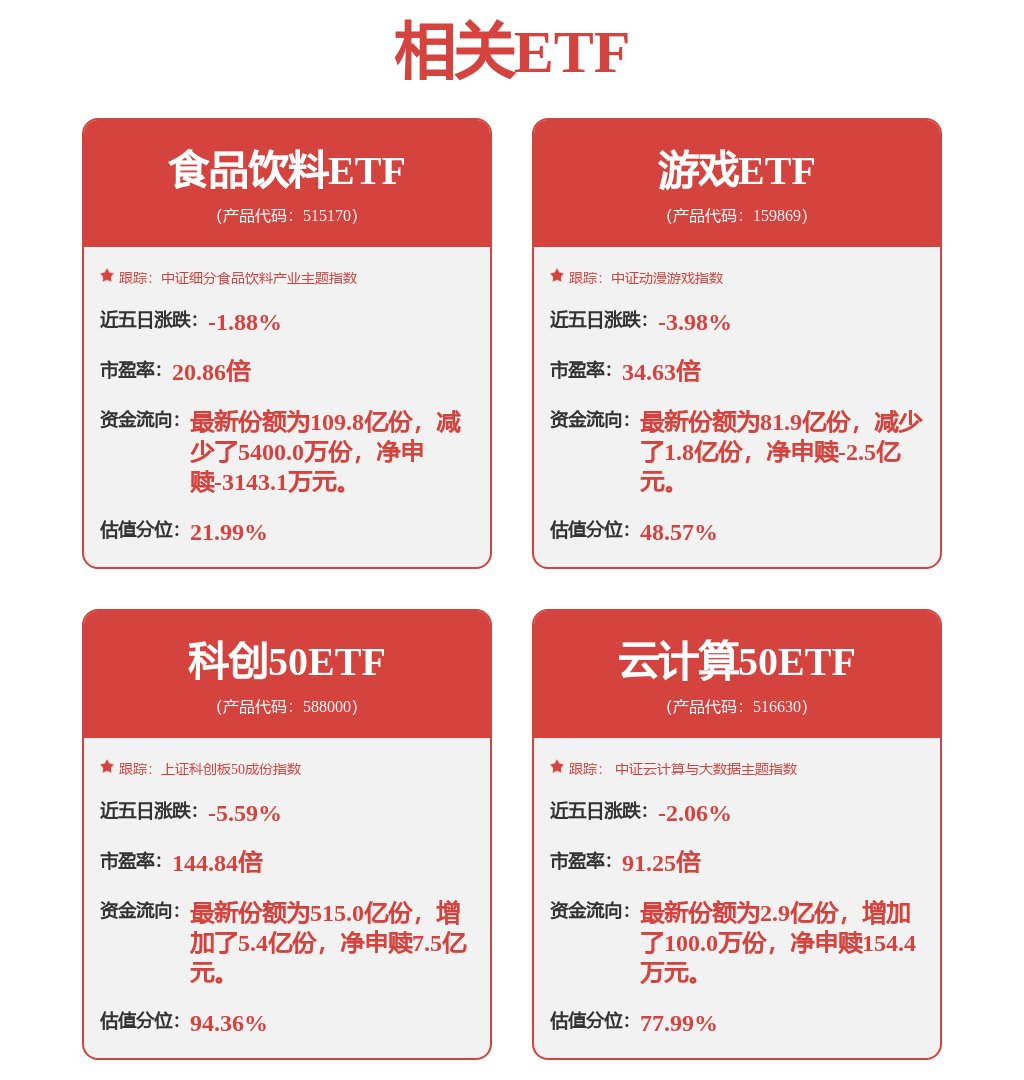
农业等

Search documents
期货市场交易指引2025年12月15日-20251215
Chang Jiang Qi Huo· 2025-12-15 02:36
Report Industry Investment Ratings - **Macro Finance**: Index futures are expected to be bullish in the medium to long term, with a strategy of buying on dips; Treasury bonds are expected to trade sideways [1]. - **Black Building Materials**: Coking coal is suitable for short - term trading; rebar for range trading; glass for shorting on rallies [1]. - **Non - ferrous Metals**: Copper is recommended to reduce long positions on rallies and replenish on lows; aluminum for increased observation; nickel for waiting or shorting on rallies; tin for range trading; gold for range trading; silver for holding long positions and cautious new positions; lithium carbonate for strong - side oscillation [1]. - **Energy and Chemicals**: PVC for range trading; caustic soda for temporary waiting; soda ash for temporary waiting; styrene for range trading; rubber for range trading; urea for range trading; methanol for range trading; polyolefins for weak - side oscillation [1]. - **Cotton Textile Industry Chain**: Cotton and cotton yarn for strong - side oscillation; PTA for upward oscillation; apples for strong - side oscillation; red dates for weak - side oscillation [1]. - **Agriculture and Animal Husbandry**: Pigs for a strategy of shorting on rallies for near - term contracts and cautious bullishness for far - term contracts; eggs for limited upside; corn for cautious chasing of highs in the short term and hedging on rallies for grain holders; soybean meal for range operation; oils for gradually taking profit on previously established short positions [1]. Core Views - The market is influenced by a variety of factors, including macro - policies, supply - demand relationships, and international situations. Different sectors and varieties have different trends and investment strategies due to their unique fundamentals [1][6][8]. - Some commodities are facing supply - demand imbalances, such as oversupply in soda ash and strong supply pressure in the pig market, while others benefit from factors like improving demand or supply disruptions, like the potential support for tin prices from supply tightness [18][34]. Summary by Categories Macro Finance - **Index Futures**: Medium - to long - term bullish, with short - term possible sideways movement. Influenced by factors such as potential Fed chair appointments, Chinese economic data, and policy responses to the central economic work conference [6]. - **Treasury Bonds**: Expected to trade sideways. Driven by factors like central bank policies, regulatory changes, and the need for year - end configuration [6]. Black Building Materials - **Coking Coal**: Short - term trading is recommended. The market is in a game between strong bearish realities and weak marginal supports [8]. - **Rebar**: Range trading is advised. With low valuations and weak drivers, prices may oscillate weakly [8]. - **Glass**: Shorting on rallies is suggested. High inventory, weak demand, and potential supply increases lead to a bearish outlook [10]. Non - ferrous Metals - **Copper**: High - level oscillation is expected. Macro - easing expectations and long - term supply shortages support prices, but short - term over - rise has curbed consumption and increased adjustment risks [11][12]. - **Aluminum**: A rebound is possible, but increased observation is recommended. Factors include changes in bauxite prices, alumina and electrolytic aluminum production capacities, and demand in the off - season [13]. - **Nickel**: Sideways movement. Long - term supply surplus exists, but new RKAB policies bring uncertainties [16]. - **Tin**: Range trading is recommended. Supply is tight, and downstream consumption is weak, but prices are expected to be supported [18]. - **Silver**: Sideways movement. Fed policies, economic data, and industrial demand support prices, with a strategy of holding long positions and cautious new positions [18]. - **Gold**: Range trading is advised. Fed policies and economic uncertainties lead to a bullish medium - term outlook [20]. - **Lithium Carbonate**: Strong - side oscillation. Supply is affected by mine situations, and demand is strong, with attention needed on mine developments [20]. Energy and Chemicals - **PVC**: Low - level oscillation. Weak domestic demand, high inventory, and uncertain export growth lead to a weak outlook, but low valuations and potential policy supports exist [22]. - **Caustic Soda**: Cautiously bearish, with temporary waiting. High inventory, weak demand from downstream alumina, and potential production changes are factors [23]. - **Styrene**: Sideways movement. Overseas blending logic has limited impact on the weak fundamentals, with attention on price changes [24]. - **Rubber**: Sideways movement. Uncertain supply - demand, high inventory, and weak downstream demand lead to a range - bound market [24][25]. - **Urea**: Sideways movement. Supply increases, and demand is a mix of weakening agricultural demand and strengthening industrial demand, with inventory changes affecting prices [26][27]. - **Methanol**: Sideways movement. Supply is stable, demand from methanol - to - olefins is mixed, and traditional demand is weak, with inventory decreases [27]. - **Polyolefins**: Weak - side oscillation. Supply is strong, demand is weak, especially for PE agricultural film, but inventory reduction provides some support [29]. - **Soda Ash**: Temporary waiting. Supply surplus is the main pressure, but cost support and potential supply contractions are factors [31]. Cotton Textile Industry Chain - **Cotton and Cotton Yarn**: Strong - side oscillation. Global supply - demand is relatively loose, but domestic sales and yarn prices support the market [31]. - **PTA**: Upward oscillation. Geopolitical factors drive up oil prices, and PTA supply - demand is in a de - stocking phase [31][33]. - **Apples**: Strong - side oscillation. Market trading is general, with prices in different regions showing certain ranges [33]. - **Red Dates**: Weak - side oscillation. Acquisition progress is in the late stage, and enterprise acquisition enthusiasm is general [33]. Agriculture and Animal Husbandry - **Pigs**: Sideways bottom - building. Short - term supply pressure exists, and long - term prices are affected by capacity reduction and cost changes, with different strategies for near - and far - term contracts [34]. - **Eggs**: Limited upside. Short - term spot and futures are range - bound, medium - term supply - demand improves marginally, and long - term supply pressure remains [35][36][37]. - **Corn**: Rebound. Short - term selling pressure needs to be digested, and long - term demand gradually recovers, but supply - demand is relatively loose [37]. - **Soybean Meal**: Range oscillation. Near - term contracts are strong due to supply delays and de - stocking, while far - term contracts are weak due to South American production expectations [38]. - **Oils**: Soybean and palm oils for weak - side oscillation, rapeseed oil for limited rebound. Different supply - demand situations and external factors lead to different trends [38][42].
【宏观经济】一周要闻回顾(2025年12月3日-12月9日)
乘联分会· 2025-12-10 08:39
Core Viewpoint - China's service trade showed steady growth in the first ten months of 2025, with a total import and export value of 65,844.3 billion yuan, reflecting a year-on-year increase of 7.5% [5] Group 1: Service Trade Development - The total service trade export reached 29,090.3 billion yuan, growing by 14.3%, while imports amounted to 36,754 billion yuan, increasing by 2.6% [5] - The service trade deficit narrowed to 7,663.7 billion yuan, a decrease of 2,693.9 billion yuan compared to the previous year [5] - Knowledge-intensive service trade maintained growth, with a total import and export value of 25,121.5 billion yuan, up by 6.4% [5] - Travel service exports experienced rapid growth, with a total of 18,125.4 billion yuan, marking an increase of 8.5%, including a 52.5% rise in exports [5] Group 2: Transportation Investment - In the first ten months, transportation fixed asset investment reached 2.95 trillion yuan, driven by major transportation projects [7] - The freight volume showed steady growth, with a total of 48.29 billion tons, reflecting a year-on-year increase of 3.5% [7] - Port cargo throughput continued to grow, reaching 15.13 billion tons, an increase of 4.3% [7] Group 3: Goods Trade Overview - In the first eleven months, China's goods trade total value reached 41.21 trillion yuan, growing by 3.6% year-on-year [9] - Exports amounted to 24.46 trillion yuan, increasing by 6.2%, while imports were 16.75 trillion yuan, with a slight growth of 0.2% [9] - The trade with ASEAN countries grew by 8.5%, making it China's largest trading partner, while trade with the EU increased by 5.4% [11] Group 4: Trade Characteristics - General trade and processing trade both saw growth, with general trade reaching 26.04 trillion yuan, up by 2.1% [10] - Private enterprises' trade increased by 7.1%, accounting for 57.1% of total foreign trade [13] - Mechanical and electrical products constituted over 60% of exports, with significant growth in integrated circuits (25.6%) and automobiles (17.6%) [14]


欧洲开始担忧了,乌克兰没人战斗了,往后该怎么办?
Sou Hu Cai Jing· 2025-12-06 05:22
Group 1 - The article discusses the ongoing discussions among the US, Russia, Europe, and Ukraine regarding the Ukraine crisis, highlighting that Ukraine is set to become a frontline in Europe’s defense against Russia, symbolizing a new chapter in European defense autonomy [2] - The EU's "Defense Preparedness Roadmap 2030" aims for full readiness by 2030, with Ukraine playing a crucial role in the European defense system, particularly in the event of renewed conflict [2] - Ukraine's population has significantly decreased from a pre-war figure of 42 million to an estimated 25 to 31 million in government-controlled areas, primarily due to war casualties and emigration [4] Group 2 - Ukraine's GDP has decreased by 40% compared to pre-war levels, severely impacting public services, including education, and creating a labor market crisis with many job vacancies [6] - The article raises concerns about the reluctance of European countries to accept Ukrainian refugees, as this poses financial and social stability challenges for Europe [8] - The severe demographic imbalance in Ukraine raises questions about its future labor force and the potential for social issues, complicating the situation for NATO's involvement in Ukraine [9]

国家医保局公布5起骗取生育保险基金典型案例
Yang Shi Wang· 2025-12-03 01:13
Core Viewpoint - The National Healthcare Security Administration emphasizes the importance of maternity insurance in protecting the rights of insured individuals and maintaining fairness in employment, while highlighting the serious issue of fraudulent claims that disrupt the management of maternity insurance funds [1][2]. Group 1: Fraud Cases - Case 1: Yunnan Tongsheng Tea Trade Co., Ltd. was found to have 30 employees registered, with an average monthly contribution base of over 17,000 yuan. 24 employees claimed maternity benefits totaling 2.271 million yuan, with suspicious activity of transferring insurance shortly before childbirth [1]. - Case 2: Two companies in Zhangjiakou, Hebei, were discovered to have fabricated labor relationships, leading to 50.7 million yuan in fraudulent maternity benefits claimed by employees who were not actually working [3][4]. - Case 3: Chao Yi Tax Consulting Co., Ltd. in Fujian was found to have four employees falsely claiming maternity benefits totaling 71,000 yuan, resulting in criminal convictions for the company's representatives [5]. - Case 4: Dayu Hongyi Decoration Design Co., Ltd. in Jiangxi was found to have inflated the contribution base for two employees, leading to a fraudulent claim of 84,000 yuan in maternity benefits [6]. - Case 5: Sichuan Hongyu Chunfan Agricultural Co., Ltd. was flagged for suspicious claims of 229,000 yuan in maternity benefits by employees who joined the company after becoming pregnant, raising concerns about the legitimacy of their employment [8].
内蒙古卓晟嘉禾食品加工有限公司成立 注册资本100万人民币
Sou Hu Cai Jing· 2025-12-02 22:46
Core Viewpoint - Inner Mongolia Zhuosheng Jiahe Food Processing Co., Ltd. has been established with a registered capital of 1 million RMB, indicating a new player in the food processing industry [1] Company Overview - The legal representative of the company is Guo Tianxia [1] - The registered capital is 1 million RMB [1] Business Scope - The company operates in various sectors including grain planting, food sales (only pre-packaged food), vegetable planting, and retail of computer hardware and software [1] - Additional services include technology services, advertising, enterprise management, market planning, and cultural exchange activities [1] - The company is also involved in agricultural activities such as the sale of agricultural products, fertilizer sales, and agricultural machinery services [1] - The company has both general and licensed business activities, with specific projects requiring approval from relevant authorities [1]
2025年12月02日:期货市场交易指引-20251202
Chang Jiang Qi Huo· 2025-12-02 02:40
1. Report Industry Investment Ratings Macro - Finance - Index: Long - term optimistic, buy on dips [1][5] - Treasury bonds: Range - bound [1][5] Black Building Materials - Coking coal: Range trading [1] - Rebar: Range trading [1][7] - Glass: Hold off from chasing high prices, wait and see [1][9] Non - ferrous Metals - Copper: Short - term range trading [1][10] - Aluminum: Reduce long positions when it rebounds to a high level [1][11] - Nickel: Wait and see or short on rallies [1][13] - Tin: Range trading [1][14] - Gold: Range trading [1][16] - Silver: Hold long positions, be cautious about new positions [1][16] - Lithium carbonate: Bullish - leaning range - bound [1][18] Energy and Chemicals - PVC: Range trading [1][18] - Caustic soda: Wait and see for now [1][20] - Soda ash: Wait and see for now [1][25] - Styrene: Range trading [1][20] - Rubber: Range trading [1][21] - Urea: Range trading [1][22] - Methanol: Range trading [1][24] - Polyolefins: Bearish - leaning range - bound [1][24] Cotton Textile Industry Chain - Cotton and cotton yarn: Range - bound [1][28] - PTA: Range - bound [1][28] - Apples: Bullish - leaning range - bound [1][29] - Jujubes: Bearish - leaning range - bound [1][30] Agricultural and Livestock - Pigs: Near - term contracts may adjust weakly at low levels, be cautious about chasing high prices in far - term contracts [1][32] - Eggs: Limited upside [1][33] - Corn: Hedge on rallies, be cautious about chasing high prices in the short - term; expect support in the long - term, but limited upside [1][35] - Soybean meal: Range trading [1][37] - Oils: Rebound from lows, adopt a buy - on - dips strategy [1][42] 2. Core Views of the Report The report provides investment strategies for various futures products in different sectors. It analyzes the market situation of each product based on factors such as supply and demand, macro - economic data, and geopolitical events. For most products, it suggests range trading or a wait - and - see approach, while for some, it gives clear long or short signals according to their specific fundamentals [1][5][7]. 3. Summaries by Related Catalogs Macro - Finance - **Index**: A - shares showed a volatile upward trend on Monday. The market is affected by factors such as PMI data, policy discussions, and international negotiations. The index may be range - bound in the short - term but is optimistic in the long - term [5]. - **Treasury bonds**: Treasury futures mostly rose. The market may focus on the actual scale of the central bank's treasury bond trading operations at the end of the month. With weak profit - making effects in the bond market, the downward space for yields is limited [5]. Black Building Materials - **Coking coal**: The coal market is in a downward trend with weak demand, and most market participants are waiting and seeing [7]. - **Rebar**: The price of rebar futures was strong on Monday. In the short - term, there is no significant supply - demand contradiction, and the price is expected to oscillate at a low level [7]. - **Glass**: Although the futures price has rebounded due to production line shutdown rumors, the social inventory pressure is huge, and the year - end demand is weak. It is not advisable to chase high prices for near - term contracts [9]. Non - ferrous Metals - **Copper**: The situation in Congo (Kinshasa) needs attention. The market consumption has improved, and the social inventory has decreased. The long - term demand for copper is optimistic, but in the short - term, it is necessary to beware of the impact of high prices on consumption and policy changes [10]. - **Aluminum**: The price of bauxite is stable, and the supply of imported ore is expected to increase. The operating capacity of alumina and electrolytic aluminum has changed. The downstream demand is gradually entering the off - season. It is recommended to reduce long positions when the price rebounds to a high level [11]. - **Nickel**: The price of nickel ore is firm, but the supply may be loose in the future. The refined nickel market is in a surplus, and the price of nickel iron has limited upside. It is recommended to wait and see or short on rallies [13]. - **Tin**: The supply of tin ore is tight, and the downstream consumption is weak. The inventory is at a medium level. It is necessary to pay attention to the supply recovery and downstream demand [14]. - **Silver**: Fed officials' dovish remarks have increased the market's expectation of interest rate cuts, and silver prices have rebounded. It is recommended to hold long positions and be cautious about new positions [16]. - **Gold**: Similar to silver, the gold price has rebounded due to interest rate cut expectations and safe - haven demand. Range trading is recommended [16]. - **Lithium carbonate**: The supply is in a tight balance, and the downstream demand is strong. It is necessary to pay attention to the progress of mines in Yichun and the resumption of production of the Ningde Jixiawo lithium mine [18]. Energy and Chemicals - **PVC**: The cost is under pressure, the supply is high, and the demand is weak. It is recommended to conduct range trading and pay attention to policy and cost changes [18]. - **Caustic soda**: The alumina industry may affect the demand for caustic soda. The supply is high in winter. The valuation is suppressed by the expectation of alumina production cuts [20]. - **Styrene**: The recent rebound is due to the "blending oil" narrative, but the fundamentals are weak. It is recommended to conduct range trading and pay attention to the price of pure benzene and crude oil [20]. - **Rubber**: The overseas raw material price has fallen, and the inventory in Qingdao has increased. The demand for tires is limited. The rubber price may continue to decline without strong positive factors [21]. - **Urea**: The supply has increased, the agricultural demand has weakened, and the industrial demand has strengthened. The inventory is decreasing. It is expected to be range - bound [22]. - **Methanol**: The supply has recovered, the demand for methanol - to - olefins has increased slightly, and the traditional demand is weak. The port inventory has decreased [24]. - **Polyolefins**: The supply has changed, the demand is weak, and the inventory has decreased. The PE contract is expected to oscillate within a range, and the PP contract is expected to be bearish - leaning [24]. - **Soda ash**: The supply is in excess, but the cost support is strong. It is recommended to wait and see [25]. Cotton Textile Industry Chain - **Cotton and cotton yarn**: The global cotton supply - demand data is loose, but the strong yarn price has driven the cotton price to rebound [28]. - **PTA**: The international oil price has fallen, the PTA price has decreased, and the supply - demand situation is such that the inventory is decreasing. It is expected to oscillate at a low level [28]. Agricultural and Livestock - **Pigs**: In the short - term, the supply pressure is high, and the demand increase is not significant. In the long - term, the production capacity reduction is accelerating but still above the normal level. It is recommended to short near - term contracts on rallies and be cautious about far - term contracts [32]. - **Eggs**: In the short - term, the spot price fluctuates slightly, and the futures price is range - bound. In the medium - term, the supply - demand situation is improving marginally. In the long - term, the supply pressure still exists [33]. - **Corn**: In the short - term, the price has rebounded, but there is still selling pressure. In the long - term, the demand is gradually recovering, but the supply - demand pattern is relatively loose [35]. - **Soybean meal**: The domestic and international soybean prices have fallen. It is recommended to conduct range trading and for spot enterprises to price the basis from November to January on dips [37]. - **Oils**: The short - term performance of oils is under pressure, but there is support in the long - term. It is recommended to buy on dips and pay attention to relevant data and reports [42].
山东潍坊:“五个逻辑”护航民营经济高质量发展
Zhong Guo Fa Zhan Wang· 2025-12-01 06:27
Core Viewpoint - The city of Weifang is actively enhancing its business environment to support the growth and innovation of private enterprises, aiming for high-quality development of the private economy as part of its broader strategy for urban improvement [1][6]. Group 1: Business Environment - Weifang has established a strong business environment, which is seen as a "lifeline" for the high-quality development of the private economy, recognizing the crucial role of private enterprises in driving market economic growth [8][9]. - The city government has implemented various measures to optimize the business environment, including the establishment of a leadership group for business environment optimization and the introduction of the "Weifang City Business Environment Optimization Regulations" [8][9]. Group 2: Economic Contributions - As of September 2023, Weifang has 1.463 million private economic entities, with private investment accounting for 83.9% of total investment, and the private economy contributing 63% to the regional GDP [6][8]. - The private sector is responsible for 60% of the city's GDP, 70% of investment, 80% of tax revenue, and 90% of employment, highlighting its vital role in the local economy [6][8]. Group 3: Policy and Institutional Support - Weifang has introduced a series of policies aimed at enhancing institutional support for private enterprises, including a streamlined approval process that allows businesses to complete necessary permits in as little as one day [10][11]. - The city has established a project reserve library for private economic projects and is actively promoting private capital participation in major projects, thereby expanding the development space for the private economy [22][23]. Group 4: Innovation and Technology - Innovation is identified as a core driver of growth for private enterprises in Weifang, with the city housing 25 national-level manufacturing champions and 178 provincial-level champions [18][20]. - The local government encourages private enterprises to increase R&D investment and collaborate with universities and research institutions to foster technological innovation [18][20]. Group 5: Talent and Human Resources - Weifang is enhancing its talent attraction strategies by implementing favorable policies to draw high-level talent and innovative teams to the city, thereby invigorating the private economy [15][25]. - The establishment of the Weifang Entrepreneurs' International Alliance aims to consolidate the power of entrepreneurs and facilitate their integration into both domestic and international markets [9][15]. Group 6: Future Outlook - The city is committed to building a modern industrial system and aims to create a first-class business environment to support the sustainable development of the private economy [9][21]. - Weifang's private enterprises are expected to play a significant role in the city's modernization efforts, contributing to a robust and dynamic economic landscape [26].

2025 年第四季度市场展望:从贸易战到降息与刺激政策
Sou Hu Cai Jing· 2025-11-28 07:16
Core Insights - The global economy is seeking a new balance amid trade easing and policy stimulus, with significant market rebounds observed in Q3 2025 driven by improved US-China trade relations, optimism in artificial intelligence, and expectations of Federal Reserve rate cuts [1][2][5]. Market Performance - Global stock markets saw a notable rebound in Q3 2025, with emerging markets outperforming developed markets, particularly in Asia, where China (+20.8%), Taiwan (+14.7%), South Korea (+12.8%), and Thailand (+17.6%) led the gains. In contrast, India experienced a decline of 6.6% due to valuation pressures and foreign capital outflows [5][6]. - The fixed income market showed volatility but overall upward movement, with US Treasury yields declining across the board, particularly the 10-year yield which fell by 8 basis points to 4.16%. Emerging market dollar bonds performed strongly, achieving a 4.8% increase [6][11]. - The commodity market saw significant gains in gold (+16.4%) and precious metals (+17.4%), while energy and agricultural sectors lagged [11]. Economic Outlook - Future months may see a slowdown in global economic growth, but policy stimulus is expected to drive a rebound in early 2026. The US economy may weaken due to stagnant job growth and rising tariff costs, although investments in new infrastructure and technology sectors provide some support [2][14]. - China's recent credit growth slowdown indicates a need for stronger domestic demand, but upcoming policy measures may inject new momentum into the economy. The government is expected to set a GDP growth target of at least 4.5% for the next year [15][34]. Monetary Policy - The Federal Reserve is likely to continue cutting rates, with expectations of a 25 basis point cut in October and another in December. Other major central banks are anticipated to follow suit with easing measures [3][20]. - Asian countries are implementing new rounds of stimulus to counter economic pressures, with China expanding credit support, India reforming tax policies, and Indonesia providing cash transfers to households [32][33]. Inflation Trends - Inflation patterns are diverging globally, with the US expected to see a gradual rise in inflation to around 3.1%-3.2% due to tariff effects, while many Asian economies maintain lower inflation levels, allowing for more room for monetary easing [2][16]. - In China, inflation is projected to remain low, while Japan and India are managing inflation within target ranges through policy adjustments [16][34].
内蒙古“十五五”重塑财政支出结构,完成隐性债务化解任务
Di Yi Cai Jing· 2025-11-24 04:40
Core Insights - Inner Mongolia Autonomous Region is focusing on increasing fiscal support for technological innovation and the construction of a modern industrial system over the next five years [1][2] Fiscal Reform - The "15th Five-Year Plan" emphasizes the implementation of zero-based budgeting to break the rigid structure of current fiscal expenditures [1] - The government has initiated a three-year action plan for zero-based budgeting from 2025 to 2027, with pilot programs starting in 2025 [1] Technological Innovation - The region aims to enhance its technological innovation capabilities by reallocating funds to support key areas such as new energy, rare earth materials, and biopharmaceuticals [2] - Significant technology tasks will be implemented to produce more original achievements in these advantageous fields [2] Financial Statistics - In 2024, the total fiscal science and technology expenditure in Inner Mongolia is projected to be 8.63 billion, an increase of 1.13 billion or 15.1% from the previous year [3] - The proportion of this expenditure in the general public budget is 1.2% [3] Risk Management - The "15th Five-Year Plan" outlines the need for risk prevention in key areas, including the resolution of hidden debts and overdue payments to enterprises [3] - Inner Mongolia has exited the list of high-risk debt regions, but challenges remain regarding high debt rates in some areas [3] Fiscal System Improvement - The plan calls for reforming the fiscal system below the autonomous region level, rationally dividing fiscal responsibilities and expenditure duties [4] - It also emphasizes performance management reform and the establishment of a lifecycle management system for bond funds [4]
河北“十五五”规划建议发布:推动重大交通基础设施布局建设 深入推进京津冀协同发展
Jing Ji Guan Cha Bao· 2025-11-24 04:10
Core Viewpoint - The Hebei Provincial Government has released suggestions for the 15th Five-Year Plan, emphasizing the importance of Xi Jinping's leadership and the need for high-quality development in the province, while addressing both opportunities and challenges in the upcoming period [1][2][5]. Group 1: Achievements During the 14th Five-Year Plan - Hebei's economic strength has significantly increased, with major economic indicators consistently outperforming the national average since 2022, and the province's GDP approaching 5 trillion yuan [3]. - The effectiveness of the Beijing-Tianjin-Hebei coordinated development has improved, with enhanced transportation networks and successful hosting of the Beijing Winter Olympics [3]. - The pace of industrial transformation has accelerated, with R&D investment growing at an annual rate exceeding 10%, and the province leading in comprehensive computing power index [3]. - Reforms and opening-up have effectively released vitality, with significant improvements in the business environment and a historic increase in the number of central enterprises' subsidiaries in Hebei [3]. - Environmental quality has improved significantly, with all cities achieving better air quality and advancements in water and soil pollution control [3]. Group 2: Opportunities and Challenges for the 15th Five-Year Plan - Internationally, the world is undergoing significant changes, with increased uncertainty in the economic and trade order, while domestically, China's economic fundamentals remain strong [5]. - The coordinated development of the Beijing-Tianjin-Hebei region presents strategic opportunities, particularly with the large-scale construction of the Xiong'an New Area [5]. - However, challenges remain, including the need for stronger innovation capabilities and the urgency of industrial transformation [5]. Group 3: Development Goals for the 15th Five-Year Plan - The plan aims for high-quality development, with annual economic growth rates exceeding the national average and significant advancements in new industrialization and modernization [10]. - There is a focus on enhancing technological innovation capabilities, with increased R&D investment and the establishment of a comprehensive innovation ecosystem [10]. - The plan emphasizes the importance of social and cultural development, aiming to improve the quality of life for residents and enhance public services [11]. Group 4: Key Strategies for Implementation - The plan outlines principles such as maintaining the Party's leadership, prioritizing people-centered development, and promoting high-quality growth [9][8]. - It emphasizes the need for comprehensive reforms, effective market mechanisms, and a balance between development and security [9][8]. - The plan also highlights the importance of expanding domestic demand and integrating into the national market, with a focus on enhancing consumption and investment [27][28].