贸易

Search documents
外高桥:目前尚未在集团层面建立财务共享中心
Zheng Quan Ri Bao Wang· 2026-02-13 09:43
Group 1 - The company has not yet established a financial shared service center at the group level [1] - The trade service business completed the construction of a financial shared service center for the entire sector in 2019 [1] - The company plans to explore more in centralized financial management in the future [1]

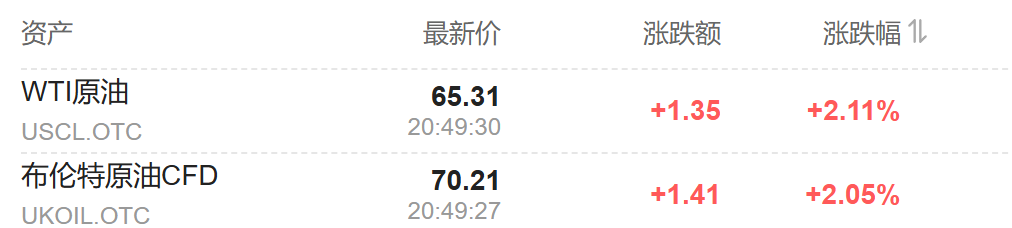
油价日内涨超2%,报道:特朗普私下考虑退出《美墨加协定》
Hua Er Jie Jian Wen· 2026-02-11 13:04
Core Viewpoint - The potential withdrawal of the United States from the US-Mexico-Canada Agreement (USMCA) is being evaluated by President Trump, creating significant uncertainty in the ongoing negotiations among the three countries, which cover approximately $2 trillion in trade and services [1][2]. Group 1: Negotiation Dynamics - The current negotiation landscape is becoming increasingly complex, with bilateral talks taking place, and Mexico being described as "quite pragmatic," while discussions with Canada are more challenging [2][4]. - The mandatory review deadline of July 1 is approaching, which could lead to either a 16-year extension of the agreement or trigger a ten-year annual review mechanism until 2036 if no consensus is reached [4]. - Trump has pressured both Canada and Mexico for concessions beyond trade, including issues related to immigration and national defense, indicating a preference for bilateral agreements [4][5]. Group 2: Economic Implications - Any move to exit the agreement could destabilize one of the world's largest trade relationships, potentially leading to the re-establishment of tariff barriers and increased inflationary pressures [2][6]. - The U.S. Chamber of Commerce and lawmakers are likely to oppose any withdrawal, as higher tariffs could exacerbate inflation and affordability issues, particularly sensitive ahead of the midterm elections [6]. Group 3: Trump's Negotiation Strategy - Trump's inquiries to advisors about the potential exit reflect his negotiation style, which often uses threats as leverage to secure better deals rather than indicating a definitive intention to withdraw [7]. - Despite previously being a negotiator for the agreement, Trump's views on North American trade relations have shifted, leading to unpredictability in his approach [7].

玉渊谭天:奉劝法国别酒不醉人人自醉
Xin Lang Cai Jing· 2026-02-11 11:29
Core Viewpoint - France has proposed a 30% overall tariff on Chinese goods, which is seen as a violation of WTO rules and a declaration of trade war against China [1] Group 1: Potential Actions by China - China may consider initiating anti-dumping and countervailing investigations against French wine, as the EU wine exports to China are projected to reach nearly $700 million in 2024, with almost half being French wine [1] - If France continues its unfriendly measures, China could respond with anti-discrimination investigations against France and the EU [1] - In the event of unilateral tariffs imposed by the EU, China is prepared to retaliate with equivalent tariffs on EU products [1]
突发!美国放话要对伊朗所有贸易伙伴加税,3家中国公司被制裁,14艘船被列入黑名单
Sou Hu Cai Jing· 2026-02-10 17:16
Core Viewpoint - The U.S. is escalating its "maximum pressure" policy against Iran by implementing significant tariffs and sanctions targeting countries and companies involved in trade with Iran, particularly affecting Chinese shipping companies and their operations [1][3][9]. Group 1: Tariff Implementation - On February 6, 2026, President Trump signed an executive order allowing the U.S. government to impose tariffs of up to 25% on goods exported to the U.S. from any country that is found to have purchased goods from Iran [1][4]. - The order officially took effect on February 7, 2026, and targets major trade partners of Iran, including China, India, and Turkey, although the execution of these tariffs requires a complex evaluation process [4][9]. - This executive order serves as a deterrent and a tool for negotiation, extending U.S. unilateral sanctions from financial entities to international trade flows [4][9]. Group 2: Sanctions on Shipping Companies - Concurrently, the U.S. Treasury updated its sanctions list, including three Chinese shipping management companies and 14 vessels identified as part of a "shadow fleet" involved in transporting Iranian oil [3][5]. - Being placed on the Specially Designated Nationals (SDN) list results in immediate asset freezes and prohibits U.S. individuals and entities from engaging in any transactions with these companies [5][8]. - The "shadow fleet" consists of older vessels that frequently change flags and are difficult to track, primarily used to transport oil from sanctioned countries like Iran [6][7]. Group 3: Broader Industry Implications - The sanctions and tariffs are expected to have immediate and widespread impacts on the shipping, trade, and financial ecosystems, leading to increased caution among banks and insurers regarding transactions related to these companies [8][9]. - The U.S. is systematically amplifying risks associated with Iran by extending sanctions from financial institutions to trade policies and specific shipping assets, creating a comprehensive blockade [9][11]. - Companies involved in shipping must prioritize compliance and due diligence regarding Iranian exposure, as any oversight could lead to significant commercial and legal risks [11].
金浔资源(03636)拟对海外子公司合共增资4400万美元
智通财经网· 2026-02-10 11:40
Core Viewpoint - Jin Xun Resources (03636) plans to increase capital in its wholly-owned subsidiaries, Jin Xun Singapore International Trade Pte. Ltd. and Rong Xing Investments Limited, to support strategic development and business expansion [1][2]. Group 1: Jin Xun Singapore International Trade Pte. Ltd. - The company intends to inject USD 30 million into Jin Xun Singapore International Trade Pte. Ltd. to enhance its operations [1]. - After the capital increase, the company's shareholding ratio will remain unchanged [1]. - The subsidiary, registered in Singapore, has a registered capital of SGD 2 million and is involved in general wholesale trade, including import and export activities [1]. - For 2024, it is projected to achieve revenue of approximately CNY 1.473 billion and a net profit of around CNY 53.42 million [1]. Group 2: Rong Xing Investments Limited - The company plans to increase capital by USD 14 million in Rong Xing Investments Limited to support its business development [2]. - The registered capital of Rong Xing Investments Limited is ZMW 20,000, located in Zambia, and its main business includes construction engineering, machinery, civil electrical manufacturing, exploration, mining, and related activities [2]. - For 2024, it is expected to generate revenue of approximately CNY 253 million and a net profit of around CNY 8.41 million [2]. - This capital increase aligns with the company's overall development strategy and operational needs [2].
华源证券:关税不确定性制约全球央行降息路径 商品超级周期有望到来
智通财经网· 2026-02-10 03:06
Group 1 - The IMF has raised its short-term global economic growth forecast, but challenges remain for medium-term growth, which relies on credible, predictable, and sustainable policy actions [1][2] - The IMF projects global economic growth to decline from 3.3% in 2024 to 3.2% in 2025 and 3.1% in 2026, with developed economies growing at approximately 1.6% and emerging markets slightly above 4% [1] - Current economic resilience appears to stem from temporary factors rather than robust fundamentals, with signs of weakening economic conditions as these factors fade [1] Group 2 - Long-term policy uncertainty may suppress consumption and investment, while protectionist measures could disrupt supply chains and hinder productivity growth [2] - Breakthroughs in trade negotiations could lower tariffs and reduce uncertainty, potentially boosting medium-term growth [2] - The rapid growth of productivity driven by artificial intelligence may positively impact the overall economy [2] Group 3 - Tariff uncertainty is constraining the path for global central bank interest rate cuts, despite many economies being in a monetary easing cycle [3] - The front-loading effects of trade and investment due to tariffs have resulted in resilient economic activity and labor markets, delaying the pace of interest rate cuts [3] Group 4 - Inflation rates in the Eurozone, the US, and the UK are expected to remain around 3%, with tariffs and supply chain adjustments having a limited impact on inflation pressure so far [4] - The pricing effects of tariffs indicate broader implications for pricing and supply chains, which may eventually lead to cost increases being passed on to consumers [4] - The interplay between inflation and interest rate cuts is a significant variable, potentially benefiting commodity prices [4] Group 5 - Fiscal policies in developed economies are expected to maintain a neutral to slightly accommodative stance, with debt risks persisting under high financing rates [5] - Despite lower deficit forecasts for 2025 compared to record levels in 2020-2021, deficits remain significantly above pre-pandemic levels [5] - The debt-to-GDP ratio in the US is projected to rise from 122% in 2024 to 143% by 2030, while the Eurozone's ratio is expected to reach 92% by 2030 [5] Group 6 - The WTO forecasts that trade volume growth will slow from 2.8% in 2024 to 2.4% in 2025 and 0.5% in 2026 due to higher tariff rates and increased trade policy uncertainty [6] - The risks associated with trade restrictions and policy uncertainty are expected to affect more economies and sectors [6] - On a positive note, the continued growth of AI-related goods and services trade may provide a boost to global trade in the medium term [7]
“一国两制”下香港维护国家安全的实践白皮书|国务院港澳办发言人:《“一国两制”下香港维护国家安全的实践》白皮书正本清源坚定信心
Xin Hua She· 2026-02-10 02:27
Core Viewpoint - The white paper titled "The Practice of Safeguarding National Security in Hong Kong under 'One Country, Two Systems'" outlines the historical journey and principles of the central government's stance on national security in Hong Kong, emphasizing the importance of maintaining national security for the high-quality development of "One Country, Two Systems" [1][2]. Group 1: Historical Context and Legislative Framework - The struggle for national security in Hong Kong has been ongoing, with the legislative process for Article 23 of the Basic Law being a focal point of contention [1]. - The Hong Kong National Security Law, passed on June 30, 2020, is highlighted as a significant milestone, establishing a dual-level enforcement mechanism for national security and effectively curbing anti-China forces [2]. - The implementation of the National Security Law has led to a systematic restructuring of Hong Kong's electoral and governance systems, reinforcing the principle of "patriots governing Hong Kong" [2]. Group 2: Achievements and Transformations - Since the implementation of the National Security Law, the Hong Kong Special Administrative Region (HKSAR) has made significant strides in fulfilling its constitutional responsibilities for national security, with a consensus on national security deeply rooted in society [3]. - The collaborative efforts between the central government and HKSAR have resulted in the effective safeguarding of national sovereignty and security, promoting stability and prosperity in Hong Kong [3]. - Key indicators of Hong Kong's economic health include its continued status as a global financial, shipping, and trade center, with the Global Financial Center Index ranking it third in the world and its economic freedom maintaining the top position globally [3]. Group 3: Future Directions and Principles - The white paper emphasizes the need for a comprehensive national security perspective to guide the ongoing implementation of "One Country, Two Systems," ensuring that governance remains in the hands of patriots [4]. - It stresses the importance of balancing security with human rights, maintaining the rule of law, and integrating development with security [4]. - The ultimate goal is to create a safe, free, and prosperous Hong Kong that aligns with national interests and benefits both residents and foreign investors, contributing to the broader objectives of national development and modernization [4].
舟山港综保区扩区获批 打造全国首个大宗商品特色型综保区
Zhong Guo Xin Wen Wang· 2026-02-09 14:39
Core Viewpoint - The expansion of Zhoushan Port Comprehensive Bonded Zone marks a new development phase focused on bulk commodities, enhancing its role as a resource allocation hub in Zhejiang's Free Trade Zone [1][2] Group 1: Expansion Details - The State Council has approved the expansion of Zhoushan Port Comprehensive Bonded Zone, which will now include an additional 0.98 square kilometers from Shulanghu Island and Huangzeshan Island [1] - The total planned area of the Zhoushan Port Comprehensive Bonded Zone is now 6.12 square kilometers, establishing an "one area, four sections" industrial development pattern [1] Group 2: Strategic Importance - The expansion supports the construction of a bulk commodity resource allocation hub in Zhejiang, enhancing the storage, transportation, and processing capabilities for iron ore, oil products, and non-ferrous metals [2] - The bonded zone aims to leverage preferential policies to improve supply chain services such as blending, distribution, and trade, thereby increasing Zhejiang's international influence in the bulk commodity sector [2] Group 3: Future Development Plans - Zhejiang plans to accelerate the large-scale development of bonded blending minerals, biofuel blending, and bonded marine fuel businesses [2] - There will be a focus on strengthening industrial linkages within and outside the bonded zone to optimize the entire bulk commodity supply chain and enhance international market competitiveness [2]
加总理刚到中国,欧盟就举起了反旗,德国带头,要与美国一较高下
Sou Hu Cai Jing· 2026-02-08 16:04
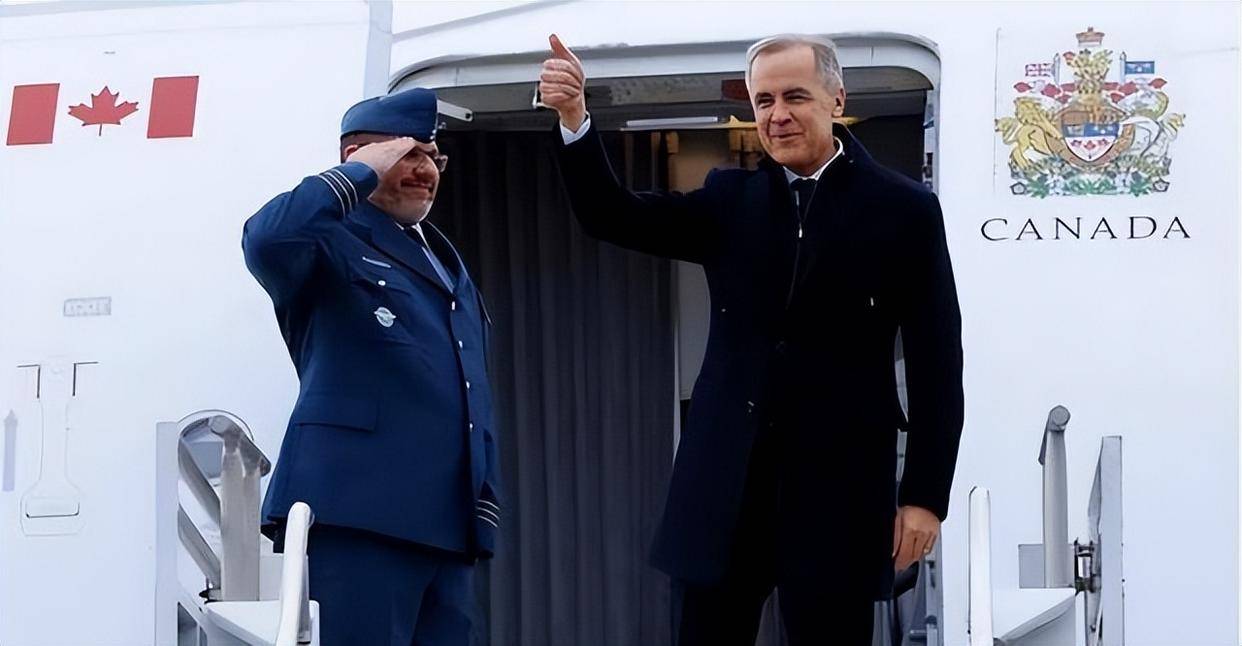
Group 1 - Mark Carney's visit to China aims to diversify Canada's export markets and reduce reliance on the U.S. due to ongoing tariff threats since Trump's administration [1] - China has lowered tariffs on Canadian canola, while Canada has reduced tariffs on certain Chinese electric vehicles from 100% to 6.1% [1] - The agreement includes visa exemptions for Chinese tourists visiting Canada, further indicating a strategy to lessen dependence on the U.S. market [1] Group 2 - Denmark leads the Arctic endurance operation with support from several European countries, focusing on reconnaissance and preparation for future exercises [3] - Trump's announcement of tariffs on eight European countries, contingent on Denmark's agreement to sell Greenland, has heightened tensions and is linked to Arctic security [3][5] - Germany emphasizes the need for European unity in response to U.S. economic coercion, while the EU discusses countermeasures [5][6] Group 3 - Carney's statements align with EU positions, advocating for Greenland and Denmark's autonomy and opposing external impositions [8] - The cancellation of tariff threats by Trump after discussions with NATO Secretary-General stabilizes markets and leads to a rebound in U.S. and European stock markets [10] - The framework agreement reached does not resolve the sovereignty issue over Greenland, indicating ongoing negotiations and the need for balance among involved parties [10][12] Group 4 - The situation reveals structural tensions within NATO, with the U.S. seeking resources and positioning while Europe defends sovereignty and interests [12] - Canada's agreements during the visit to China may alleviate short-term export pressures and contribute to a multipolar trade landscape [13] - The Arctic strategic competition remains unresolved, despite temporary stabilization from the framework agreement [13]
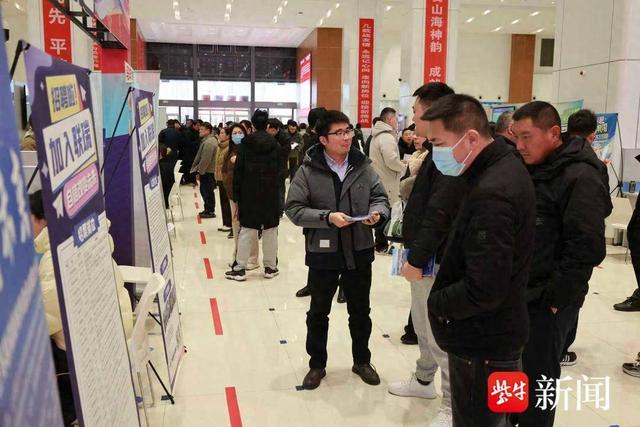
山海连云纳贤才 活力港城启新篇 春季“才市大集”吸引6000余人寻觅发展机遇
Xin Lang Cai Jing· 2026-02-08 07:09
Core Insights - The 2026 Lianyungang Spring Talent Exchange Conference successfully attracted over 2,000 job seekers and featured more than 5,000 quality job positions from over 140 key enterprises, highlighting the city's strong economic vitality and talent magnetism [1][3] Group 1: Event Overview - The conference has been held for over 20 years and is recognized as a high-quality human resources service brand in the province, organized by multiple local government departments [3] - The event effectively connects the talent demands of enterprises with various job-seeking groups, including recent graduates, veterans, and unemployed individuals [3][4] Group 2: Recruitment Opportunities - The conference featured specialized recruitment zones for industries such as petrochemicals, biomedicine, and e-commerce, with leading companies offering high-paying positions in various fields [4] - Many technical and management positions offered monthly salaries exceeding 10,000, along with competitive benefits and career development opportunities [4] Group 3: Innovative Services - The event introduced diverse service areas, including live-streaming recruitment and expert consultations, providing a comprehensive employment service experience for job seekers [4][10] - A social practice recruitment area attracted many university students, offering them opportunities to explore local technological innovations and practice routes [12] Group 4: Employment Support Initiatives - The conference included a special recruitment session for enterprises associated with the Political Consultative Conference, addressing the dual challenges of recruitment difficulties for companies and employment challenges for job seekers [6] - Participating enterprises emphasized their social responsibility in supporting employment and local economic development [8] Group 5: Online and Offline Integration - The event utilized a dual-track approach, combining online and offline recruitment to enhance accessibility and efficiency for job seekers [10] - The online platform provided continuous access to job opportunities for those unable to attend in person, creating a "never-ending" talent event [10][13] Group 6: Future Plans - The success of the conference reflects the city's commitment to becoming a regional talent hub, with plans for regular recruitment events and collaborations with local universities to maintain a steady flow of job opportunities [15]