
先进制造业

Search documents
重磅!十五五规划建议发布(全文)
第一财经· 2025-10-28 08:45
Core Viewpoint - The "15th Five-Year Plan" period is crucial for achieving basic socialist modernization, building on the significant achievements of the "14th Five-Year Plan" period, and addressing complex domestic and international challenges [2][3][4] Group 1: Achievements and Challenges - The "14th Five-Year Plan" period saw major achievements in economic stability, high-quality development, technological innovation, and social governance despite facing severe challenges such as the pandemic [2] - The "15th Five-Year Plan" period will focus on consolidating advantages, overcoming bottlenecks, and enhancing weaknesses to secure strategic initiatives in international competition [3][4] Group 2: Economic and Social Development Guidelines - The guiding ideology for the "15th Five-Year Plan" emphasizes the importance of Marxism, Xi Jinping's thoughts, and the goal of building a modern socialist country [6] - Key principles include maintaining the Party's leadership, prioritizing people’s needs, promoting high-quality development, and deepening reforms [7][8] Group 3: Economic Goals - Significant progress in high-quality development is expected, with economic growth maintained within a reasonable range and improvements in productivity and consumption rates [10] - The aim is to enhance self-reliance in technology, improve the national innovation system, and achieve breakthroughs in key technologies [10] Group 4: Modern Industrial System - The focus will be on building a modern industrial system that emphasizes the real economy, with advancements in traditional industries and the cultivation of emerging industries [12][13] - The development of a robust infrastructure system is essential for supporting economic activities and enhancing resilience [14] Group 5: Technological Self-Reliance - The plan aims to strengthen original innovation and tackle key core technologies through a comprehensive approach [15][16] - Integration of technological innovation with industrial development is crucial for enhancing productivity and competitiveness [17] Group 6: Domestic Market Development - Strengthening the domestic market is a strategic priority, with initiatives to boost consumption and investment while ensuring a reliable supply chain [20][21] - Efforts will be made to eliminate barriers to market integration and enhance the efficiency of resource allocation [22] Group 7: High-Level Socialist Market Economy - The establishment of a high-level socialist market economy is vital for ensuring sustainable high-quality development [23][24] - Enhancing the vitality of various economic entities and improving the market-oriented allocation of resources are key objectives [25][26] Group 8: Open Cooperation - Expanding high-level openness and cooperation is essential for mutual benefit and shared development [27][28] - The focus will be on trade innovation, investment cooperation, and the Belt and Road Initiative to enhance global economic integration [29] Group 9: Agricultural Modernization - Agricultural modernization is a priority, with efforts to enhance production capacity and quality while promoting rural revitalization [30][31] - Policies will be implemented to improve the effectiveness of agricultural support and ensure sustainable rural development [32][33] Group 10: Regional Economic Coordination - Promoting regional economic coordination is necessary for balanced development across different areas [34][35] - The strategy includes enhancing infrastructure connectivity and fostering collaborative development among key urban clusters [36] Group 11: Cultural and Social Development - Cultural innovation and the promotion of socialist values are essential for national cohesion and identity [37][38] - Improving public services and social welfare systems is critical for enhancing the quality of life and achieving common prosperity [40][41]


受权发布|中共中央关于制定国民经济和社会发展第十五个五年规划的建议
Xin Hua She· 2025-10-28 08:35
Core Viewpoint - The "15th Five-Year Plan" period is crucial for achieving basic socialist modernization, building on the significant achievements of the "14th Five-Year Plan" and addressing complex domestic and international challenges [1][2][3] Economic and Social Development Goals - The guiding ideology for the "15th Five-Year Plan" emphasizes Marxism, Xi Jinping's thoughts, and the goal of building a modern socialist country, focusing on high-quality development and comprehensive reforms [6][7] - Key principles include maintaining the Party's leadership, prioritizing people's needs, promoting high-quality development, and ensuring effective market and government collaboration [7][8] - Major goals include achieving significant high-quality development, enhancing self-reliance in technology, deepening reforms, improving social civilization, and increasing the quality of life for citizens [9][10][11] Modernization of the Industrial System - The plan emphasizes the importance of a modern industrial system as the material and technical foundation for Chinese-style modernization, focusing on optimizing traditional industries and fostering emerging sectors [12][13] - It aims to enhance the quality and efficiency of the service sector and build a modern infrastructure system to support economic growth [14] Technological Self-Reliance - The plan highlights the need for technological modernization, focusing on original innovation and breakthroughs in key technologies, while promoting the integration of technology and industry [15][16] - It calls for strengthening the role of enterprises in innovation and fostering a supportive environment for research and development [17] Domestic Market Development - The strategy emphasizes the importance of a strong domestic market as a strategic foundation for modernization, advocating for increased consumption and effective investment [20][21] - It aims to eliminate barriers to a unified national market and enhance the efficiency of resource allocation [22] High-Level Socialist Market Economy - The plan seeks to enhance the socialist market economy by stimulating the vitality of various economic entities and improving the market-oriented allocation of resources [22][23] - It emphasizes the need for effective macroeconomic governance and sustainable fiscal policies to support high-quality development [24] Opening Up and International Cooperation - The strategy promotes expanding high-level openness and cooperation, enhancing trade and investment, and fostering a fair international economic order [25][26] - It aims to strengthen the Belt and Road Initiative and enhance international collaboration in various sectors [27] Agricultural and Rural Modernization - The plan prioritizes agricultural modernization and rural revitalization, focusing on improving agricultural productivity and quality of life in rural areas [28][29] - It emphasizes the importance of integrating urban and rural development and ensuring sustainable agricultural practices [30] Regional Economic Coordination - The strategy aims to optimize regional economic layouts and promote coordinated development across different regions, enhancing infrastructure connectivity and regional collaboration [31][32] Cultural and Social Development - The plan emphasizes the importance of cultural innovation and social development, aiming to enhance the quality of life and promote common prosperity for all citizens [34][37] - It focuses on improving education, social security, and public services to meet the needs of the population [39][40]
专访于翔:现阶段宏观调控政策的新范式是什么?
Sou Hu Cai Jing· 2025-10-28 08:13
Group 1 - The core viewpoint emphasizes that "precise drip irrigation" is systematically replacing "flood irrigation" in macroeconomic regulation, reflecting a shift in policy logic [2][3] - The establishment of new policy financial tools, including 500 billion yuan directed towards digital economy and artificial intelligence, exemplifies this new paradigm [2][6] - The goal of stabilizing the real estate market is a clear demand for counter-cyclical adjustment, which aligns with long-term structural transformation objectives [3][10] Group 2 - The "15th Five-Year Plan" focuses on "quality improvement and efficiency enhancement" rather than merely pursuing growth speed, indicating a commitment to high-quality development [4] - Short-term stimulus and long-term reform should work in tandem to stabilize expectations and boost confidence in the economy [4][10] - The emphasis on "precision" and "new channels" in policy is more critical than sheer scale, with a shift from "investment in things" to "investment in people" in fiscal policy [5][10] Group 3 - The real estate market's new situation reflects a significant change in supply-demand relationships, transitioning from quantity shortages to structural supply deficiencies [8] - The need for sustainable domestic demand growth is highlighted, with a focus on increasing residents' income and reducing burdens as fundamental reforms [7][15] - The role of real estate developers is evolving from "developers" to "operators" and "service providers," emphasizing the importance of quality and service in the industry [11][19] Group 4 - The potential for foreign capital to return to China is contingent not only on marginal improvements in fundamentals but also on the ability to achieve re-inflation and reshape nominal growth [16] - The current economic environment suggests that traditional sectors like real estate and infrastructure may face fundamental changes in their profit models and growth ceilings [19][20] - New sectors highlighted in the "15th Five-Year Plan," such as green low-carbon and digital economy, are expected to become the main drivers of the new cycle, differing from old cycle assets due to ongoing technological innovation [20][21]
广东连续7年位列第一生育大省
2 1 Shi Ji Jing Ji Bao Dao· 2025-10-28 06:25
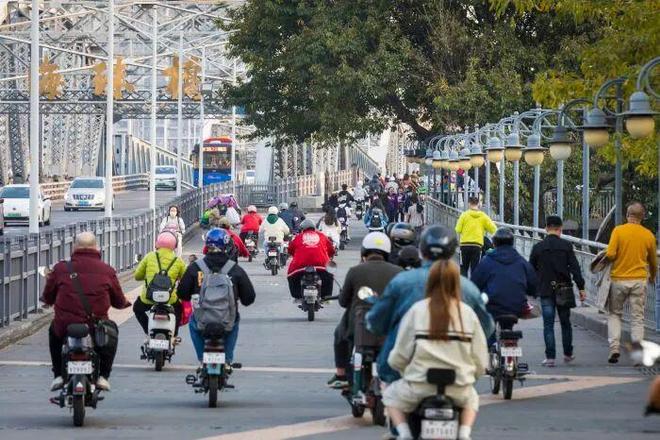
Core Insights - Guangdong has maintained its position as the top province for birth rates in China for seven consecutive years, with a birth population of 1.13 million in 2024, an increase of 100,000 from the previous year [1][6] - The province's population growth is driven by both natural increase and migration, with a total population increase of 740,000 in 2024, comprising 470,000 from natural growth and 270,000 from migration [3][6] - Guangdong's strong population growth is attributed to its robust industrial foundation, favorable talent policies, and regional cultural factors that encourage higher birth rates [3][4] Population Dynamics - In 2024, Guangdong's permanent population reached 128 million, contributing 11.8% of the national birth population while accounting for 8.9% of the total national population [6][7] - The province's labor force is predominantly young, with 66.38% of the population aged 16-59, which is higher than the national average [7] - Cultural factors, such as strong family values in regions like Chaoshan, contribute to higher birth rates, with these areas consistently outperforming the provincial average [7][8] Economic Implications - The continuous population growth in Guangdong is expected to positively impact industrial development and consumer markets, creating a virtuous cycle that stimulates economic growth [4][14] - The province's diverse industrial system and emerging industries, such as artificial intelligence and new energy vehicles, create significant demand for high-quality labor, attracting more migrants [9][13] - In the first half of the year, Guangdong's retail sales reached 22,932.66 billion yuan, reflecting a 3.5% year-on-year growth, supported by a strong consumer base driven by population dynamics [14] Talent and Industry Development - Guangdong's large and youthful labor force is crucial for industrial upgrades, providing a substantial reserve of skilled workers and engineers [13] - The province has implemented various talent attraction policies, such as the "Million Talents Gather in South Guangdong" initiative, successfully attracting over 1 million college graduates to work and start businesses in the region [9][15] - The focus on aligning talent development with industrial needs is essential for maintaining competitive advantages in advanced manufacturing and high-tech industries [15]
鄢一龙:五年规划为世界提供了一份难得的“中国确定性”
Sou Hu Cai Jing· 2025-10-28 03:52
Group 1 - The "14th Five-Year Plan" has laid a solid foundation for China's economic development, emphasizing the importance of long-term planning in achieving sustainable growth [2][4] - The "15th Five-Year Plan" focuses on building a modern industrial system, with a strong emphasis on the manufacturing sector, which currently accounts for approximately 30% of global manufacturing value added [4][7] - The integration of manufacturing and service industries is crucial, with a push towards digital solutions and service-oriented manufacturing to enhance competitiveness [5][7] Group 2 - The plan outlines 12 key deployments, with the first being the consolidation and strengthening of the real economy, indicating a strategic shift towards a new type of major power [4][8] - The emphasis on innovation-driven development marks a transition from merely addressing shortcomings to enhancing profitability and establishing a modern industrial framework [8][10] - The goal of achieving a per capita GDP level of middle-income countries by 2035 reflects China's commitment to maintaining mid-to-high-speed economic growth [10][11] Group 3 - China's ongoing commitment to opening up its market will create significant opportunities for international businesses, positioning China as one of the largest single markets globally [12][14] - The country's complete industrial system and strong manufacturing capabilities provide a stable foundation for global supply chains, enhancing production efficiency for partner countries [13][14] - China's focus on green production capabilities addresses global challenges in sustainable development, contributing to the green transition worldwide [13][14]
新兴支柱产业蓄势发力 催生数个万亿级市场
Xin Hua Wang· 2025-10-28 02:23
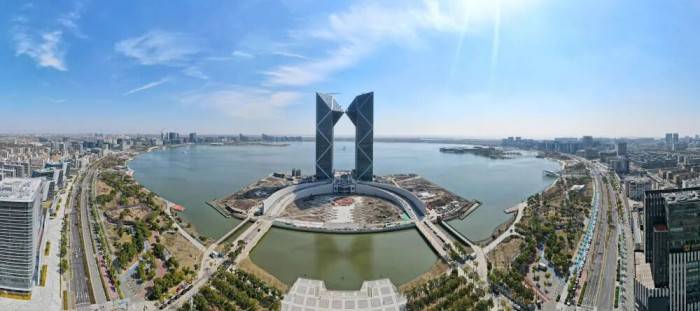
Group 1 - The core focus of the article is on the strategic importance of building a modern industrial system and strengthening the foundation of the real economy, as outlined in the "Suggestions" for the 15th Five-Year Plan [1][2] - The manufacturing sector is emphasized as a critical component of the economy, with a call to maintain a reasonable proportion of manufacturing to enhance economic resilience [2][3] - Traditional industries, which account for approximately 80% of the manufacturing value added, are identified as the backbone of the industrial system, with initiatives aimed at upgrading key sectors such as chemicals, machinery, and shipbuilding [2][3] Group 2 - The article highlights the potential for market expansion in traditional manufacturing through transformation towards intelligent, green, and integrated development, estimating an additional market space of around 10 trillion yuan over the next five years [3][4] - New strategic emerging industries, including new energy, new materials, aerospace, and low-altitude economy, are projected to create several trillion-level markets, contributing significantly to economic growth [4][5] - The article discusses the importance of fostering innovation in emerging and future industries, with a focus on technologies such as quantum science, biomanufacturing, and hydrogen energy, which are expected to become new economic growth points [4][5]
连续七年成第一生育大省,广东人口“双料冠军”的经济密码
2 1 Shi Ji Jing Ji Bao Dao· 2025-10-28 01:28
Core Insights - Guangdong has maintained its position as the top province for birth rates in China for seven consecutive years, with a birth population of 1.13 million in 2024, an increase of 100,000 from the previous year [2][5] - The province's population growth is driven by both natural increase and migration, with a total population increase of 740,000 in 2024, comprising 470,000 from natural growth and 270,000 from net migration [5][6] - The demographic structure in Guangdong is favorable, with a high proportion of working-age population (66.38%) and a relatively low elderly population (10.18%), contributing to its robust birth rates [6][10] Population Growth Dynamics - Guangdong's population growth is characterized by a "dual-driven" model of natural and mechanical growth, contrasting with other provinces like Zhejiang, which relies primarily on migration [3][5] - The province's strong economic foundation, large base of reproductive-age population, and favorable cultural attitudes towards childbirth contribute to its high birth rates [3][6] - The influx of young migrants into Guangdong, particularly in the Pearl River Delta region, is a significant factor in its population growth, supported by the province's economic and social development [3][7] Economic and Industrial Implications - The continuous population growth in Guangdong is expected to positively impact industrial development and consumer markets, creating a virtuous cycle that stimulates economic growth [3][9] - Guangdong's advanced manufacturing and high-tech industries account for significant portions of its industrial output, with advanced manufacturing value-added accounting for 57.1% of industrial value [10] - The province's labor market is bolstered by a large pool of skilled workers, with over 20 million skilled workers and millions of high-skilled talents, facilitating industrial upgrades and innovation [10][12] Talent Attraction and Retention Strategies - Guangdong has implemented various talent attraction policies, such as the "Million Talents Gathering in South Guangdong" initiative, which has successfully attracted over 1 million college graduates to the province [12] - The province aims to transform its population advantage into a talent advantage by enhancing the quality of its workforce and aligning talent development with industrial needs [11][12] - The government is focusing on improving living conditions and job opportunities to retain talent, emphasizing the importance of a supportive environment for both local and migrant populations [8][11]
党的二十届四中全会精神学习体会:加快高水平科技自立自强,推动高质量发展上新台阶
Chengtong Securities· 2025-10-27 06:03
Group 1: Economic Development Strategy - The "15th Five-Year Plan" period is crucial for achieving socialist modernization, emphasizing the need for continuous effort and progressive development[11] - The meeting highlighted the importance of maintaining a stable economic foundation, with strengths in the economy, resilience, and potential for long-term growth[12] - The goal is to achieve significant progress in high-quality development, with a focus on technological self-reliance and strengthening the real economy[14] Group 2: Technological Innovation and Self-Reliance - The emphasis is on accelerating high-level technological self-reliance to lead new productive forces, moving from merely having technology to achieving excellence and leadership[21] - Policies will focus on breaking through key core technologies and enhancing original innovation to seize future technological competition[22] - The aim is to create a robust national innovation system capable of producing disruptive technological achievements[21] Group 3: Domestic Demand and Economic Circulation - The strategy includes expanding domestic demand and strengthening the domestic economic cycle, with specific measures to enhance consumer spending and investment in human capital[23] - The focus is on creating a closed-loop logic between improving people's livelihoods and promoting consumption[24] - The meeting called for breaking down barriers to building a unified national market to unleash domestic demand potential[25] Group 4: High-Level Opening Up - The meeting stressed the need to expand high-level opening up and maintain a multilateral trade system, promoting reform and development through openness[27] - China aims to deepen institutional opening up, enhancing its economic resilience and competitiveness by aligning with international high standards[27] Group 5: Common Prosperity and Social Welfare - The meeting emphasized increasing efforts to improve people's livelihoods and advance common prosperity, ensuring coverage for all citizens[28] - Policies will focus on basic public services and strengthening social security for vulnerable groups[28] - The real estate sector is shifting towards high-quality development, focusing on meeting people's needs and improving product quality[28]
20cm速递丨科技战略进入“塑优势”阶段,科创板100ETF(588120)涨超1.2%
Sou Hu Cai Jing· 2025-10-27 02:40
Group 1 - The core viewpoint of the articles indicates that the recent Fourth Plenary Session of the 20th Central Committee is favorable for the A-share technology sector, marking a shift towards a "strengthening advantages" phase in technology strategy, which supports long-term valuation [1] - The high-level proposal to "recreate a Chinese high-tech industry in the next 10 years" opens up further valuation enhancement opportunities for the technology sector [1] - In the manufacturing sector, the emphasis on maintaining a reasonable proportion of manufacturing and building a modern industrial system centered on advanced manufacturing suggests that "anti-involution" policies may become key measures for improving the quality of listed companies' profits [1] Group 2 - In the consumer sector, new expressions combining "investment in people" and "benefiting people's livelihood" are expected to lead to increased policy efforts during the 14th Five-Year Plan period, such as trade-in programs and childbirth subsidies, which may facilitate a recovery in the consumer sector [1] - The technology sector has shown a significant positive response to policy benefits, as evidenced by the performance of the Science and Technology Innovation Board 100 ETF (588120), which tracks the Science and Technology Innovation 100 Index (000698) [1] - The Science and Technology Innovation 100 Index, which includes 100 securities with larger market capitalization and better liquidity from the Science and Technology Innovation Board, covers multiple high-tech fields such as new generation information technology, biomedicine, and new materials, reflecting the overall performance of technology innovation enterprises [1]
美国学者:中国经济下一个五年,稳定、创新与信心的交汇点丨世界观
Zhong Guo Xin Wen Wang· 2025-10-27 01:20
Core Insights - The core task of the 20th Central Committee's Fourth Plenary Session is to discuss the blueprint for China's 14th Five-Year Plan (2026-2030), focusing on high-quality development, technological self-reliance, expanding domestic demand, reducing regional disparities, and deepening market-government coordination [1][2] Policy Direction - The session is expected to be a "pre-emptive adjustment" rather than a "directional change," refining existing strategies and setting measurable indicators and pragmatic goals for the next five years [2] - The meeting aims to release policy signals of predictability, coordination, and stability to the market, emphasizing stronger policy predictability and measures to boost market and public confidence [2][5] Economic Performance - In the first half of 2025, China's GDP grew by 5.3% year-on-year, exceeding 66 trillion yuan, showcasing resilience and potential amid a globally sluggish economy [2] - The outcomes of the session are anticipated to institutionalize this steady progress further [2] Consumption and Investment Initiatives - A series of policy initiatives aimed at boosting consumption and investment are expected, including enhancing resident income growth, improving the market environment, and refining the social security system [3] - These measures will run parallel to technological self-reliance and industrial upgrades, forming a dual engine for the transformation of China's economy from "quantity" to "quality" [3] Technological Focus - The session is likely to provide clearer support for domestic technologies, including semiconductors, artificial intelligence, and advanced manufacturing, to ensure China takes the lead in the new round of technological competition [4] - The development of new quality productivity has been prioritized as a strategic focus, with the session providing a policy framework for top-level design [4] Foreign Investment Strategy - China's foreign strategy will focus on stable openness, with potential measures to reduce institutional constraints, improve policy communication, and strengthen foreign investment confidence [4] - There is an expectation to shorten the negative list for foreign investment access, expand service sector openness, and enhance intellectual property protection and business legal environment [4] Overall Economic Outlook - Post-session, China's economic landscape is expected to reflect a "steady progress, quality victory" approach, responding to external concerns through clear planning to enhance market confidence and gradual reforms to boost domestic demand [5] - The dual drive of technology and institutional reforms will continuously inject new momentum into China's economy [5]