房地产业

Search documents
四季度有哪些增量政策可以期待?
Sou Hu Cai Jing· 2025-09-26 02:22
Economic Overview - The economic growth momentum in China has declined due to extreme weather, policy adjustments, and external factors since Q3 2023 [1] - Fixed asset investment growth for the first eight months of the year is at a record low of 0.5%, while retail sales growth has dropped to 3.4%, indicating a potential further slowdown in Q4 [1] - The impact of high U.S. tariffs on global trade and China's exports may become more pronounced in Q4, increasing the necessity for policies to stabilize growth and employment [1] Policy Measures - Analysts expect a new round of growth-stabilizing policies to be introduced in Q4, focusing on fiscal expansion, monetary easing, and boosting consumption and the real estate market [2][4] - The government has a relatively low debt ratio compared to other major economies, providing ample policy space for intervention [2] Fiscal Policy - Proposed fiscal measures include establishing new policy financial tools estimated at 500 billion yuan to support infrastructure investment, which could leverage around 6 trillion yuan in total investment [4][5] - The issuance of special government bonds and increasing funding for "two new" initiatives (equipment updates and consumption subsidies) are also anticipated to stimulate consumption [5] - Local government land use rights revenue has decreased by 4.7%, necessitating additional special bonds to support infrastructure and affordable housing projects [5][6] Monetary Policy - There is a possibility of new interest rate cuts and reserve requirement ratio reductions by the central bank in Q4 to enhance liquidity and stimulate lending [7] - The current low inflation environment allows for a more accommodative monetary policy without immediate concerns about high inflation [7] Real Estate and Consumption - The real estate sector is expected to see comprehensive support policies in Q4, including expedited loan approvals for key projects and potential tax reductions for transactions [8][9] - Consumption policies may expand to include a wider range of goods and services, with potential increases in "trade-in" subsidies to stabilize consumer spending [9]

不做郑氏第三代接班人?郑裕彤长孙郑志刚要“自我发展”
Di Yi Cai Jing· 2025-09-24 02:40
Core Viewpoint - Zheng Zhigang, a member of the Zheng family, is establishing a new investment company named "Hong Kong Shanghe Development," focusing on digital sectors and emerging markets, while continuing to operate and develop the K11 brand [1][5]. Group 1: Business Developments - Zheng Zhigang's new investment company will cover various industries, including culture, entertainment, sports, traditional Chinese medicine globalization, and finance [1]. - The concept for this new business has been in development for two years, with plans to announce more projects soon [3]. - Zheng Zhigang has prior experience in investment, having co-founded a private investment platform in 2017 and invested in companies like SenseTime, SHEIN, Xiaopeng Motors, and NIO [3]. Group 2: K11 Brand Management - Zheng Zhigang has retained control over the K11 brand, having signed an agreement for the sale of shares related to K11 operations for HKD 209 million, while also establishing a 30-year trademark licensing agreement [5]. - K11 by AC Group, under Hong Kong Shanghe Development, will manage retail assets and cultural art districts, serving multiple stakeholders [5]. Group 3: Corporate Restructuring - Zheng Zhigang has stepped down from various positions within the Zheng family’s companies, including New World Development and Chow Tai Fook, marking a significant shift in his career focus [4][6]. - Following his resignation as CEO of New World Development in September 2024, he has gradually distanced himself from family business roles, culminating in his departure from all positions within the family enterprises [6].

转型中国:日本1990还是美国1970?
CAITONG SECURITIES· 2025-09-24 02:27
Group 1: Economic Transformation Insights - China's current transformation strategy is more aligned with the U.S. in the 1970s, focusing on "going global" and "common prosperity" akin to the U.S. deindustrialization and Great Society initiatives[1] - The Chinese economy is entering the latter stage of transformation, with cyclical issues becoming less impactful, as evidenced by the decline in old economic drivers like real estate[1] - The transition phase requires patience in policy implementation, as excessive use of counter-cyclical policies may lead to structural issues similar to the U.S. in the 1960s and 70s[1] Group 2: Market and Policy Implications - The easing of cyclical pressures, particularly in real estate, suggests a potential formation of an "L-shaped" economic recovery, supported by counter-cyclical policies[1] - The ongoing structural reforms and technological breakthroughs, although slow, create opportunities for risk appetite and asset revaluation in the capital markets[1] - The A-share bull market since the "924" policy in 2021 reflects the synergy between counter-cyclical policies and technological advancements in sectors like AI and robotics[1] Group 3: Risks and Challenges - Risks include the possibility that the pace of structural reforms may not meet expectations, and uncertainties surrounding technological breakthroughs and external economic influences[1] - The decline in housing prices, with first-tier city prices dropping by 34.3% from their peak as of August 2025, highlights the ongoing challenges in the real estate sector[3] - The GDP deflator index has shown negative growth for nine consecutive quarters since Q2 2023, indicating persistent economic weakness[3]
“交地即交证”“交房即交证” 让“小红本”托起更多群众的“安居梦”
Yang Shi Wang· 2025-09-23 07:10
Core Points - The Ministry of Natural Resources, along with other departments, is actively working to resolve historical issues related to real estate registration [1][4] - The focus is on ensuring that homebuyers are not penalized for developers' violations and government oversight issues [6][7] - A significant number of historical issues have been resolved, with over 23 million housing cases addressed nationwide [9] Group 1 - The Ministry of Natural Resources, the National Financial Supervision Administration, and the Supreme People's Court are coordinating efforts to address historical real estate registration issues [1] - Measures have been implemented to allow for the lifting of property seizures under certain conditions, ensuring that homes already sold are not affected [4] - The goal is to facilitate the issuance of property certificates simultaneously with land and housing transfers to prevent future issues [6] Group 2 - The principle of "certifying for faultless individuals" will continue to guide policy-making, protecting the legal rights of the public [7] - Over 23 million housing cases have been resolved, with more than 2.3 million cases addressed this year alone [9] - The resolution of these issues is linked to solving related problems such as household registration, school enrollment, and property transactions [9]

“白名单”未来在保交房方面仍将发挥重要作用
Xin Hua Cai Jing· 2025-09-22 18:58
Group 1 - The core viewpoint of the article highlights the achievements in the financial sector during the "14th Five-Year Plan" period, with a focus on the support for the real estate sector and the implications for future monetary policy [1][2] - The People's Bank of China emphasizes a monetary policy that prioritizes domestic conditions while considering external balance, aiming to ensure ample liquidity and lower comprehensive financing costs [1] - Since 2022, the central bank has reduced the 5-year LPR a total of 8 times, lowering it by 1.15 percentage points to 3.5%, and has also cut housing loan rates to historical lows [1] Group 2 - The Financial Regulatory Bureau stresses the importance of stabilizing the real estate market and addressing local debt risks during the "14th Five-Year Plan" [2] - Over 1.6 trillion yuan has been allocated to support key housing projects, with rental housing loans growing at an average annual rate of 52% [2] - The "white list" project loans have exceeded 7 trillion yuan, supporting nearly 20 million housing units, indicating a significant increase in project financing [2]
阿联酋经济预计2025年将增长4.9%
Shang Wu Bu Wang Zhan· 2025-09-22 17:08
Core Viewpoint - The Central Bank of the UAE projects a 4.9% economic growth for the UAE in 2025, up from a previous forecast of 4.4%, driven by increased oil production and strong growth in the non-hydrocarbon sector [1] Economic Growth Projections - The hydrocarbon sector is expected to grow by 5.8% in 2025 and 6.5% in the following year, attributed to increased oil production under OPEC+ quotas [1] - The non-hydrocarbon sector accounted for 77.1% of GDP in the first quarter, indicating a significant shift towards economic diversification [1] Sector-Specific Growth - The non-hydrocarbon GDP is projected to grow by 4.5% in 2025 and 4.8% in 2026, potentially benefiting from indirect effects of hydrocarbon growth, including increased investment, government spending, and enhanced economic confidence [1] - The UAE's economy grew by 3.9% year-on-year in the first quarter, driven by a 5.3% increase in the non-hydrocarbon sector, particularly in manufacturing, financial services, construction, and real estate [1]
房地产“白名单”贷款超7万亿!支持近两千万套住房建设交付
Nan Fang Du Shi Bao· 2025-09-22 08:53
Core Viewpoint - The Chinese financial regulatory authority emphasizes that the risks associated with small and medium-sized banks are under control, with a significant reduction in the number of high-risk institutions and high-risk asset scales compared to their peak levels [2][3]. Group 1: Risk Management in Financial Institutions - The financial regulatory authority has prioritized the prevention and resolution of financial risks, particularly focusing on the orderly handling of risks in small and medium-sized financial institutions [3]. - A significant reduction in the number of high-risk institutions and high-risk asset scales has been achieved, with many provinces reporting a "dynamic zero" status for high-risk small and medium-sized institutions [3][4]. - The number of banking financial institutions in China decreased from 4,490 at the end of 2023 to 4,295 by the end of 2024, reflecting the implementation of policies aimed at reducing and improving small and medium-sized banks [4]. Group 2: Support for Real Estate and Local Debt Risk Resolution - The financial regulatory authority has actively supported the resolution of real estate risks, with over 7 trillion yuan in loans issued under the "white list" project, facilitating the construction and delivery of nearly 20 million housing units [6][7]. - Various measures have been taken to stabilize financing for key housing projects, with over 1.6 trillion yuan allocated for affordable housing and a 52% annual growth in loans for rental housing [6]. - The establishment of a city real estate financing coordination mechanism aims to provide financing support based on project development status and the qualifications of developers, promoting fair and just financing practices [7].
空壳公司变现15亿!一家三代去了美国,接盘方忙活半年营收仅37万
Sou Hu Cai Jing· 2025-09-22 08:33
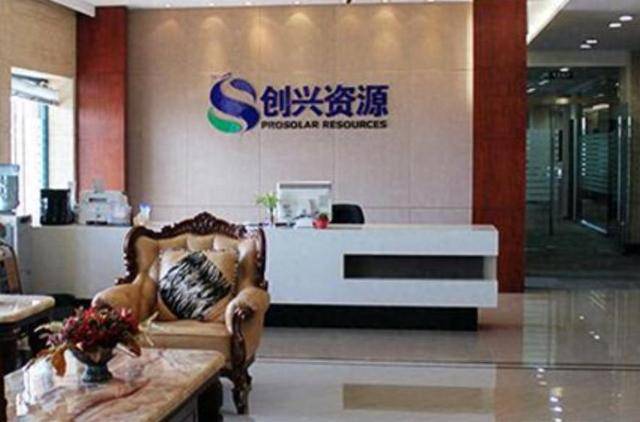
Core Viewpoint - The article discusses the perplexing situation of *ST Chuangxing, a company with minimal revenue and significant management issues, highlighting the questionable practices of its founder, Chen Rongsheng, who profited immensely while leaving the company in a precarious state [1][2][4][6]. Group 1: Company Performance - *ST Chuangxing reported a revenue of only 374,000 yuan over six months, which is significantly lower than its peers [1]. - The company, primarily engaged in construction decoration, failed to secure any orders during this period, resulting in zero revenue from its main business [2]. - The company has seen a drastic decline in net profit, with a reported net loss of 19.65 million yuan in Q3 2024, marking a 160.15% decrease year-on-year [19]. Group 2: Management Issues - The current chairman, Liu Peng, has been arrested for suspected illegal activities, contributing to the company's chaotic management [5]. - The company has been left in a state of disarray, with no clear direction or operational stability [4]. Group 3: Founder’s Actions - Chen Rongsheng, the founder, managed to cash out 1.5 billion yuan while relocating to the United States, raising questions about the company's governance and financial practices [6][22]. - The company underwent a series of questionable transactions, including acquiring assets at inflated prices, which benefited Chen at the expense of shareholders [16][20]. - Over the years, Chen's manipulative strategies allowed him to extract approximately 1.5 billion yuan from the company, leaving it as a shell with no substantial business operations [22]. Group 4: Market Implications - The article highlights the trend of "shell companies" in the A-share market, where investors are often misled by the façade of potential growth while the underlying business remains unprofitable [24][27]. - The situation of *ST Chuangxing serves as a cautionary tale for retail investors, who may fall victim to the capital manipulation and speculative practices prevalent in the market [29][31].
钱越来越难赚?那到底都进了谁的口袋?曹德旺一语道破真相
Sou Hu Cai Jing· 2025-09-21 16:21
Group 1: Economic Sentiment - A significant 76.3% of respondents in a survey believe that "making money is becoming increasingly difficult," which is an increase of 8.7 percentage points compared to the same period in 2024 [1] - The growth rate of residents' income has noticeably slowed, with the per capita disposable income in Q1 2025 being 11,782 yuan, reflecting a real growth of only 3.2% after adjusting for price factors [3] - The Gini coefficient stands at 0.468, indicating a substantial disparity in wealth distribution, with lower-income individuals experiencing slow or even declining income growth [3] Group 2: Financial Industry - The financial sector is currently the most profitable, with the six major state-owned banks reporting a combined net profit of 682.524 billion yuan in the first half of 2025, averaging about 3.77 billion yuan per day [5] - The securities industry achieved a total operating revenue of approximately 251.9 billion yuan, marking a year-on-year growth of 31%, and a net profit of 104 billion yuan, up 65% [5] - The insurance industry reported premium income of 3.74 trillion yuan, reflecting a year-on-year increase of 5.3% [5] Group 3: Monopoly Industries - Monopoly industries such as oil, telecommunications, tobacco, and electricity have fewer competitors, making it easier for these companies to generate profits [6] - The three major oil companies in China—PetroChina, Sinopec, and CNOOC—collectively achieved a net profit of 175.009 billion yuan in the first half of 2025 [8] - The domestic tobacco industry reported a total tax and profit amount of approximately 624.24 billion yuan, showing a year-on-year growth of about 7.58% [8] Group 4: Real Estate Industry - Despite a decline in both sales volume and area in the real estate sector during the first half of 2025, it remains a primary avenue for wealth accumulation [10] - Homebuyers often exhaust their savings and incur bank loans to purchase properties, leading to significant capital inflow into real estate companies [10] - The real estate sector has historically produced some of the wealthiest individuals in China, indicating its role in wealth concentration [10] Group 5: Wealth Distribution Insights - The primary sectors where wealth is flowing include the financial industry, monopoly industries, and real estate, as highlighted by entrepreneur Cao Dewang [12] - These sectors benefit from either monopolistic conditions or supportive government policies that stimulate market activity, contributing to the perception that earning money is increasingly challenging for the average resident [12]
突发!9月22日房贷利率或将再调整!楼市再传大好消息
Sou Hu Cai Jing· 2025-09-21 03:26
Group 1 - The Federal Reserve announced its first interest rate cut since December 2024, reducing rates by 25 basis points, indicating a shift in focus from combating inflation to boosting employment [1] - The current economic environment is characterized by stagnant income growth, insufficient consumer confidence, and a sluggish real estate market, which are core factors constraining recovery [1] - Market expectations suggest that the Federal Reserve may initiate a new round of rate cuts starting in September, potentially lowering rates three times by the end of the year, each by 25 basis points [4] Group 2 - The adjustment in interest rates is expected to significantly narrow the interest rate differential with other major economies, alleviating currency depreciation pressure and providing more operational space for monetary policy in other economies [4] - The real estate market is a key area for observing the effects of policy changes, with mortgage rate adjustments being a critical variable influencing market dynamics [6] - While lower interest rates can reduce borrowing costs, the level of housing prices is seen as the core determinant of demand release, with current weak income expectations leading to persistent market hesitation [8]