奢侈品

Search documents
普拉达拟斥6亿港元购米兰物业 拟作新公司总部
Ge Long Hui A P P· 2025-11-19 02:31
Core Viewpoint - Prada's parent company, Prada (1913.HK), announced a related transaction involving the acquisition of a Milan property by Ludo Due S.r.l., controlled by executive director and major shareholder Miuccia Prada Bianchi, for €66.588 million (approximately HK$600 million) [1] Group 1: Acquisition Details - The property consists of approximately 14,800 square meters of land, divided into two connected sections (Section One and Section Two) [1] - The company has been leasing Section One since 2013 for its Milan operational headquarters, while Section Two is currently undeveloped and available for future urban and real estate development [1] Group 2: Strategic Implications - The acquisition aims to develop the property into a new company headquarters, allowing the consolidation of several existing Milan offices and showrooms into one location, thereby enhancing operational efficiency [1] - The company views this acquisition as a significant opportunity to secure prime real estate in a region undergoing important urban development and value growth, anticipating that suitable real estate assets will become increasingly scarce [1]

21评论丨消费者偏好正发生结构性转变
2 1 Shi Ji Jing Ji Bao Dao· 2025-11-18 23:10
Core Insights - The global luxury goods giants are facing challenges from the Chinese market as consumer preferences shift from international brands to local high-end brands [1][2] - This structural change in consumer behavior is reshaping the competitive landscape of the world's largest luxury market, with local brands experiencing significant sales growth [1][2] Group 1: Market Trends - Chinese consumers are increasingly favoring domestic high-end brands, leading to a decline in sales for traditional international brands like Gucci and Louis Vuitton [1] - In the first three quarters of 2023, local brands such as Laopuhuangjin, Songmont, and ICICLE have seen substantial sales increases, contrasting with the declining performance of major foreign competitors [1] - Over the past two years, the sales growth of five domestic brands has outpaced that of seven major international rivals across various luxury sectors [1] Group 2: Consumer Behavior - The shift in consumer preferences is driven by a systemic upgrade in consumer values, moving from external displays of wealth to internal satisfaction and self-expression [1][2] - National pride and cultural connection are influencing consumer choices, with a growing acceptance of high-priced domestic luxury products [2] - Younger consumers are increasingly valuing product innovation and quality over brand prestige, reflecting a global trend towards more accessible and meaningful luxury [3] Group 3: Brand Development - Local companies are enhancing their high-quality supply capabilities, focusing on craftsmanship and cultural elements to create unique brand identities [2] - Brands like Laopuhuangjin and Songmont are integrating traditional craftsmanship with modern design to build a compelling brand narrative [2] - The Chinese luxury market is evolving into a diverse ecosystem driven by cultural confidence, with local brands poised to compete on the global stage [3]
普拉达(01913.HK)拟6658.8万欧元收购米兰物业
Ge Long Hui· 2025-11-18 22:53
Core Viewpoint - Prada has entered into an agreement to purchase a property in Milan for €66.588 million, which is part of a larger urban redevelopment project that is expected to enhance the area significantly [1][2] Group 1: Property Details - The property consists of approximately 14,800 square meters of land, divided into two sections: Section One, which is developed and consists of 11 buildings primarily for office use, and Section Two, which is undeveloped land [1] - Section One has a total floor area of 8,699 square meters (gross area) and a net area of 7,748 square meters, while Section One's total land area is 11,560 square meters [1] - Section Two includes 1,257 square meters of undeveloped land and 1,982 square meters of parking space, totaling 3,239 square meters [1] Group 2: Strategic Implications - The property is located in an area affected by the "Scalo di Porta Romana" redevelopment project, which includes the development of the Olympic Village for the 2026 Milan-Cortina Winter Olympics and new residential and office buildings [2] - The acquisition is intended to consolidate several existing offices and showrooms into one location, enhancing operational efficiency and strengthening the company's position in this strategic area [2] - The company has been leasing Section One since 2013 and intends to evaluate the potential for developing Section Two into a new company headquarters [2]
11月还没结束,中国经济巨变,出现三个反常现象,风向真的变了!
Sou Hu Cai Jing· 2025-11-18 16:11
Economic Trends - The current economic landscape in China is characterized by a significant increase in household savings, with total RMB deposits reaching 325.55 trillion, a year-on-year growth of 8%, and household deposits alone increasing by 11.39 trillion in October [2] - The phenomenon of citizens purchasing government bonds has intensified, with some bonds selling out within minutes of release, indicating a shift in consumer behavior towards saving rather than spending [4] Consumer Behavior Changes - There is a notable shift in attitudes towards luxury goods, with brands like Burberry and Coach experiencing sales growth exceeding 30%, despite a general trend of increased savings [6] - The luxury market is adapting by implementing stricter quality checks and offering discounts to boost sales, reflecting a change in consumer expectations and market dynamics [7][8] Automotive Market Dynamics - Sales of imported luxury vehicles such as Mercedes-Benz and Audi have declined, while domestic brands like BYD and Geely are gaining market share, indicating a shift in consumer preferences towards local products [9] Brand Perception and Global Influence - The transition from a focus on GDP growth to a more consumer-centric economy highlights the rising influence of Chinese brands globally, with a growing confidence among consumers in domestic products [11] - Chinese brands are increasingly recognized for their quality and innovation, with companies like Huawei and Xiaomi making significant inroads in international markets, showcasing the evolution of "Made in China" to a brand-driven economy [13][15]

KVB外汇:市场忧虑持续,但抛售最糟阶段是否已过?
Sou Hu Cai Jing· 2025-11-18 10:07
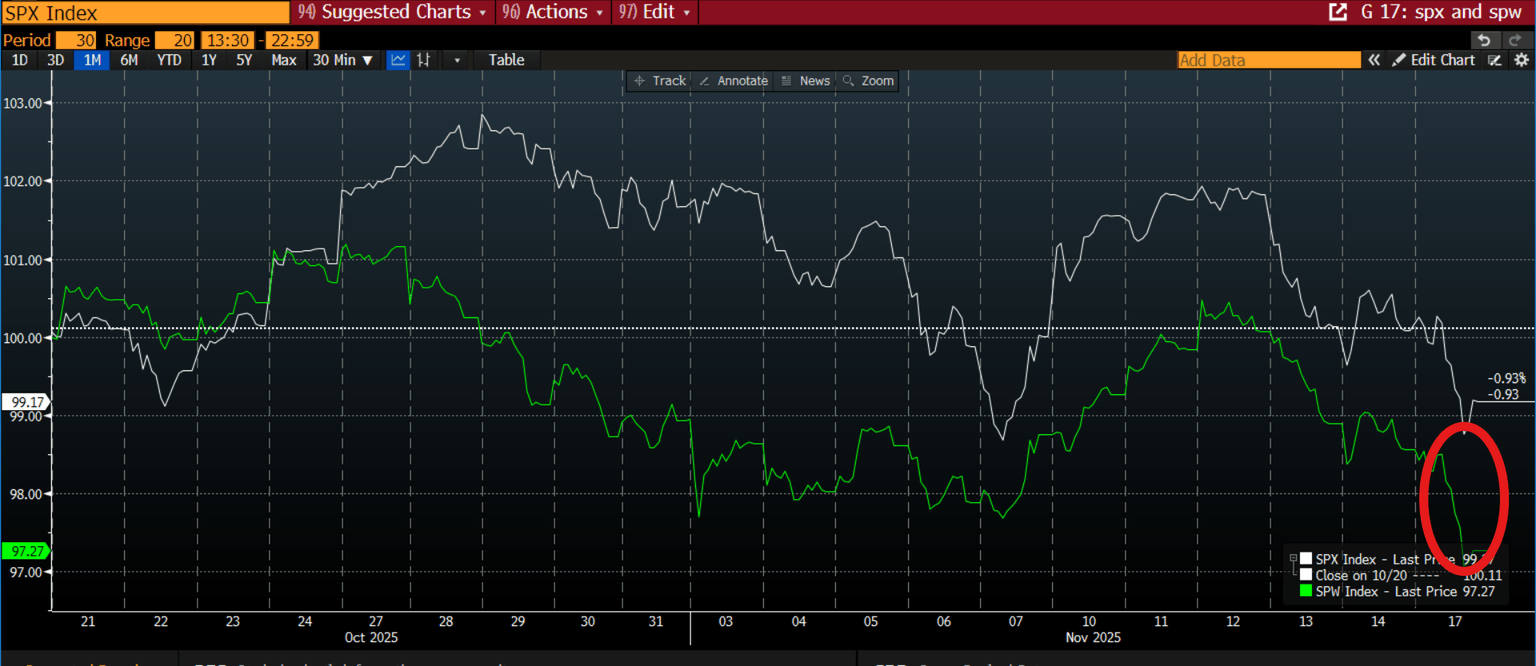
当前市场受多重因素驱动:对人工智能科技股估值的担忧、美国经济前景疲软的忧虑,以及美联储降息步伐可能不足的顾虑。就连传统避险资产今晨也显露 疲态,黄金每盎司下跌23美元,勉强守住4000美元关口。曾被视为"抗衰退"的奢侈品股正拖累欧洲股指下行。爱马仕和路威酩轩集团成为周二欧洲斯托克50 指数表现最差的个股,与荷兰巨头ASML等科技股同步下跌。外汇市场方面,日元和瑞郎正展现其避险货币属性,目前领涨十国集团货币。 周一跌幅超5%的美股涵盖航空、金融及科技股等广泛领域,表明抛售已超出科技板块。这正是推动标普500指数跌破50日均线的关键因素之一,该信号预示 短期动能呈下行趋势。 全面抛售表明科技股仍将主导市场 欧洲和亚洲股市跟随美股下行。 奢侈品和黄金等避险资产表现疲软。 全面抛售可能扼杀市场更广泛复苏的希望。 美国特定因素拖累市场情绪。 沃尔玛能拯救股市吗? 周二早盘股市一片红海,抛售潮持续加剧。欧洲股指目前重挫,泛欧斯托克50指数下跌逾1%,富时100指数跌幅超过0.8%,可选消费品、工业和金融等周期 性板块同样遭受重创。 避险资产随市场情绪动摇 周一的行情走势同样值得密切关注。全球股市在美股开盘前基本保持平稳, ...
小摩奢侈与体育用品2026展望:奢侈品企稳回升 体育品牌聚焦“自救”与机遇
Zhi Tong Cai Jing· 2025-11-18 06:54
Group 1: Luxury Goods Industry - The luxury goods industry is showing a more positive outlook compared to the past two years, with notable stabilization signs in the Chinese market [2] - Positive indicators in Q3 are seen as a crucial step towards stability in China, despite ongoing macroeconomic pressures and market volatility [2] - Chinese consumers are becoming more mature, discerning, and differentiated, leading to a polarization in brand performance [2] - The U.S. luxury market demand remains stable, with no significant price resistance, supported by the wealth effect, although there is a high sensitivity to value across all price points [2] - The Middle East market is performing strongly, while Europe shows mixed results with stable overall performance but brand and category disparities [2] - Japan's market is similar to Europe, with recent signs of recovery in tourism spending, while South Korea and Southeast Asia are performing well [2] Group 2: Pricing Strategies - The luxury goods industry is expected to maintain moderate pricing strategies in 2026, with most brands controlling price increases to low single-digit levels [3] - Brands are focusing on differentiated pricing strategies for specific products rather than uniform price adjustments, particularly to maintain the value proposition of entry-level products [3] - The influx of nearly 20 new designers into fashion brands over the past year is anticipated to inject creativity and drive demand for soft luxury goods starting in Q2 of next year [3] Group 3: Sports Goods Industry - The sports goods industry faces a more complex environment with uncertainties in demand due to U.S. tariff policies and intense competition in Greater China and Europe [4] - Brands are focusing on "self-rescue" strategies, such as launching new products, optimizing channels, and carefully managing brand image [4] - Despite uncertainties in the consumer market entering 2026, brands see growth opportunities in running, outdoor, and soccer segments, with the upcoming World Cup viewed as a significant additional driver [4] Group 4: Industry Trends - The conference highlighted a common trend in the industry towards marketing transformation, with luxury brands reallocating budgets from traditional media to experiential activities [5] - The second-hand market for luxury goods is growing and becoming more professionalized, driven by consumer demand for value and sustainability, particularly active in the U.S. [5] - Handbags remain the core category in the second-hand market, accounting for over half of total transaction value, with significant growth in high-end custom clothing and jewelry [5]
金沙中国与路易威登携手举办品牌首场澳门时装秀
Huan Qiu Wang· 2025-11-18 06:36
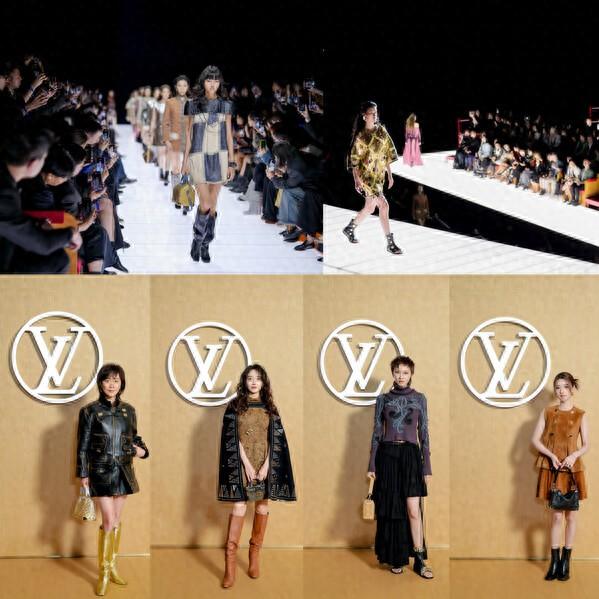
Core Insights - Sands China Limited collaborates with Louis Vuitton to host the Cruise 2026 Spring Collection fashion show in Macau, marking Louis Vuitton's first fashion show in the region [1][3] - The event showcases a new collection designed by Nicolas Ghesquière, featuring prominent figures such as Song Qian and Liu Jia Ling [1][3] Group 1: Event Significance - The fashion show represents a significant milestone for Macau, enhancing its global influence and showcasing Sands China's ability to blend luxury fashion with world-class experiences [3] - The event reflects a shared vision between Sands China and Louis Vuitton to create memorable luxury experiences and solidify Macau's position as a cultural and creative destination [3] Group 2: Cultural Integration - The fashion show intertwines Macau's rich cultural heritage with Louis Vuitton's timeless French elegance, echoing a previous show held in France [3][4] - The event aims to explore the performative and artistic value of clothing, emphasizing its emotional impact and narrative power [4] Group 3: Retail Experience - The reopening of Louis Vuitton's flagship store in Macau in April 2025 features a diverse range of creative products and a unique architectural design by Japanese architect OMA [4] - The Sands Shopping City, which includes the flagship store, offers a luxurious shopping experience with around 850 stores, reinforcing its status as a must-visit destination for high-end consumers [5]
2025年第45周:服装行业周度市场观察
艾瑞咨询· 2025-11-18 00:04
Group 1: Market Trends - The reasons for young consumers purchasing gold have shifted from value preservation and weddings to self-pleasure and personal expression, driven by emotional consumption and product innovation [3][4] - The luxury goods market in China is still in its early development stage, with recent stock price increases following LVMH's better-than-expected quarterly report, but a full recovery is still needed [5] - The rise of the "谷子经济" (Guziko economy) has led to a surge in demand for game-related merchandise, although it has not significantly boosted the core game consumption [6] Group 2: Industry Dynamics - The high-end down jacket market is thriving due to a nationwide temperature drop, with brands like North Face and Bosideng seeing significant sales growth [7] - Airports in China are increasingly transforming into luxury retail spaces to enhance non-aeronautical revenue, with a focus on high-end brands [8] - The sportswear industry is experiencing a wave of "instant retail" strategies, with major brands like Anta and Li Ning seeing substantial sales growth [9] Group 3: Company Developments - SEASE, a luxury sportswear brand, combines high-quality materials with outdoor functionality, targeting affluent male consumers [10][11] - Kering Group reported a 5% decline in revenue for Q3 2025, with Gucci's revenue down 14%, although there are signs of recovery in North America and Western Europe [12] - Balabala leads the children's clothing market in Asia by focusing on emotional connections between parents and children, aiming to become a global lifestyle brand [13] Group 4: Competitive Landscape - Lao Feng Xiang is entering the luxury market to compete with Lao Pu Gold, facing challenges in brand positioning and high-end transformation [14][15] - Lululemon is struggling in North America, facing a significant drop in stock price and competition from emerging brands [16] - LVMH's Q3 report shows a 1% increase in global revenue, with a notable recovery in the Chinese market, highlighting the importance of innovation and retail transformation [17] Group 5: Future Outlook - The luxury goods industry requires a balance between creativity and commercial viability to achieve significant growth, as emphasized by the chairman of KKR Italy [18] - Lao Pu Gold has seen a substantial increase in revenue but faces challenges in maintaining quality and brand integrity [19]

海外视点丨别再关注中国市场的低迷情绪——奢侈品行业高管表示,消费者已经回归
Sou Hu Cai Jing· 2025-11-17 16:12
Group 1 - Chinese consumers are returning to the luxury goods market, with executives from Prada, Coach, EssilorLuxottica, and Value Retail noting a stabilization in demand after months of weakness [2] - The luxury goods industry has seen a significant slowdown in growth since the pandemic, influenced by high youth unemployment, a sluggish real estate market, and weak consumer confidence [2] - Prada's CFO Andrea Bonini expressed a "cautiously optimistic" outlook, indicating that a more "normalized" environment may not emerge until 2026 [3] Group 2 - Coach reported a strong growth momentum, with a 20% increase in business in China, attributed to its market positioning appealing to more cautious consumers [3] - Coach has been expanding its local presence, leveraging 25 years of market experience, including establishing a joint design studio and expanding in regional cities like Wuhan [3] - Approximately 40% of Coach's growth is derived from international markets, indicating resilience against U.S. tariffs [4] Group 3 - UBS research indicated that Burberry's sales in the Greater China region grew by 3%, exceeding expectations, while Richemont reported that sales to Chinese customers were "almost flat," showing significant improvement from previous declines [4] - Richemont's sales in the Asia-Pacific region increased by 10%, with expectations for continued growth momentum before the end of the year [4]


零售周报|LVMH旗下多店亮相北京;汉堡王中国83%股权花落CPE源峰
Sou Hu Cai Jing· 2025-11-17 14:45
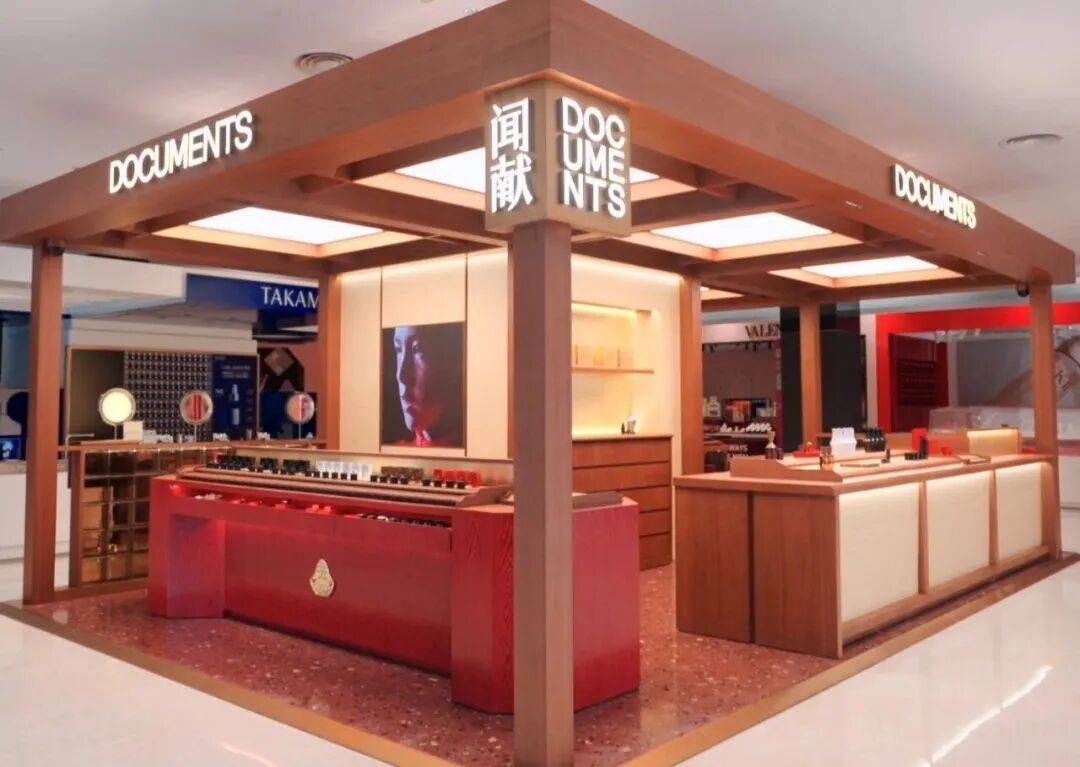
Group 1 - Hainan's new duty-free policy generated over 500 million yuan in sales during its first week, with a year-on-year increase of 34.86% in shopping amount and 3.37% in visitor numbers [1] - The first store of the high-end fragrance brand "Wenxian" opened in Wuxi, featuring a design that integrates local culture and aesthetics [3] - Shanghai Tang opened its first store in South China, showcasing a blend of innovative design and traditional Eastern aesthetics [5] Group 2 - The world's first humanoid robot-themed retail flagship store opened in Shenzhen, featuring interactive robots and a futuristic design [7] - SHEIN opened its first physical store in Paris, with plans to expand to six more locations in France by the end of November [10] - LVMH plans to open several new flagship stores in Beijing in December, marking a significant expansion in the Chinese market [12][13] Group 3 - CPE Yuanfeng acquired an 83% stake in Burger King China, with plans to expand the number of stores from approximately 1,250 to over 4,000 by 2035 [14] - Luckin Coffee's major shareholder is considering a bid for Costa Coffee, which is currently valued at around 1 billion pounds [17] - Haidilao's pizza brand "Xiao Hai Ai Zha" opened its first store in Xi'an, with plans for further expansion [21] Group 4 - Pet food brand "Pet & Fresh" is closing all its stores, with several already marked as closed or paused [22][24] - Sam's Club opened its 60th store in China, located in Yangzhou [26] - Walmart announced a leadership change, appointing John Furner as the new CEO effective February 2026 [27][29] Group 5 - Chaohe Suan NB is expanding nationwide, recruiting for various positions across multiple provinces [31] - JD.com is set to open its first discount supermarket in Beijing, with an area of approximately 5,000 square meters [32] - Richemont reported a 5% increase in total sales, with a significant 17% growth in sales from its four major jewelry brands in the second quarter [33][34] Group 6 - Gao Xin Retail reported a revenue of 30.502 billion yuan for the first half of the fiscal year, with plans to renovate over 200 stores before the next fiscal year [35]