光伏设备及元器件制造

Search documents
PPI环比“两连涨”,统计局:支持价格合理回升的积极因素继续累积
Xin Lang Cai Jing· 2025-12-15 04:54
Core Viewpoint - The Producer Price Index (PPI) in November continued to rise month-on-month for the second consecutive month, with the year-on-year decline stabilizing compared to the previous month, indicating a trend of narrowing year-on-year declines since August [1][3]. Group 1: Factors Influencing PPI - Consumption upgrade is driving price increases, with notable price rises in sports and cultural goods. In November, the price of arts and crafts and ceremonial goods manufacturing rose by 20.6% year-on-year, an increase of 2.2 percentage points from the previous month. The price of sports balls manufacturing increased by 4.3%, up by 1 percentage point from the previous month [1][3]. - The development of emerging industries is positive, with accelerated industrial transformation towards intelligence and sustainability. In November, the price of non-ferrous metal smelting and rolling increased by 7.8% year-on-year, up by 1 percentage point from the previous month. Prices for graphite and carbon products rose by 3.8%, and integrated circuit manufacturing prices increased by 1.7% [1][3]. Group 2: Market Competition and Policy Implications - The effects of regulating market competition are becoming evident, with the year-on-year price declines for photovoltaic equipment and components, lithium-ion batteries, and new energy vehicles narrowing by 2.0, 0.7, and 0.6 percentage points, respectively [2][4]. - The current PPI is still declining year-on-year, and further efforts are needed to solidify the foundation for a reasonable price recovery. Future strategies include expanding domestic demand, strengthening the domestic circulation, and improving supply-demand relationships to promote reasonable price recovery and enhance business operations [5].
国家统计局:PPI出现积极变化 支持价格合理回升积极因素继续累积
Zhong Guo Xin Wen Wang· 2025-12-15 04:20
Core Viewpoint - The Producer Price Index (PPI) in November showed a month-on-month increase for the second consecutive month, indicating a trend of narrowing year-on-year decline since August, with positive changes observed in recent PPI data [1][2] Group 1: PPI Trends - In November, the PPI increased by 0.1% month-on-month, driven by seasonal demand for winter energy and heating, improved market competition, and rising international non-ferrous metal prices [1] - Year-on-year, the PPI decreased by 2.2%, with the decline widening by 0.1 percentage points compared to the previous month, primarily due to a high base effect from the same period last year [1] Group 2: Factors Supporting Price Recovery - Consumer upgrades are increasingly evident, with rising demand for high-quality living leading to price increases in sectors such as sports and cultural goods. In November, the price of arts and crafts and ceremonial goods manufacturing rose by 20.6% year-on-year, an increase of 2.2 percentage points from the previous month; the price of sports balls manufacturing rose by 4.3%, up by 1 percentage point [1] - Emerging industries are experiencing positive development, with accelerated smart and green transformation leading to increased demand for raw materials and finished products. In November, prices in the non-ferrous metal smelting and rolling industry rose by 7.8% year-on-year, an increase of 1 percentage point from the previous month; graphite and carbon product manufacturing prices rose by 3.8%; integrated circuit manufacturing prices rose by 1.7% [2] - The effects of regulating market competition are becoming evident, with prices in photovoltaic equipment and components manufacturing, lithium-ion battery manufacturing, and new energy vehicle manufacturing showing a narrowing decline compared to the previous month [2] Group 3: Future Outlook - Overall, the PPI has shown a month-on-month increase for two consecutive months, with positive factors supporting reasonable price recovery continuing to accumulate. However, the year-on-year PPI remains in decline, indicating that further efforts are needed to solidify the foundation for price recovery [2]
11月份物价数据彰显经济韧性与潜力
Zheng Quan Ri Bao· 2025-12-14 16:16
Group 1 - The core viewpoint of the articles highlights that the recent increase in consumer prices indicates a synchronized improvement in supply and demand, reflecting economic resilience and potential [1][2] - In November, the Consumer Price Index (CPI) rose by 0.7% year-on-year, the highest since March 2024, with the core CPI (excluding food and energy) increasing by 1.2% for three consecutive months [1] - The Producer Price Index (PPI) saw a month-on-month increase of 0.1%, marking two consecutive months of growth, indicating a positive trend in industrial pricing [1] Group 2 - The increase in consumer prices is attributed to effective policy measures and the growth of new economic drivers, with specific sectors like arts and crafts, sports equipment, and nutritional foods seeing price increases of 20.6%, 4.3%, and 1.1% respectively [1] - The prices of household appliances and clothing rose by 4.9% and 2.0% year-on-year in November, while prices for services such as airline tickets and home services also increased, reflecting a shift in consumer spending patterns [2] - The sustained rise in core CPI suggests a steady increase in consumer confidence, supported by macroeconomic policies and efforts to optimize market competition and production capacity [2]
下周一,重要预告!
券商中国· 2025-12-12 07:31
Economic Overview - The State Council Information Office will hold a press conference on December 15, 2025, to discuss the national economic operation for November 2025, presented by Fu Linghui, spokesperson of the National Bureau of Statistics [1] Consumer and Producer Price Index - In November, the Consumer Price Index (CPI) increased by 0.7% year-on-year, with the growth rate expanding; the core CPI, excluding food and energy, rose by 1.2%, maintaining a growth rate above 1% for three consecutive months [3] - The Producer Price Index (PPI) saw a month-on-month increase of 0.1%, marking two consecutive months of growth; however, it decreased by 2.2% year-on-year, with the decline rate widening by 0.1 percentage points compared to the previous month [3] - Notably, the effects of comprehensive rectification of "involution-style" competition are becoming evident, as industries such as coal mining, photovoltaic equipment manufacturing, and lithium-ion battery manufacturing have experienced a narrowing of year-on-year price declines for several months [3] - The price trends in certain industries reflect the rapid development of emerging industries and the effective release of consumer potential [3]


发布会预告,就在下周一!
证券时报· 2025-12-12 04:26
Group 1 - The core viewpoint of the article highlights the upcoming press conference by the State Council Information Office on December 15, 2025, where the National Bureau of Statistics will present the economic performance for November 2025 [1] - In November, the Consumer Price Index (CPI) increased by 0.7% year-on-year, with the core CPI (excluding food and energy) rising by 1.2%, maintaining a growth rate above 1% for three consecutive months [2] - The Producer Price Index (PPI) saw a month-on-month increase of 0.1%, marking two consecutive months of growth, while the year-on-year decline was 2.2%, with the decline rate widening by 0.1 percentage points compared to the previous month [2] Group 2 - The article notes that the effects of comprehensive measures to address "involution" competition are becoming evident, with industries such as coal mining, photovoltaic equipment manufacturing, and lithium-ion battery manufacturing experiencing a narrowing of price declines over several months [2] - The price trends in certain industries reflect the rapid development of emerging sectors and the effective release of consumer potential [2]

锐财经|物价水平保持企稳态势
Ren Min Ri Bao Hai Wai Ban· 2025-12-12 01:52
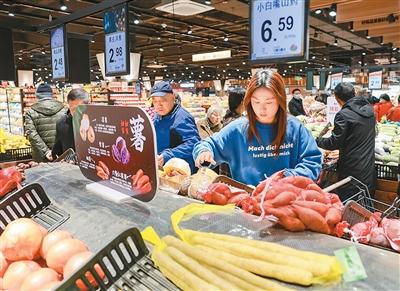
Group 1 - The Consumer Price Index (CPI) increased by 0.7% year-on-year in November, the highest since March 2024, driven primarily by a reversal in food prices from a decline to an increase [2][4] - Core CPI, excluding food and energy, rose by 1.2% year-on-year, maintaining above 1% for three consecutive months [2][4] - The Producer Price Index (PPI) saw a month-on-month increase of 0.1% but a year-on-year decline of 2.2%, indicating a mixed price environment influenced by seasonal demand and macroeconomic policies [4][5] Group 2 - Food prices shifted from a 2.9% decline to a 0.2% increase, with fresh vegetable prices rising by 14.5% after nine months of decline, significantly impacting the CPI [2][3] - Service prices and industrial consumer goods prices increased by 0.7% and 2.1% respectively, contributing positively to the CPI [2][4] - The demand for coal and gas increased seasonally, leading to price rises in related industries, with coal mining prices up by 4.1% [4][5] Group 3 - Emerging industries such as new materials and intelligent technology are driving price increases in related sectors, with prices for external storage devices rising by 13.9% year-on-year [5][6] - Consumer demand is being revitalized through targeted actions, with prices in sectors like arts and crafts rising by 20.6% [5][6] - The government plans to enhance domestic demand and consumption through various initiatives, especially as the year-end approaches, which is traditionally a peak consumption period [7]
物价水平保持企稳态势
Jing Ji Wang· 2025-12-12 01:35
Group 1 - The Consumer Price Index (CPI) increased by 0.7% year-on-year in November, the highest since March 2024, driven primarily by a reversal in food prices from a decline to an increase [2][4] - Core CPI, excluding food and energy, rose by 1.2% year-on-year, maintaining above 1% for three consecutive months, indicating stable inflationary pressures [2][4] - The increase in CPI was influenced by seasonal price rises in services and industrial consumer goods, with notable increases in household appliances (4.9%) and clothing (2.0%) [2][4] Group 2 - The Producer Price Index (PPI) saw a month-on-month increase of 0.1% but a year-on-year decline of 2.2%, reflecting seasonal demand increases in certain industries [4][5] - The PPI decline was less severe than in previous months, with improvements noted in sectors such as coal mining and photovoltaic equipment manufacturing, indicating a narrowing of price drops due to ongoing capacity governance [4][5] - Emerging industries, including new materials and intelligent services, are driving price increases in related sectors, with significant year-on-year price rises in external storage devices (13.9%) and artistic products (20.6%) [5][6] Group 3 - To maintain price stability and promote reasonable price recovery, there is a need to continue expanding domestic demand and optimizing market competition [6][7] - The upcoming year-end period is seen as a critical time for consumption, with plans for various promotional activities to stimulate consumer spending [7] - The outlook for 2026 suggests that with the implementation of demand expansion policies and ongoing capacity governance, prices are expected to rise moderately, supported by improvements in supply-demand structures [7]
物价水平保持企稳态势(锐财经)
Ren Min Ri Bao Hai Wai Ban· 2025-12-11 22:56
Group 1 - The Consumer Price Index (CPI) increased by 0.7% year-on-year in November, the highest since March 2024, driven primarily by a reversal in food prices from a decline to an increase [2] - Core CPI, excluding food and energy, rose by 1.2% year-on-year, maintaining above 1% for three consecutive months [2] - The increase in CPI was influenced by seasonal price rises in services and industrial consumer goods, with household appliances and clothing prices rising by 4.9% and 2.0% respectively [2][4] Group 2 - The Producer Price Index (PPI) saw a month-on-month increase of 0.1% but a year-on-year decrease of 2.2%, with the decline attributed to high comparison bases from the previous year [4][6] - Seasonal demand increases in certain domestic industries, such as coal and gas, contributed to the month-on-month price rise in PPI [4] - New industries, including new materials and intelligent technology, are driving price increases in related sectors, with prices for external storage devices rising by 13.9% year-on-year [6] Group 3 - To stabilize price levels and promote reasonable price recovery, there is a need to continue expanding domestic demand and optimizing market competition [7] - The upcoming year-end and early-year period is seen as a crucial time for consumer spending, with plans for various promotional activities to enhance consumption [7] - Looking ahead to 2026, policies aimed at expanding domestic demand are expected to support a moderate recovery in prices, particularly in service sectors such as dining, accommodation, and health services [7]
11月通胀数据点评:食品项拉动CPI同比创年内新高
Mai Gao Zheng Quan· 2025-12-11 09:11
Group 1: CPI Analysis - In November 2025, the CPI increased by 0.7% year-on-year, marking the highest level in 2025 and the highest since March 2024, while it slightly decreased by 0.1% month-on-month[1] - Core CPI, excluding food and energy, rose by 1.2% year-on-year, remaining above 1% for three consecutive months, indicating a gradual recovery in consumer spending[1] - Food prices shifted from a 2.9% decline in October to a 0.2% increase in November, primarily driving the CPI increase[1] Group 2: PPI Insights - In November 2025, the PPI increased by 0.1% month-on-month, achieving positive growth for two consecutive months, but the year-on-year decline widened to -2.2%[2] - Key industries such as coal mining and photovoltaic equipment manufacturing showed narrowing year-on-year price declines, reflecting effective supply-demand optimization policies[2] - The prices of new materials and intelligent technologies rose significantly, with external storage devices increasing by 13.9% year-on-year, indicating a shift towards industrial upgrading[2] Group 3: Market Outlook - The CPI's recovery is largely dependent on short-term supply shocks from fresh produce, while long-term food prices, such as pork, remain low[4] - The divergence in price trends between traditional and emerging industries reflects ongoing economic transformation, with traditional sectors still undergoing capacity reduction[4] - Future expectations suggest a gradual recovery in prices across key industries, with CPI likely to continue a moderate upward trend and PPI expected to turn positive in 2026[4]
11月物价温和回暖,CPI创21个月新高,PPI环比连涨现企稳信号
Hua Xia Shi Bao· 2025-12-11 08:59
Core Viewpoint - In November, China's macroeconomic policies began to show positive effects, leading to a notable increase in the Consumer Price Index (CPI) and a recovery in consumer spending [2] CPI Analysis - The CPI rose by 0.7% year-on-year in November, an increase of 0.5 percentage points from the previous month, marking the highest level since March 2024 and matching the peak since February 2023 [2] - The core CPI, excluding food and energy, also increased by 1.2% year-on-year, remaining above 1.0% for three consecutive months, indicating a steady recovery in consumer willingness and capacity [2] - Food prices shifted from a decline of 2.9% in October to an increase of 0.2% in November, contributing positively to the CPI [3] Food Price Dynamics - Fresh vegetable prices rose by 14.5% year-on-year after nine months of decline, significantly impacting the CPI [4] - Beef and lamb prices continued to rise, with increases of 6.2% and 3.7% respectively, while pork prices, although still down 15.0%, showed a narrowing decline from 16.0% [4] - Egg prices further declined to -12.5% year-on-year, indicating reduced internal deflationary pressure on food prices [4] Non-Food Price Trends - Service prices and industrial consumer goods prices (excluding energy) increased by 0.7% and 2.1% respectively, contributing approximately 0.29 and 0.53 percentage points to the CPI [5] - Core consumer goods prices rose by 2.1%, marking the seventh consecutive month of growth, with notable increases in gold jewelry (over 50%), household appliances (4.9%), and clothing (2.0%) [5] - Housing rental prices showed a slight decline of 0.2% year-on-year, reflecting a weak real estate market [5] PPI Insights - The Producer Price Index (PPI) decreased by 2.2% year-on-year, but showed a month-on-month increase of 0.1%, indicating a stabilization in industrial prices [6] - The reduction in price declines for certain industries, such as coal mining and photovoltaic equipment, suggests improvements in market competition and pricing structures [7] - New industries, including new materials and intelligent manufacturing, are driving price increases in related sectors, with significant year-on-year rises in external storage devices (13.9%) and integrated circuit manufacturing (1.7%) [7] Consumer Demand and Seasonal Effects - Seasonal demand increases due to winter preparations and supply constraints have led to significant price increases in coal mining and washing industries, with a month-on-month rise of 4.1% [8] - The overall price level remains moderate, with life material prices showing a year-on-year decline of 1.5%, indicating a stable inflation environment [9]