互联网

Search documents
45亿红包打响AI入口大战,百度给出另一种回应
量子位· 2026-02-15 03:45
Core Viewpoint - The article discusses the competitive landscape of AI in China, highlighting the intense rivalry among major internet companies to establish themselves as the "super entrance" to AI services, particularly during the Chinese New Year marketing campaigns [10][16]. Group 1: AI Developments and Market Dynamics - OpenClaw has gained significant traction, reaching 189,000 stars on GitHub by the end of January [1]. - Major companies like Baidu, Alibaba, and Tencent are heavily investing in cash giveaways during the Spring Festival, with Tencent offering 10 billion, Alibaba 30 billion, and Baidu 5 billion in cash red envelopes [3][16]. - Baidu has integrated OpenClaw into its ecosystem, allowing users to deploy AI assistants without prior development experience [4][5]. Group 2: User Engagement Strategies - Baidu's approach focuses on embedding AI capabilities within its existing app, allowing users to access AI features seamlessly without needing to download a separate application [20][21]. - The integration of AI into high-frequency user scenarios, such as search queries, is crucial for retaining user engagement beyond the initial marketing push [17][24]. - Baidu's strategy has resulted in a fourfold increase in monthly active users for its AI assistant, demonstrating the effectiveness of its embedded approach [31]. Group 3: Long-term Strategic Vision - Baidu aims for a long-term strategy that emphasizes a comprehensive technological ecosystem, referred to as "chip-cloud-model-body" [36][42]. - The company has been proactive in launching significant AI models and applications, positioning itself as a leader in the evolving AI landscape [33][34]. - Baidu's full-stack capabilities provide a competitive edge, allowing it to maintain a strong position in the AI market as competition intensifies [42].


马斯克和OpenClaw之父的预言会否成真?80%APP消失后将是什么场景
Di Yi Cai Jing· 2026-02-15 03:14
王逸洲认为未来有三类应用最有可能"幸存"。 "80%的APP将会消失。"开源AI智能体OpenClaw的创始人斯坦伯格(Peter Steinberg)近日在访谈中如 此断言。 在他看来,大多数APP的本质是在管理数据,而个人智能体(Personal Agent)可以接管这一切并做得更 好,他已经能让个人智能体根据自身睡眠和压力情况调整健身计划、控制家里的灯光、调节智能床的温 度,个人智能体掌握的信息比任何单独的APP都多,决策也更合理。 此前,特斯拉首席执行官马斯克曾抛出了更"激进"的时间线:未来五到六年内,操作系统或应用程序将 彻底消失 。"你的手机只是显示像素和发出声音,它预测你最想看到和听到什么,然后实时生成,我们 会尽可能地将AI集成到这个设备中。"他说。 多位接受第一财经采访的业内人士表示,斯坦伯格和马斯克的预言并非危言耸听,而是正在发生的现 实。 "意图经济" 其实,近来人们已经开始逐步体验"没有那么多APP"是什么感觉,比如AI一句话点奶茶,又如 OpenClaw不需要用户下载新的APP,通过常见社交媒体就能下达指令和接收反馈。 中欧国际工商学院决策科学与管理信息系统学教授谭寅亮长期从事人工智 ...
企业家中,为啥雷军看起来没有“酒色财气”?不要忽略智力的作用
Sou Hu Cai Jing· 2026-02-15 02:29
Core Viewpoint - Lei Jun's disciplined and methodical approach to life and business sets him apart from other entrepreneurs, showcasing his dedication to hard work and self-improvement [1][5][11] Group 1: Personal Attributes and Work Ethic - Lei Jun is recognized for his serious demeanor, self-discipline, and commitment to continuous learning, earning him the title of "model worker" during his time at Kingsoft [1] - His willingness to learn from top salespeople and engage directly with customers demonstrates his high standards and work ethic [1] - Lei Jun's ability to avoid the pitfalls of indulgence in "wine, sex, wealth, and arrogance" is a significant aspect of his character [5][6] Group 2: Intellectual Perspective - The article emphasizes the importance of intelligence in recognizing and resisting the temptations of "wine, sex, wealth, and arrogance," which many in the business world succumb to [6][10] - Lei Jun's exposure to inspiring stories of Silicon Valley entrepreneurs during his university years shaped his aspirations to create a world-class company [6][7] Group 3: Pursuit of Dreams vs. Materialism - The distinction between those who pursue dreams and those who chase material pleasures is highlighted, with Lei Jun exemplifying the former [9][10] - The article argues that true success is derived from passion and enjoyment in one's work, rather than mere material accumulation [9][10] Group 4: Role Model for Ordinary Families - Lei Jun's success serves as an inspiration for individuals from ordinary backgrounds, illustrating that pursuing dreams can lead to significant achievements and a meaningful life [11]


从米兰巨幅广告到快闪店,冬奥迎来史上最多中国顶级赞助商
第一财经· 2026-02-15 01:23
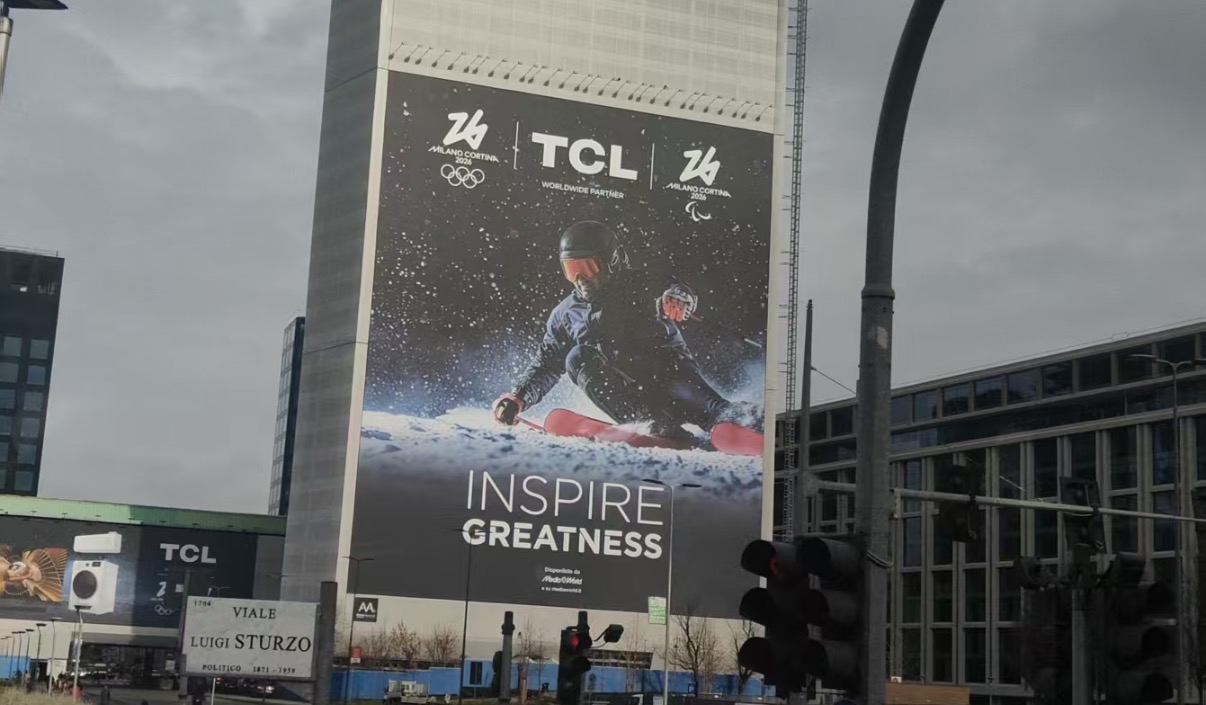
Core Viewpoint - The article highlights the significant presence and impact of Chinese brands as TOP sponsors at the Milan-Cortina Winter Olympics, showcasing the evolving landscape of sports marketing and sponsorship dynamics in the context of global sporting events [5][15]. Group 1: Sponsorship Landscape - The Milan-Cortina Winter Olympics features a record number of Chinese brands as TOP sponsors, with TCL, Alibaba, and Mengniu participating, marking the highest representation of Chinese sponsors in Olympic history [5][15]. - The TOP sponsorship program is crucial for the financial support of the Olympics, with companies paying over $300 million per cycle, contributing significantly to the International Olympic Committee's revenue [12]. - The article notes that the TOP sponsorship program has seen a shift in participants, with traditional sponsors like Panasonic and Toyota exiting, while new entrants like TCL and Budweiser are filling the gaps [17][18]. Group 2: Marketing and Brand Visibility - Major sponsors have utilized prominent advertising spaces in Milan, with TCL securing the largest outdoor billboard, showcasing their products alongside Olympic themes [7][10]. - The presence of sponsors extends beyond advertising, as they provide services and products within the Olympic Village, enhancing the experience for athletes and staff [10][11]. - The article emphasizes the importance of sports marketing for brand recognition, with TCL's market share in Italy growing by approximately 50% due to their Olympic sponsorship efforts [20]. Group 3: Technological Integration - The integration of new technologies, such as AI and cloud services, is highlighted as a key trend among sponsors, enhancing the viewing experience and operational efficiency during the Olympics [18][20]. - Alibaba's AI assistant and TCL's advanced display technologies are examples of how sponsors are leveraging innovation to improve engagement and service delivery at the event [11][18]. Group 4: Economic Impact and Market Strategy - The article discusses the economic implications of the Olympics for sponsors, noting that brands are seeking to expand their global presence through strategic marketing initiatives tied to the event [20]. - Companies like TCL are adapting their strategies to local market conditions in Italy, recognizing the diverse economic landscape and competitive environment [20].



【财经早报】关于AI应用等,华为新合作
Zhong Guo Zheng Quan Bao - Zhong Zheng Wang· 2026-02-15 00:28
Group 1: Financial Support for Rural Enterprises - The People's Bank of China and other regulatory bodies issued an opinion to enhance financial support mechanisms for rural enterprises, aiming to help them utilize multi-level capital markets for financing [1] - The policy includes a "green channel" for companies registered in former poverty-stricken areas to facilitate their listing, and supports refinancing through various methods such as additional issuance and convertible bonds [1] - The initiative also promotes the listing of futures and options for specialty agricultural products, providing risk management tools tailored to rural industry needs [1] Group 2: Regulatory Actions on Major Platforms - The State Administration for Market Regulation held discussions with major platform companies including Alibaba, Douyin, and Tencent, urging them to comply with the Anti-Unfair Competition Law and to avoid "involution" in competition [2] - The aim is to foster a fair competitive market environment and promote innovation and healthy development within the platform economy [2] Group 3: Industry Developments - The Ministry of Industry and Information Technology released guidelines for the tea industry, targeting a total industry scale of 1.5 trillion yuan by 2030, with the goal of cultivating over five tea industry clusters with annual revenues exceeding 10 billion yuan by 2028 [2] - The guidelines emphasize modernization of the industry chain and the development of diverse product types and consumption scenarios [2] Group 4: Corporate Collaborations - Huawei signed a cooperation agreement with Shandong Haohua Group to collaborate on digital transformation, AI applications, and smart mining, aiming for high-quality business development [4] Group 5: Corporate Penalties and Developments - ST Cube was penalized by the Anhui Securities Regulatory Bureau for significant financial misconduct, including inflated revenue through false trading practices, resulting in a fine of 10 million yuan and potential delisting [5] - Xiamen Rural Commercial Bank was fined 6.05 million yuan for governance and management failures across various business operations [5] Group 6: AI and Technology Advancements - ByteDance launched the Doubao Model 2.0, featuring significant upgrades in multi-modal understanding and enterprise-level capabilities, marking a major advancement since its initial release [5] - The AI sector is experiencing explosive growth, particularly among internet giants competing in the AI space, which is straining backend infrastructure and highlighting the scarcity of computing resources [7]

【财经早报】关于AI应用等 华为新合作
Zhong Guo Zheng Quan Bao· 2026-02-15 00:27
Group 1: Financial Support for Rural Enterprises - The People's Bank of China and other regulatory bodies issued an opinion to enhance financial support mechanisms for rural enterprises, aiming to help them utilize multi-level capital markets for financing [1] - The policy includes a "green channel" for companies registered in former poverty-stricken areas to facilitate their listing process [1] - Support will be provided for listed companies to raise funds through various means such as additional issuance, rights issues, and convertible bonds, focusing on local specialty industries and agricultural technology innovation [1] Group 2: Regulatory Actions on Major Platforms - The State Administration for Market Regulation held discussions with major platform companies including Alibaba, Douyin, Baidu, Tencent, JD.com, Meituan, and Taobao, emphasizing compliance with the Anti-Unfair Competition Law and promoting fair competition [2] - Companies were reminded to avoid "involution" competition and to foster a healthy market environment for platform economy innovation [2] Group 3: Company Collaborations and Developments - Huawei signed a cooperation agreement with Shandong Haohua Group to focus on digital transformation, AI applications, and smart mining, aiming for high-quality business development [4] - ByteDance launched the Doubao Model 2.0, which includes three general agent models and a code model, marking a significant upgrade in multi-modal understanding and enterprise-level capabilities [5] - Xiamen Rural Commercial Bank was fined 6.05 million yuan for governance and management violations, highlighting regulatory scrutiny in the banking sector [5] Group 4: Industry Insights and Trends - Open Source Securities reported that demand for domestic high-end luxury passenger vehicles is exceeding expectations, with a favorable competitive landscape suggesting potential growth for related listed companies [7] - Zhongyou Securities noted that major internet companies are intensifying competition in the AI sector, leading to increased traffic and pressure on backend infrastructure, indicating a growing demand for computing resources [7]
从米兰巨幅广告到快闪店 冬奥迎来史上最多中国顶级赞助商
Di Yi Cai Jing· 2026-02-14 23:49
Core Insights - The Milan-Cortina Winter Olympics is showcasing a strong presence of global brands, particularly Chinese sponsors, marking a significant moment in sports marketing [1][7]. Group 1: Sponsorship and Advertising - Major sponsors like TCL, Alibaba, and Coca-Cola are leveraging the Olympics for extensive advertising, with TCL securing the largest outdoor billboard in Milan [1][2]. - The city has transformed into a winter Olympics-themed venue, with advertisements from various sponsors visible in public spaces, including bus stops and tram bodies [2]. - The current Winter Olympics features 12 TOP sponsors, including three from China, highlighting the increasing influence of Chinese brands in global sports [3][7]. Group 2: Services and Products Provided by Sponsors - TOP sponsors are not only providing financial support but also services, such as TCL setting up a lounge in the Olympic Village equipped with their products [4]. - Other sponsors like Alibaba and Procter & Gamble are also providing unique experiences and products for athletes, enhancing the overall Olympic experience [4]. - The use of advanced technology, such as AI and cloud services, is evident in the broadcasting and event management, with Alibaba's AI assistant deployed for operational support [9]. Group 3: Economic Impact and Market Dynamics - The TOP sponsorship program is a significant revenue source for the International Olympic Committee, with companies paying over $300 million per cycle [6]. - The financial contributions from TOP sponsors are crucial for the organization and development of Olympic events globally [5]. - TCL's market share in Italy has grown by approximately 50%, indicating the effectiveness of sports marketing in enhancing brand recognition [10]. Group 4: Changes in Sponsorship Landscape - The upcoming Paris Olympics will see a shift in the sponsorship landscape, with several long-standing sponsors exiting the TOP program, creating opportunities for new entrants [8]. - The departure of traditional sponsors reflects a broader trend of industry transformation, with a focus on new technologies and market dynamics [8]. - The increasing presence of Chinese brands in the TOP sponsorship ranks signifies a shift in global commercial power within the Olympic framework [7].
从米兰巨幅广告到快闪店,冬奥迎来史上最多中国顶级赞助商
Di Yi Cai Jing· 2026-02-14 23:45
Core Insights - The Milan-Cortina Winter Olympics has become a significant platform for commercial competition among global brands, with a strong presence of sponsors in the city and at the events [1][3][12] Group 1: Sponsorship and Advertising - Major sponsors like TCL, Alibaba, and Coca-Cola are part of the Olympic Top Partners (TOP) program, with this edition featuring the highest number of Chinese brands as TOP sponsors [3][12] - The city of Milan has transformed into a Winter Olympics-themed venue, with prominent outdoor advertisements from sponsors like TCL and Samsung, showcasing their products alongside Olympic imagery [4][5] - The TOP program includes 12 sponsors, with significant representation from both Chinese and American companies, highlighting a shift in commercial power dynamics [5][12] Group 2: Brand Engagement and Experience - Sponsors have created interactive experiences for athletes and visitors, such as TCL's lounge in the Olympic Village featuring their products and Alibaba's interactive booth [6][8] - The use of advanced technology, including AI and cloud services, enhances the viewing experience and operational efficiency during the Olympics, with Alibaba and TCL playing key roles [14][16] Group 3: Financial Impact and Revenue - The TOP program is a crucial revenue source for the International Olympic Committee (IOC), contributing significantly to the funding of the Olympics and global sports development [8][9] - Historical data shows that the TOP program's revenue share has increased from 30% to 36% in recent Olympic cycles, indicating its growing importance [9] Group 4: Market Expansion and Strategy - Companies like TCL are leveraging the Olympics to expand their international market presence, particularly in Italy, where they have seen substantial growth in market share [16] - The competitive landscape is shifting, with traditional brands exiting the TOP program and new technology-focused companies gaining prominence, reflecting changes in consumer preferences and market dynamics [13][16]
当红包战陷入低效狂欢,文心APP如何靠小成本收割真用户?
Xin Lang Cai Jing· 2026-02-14 15:33
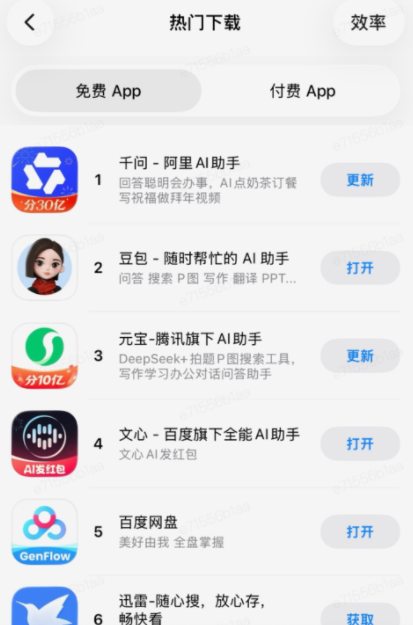
Core Insights - The annual Spring Festival marketing battle has seen internet giants invest over 8 billion in red envelopes, but user retention from this spending is reportedly below 5% [1][3] - Baidu's Wenxin APP has achieved significant success without aggressive spending, rising from outside the top 20 to 4th place on the App Store efficiency chart in just one day [1][3] Group 1: Marketing Strategies - Wenxin APP's user growth surged by 8 times daily during the Spring Festival due to a "Spring Festival Recommendation Officer" activity that encouraged social sharing and new user acquisition [3][5] - The app's innovative multi-Agent group chat feature, which allows multiple AI roles to assist users, was effectively utilized during the marketing campaign, enhancing user engagement and showcasing product capabilities [5][6] - Baidu's marketing strategy focused on product functionality and user interaction rather than merely increasing cash giveaways, demonstrating a "function as marketing" approach that provides long-term value [5][9] Group 2: Competitive Positioning - Baidu secured two spots in the top five of the App Store efficiency chart, indicating its strong market presence and user familiarity [8] - The company was the first major player to distribute red envelopes this year, effectively capturing consumer attention and leveraging low-cost, high-conversion strategies with Wenxin APP [9][10] - The success of Wenxin APP serves as a model for other companies, emphasizing that effective marketing is rooted in the product's inherent functionality and user appeal [9][10]
10万亿美国科技巨头跌入熊市
2 1 Shi Ji Jing Ji Bao Dao· 2026-02-14 13:05
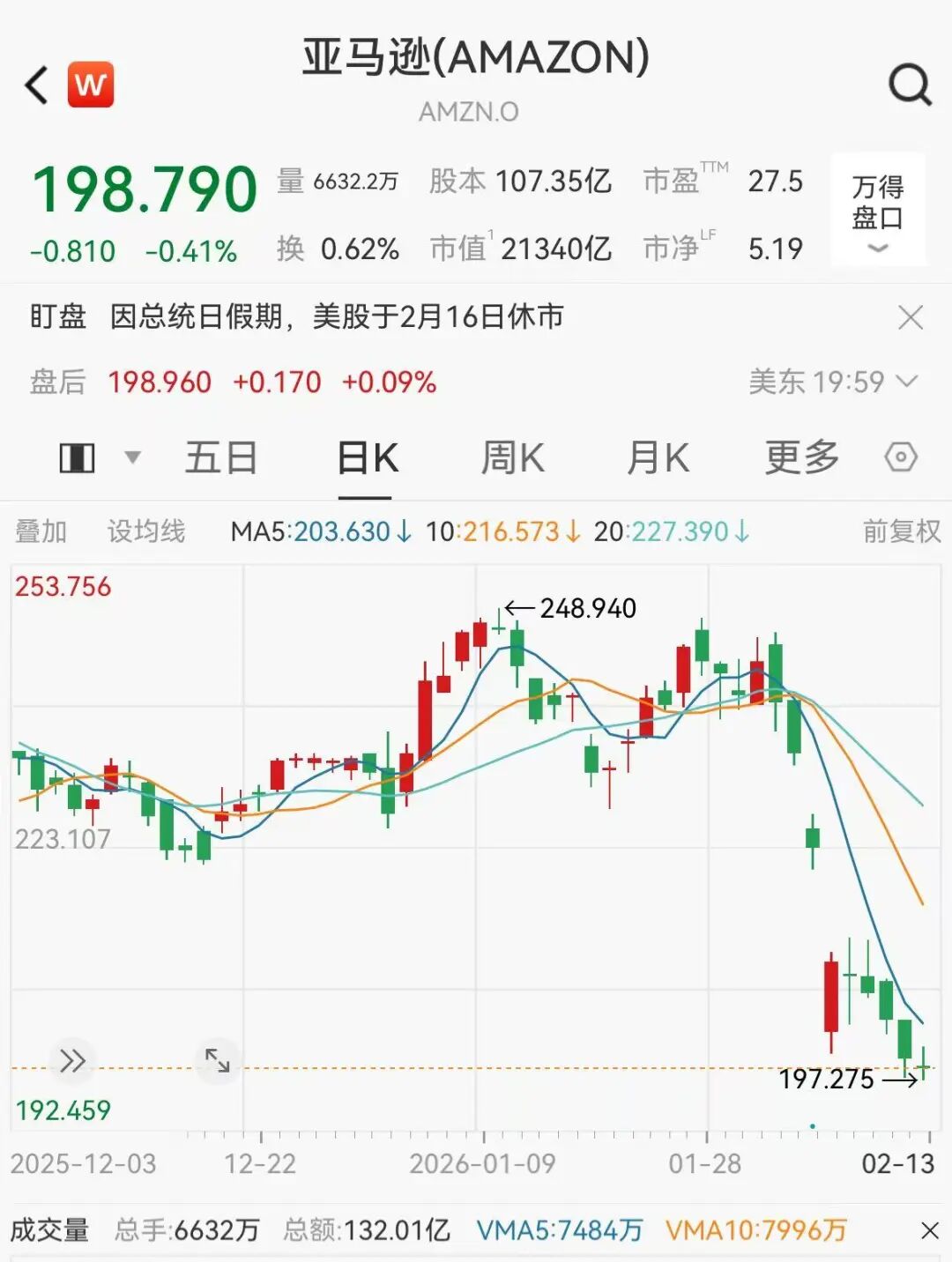
2月13日,美国科技巨头亚马逊收盘报198.79美元/股,市值2.1万亿美元,为连续第9日下跌,创下2006年7月以来最长的连跌纪录。亚马逊股价较近期高点 累计下跌超23%,已进入技术性熊市,成为Mag7(美股七巨头)中第二家跌入熊市的公司。 微软是首家进入熊市的Mag7成员,股价于1月29日跌入熊市。截至13日收盘,微软股价较近期高点下跌27.8%。Meta可能成为下一个跌入熊市的Mag7成 员,截至周五收盘,较去年高点累跌19.6%,距离熊市的20%跌幅门槛仅差0.4%。据券商中国统计,今年以来,Mag7市值蒸发了约1.51万亿美元(折合人民 币约10.4万亿元)。 近期,美股市场轮动的趋势正愈发明显。亚马逊、谷歌母公司Alphabet等科技巨头公布了巨额资本支出计划,加上投资者们对Anthropic新工具的担忧再度 加剧,导致众多人工智能相关的企业股票遭到抛售,资金纷纷涌入其他板块的价值型股票。 美国银行认为,2020年以来,以"七巨头"为代表的科技巨头在美股市场上的领导地位正面临"重大威胁"。随着美国中期选举的临近,投资者应逐步倾向于 投资中小盘股票。 美银首席投资策略师迈克尔.哈特内特(Michae ...