
传统制造业

Search documents
从资金持续流入A股看全球经济动能转换
Zheng Quan Ri Bao· 2025-10-10 16:22
Group 1 - The Chinese stock market has seen significant foreign capital inflow, with $4.6 billion entering in September, marking the highest monthly inflow since November 2024 [1] - Year-to-date, passive foreign funds have cumulatively flowed into the Chinese stock market amounting to $18 billion, surpassing last year's total of $7 billion [1] - The Shanghai Composite Index has risen over 28% since April, attracting global investor attention [1] Group 2 - Continuous capital inflow into the Chinese market indicates a shift in global economic momentum, with technological innovation and industrial upgrading becoming core drivers of future development [2] - Strategic emerging industries such as artificial intelligence, biomedicine, and semiconductors are becoming new engines for economic growth, reshaping the competitive landscape [2] - Over ten A-share listed companies have projected net profit growth exceeding 100% for Q3 2025, benefiting from increased orders or product upgrades and overseas market expansion [2] Group 3 - China has accelerated its position as a global innovation hub, ranking 10th in the Global Innovation Index for 2025, a rise of 25 places since 2013 [3] - The country ranks 19th in innovation input and 5th in innovation output, reflecting improved innovation conversion efficiency and a more robust innovation ecosystem [3] - The A-share market is undergoing a fundamental shift in valuation criteria, moving from traditional metrics to a focus on R&D investment, patent reserves, and technological barriers [3] - The total market capitalization of A-share electronic sector companies has exceeded 13 trillion yuan, surpassing the banking sector [3] - Over 400 A-share companies have seen their stock prices rise over 100% this year, primarily in the electronic and biomedicine sectors, indicating strong market preference for tech innovation firms [3]
东莞传统制造企业做网络营销的乱象
Sou Hu Cai Jing· 2025-10-08 05:41
Core Insights - The company faces significant challenges in transitioning to e-commerce, primarily due to a lack of planning and unified vision among its management team [1][2][6] - Despite having the resources and willingness to invest in e-commerce, the company struggles with execution and achieving sales targets [1][2] - Internal conflicts and a lack of understanding of e-commerce among staff hinder the company's ability to adapt to new sales channels [2][6] Group 1: Company Challenges - The company relies heavily on OEM with 90% of its sales coming from exports, but attempts to enter the domestic market have been unsuccessful [1] - A significant issue is the absence of a coherent strategy for branding, product development, and sales channels, leading to disorganization and low morale among employees [1][2] - The company's e-commerce efforts have been hampered by poor performance on platforms like Tmall, where low ratings were attributed to quality and delivery issues [2] Group 2: Management and Training - There is a critical need for training and alignment within the management team to improve understanding of e-commerce and digital marketing [2][6] - The company has invested in e-commerce training and external expertise, but the lack of a structured approach has resulted in wasted resources and ineffective strategies [1][6] - Internal conflicts, such as disagreements between departments and a lack of respect for e-commerce initiatives, further complicate the company's efforts to succeed in this area [2][7] Group 3: Operational Issues - The company has faced operational challenges, including ineffective website management and a lack of ongoing promotion, which diminishes the potential of its online presence [6] - There is a tendency for internal competition to undermine sales efforts, as employees may prioritize personal gain over collective success [7] - The company must focus on building relationships with customers and enhancing communication to improve sales outcomes and brand recognition [7]

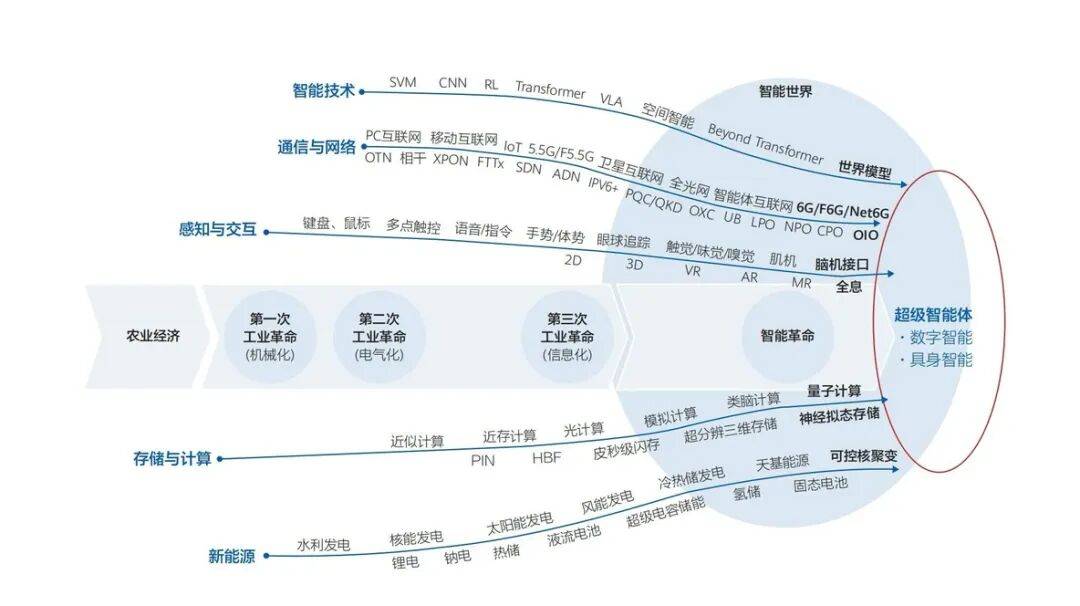
周其仁:避卷之道
混沌学园· 2025-10-02 11:58
Core Viewpoint - The article emphasizes three key strategies for private enterprises in Foshan to break through challenges: focusing on lean management, planning for global expansion, and striving for uniqueness in products and services [4][9][10]. Group 1: Lean Management - The first strategy is "focusing on lean management," which involves reducing waste within the organization to enhance efficiency and productivity. Successful companies have adopted lean management practices for many years, leading to better resource utilization and improved product quality [4][5][6]. - Lean management is not about making the company weaker but rather about strengthening it through continuous improvement in processes and reduction of internal waste [4][5]. - Companies that have embraced lean management are better positioned to survive economic downturns, as they maintain operational efficiency and can adapt to changing market conditions [6]. Group 2: Global Expansion - The second strategy is "planning for global expansion." Companies should look beyond domestic markets and consider international opportunities to avoid saturation and competition within local markets [7][8]. - Successful examples include companies like Midea, which have historically sought international markets to diversify their customer base and reduce reliance on domestic sales [7][8]. - The current geopolitical climate, including trade tensions, has prompted many Chinese companies to expand internationally, leading to the emergence of more multinational corporations [8]. Group 3: Striving for Uniqueness - The third strategy is "striving for uniqueness," which involves creating products that stand out in the market. Companies should focus on enhancing quality, functionality, and innovation to meet customer demands in less competitive niches [9][10]. - The article highlights that traditional industries often produce similar products, making it crucial for companies to differentiate themselves to capture market share and achieve better returns [9][10]. - By targeting unique product offerings, companies can tap into unmet market needs and reduce competition, leading to higher profitability [9][10]. Group 4: Market Capability vs. Production Capability - The article discusses the imbalance between market capability and production capability in the Chinese manufacturing sector, where production capacity has outpaced the ability to find customers [14][16]. - Companies must enhance their market capabilities to match their production capabilities, ensuring that they can effectively sell their products and realize their value [16][17]. - The focus should be on understanding customer needs and developing strategies to attract and retain high-quality clients, which is essential for sustainable growth [19][20]. Group 5: Case Studies - The article presents case studies of companies that have successfully navigated challenges by adopting the discussed strategies. For instance, a company named Weili Xin chose to focus on difficult orders with less competition, leading to significant business growth [36][38]. - Another example is a company that maintained strict cash payment policies, which forced them to improve product quality and build a strong reputation in the market [39][40]. - These examples illustrate that by avoiding common pitfalls and focusing on unique strategies, companies can thrive even in competitive environments [36][39].


制造业“压舱石”作用持续显现
Jing Ji Ri Bao· 2025-10-01 22:21
Core Viewpoint - The manufacturing sector in China has shown significant growth and resilience, supported by various policies and a focus on technological innovation, contributing to the overall economic stability and development of the country [1][2][3]. Group 1: Manufacturing Sector Performance - In the first eight months of the year, tax revenue from the manufacturing sector increased by over 5% year-on-year, accounting for more than 30% of total tax revenue [1]. - The added value of the manufacturing industry grew by 7.0% year-on-year in the first half of the year, outperforming the overall industrial growth by 0.6 percentage points [2]. - Key sectors such as equipment manufacturing and high-tech manufacturing saw added value growth rates of 10.2% and 9.5%, respectively, exceeding the overall industrial growth by 3.8 and 3.1 percentage points [2]. Group 2: Policy Support and Initiatives - A series of supportive policies have been implemented to enhance the manufacturing sector, including guidelines for upgrading traditional manufacturing and promoting future industries [3][4]. - The Ministry of Industry and Information Technology has supported 46 cities in piloting new technology transformations, resulting in over 230 top-tier smart factories and 1,260 5G factories [2]. - Local governments are focusing on developing the real economy, with initiatives such as advanced manufacturing cluster cultivation and key industry chain service officer systems [3]. Group 3: Technological Innovation and Structural Optimization - The manufacturing sector is entering a new phase of technological innovation, with breakthroughs in key core technologies and strategic products [2]. - There is an emphasis on enhancing the self-control capability of core technologies and optimizing the industrial structure to strengthen competitive advantages [4]. - The transition towards intelligent and green manufacturing is being prioritized, with support for leading enterprises to adopt industrial internet platforms and promote low-carbon, high-efficiency transformations [5].
城市24小时 | “工业第一城” 继续“拥抱”传统产业
Mei Ri Jing Ji Xin Wen· 2025-09-30 15:59
Core Insights - Shenzhen aims to leverage its rich innovation resources and diverse industrial categories to upgrade traditional industries, targeting a total scale of over 700 billion yuan within three years [1] - The city plans to implement 12 policy measures, including the establishment of various investment funds to support mergers and acquisitions in traditional industries [1][2] - Shenzhen's advanced manufacturing and high-tech manufacturing sectors account for 68.2% and 58.2% of the city's industrial added value, respectively [1] Group 1: Traditional Industry Development - Shenzhen has a strong presence in traditional industries such as high-end women's clothing, jewelry, and eyewear, with the jewelry industry holding a national industrial output value lead [2] - The city will implement an action plan to integrate artificial intelligence into various traditional sectors, aiming to digitize over 100 traditional enterprises within three years [2][3] - The government recognizes both traditional and emerging industries as essential components of a modern industrial system, promoting a blend of technology and traditional manufacturing [3] Group 2: Investment and Policy Measures - The city will create a multi-faceted investment support model involving government-guided funds, listed company capital, and professional investment institutions [1] - Shenzhen aims to cultivate over 100 cross-industry fusion fashion products and popular national trend products by 2027 [3] - The approach of "policy guidance + market leadership + technology empowerment" is expected to serve as a replicable model for traditional industry transformation across the country [3]
励行无界 2025戈壁企业家年会在敦煌圆满举行
Feng Huang Wang Cai Jing· 2025-09-29 10:09
Core Insights - The "Gobi Entrepreneurs Annual Conference" held in Dunhuang focused on themes such as globalization, industrial intelligence, green transformation, and cultural tourism integration, attracting over 200 entrepreneurs and notable speakers from various sectors [2][4]. Group 1: Economic and Industrial Insights - Dunhuang is positioned as a key hub for civilization dialogue and commercial exchange, with ongoing efforts to optimize the business environment through initiatives like "Entrepreneur Day" and credit system enhancements [4]. - The conference highlighted the historical opportunities for Chinese enterprises amid the transition to a new global order, emphasizing the importance of AI and emerging industries such as aerospace, health, and circular economy [7]. - The potential of Central Asia as a strategic location for Chinese enterprises was underscored, given its industrialization benefits and resource endowments [7]. Group 2: Green Transformation and Innovation - The discussion on green transformation revealed that China is experiencing systemic changes in energy, technology, and market management, driven by the dual carbon goals [11]. - The need for traditional manufacturing to adopt a dual-track approach of "intelligent + green" was emphasized, aiming for a shift from scale efficiency to quality effectiveness [13]. - The establishment of a green economy ecosystem encompassing carbon markets and trade is anticipated to create a trillion-dollar market by 2035 [11]. Group 3: Cultural Tourism and Rural Revitalization - The role of cultural tourism in driving rural revitalization was discussed, with a focus on creating sustainable development mechanisms through talent cultivation and digital infrastructure [15]. - The transformation of China's cultural tourism industry from resource-oriented to experience and content-driven was highlighted, emphasizing the importance of cultural IP and emotional value [17]. Group 4: Strategic Thinking in a Changing Environment - The need for enterprises to develop dynamic capabilities to respond to global uncertainties was articulated, with a focus on five paradigms of thinking for digital transformation [19]. - The conference concluded with a call for businesses to discover and meet high-quality demands as a core capability in the new era [19].

赚钱越来越难?
Hu Xiu· 2025-09-29 06:58
Core Insights - The article discusses the transition from an "incremental market" to a "stock market," highlighting the challenges faced by individuals in earning money as traditional wealth-generating sectors slow down [1][4][64] - It emphasizes the need for a paradigm shift in thinking and strategies to adapt to the new economic landscape driven by information and connectivity rather than physical assets [6][68] Group 1: Economic Transition - The past two decades favored bold individuals who could capitalize on booming sectors like real estate, internet, and foreign trade, but these opportunities are diminishing [1][4] - The shift from an "incremental market" to a "stock market" has led to structural unemployment and a realization that effort alone may not yield success in a changing environment [4][6] Group 2: New Economic Paradigm - The article contrasts the "arrangement of atoms" economy, which relies on physical assets and linear growth, with the emerging "arrangement of bits" economy, which is driven by information and exponential growth [18][20][41] - In the new economy, value is derived from sharing and connectivity rather than scarcity, fundamentally altering traditional business models [21][22][44] Group 3: Challenges and Opportunities - The conflict between old and new paradigms creates a sense of anxiety, as many individuals struggle to adapt their skills and strategies to the new economic realities [29][39] - The rise of AI is expected to further disrupt traditional roles, automating tasks previously performed by knowledge workers and intensifying competition [48][50] Group 4: Strategic Shifts - Companies and individuals are encouraged to abandon outdated metrics like GDP and focus on new value systems that reflect the realities of the information economy [56][58] - Emphasizing the importance of network capital, the article suggests that creating value within networks is crucial for success in the new landscape [59][60]
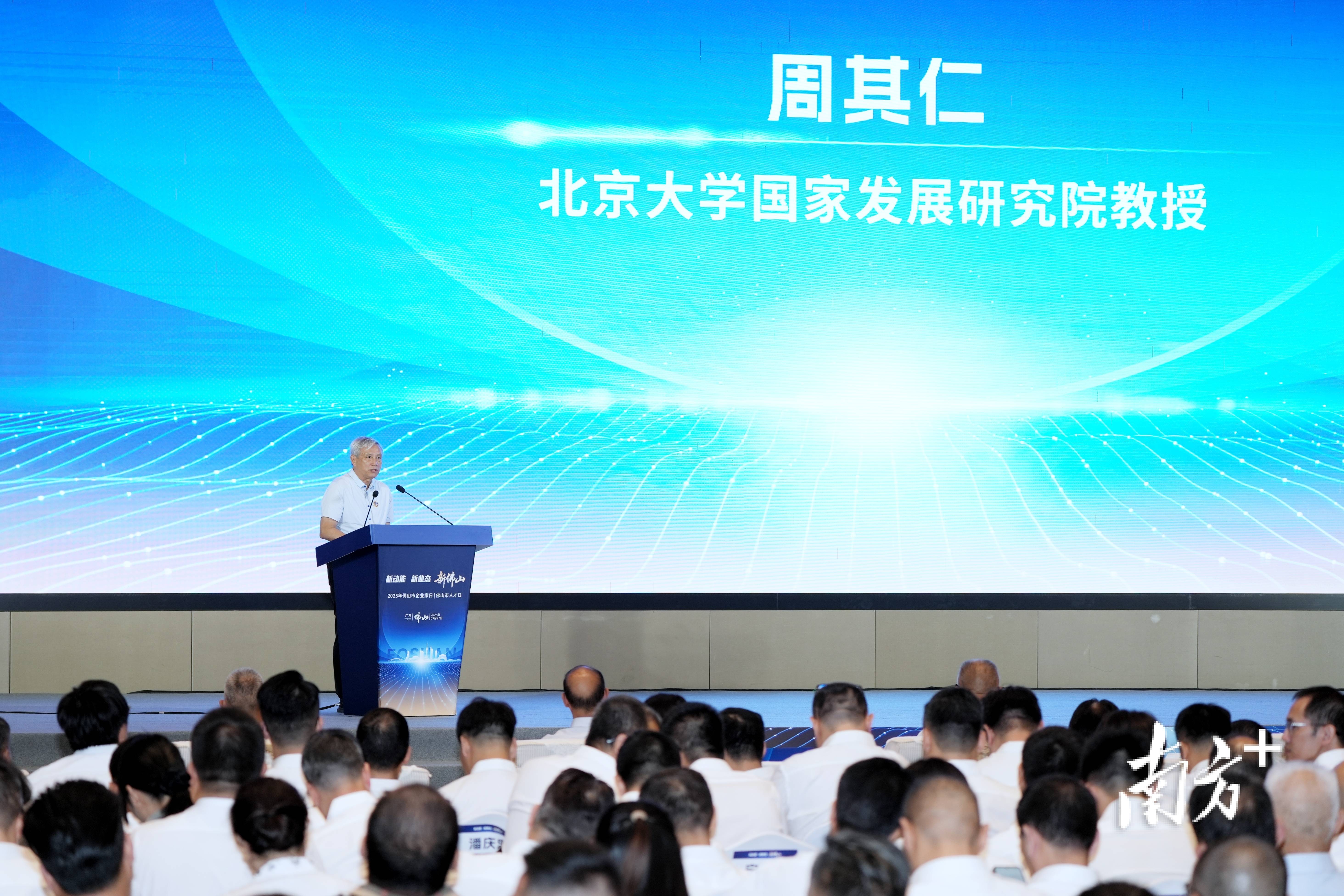
周其仁佛山最新演讲:为什么卷?市场能力严重落后于生产能力(附演讲实录)
Sou Hu Cai Jing· 2025-09-29 04:43
Core Insights - The core argument emphasizes the need for companies to not only focus on product development but also on identifying and targeting high-value customers to escape the "involution" phenomenon in the industry [1][2][13]. Group 1: Key Strategies for Companies - The first strategy is to pursue excellence in details, which involves implementing lean management to reduce waste and improve efficiency within manufacturing processes [7][8][9]. - The second strategy is to plan for long-term global expansion, encouraging companies to look beyond domestic markets and seek opportunities internationally to avoid market saturation [10][11]. - The third strategy is to strive for uniqueness in products, focusing on creating offerings that stand out in the market, which can lead to better returns due to reduced competition [11][12]. Group 2: Importance of Customer Focus - Companies must prioritize understanding customer needs and preferences, as exemplified by successful firms like Huawei and ASML, which focus on being customer-centric rather than solely supply-driven [14][16][18]. - The concept of "good customers" is highlighted, where companies should aim to sell to clients who are willing to pay premium prices for high-quality products, thus creating a sustainable business model [21][22][24]. - The narrative stresses that traditional pricing strategies must evolve, moving away from competing on low prices to emphasizing the value and profitability that high-quality products can deliver to customers [21][24]. Group 3: Case Studies and Examples - The case of ASML illustrates how targeting the best customers, such as IBM, and understanding their specific needs led to significant business success and innovation [17][19]. - The experience of companies like Weili Xin and a ceramic valve manufacturer demonstrates that focusing on challenging projects and maintaining strict payment terms can lead to growth and stability in competitive markets [29][30][31]. - The success of brands like Fotile, which competes on quality and innovation rather than price, serves as a model for how Chinese companies can elevate their market position [22][23][26].

转型中国:日本1990还是美国1970?
CAITONG SECURITIES· 2025-09-24 02:27
Group 1: Economic Transformation Insights - China's current transformation strategy is more aligned with the U.S. in the 1970s, focusing on "going global" and "common prosperity" akin to the U.S. deindustrialization and Great Society initiatives[1] - The Chinese economy is entering the latter stage of transformation, with cyclical issues becoming less impactful, as evidenced by the decline in old economic drivers like real estate[1] - The transition phase requires patience in policy implementation, as excessive use of counter-cyclical policies may lead to structural issues similar to the U.S. in the 1960s and 70s[1] Group 2: Market and Policy Implications - The easing of cyclical pressures, particularly in real estate, suggests a potential formation of an "L-shaped" economic recovery, supported by counter-cyclical policies[1] - The ongoing structural reforms and technological breakthroughs, although slow, create opportunities for risk appetite and asset revaluation in the capital markets[1] - The A-share bull market since the "924" policy in 2021 reflects the synergy between counter-cyclical policies and technological advancements in sectors like AI and robotics[1] Group 3: Risks and Challenges - Risks include the possibility that the pace of structural reforms may not meet expectations, and uncertainties surrounding technological breakthroughs and external economic influences[1] - The decline in housing prices, with first-tier city prices dropping by 34.3% from their peak as of August 2025, highlights the ongoing challenges in the real estate sector[3] - The GDP deflator index has shown negative growth for nine consecutive quarters since Q2 2023, indicating persistent economic weakness[3]
投资庚我学 |美联储年内首次降息,对资本市场有何影响?
Xin Lang Cai Jing· 2025-09-24 01:11
Group 1 - The Federal Reserve's recent interest rate cut is a preventive measure aimed at supporting the economy amid signs of slowing growth and a weakening labor market [1][3][9] - The U.S. economy shows a divergence, with strong investment in technology sectors while traditional manufacturing and real estate remain weak [3][9] - The interest rate cut is expected to influence global markets by lowering U.S. Treasury yields, potentially leading to a reallocation of funds towards higher-yielding non-U.S. assets, especially in emerging markets [4][5] Group 2 - The impact of the Federal Reserve's rate cut on China is primarily through three channels: external monetary policy constraints, exchange rate and capital flow effects, and market sentiment and risk appetite [6][7] - The rate cut may provide more policy space for China's central bank to balance domestic growth and risk management, as it alleviates external pressures on the RMB [7] - Historical analysis indicates that during Fed rate cut cycles, market styles and sector performances exhibit common characteristics, although each cycle's specifics can vary significantly based on the macroeconomic context [8]