
电解铝

Search documents
中孚实业股价涨5.06%,上银基金旗下1只基金重仓,持有40.57万股浮盈赚取16.23万元
Xin Lang Cai Jing· 2025-12-23 03:11
Group 1 - Zhongfu Industrial Co., Ltd. experienced a stock price increase of 5.06%, reaching 8.30 CNY per share, with a trading volume of 280 million CNY and a turnover rate of 0.87%, resulting in a total market capitalization of 33.266 billion CNY [1] - The company, established on January 28, 1997, and listed on June 26, 2002, operates in coal mining, thermal power generation, electrolytic aluminum, and deep processing of aluminum products, with its main business revenue composition being 94.76% from non-ferrous metals, 9.96% from electricity, 2.71% from coal, and 0.47% from other businesses [1] Group 2 - The fund "Shangyin Resource Selection Mixed Initiation A" (023448) holds 405,700 shares of Zhongfu Industrial, accounting for 3.33% of the fund's net value, making it the eighth largest holding [2] - The fund has a total scale of 21.9608 million CNY and has achieved a return of 67.28% since its inception on March 21, 2025 [2] Group 3 - The fund manager of "Shangyin Resource Selection Mixed Initiation A" is Lu Yang, who has a tenure of 11 years and 58 days, with the fund's total asset size being 926 million CNY [3] - During Lu Yang's tenure, the best fund return was 64.03%, while the worst return was -29.25% [3]

对话上海交大高金严弘:绿色产业投资要因地制宜,“慧眼”在于读懂产业转型与技术路径
Xin Lang Cai Jing· 2025-12-23 02:12
Core Viewpoint - The Chinese financial system is at a historical juncture, emphasizing the construction of a financial powerhouse and the development of high-quality, resilient financial systems to support the real economy during the upcoming "14th Five-Year Plan" period [1][17]. Group 1: Green Technology Investment - Current green technology investment is heavily concentrated in the primary market and relies significantly on government-guided funds, leading to insufficient market-driven, long-term capital participation [1][13][30]. - The investment landscape requires financial institutions to enhance their professional judgment capabilities and focus on real application scenarios for long-term planning [1][18]. - The CVC (Corporate Venture Capital) model, led by industry players, is more aligned with the needs of green technology development, as it allows for long-term investment strategies that are closely tied to industry demands [1][18][33]. Group 2: Role of Technology in Green Finance - Technologies like artificial intelligence and blockchain can improve the credibility of green finance by enhancing data accuracy and reducing "greenwashing" [6][23]. - AI can provide reliable measurements of carbon footprints and emissions, while blockchain can ensure data integrity through its immutable nature, facilitating trust and verification in green certifications [6][23]. Group 3: Challenges and Opportunities in Green Technology - Despite advancements in certain areas like photovoltaic and wind energy, China's green technology development should not be limited to a few sectors but must address broader industrial challenges, especially in high-emission industries like steel and aluminum [8][25]. - The photovoltaic industry serves as a case study, demonstrating how significant government investment and policy support can reshape market dynamics and drive down costs, making green energy more competitive [9][26]. Group 4: Future Directions for Green Technology Investment - Long-term green technology investment should adopt a multi-modal approach, integrating large enterprises' resources with the needs of smaller firms that rely on external capital [31][30]. - Collaborative efforts among industry, academia, and research institutions are essential for advancing green technology, as seen in initiatives like Shanghai Jiao Tong University's "Big Zero Bay" project [31][30].

如何让物价合理回升:难点在哪里︱重阳荐文
重阳投资· 2025-12-22 07:32
Group 1 - The article emphasizes the importance of achieving stable economic growth, stable employment, and a reasonable recovery of prices as key policy goals in China [2] - It discusses the challenges in achieving a reasonable price recovery, particularly in the context of the current economic environment [2] - The article highlights that the current low price environment has been ongoing since 2012, with significant implications for economic policy [8] Group 2 - The article notes that since May 2012, China's Producer Price Index (PPI) has diverged from that of Europe and the United States, entering negative territory for an extended period [9] - It explains that the prolonged negative PPI is attributed to factors such as the global commodity price downturn in 2011 and the diminishing effects of large-scale infrastructure investment policies initiated in 2009 [9][12] - The article points out that the structural issues of overcapacity in manufacturing have been a fundamental reason for the persistent low prices [15] Group 3 - The article discusses the impact of the supply-side structural reforms initiated in 2016-2017, which aimed to address overcapacity and improve the economic structure [12] - It mentions that the trade tensions with the U.S. and the COVID-19 pandemic have further complicated the price recovery process, leading to fluctuations in PPI [14][15] - The article highlights that the current economic situation is characterized by both overcapacity and insufficient effective demand, complicating the path to price recovery [17] Group 4 - The article identifies three main challenges to increasing consumer demand: stagnant wage growth, a rigid income distribution structure, and a declining real estate market [40][43] - It emphasizes the need for fiscal policies that focus on increasing household income and consumption to stimulate demand and support price recovery [48][49] - The article concludes that merely relying on monetary policy is insufficient; a comprehensive approach involving fiscal policy reform is necessary to address the underlying structural issues [56]

基金经理刘少军|为什么说资源品是2026年资产配置的重要选项?
Sou Hu Cai Jing· 2025-12-22 06:31
Core Viewpoint - The capital market is navigating through a complex macro landscape, with resource commodities emerging as a central focus for asset allocation due to global shifts, industrial cycles, and domestic policy directions [1] Group 1: Equity Market Outlook - The A-share market is expected to exhibit a more balanced style in the coming year, with value sectors likely to be revalued due to attractive valuations and high dividend strategies amid economic recovery [1][2] - The technology growth sector, while still a core direction for long-term industrial upgrades, is undergoing significant changes, shifting from broad speculation on frontier technologies to a focus on performance verification [1][2] Group 2: Global Perspective on Resource Commodities - The investment logic for resource commodities is rooted in structural changes driven by global macro shifts, highlighting their "scarcity" and "inflation resilience" [3] - Supply constraints and rising costs are evident as high-quality mining sources deplete, leading to increased extraction costs for key industrial metals like copper, aluminum, zinc, lead, and nickel [3] - Demand remains robust, driven by global energy transitions and re-industrialization, with strategic importance placed on resources like copper and aluminum, which are now considered as critical as "oil in the new era" [3] Group 3: Domestic Perspective on Cyclical Resource Commodities - The domestic cyclical resource sector presents unique investment opportunities due to improved supply-demand dynamics, leading to enhanced profitability and dividend attractiveness [5] - Capital expenditure has peaked in many domestic resource sectors, with limited new supply, while policies promoting "de-involution" and "unified market" are optimizing industry structures and stabilizing prices [5][6] - The aluminum industry, for instance, is experiencing a tight supply-demand balance, allowing companies to maintain strong profitability and cash flow, thus supporting high dividend yields [6] Group 4: Investment Fund Focus - The TaiKang Resource Select Fund aims to capitalize on historical opportunities in the resource sector, focusing on a wide range of resource-related industries [8][9] - The fund is positioned as a cyclical growth fund, targeting high elasticity sub-sectors and leveraging macro research to identify structural opportunities within the resource commodities market [10][12]
大道之兴 产业强州动能澎湃
Xin Lang Cai Jing· 2025-12-21 22:47
Core Insights - Guizhou's industrial transformation is driven by strategic initiatives focusing on six major industrial bases and resource optimization, aiming to enhance economic strength through industrial development [10][11]. Group 1: Industrial Development - The construction of a high-purity manganese project in Guizhou is nearing completion, with production expected to start in one month [9]. - Guizhou's gold industry is set to achieve a production value exceeding 10 billion yuan in 2024, reflecting a year-on-year growth of 111.3% [14]. - The aluminum industry in Guizhou is forming a comprehensive industrial cluster, integrating upstream and downstream processes, with 14 companies involved in the aluminum production chain [15]. Group 2: Agricultural Advancements - Guizhou's agricultural sector has seen an average annual growth of 5.2%, with a processing conversion rate of 58% for agricultural products [17]. - The region has established 38 production bases recognized as "vegetable baskets" for the Guangdong-Hong Kong-Macao Greater Bay Area [17]. - The brand value of "Puan Red" tea has reached 3.25 billion yuan, marking its entry into the top ten national red teas [26]. Group 3: Service Sector Growth - The service sector's contribution to GDP has reached 53.3%, with overnight tourist numbers increasing by an average of 14.82% annually [18]. - The opening of the Panxing High-speed Railway has significantly boosted tourism, with hotel occupancy rates rising to 75% shortly after its launch [29]. - Guizhou is enhancing its tourism offerings by integrating cultural and health tourism, with a focus on creating diverse travel experiences [30]. Group 4: Infrastructure and Investment - Guizhou has signed over 700 projects since the start of the 14th Five-Year Plan, with total contracted investments exceeding 150 billion yuan [24]. - The region is actively optimizing its business environment, with the number of industrial enterprises reaching 344 by the end of 2024 [24]. - Infrastructure investment has seen an average annual growth of 12.3%, contributing to the overall economic development [17].

光伏50ETF(159864)涨超1.1%,行业景气与供需格局引关注
Mei Ri Jing Ji Xin Wen· 2025-12-19 07:35
Core Viewpoint - The photovoltaic industry is experiencing significant growth due to policy support, with domestic installed capacity continuing to rise, indicating a robust market outlook for solar energy [1] Group 1: Photovoltaic Industry - The domestic photovoltaic installed capacity increased by 216 GW in 2023, representing a year-on-year growth of 147% [1] - The growth trend is expected to continue, with a projected 49% increase in the first three quarters of 2025 [1] - The photovoltaic 50ETF (159864) tracks the photovoltaic industry index (931151), which includes listed companies involved in the entire solar energy supply chain [1] Group 2: Aluminum Industry - Domestic electrolytic aluminum production capacity is nearing its limit, with a long-term cap set at 45.5 million tons due to regulatory impacts [1] - The demand for aluminum is expected to grow due to the lightweight requirements of photovoltaic and new energy vehicles, with a year-on-year increase of 5.72% in domestic electrolytic aluminum demand from January to October 2025 [1] - The decline in alumina prices is beneficial for the recovery of electrolytic aluminum profits, while new capacity releases have led to an oversupply of alumina [1] Group 3: Tungsten Industry - China is tightening regulations on tungsten ore mining, with the first batch of mining quotas for 2025 set at 58,000 tons, leading to a persistent supply tightness [1] - There is strong demand in global new energy and advanced technology sectors for tungsten [1]
大宗周期-有色金属行业主题报告
2025-12-17 02:27
Summary of Key Points from Conference Call Records Industry Overview - The reports focus on the non-ferrous metals industry, particularly gold, copper, aluminum, tin, lithium carbonate, and cobalt markets for the year 2026 [1][2][3][4][5][6][7][8][9][10][11][12][13]. Core Insights and Arguments Gold Market - Gold prices are expected to benefit from a weakening US dollar, anticipated Federal Reserve interest rate cuts, and potential policy uncertainties following Powell's departure, alongside ongoing global central bank gold purchases [1][4]. - The macroeconomic environment is projected to support gold's monetary and financial attributes, driving prices upward [2][3]. Copper Market - Supply constraints are anticipated due to diminishing resource endowments and stricter policies affecting overseas copper mining projects, limiting capacity expansion [1][5]. - Demand for copper is expected to rise significantly due to AI hardware and infrastructure development, with a projected compound annual growth rate of 50% in global computing power from 2025 to 2030 [5]. Aluminum Market - Domestic aluminum production capacity is nearing its limit, while high electricity prices overseas are increasing operational uncertainties [6][7]. - Strong growth in electric vehicle demand and historically low aluminum inventories suggest potential price elasticity for aluminum [6][7]. Tin Market - The tin supply is under pressure due to Indonesia's crackdown on illegal mining, slow recovery in Myanmar, and conflicts in the Democratic Republic of Congo, leading to a tightening global supply [8][9]. - Despite low processing fees in Yunnan and Guangxi, future demand for tin is expected to remain robust, particularly driven by the semiconductor industry and AI applications [9]. Lithium Carbonate Market - The lithium carbonate market is projected to maintain strong momentum in 2026, supported by rapid growth in electric vehicles and energy storage demand [1][10]. - Supply risks from domestic mica mines and a slowdown in overseas lithium resource expansion are noted, but demand is expected to remain strong [10]. Cobalt Market - The cobalt market is facing supply concerns due to tightened export policies from the Democratic Republic of Congo, which is expected to significantly reduce export volumes [3][11][12]. - The anticipated structural supply tightness is likely to persist, affecting global cobalt availability [12]. Additional Important Insights - The overall outlook for the industrial and energy metals sector is positive, with expectations of improved fundamentals and macroeconomic support driving growth [2][3][13]. - Companies with strong cost advantages and clear future prospects are recommended for investment, as they are expected to achieve significant volume increases and provide potential returns for investors [13].
光大期货:12月17日有色金属日报
Xin Lang Cai Jing· 2025-12-17 02:01
Copper - Overnight copper prices showed narrow fluctuations, with domestic refined copper imports maintaining losses. The macroeconomic environment indicates a cooling job market in the U.S., with November non-farm payrolls adding 64,000 jobs, exceeding expectations, but the unemployment rate rose to 4.6%, the highest since 2021. This data confirms a cooling job market, but its impact on the Federal Reserve's view on potential rate cuts in January remains uncertain. The probability of a rate cut in January has increased again [3][11] - The U.S. December Markit Composite PMI preliminary value is 53, below expectations of 53.9 and the previous value of 54.2, indicating a slowdown in order growth and rising price indices. Domestically, the Central Financial Office emphasizes expanding domestic demand as a top priority for next year, continuing a moderately loose monetary policy [3][11] - Inventory levels show LME copper stocks at 165,875 tons, COMEX copper warehouse receipts increased by 1,652 tons to 412,444 tons, SHFE copper warehouse receipts increased by 3,558 tons to 45,784 tons, and BC copper increased by 1,012 tons to 6,977 tons. The upcoming Bank of Japan meeting may introduce macroeconomic disturbances, leading to cautious sentiment in overseas financial markets [3][11] Nickel & Stainless Steel - Overnight LME nickel fell by 0.28% to $14,255 per ton, while SHFE nickel dropped by 0.66% to 111,890 yuan per ton. LME nickel inventory increased by 360 tons to 253,392 tons, and SHFE warehouse receipts rose by 2,622 tons to 37,872 tons. The LME 0-3 month spread remains negative, and the import nickel spread is stable at 400 yuan per ton [12] - Nickel iron prices remain stable, and the stainless steel spot market shows improved transaction sentiment, with total social inventory of stainless steel at 1.0636 million tons, a week-on-week decrease of 1.55%. However, the raw material prices are under pressure due to falling nickel prices and weakening demand [12] - The domestic inventory of primary nickel is increasing again, and the basic fundamentals are dragging nickel prices into a weak oscillation. Attention should be paid to overseas industrial policies and macroeconomic sentiment [12] Alumina & Aluminum - Overnight alumina prices showed a slight increase, with AO2601 closing at 2,553 yuan per ton, up 0.75%. SHFE aluminum also showed a slight increase, with AL2602 closing at 21,825 yuan per ton, up 0.14%. Aluminum alloy prices increased slightly, with AD2602 closing at 20,925 yuan per ton, up 0.05% [13][14] - The SMM alumina price has fallen to 2,787 yuan per ton, and aluminum ingot spot discounts have expanded to 100 yuan per ton. The market is currently negotiating new quarterly order prices for alumina, with companies showing a strong willingness to maintain production despite losses [13][14] - Domestic mining recovery is low, and external mining prices have shown slight declines. The market is gradually adjusting to a new trend of weak supply and strong demand for aluminum prices, with expectations of continued high prices [13][14] Industrial Silicon & Polysilicon - Industrial silicon prices showed a slight decline, with the main contract closing at 8,365 yuan per ton, down 0.59%. The reference price for industrial silicon is stable at 9,580 yuan per ton. Polysilicon prices showed a slight increase, with the main contract closing at 58,600 yuan per ton, up 1.48% [15] - The market is currently focused on hedging contracts or undelivered previous orders, with industrial silicon showing no clear trend and continuing to oscillate. The exchange has implemented measures to ease volatility in polysilicon [15] - The market is experiencing a disconnect between spot oversupply and warehouse shortages, with no upward driving force for the spot market. However, the lack of significant warehouse registration provides some support for the futures market [15] Lithium Carbonate - Lithium carbonate futures for the 2605 contract rose by 1.4% to 101,060 yuan per ton. The average price of battery-grade lithium carbonate increased by 650 yuan per ton to 95,150 yuan per ton, while industrial-grade lithium carbonate also rose by 650 yuan per ton to 92,650 yuan per ton [16] - The weekly production of lithium carbonate increased by 59 tons to 21,998 tons, with spodumene lithium production rising by 260 tons to 13,744 tons. December lithium carbonate production is expected to increase by 3% month-on-month to 98,210 tons [16] - The market is experiencing resource supply disturbances, with expectations of production recovery weakening, leading to price increases. Even in the off-season, prices may weaken, but downstream stocking intentions are expected to remain strong [16]

2025中国ESG投资白皮书发布 揭示高质量发展新图景
Zhong Guo Jing Ji Wang· 2025-12-16 02:56
Core Viewpoint - The "White Paper on the Development and Innovation of China's ESG Investment (2025)" indicates that by 2025, China's ESG ecosystem will transition from advocacy to a new phase characterized by "policy support, corporate leadership, and capital empowerment" [1] Group 1: Policy Framework - 2025 marks a watershed year for China's ESG policy system, showcasing features such as "standard unification, coverage expansion, mandatory implementation, and institutional empowerment" [2] - The "Green Finance Support Project Directory (2025 Edition)" achieves cross-departmental standard unification [2] - The national carbon market will expand to include industries like steel, cement, and electrolytic aluminum, covering over 60% of emissions [2] - The sustainable disclosure system is expected to be largely established by 2030, with ongoing releases of corporate sustainability disclosure standards by the Ministry of Finance [2] - New regulations will institutionalize the participation of institutional investors in corporate governance [2] Group 2: Corporate Transformation - Companies are shifting their view of ESG from a cost burden to a strategic engine for cost reduction and efficiency enhancement, with over 63% planning to maintain or increase future emissions reduction investments [3][5] - Economic benefits are becoming the primary driver for increased emissions reduction investments, with 81% of companies citing "lowering energy or raw material costs" as a key motivation [5] - The example of Sinopec's Qingdao Refining and Chemical Company illustrates that an investment of 170 million yuan in energy efficiency improvements is expected to yield annual savings of approximately 30.72 million yuan [5] Group 3: Market Dynamics - 54% of surveyed companies prioritize low-carbon suppliers, and 38% have required suppliers to take carbon reduction actions, particularly in the automotive and electronics sectors [7] - 30% of companies view attracting green financing as a motivation for emissions reduction, with green loans reaching 4.351 trillion yuan and green bond issuance at 840.2 billion yuan by September 2025 [7] - Companies with overseas operations are more likely to increase emissions reduction investments due to downstream customer demands, with 55% of such companies responding positively compared to only 10% of those without overseas operations [7] Group 4: Capital Engagement - Institutional investors, represented by public funds, are evolving from mere capital providers to active participants in corporate governance and value creation [9] - The new Company Law lowers the threshold for shareholder proposals from 3% to 1%, facilitating greater participation from institutional investors [10] - 84% of listed companies recognize that institutional investors primarily focus on financial health, with a significant portion of rejected proposals related to related-party transactions, indicating institutional shareholders' vigilance in governance [10] Group 5: Industry Leadership - 华夏基金 is one of the earliest public funds to engage in ESG investment in China, having signed the UN Principles for Responsible Investment in 2017 [11] - The company has actively participated in over 170 ESG communications with more than 70 listed companies and has established a digital platform for proxy voting [11] - 紫顶股东服务 is a leader in voting rights management services in China, providing professional voting recommendations to institutional investors [11]
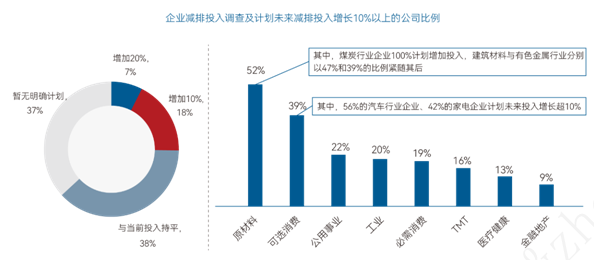
光大期货:12月16日有色金属日报
Xin Lang Cai Jing· 2025-12-16 01:31
Copper - Overnight copper prices fluctuated and then retreated, with domestic refined copper imports maintaining losses. The New York Federal Reserve reported a significant drop in the general business conditions index by about 23 points to -3.9, indicating a contraction in manufacturing, although the outlook for the next six months improved significantly, with the outlook index rising 16.6 points to its highest level since the beginning of the year, reflecting increased optimism about orders and shipments [3][9] - Domestic economic data for November showed resilient exports but weak domestic demand, with consumption declining rapidly month-on-month and fixed asset and real estate investments under pressure, highlighting the need for policy intervention [3][9] - LME copper inventory decreased by 25 tons to 165,875 tons, while COMEX copper warehouse receipts increased by 1,995 tons to 410,792 tons, and SHFE copper warehouse receipts rose by 9,663 tons to 42,226 tons [3][9] Nickel & Stainless Steel - LME nickel fell by 2.22% to $14,295 per ton, while SHFE nickel dropped by 2.15% to 112,530 yuan per ton. LME inventory increased by 360 tons to 253,392 tons, and SHFE warehouse receipts rose by 2,622 tons to 37,872 tons [10] - The stainless steel market showed improved transaction sentiment, with total social inventory of stainless steel in major markets decreasing by 1.55% week-on-week to 1,063,600 tons [10] - The nickel price is under pressure due to weak demand and inventory accumulation, with attention on overseas industrial policies and macroeconomic sentiment [10] Alumina & Aluminum - Overnight alumina prices showed a slight decline, with AO2601 settling at 2,527 yuan per ton, down 0.75%. SHFE aluminum also experienced a slight decline, with AL2602 closing at 21,865 yuan per ton, down 0.11% [11] - The market is currently negotiating new quarterly order prices for alumina, with companies showing a strong willingness to maintain production despite losses [11] - The aluminum price is expected to continue to run at high levels due to supply constraints and the impact of the Federal Reserve's interest rate decisions [11] Industrial Silicon & Polysilicon - Industrial silicon prices showed a slight increase, with the main contract settling at 8,350 yuan per ton, up 1.15%. Polysilicon prices also increased, with the main contract at 58,030 yuan per ton, up 3.61% [13] - The market is currently experiencing a disconnect between spot and futures prices due to excess supply in crystalline silicon and a shortage of warehouse receipts [13] - The trading environment remains cautious, with a focus on the dynamics of production capacity and market responses to recent production cuts [13] Lithium Carbonate - Lithium carbonate futures rose by 1.4% to 101,060 yuan per ton, with both battery-grade and industrial-grade lithium carbonate prices increasing by 650 yuan per ton [14] - Weekly production increased by 59 tons to 21,998 tons, with expectations for a 3% increase in December production [14] - The market is experiencing a reduction in inventory levels, with social inventory continuing to decline, indicating strong demand despite potential seasonal price weaknesses [14]