
农产品

Search documents
用好一张名片“川字号”农产品集体出彩
Si Chuan Ri Bao· 2026-01-17 22:21
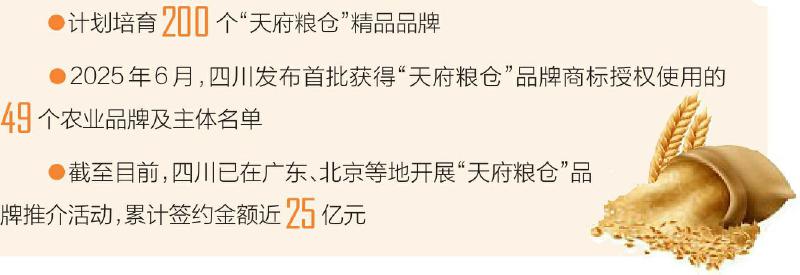
Core Viewpoint - The "Tianfu Grain Warehouse" brand is significantly enhancing the market presence and sales of Sichuan agricultural products, with a goal of reaching 2 billion yuan in sales by 2025 for specific products [1][3]. Group 1: Brand Development and Impact - The "Tianfu Grain Warehouse" brand is empowering Sichuan's agricultural products, which previously lacked quality and market strength, by integrating resources and increasing product value [3]. - As of June 2023, the "Tianfu Grain Warehouse" brand was officially launched, with plans to cultivate 200 premium brands under this initiative [3]. - The first batch of 49 agricultural brands received trademark authorization in June 2025, enhancing the collective brand image of Sichuan's unique products [3]. Group 2: Sales and Market Expansion - The "Tianfu Grain Warehouse" brand has led to increased market trust and sales, with one company reporting sales exceeding 12 billion yuan from its regional products [3]. - Sichuan has conducted promotional activities for the "Tianfu Grain Warehouse" brand in major cities, resulting in a cumulative signed amount of nearly 2.5 billion yuan [4]. Group 3: Future Strategies and Recommendations - To sustain the brand's empowerment, there is a focus on deepening the cultural narrative of agricultural products and enhancing marketing efforts through national promotions and "Belt and Road" initiatives [5]. - A proposed regulatory framework aims to implement a traceability system for "Tianfu Grain Warehouse" products, ensuring each product has a unique identification for quality assurance [5]. - Collaboration with other regions is encouraged to enhance brand development, leveraging strengths from various agricultural products to achieve mutual benefits [6].


“青春主播”带火“津门好物”
Xin Lang Cai Jing· 2026-01-17 21:49
Core Viewpoint - The "Qingyun China" live-streaming event in Tianjin aims to promote local agricultural products and connect them with a national audience through youth engagement and innovative marketing strategies [1][2] Group 1: Event Overview - The event was co-hosted by multiple organizations including the Central Committee of the Communist Youth League and the Tianjin Municipal Committee [1] - It featured live-streaming promotions, on-site visits, and discussions to showcase Tianjin's unique agricultural products [1] - Over 100 types of local products, such as Haihe milk and Baodi sweet potatoes, were highlighted during the event [1] Group 2: Sales Performance - The live-streaming session saw rapid sales, with 500 orders placed within the first hour [1] - Youth hosts effectively engaged viewers by sharing stories and experiences related to the products, enhancing the appeal of local goods [1] Group 3: Brand Development and Future Plans - A themed e-commerce forum titled "Qingyun Assist Agriculture: Tianjin Colors Bloom" was held, where the "Qingyun Tianjin" brand logo was launched [1] - The event recognized outstanding youth hosts with the title of "Qingyun Tianjin: Recommended Officer for Quality Agricultural Products" [1] - The Tianjin Youth League plans to further develop the "Qingyun China" brand and create broader platforms for youth involvement in rural revitalization [2]
突发特讯!中加签协议,特朗普表态:对加拿大来说,是件好事情,少见措辞引发国际舆论
Sou Hu Cai Jing· 2026-01-17 19:37
Group 1 - The signing of the "China-Canada Economic and Trade Cooperation Roadmap" by Canadian Prime Minister Carney in Beijing has elicited a surprisingly calm response from the White House, indicating a strategic calculation behind President Trump's seemingly casual remarks [1] - Recent tensions in US-Canada relations, including steel tariffs and automotive industry disputes, have led to a shift in Canadian public opinion, with 59% of Canadians viewing the US as a primary threat, while only 17% hold a negative view of China [3] - Trump's contradictory stance, promising to lower tariffs on Canada while simultaneously expressing that Americans do not want Canadian-made cars, reveals anxiety over US control of the North American supply chain as Canada begins to introduce 49,000 Chinese electric vehicles [3] Group 2 - The Canada-China agreement marks a turning point in Canadian foreign policy, with Carney's statement that "China is more stable and predictable than the US" interpreted as both support for China and a critique of the US [5] - A solid public opinion foundation supports this shift, with 54% of Canadians favoring trade agreements with China and over 60% supporting the complete removal of tariffs on Chinese electric vehicles [5] - The US may be allowing Canada to explore the Chinese market to alleviate anti-American sentiments among allies while simultaneously gathering data on the Chinese electric vehicle industry for future technological restrictions [5] Group 3 - The signing of eight agreements covering energy and food security between Canada and China is seen as a potential disruption to the North American supply chain, raising concerns about whether Mexico or the EU might follow suit [7] - Trump's nonchalant approval of the Canada-China agreement is perceived as a calm before a potential storm, indicating a strategic ambiguity that allows for future tariff increases while observing the outcomes of Canada-China cooperation [7] - As Canadian public support for China exceeds 50%, and with the competitive pricing of Chinese electric vehicles, the US may need to reconsider the impact of tariffs on its own allies [7] Group 4 - The apparent thaw in Canada-China relations may signal the beginning of a new phase in geopolitical competition, rather than a resolution of existing tensions, suggesting that the handshake between the two nations is just the prelude to a new round of negotiations [9]
赤峰市绿色食品认证产品总数达682个
Xin Lang Cai Jing· 2026-01-17 18:43
Group 1 - The core viewpoint of the article highlights that Chifeng City has significantly exceeded its target for green food certification products, achieving a total of 682 certified products, which is the highest in the region, with a completion rate of 525% for the 2025 target of 56 products [1] - Chifeng City is focusing on the development of high-quality agricultural products through coordinated efforts in certification cultivation, quality control, and promotion [1] - The city is enhancing its management of already certified products, with 64 products successfully completing renewal certifications in 2025, ensuring the validity and continuity of certification qualifications [1] Group 2 - The certified green food products from Chifeng City include various advantageous categories such as grains, beverages, tea, and fruits and vegetables, all sourced from ecologically sound production bases [2] - The production process adheres strictly to green food production technical regulations, employing techniques like biological pest control and organic fertilizers to ensure products meet the core requirements of safety, quality, and nutrition [2]
取消对华电动车100%关税,卡尼在京表态:加中关系“更可预测”
Xin Lang Cai Jing· 2026-01-17 15:40
Core Insights - Canadian Prime Minister Carney's visit to China marks the first by a Canadian PM since December 2017, aiming to revitalize Canada-China relations that had deteriorated since the Meng Wanzhou incident in December 2018 [1][4] - The visit resulted in the signing of eight cooperation documents, including the "China-Canada Economic and Trade Cooperation Roadmap," and a joint statement emphasizing the importance of economic collaboration [1][4] Trade Relations - A significant highlight of the visit was Carney's announcement to eliminate the 100% tariff on Chinese electric vehicles, contingent on a set quota of 49,000 vehicles per year, which will enjoy a 6.1% most-favored-nation tariff rate [3][4] - Canada plans to adjust its unilateral measures on Chinese steel and aluminum products, indicating a shift towards more cooperative trade practices [3][4] Economic Context - The trade volume between China and Canada is projected to reach nearly 120 billion Canadian dollars in 2024, with China being Canada's second-largest trading partner after the U.S. [5] - The outcomes of this visit are seen as crucial for Canada to address domestic economic challenges exacerbated by U.S. tariffs, while also allowing China to strengthen its international partnerships amid rising global uncertainties [5] Future Outlook - The resilience of Canada-China relations will depend on both domestic pressures within Canada and external pressures from the U.S., particularly in light of the upcoming review of the USMCA [7] - The ongoing dialogue and cooperation established during this visit are expected to create a more predictable and effective relationship between Canada and China, which is essential for both nations' strategic interests [6][7]

蛋白粕周报 2026/01/17:利空频发,粕类价格下跌-20260117
Wu Kuang Qi Huo· 2026-01-17 14:41
1. Report Industry Investment Rating - No information provided in the report. 2. Core Viewpoints - The January USDA report data is slightly bearish as the production estimates of the US and Brazil are slightly revised upwards, and the US export volume is slightly reduced. However, the overall balance sheet is still better than that of the 2024/25 season [10]. - China has increased its procurement of US soybeans, which supports the CBOT US soybean prices but is bearish for domestic meal prices. Additionally, China may significantly reduce the total import tax rate of Canadian rapeseed to about 15%, which is also a major bearish factor for domestic rapeseed prices [10]. - The current price of protein meal has dropped to the previous low. With many bearish news, the short - term volatility will increase [10][11]. 3. Summary by Directory 3.1 Week - on - Week Assessment and Strategy Recommendation - **Industry Information** - China and Canada have reached a preliminary trade agreement, and China promises to reduce the total import tax rate of Canadian rapeseed to about 15%. As of the week of January 8, the US exported 2.06 million tons of soybeans, with a cumulative export of 30.64 million tons in the current year; among them, 1.22 million tons were exported to China, and the cumulative export to China in the current year was 8.12 million tons [10]. - In January, the forecast of the global soybean production in the 2025/26 season is 425.67 million tons, a month - on - month increase of 3.13 million tons and a year - on - year decrease of 1.48 million tons. The stock - to - use ratio is 29.4%, a month - on - month increase of 0.39 percentage points and a year - on - year decrease of 0.44 percentage points [10]. - In January, the forecast of the US soybean production is 115.99 million tons, a month - on - month increase of 0.238 million tons and a year - on - year decrease of 3.05 million tons; the forecast of Brazil's production is 178 million tons, a month - on - month increase of 3 million tons and a year - on - year increase of 6.5 million tons; the forecast of Argentina's production is 48.5 million tons, the same as the December forecast and a year - on - year decrease of 2.6 million tons [10]. - As of the week of January 9, the arrival of domestic sample soybeans was 1.52 million tons, a week - on - week decrease of 730,000 tons; the port inventory of sample soybeans was 8.03 million tons, a week - on - week decrease of 210,000 tons and a year - on - year increase of 310,000 tons. The operating rate of sample soybean oil mills was 49.5%, a year - on - year decrease of 8.12 percentage points; the soybean meal inventory of sample oil mills was 930,000 tons, a week - on - week decrease of 135,000 tons and a year - on - year increase of 370,000 tons [10]. - **Fundamental Assessment** - The multi - empty scores of factors such as the US soybean 3 - 5 spread, soybean import crushing profit, rapeseed import cost, and international soybean supply are analyzed. The overall conclusion is that the current protein meal price has dropped to the previous low, and with many bearish news, the short - term volatility will increase [11]. - **Trading Strategy Recommendation** - Both unilateral and arbitrage trading strategies recommend waiting and seeing [12]. 3.2 Spot and Futures Market - **Spot Price** - The report shows the spot price trends of soybean meal in Dongguan, Guangdong and rapeseed meal in Huangpu, Guangdong from 2022 to 2026 through charts [19][20]. - **Basis of the Main Contract** - The report shows the basis trends of the soybean meal May contract and the rapeseed meal May contract from 2022 to 2026 through charts [22][23]. - **Inter - month Spread** - The report shows the 5 - 9 month spreads of soybean meal and rapeseed meal from 2022 to 2026 through charts [25][26]. - **Soybean Meal - Rapeseed Meal Spread** - The report shows the spreads between the soybean meal May contract and the rapeseed meal May contract, and between the soybean meal September contract and the rapeseed meal September contract from 2022 to 2026 through charts [28][29]. 3.3 Supply Side - **US Soybean Planting Progress** - The report shows the planting progress, emergence rate, defoliation rate, and good - to - excellent rate of US soybeans from 2021 to 2025 through charts [34][35][37]. - **Weather Conditions** - The report shows the precipitation observation of soybeans in Brazil, the US, and Argentina compared with the same period of previous years through charts. It also provides a summary of the weather conditions in soybean - producing areas as of January 15, including precipitation and temperature anomalies [40][42][44]. - **US Soybean Export Progress** - The report shows the current market - year cumulative signing volume, next - year market - year cumulative signing volume, current market - year export volume to China, and next - market - year export volume to China of US soybeans through charts [50][53][56]. - The report also shows the monthly import volume of soybeans and rapeseeds in China from 2021 to 2025 through charts [57]. - **China's Oil Mill Crushing Situation** - The report shows the soybean and rapeseed crushing volumes of major oil mills from 2022 to 2026 through charts [59][60]. - **Brazilian Soybean Export Situation** - The report shows the monthly export volume and export volume to China of Brazilian soybeans from 2021 to 2025 through charts [62][63]. - **Brazil's Shipment Volume to China** - The report shows the weekly and cumulative shipment volumes of Brazilian soybeans to China from 2022 to 2026 through charts [65][66][68]. 3.4 Profit and Inventory - **Oilseed Inventory Situation** - The report shows the port inventory of soybeans and the rapeseed inventory of major oil mills from 2022 to 2026 through charts [73][74]. - **Protein Meal Inventory Situation** - The report shows the soybean meal and rapeseed meal inventories of coastal major oil mills from 2022 to 2026 through charts [76][77]. - **Protein Meal Crushing Profit** - The report shows the crushing profits of imported soybeans in Guangdong and imported rapeseeds in coastal areas from 2022 to 2026 through charts [79][80]. 3.5 Demand Side - **Consumption and Transaction of Protein Meal** - The report shows the cumulative transaction volume of soybean meal in major oil mills and the apparent consumption of soybean meal from 2022 to 2026 through charts [83]. - **Breeding Profit** - The report shows the average profit per head of self - breeding and self - raising pigs and the breeding profit of white - feather broilers from 2022 to 2026 through charts [85][86].
内需主导,聚力增长丨第二十七届北大光华新年论坛圆满举行
Xin Lang Cai Jing· 2026-01-17 13:45
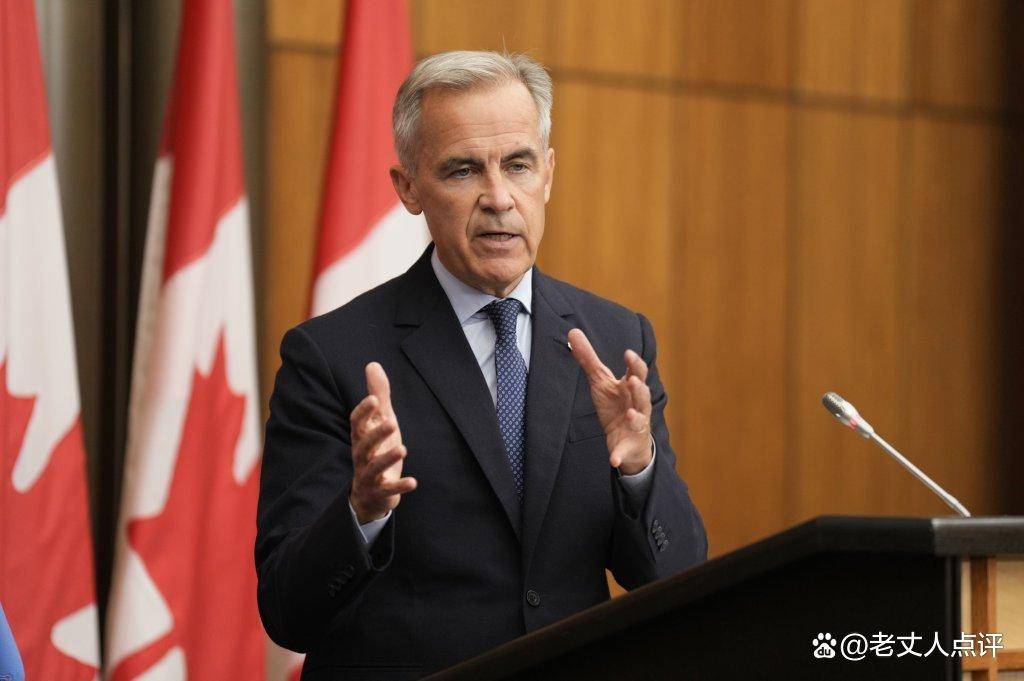
Core Viewpoint - The 27th Peking University Guanghua New Year Forum focuses on "domestic demand-led growth" as a key theme, aligning with the central economic work conference's emphasis on strengthening the domestic market for the new phase of the 14th Five-Year Plan [1][19]. Group 1: Forum Overview - The forum was held on January 17, 2026, at Peking University, featuring prominent speakers including university officials and industry representatives [3][21]. - The event aims to contribute to the theoretical framework for the 14th Five-Year Plan and stimulate discussions on building a robust domestic market [1][19]. Group 2: Keynote Speeches - Liu Shijun discussed the shift from supply constraints to demand constraints in China's economic growth, emphasizing the need for a focus on consumption and human capital investment [7][24]. - Gao Peiyong highlighted the importance of stimulating residents' consumption as a key driver of economic growth, addressing challenges such as weak consumer confidence and the need for systemic reforms [10][26]. - Liu Qiao analyzed the paradox of low consumer spending in relation to high per capita consumption, suggesting policy reforms to enhance disposable income and consumer rates [12][29]. Group 3: Roundtable Discussion - The roundtable featured discussions on how new supply can create new demand, with industry leaders addressing the structural mismatches in consumer markets [14][32]. - Ma Tiemin pointed out the need for agricultural product market reforms to address supply-demand mismatches, advocating for digital tools and innovative production methods [15][33]. - Other participants emphasized the importance of understanding consumer behavior shifts and the need for companies to adapt their strategies to meet evolving market demands [16][34][35]. Group 4: Future Directions - Zhang Zheng summarized that creating new demand through new supply is a comprehensive process involving value creation, technological empowerment, and supply chain upgrades [18][36]. - The forum underscored the necessity for collaborative efforts among policymakers, capital providers, and entrepreneurs to foster a sustainable environment for innovation and growth [18][36].
关税大砍 94%!4.9万辆配额背后:加拿大在中美之间走出了第三条路
Sou Hu Cai Jing· 2026-01-17 13:43
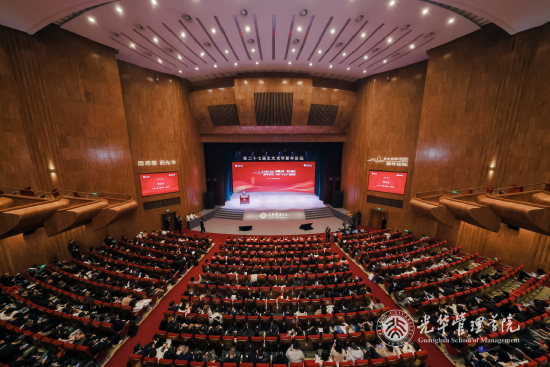
Core Viewpoint - Canada is shifting its trade strategy by reducing tariffs on Chinese electric vehicles (EVs) to 6.1% and allowing the import of 49,000 units annually, marking a significant move towards a more independent trade policy amidst US-China tensions [1][3]. Group 1: Trade Policy Changes - The Canadian government, under Prime Minister Carney, has announced a reduction in punitive tariffs on Chinese EVs, which previously reached 100%, allowing for a more favorable trade environment [3]. - The new policy allows for the import of 49,000 Chinese EVs annually, which constitutes less than 3% of Canada's new car market, while simultaneously negotiating lower tariffs on Canadian agricultural products exported to China [3][5]. Group 2: Economic Implications - The agreement is seen as a win-win for Canada, providing consumers access to EVs that are 20%-30% cheaper than North American models, while also securing a vital market for Canadian agricultural products like canola and lobster [3][5]. - The reduction of tariffs on canola to 15% and the elimination of tariffs on lobster and peas starting March 2026 are significant concessions from China, enhancing the economic relationship between the two countries [3]. Group 3: Strategic Balance - Canada’s approach illustrates a strategic balancing act, allowing it to maintain relations with the US while also engaging with China, thus avoiding a binary choice in international relations [5][8]. - The Canadian government aims to learn from China’s advancements in EV technology, suggesting that collaboration may be more beneficial than isolation for the development of its domestic EV industry [5]. Group 4: Challenges Ahead - Despite the positive outlook, there are concerns domestically regarding the potential impact on local workers and industries, with some provincial leaders expressing dissatisfaction with the perceived inequality of the trade deal [5]. - Internationally, the US has warned Canada about the potential repercussions of this decision, indicating that Chinese EVs may not be allowed in the US market, which could complicate Canada's trade dynamics [5][8].

赋能民营经济 助力青年创业!吉林百家中小微企业千人年货大集启幕
Xin Lang Cai Jing· 2026-01-17 13:35
Core Insights - The event "Jilin Gathering Good Goods - Jilin's Annual Fair for Small and Micro Enterprises" aims to empower small businesses and promote local economic development through a multi-faceted platform [1][3]. Group 1: Event Overview - The event is organized by the Jilin Provincial Federation of Industry and Commerce and Yuxiaofei Guochao Agriculture, featuring participation from a thousand entrepreneurs and a hundred brands [1]. - It includes a morning exhibition of products and an afternoon entrepreneur annual meeting, focusing on agricultural products, cultural creative products, and consumer goods [1][3]. Group 2: Economic Development Focus - The event addresses the challenges faced by small and micro enterprises in Jilin, such as narrow sales channels and weak branding, by creating direct sales pathways [3]. - It aims to ensure that high-quality local products reach households directly, thereby injecting real momentum into the private economy [3]. Group 3: Youth Empowerment Initiatives - A notable highlight is the inclusion of a section dedicated to empowering university students in entrepreneurship, reflecting the social responsibility of the organizers [4]. - The event provides free exhibition spaces, product design support, market channel connections, and policy consultation for university entrepreneurial teams [4]. Group 4: Future Plans - The Jilin Provincial Federation of Industry and Commerce plans to continue developing this event into a regular platform for empowerment and a long-term incubator for student entrepreneurship [6]. - The collaboration aims to enhance the quality and efficiency of "Jilin brand" industries and support the growth of small and micro enterprises and young entrepreneurs [6].

中加经贸合作成果为双边关系注入新动力|专家热评
Di Yi Cai Jing· 2026-01-17 10:00
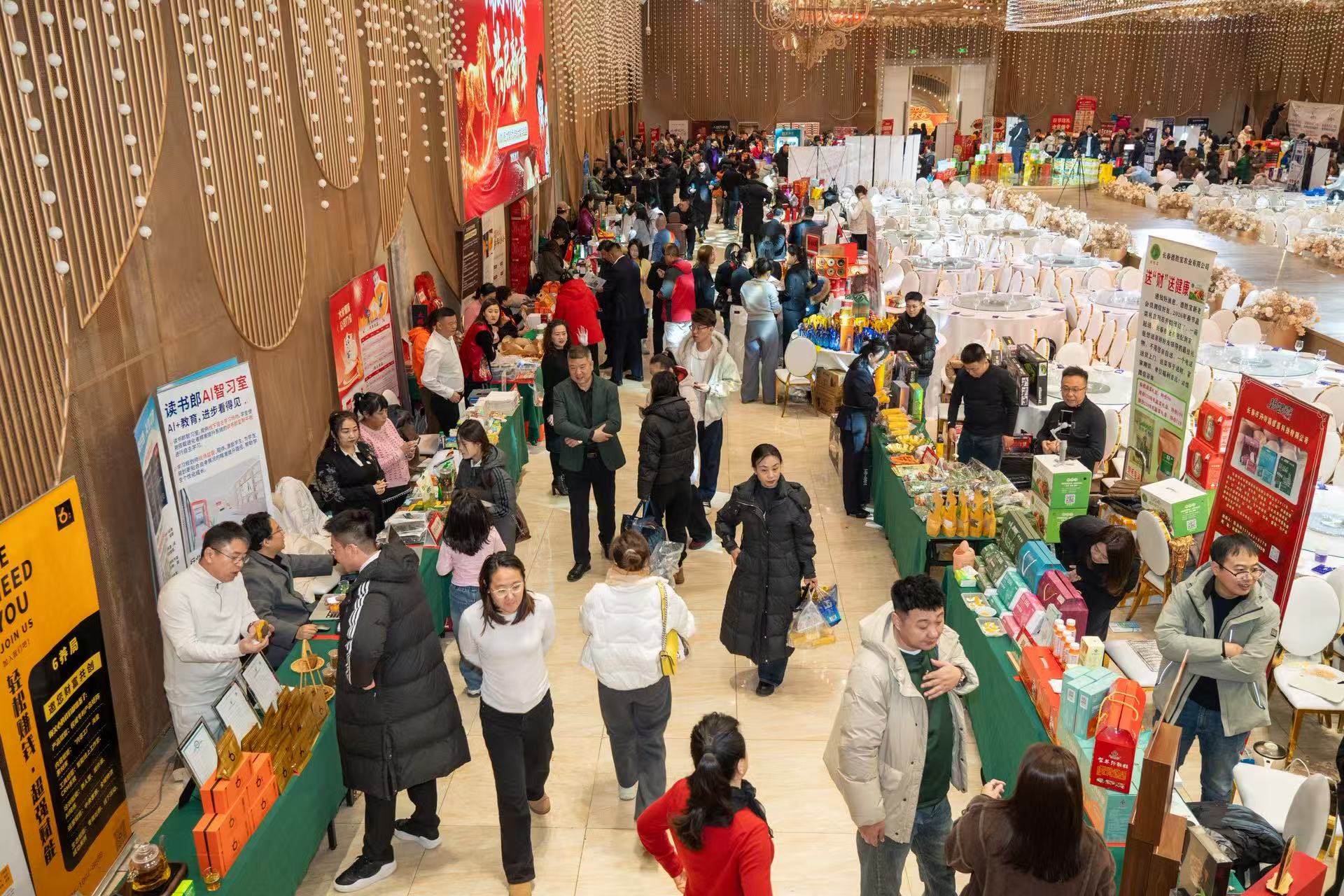
Group 1 - The core viewpoint emphasizes that open cooperation and mutual benefit remain the mainstream of international economic and trade relations, as demonstrated by the recent agreements between China and Canada [1][3] - During the visit of Canadian Prime Minister Carney to China, a broad consensus on deepening economic and trade cooperation was reached, resulting in the signing of the "China-Canada Economic and Trade Cooperation Roadmap" [1] - The agreement reflects the complementary nature of the two economies and serves as a positive example for the healthy development of bilateral economic and trade relations in the current international environment [1] Group 2 - China will further open its agricultural product market to Canada, including adjustments to trade measures for Canadian canola, driven by the upgrading of domestic consumption demand [2] - This move aims to provide Chinese consumers with more high-quality agricultural product options and stabilize agricultural trade between the two countries, benefiting both sides [2] - The elevation of the China-Canada Economic and Trade Joint Committee from a vice-ministerial to a ministerial level is a significant highlight, facilitating regular communication and addressing trade disputes [2] Group 3 - The mutual opening of agricultural imports from China and the optimization of electric vehicle market access by Canada are expected to bring tangible benefits to businesses and consumers in both countries [3] - There remains vast cooperation potential in areas such as green economy, digital economy, and technological innovation between China and Canada [3] - The outcomes of the recent discussions inject new momentum into bilateral relations and send a positive signal to the international community regarding the mainstream of open cooperation and mutual benefit in economic and trade relations [3]
