外卖

Search documents
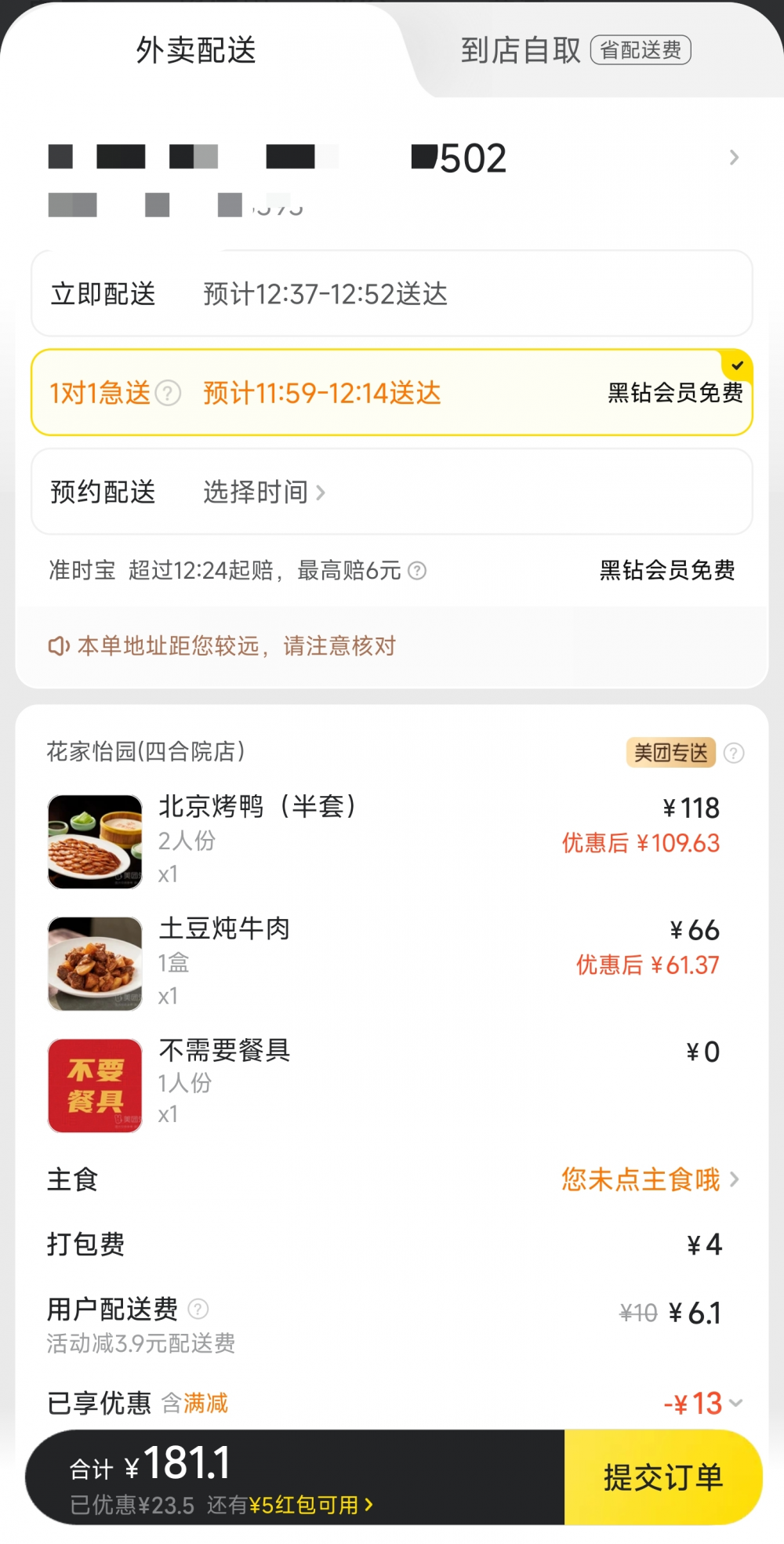
美团外卖公布“1对1急送”数据:七成美食订单来自中餐堂食,其余为轻食等
2 1 Shi Ji Jing Ji Bao Dao· 2025-10-09 12:09
Core Insights - Meituan's "1-to-1 Urgent Delivery" service has seen significant user adoption, with 70% of food orders coming from Chinese dining establishments, primarily offering freshly cooked meals [1] - During the National Day and Mid-Autumn Festival holiday, "1-to-1 Urgent Delivery" orders were delivered 17 minutes faster than the standard delivery model, enhancing user convenience and reducing pressure on delivery personnel [1] - The service has attracted a stable growth in users, with 75% being Meituan's premium members, who are willing to pay an additional fee for faster delivery and quality assurance [1] User Experience and Business Impact - Users of the "1-to-1 Urgent Delivery" service experience higher average order values compared to standard orders, while merchants do not incur additional promotional costs [1] - Delivery fees paid by users are distributed to riders, resulting in earnings of approximately 2-3 times higher per order compared to traditional delivery methods [1] - The service allows users with tight schedules to expand their dining options, while improved delivery efficiency enables restaurants to accept orders from further distances [1] Transparency and Trust - The introduction of "Bright Kitchen" live streaming by restaurants has increased consumer trust and repeat purchase rates, with a notable increase in "1-to-1 Urgent Delivery" orders linked to this transparency [2] - Over 300,000 merchants have adopted the "Bright Kitchen" live streaming feature, which allows consumers to see food preparation in real-time, enhancing confidence in food quality [2] - The platform has also introduced a "Dine-in Store" tagging feature and additional labels for "freshly prepared" dishes, which serve as important decision-making factors for users [2]


外卖大战,美团失去一些城池
YOUNG财经 漾财经· 2025-10-09 09:51
Core Viewpoint - The intense competition in the food delivery market has led to significant financial losses for major platforms, with a recent decline in subsidy intensity indicating a shift towards a more rational market environment driven by regulatory guidance and market dynamics [3][4][20]. Group 1: Market Dynamics - The subsidy war among major food delivery platforms has cooled down, with noticeable reductions in promotional activities such as "0 yuan purchase" and large red envelopes, reflecting a return to rational competition [3][4]. - Regulatory bodies have intervened, urging platforms like Meituan, Ele.me, and JD to cease "involutionary" competition and establish a multi-win ecosystem [4][20]. - Financial pressures from continuous subsidies have led to substantial losses, with JD's new business losses expanding to approximately 14.7 billion yuan in Q2 2025, and Meituan's operating profit plummeting by 98% year-on-year [4][6]. Group 2: Competitive Landscape - The entry of JD and Alibaba into the food delivery market has forced Meituan to increase its subsidy efforts, significantly raising operational costs and squeezing profit margins [5][6]. - Meituan's market share has declined from 85% pre-competition to 65%, while Alibaba's share has risen from 11% to 28% [8][9]. - The online food delivery market in China is maturing, with growth rates slowing down, prompting Meituan to seek new growth avenues [9][17]. Group 3: Strategic Responses - Meituan is expanding into instant retail, leveraging its existing delivery network and user base to enhance its service offerings [13][15]. - The company has invested in advanced technologies such as AI and drone delivery to improve its logistics capabilities [18]. - Meituan is restructuring its business focus towards high-growth potential areas, including instant retail and partnerships with high-end hotels to enhance user engagement [19][20]. Group 4: Future Outlook - The instant retail market is projected to grow significantly, with estimates suggesting a market size exceeding 1 trillion yuan by 2025 [17]. - Competition is shifting from short-term price wars to long-term ecological capability battles, emphasizing supply chain integration, technological efficiency, and user loyalty [20].
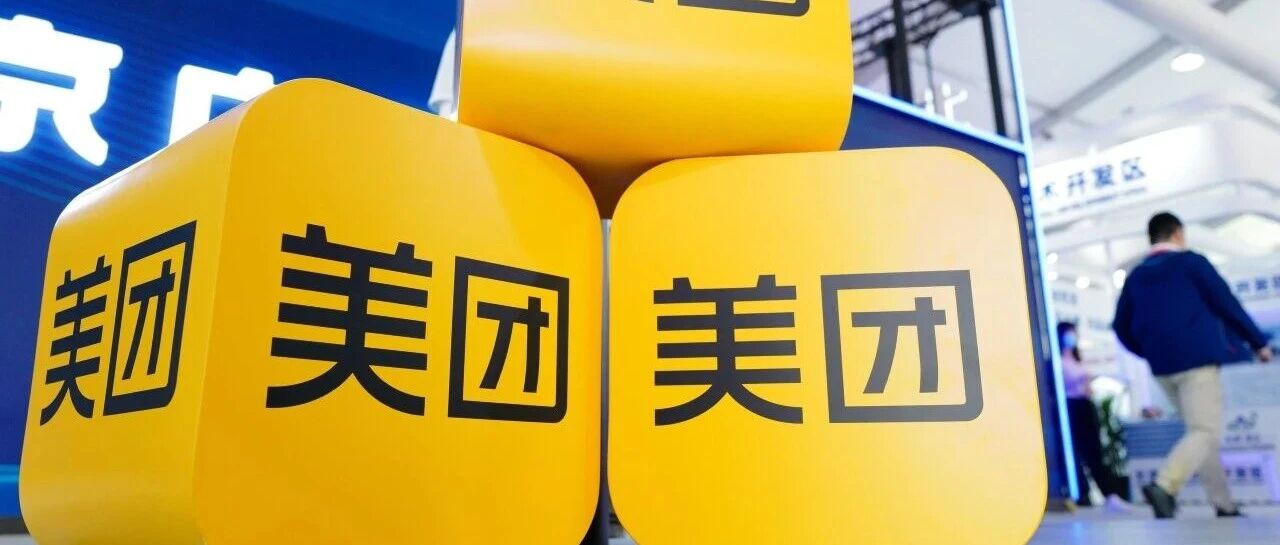
网络平台经营者应明示平台内公平竞争规则
Ren Min Ri Bao· 2025-10-09 02:20
Core Points - The newly revised Anti-Unfair Competition Law of the People's Republic of China will take effect on October 15, 2023, addressing new challenges in market competition in the digital economy era [6] - The law aims to regulate unfair competition behaviors such as false transactions, data rights protection, and platform responsibilities, providing a legal framework to promote high-quality development [6] - The law specifically prohibits platform operators from forcing or indirectly forcing platform operators to sell goods below cost, which disrupts market competition [7][8] Summary by Category Regulatory Changes - The revised law includes specific provisions against various forms of malicious transactions, such as false transactions, false reviews, and malicious returns, which harm the legitimate rights of other operators and disrupt market order [6][7] - It establishes obligations for platform operators to clarify fair competition rules in service agreements and transaction rules, and to create mechanisms for reporting and resolving unfair competition complaints [7] Market Impact - The law addresses the issue of "involution" competition, which has been detrimental to the market environment, and aims to create a healthier competitive ecosystem by promoting innovation and fair competition [7][8] - It highlights the need for collaboration among administrative agencies, judicial bodies, platforms, and related enterprises to effectively implement the law and address the challenges posed by digital economy development [7] Consumer and Business Protection - The law provides stronger legal protection for the reasonable profit margins and legitimate rights of businesses, ensuring that low-price promotions do not lead to a decline in quality control and result in disorderly competition [8]
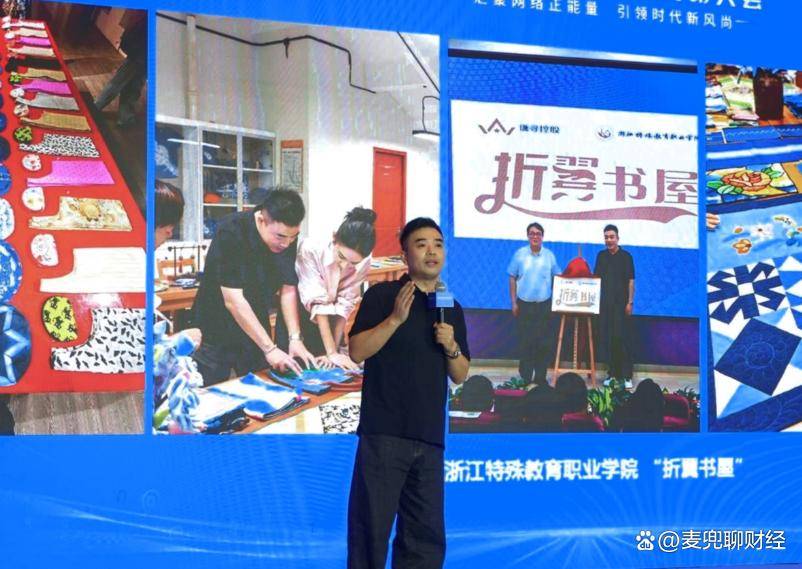
外卖大战到直播电商,董海锋在高校的这番话,很有意思!
Sou Hu Cai Jing· 2025-10-08 10:24
Group 1 - The core of the battle has evolved beyond simple food delivery services to a comprehensive ecological confrontation over "instant retail" dominance [3][15] - Alibaba initiated a massive subsidy campaign with a commitment of 50 billion yuan for its Taobao Flash Sale, leading to intense competition with Meituan and JD [2][5] - Meituan's system faced overload due to a surge in orders, with over 120 million orders recorded in one day, highlighting the scale of the competition [2][5] Group 2 - JD's strategy includes a "Double Hundred Plan" with over 10 billion yuan to support quality merchants, intensifying the competitive landscape [2][3] - High-profile subsidies from all three companies have led to significant financial losses projected for the next 12 months: Alibaba's food delivery business may face losses of up to 41 billion yuan, JD 26 billion yuan, and Meituan 25 billion yuan [2][3] - The market share dynamics are shifting towards a potential three-way split among Meituan, Alibaba, and JD, with a projected ratio of 4.5:4.5:1 [5] Group 3 - Regulatory concerns have emerged, with the market regulator urging the three platforms to adhere to e-commerce laws and engage in rational competition [5] - Meituan's CEO expressed concerns about the current order volume being inflated and the need for the industry to return to rationality [5][6] - The competition is characterized by a significant financial commitment, with over 25 billion yuan spent in a single quarter by the three companies [5] Group 4 - The competition extends to the live e-commerce sector, where companies are reflecting on their roles and responsibilities in society [6][8] - The concept of "live commerce for good" is being promoted, emphasizing the need for social responsibility alongside commercial success [8][9] - The evolution of competition in the internet industry is shifting from "traffic distribution" to "data distribution," highlighting the importance of controlling entry points [9][11][13]


一周要闻·阿联酋&卡塔尔|美团40天连开3国全速推进国际化/哈马德国际机场携手深圳宝安共促卡中航空联通
3 6 Ke· 2025-10-08 09:21
Group 1: Meituan and WeRide Expansion - Meituan's international delivery brand Keeta has officially launched operations in Dubai, marking its third Middle Eastern country expansion within 40 days, following Qatar and Kuwait [1] - Keeta plans to establish a "ground + low-altitude" dual fulfillment network in the UAE, utilizing drone delivery services to enhance instant retail capabilities [1] - WeRide has commenced trial operations of its Robotaxi and Robobus in Ras Al Khaimah, becoming part of the local public transport system, with commercial operations expected to start in early 2026 [1] Group 2: Digital Transformation and Economic Growth in UAE - Chinese smart office solutions provider MAXHUB has opened in Dubai, aiming to support the region's digital transformation with sustainable collaboration solutions [2] - Abu Dhabi's GDP is projected to reach 834 billion USD by Q2 2025, with a notable 6.6% growth in the non-oil sector, which now accounts for 56.8% of the GDP [3] - The Dubai Chamber reviewed 27 laws and established 5 new business councils in the first half of 2025, reflecting significant progress in enhancing the local business environment [3] Group 3: Renewable Energy and Tourism Growth - The UAE leads the Arab region in renewable energy investments, attracting 57 projects with over 8.5 billion USD in investments, creating more than 16,000 jobs [4] - The number of business licenses in the UAE's tourism sector has surged by 275% since 2020, reaching 39,546 licenses, driven by regulatory reforms [4] Group 4: Air Taxi Services and Visa Reforms - The UAE plans to launch its first air taxi service in Ras Al Khaimah by 2027, connecting major hotels and tourism sites, significantly reducing travel time [5] - New visa categories have been introduced to attract experts in AI, entertainment, and luxury tourism, showcasing the UAE's commitment to global openness [5]

“10分钟就能到暖心驿站”(从一线看高质量发展这五年)
Ren Min Ri Bao· 2025-10-07 21:51
Group 1 - The establishment of "warm stations" and "rider discussion halls" in Beijing's Xicheng District has significantly improved the working conditions for delivery personnel, providing them with essential amenities like charging stations, drinking water, and medical supplies [1][2] - Since 2021, the number of these service stations has increased from 80 to 355, with over 1,500 "rider service areas" currently available in the district, reflecting a commitment to enhancing the welfare of new employment groups [1][2] - The local government has integrated various community resources, such as party service centers, banks, and supermarkets, to support the densely populated urban area, demonstrating a people-centered development approach [2] Group 2 - The initiative has engaged 51,000 delivery workers in community service roles, contributing to public safety and support for vulnerable populations, thereby fostering a sense of responsibility and community among workers [2] - The "14th Five-Year Plan" emphasizes the importance of supporting new employment forms and improving social security systems for flexible workers and migrant workers, indicating a strategic focus on labor market inclusivity [2] - Personal stories from workers like Liu Kuo highlight the emotional and social impact of these initiatives, as they transition from mere service providers to integral community members, enhancing their sense of belonging in the city [2][3]
0元奶茶又刷屏了,互联网烧钱十年,咋还在玩老套路?
Sou Hu Cai Jing· 2025-10-07 16:36
Core Viewpoint - The current food delivery market is characterized by aggressive cash-burning strategies from major companies, reminiscent of past industry battles, raising concerns about sustainability and long-term viability [1][3][19] Group 1: Market Dynamics - The food delivery war has intensified, with JD.com achieving 1 million daily orders in just 40 days by offering zero commission and providing social insurance for delivery personnel [3] - Alibaba has invested 50 billion yuan to compete, while Meituan has allocated 100 billion yuan to support the restaurant ecosystem, which is 2.8 times its projected net profit for 2024 [3] - The competitive landscape has shifted from a dominant player to a triopoly involving JD.com, Alibaba, and Meituan, with Alibaba recently surpassing Meituan in daily order volume [17] Group 2: Historical Context - The current situation mirrors the "group buying war" of a decade ago, where companies like Groupon rapidly gained traction but ultimately faced a collapse due to unsustainable practices [5][11] - The group buying sector saw a rapid influx of competitors, with over 5,000 sites emerging in just six months, leading to a chaotic and unsustainable market environment [7][9] - By 2012, 80% of group buying websites had shut down, with only 176 remaining, highlighting the risks of aggressive cash-burning strategies [13][15] Group 3: Business Strategies - Meituan's success can be attributed to its focus on user retention and service quality rather than merely competing for market share through subsidies [15] - Current giants are criticized for prioritizing short-term gains through subsidies instead of fostering a healthy business ecosystem that benefits merchants and consumers alike [19] - The industry is urged to shift from a cash-burning model to one that emphasizes value creation, such as better support for delivery personnel and lower fees for merchants [19]
海口:今日22时起外卖、快递等企业有序恢复营业
Di Yi Cai Jing· 2025-10-05 12:47
Core Points - Typhoon "Maidam" made landfall in Xuwen County, Guangdong Province on October 5, with predictions indicating a gradual weakening of its intensity [1] - The emergency response level for flood and wind was adjusted from Level II to Level III as of 10 PM on October 5, signaling a return to normalcy in Haikou City [1] - Various businesses, including large shopping malls, markets, and restaurants, began to resume operations in an orderly manner starting from 10 PM on October 5 [1] - Construction projects, factories, tourist attractions, and parks are set to resume operations from 8 AM on October 6, contingent upon ensuring safety and eliminating hazards [1]
美国政府关门似乎“无关痛痒” 三大期指集体走高
Xin Lang Cai Jing· 2025-10-02 13:01
Market Overview - U.S. stock index futures showed slight gains ahead of the market opening, indicating investor indifference towards concerns about the latest government shutdown [1] - As of the report, Dow Jones futures rose by 0.02%, S&P 500 futures increased by 0.28%, and Nasdaq 100 futures climbed by 0.57% [2] Economic Context - The U.S. stock market experienced a four-day rally, with both the Dow and S&P reaching historical highs, as investors believe the government shutdown will be brief and limit severe economic impacts [3] - The government shutdown, which has not occurred in seven years, was triggered by a failure to reach an agreement on a funding bill before the deadline [3] Investor Sentiment - The primary concern for investors is the duration of the current deadlock, with predictions suggesting the shutdown could last at least three days, and traders betting it may extend to nearly two weeks [4] - Dan Niles, founder of Niles Investment Management, expressed that the current government shutdown might last longer than the one in 2018, but emphasized that other factors will be more significant [4] Key Factors Influencing Market - Niles identified three critical factors that could influence the market: strong upcoming Q3 earnings, sustained optimism around artificial intelligence, and the Federal Reserve's next meeting on October 29, where he anticipates three rate cuts this year [4] - Historically, the stock market has not been significantly affected by government shutdowns, but current instability in policy and macroeconomic conditions, along with inflation concerns, are making investors cautious [5] Corporate News - Berkshire Hathaway announced plans to acquire Occidental Petroleum's chemical subsidiary OxyChem for $9.7 billion, marking its largest deal since acquiring Alleghany for $11.6 billion in 2022 [7] - Amazon launched a new private label grocery brand, "Amazon Grocery," aimed at competing with Walmart and Costco, offering over 1,000 grocery items priced below $5 [7] - DoorDash completed its acquisition of UK rival Deliveroo, valuing the deal at approximately £2.9 billion [8] - OpenAI completed a stock transaction that valued the company at $500 billion, surpassing SpaceX to become the highest-valued startup globally [11]

国庆不出游,痴迷外卖拼单,中国年轻人的低欲望时代,真的要来了
Sou Hu Cai Jing· 2025-10-01 04:16
Core Insights - The concept of "low-desire living" is emerging as a significant trend among young consumers in China, indicating a shift away from excessive consumption towards more mindful spending [3][12] - The rise of shared platforms and second-hand markets reflects a broader societal change where individuals prioritize essential purchases over brand-driven consumption [5][9] Group 1: Consumer Behavior Changes - Young consumers are increasingly focused on purchasing only necessary items during promotional events, with over 72% of users born in the 1990s and 2000s indicating they only buy essentials during sales [3] - The trend of "宅家经济" (stay-at-home economy) is gaining traction, with many young people opting for home-based activities and avoiding crowded tourist spots during holidays [6] - The popularity of "拼单" (group ordering) has surged, with a 400% increase in orders within six months, leading to an average order price dropping below 10 yuan [6][8] Group 2: Economic Implications - The shift towards group ordering has disrupted traditional high pricing in the food delivery sector, with common prices for items like milk tea and rice bowls dropping to 7 yuan and 9 yuan respectively [8] - More than 60% of young consumers are increasing their savings rates, and the monthly active users of second-hand trading platforms have reached 300 million [9] - Financial behaviors among the 18-30 age group are becoming more conservative, with a decline in consumption and credit card installment usage, while savings and investment in funds are on the rise [11] Group 3: Future Outlook - The low-desire lifestyle is characterized by a focus on quality experiences, self-control, and sustainable growth, suggesting a fundamental shift in consumer values [12] - The economic landscape in China is expected to adapt to these new consumer preferences, moving towards direct-to-consumer (C2M) models to enhance supply chain efficiency and reduce costs for consumers [9][12]