家电

Search documents
国家税务总局: 2025年我国消费市场呈现多方面新亮点
Zheng Quan Ri Bao· 2026-01-27 03:57
Core Insights - The National Taxation Administration of China reports that by 2025, the consumer market will showcase new highlights driven by targeted policies, with significant demand in home appliances, smartphones, and new energy vehicles [1][4] - The "old-for-new" policy has effectively stimulated mass consumption, particularly in the new energy vehicle sector, which has seen both sales volume and revenue growth [1][3] Group 1: Consumer Trends - Home appliance consumption is on the rise, with retail sales of refrigerators, gas stoves, and smartphones increasing by 17.4%, 12.9%, and 18.6% year-on-year, respectively [1] - New energy vehicle sales and revenue are projected to grow by 24.3% and 21.1% year-on-year in 2025, reflecting a shift towards green consumption [1][3] Group 2: Digital Empowerment - The integration of technologies like AI and VR into daily life is enhancing diverse consumer needs, with internet service platforms and food delivery services seeing revenue growth of 9.4% and 13.3% year-on-year, respectively [2] - Digital cultural services, including gaming and animation, are expected to grow by 16.6% year-on-year, indicating a robust potential in this sector [2] Group 3: Cultural and Sports Consumption - The cultural tourism sector is experiencing revitalization, with revenue from artistic performances increasing by 17.3% year-on-year, and travel-related services seeing growth of 11.2% to 26.1% [2][3] - The sports and health industry is also thriving, with sports exhibition services and health management services growing by 12.2% and 16.5% year-on-year, respectively [3] Group 4: Senior and Childcare Services - The aging population is driving demand for elder care services, with revenue from elder care and related services increasing by 24.9% and 23.1% year-on-year [3] - Childcare services are also expanding, with nursery services seeing a year-on-year growth of 5.4% [3] Group 5: Inbound Consumption - The implementation of measures to enhance the outbound tax refund process has led to a 305% increase in the number of foreign travelers claiming refunds, with sales of tax refund goods rising by 95.9% [4] - The number of stores offering tax refund services has reached 12,930, with over 7,000 providing "buy and refund" services [4]
为全球经济增长带来更多动力(外媒看中国)——国际舆论看好中国经济发展前景
Ren Min Ri Bao· 2026-01-27 03:51
Core Insights - In 2025, China's economy demonstrated resilience amidst complex domestic and international environments, achieving a GDP growth of 5.0% and maintaining its position as the world's second-largest economy [1][2][3] Economic Performance - The industrial added value for large-scale industries increased by 5.9% year-on-year, while total goods import and export rose by 3.8% [2] - Final consumption expenditure contributed over 50% to economic growth, with real per capita disposable income growing by 5.0%, aligning with overall economic growth [2] Government Initiatives - The Chinese government implemented various economic stimulus measures, including a trade-in policy for consumer goods, which significantly boosted retail sales [2][3] - The government's focus on innovation and high-quality development has led to increased contributions from domestic consumption and foreign trade to economic growth [3] Technological Advancements - R&D expenditure intensity reached 2.8%, surpassing the OECD average for the first time, indicating a strong commitment to innovation [4] - China made significant strides in advanced technology sectors, with notable growth in the production of civilian drones (37.3%), 3D printing equipment (52.5%), industrial robots (28.0%), and new energy vehicles (25.1%) [4] Global Economic Impact - China's economic growth is projected to contribute approximately 30% to global economic growth, reinforcing its role as a stable and reliable driver of the world economy [7] - International organizations have raised their growth forecasts for China, reflecting confidence in the effectiveness of the government's economic measures [3][7] Innovation and Sustainability - China is rapidly advancing in green technologies, including electric vehicles and solar panels, which are becoming increasingly popular in various countries [6] - The focus on integrating artificial intelligence with various sectors is driving digital transformation and improving public service levels [5][6]
权威发布|出政策办活动优场景,促消费今年继续加力
Ren Min Ri Bao· 2026-01-27 03:48
人民日报记者 罗珊珊 1月26日,国务院新闻办举行新闻发布会,介绍2025年商务工作及运行情况,部署2026年提振消 费、拓展双向投资等方面举措。 "刚刚过去的2025年是很不平凡的一年。我们迎难而上、奋力拼搏,商务发展总体平稳、稳中有 进。"商务部副部长鄢东在会上表示。 提升文化娱乐、旅游休闲、餐饮住宿、体育赛事、医疗健康等领域供给水平 服务消费具有消费频次高、乘数效应强、增长可持续等特点,在扩大内需、增进民生福祉中发挥着 重要的作用。2025年,居民人均服务性消费支出同比增长4.5%,占居民人均消费支出的比重为46.1%。 下一步,商务部将继续实施服务消费提质惠民行动,会同相关部门推动提升文化娱乐、旅游休闲、餐饮 住宿、体育赛事、医疗健康等领域的供给水平。 在商品消费方面,扩围提质实施消费品以旧换新,汽车、家电、手机等相关产品销售额2.61万亿 元,惠及3.66亿人次。在服务消费方面,开展服务消费提质惠民行动,全年服务零售额同比增长5.5%, 文体休闲、旅游咨询租赁、交通出行等服务零售额保持两位数增长。在创新消费场景方面,开展国际化 消费环境建设试点,优化离境退税政策,离境退税商品销售额增长近一倍。240 ...
每日市场观察-20260127
Caida Securities· 2026-01-27 03:37
Market Overview - On January 26, the market experienced a decline, with the Shanghai Composite Index falling by 0.09%, the Shenzhen Component Index down by 0.85%, and the ChiNext Index decreasing by 0.91%[4] - The total trading volume on January 26 was 3.28 trillion, an increase of approximately 160 billion compared to the previous trading day[1] Sector Performance - Over half of the sectors saw declines, with non-ferrous metals, coal, and oil sectors leading in gains, while military, automotive, electronics, and social services sectors faced the largest declines[1] - The semiconductor and aerospace sectors, which had previously seen significant gains, experienced notable declines, indicating a rare phenomenon of widespread losses in technology sectors since the beginning of the year[1][2] Regulatory Impact - The primary reason for the market adjustment is attributed to regulatory measures aimed at cooling down the market, particularly following rapid increases in sectors like commercial aerospace[2] - Significant sell orders were observed in large-cap stocks, reflecting the regulatory intent to maintain market stability[2] Fundraising and Investment Trends - In the last week of January, 43 new funds were launched, with equity funds remaining the dominant category, indicating strong investor interest in the market[12] - Since the beginning of the year, 76 new funds have been established, raising a total of 71.94 billion, with an average fund size of 9.47 billion[13] Consumer Trends - In 2025, household appliances, mobile phones, and new energy vehicles showed significant growth, with sales of household appliances increasing by 17.4%, mobile phones by 18.6%, and new energy vehicles by 24.3%[7] - The elderly care services sector also saw substantial growth, with spending on elderly care and nursing home services increasing by 24.9% and 15.4%, respectively[11]
招商证券:1月港股消费观察:外卖反垄断如何影响港股消费股前景?
CMS· 2026-01-27 03:31
Investment Rating - The report provides a positive outlook on the food and beverage sector, recommending leading companies in snacks and condiments [7][9]. Core Insights - The report highlights a decline in retail sales growth, with December's year-on-year growth at 0.9%, down 0.4 percentage points from November, indicating a potential slowdown in consumer spending [8]. - The food and beverage sector shows positive signals, particularly for Moutai, which is expected to maintain stable pricing due to supply-side constraints and increasing demand [9][10]. - The report anticipates that service consumption will be the main growth driver for 2026, with an expected overall consumption growth rate of 5.1% [8]. Industry Size - The industry comprises 1,216 stocks, with a total market capitalization of 17,809.1 billion and a circulating market capitalization of 16,466.7 billion [3]. Performance Metrics - The absolute performance over 1 month, 6 months, and 12 months is 4.4%, 7.0%, and 27.3% respectively, while the relative performance is 3.4%, -7.1%, and 4.5% [5]. Sector Recommendations - The report recommends focusing on leading companies in various sectors, including: - Food and beverage: Emphasis on Moutai and other snack brands [9]. - Textile: Anticipation of a turnaround for Li Ning in 2026 [13][14]. - E-commerce: Positive outlook on Alibaba due to its cloud business growth potential [24]. - Agriculture: Continued recommendation of leading pig farming companies and attention to planting policy catalysts [30]. Specific Company Insights - Moutai is expected to see stable pricing and growth in demand, with a focus on core products [9]. - Li Ning is actively launching new products and expanding its retail presence, aiming for a rebound in 2026 [13][14]. - Alibaba's cloud business is projected to accelerate growth driven by AI advancements [24]. - The agricultural sector is advised to focus on leading pig farming companies and the implications of planting policies [30].
“暖经济”热风劲吹 围绕“御寒保暖”消费需求各类消费场景持续升温
Yang Shi Wang· 2026-01-27 03:25
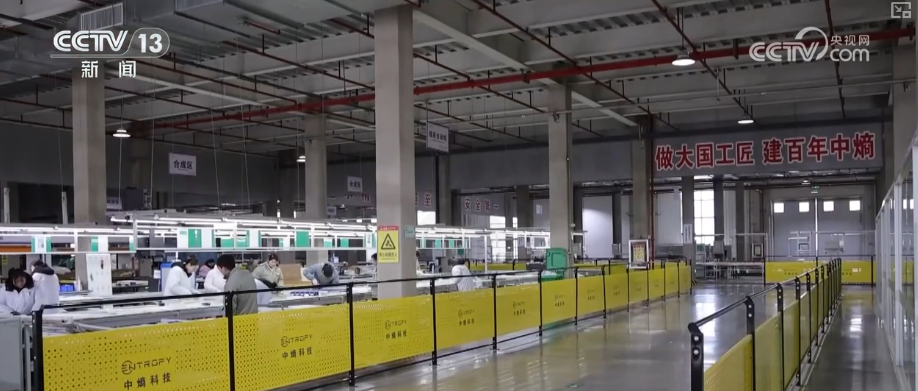
Group 1 - The article highlights the increasing consumer demand for heating products in Jiangsu due to frequent cold weather and snow, leading to a rise in various consumption scenarios [1] - A company in Pizhou has adapted its production line to incorporate new heating materials technology, resulting in the launch of nearly 10 types of heating products, including underfloor heating and heating mouse pads, which are well-received by consumers [4] - The implementation of a new round of consumer subsidies for replacing old products by 2026 has boosted consumer purchasing enthusiasm [6] Group 2 - Sales of heating facilities, particularly air conditioning, have seen a growth rate between 23% and 27%, indicating a strong overall sales performance [10] - Consumers are taking advantage of subsidies, with one customer noting a significant discount on a heating product, making it more affordable [8]

今年如何进一步促消费?将围绕这3个方面开展→
Sou Hu Cai Jing· 2026-01-27 03:10
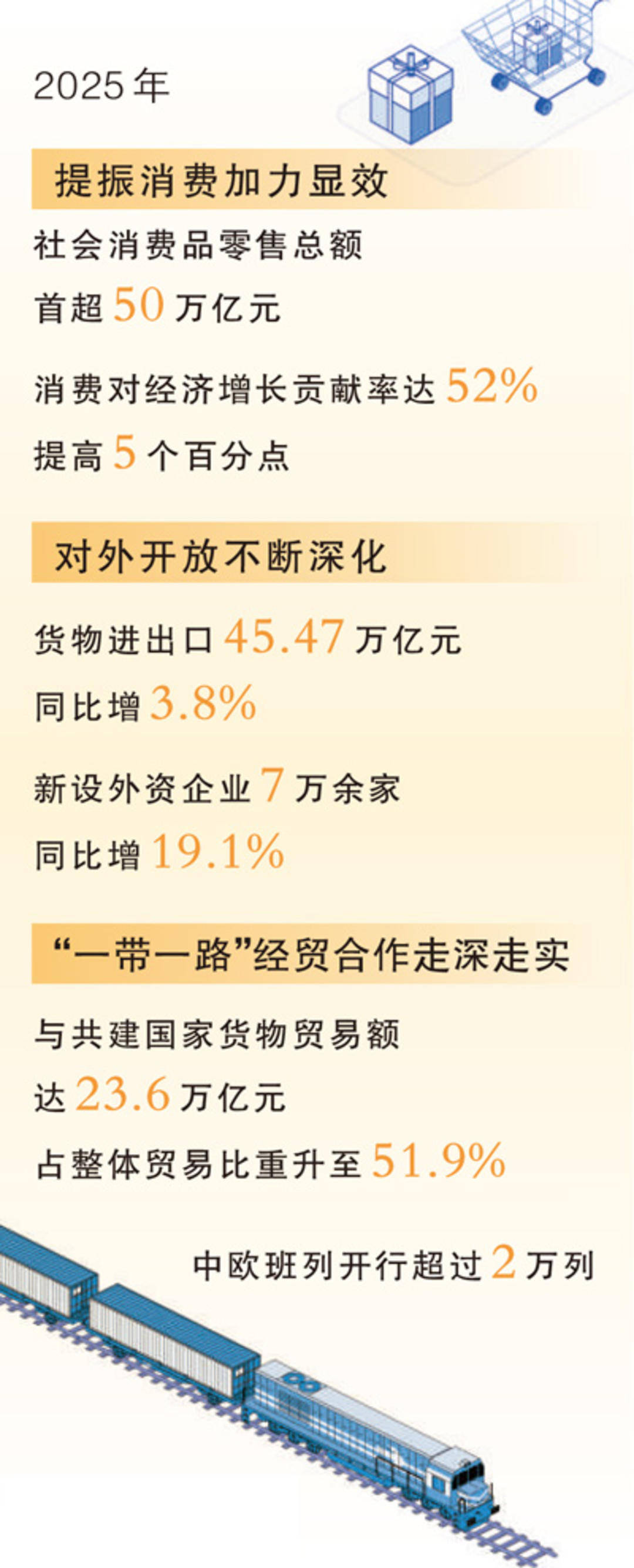
Core Viewpoint - The Chinese government aims to enhance consumer spending, targeting a 5 percentage point increase in the contribution of consumption to economic growth by 2025, with a retail sales target of 50.1 trillion yuan, reflecting a 3.7% year-on-year growth [7][8]. Group 1: Policy Initiatives - The Ministry of Commerce plans to implement a dual approach of "policy + activities" to stimulate consumption, focusing on enhancing supply in cultural, entertainment, tourism, and healthcare sectors [7][9]. - Specific policies include optimizing the "trade-in" program for consumer goods and promoting automotive consumption through pilot reforms [9][10]. Group 2: Consumption Activities - Over 20 "Buy in China" themed events will be organized, alongside city-specific activities to create a vibrant consumption atmosphere [9][10]. - The service sector is expected to see a 5.5% increase in retail sales, with significant growth in leisure, tourism, and transportation services [7][9]. Group 3: International Trade and Investment - In 2025, China's total goods import and export reached 45.47 trillion yuan, a 3.8% increase, with over 780,000 active trading entities [10][11]. - The government aims to attract foreign investment by expanding market access and supporting foreign enterprises in various economic activities [11][12]. Group 4: Global Economic Engagement - China has signed 24 free trade agreements with 31 countries, covering 45% of its total goods trade, and is actively participating in global economic cooperation initiatives [12][14]. - The "Belt and Road" initiative has led to a 6.3% increase in trade with partner countries, highlighting China's commitment to international collaboration [12][13].
中国第一个40万亿大省,即将诞生
3 6 Ke· 2026-01-27 02:53
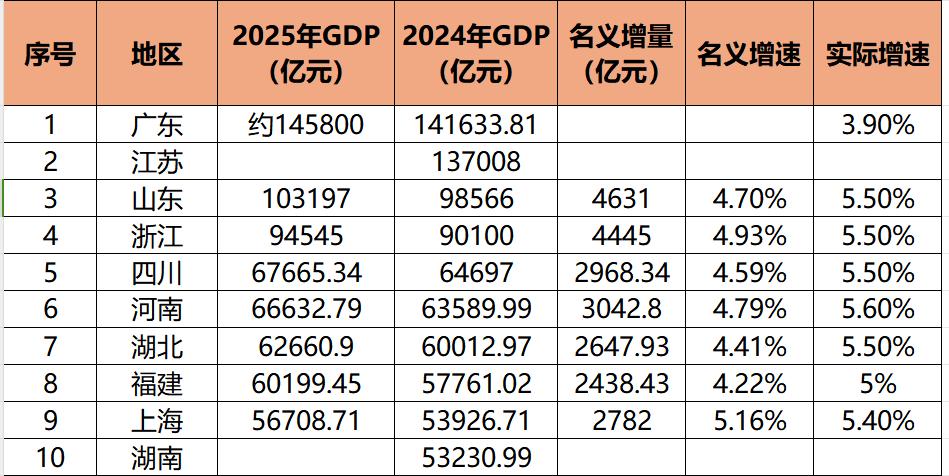
Core Insights - Guangdong's total deposits in domestic and foreign currencies are projected to reach 38.7 trillion yuan by the end of 2025, just shy of the 40 trillion mark, significantly outpacing Jiangsu by 10.82 trillion yuan [1] - The GDP of Guangdong is expected to be 14.58 trillion yuan in 2025, maintaining its position as the largest economy in China for 37 consecutive years, despite a modest growth rate of 3.9% [2][3] Economic Indicators - **Population Scale**: Guangdong has a resident population of 127 million, with a real-time population of 150 million, leading the nation. The province has over 30 million migrant workers, accounting for about 25% of its resident population [5] - **Business Environment**: By the end of 2025, Guangdong is expected to have over 20.37 million registered business entities, representing about 10% of the national total [6] - **Financial Sector**: Guangdong's financial institutions are projected to hold 38.72 trillion yuan in deposits by the end of 2025, maintaining a significant lead over other provinces [8] - **Foreign Trade**: In 2025, Guangdong's total goods trade import and export volume is expected to reach 9.49 trillion yuan, contributing 24.1% to the national foreign trade increment [9] - **Fiscal Revenue**: The local general public budget revenue for Guangdong is projected to be 1.3939 trillion yuan in 2025, marking a 3% increase and maintaining the top position in the country for 35 years [10] - **Capital Market**: Guangdong is expected to have 1,224 listed companies by the end of 2025, with a total market capitalization exceeding 30.75 trillion yuan, indicating a strong wealth creation capacity [11] - **Industry Clusters**: Guangdong has formed nine trillion-yuan industry clusters, including new-generation electronic information and green petrochemicals, showcasing its industrial strength [12][14]
贵州2026年将落实职工带薪错峰休假制度
Zhong Guo Xin Wen Wang· 2026-01-27 02:50
Core Viewpoint - Guizhou Province plans to implement a paid staggered vacation system for employees by 2026 to boost consumer spending and enhance economic activity [1] Group 1: Economic Measures - The Guizhou government aims to deepen the implementation of special actions to stimulate consumption [1] - Policies will include trade-in programs for consumer goods, collaboration with liquor brands, distribution of consumption vouchers, and interest subsidies for consumer loans [1] - Regular promotional activities will be conducted to stabilize consumption in key sectors such as automobiles, refined oil, and home appliances [1] Group 2: Consumer Sector Focus - The government intends to revitalize traditional consumption areas, including dining, supermarkets, and accommodation [1] - There will be a cleanup of unreasonable or "one-size-fits-all" restrictive measures in the consumption sector [1] - The introduction of the paid staggered vacation system is expected to provide consumers with time, opportunities, and willingness to spend [1]
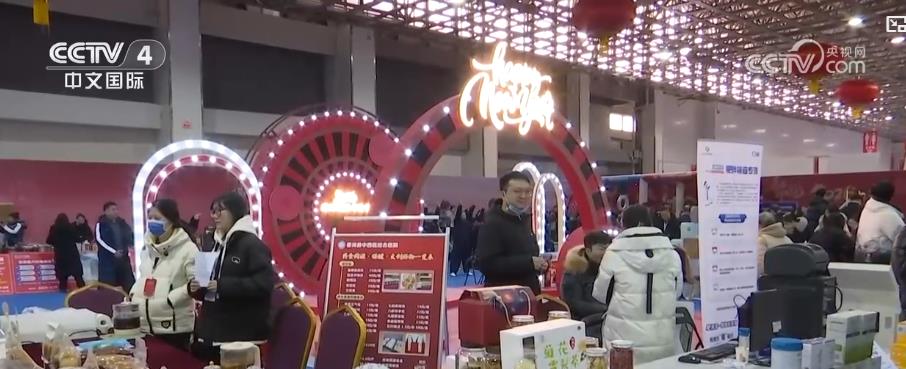
年味渐浓消费热 补贴+跨界+保供点燃节前消费热潮
Yang Shi Wang· 2026-01-27 02:24
Group 1 - The 2026 Hebei Langfang International New Year Goods Festival has commenced, featuring over 2,000 unique products from both domestic and international vendors, promoting a "buy global without leaving Langfang" experience through an online and offline integration model [3] - The 2026 Zhejiang New Spring Consumption Season has been launched with a total investment of over 5 billion yuan in consumer subsidies, payment red envelopes, and merchant coupons, aiming to combine benefits for the public with consumption promotion [4] - In Jiangxi Pingxiang, the 2026 New Year Goods Market and "Enjoy Ping City" Auto Carnival has started, highlighting new energy vehicles as a popular purchase, with a total of 1.1 million yuan in consumer vouchers distributed across various sectors [6] Group 2 - Shanxi Province has optimized its old-for-new policy for home appliances and digital smart products, expanding the subsidy coverage to include smart home devices and products for the elderly, facilitating easy redemption through online platforms [9] - The supply of vegetables and fresh produce is abundant ahead of the festival, with daily trading volumes reaching over 1,200 tons of fruits and vegetables in Shenyang and an increase in seafood trading in Fuzhou from 3,500 tons to over 6,800 tons [10][12]